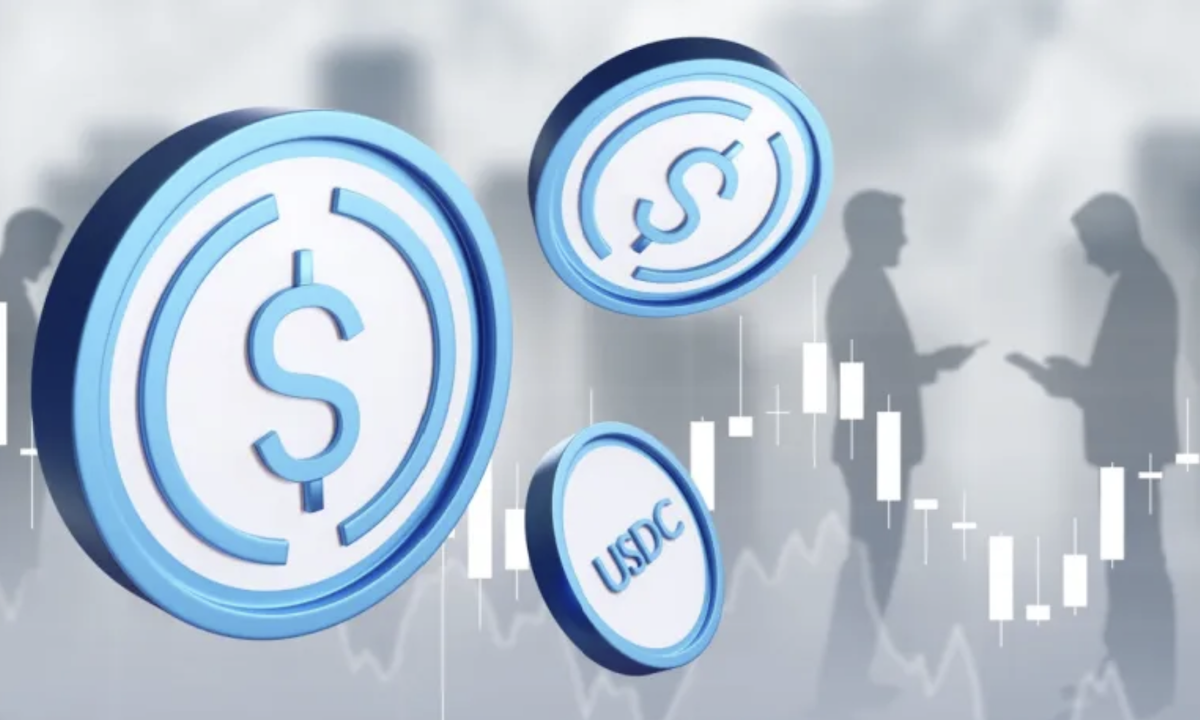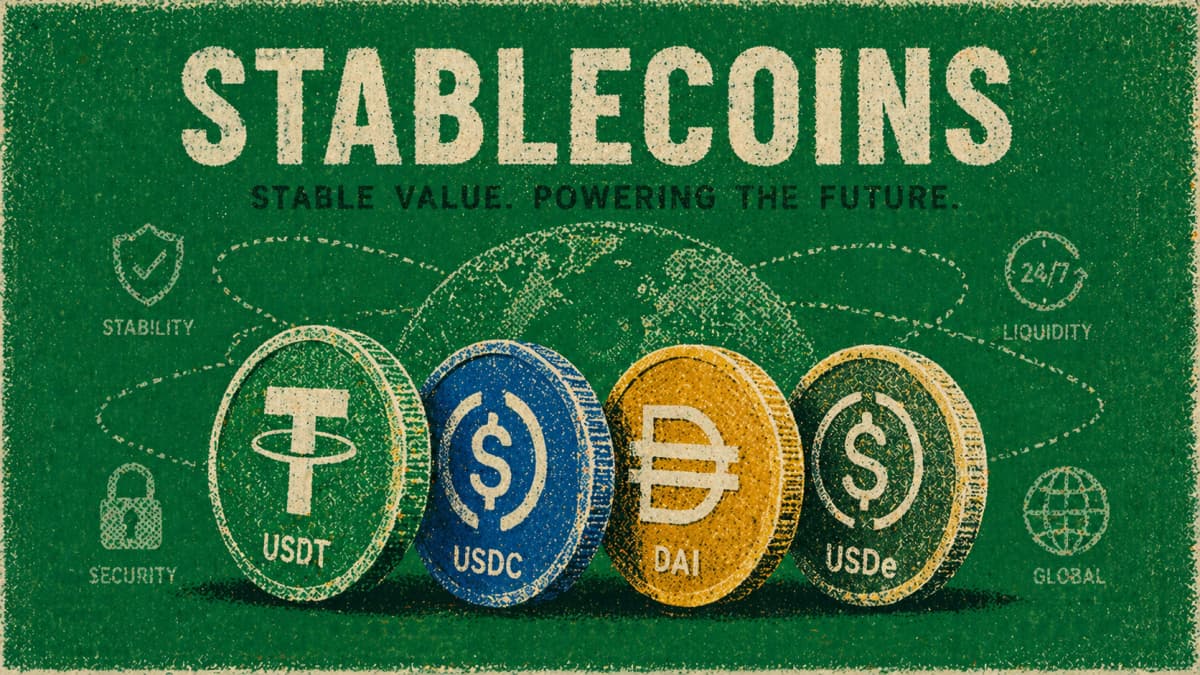
Stablecoins have officially transitioned from a niche speculative tool into a cornerstone of global financial infrastructure, according to a comprehensive new industry report from Morph.
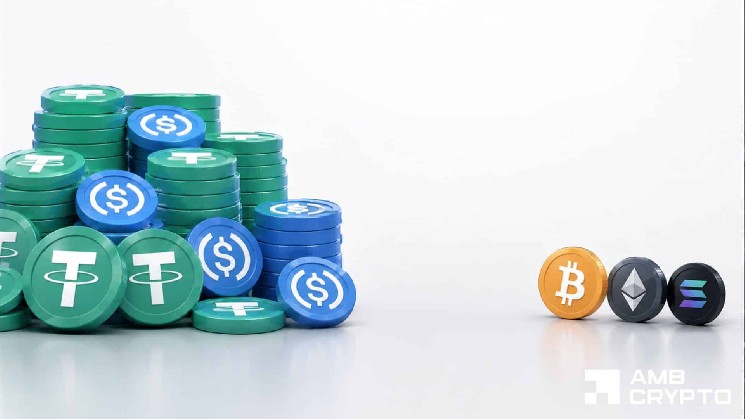
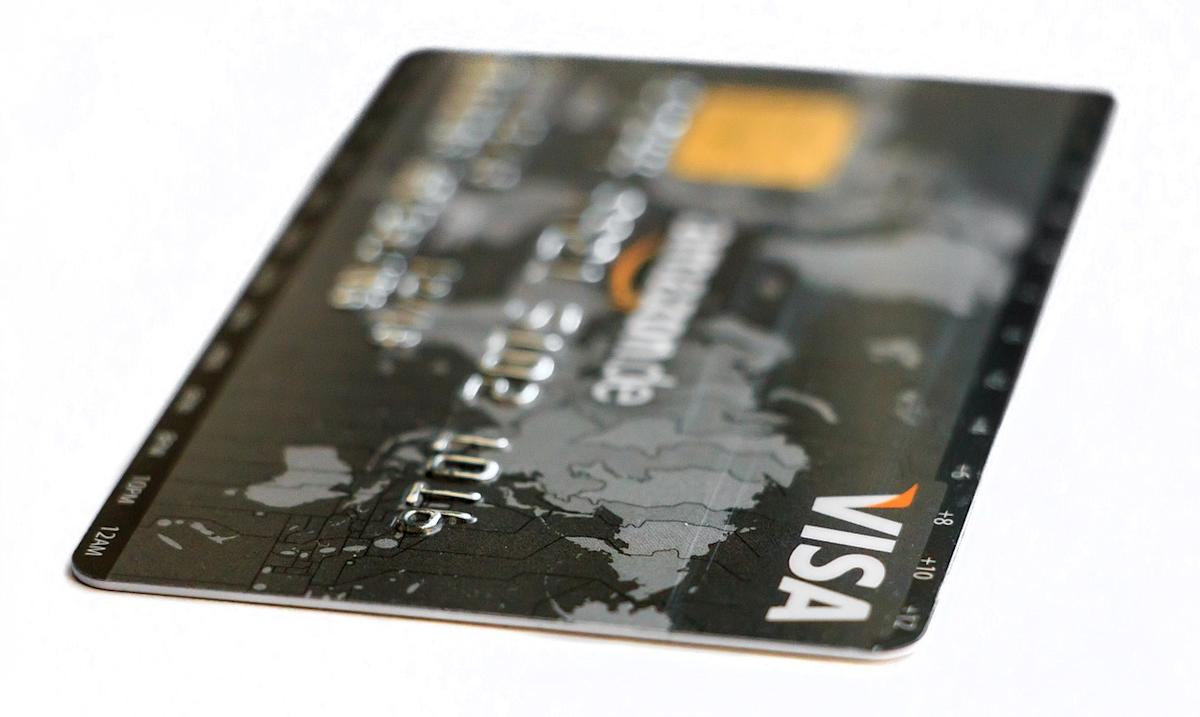
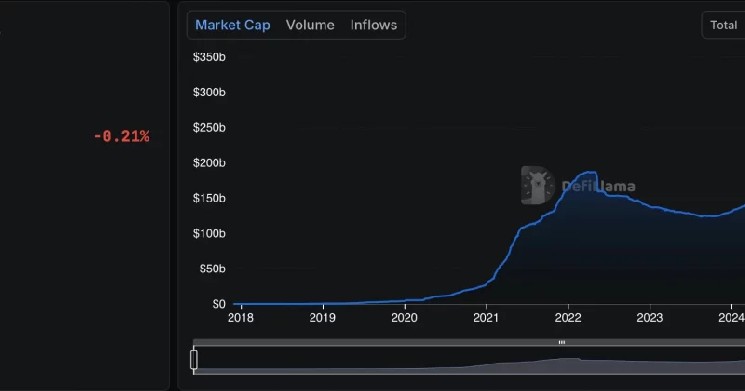
Released today, The State of Stablecoins report reveals that the stablecoin market has reached a staggering $312billion market cap, representing a 60-fold increase since 2020. More notably, annual stablecoin transaction volume has surged to $33trillion, formally exceeding the combined throughput of traditional payments giants Visa ($15.7trillion) and Mastercard ($9.8trillion).
Dismantling the crypto-trader myth

The data presented by Morph, a high-performance settlement layer, actively dismantles the long-standing misconception that stablecoins are primarily utilized for crypto trading. While trading use remains significant, the report highlights that the fastest-growing use cases are now rooted firmly in the “real economy”.
Business-to-business (B2B) flows now account for approximately $226 billion, representing a massive 60 per cent of all identifiable real-economy stablecoin volume. Among firms tracked by crypto analytics platform Artemis, B2B stablecoin payments skyrocketed from under $100million per month in early 2023 to over $6billion per month by mid-2025.
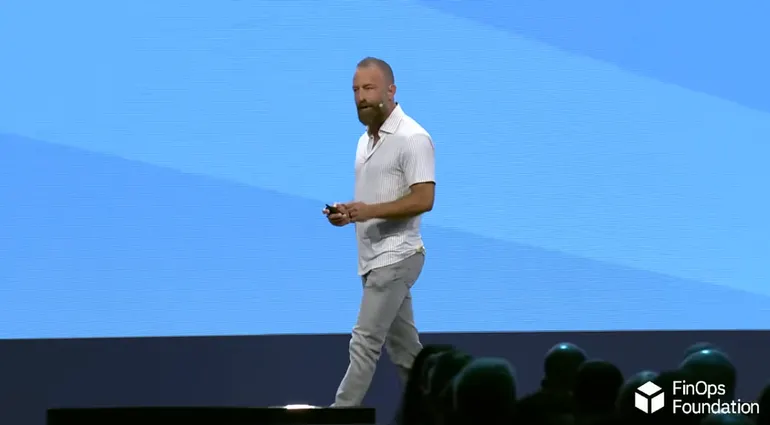
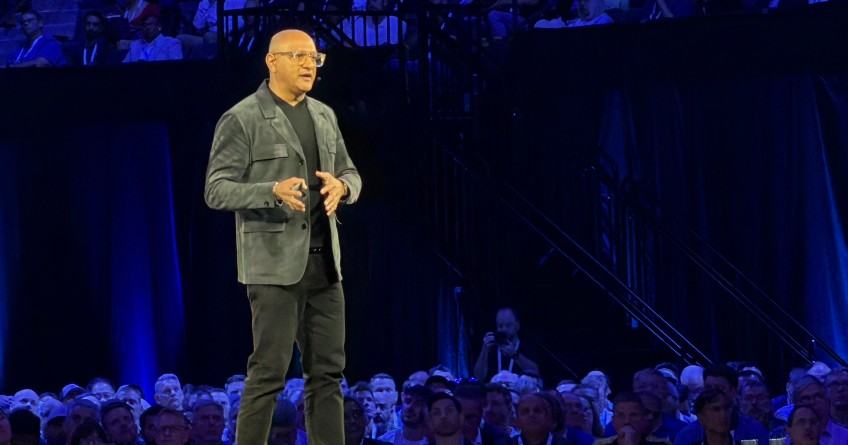
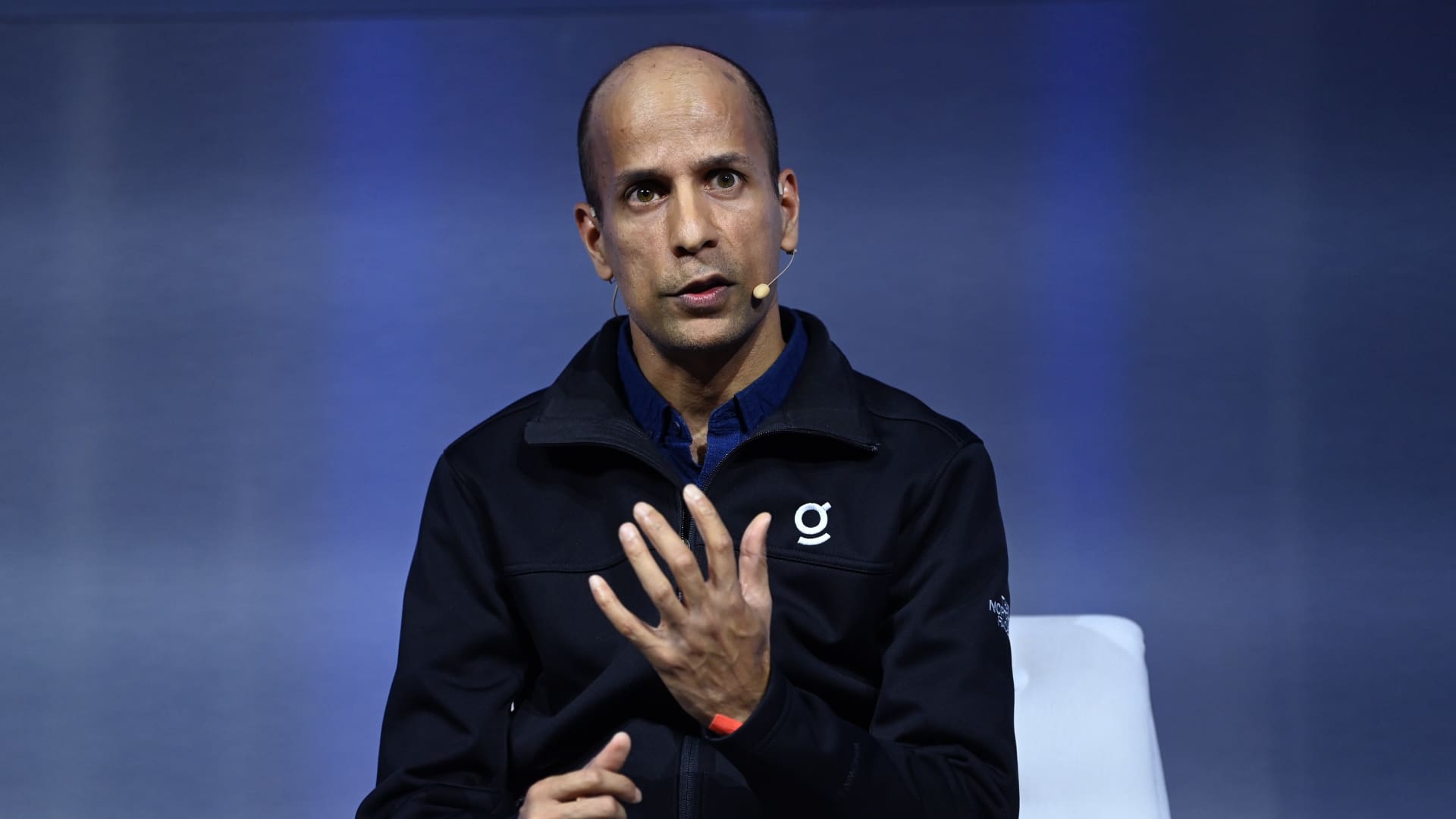
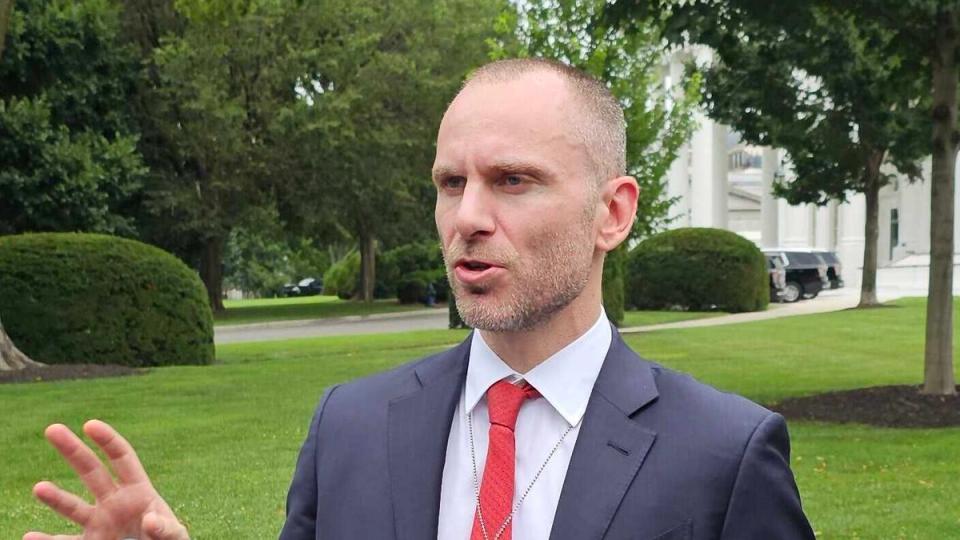
Colin Goltra, CEO of Morph, emphasized the structural shift occurring within corporate finance.
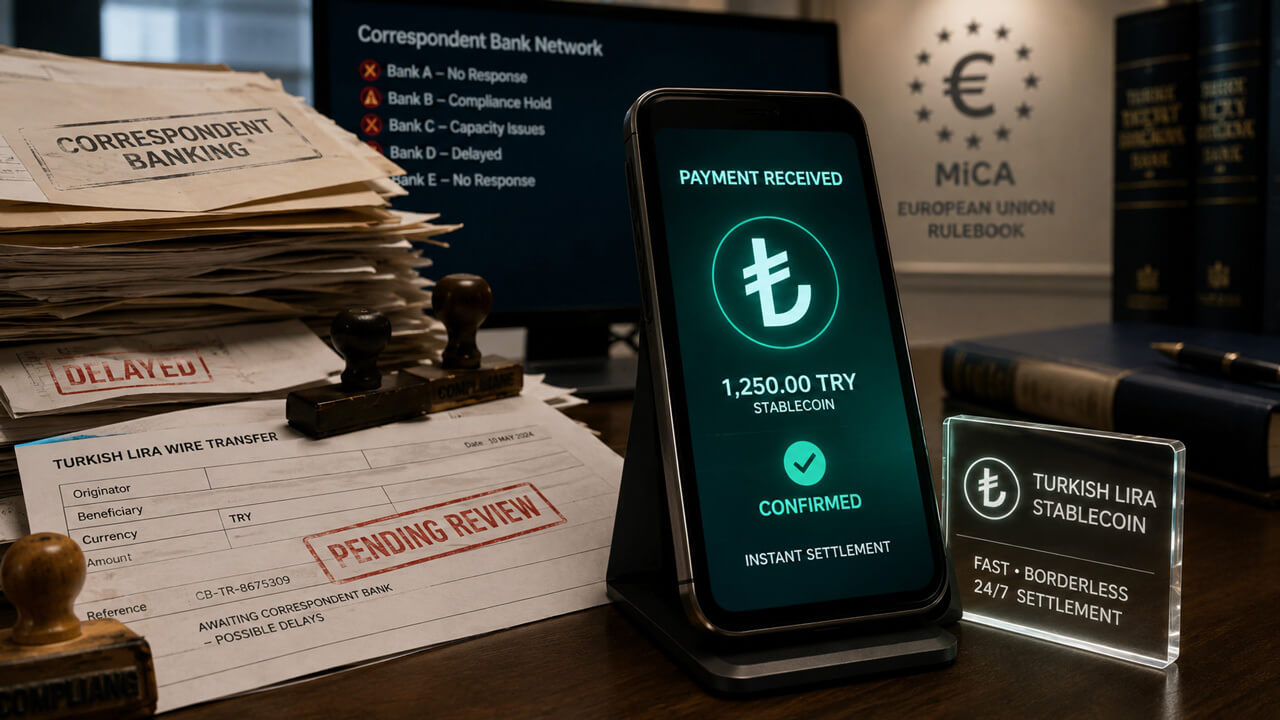
“The data is clear: we are no longer in a pilot phase. Stablecoins are now a structural necessity for modern treasury and procurement,” Goltra stated. “Organizations building stablecoin capabilities in 2026 will hold a structural cost and speed advantage over those tethered to legacy rails.”
The efficiency is already paying dividends. According to the report, 41 per cent of corporate users now report cost savings of at least 10 per cent by utilizing the technology, while 77 per cent of corporate stablecoin adopters cite simple supplier payments as their primary use case.
A transformative roadmap for 2030
Looking ahead, the report outlines eight bold predictions for the next five years. By the end of 2026 alone, Morph predicts that annual stablecoin settlement volume will exceed $50trillion, driven by a massive move toward institutional utility as the majority of Fortune 500 companies assess or pilot stablecoin payments.
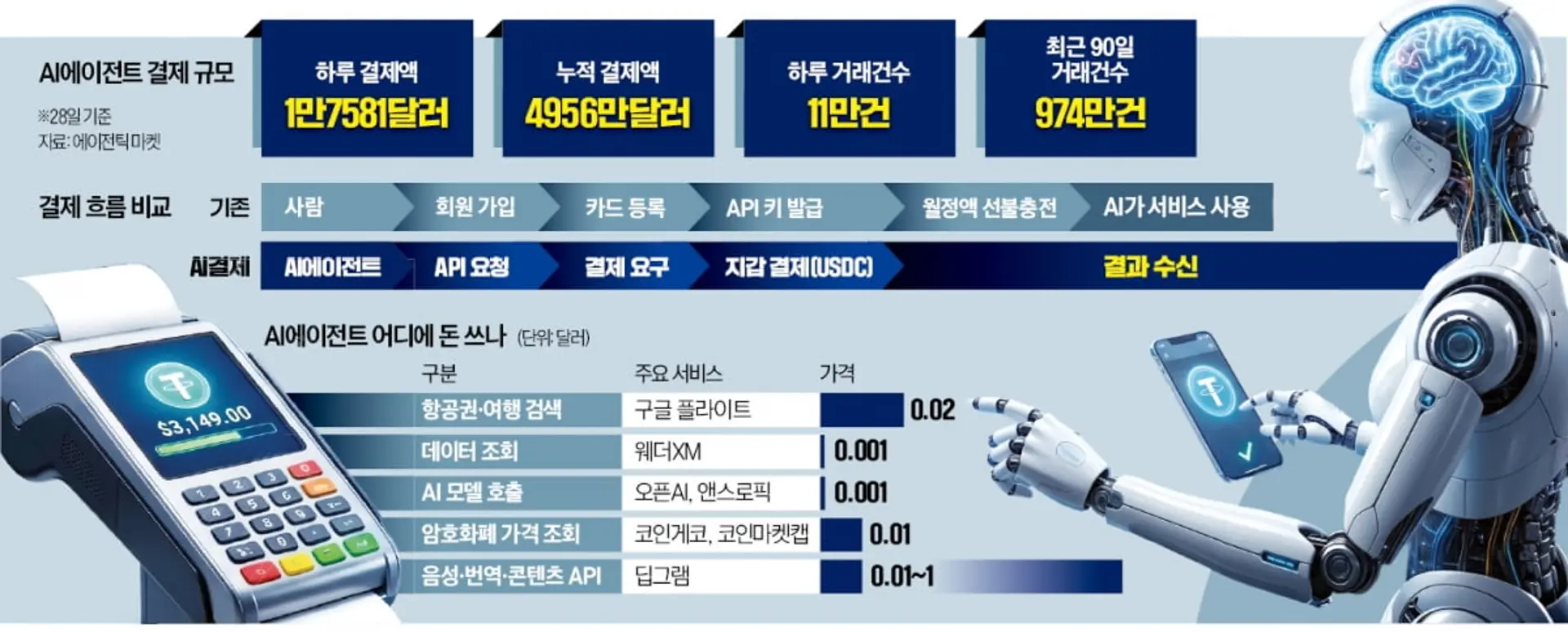
The forecast suggests an even more radical financial landscape by 2027, where AI agents are projected to become the largest category of transaction initiators. Consequently, Morph predicts that legacy network SWIFT will be forced to launch its own stablecoin settlement layer or face material volume loss to onchain alternatives.
By 2028, the report predicts that the first emerging market economy will officially adopt a private stablecoin as legal tender alongside its national currency.
Ultimately, by 2030, Morph anticipates the total stablecoin market capitalization will exceed $1.9trillion, with a realistic path to $4trillion. At this scale, stablecoins are expected to intermediate five to ten per cent of all global cross-border payments, fundamentally restructuring the movement of value across the global economy.
Fueling the next wave of adoption
In direct response to this accelerating institutional demand, the Morph Payment Accelerator has launched a $150million commitment backed by the Bitget ecosystem.
With 54 per cent of organizations reportedly planning to deploy stablecoin solutions within the next 12 months, the new initiative is designed to support companies scaling high-volume payment applications by providing production-grade infrastructure, technical integration, and performance-based incentives.