Suspicions have resurfaced that Japan’s prime minister’s office had prior knowledge of the memecoin “Sanae Token” (SANAE TOKEN). As the controversy grows, Japan’s financial authorities are also pressing ahead with an institutional overhaul by submitting to parliament a bill that would change the framework for crypto-asset regulation.
On April 7, blockchain outlet BeInCrypto reported that market attention has shifted beyond the political dispute to whether the episode will bring forward the regulatory overhaul or make it more complicated.
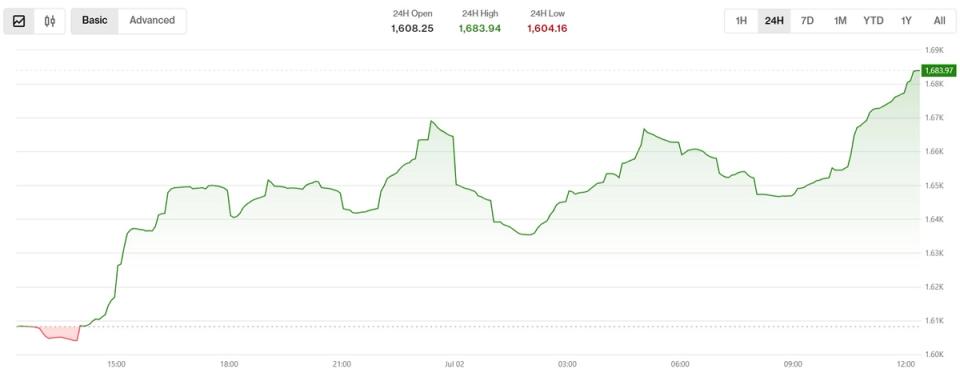
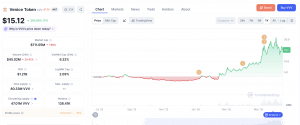
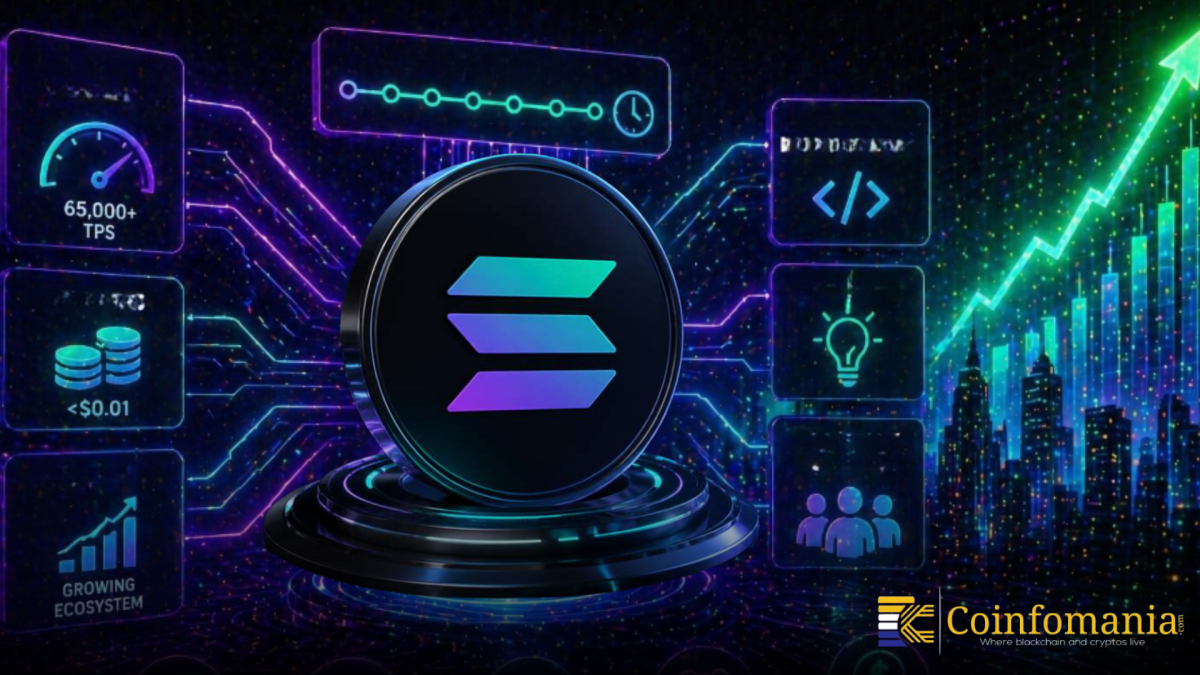
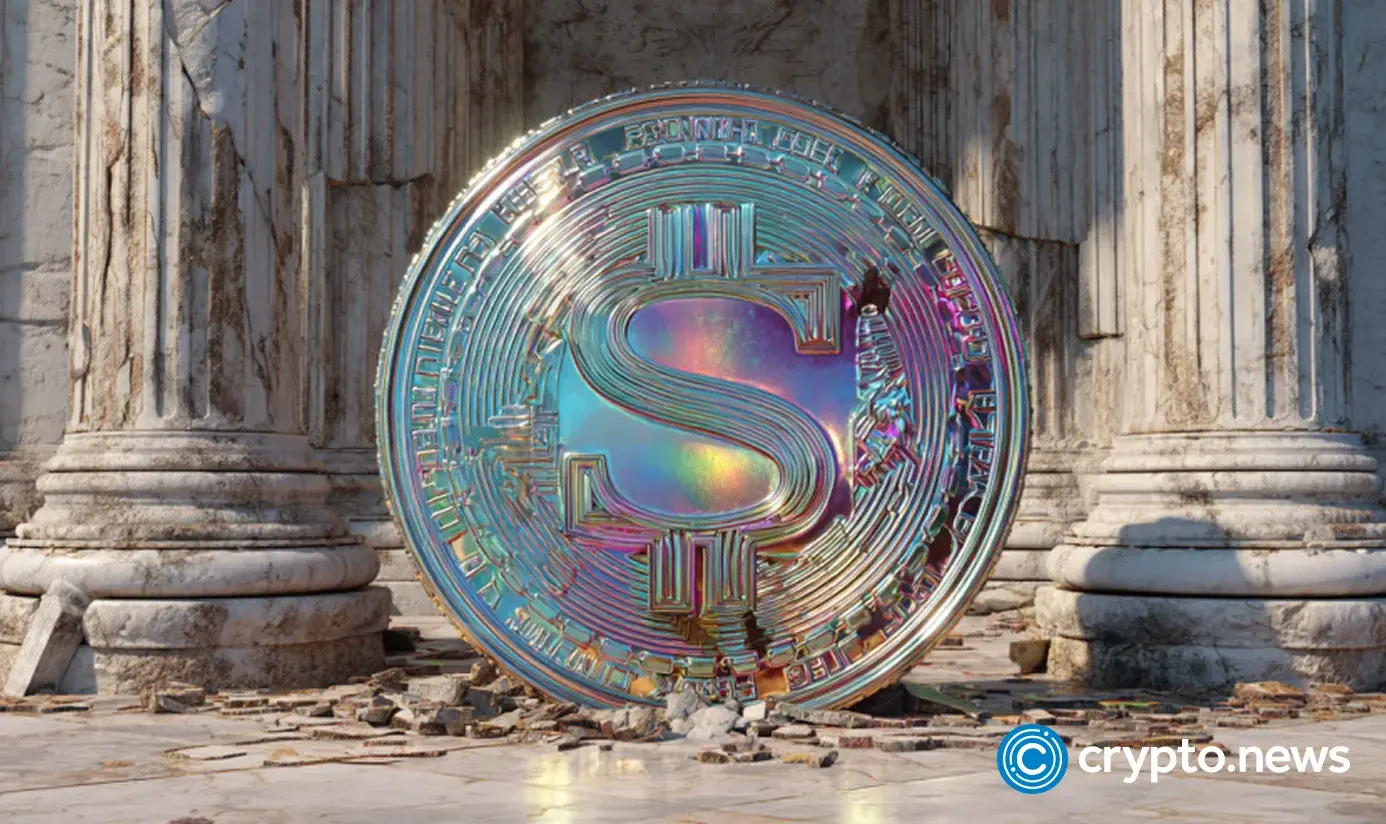
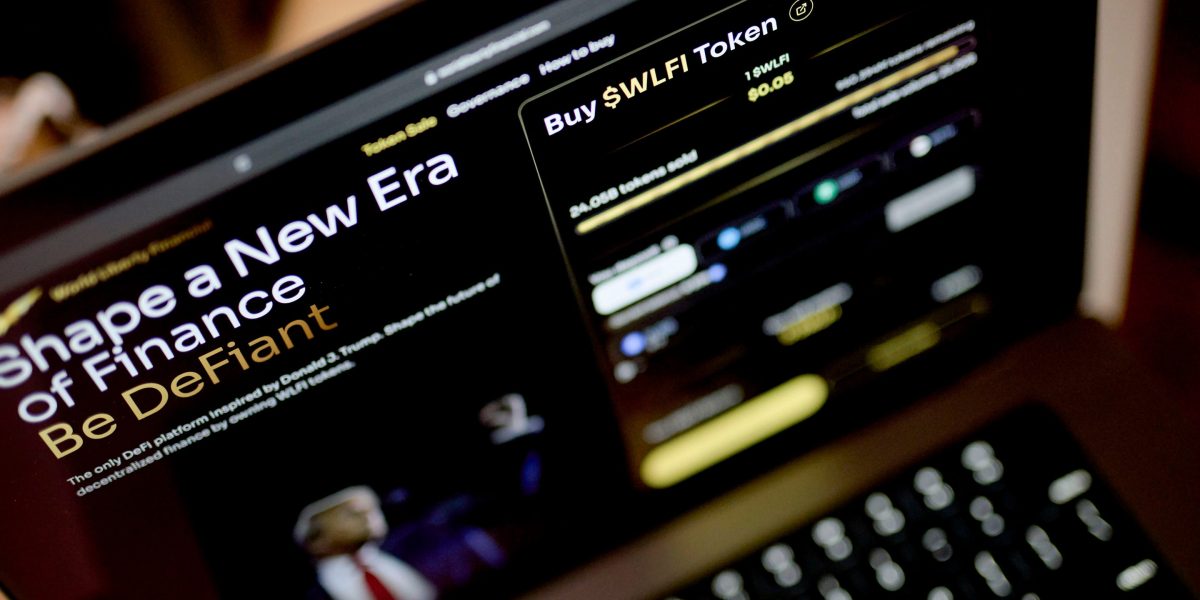
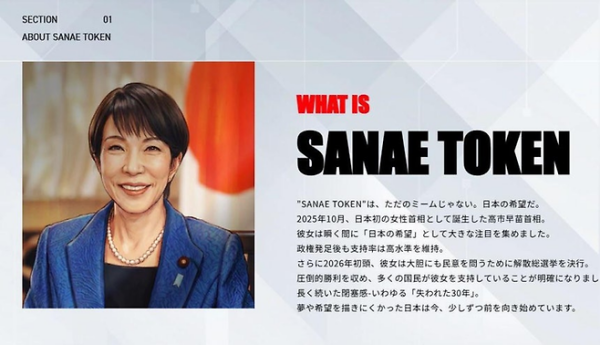
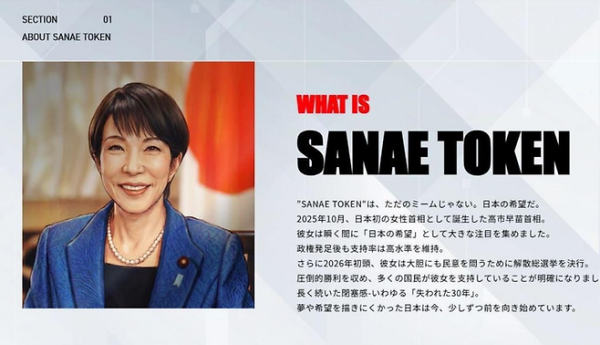
Sanae Token was launched on Solana on Feb. 25. The community NoBorder DAO, led by serial entrepreneur Yuji Mizoguchi, issued it as part of the “Japan is Back” initiative, and the project website used Takaichi’s name and portrait. The price jumped more than 40 times on the launch day, but it fell 58 percent after Takaichi denied on March 2 that she and her office had ever received any notice about the token. Japan’s Financial Services Agency then opened a probe into whether NoBorder DAO operated without a crypto exchange licence, and the organisers halted issuance.
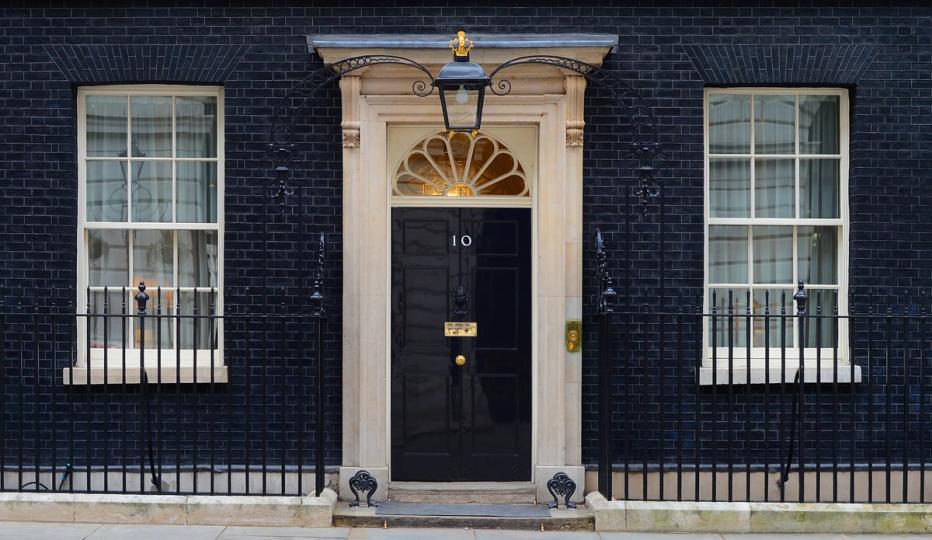
A report by a Japanese weekly magazine reignited the controversy. Weekly Bunshun reported that developer Gen Matsui said he informed Takaichi’s office that the project was a crypto asset. That directly contradicts Takaichi’s earlier stance that there was no prior notice. Bunshun also claimed it obtained an audio recording that appears to show Takaichi’s chief secretary speaking favourably about the project over a long period. Another Japanese online outlet reported that Takaichi’s office did not respond to questions, and said Takaichi has not held a news conference since the second cabinet was launched on Feb. 18.
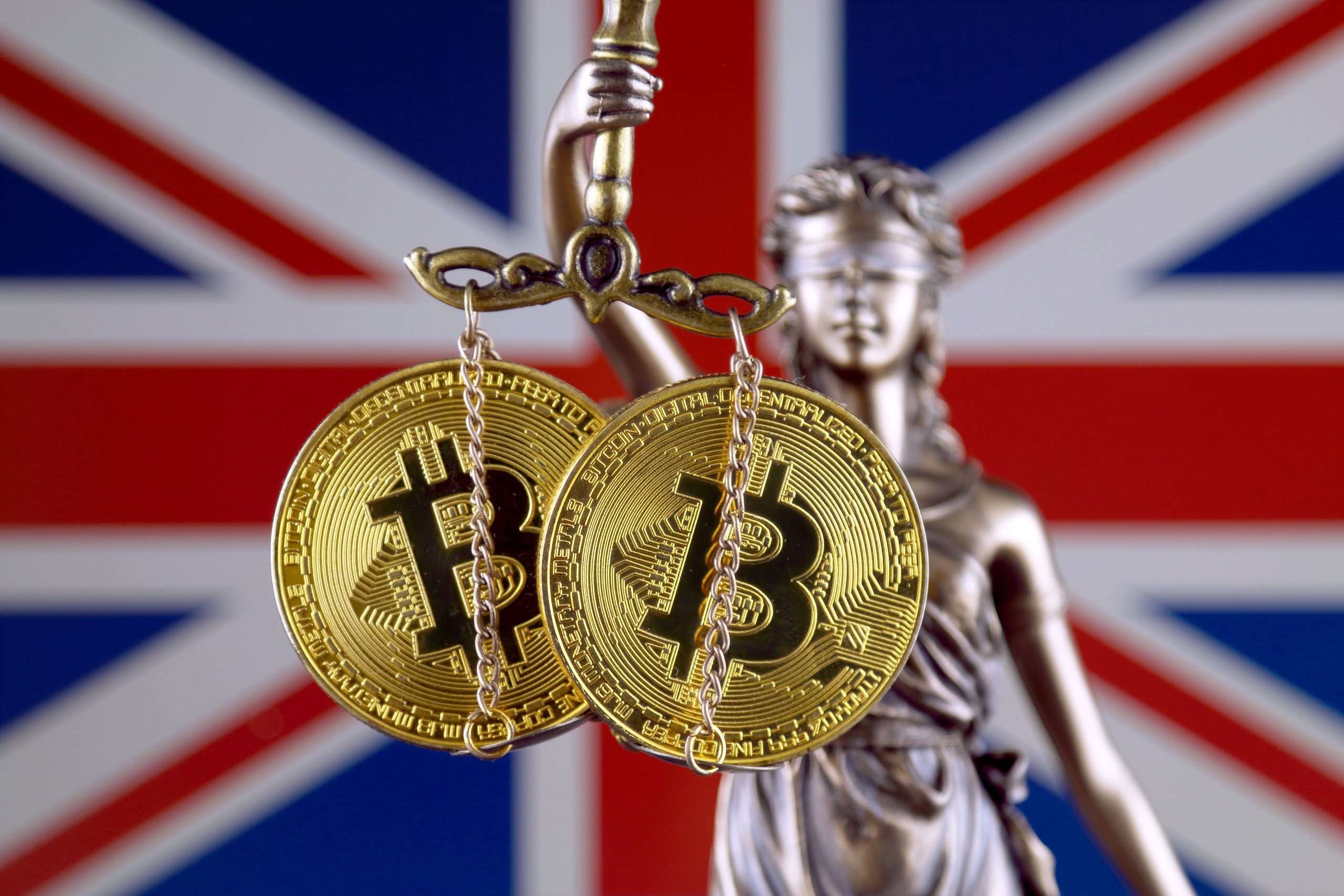
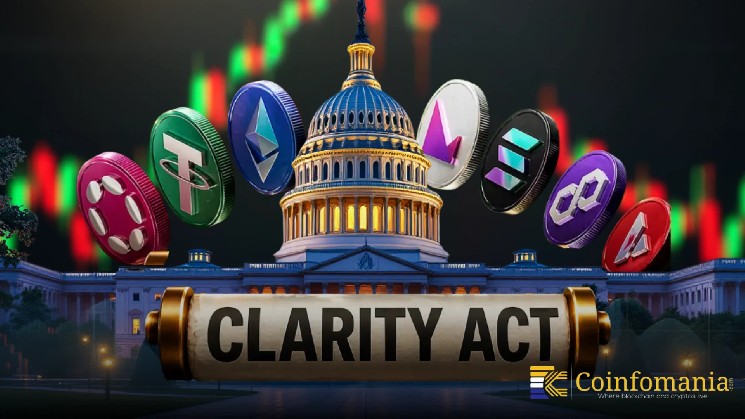
Separate from the political dispute, the industry is more sensitive to regulatory change. The Asahi Shimbun reported that Japan’s Financial Services Agency submitted to parliament this week a key bill for the crypto-asset overhaul. The bill would shift the legal basis for crypto assets from the Payment Services Act to the Financial Instruments and Exchange Act and reclassify digital assets as “financial products” for the first time.
Penalties will also be strengthened. The maximum prison term for unlicensed crypto-asset sales will increase to 10 years, three times the current level, and the fine will rise to 10 million yen from 3 million yen. The Securities and Exchange Surveillance Commission will also be given new criminal investigative powers over crypto-asset operators. For investor protection, the bill includes provisions that would in principle void transactions with unregistered operators and make it easier to demand refunds. That directly intersects with the Sanae Token case, which has drawn suspicions of unlicensed operations.