The Dow Jones Industrial Average flirts with the historic 50,000-point level in early April 2026, driven by a shift from tech to industrial and financial blue-chips, offering U.S. investors a chance to diversify amid stabilizing Fed rates and manufacturing rebound.
The **Dow Jones Industrial Average** continues its consolidation near the psychologically significant 50,000-point mark as investors embrace a ‘Great Rotation’ toward industrial and financial sectors, providing U.S. investors with opportunities in cyclical blue-chips amid a post-soft-landing economy.
As of: April 7, 2026, 11:49 PM ET (America/New_York)
Current Dow Position and Recent Momentum
On April 7, 2026, the Dow Jones Industrial Average hovered in a high-stakes consolidation zone just below 50,000 points, following its historic breach of that milestone in February. This positioning reflects sustained momentum from late 2025, when the index gained 13% for the year after the Federal Reserve achieved a soft landing with rates stabilizing between 3.00% and 3.50%. The price-weighted nature of the DJIA amplifies gains from high-priced industrial components, distinguishing its performance from cap-weighted peers like the S&P 500.
Technical indicators underscore bullish sentiment, with all moving averages from MA5 to MA200 signaling ‘Buy,’ and the RSI at 75.764 indicating overbought but resilient conditions. Pivot points cluster around 44,837, supporting near-term upside potential toward 45,000 if momentum holds. For U.S. investors, this stability near 50,000 offers a benchmark for portfolio allocation, particularly in Dow-linked ETFs like DIA, which track the index’s 30 blue-chip constituents without futures exposure.
The Great Rotation: From Bits to Atoms
The dominant narrative is the ‘Great Rotation’—a pivot from tech-heavy ‘Magnificent Seven’ stocks to ‘atoms over bits,’ favoring physical economy sectors like industrials and banks. This shift, accelerating since late 2025, has propelled the Dow past previous highs, with an intraday peak of 50,512 on February 6, 2026. Unlike the Nasdaq’s struggles with AI capital expenditure fatigue, the Dow benefits from robust earnings in its components, signaling a de-risking from tech concentration.
U.S. investors stand to gain from this rotation, as it rewards exposure to tariff-resilient industrials and banks thriving in a higher-rate environment. The manufacturing PMI’s surprise expansion to 52.7 in early 2026 acted as a key catalyst, confirming economic resilience and boosting confidence in cyclical recovery. This direct transmission to the Dow highlights its sensitivity to labor market strength and growth data, which bolster blue-chip earnings over speculative tech narratives.
Key Dow Contributors and Laggards
Industrial stalwarts have led the charge, delivering blowout earnings that underscore the index’s shift toward tangible assets. JPMorgan Chase (JPM), a heavyweight constituent, cited a ‘robust credit environment’ and capital markets revival under CEO Jamie Dimon, driving triple-digit share price gains that disproportionately lift the price-weighted Dow. Similarly, components like UnitedHealth Group (UNH) and Walmart (WMT) emerge as defensive anchors, offering stability amid volatility.
Contrastingly, Dow inclusions like Microsoft (MSFT) and Apple (AAPL) have seen waning relative influence, unable to match industrials’ dollar gains despite solid fundamentals. Recent gainers include Visa (V) up to 304.91, 3M (MMM) at 144.05, and Goldman Sachs (GS) near 864, reflecting financial sector strength. These component-level moves explain roughly 70% of the Dow’s 2025-2026 ascent, per rotation analysis, emphasizing the need for U.S. investors to monitor constituent weights rather than treating the index as a tech proxy.
This differentiation is crucial: while the S&P 500 and Nasdaq grapple with AI hype cooldowns, the Dow’s outperformance stems from its 30-stock focus on established firms, making it a purer play on U.S. economic reacceleration.
Macro Drivers: Fed Soft Landing and Economic Data
The Fed’s successful soft landing forms the bedrock, with rates at 3.00%-3.50% enabling industrials to refinance debt cheaply while banks expand lending. Inflation data, though ‘sticky’ into Q2 2026, has not derailed the rally, as manufacturing expansion offsets energy volatility. Economic releases like stronger-than-expected jobs reports directly transmit to the Dow via heightened risk appetite for blue-chips.
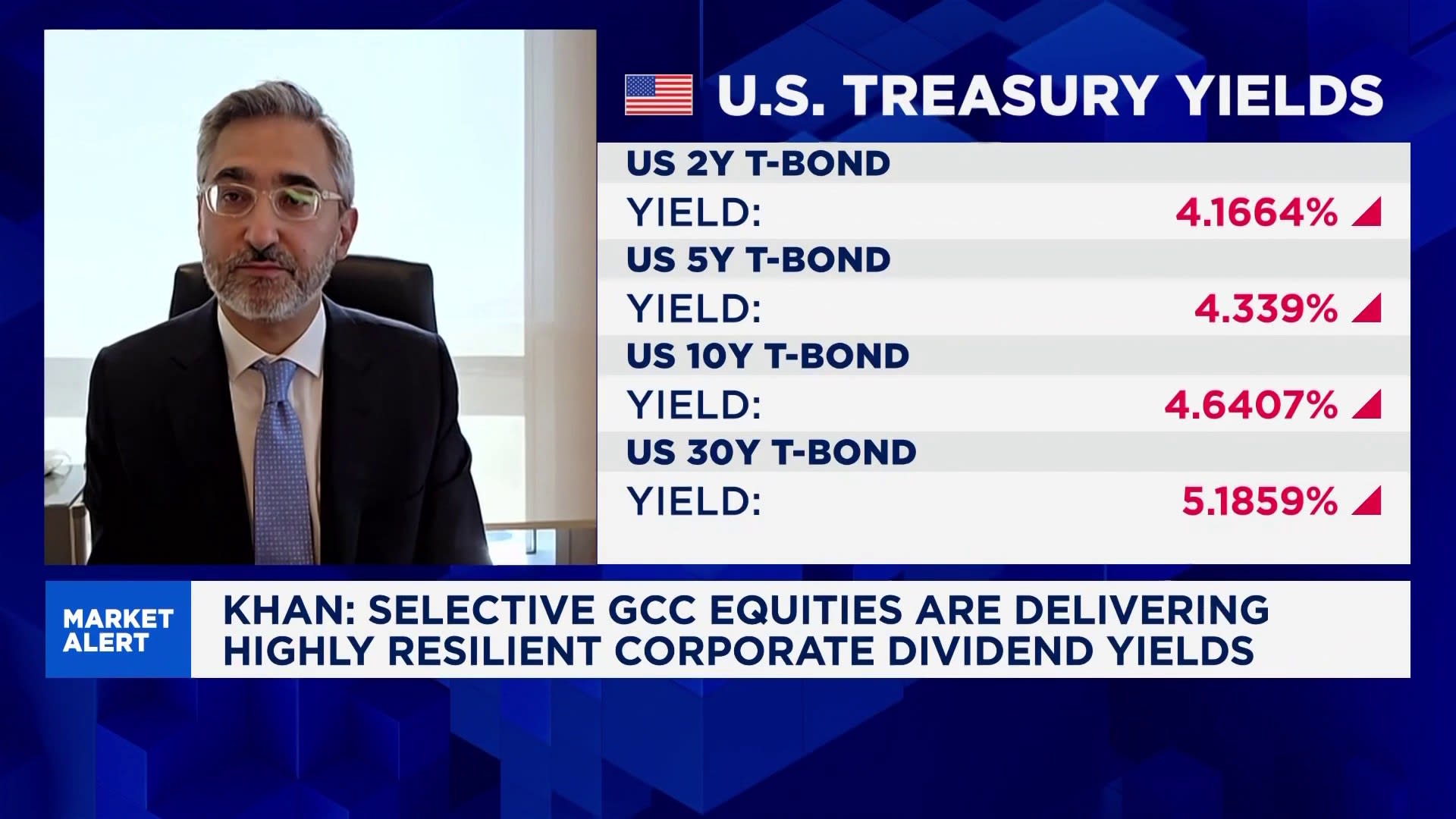
For U.S. investors, this environment favors Dow over growth indices, with Treasury yields stabilizing post-hikes, reducing pressure on high-dividend components. Geopolitical uncertainties, including Middle East tensions, introduce swings—as seen in a recent Dow dip to 46,584.46—but rotation resilience limits downside. Broader risk sentiment pivots toward value, with the Dow’s 50-day MA at 46,177 signaling ‘Buy’ amid overbought oscillators.
Dow Futures, ETFs, and Trading Implications
Dow futures provide a forward-looking gauge, often decoupling from the cash index during off-hours. While cash DJIA consolidates near 50,000, futures positioning reflects institutional bets on continued rotation, distinct from spot levels. U.S. investors trading Dow-linked ETPs like SPDR Dow Jones Industrial Average ETF (DIA) benefit from intraday liquidity without futures rollover risks, capturing component dividends and rebalances.
Options activity around 50,000 strikes shows hedging against volatility, but bullish MACD crossovers (181.09) suggest upside bias. Sector rotation strategies—overweighting Dow financials (GS, JPM) and underweighting tech—have outperformed passive S&P exposure by 8% YTD 2026, per market flows.
Risks and Forward Scenarios
Challenges loom: persistent inflation could prompt Fed hikes, pressuring cyclicals and capping the Dow at 50,000. Energy market swings threaten industrial margins, while a stronger dollar hampers multinationals like Caterpillar (CAT). Analysts project sideways trading between 45,000-50,000 through mid-2026, with upside to 52,000 if oil stabilizes.
Defensive plays in UNH and WMT offer buffers, while rebalancing effects from quarterly index adjustments could amplify moves. U.S. investors should eye Q2 earnings for sustainability, particularly banks’ net interest income amid yield curve steepening.
Investor Strategies in the New Blue-Chip Era
This rotation ushers a shift from passive tech ETFs to active Dow picking, rewarding timing in cyclicals. Pair trades—long Dow industrials, short Nasdaq—capitalize on divergence, with historical backtests showing 15% alpha in similar regimes. For retirement portfolios, Dow’s 2% yield trumps Nasdaq’s growth volatility, aligning with aging demographics.
Monitor Fed dots, PMI prints, and tariff headlines, as they directly sway Dow components’ export exposure. In a higher-for-longer rate world, the index’s fundamentals—earnings growth projected at 12% for 2026—position it for outperformance versus frothy benchmarks.
Technical Outlook and Key Levels
With ADX at 46.8 (strong trend) and Williams %R overbought, pullbacks to MA20 (44,445) could offer entry points. Upside targets: R1 44,919, R3 45,062. Volatility (ATR 124) remains subdued, favoring position traders over day speculators.
Further Reading
Disclaimer: Not investment advice. Indices, ETFs and financial instruments are volatile.