- April 9, 2026
- Olivia
- 0
Few industries have fates as entwined with their regulatory guardrails as crypto. After all, few industries are as unregulated as crypto has traditionally been. At least in the U.S.
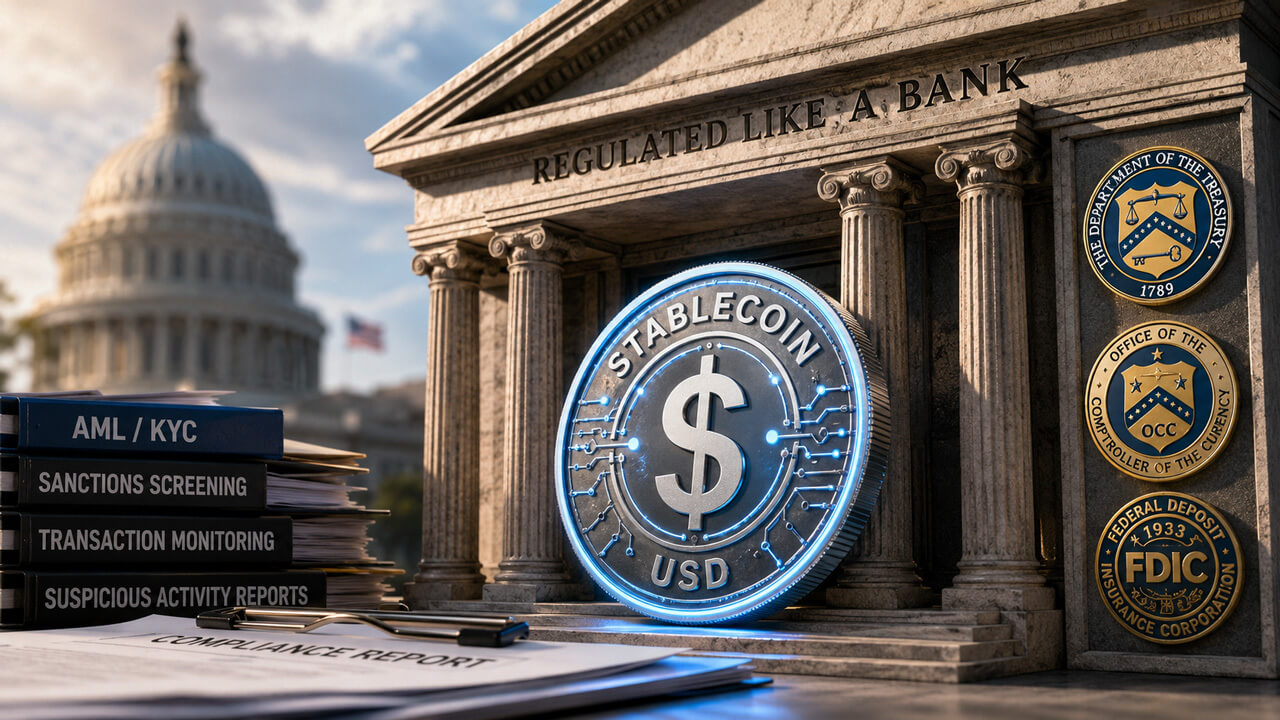
But as the Securities and Exchange Commission (SEC) reportedly readies a “regulation crypto” proposal, the White House’s Council of Economic Advisers (CEA) publishes a stablecoin report with findings that potentially land more on the side of crypto firms than traditional banks, and the Federal Deposit Insurance Corporation (FDIC) aligns with the Office of the Comptroller of the Currency (OCC) on a prudential framework for FDIC-supervised permitted stablecoin issuers, it appears that, at least by any historical measure, crypto’s relationship with regulators has matured from adversarial to iterative.
What began as a posture of evasion, of building first and litigating later, has now shifted toward something more pragmatic: continuous engagement as a go-to-market strategy.
Still, the idea that regulatory engagement can be a competitive advantage is not new in financial services. What is new is how explicitly crypto firms have adopted it as a core operating model.
At stake is not simply compliance, but crypto’s bet-the-house endgame of durable new infrastructure for payments, settlement and liquidity. To date, that roadmap has been progressing mainly in fits and starts.
See also: Stablecoin Pilots Keep Stalling on the Road to Scale
Advertisement: Scroll to Continue
From Threat to Managed Infrastructure
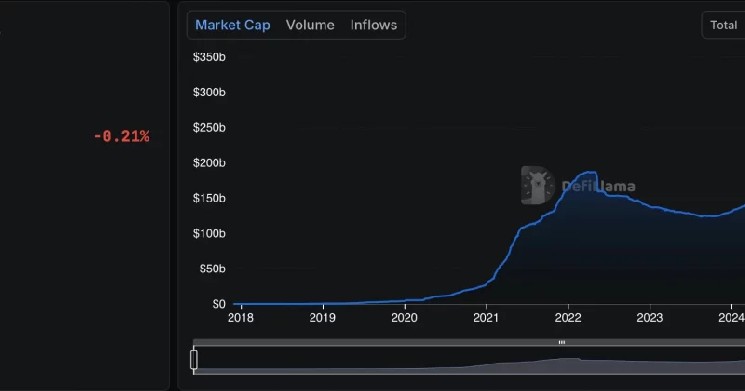
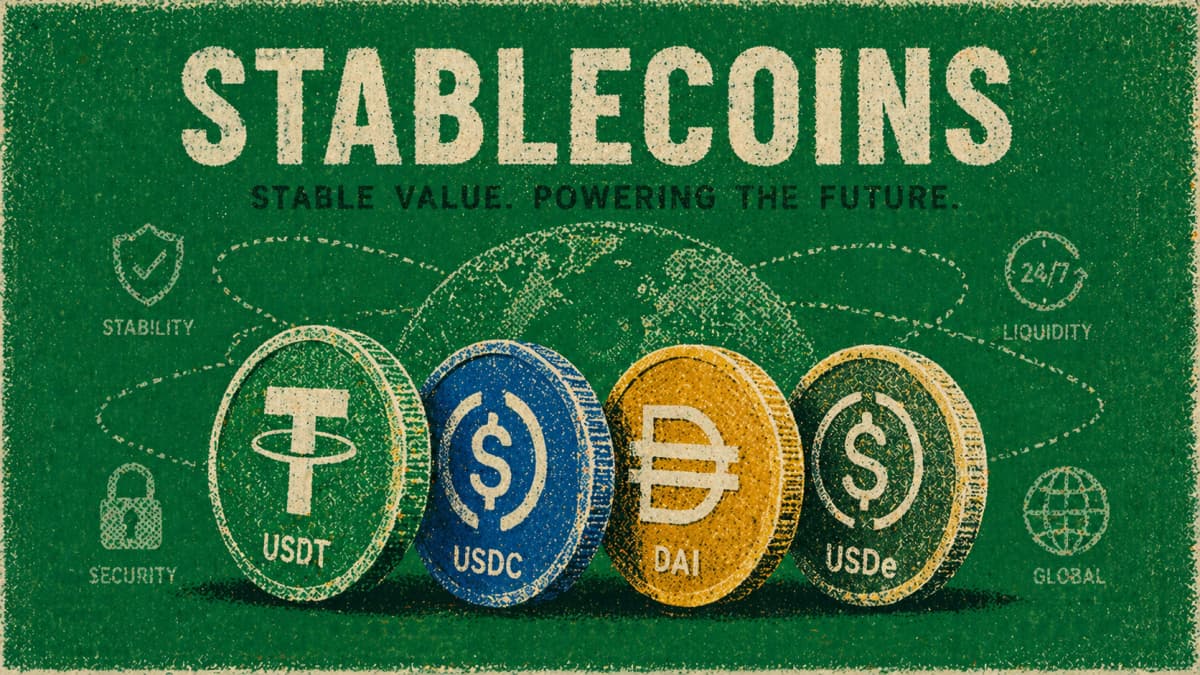
At the center of crypto’s regulatory transformation is the stablecoin. Absent the volatility of their cryptocurrency cousins, these dollar-pegged tokens are being reframed as extensions of the existing financial system and weighed by corporates for their benefits in streamlining cross-border payments and optimizing treasury operations.
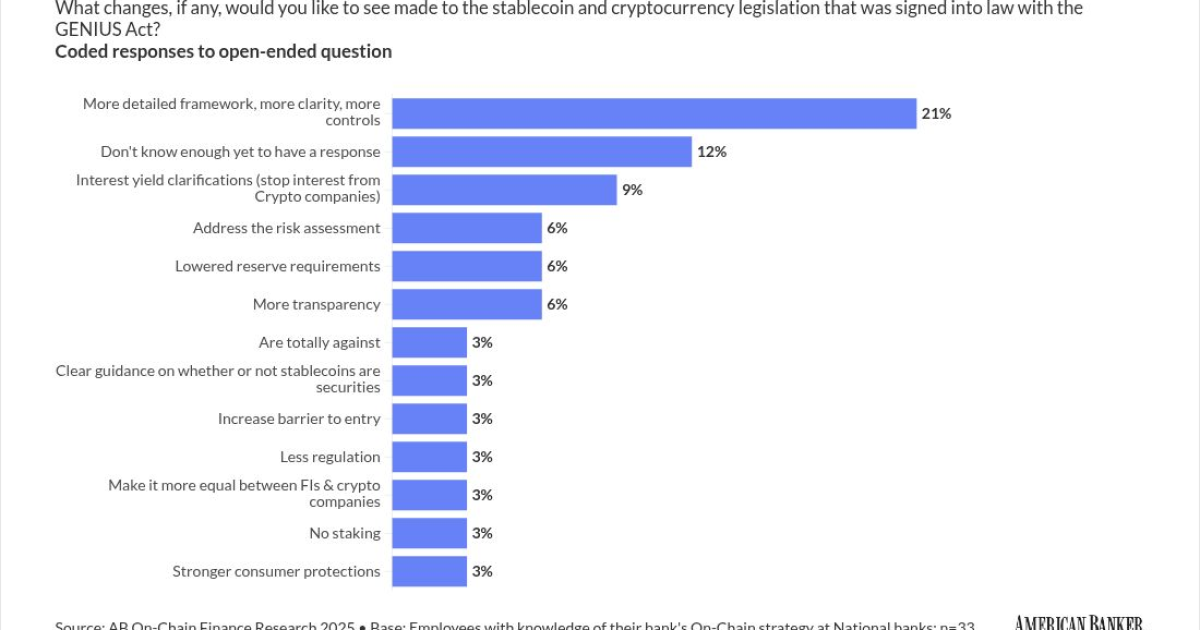
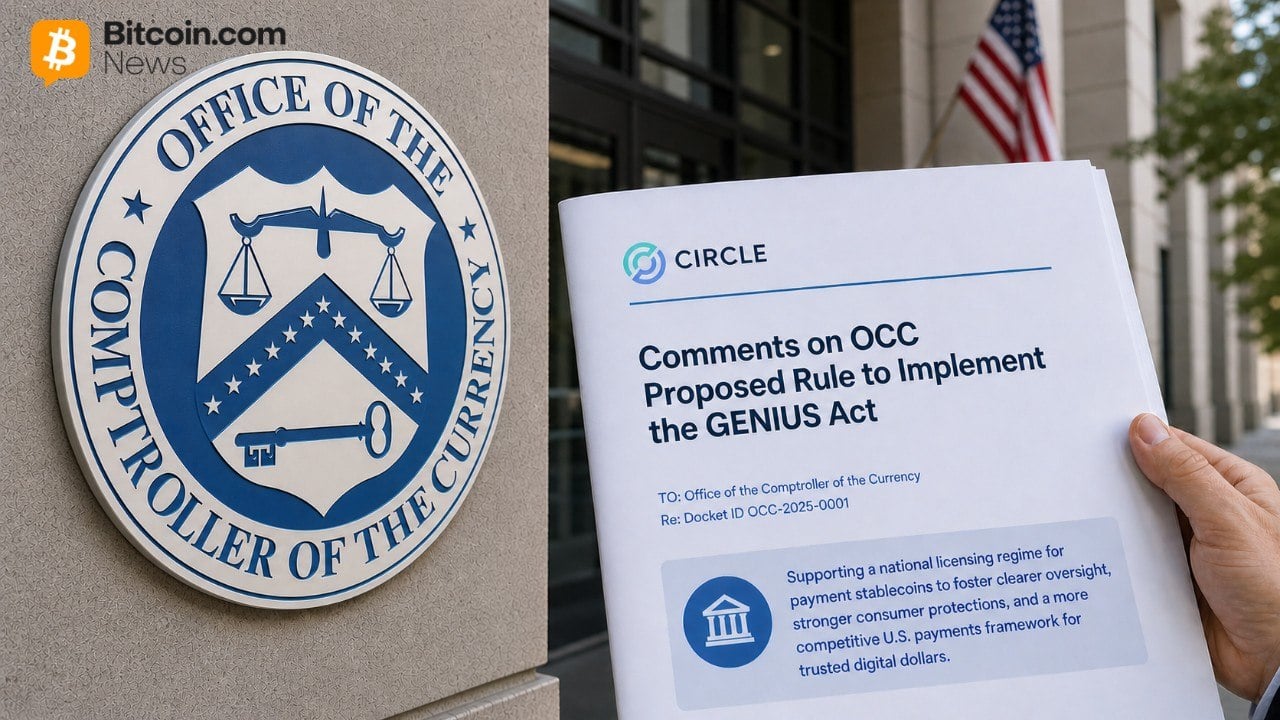
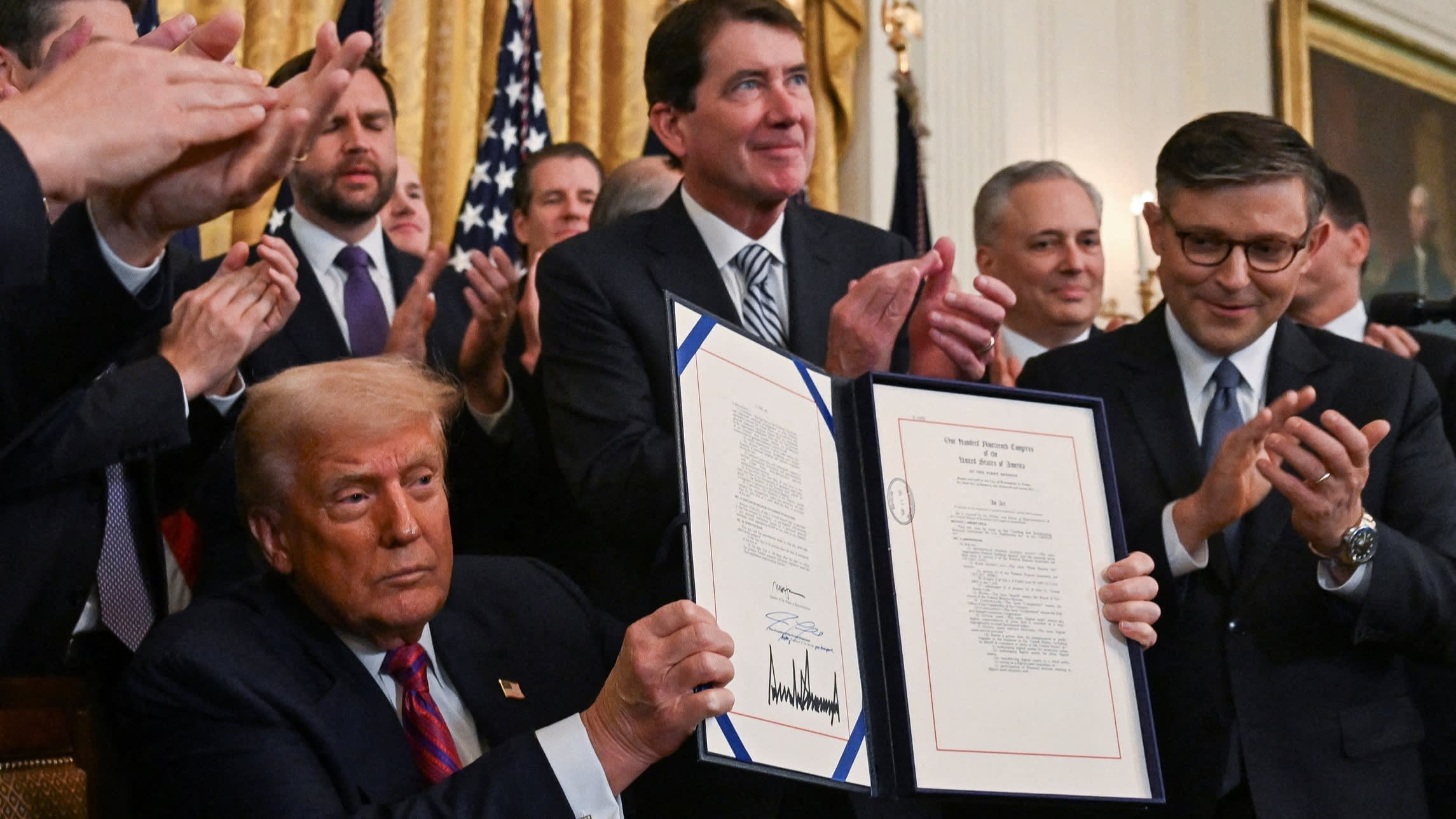
The first and only crypto policy signed into law, the GENIUS Act, is a stablecoin-specific framework. And regulators are now operationalizing it to create a unified supervisory regime.
This is a notable departure from the fragmented oversight that has historically defined U.S. financial regulation. By consolidating authority, the GENIUS framework aims to create a national market for stablecoins that potentially mirrors the structure of federally chartered banks.
At the same time, the GENIUS Act rules as set to be enacted draw clear boundaries. Stablecoins cannot be marketed as government-backed, and issuers are prohibited from offering interest or yield in many cases.
The PYMNTS Intelligence and Citi report “Chain Reaction: Regulatory Clarity as the Catalyst for Blockchain Adoption” found that blockchain’s next leap will be shaped by regulation; that evolving guidance is beginning to create the foundations for safe, scalable blockchain adoption. Still, the report found that implementation challenges continue to complicate blockchain’s institutional and systemic progress.
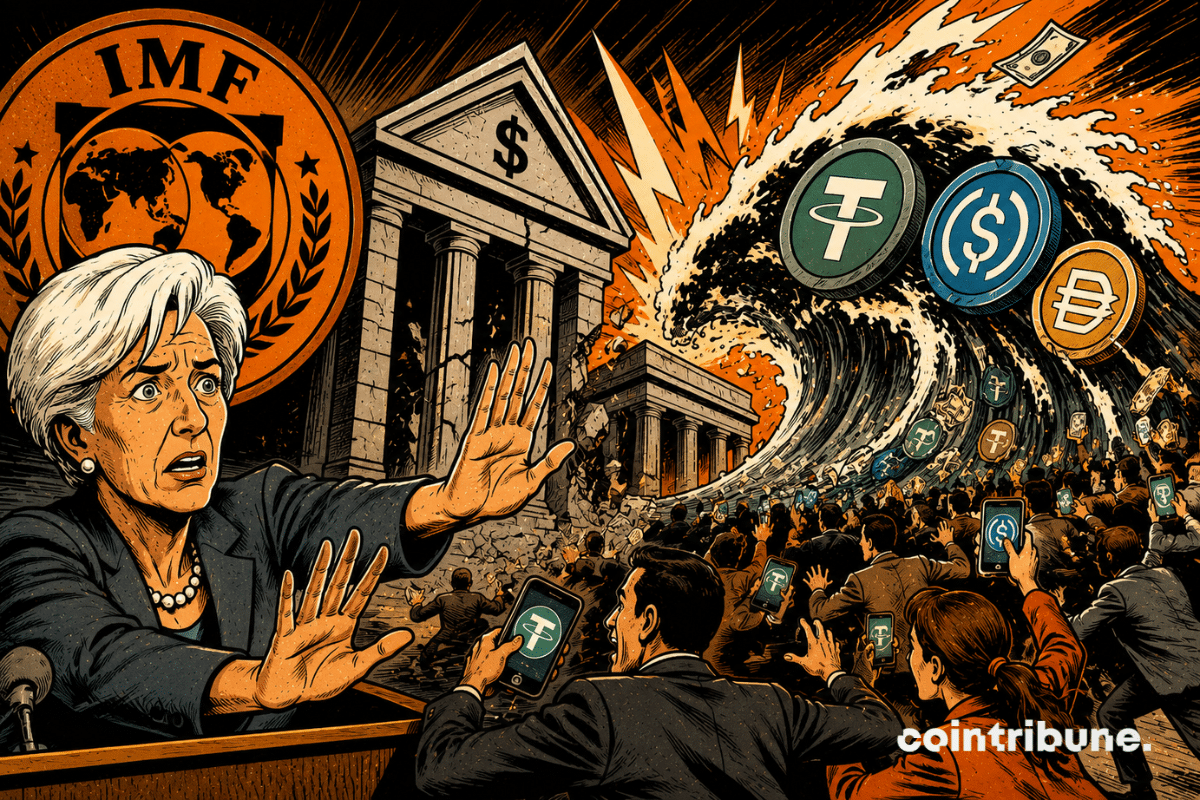
See also: IMF Warns Crypto Risks Could Trigger Financial Instability
Defining the Edges of Crypto Markets
While federal banking regulators focus on stablecoins, the SEC is tackling a broader question: What exactly is a crypto asset under U.S. law?
The effort, reported Monday (April 6) builds on the SEC’s recent interpretive guidance, which introduced a taxonomy distinguishing between digital commodities, collectibles, tools and securities.
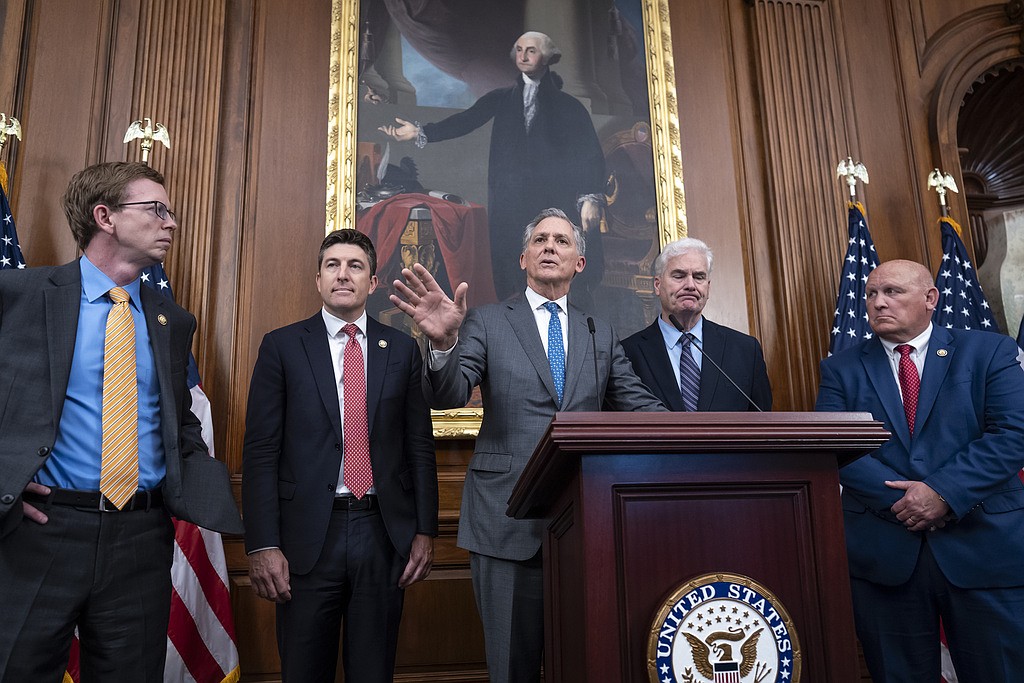
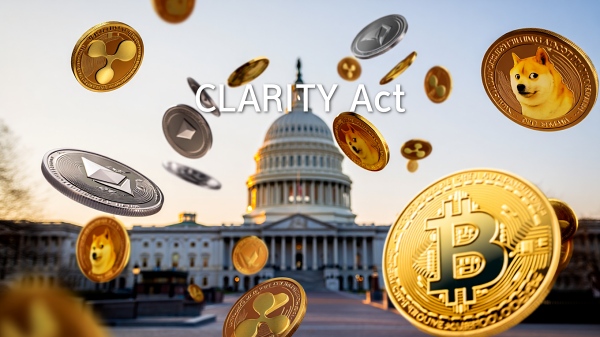
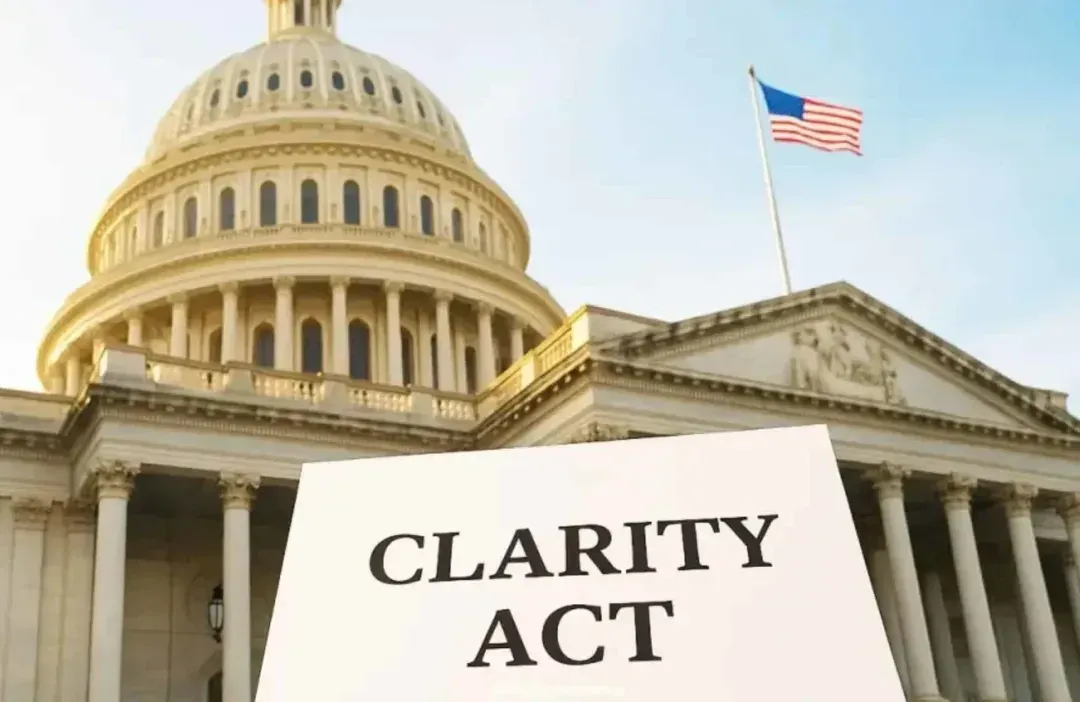
U.S. Sen. Bill Hagerty (R-Tenn.) said that the cryptocurrency-focused CLARITY Act could be advanced by the Senate Banking Committee and go before the full Senate before the end of the month.
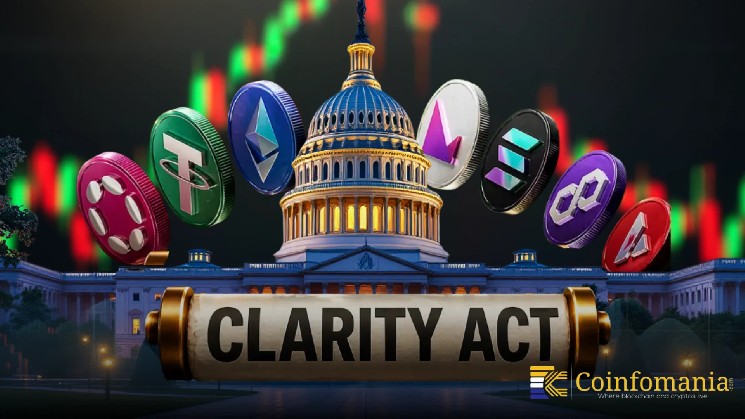
The CLARITY Act is the most ambitious attempt yet to define crypto market structure in the United States. The bill aims to divide oversight between the SEC and the Commodity Futures Trading Commission (CFTC) addressing one of the industry’s most persistent sources of uncertainty.
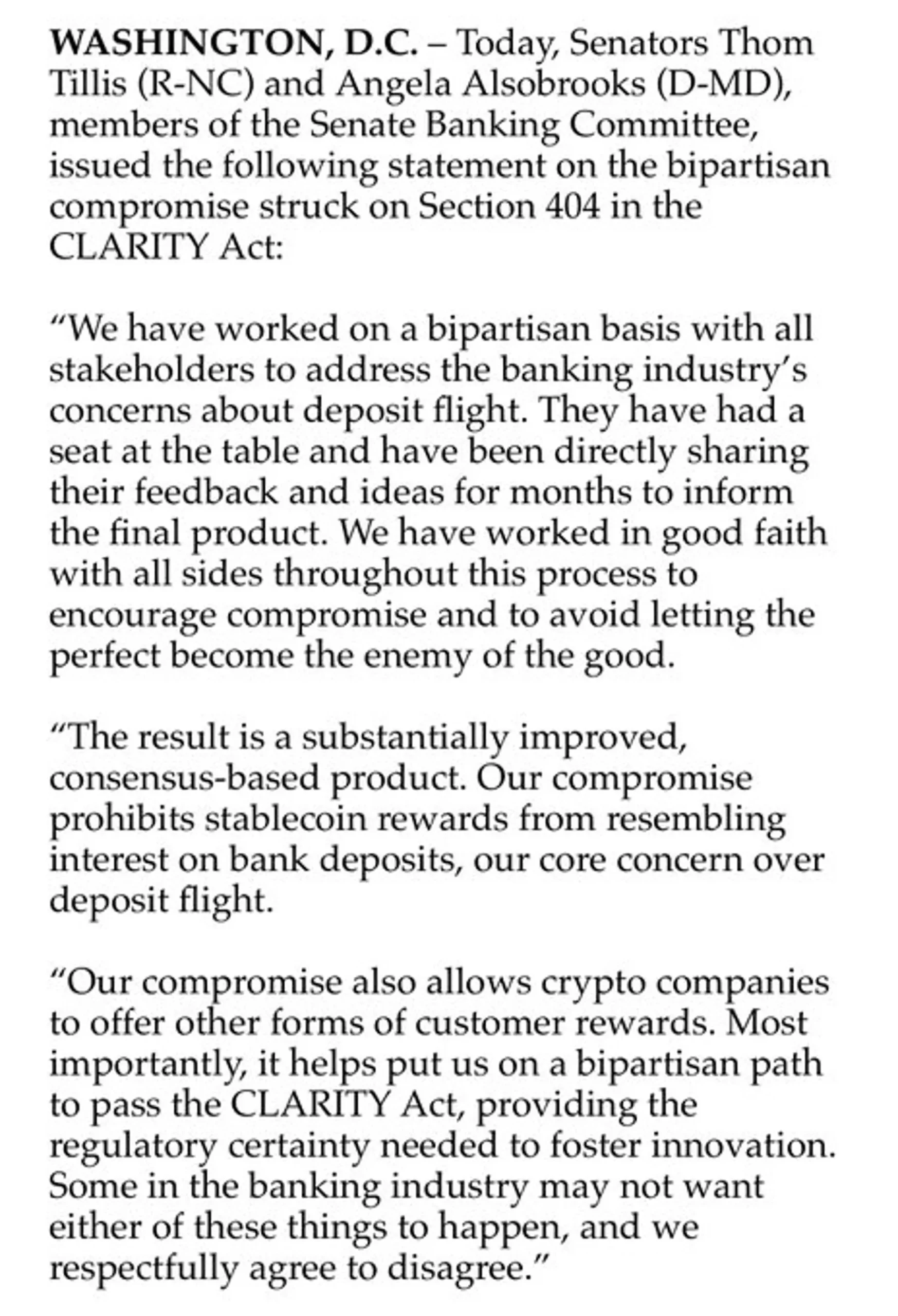
Notably, the bill also intersects with the GENIUS Act. Debates over stablecoin rewards, once a niche issue, have become a central flashpoint in broader legislative negotiations.
The Wednesday (April 8) White House report, for example, argued that banning these stablecoin yield rewards under the CLARITY Act would only lift traditional lending by 0.02%, with 76% of it coming from larger lenders and the remaining 24% from community banks. Those executive branch findings run counter to a study last year from the Independent Community Bankers of America (ICBA), an industry group, which said community banks could lose $1.3 trillion in deposits and $850 billion in loans if stablecoin rewards were permitted.
What is unfolding is not the end of crypto’s regulatory journey, but the end of its beginning. The U.S. is moving from a reactive posture to a proactive framework that seeks to harness innovation while maintaining financial stability.
There are still gaps to fill. The CLARITY Act must navigate congressional politics. The SEC’s proposals will face industry scrutiny. And the implementation of the GENIUS Act will test the capacity of regulators and market participants alike.
But the direction is unmistakable. Crypto is no longer an outsider challenging the system. It is becoming part of the system, and on terms defined by Washington.