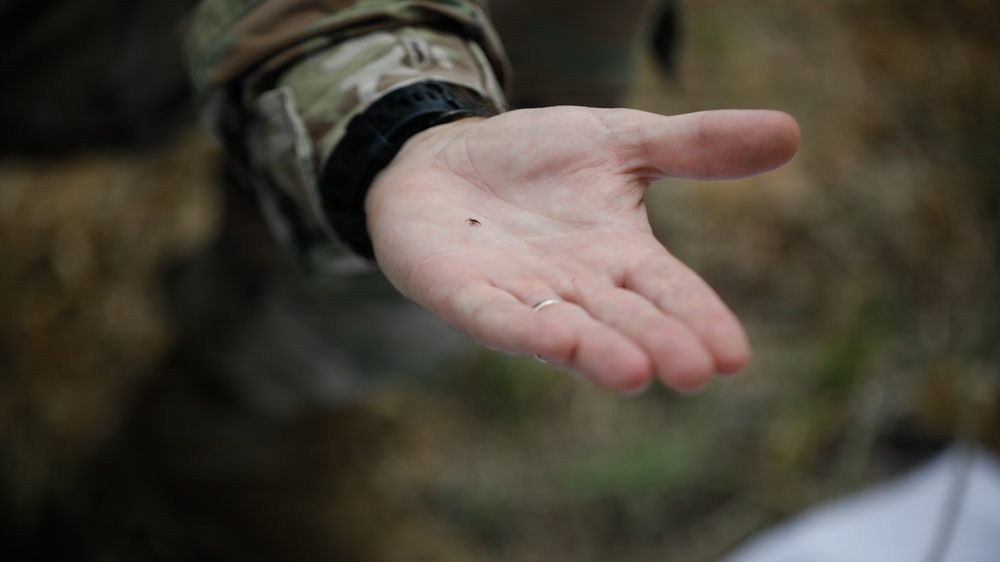
ISIOLO, Kenya — U.S. Army scientists employed advanced biosurveillance techniques and emerging diagnostic technologies during Justified Accord 2026 to identify potential disease threats and bolster force health protection for multinational personnel training across East Africa, March 1–14.
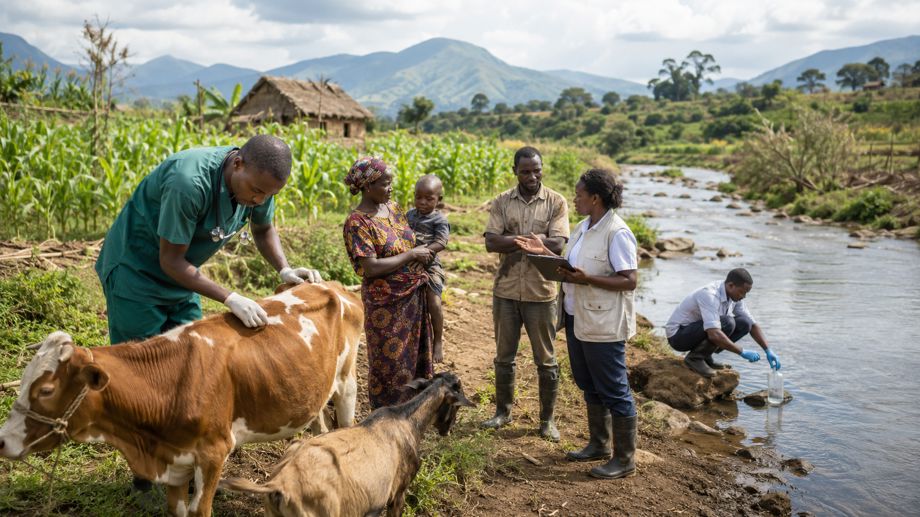
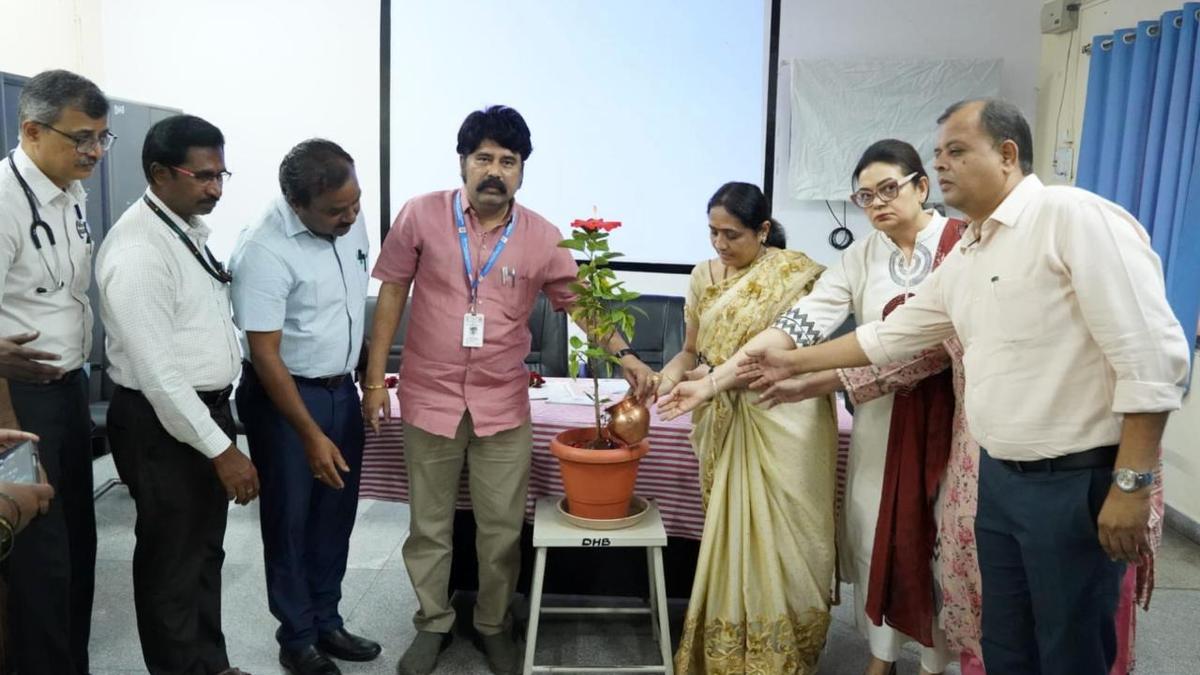
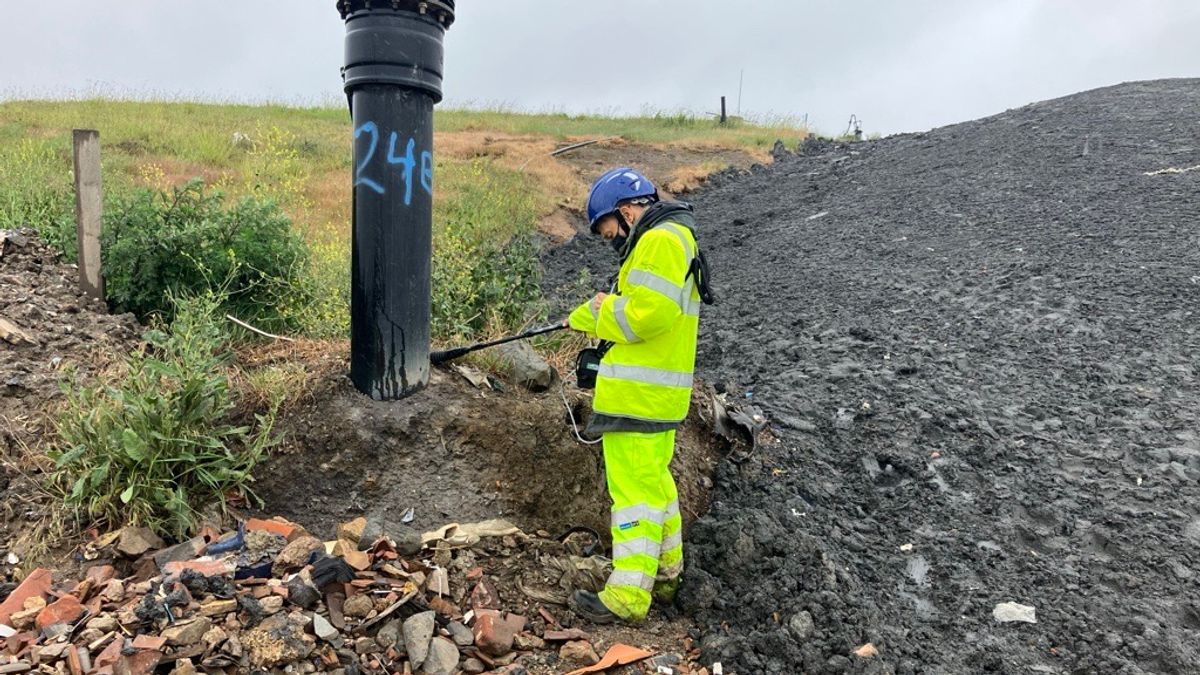
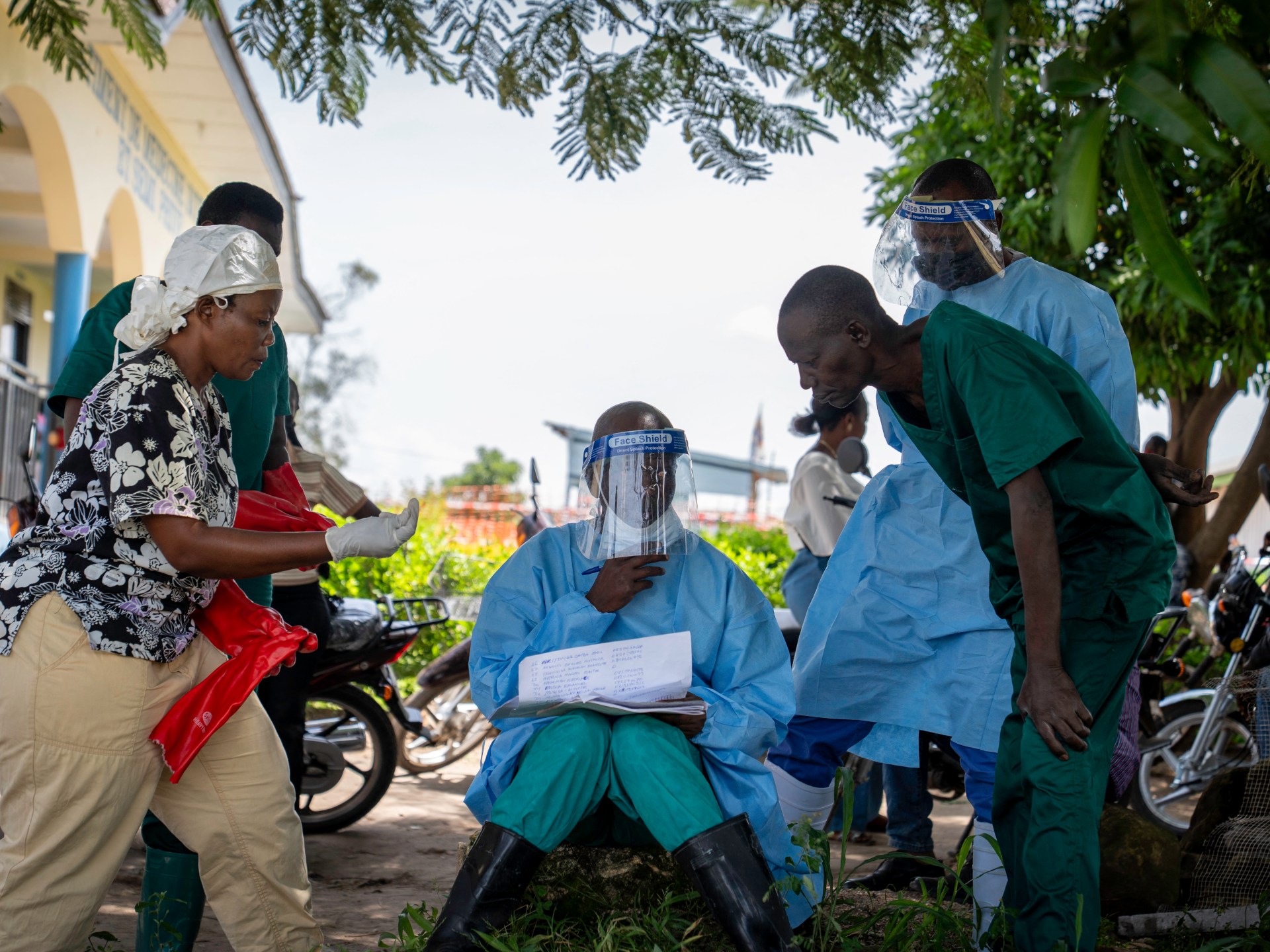
U.S. Soldiers assigned to the Walter Reed Army Institute of Research – Africa conducted vector surveillance and field laboratory testing at the Humanitarian Peace Support School in Nairobi, Kenya, and the Kenya School of Infantry, collecting and analyzing insects capable of transmitting infectious diseases. This effort provided exercise medical planners with real-time environmental health data while testing expeditionary laboratory capabilities in operational conditions.
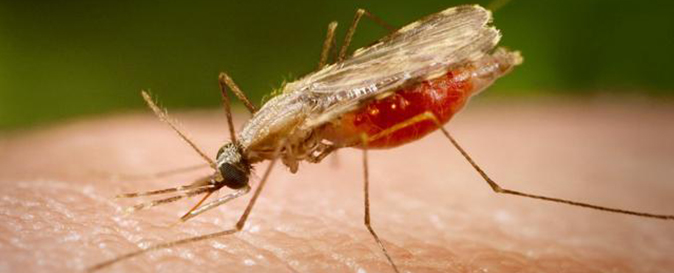
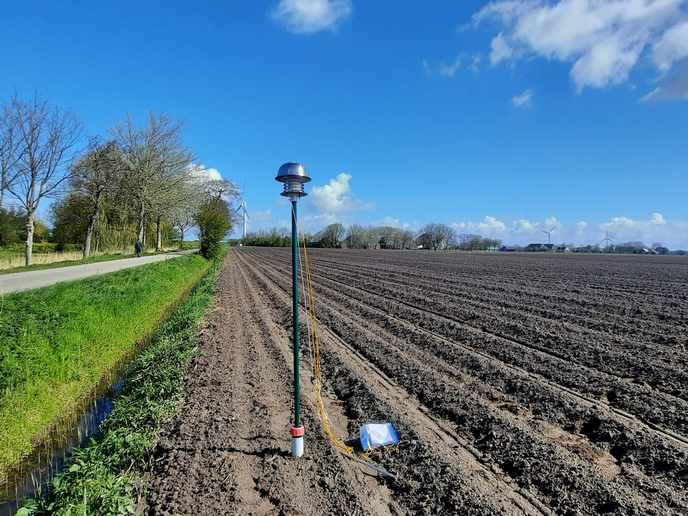
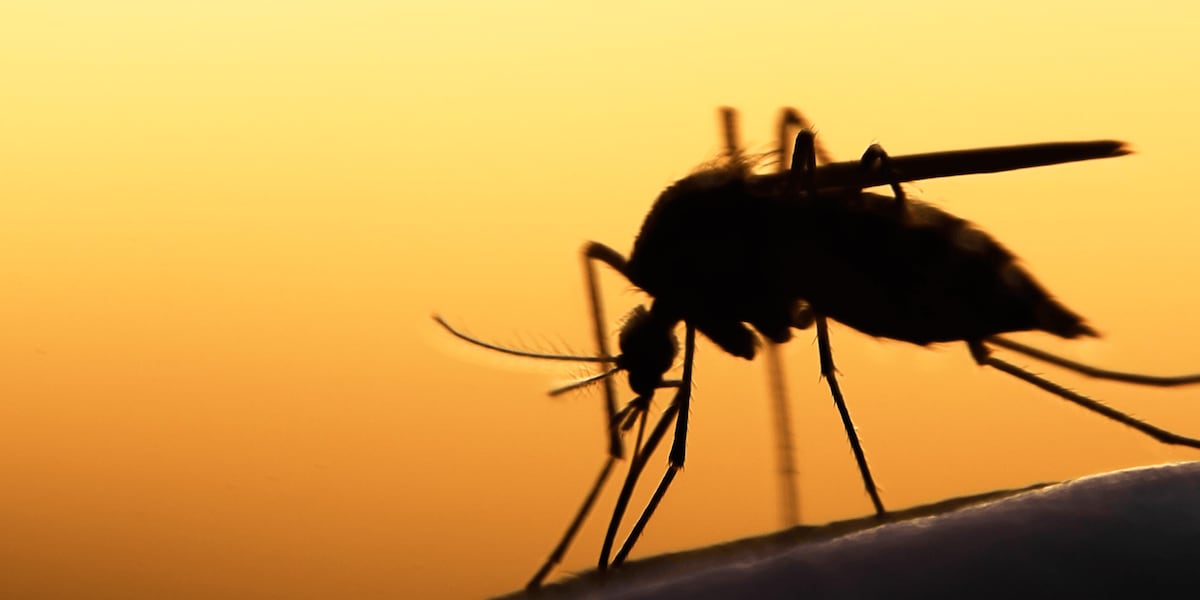
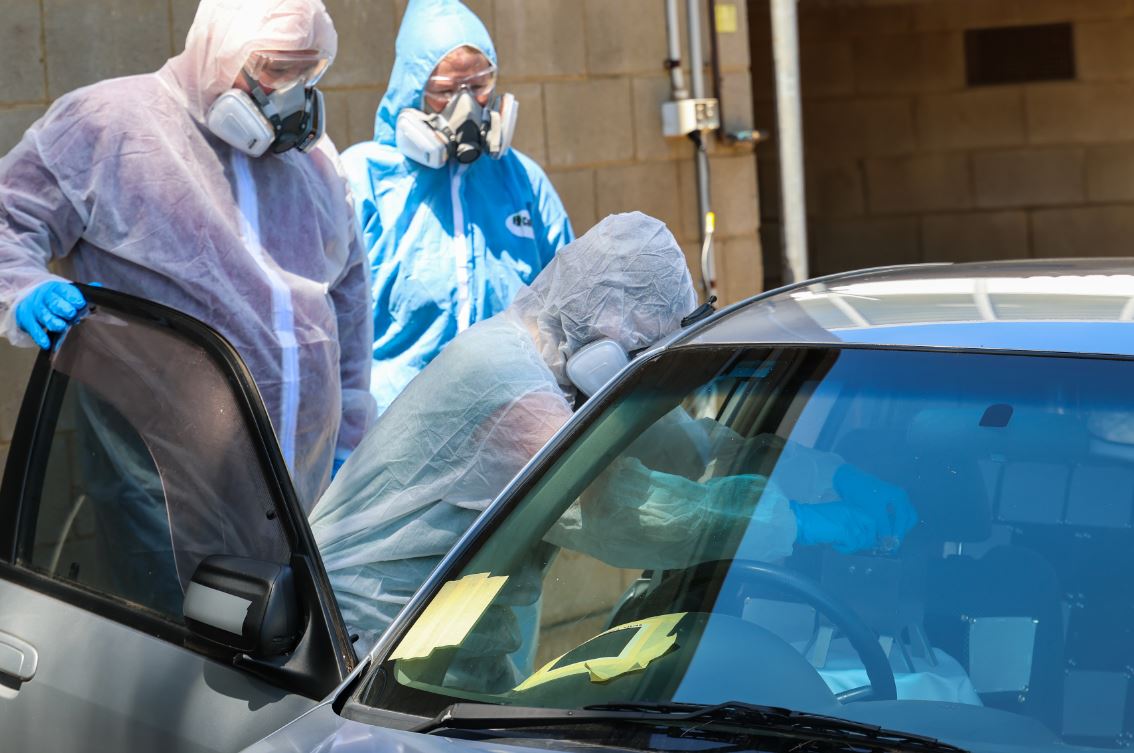
U.S. Army Maj. John Eads, an entomologist with WRAIR – Africa, led teams positioned across exercise locations to collect mosquitoes, ticks and sandflies that may carry pathogens harmful to service members.
“The more techniques we produce and the more data we collect, the better we can refine our methods,” Eads said. “When we deploy these capabilities operationally, we already have a proven system that protects the warfighter.”
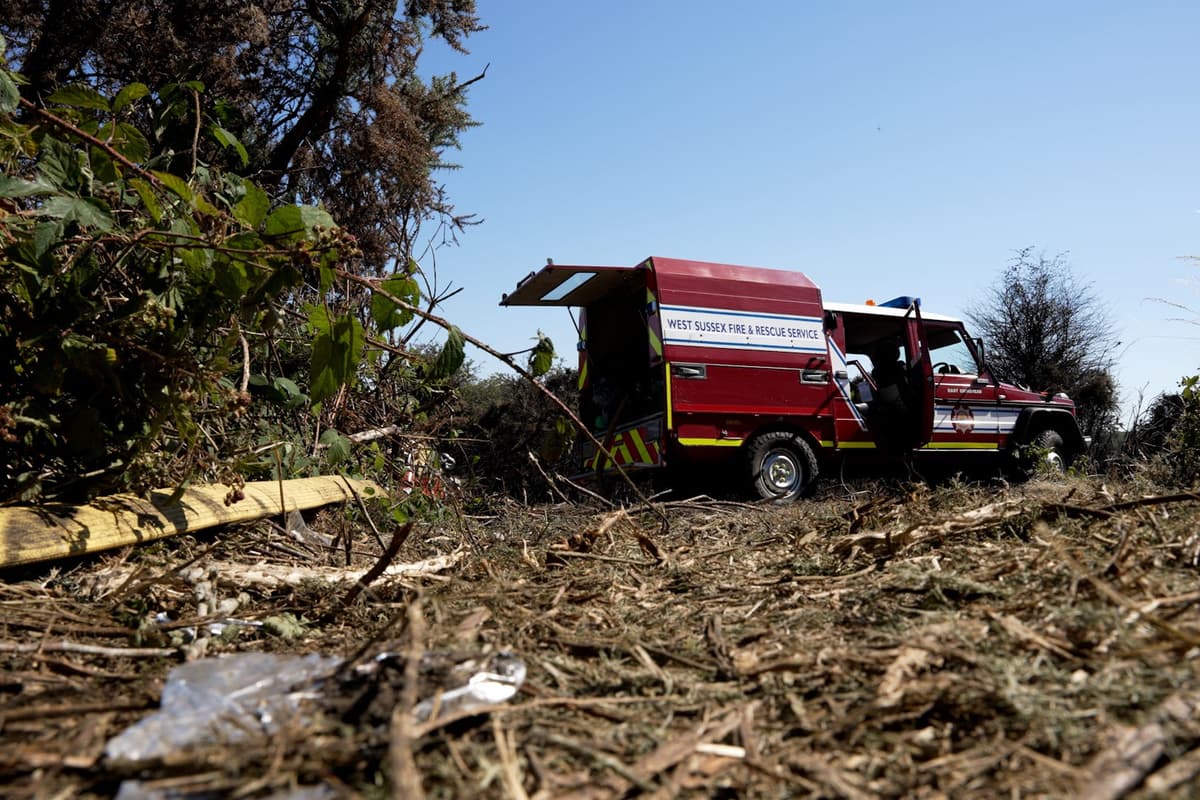
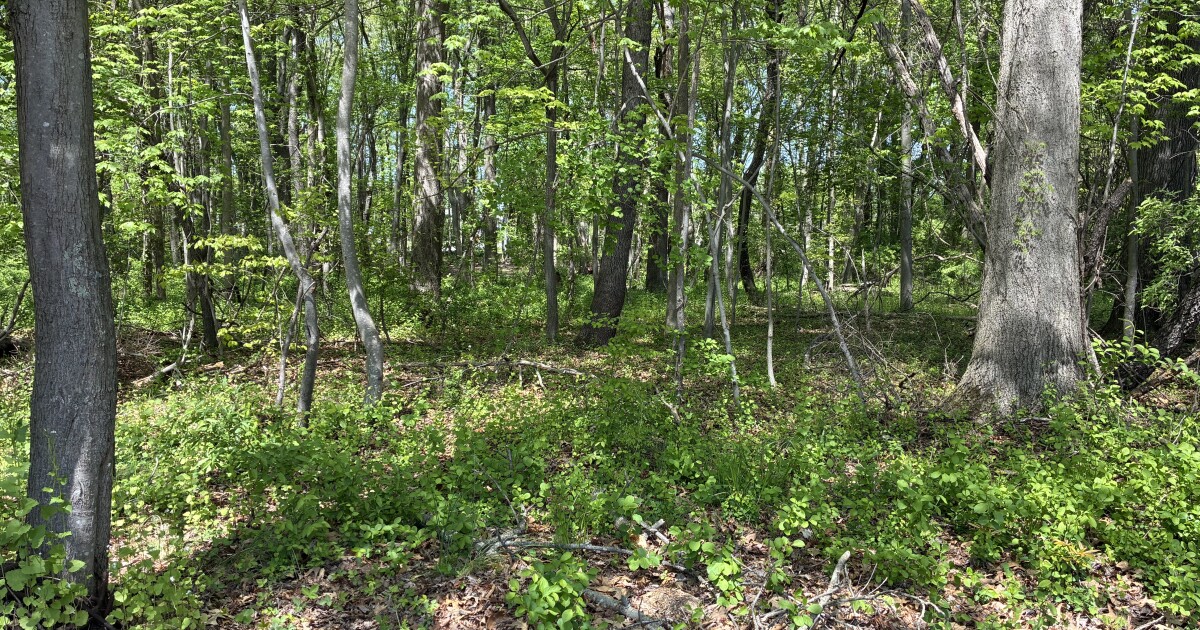
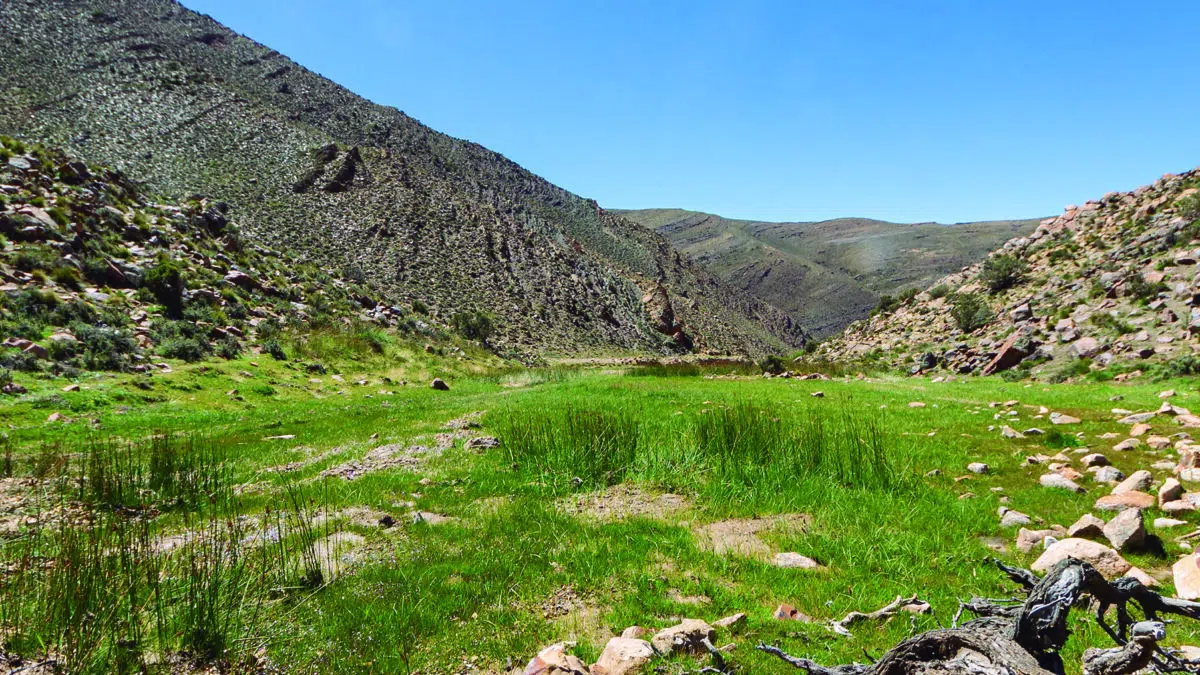
Teams conducted environmental assessments in training areas to identify locations where vectors were most likely to thrive, then collected and transported specimens to a mobile laboratory for pathogen analysis.
“Vectors are the mosquitoes, ticks and sandflies, which could possibly carry diseases that could infect our warfighters,” Eads said.
Researchers analyzed collected samples using molecular diagnostic equipment capable of detecting pathogens associated with endemic diseases in the region.
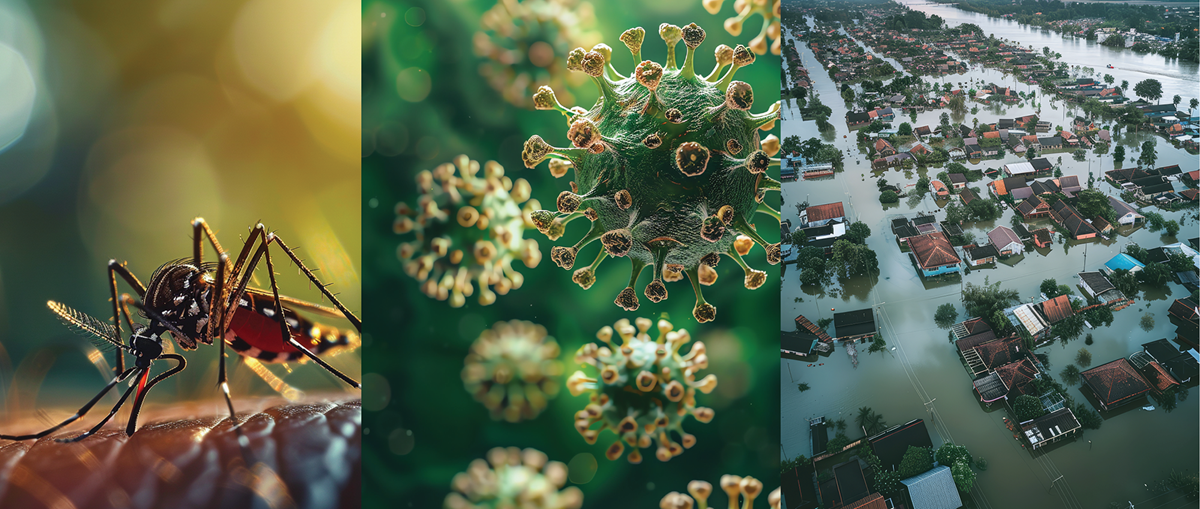
Findings confirmed by Eads included Crimean-Congo hemorrhagic fever virus, a tick-borne virus found in insect samples at the Humanitarian Peace Support School; Dengue virus, a mosquito-borne disease; and Leishmania parasites, transmitted through sandfly bites, found in samples at the Kenya School of Infantry.
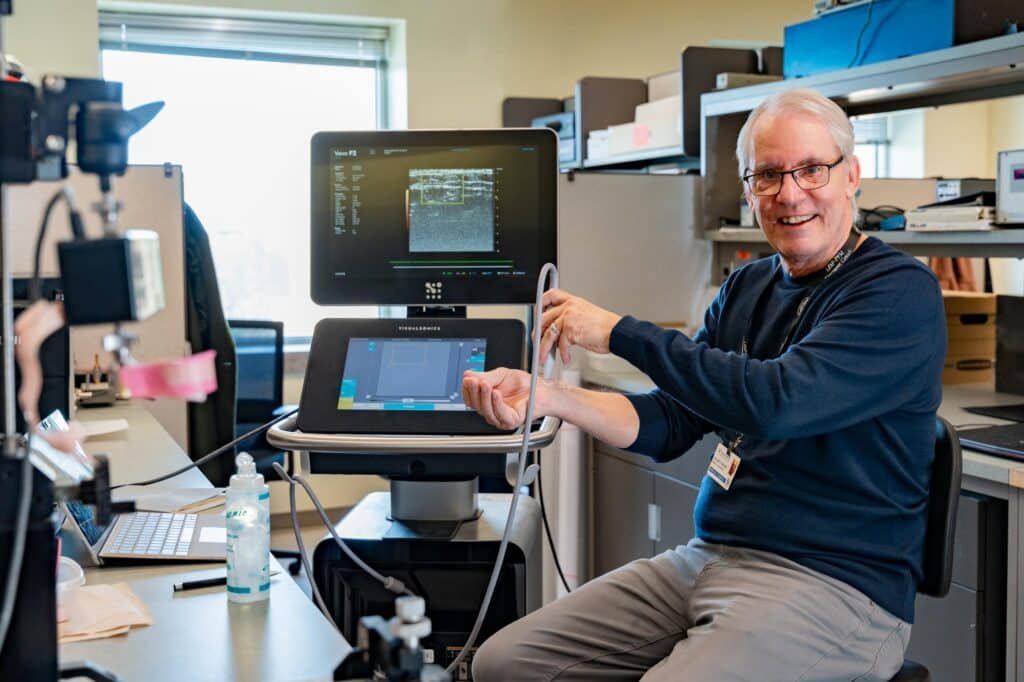
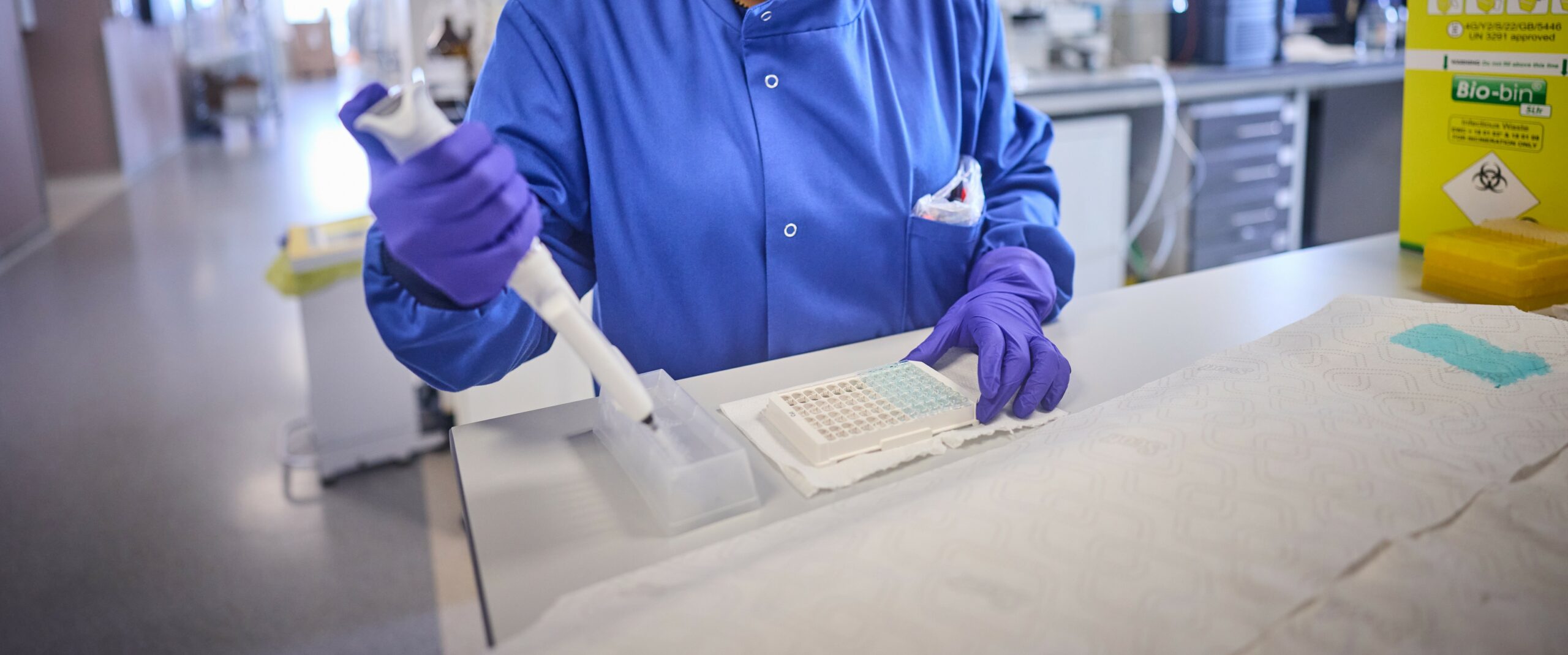
U.S. Army Maj. Luis Pow Sang, a microbiologist with WRAIR – Africa, conducted nucleic acid extraction and polymerase chain reaction testing to identify biological threats.
“We brought new technologies to JA26, including the magnetic induction cycler PCR system, [which is] a compact, high-speed platform that allows us to run real-time testing in the field,” Pow Sang said. “We also introduced nucleic acid extraction kits using magnetic beads. This is the first time we’ve used these capabilities during an exercise like JA26.”
The portable laboratory systems enabled scientists to process samples and provide results directly to exercise medical planners, allowing timely assessments of potential health risks to personnel.
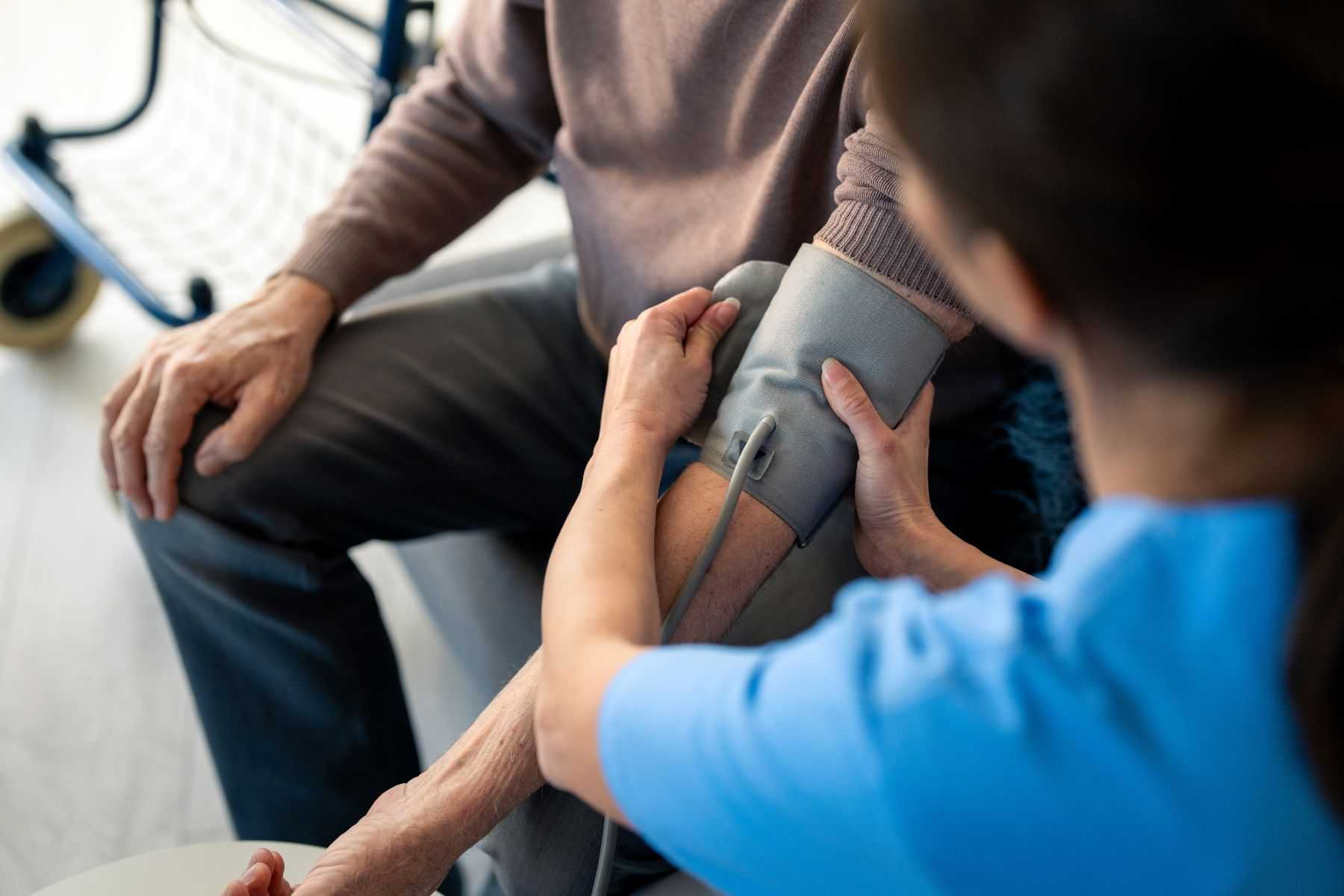
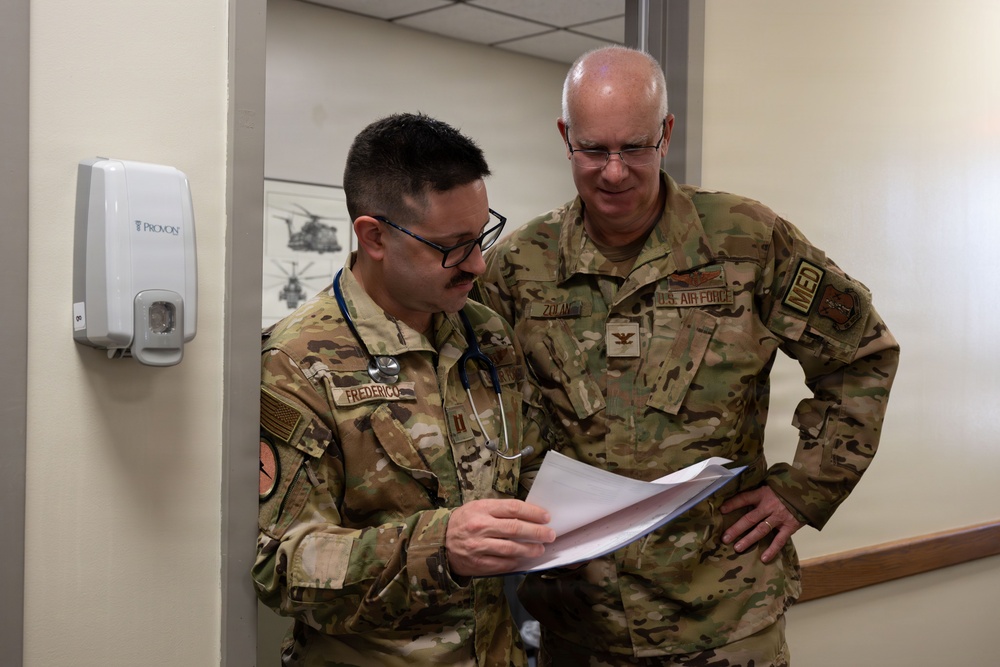
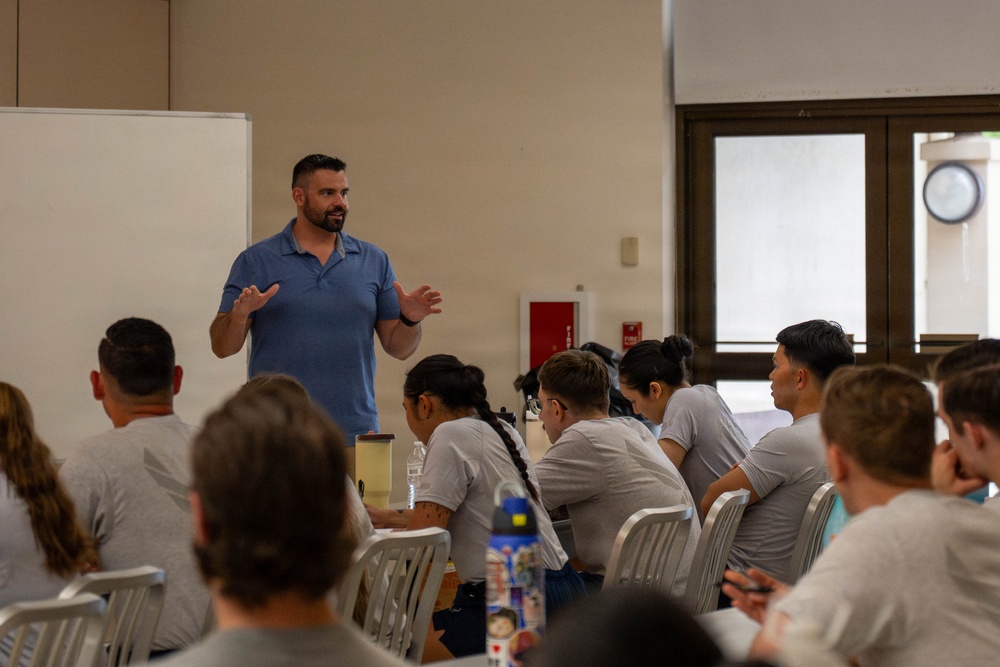
U.S. Army Capt. Roger Arguello, a physician assistant with 1st Battalion, 101st Field Artillery Regiment, Massachusetts Army National Guard, highlighted the impact of rapid testing on readiness.
“We were informed of these findings and are diligently monitoring symptoms of these conditions across our formation,” Arguello said. “The rapid field testing has increased our medical readiness and awareness.”
The JA26 biosurveillance mission was supported by the Global Emerging Infections Surveillance program, established by the U.S. Department of War, to integrate research capabilities with operational training. Lessons learned included optimizing sample collection, improving coordination with medical planners, and refining mobile laboratory operations in austere environments.
Led by U.S. Army Southern European Task Force, Africa and hosted in Djibouti, Kenya and Tanzania, JA26 is U.S. Africa Command’s largest East African exercise. The exercise enhances multinational interoperability for humanitarian assistance, crisis response and missions with the United Nations and African Union.
By integrating biosurveillance, emerging diagnostics and operational training, scientists and Soldiers demonstrated how innovation supports force health protection and strengthens readiness for multinational missions.