Key Takeaways
- Government intervention can occur in a market economy without it losing its status.
- Economic systems are categorized as free market, mixed, or command.
- Most global economies today are mixed, with elements of both free market and command.
- The U.S. and Hong Kong historically demonstrated examples of free-market economies.
- Libertarians propose that a market economy should only have courts, police, and military functions.
Get personalized, AI-powered answers built on 27+ years of trusted expertise.
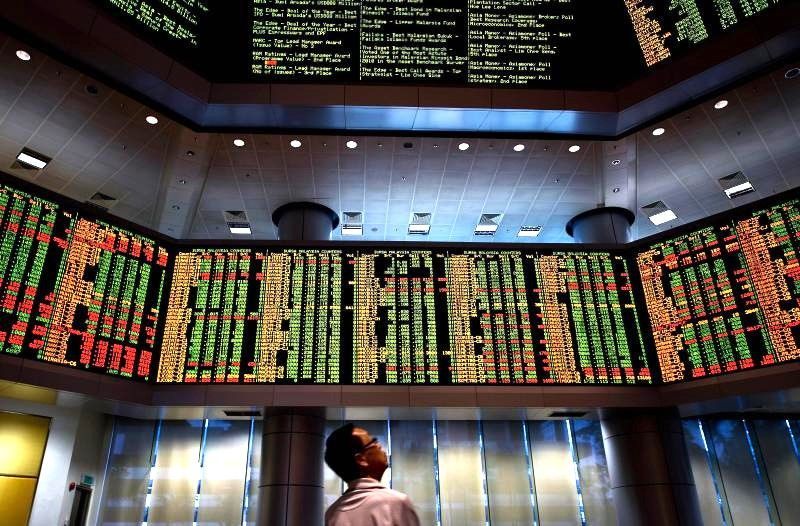
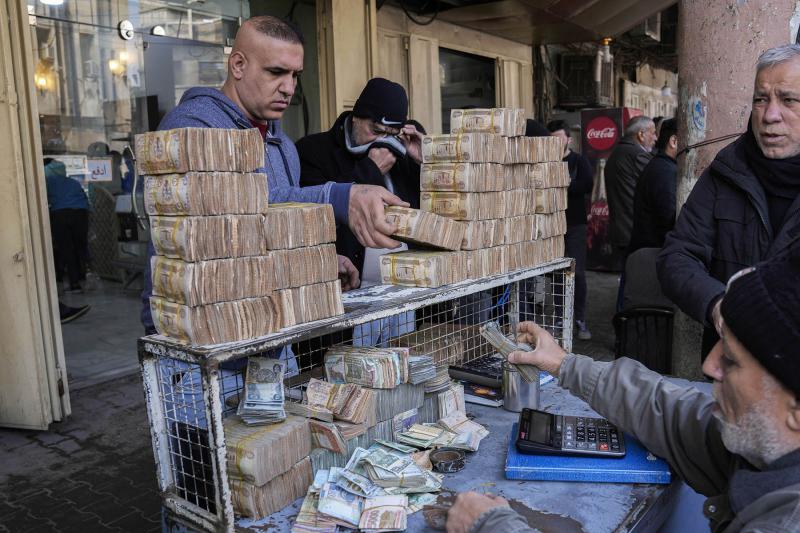
A market economy is an economic system in which supply and demand determine the levels of production and the prices of goods and services. However, government intervention might influence its classification.
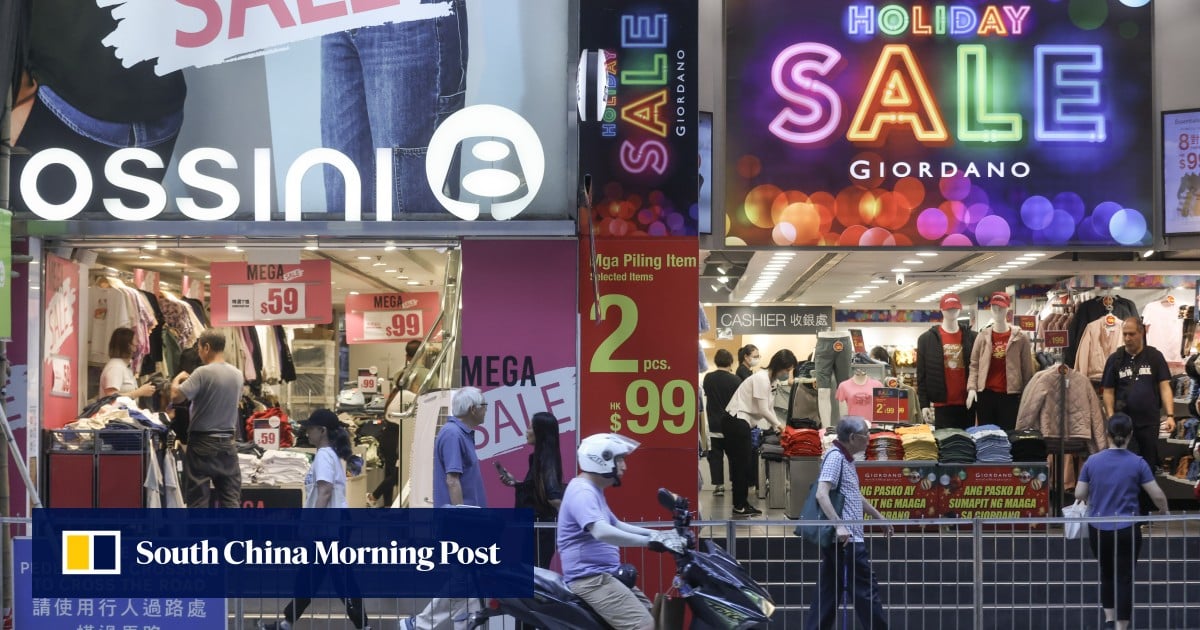
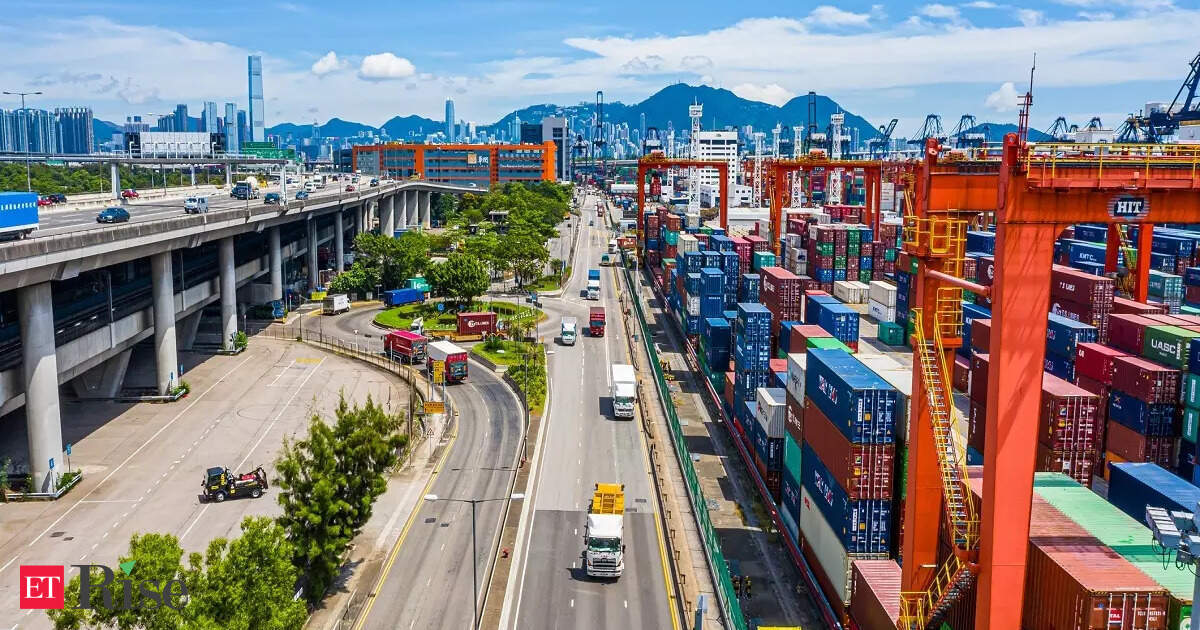
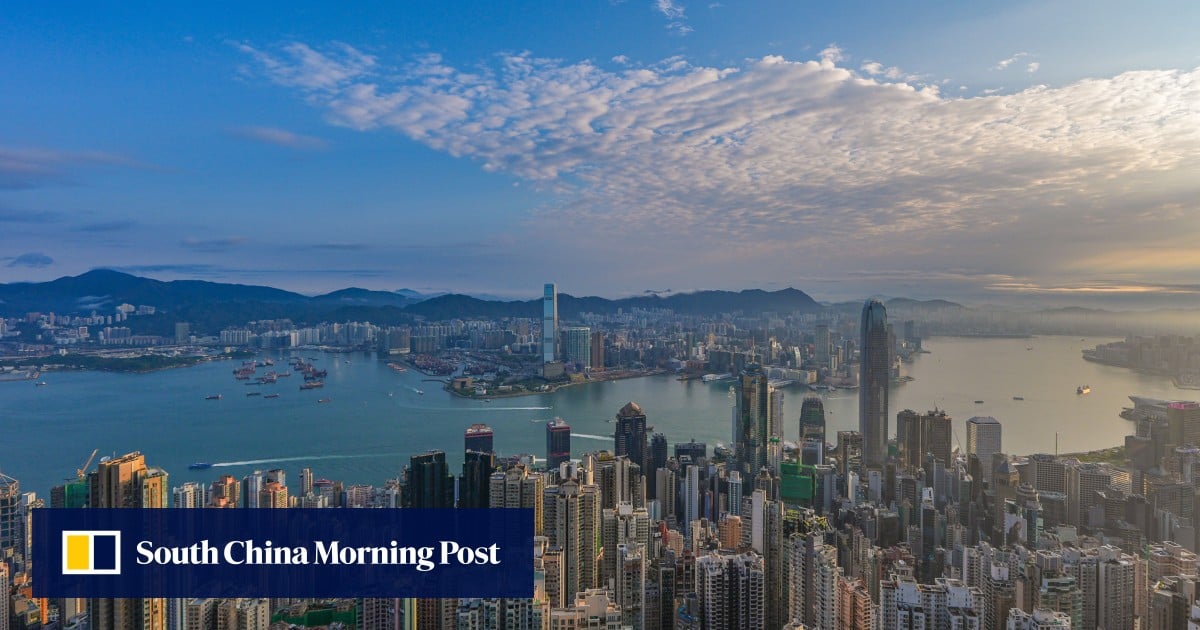
Historical examples of government intervention in market economies are Hong Kong in the 1950s and the United States in the 19th century.
Governments and private enterprises play significant roles in many economies today, creating mixed economies.
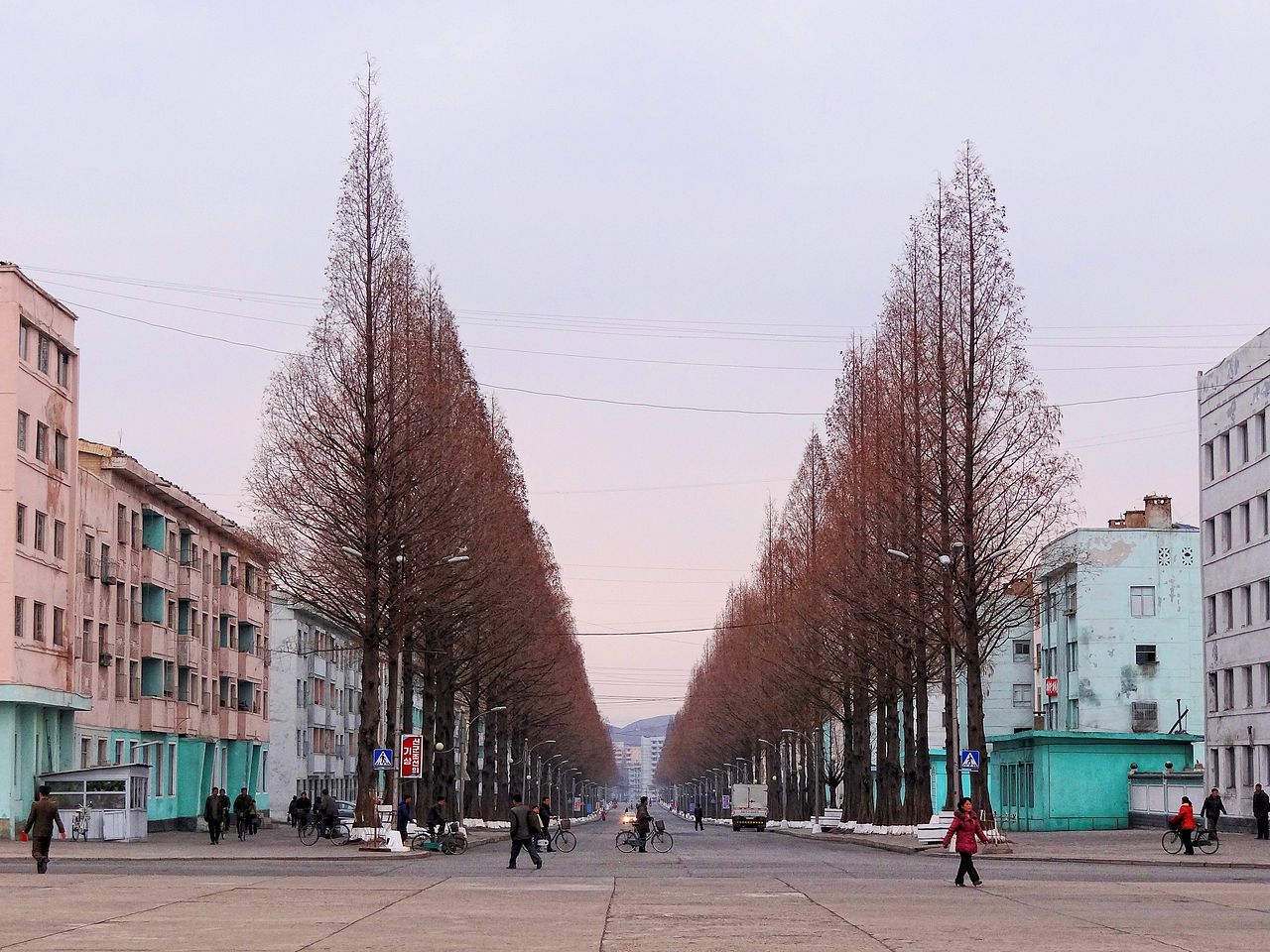
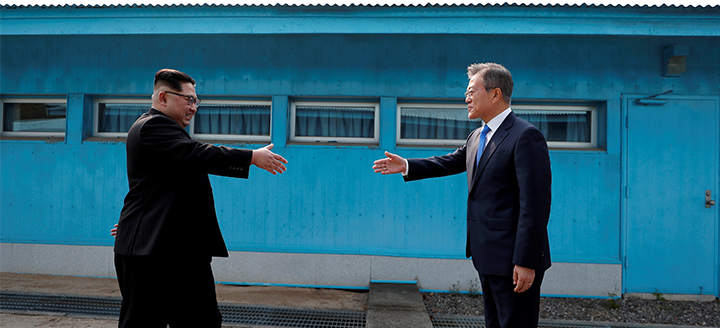
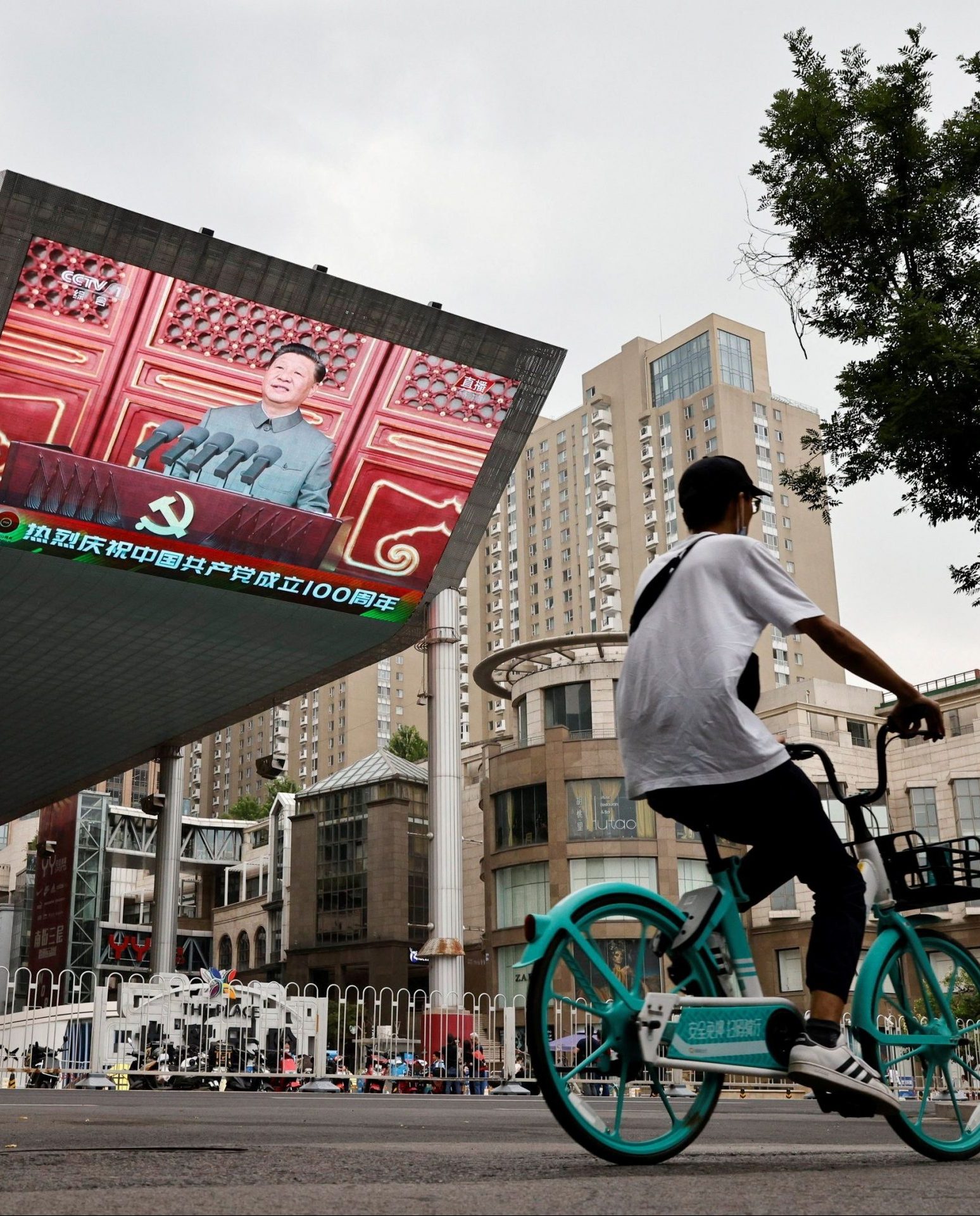
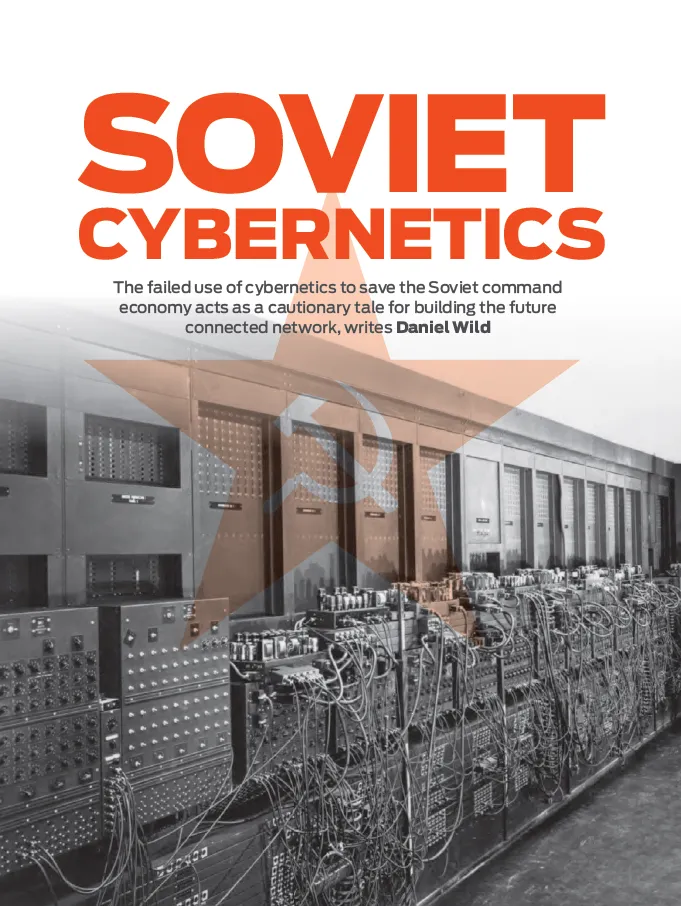
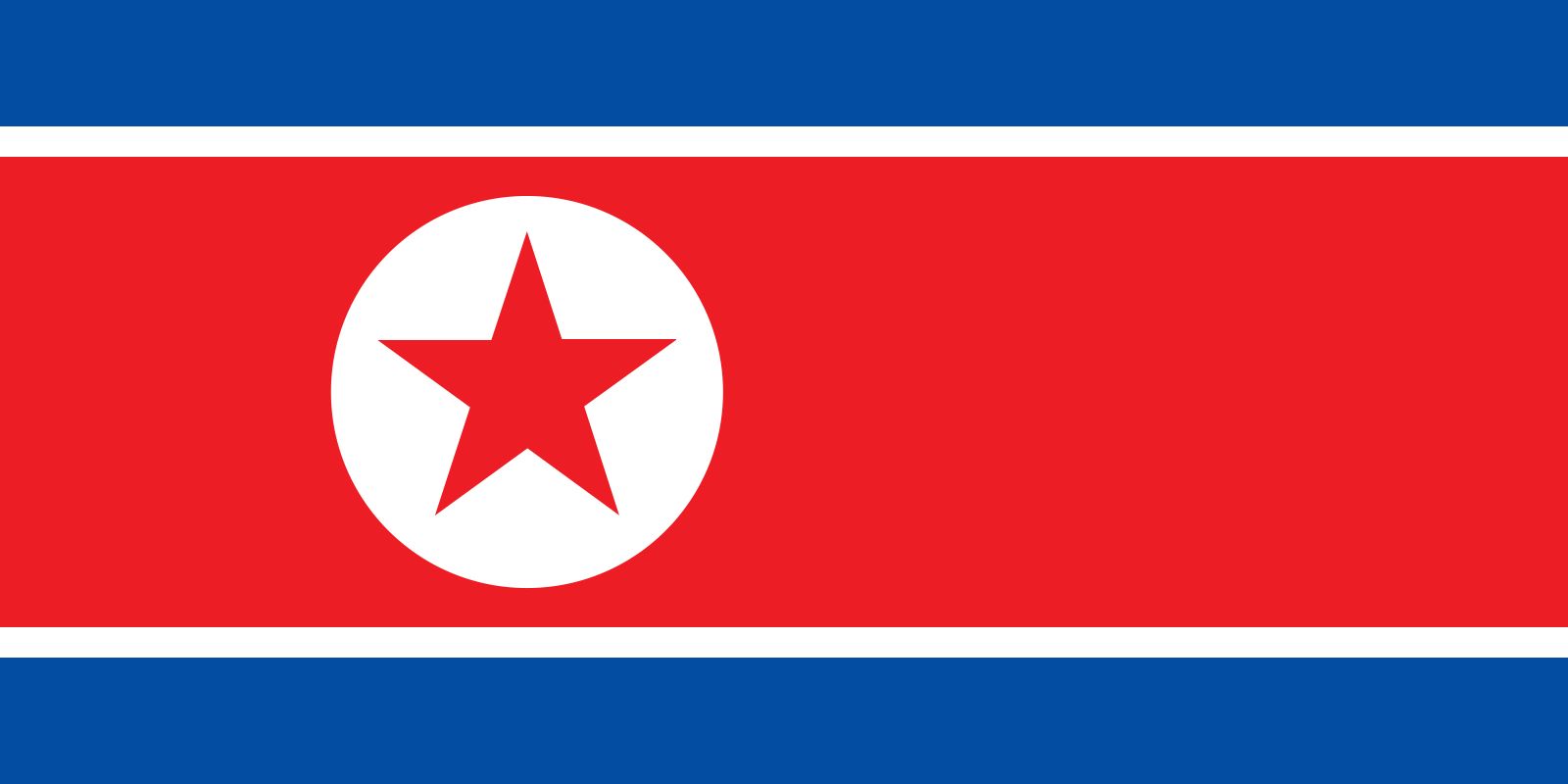
A market economy can also receive so much government intervention that it is considered a command economy instead, such as in the cases of North Korea and the former Soviet Union.
Fast Fact
In a laissez-faire free-market economy, the government plays no role in economic decision making.
How Government Intervention Shapes Market Economies: An Overview
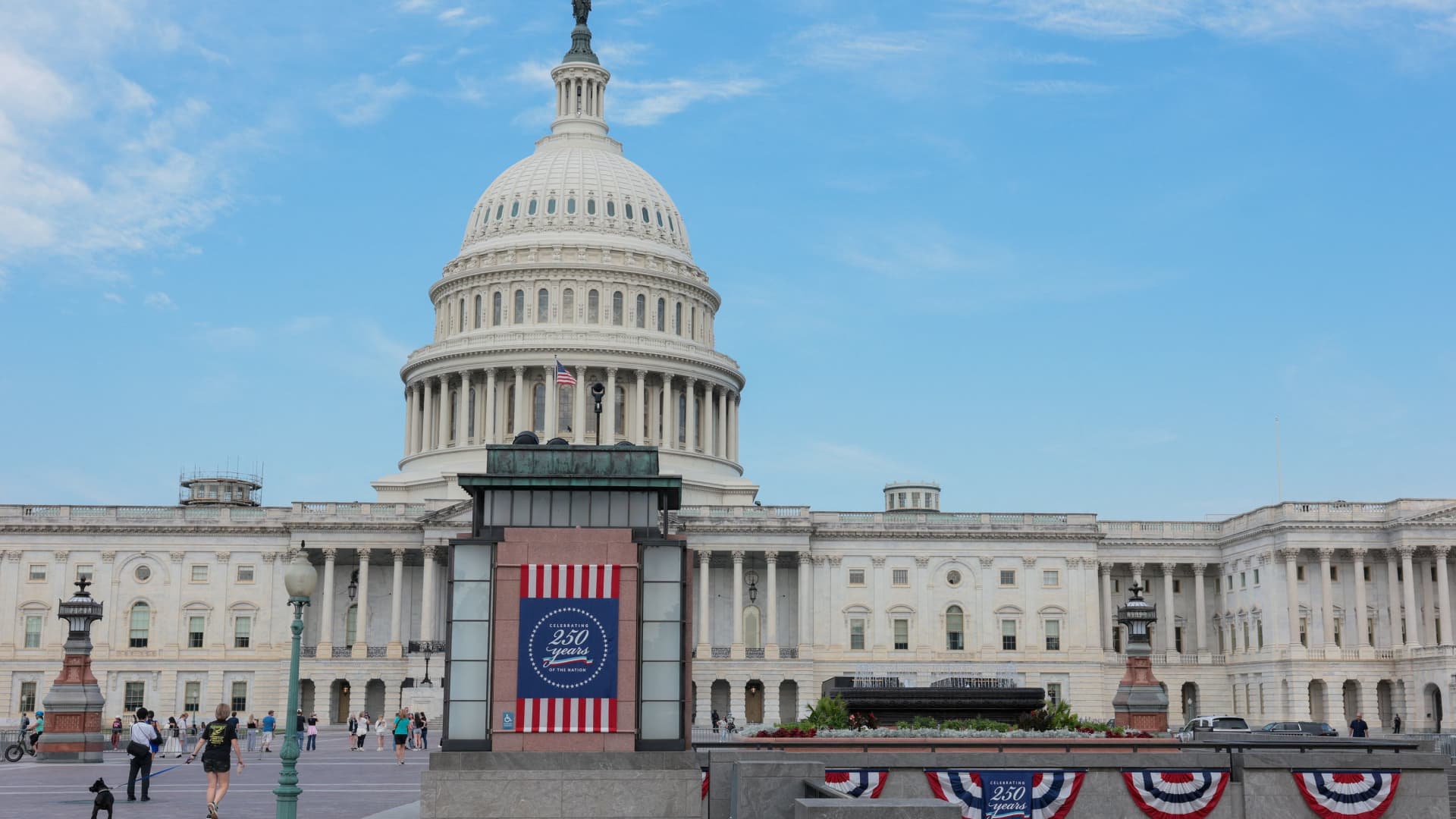
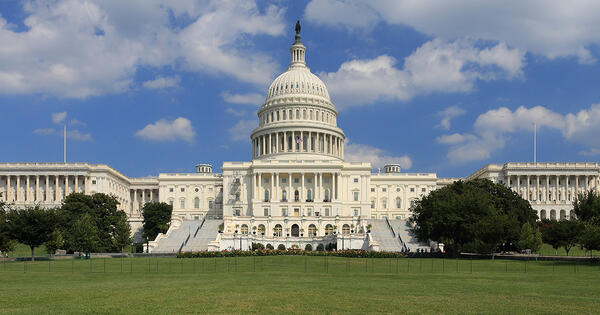
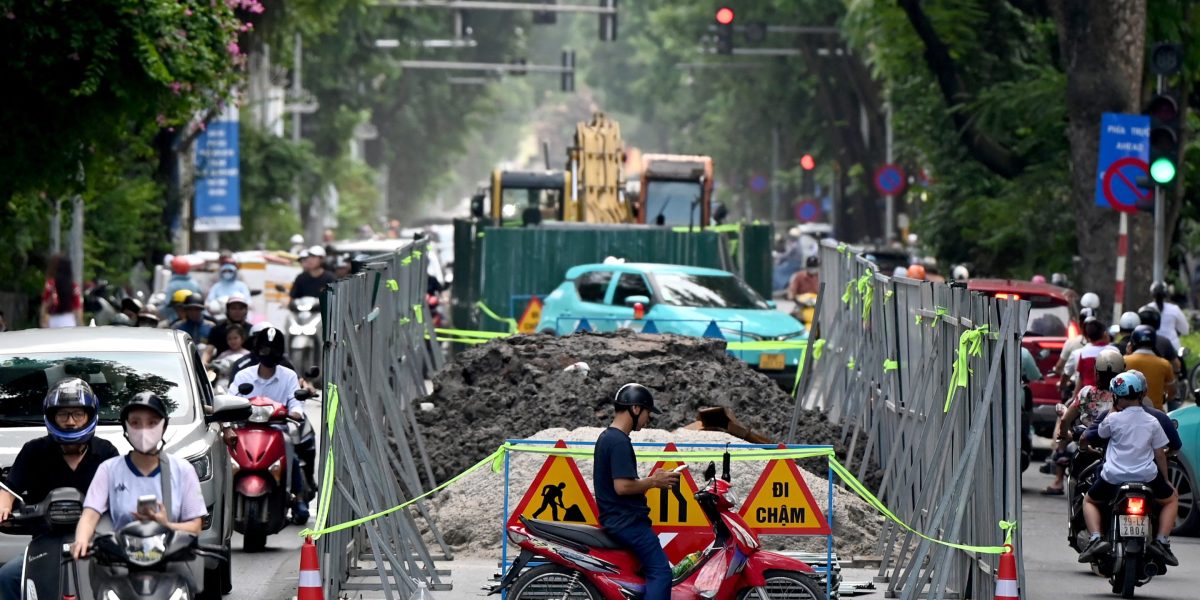
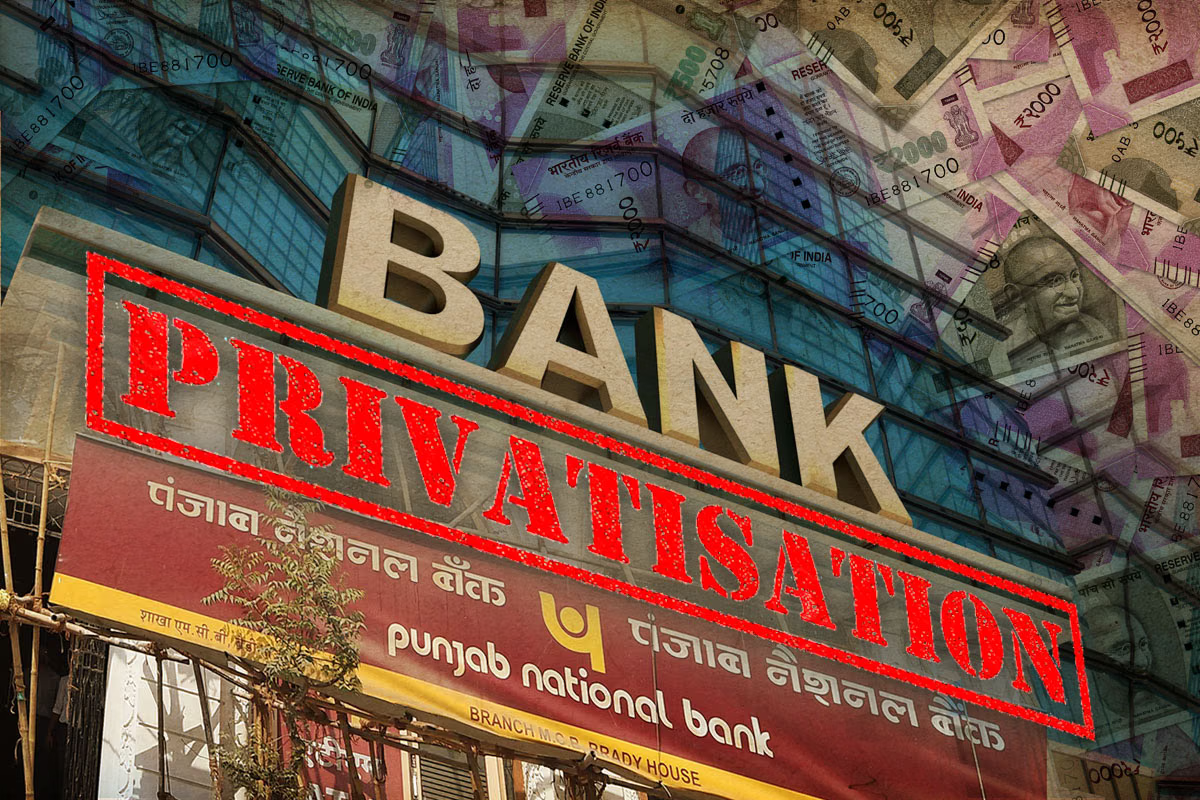
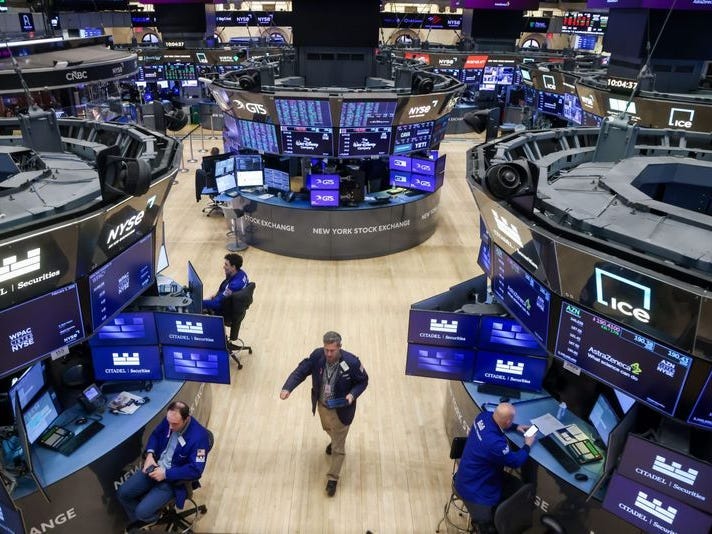
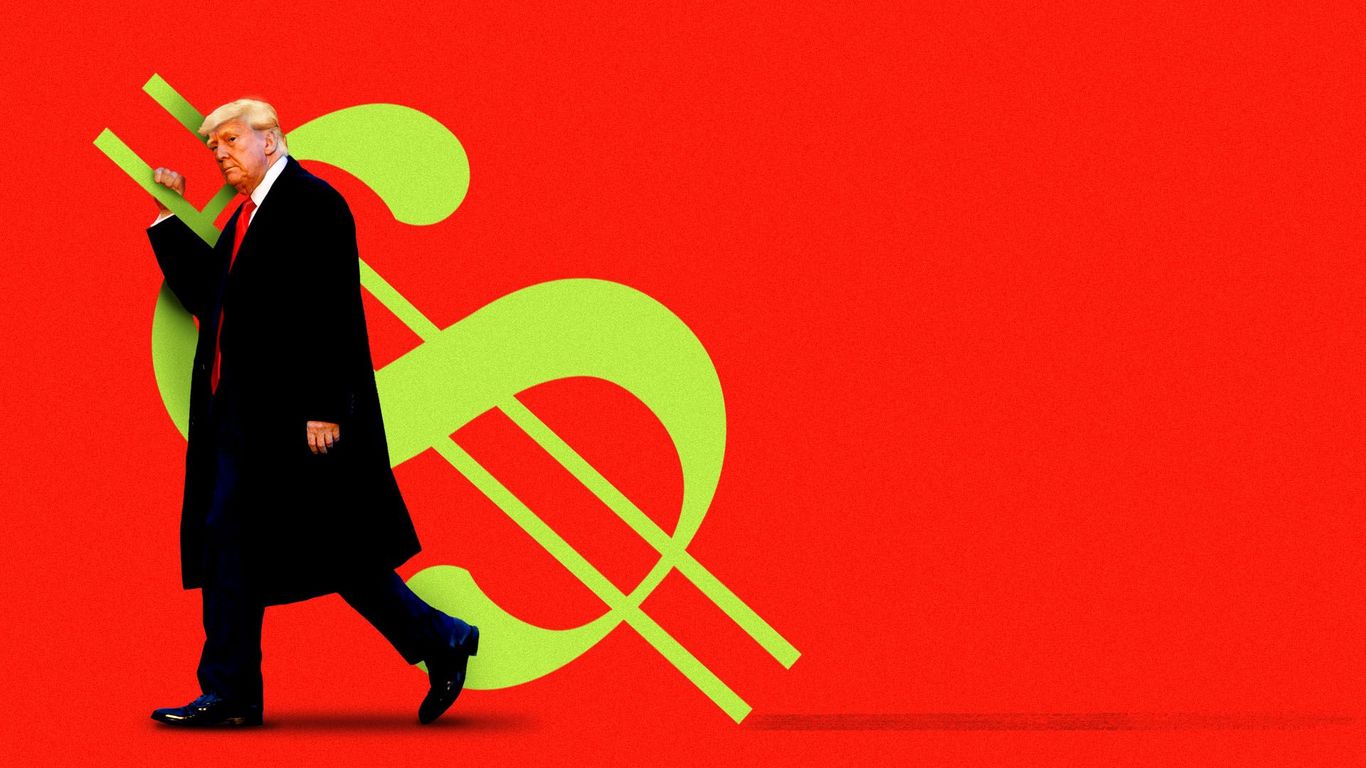
Many would consider the United States to be a market economy, despite its heavy levels of government control and regulation.
In a certain sense, a government can intervene in a market economy up to the point that it is no longer considered a market economy. Elements of capitalism still exist as long as private individuals are allowed to own property and profit from its use.
Understanding Free-Market, Mixed, and Command Economies
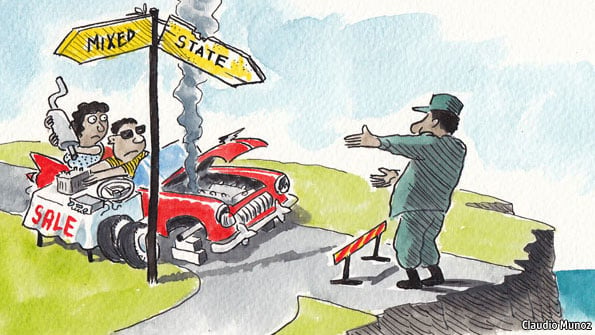
Economic systems are divided into three broad categories: free market, mixed, and command. The determining factor comes down to who owns and controls property and the factors of production.
In a free-market economy, private individuals or groups are in control. The government is in control of a command economy. Mixed economies have elements of both. Most economies in the world today are mixed, though some are command.
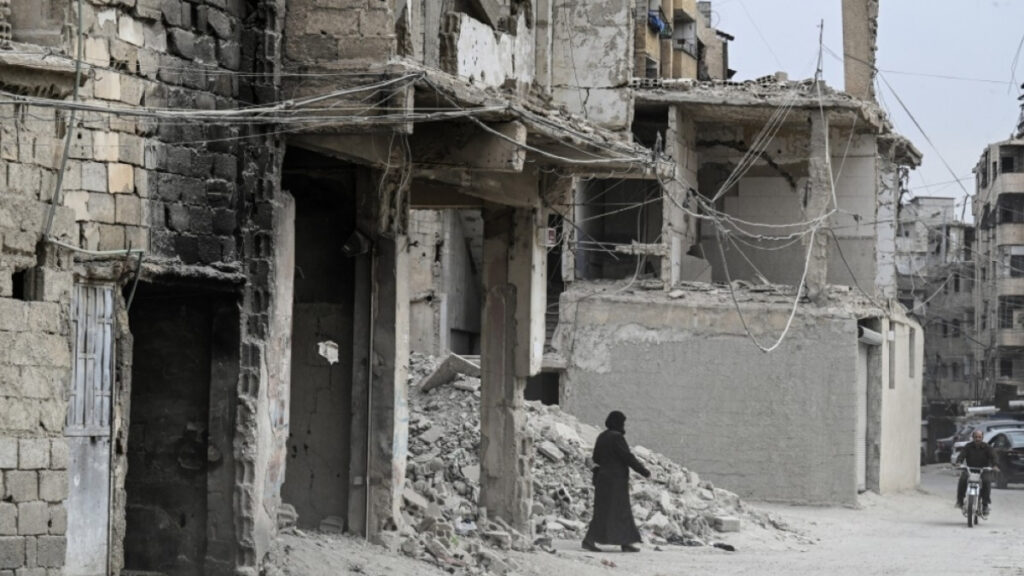
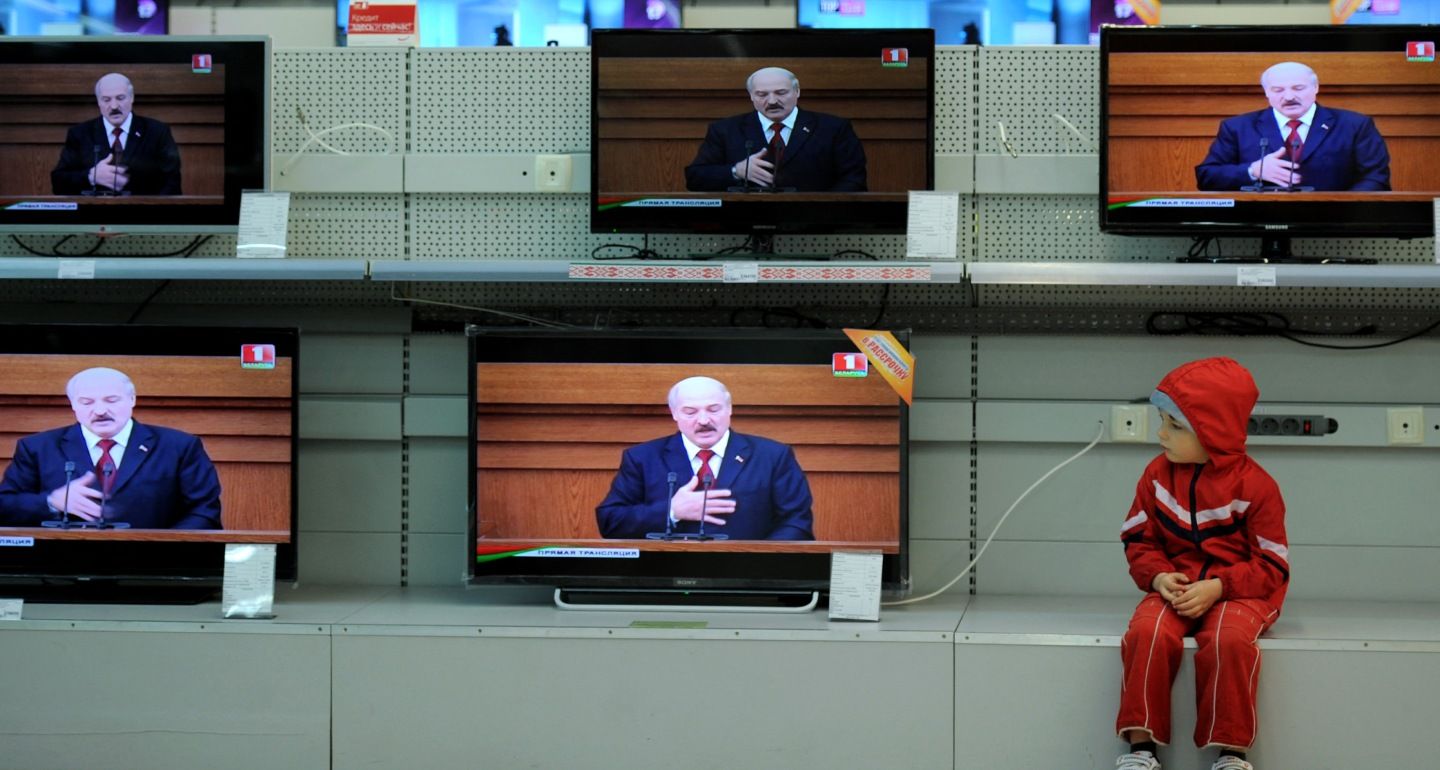
An example of a command economy would be communist North Korea. The North Korean government owns and controls all property, production decisions, and allocation of resources. The former Soviet Union was also a command economy. These are not considered market economies.
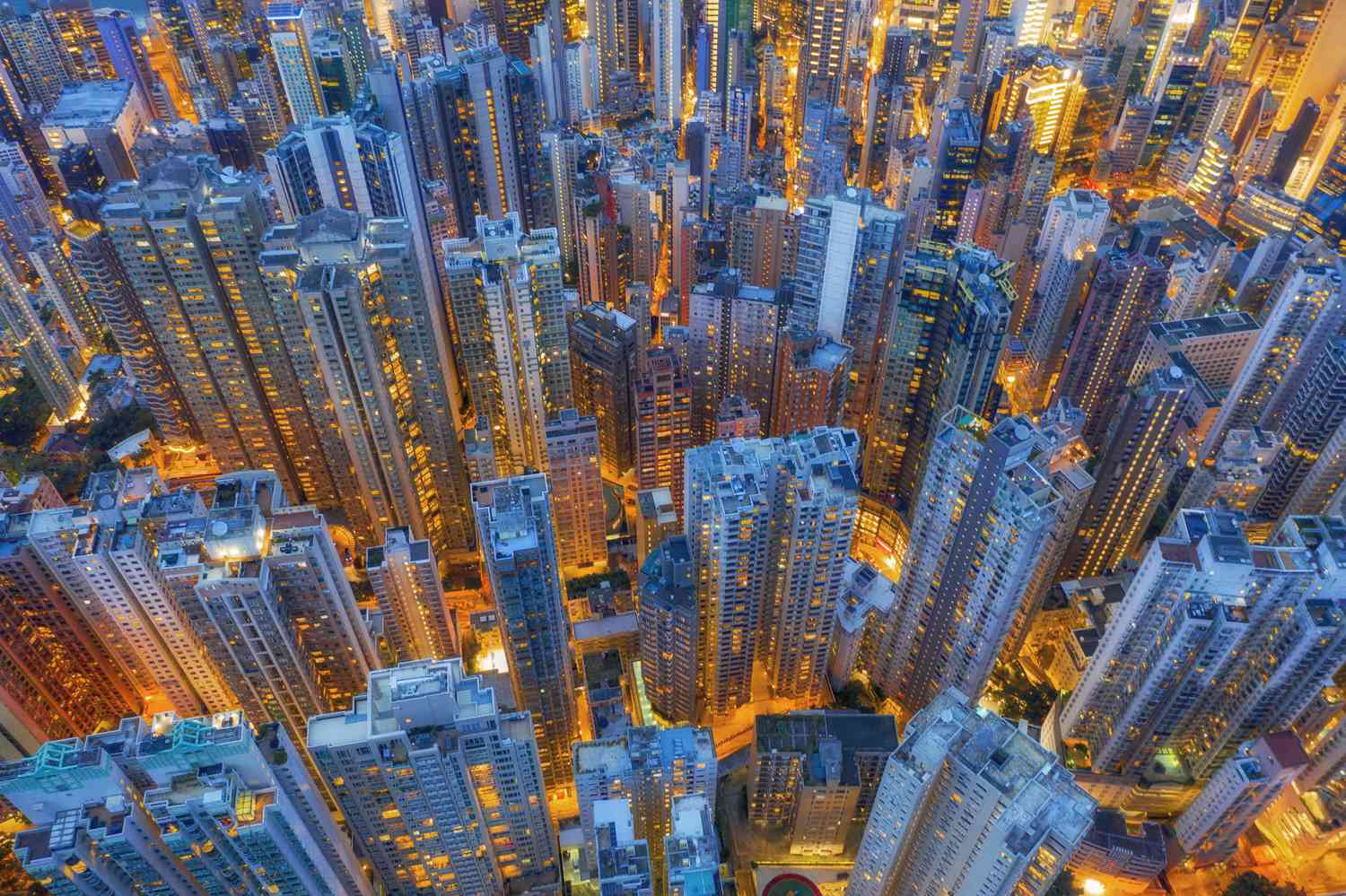
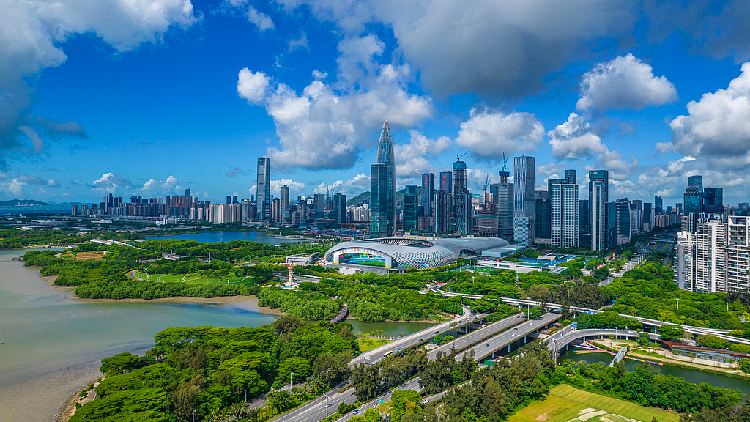
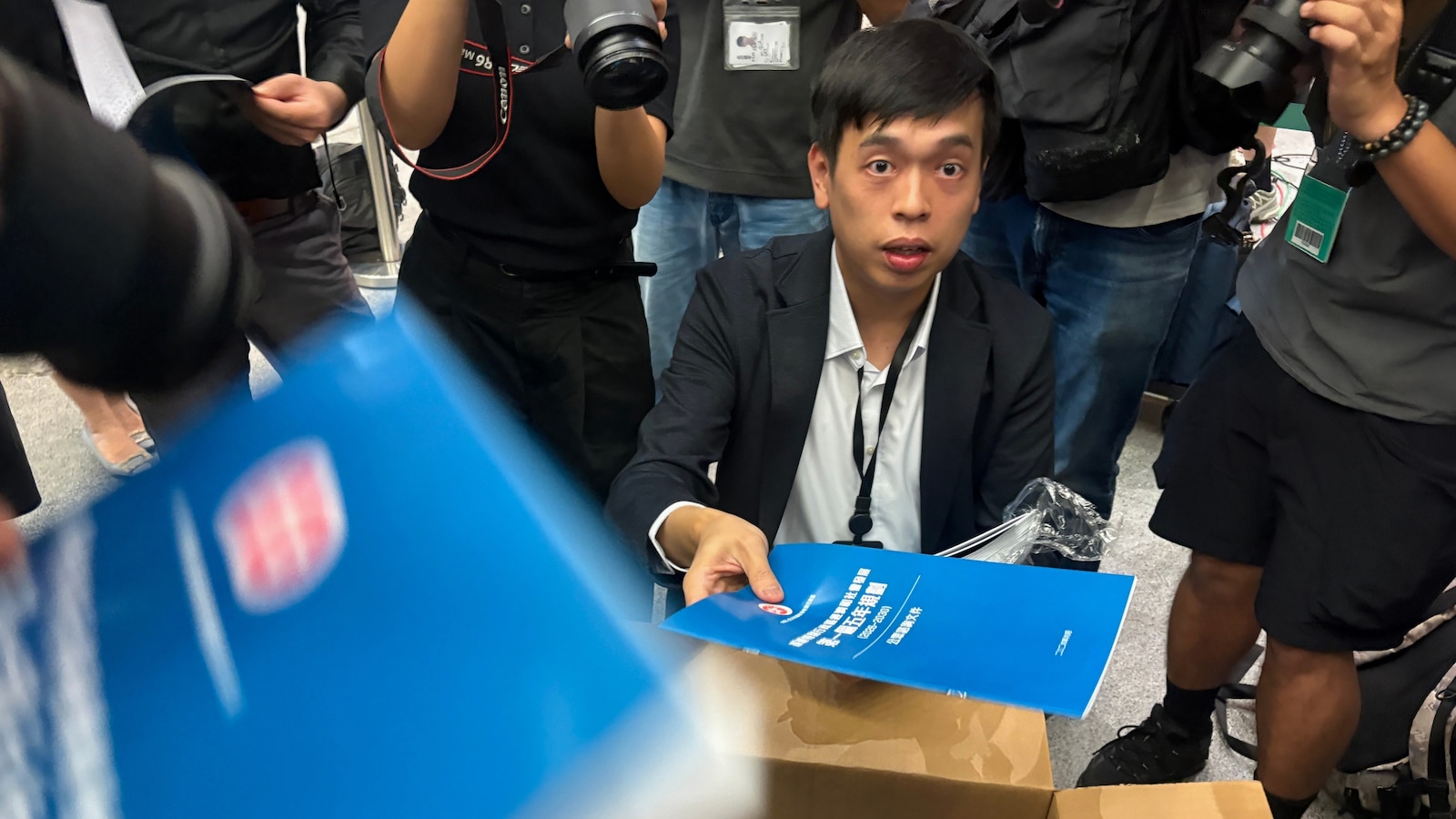
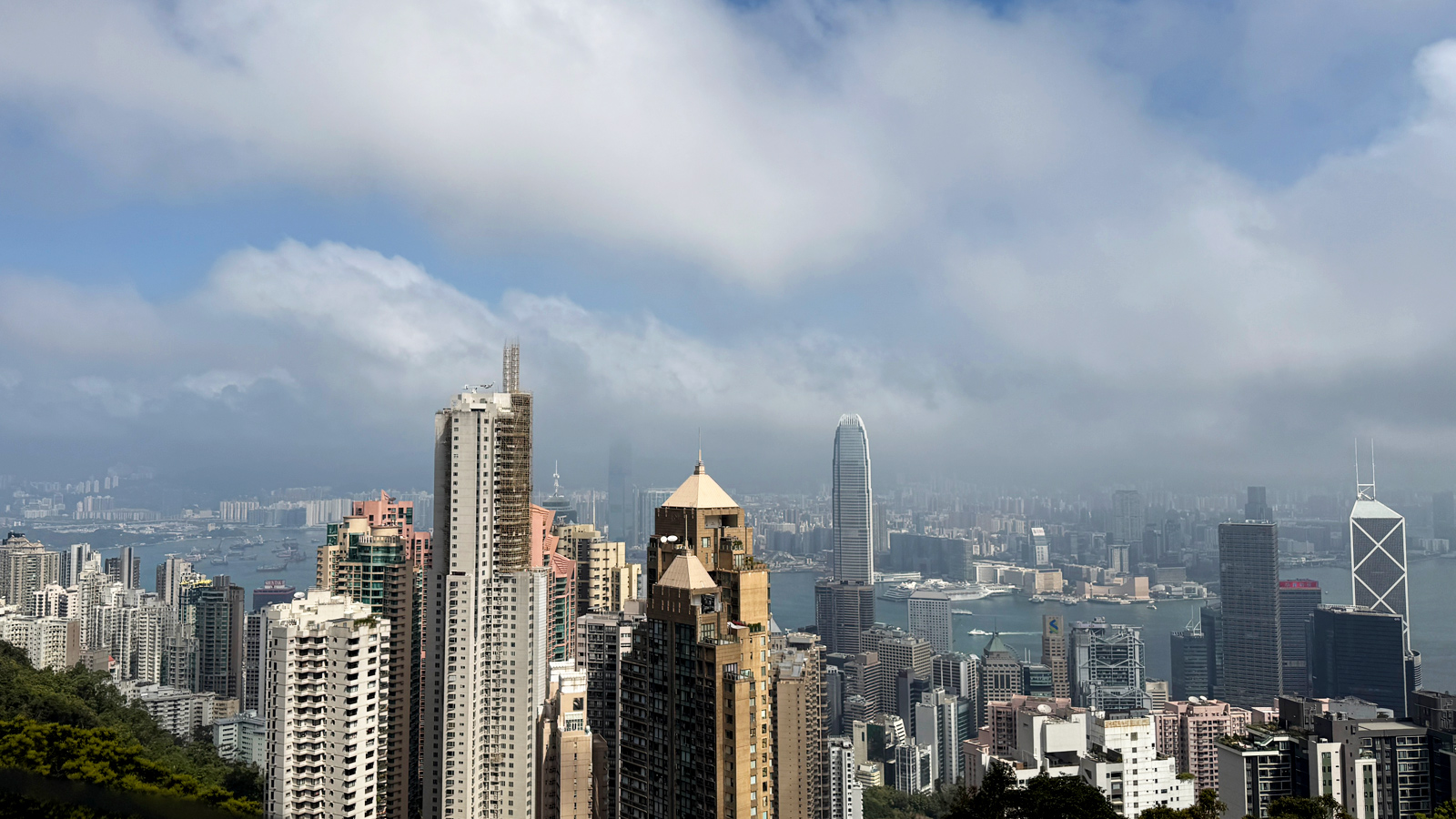
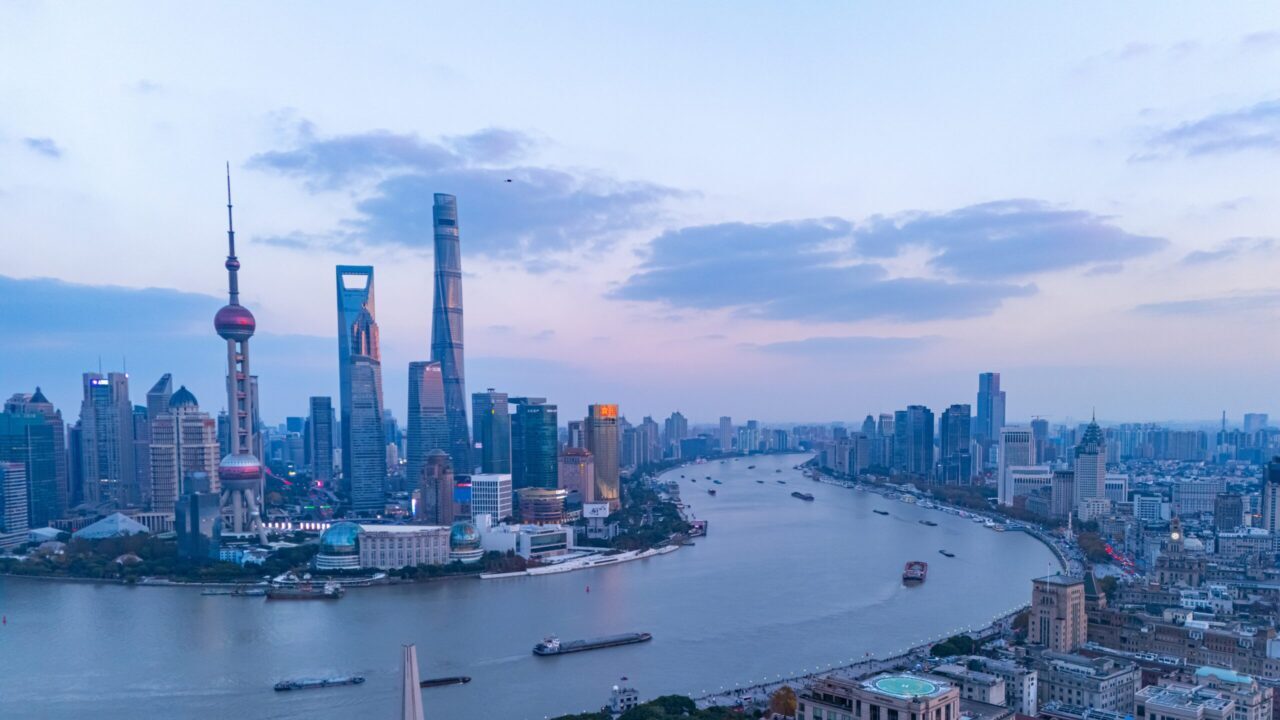
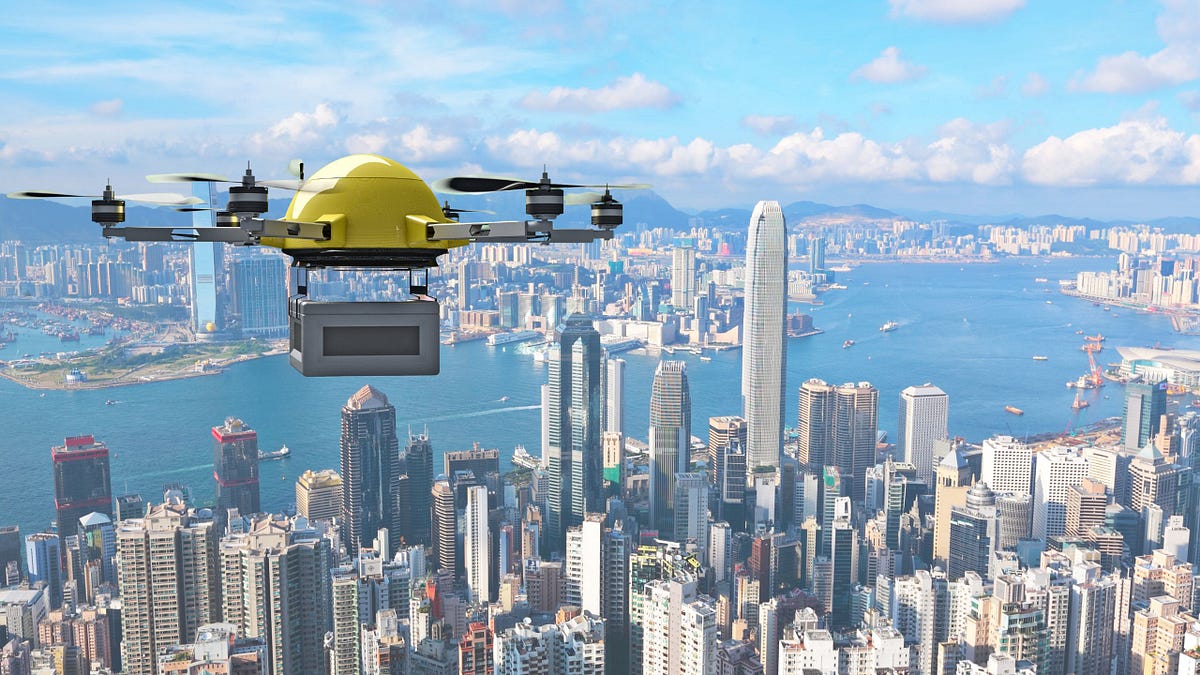
The purest free-market economy would conceivably lack a monopolistic government and coercive taxation. Historical evidence struggles to come up with concrete examples of a government-less free-market system. The closest well-documented examples in modern history would be Hong Kong in the 1950s and the U.S. during the 19th century (excluding the Civil War period).
Clearly, even the most free-market economies by historical standards have some level of government influence. Some libertarian and free-market proponents, known as minarchists, suggest that a true market economy would only have three government functions: courts, police, and the military.
The Bottom Line
Market economies can experience government intervention, yet still retain characteristics of capitalism if private ownership and profit are allowed.
The major economic systems are:
- Free market, in which private individuals or groups are in control
- Mixed, where private individuals or groups at least partially own resources and government intervenes in but doesn’t control economic activity
- Command, in which the government controls property, production, and goods and services
Pure free-market economic systems are difficult to identify historically. The closest recorded examples are 1950s Hong Kong and the 19th-century U.S.
Libertarian proponents believe a minimal role, limited to courts, police, and the military, should define true market economies.