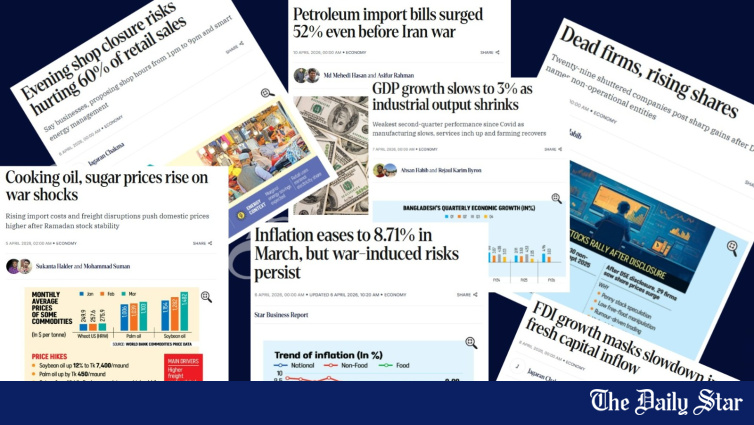
Bangladesh’s economy last week revolved around volatile commodity prices, potential retail disruptions, and fluctuating macroeconomic indicators. While inflation declined slightly, GDP growth slowed, industrial output decreased, and energy import costs surged amid global geopolitical tensions.
The following is a recap of those major stories as covered by Star Business.
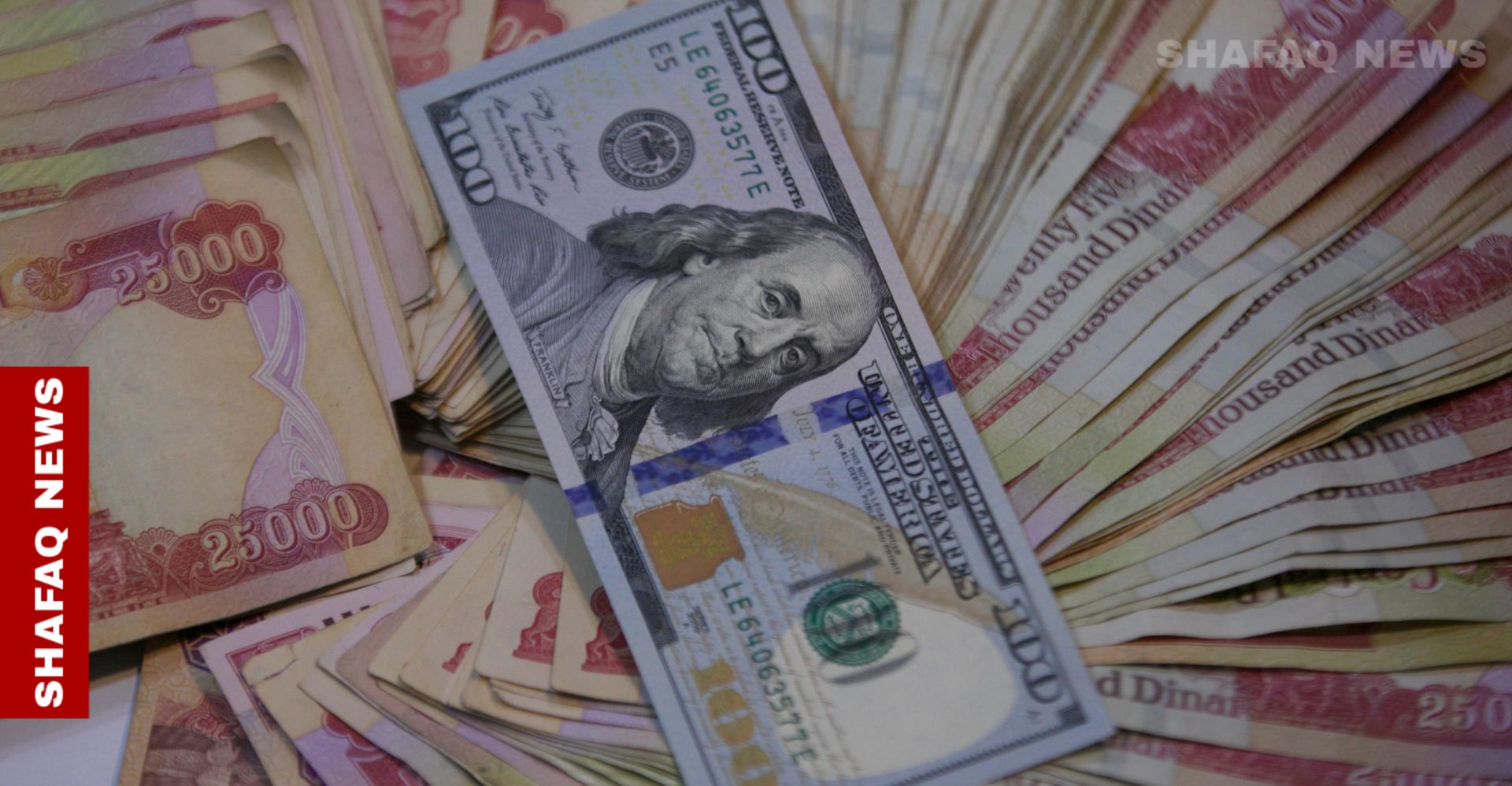
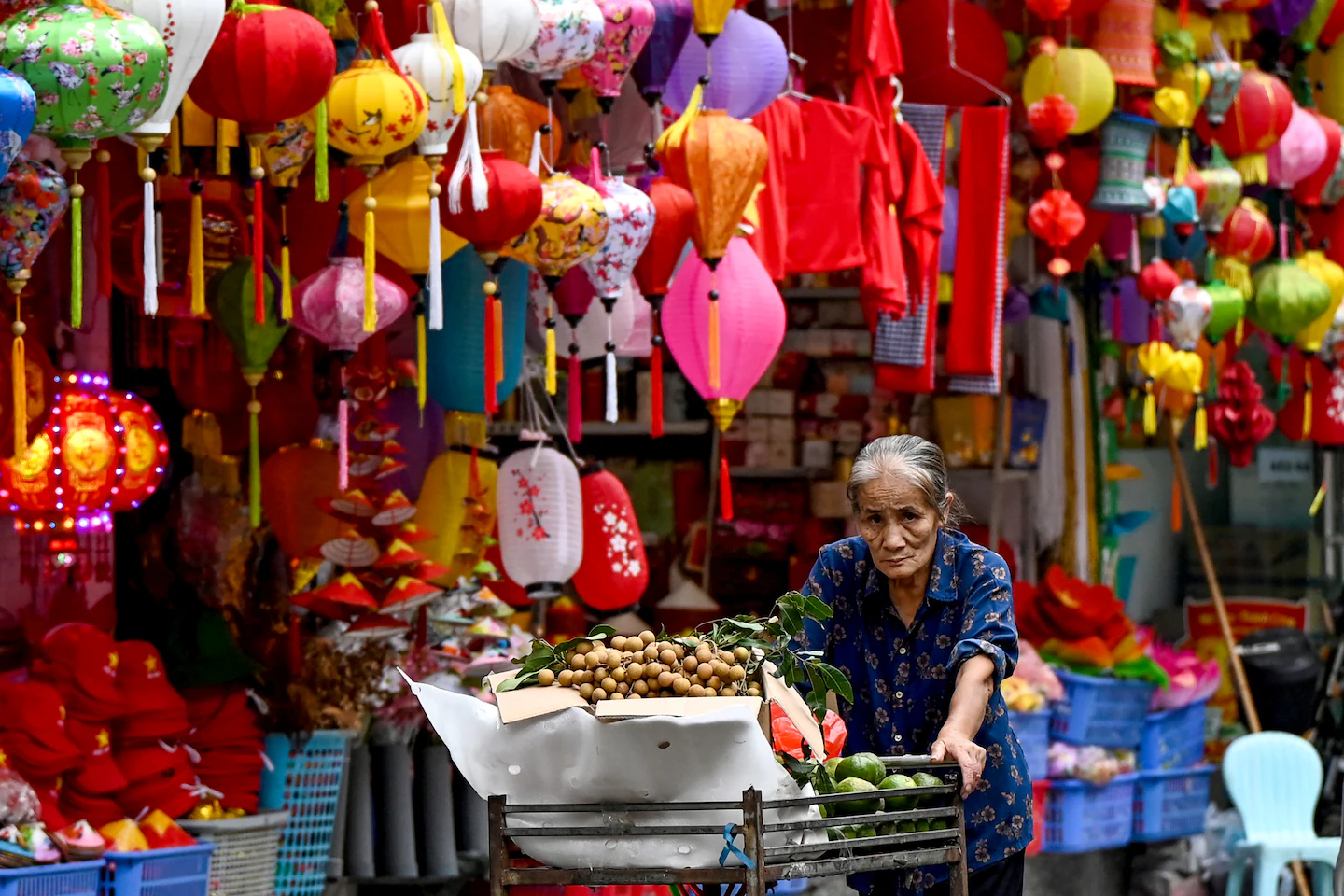
Cooking oil, sugar prices rise on war shocks (April 5)
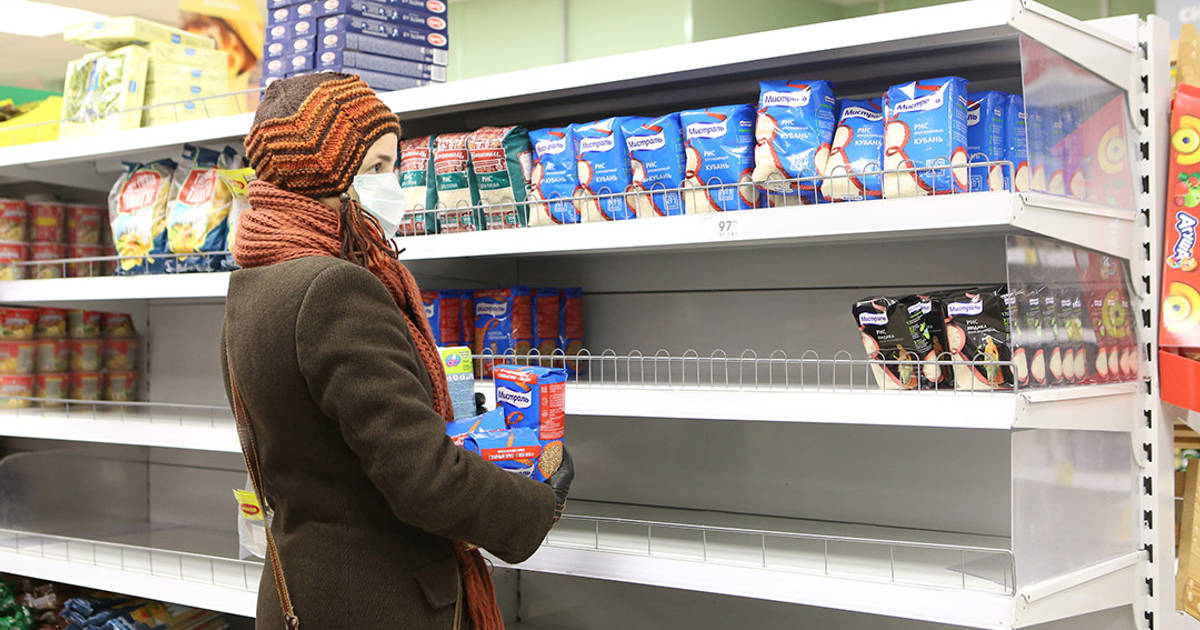
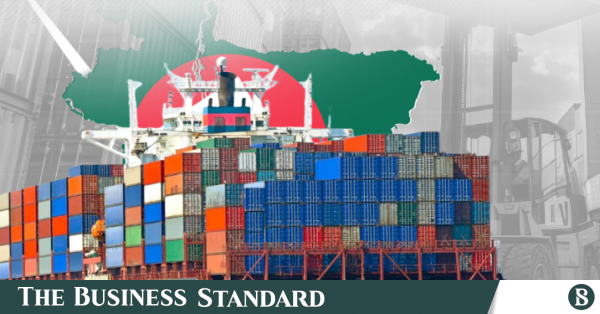
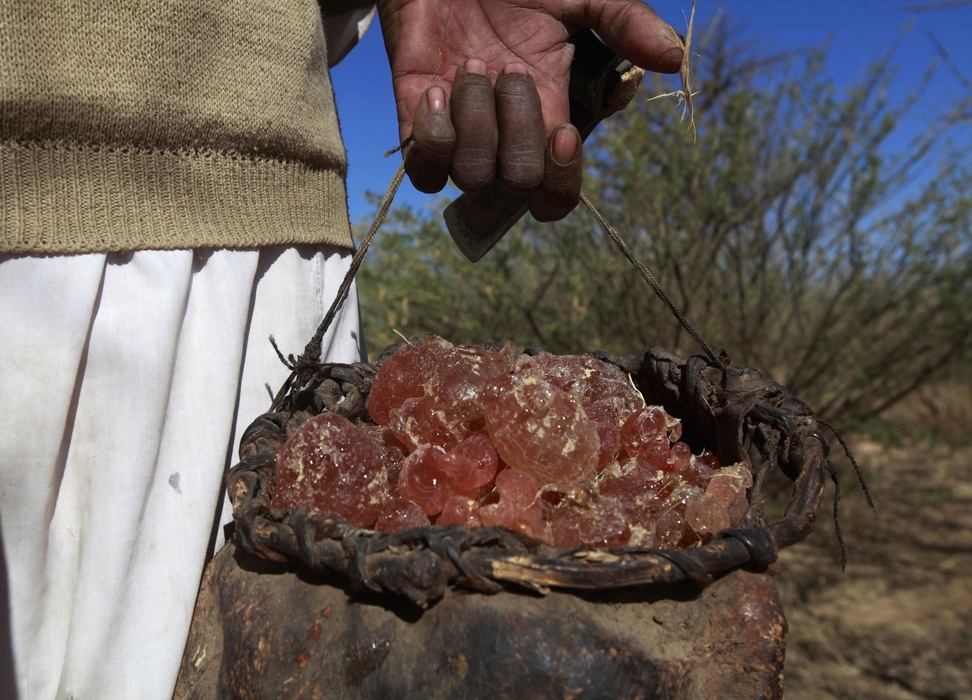
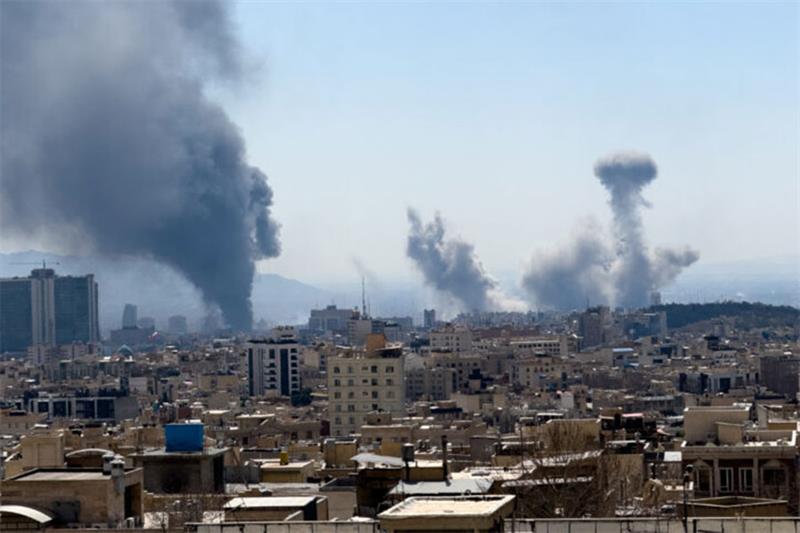
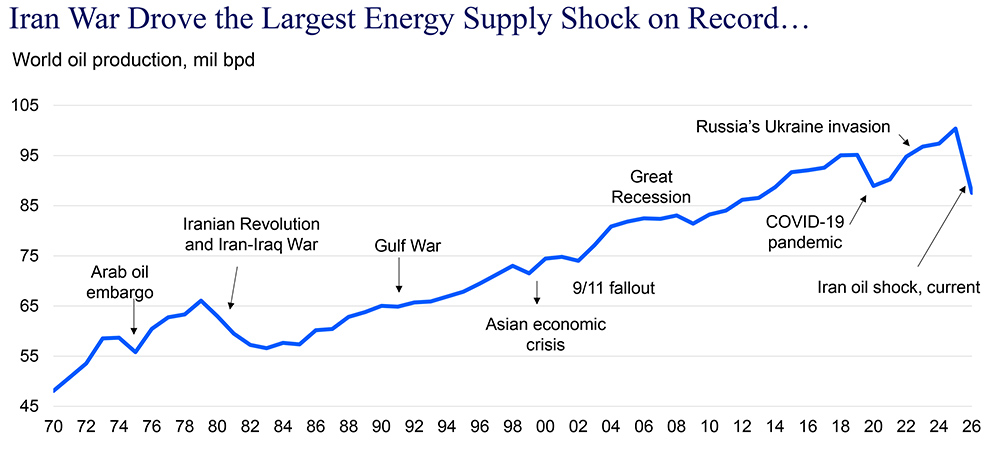
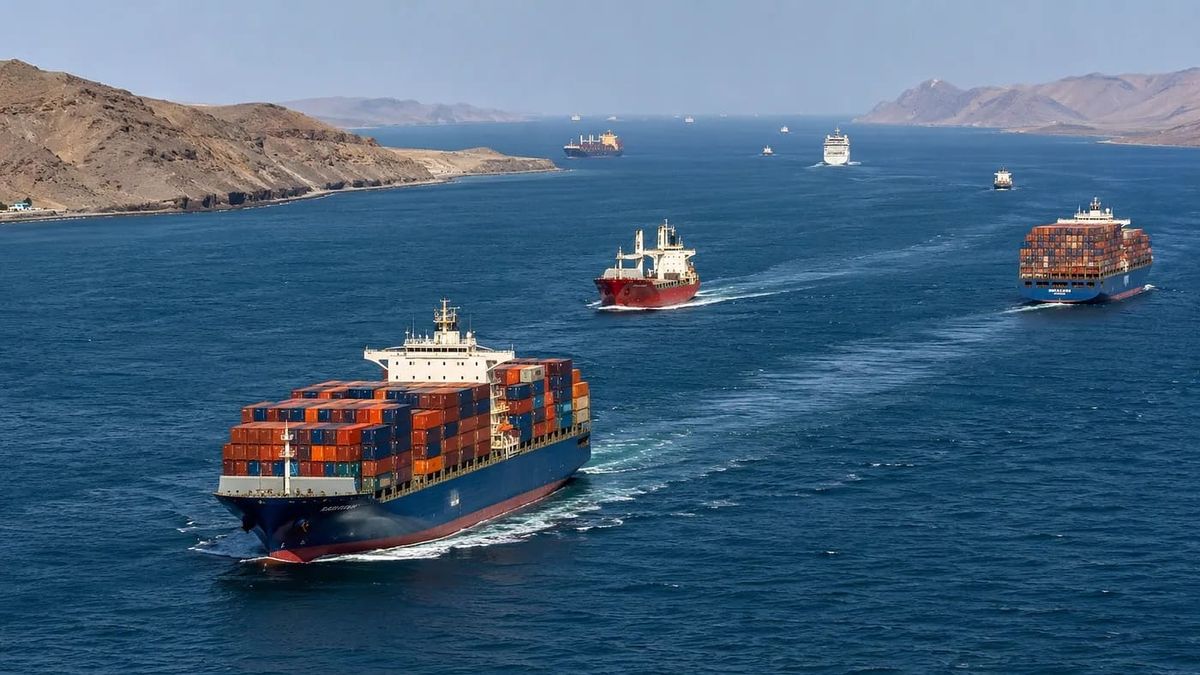
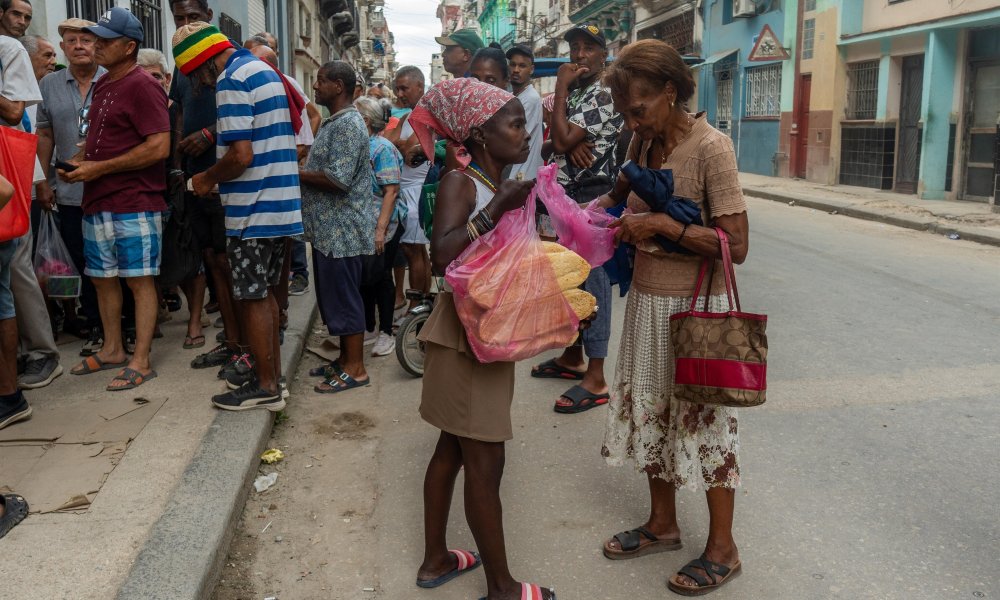
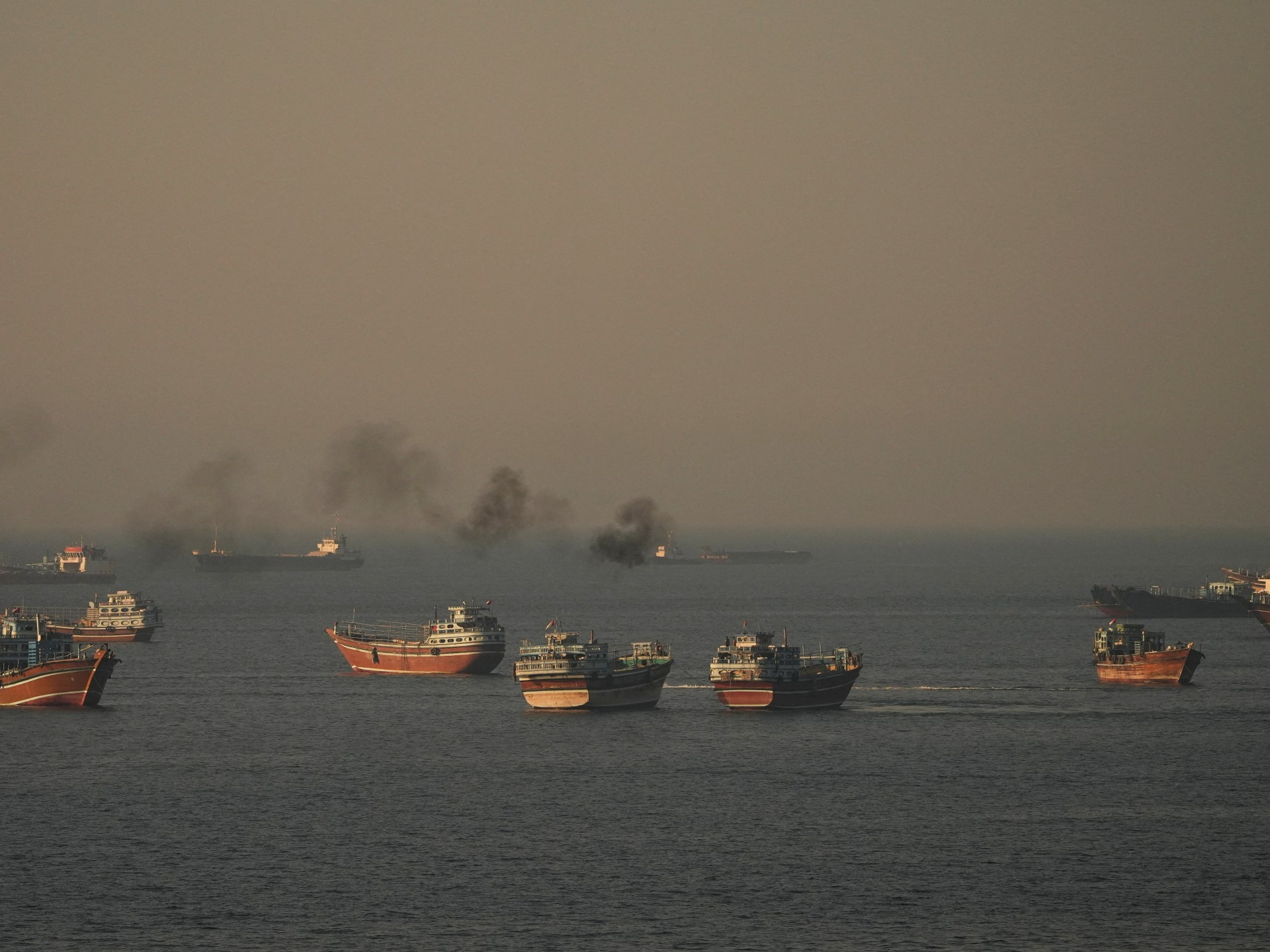
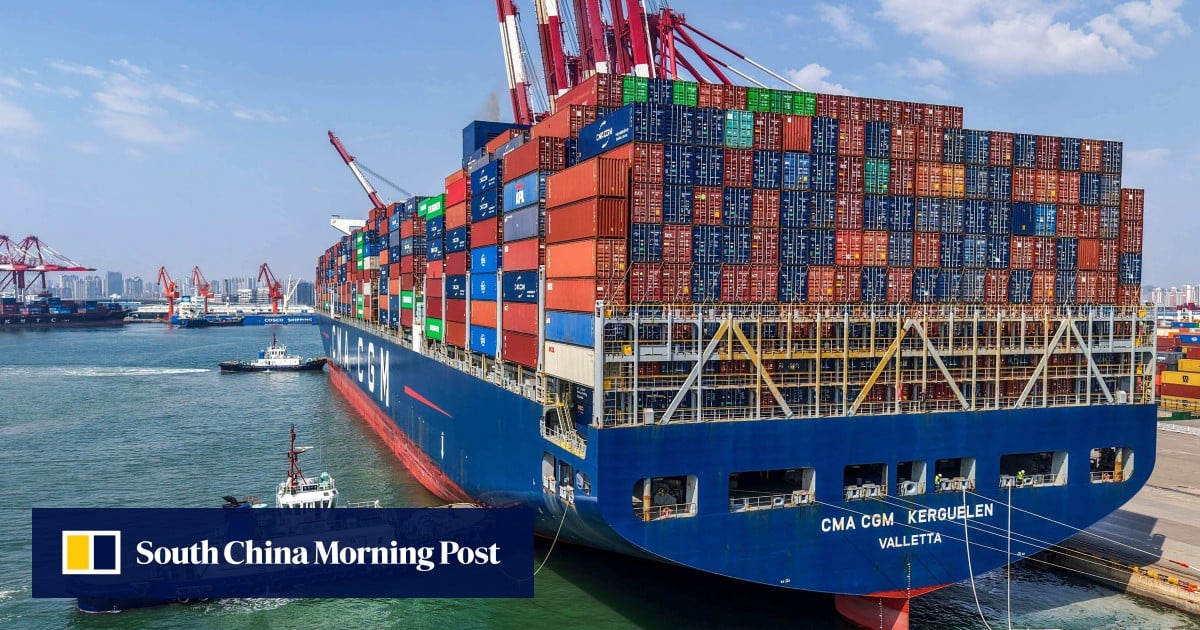
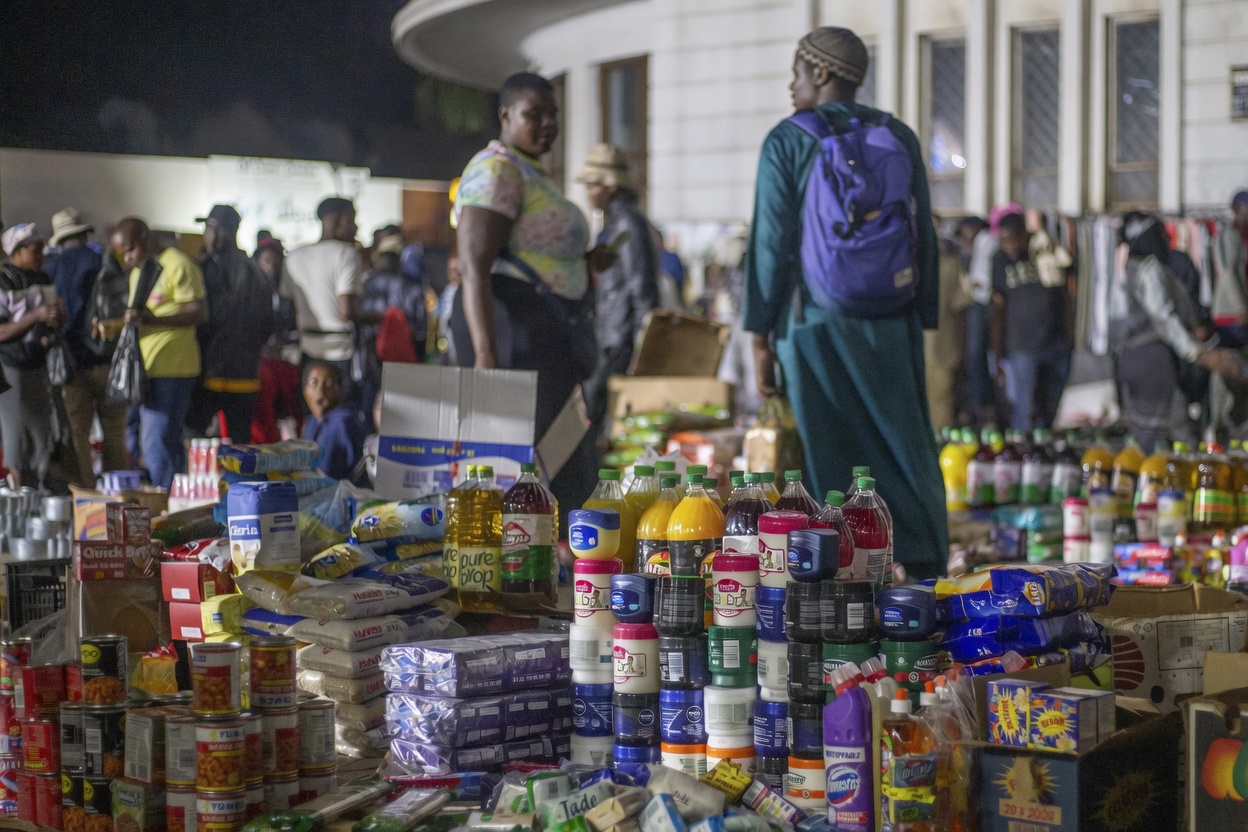
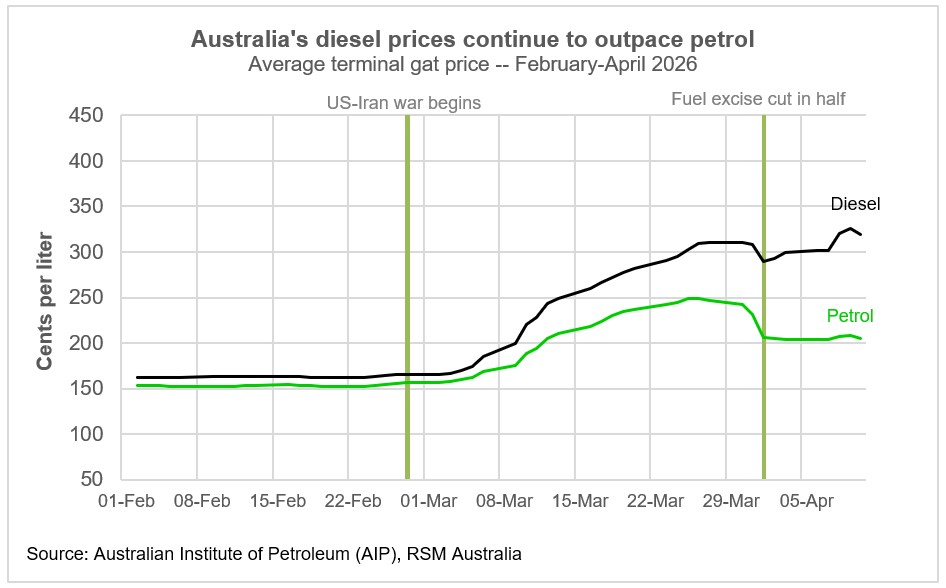
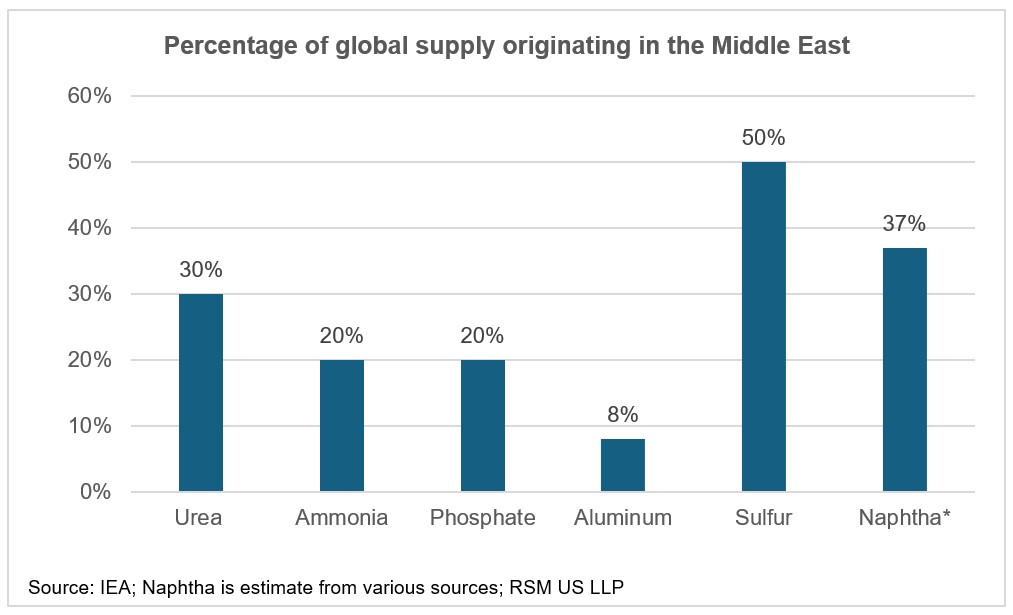
The prices of edible oil and sugar have increased in the local market as supply chains were disrupted amid the US-Israel war on Iran. Traders attribute the increases to rising import costs and freight disruptions, putting pressure on consumers’ pockets.
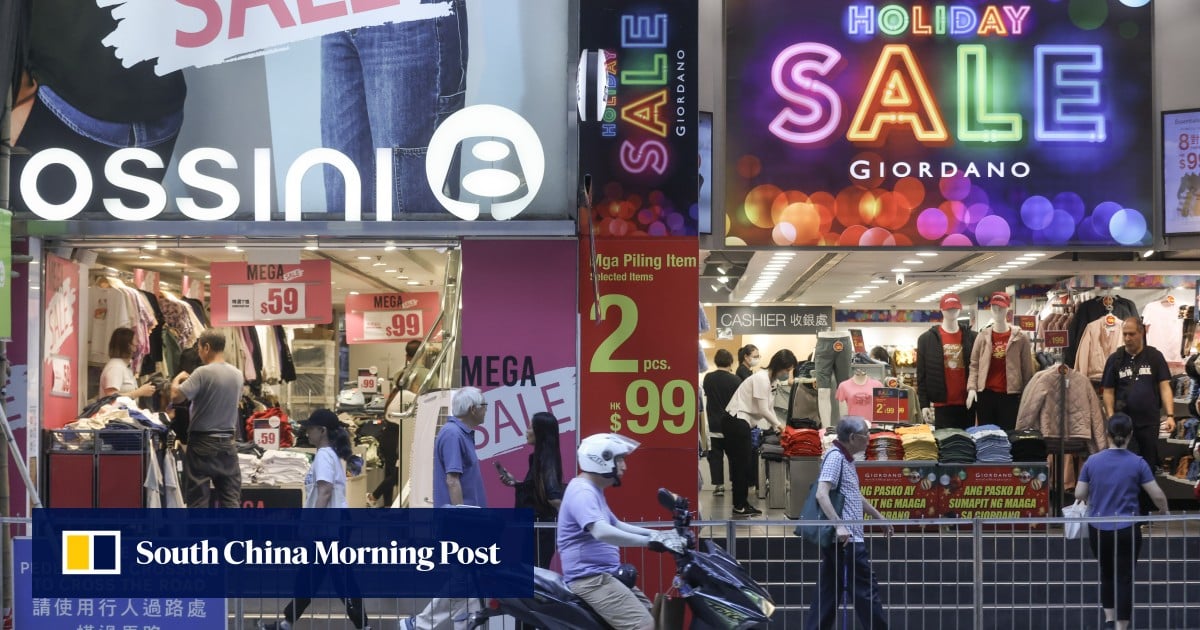
Evening shop closure risks hurting 60% of retail sales (April 6)
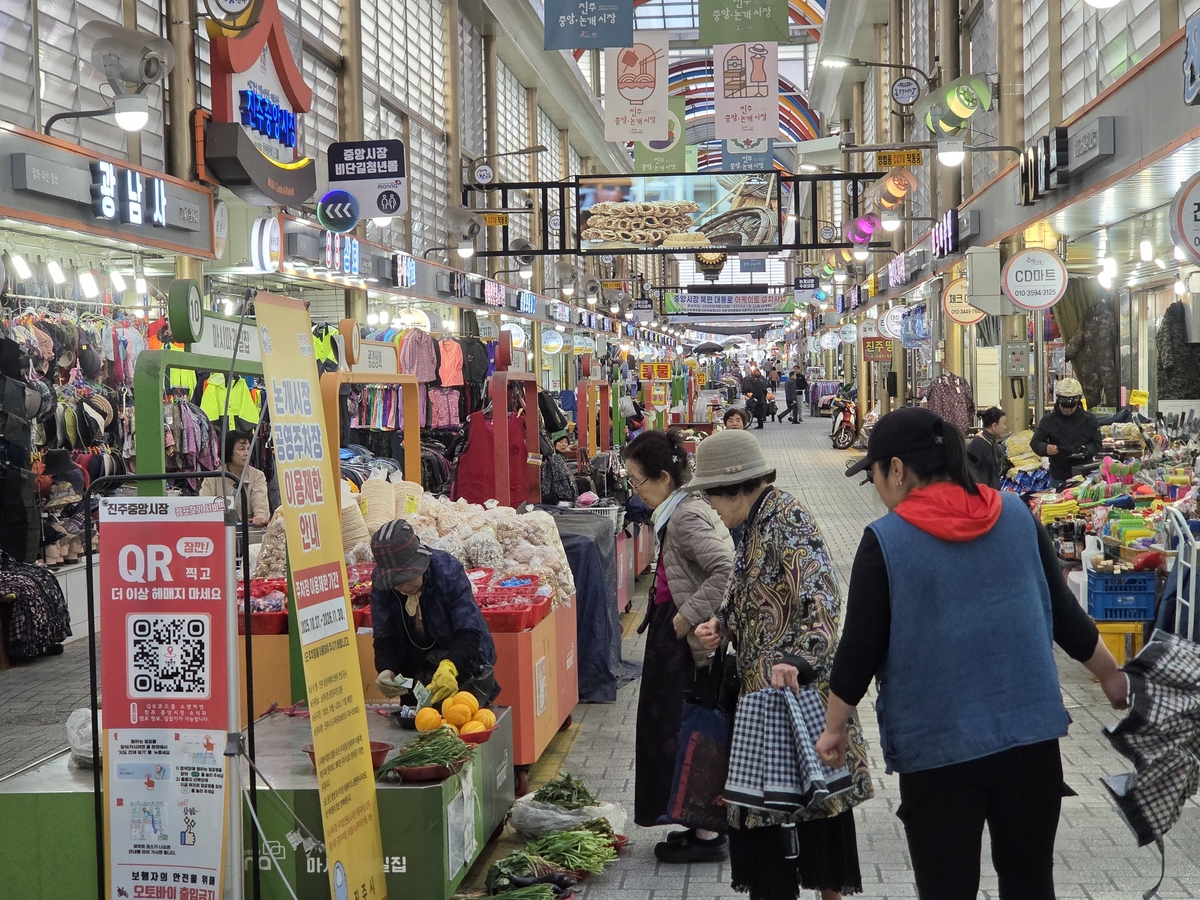
Retailers said that the government’s plan to close shops early to save electricity could jeopardise nearly 60 percent of daily sales. Apart from hitting sales, businesses say cutting off the peak trading window will affect employment and government revenue.
Inflation eases to 8.71% in March, but war-induced risks persist (April 6)
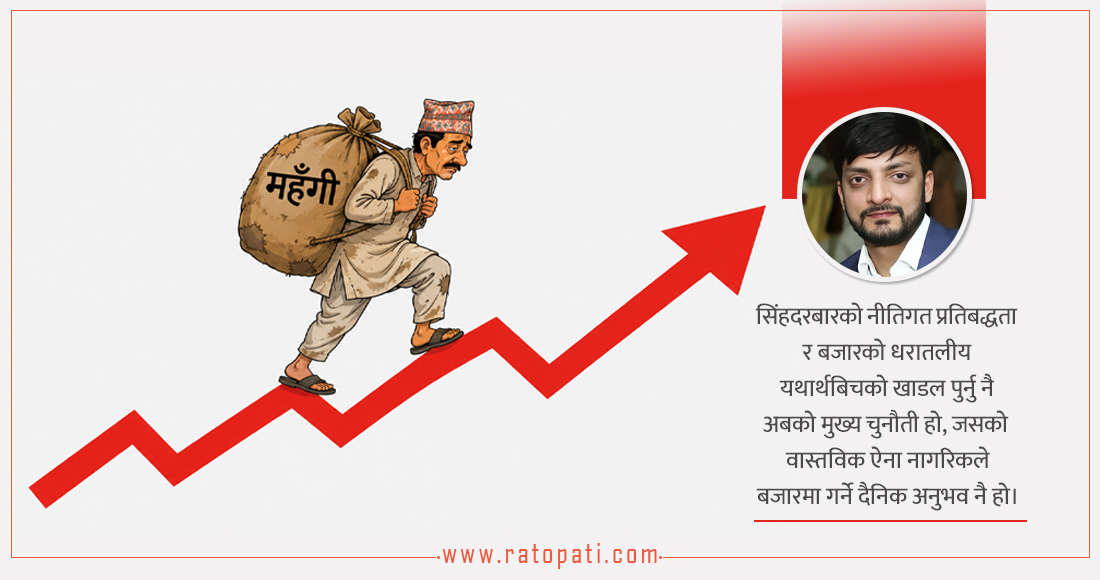
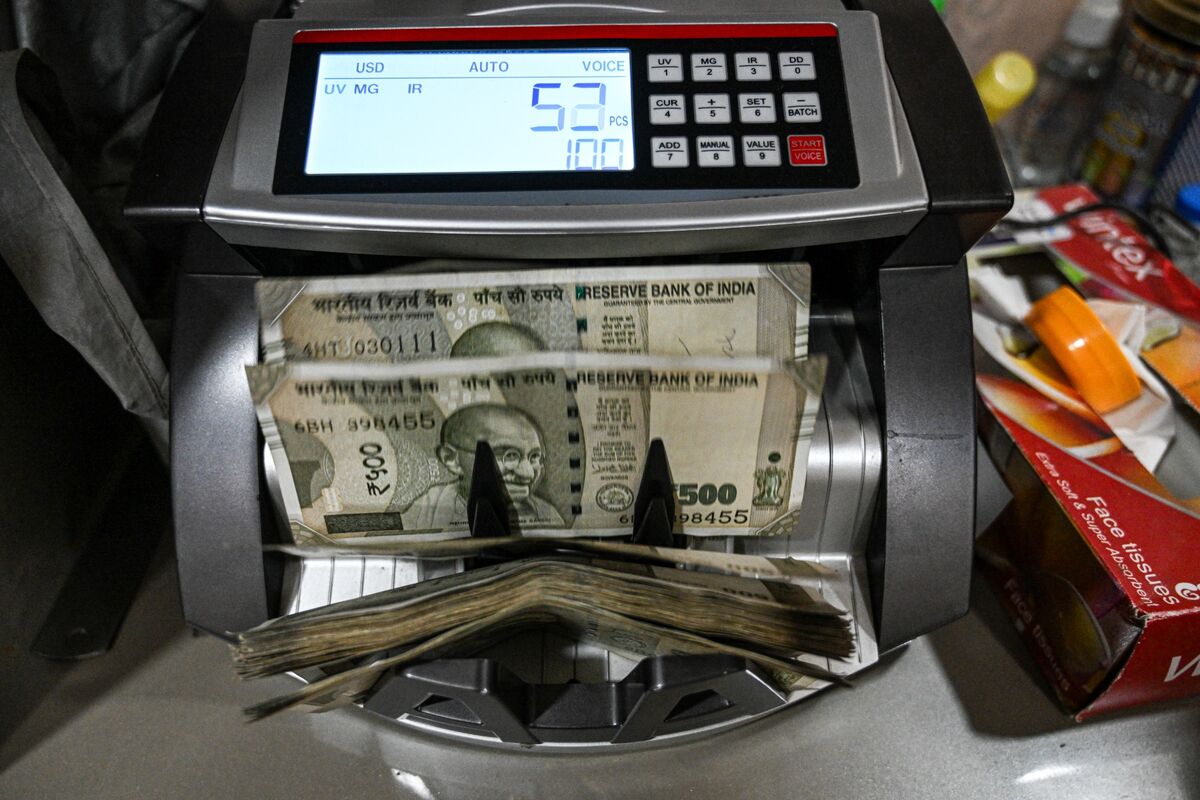
Bangladesh’s inflation eased slightly to 8.71 percent in March. However, policymakers expressed concern that the ongoing war-induced shocks to the global energy and food markets continue to pose significant risks to maintaining this downward trend in the coming months.
GDP growth slows to 3% as industrial output shrinks (April 7)
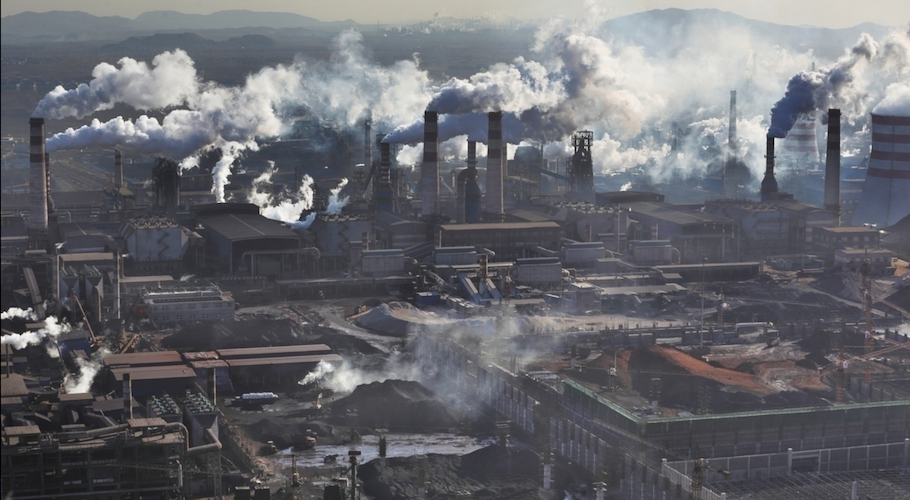
The country’s GDP growth slowed to 3 percent in the second quarter of the current fiscal year. This deceleration is primarily attributed to a contraction in industrial production, as manufacturers struggled with high input costs and a persistent energy crisis.
FDI growth masks slowdown in fresh capital inflow (April 8)
While overall Foreign Direct Investment (FDI) figures showed growth, there was a slowdown in fresh equity capital. Most of the recorded FDI came from the reinvestment of earnings by existing companies rather than new investments.
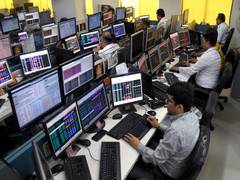
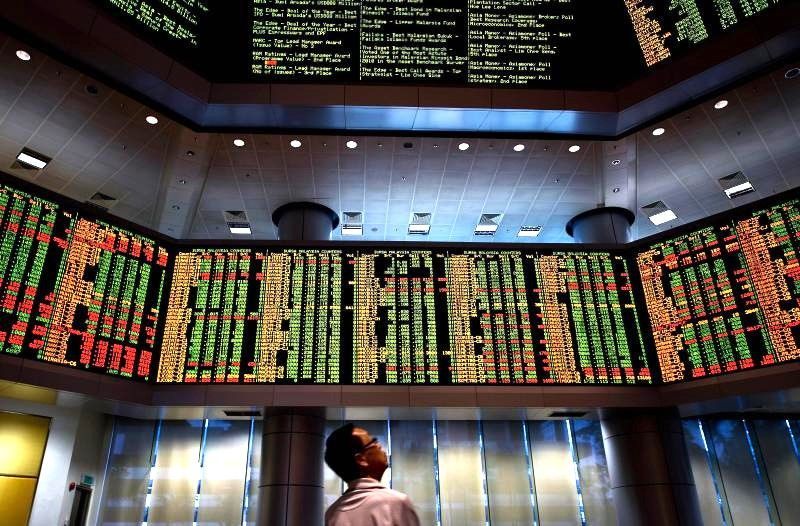
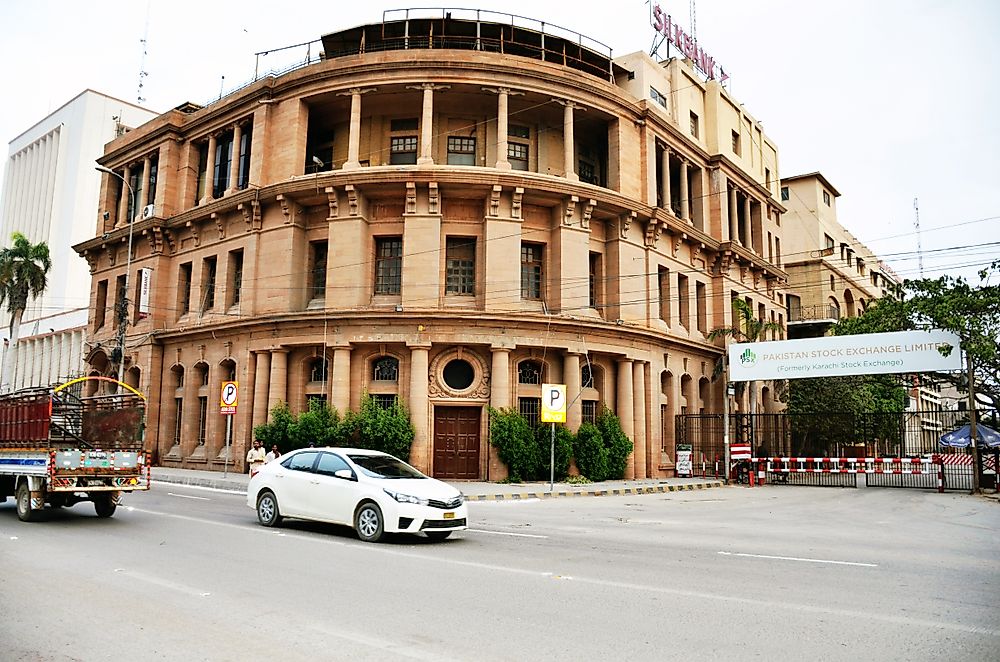
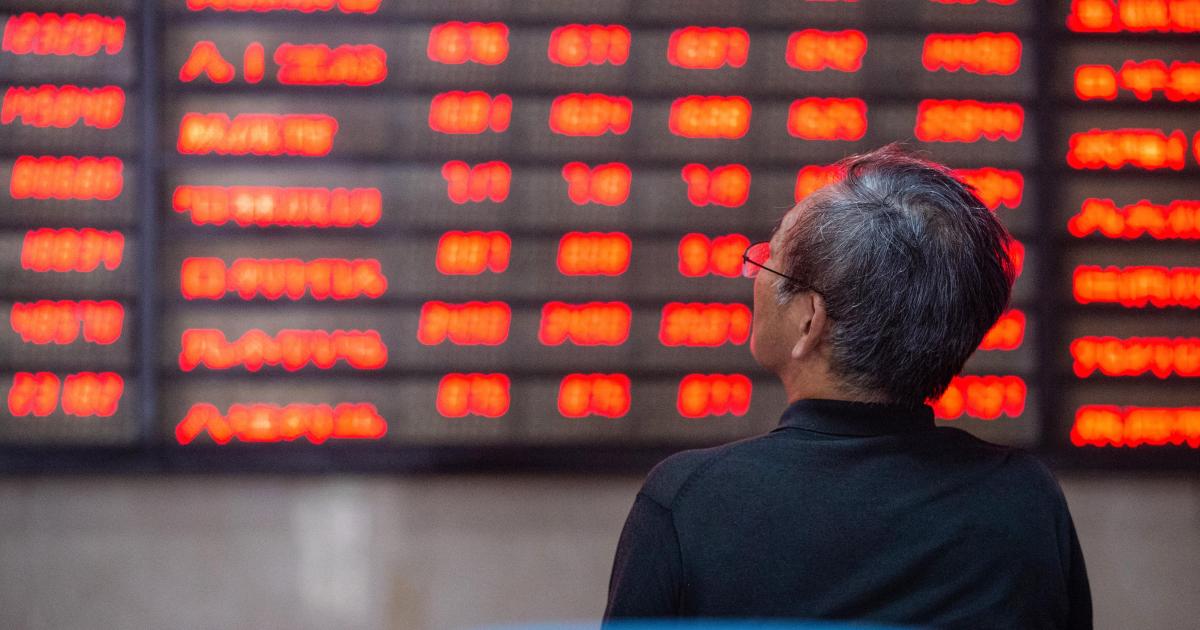
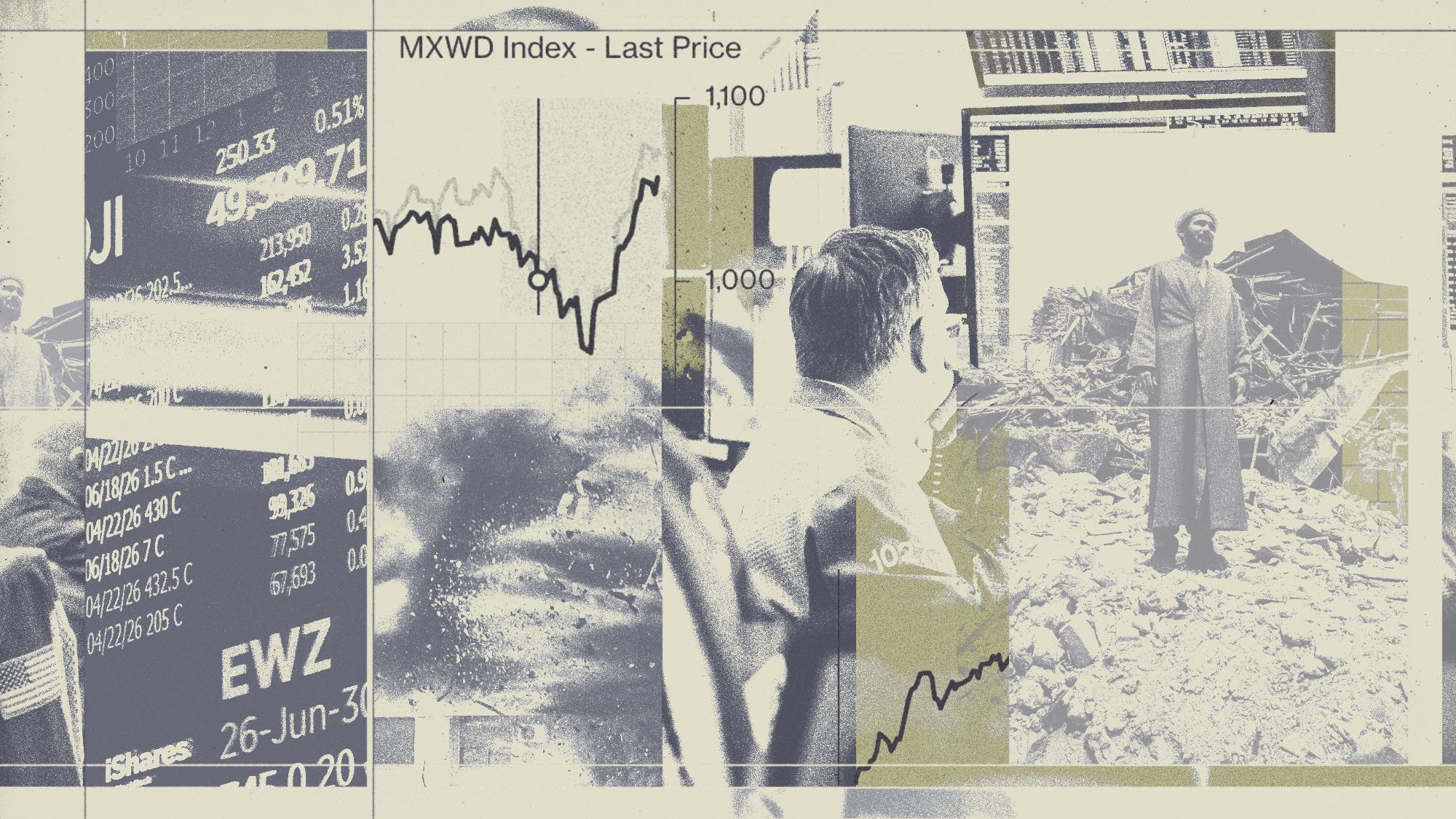
Dead firms, rising shares (April 9)
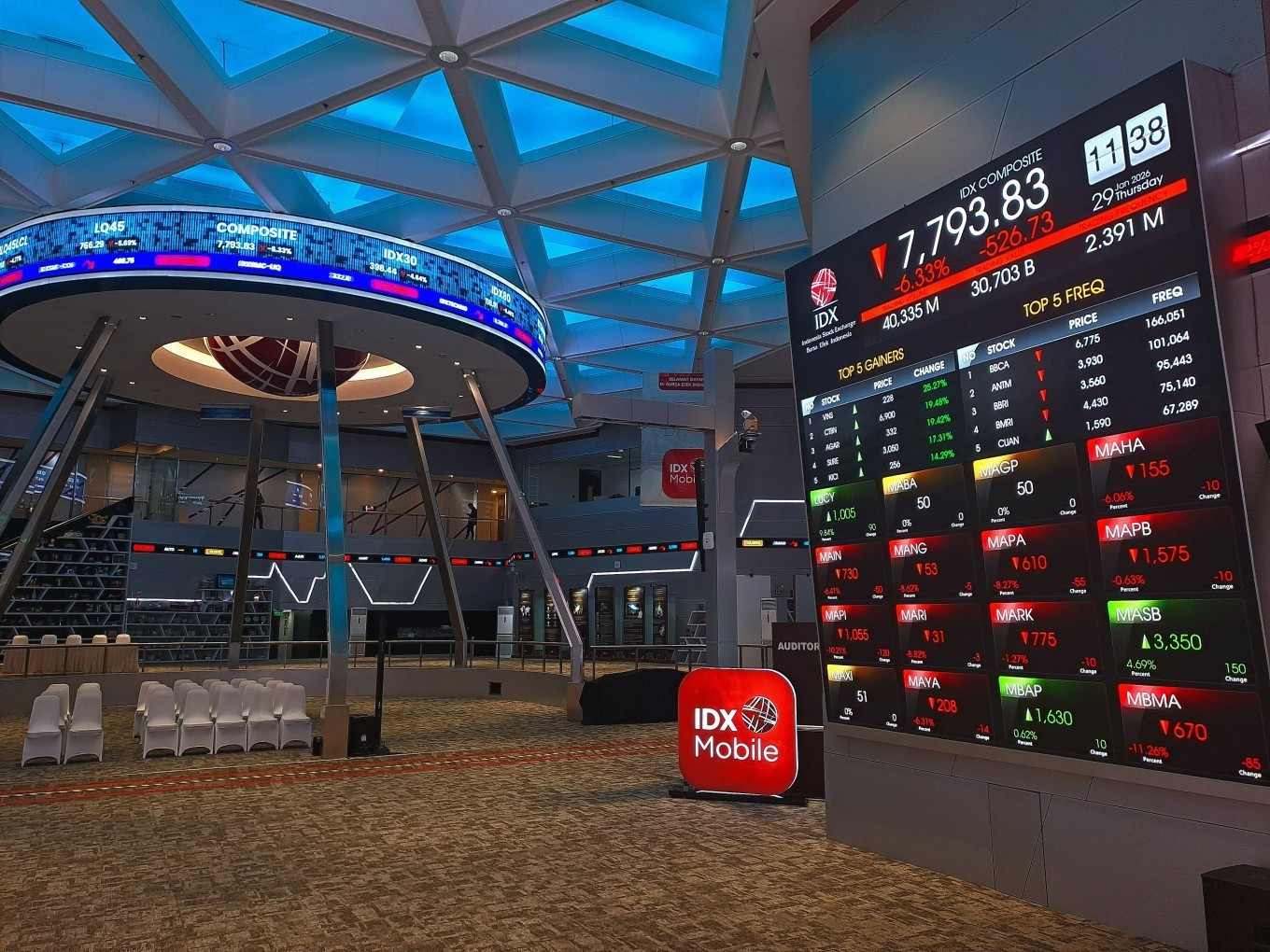
Several “Z-category” or “dead” companies on the Dhaka Stock Exchange have seen an unusual hike in share prices despite having no commercial production for years. This speculative trend has raised concerns among market analysts regarding the transparency of trade.
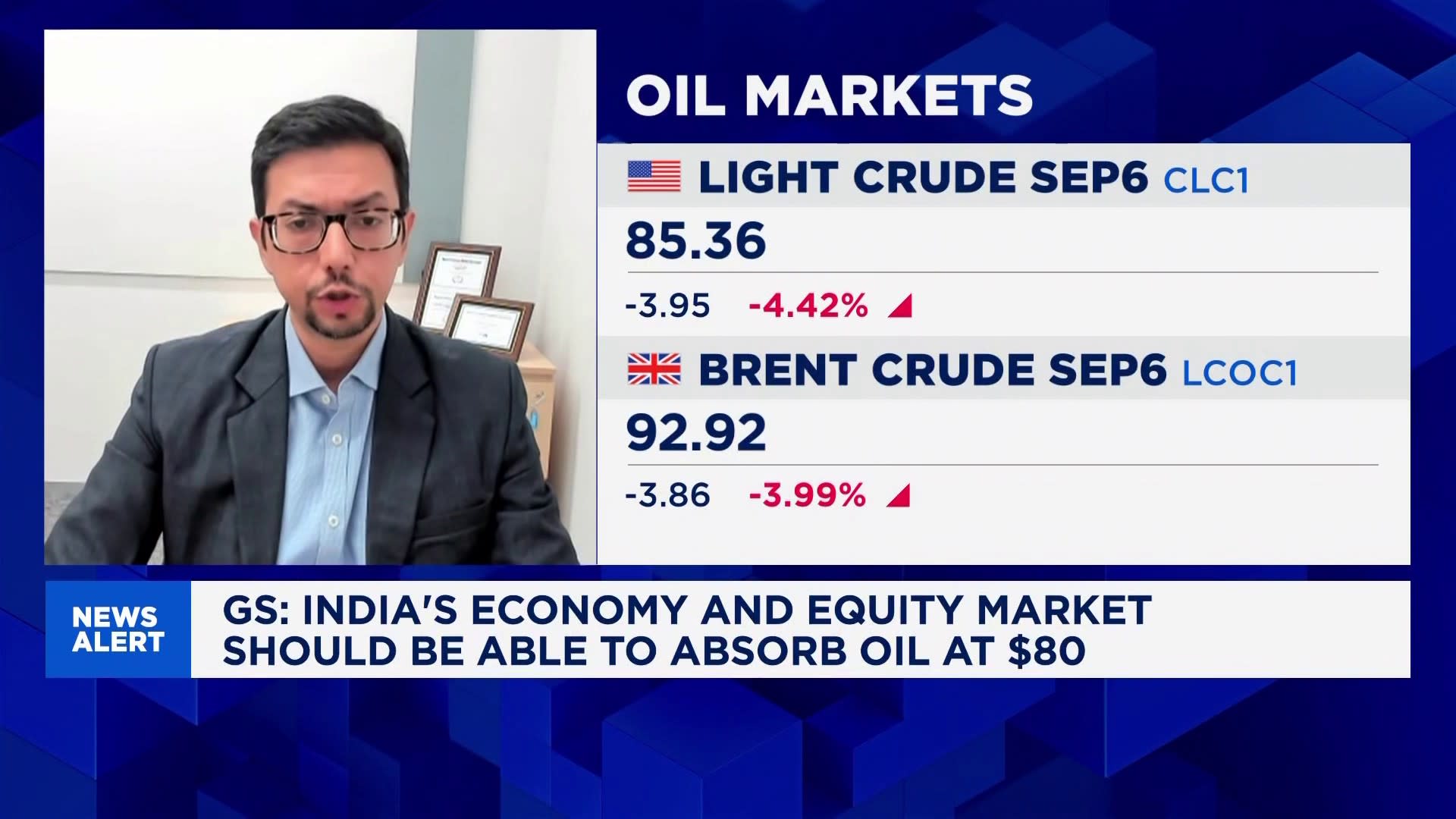
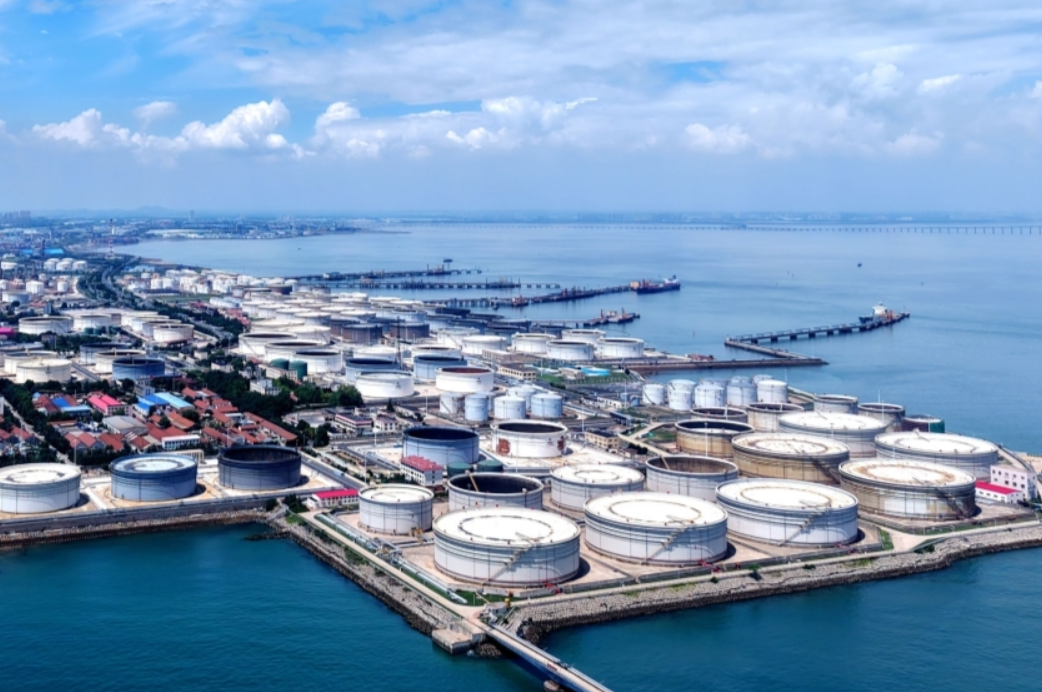
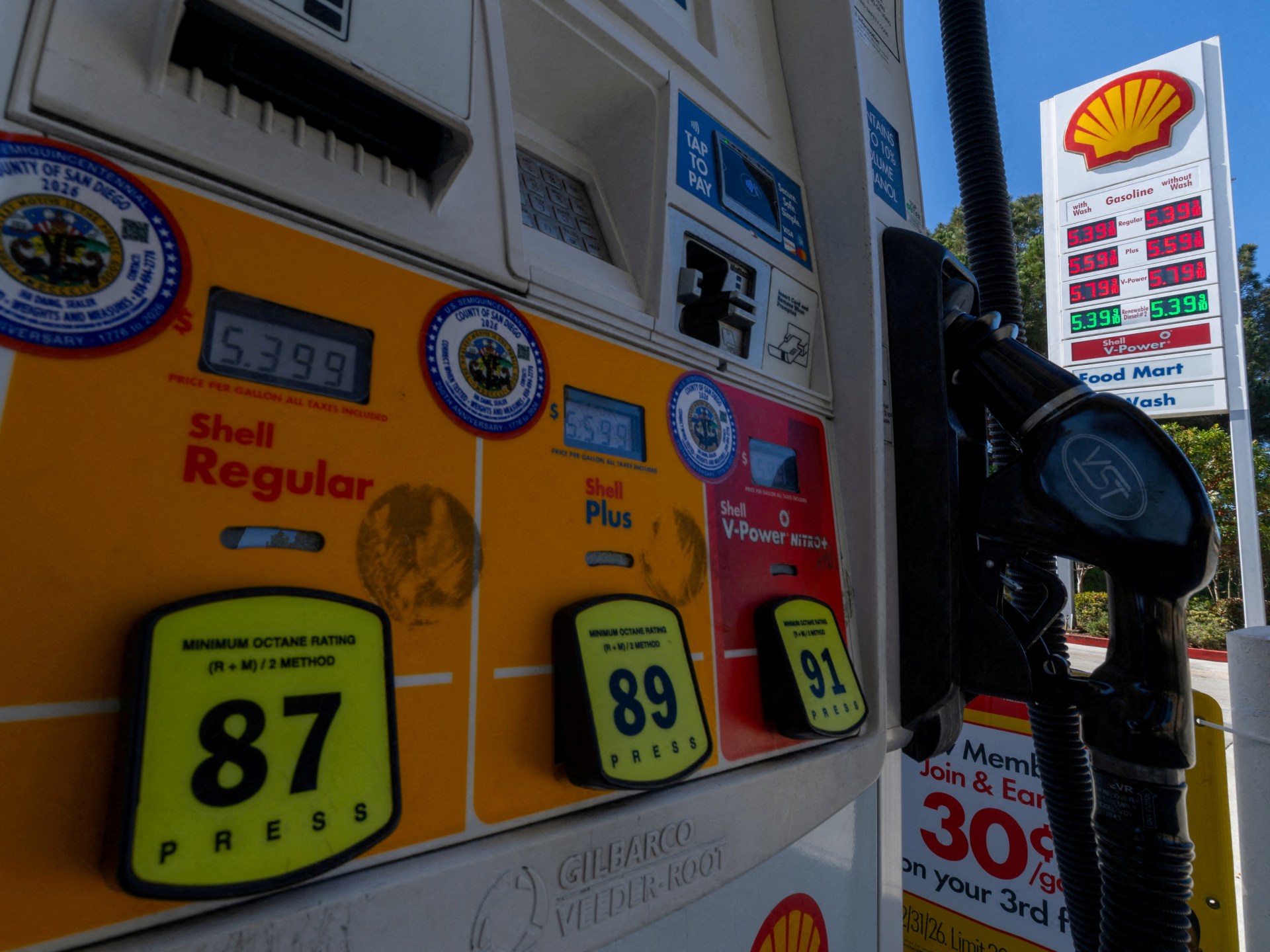
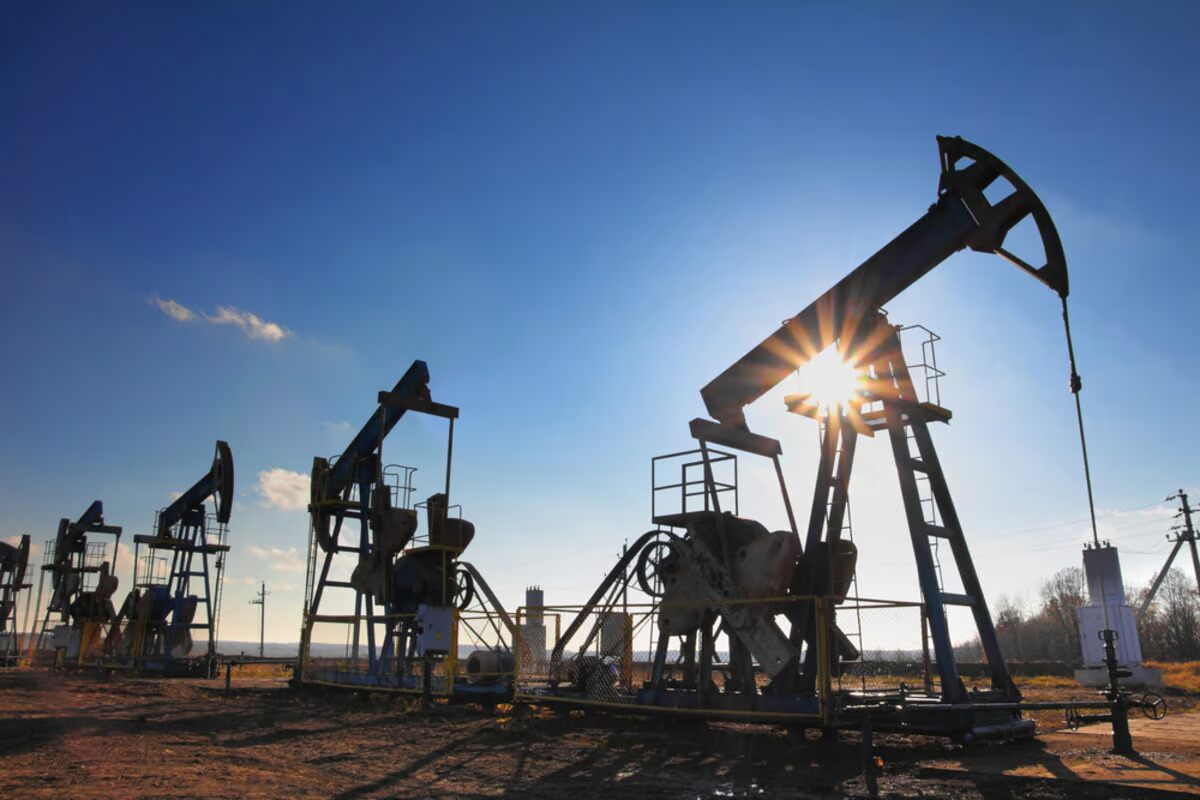
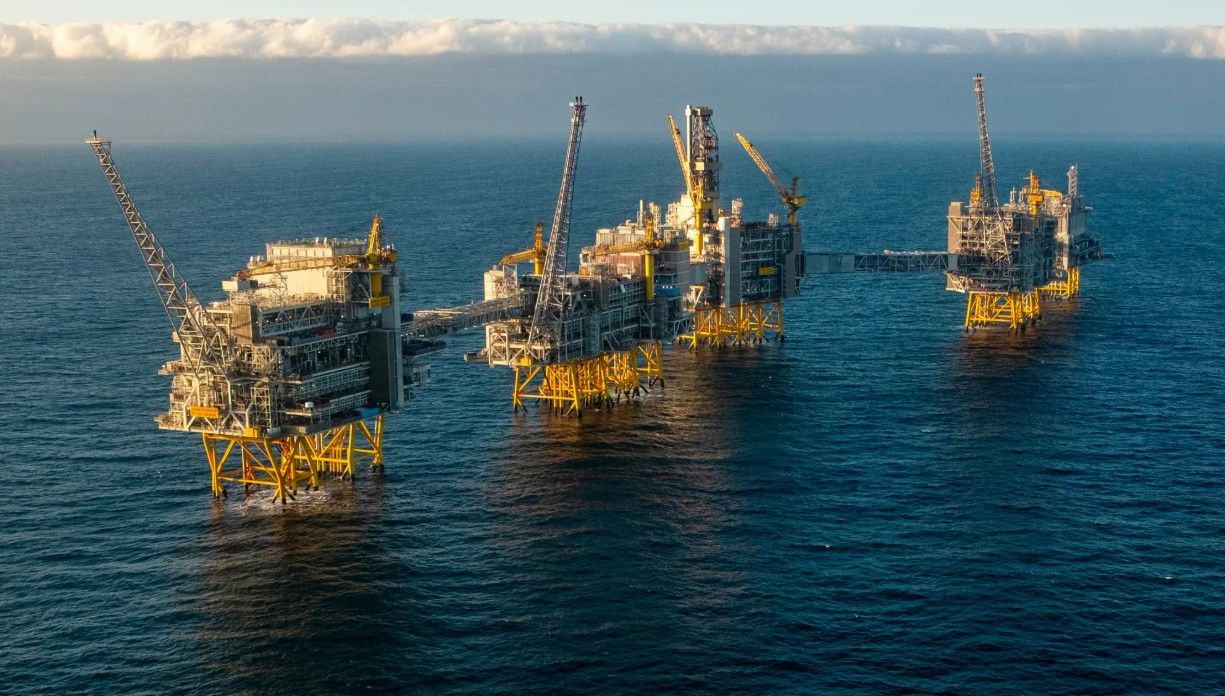
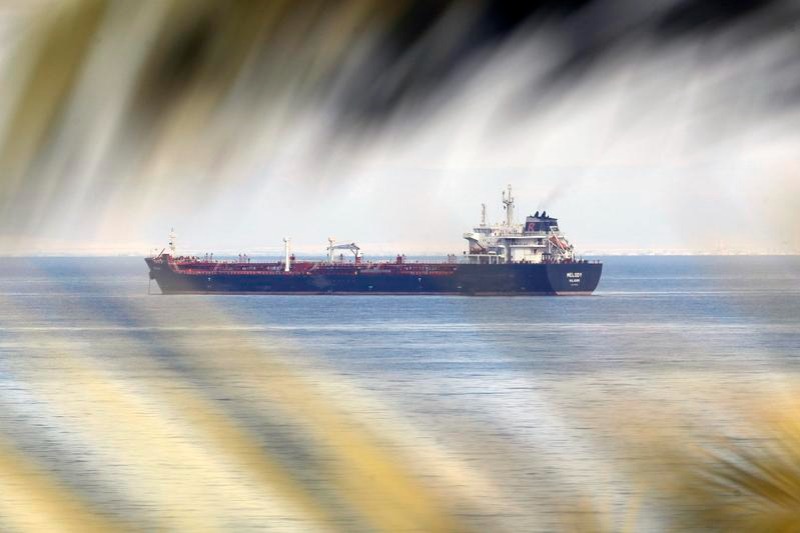
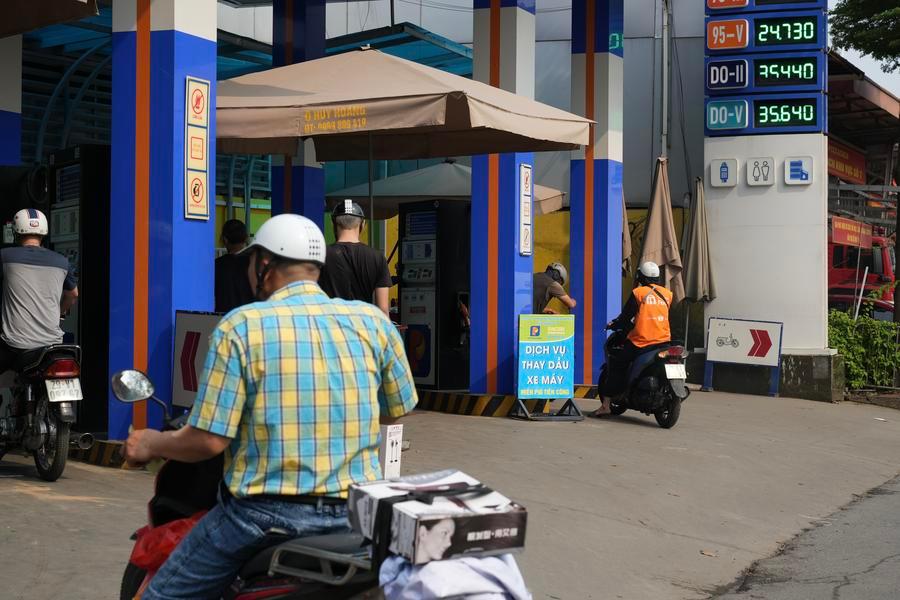
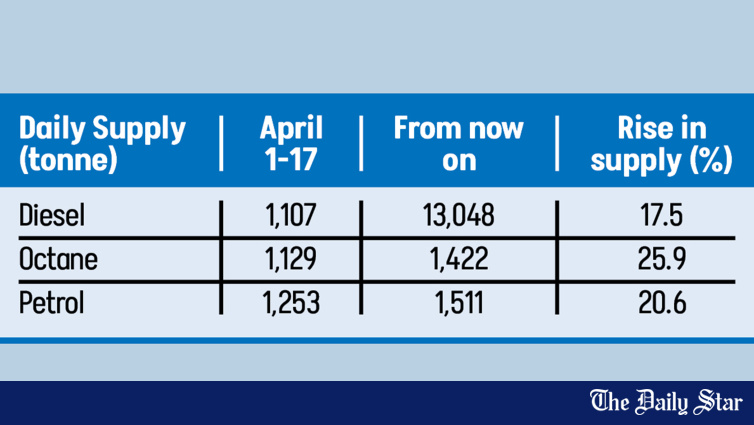
Petroleum import bills surged 52% even before Iran war (April 10)
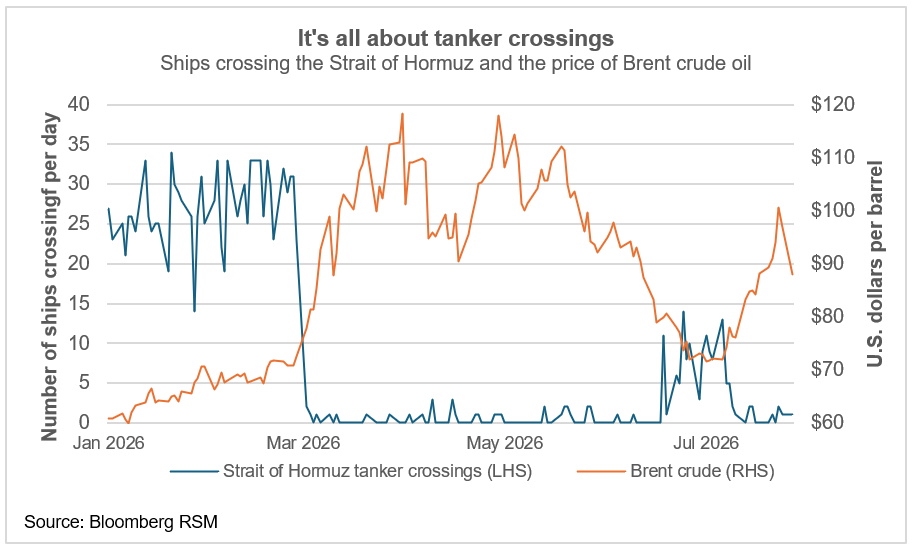
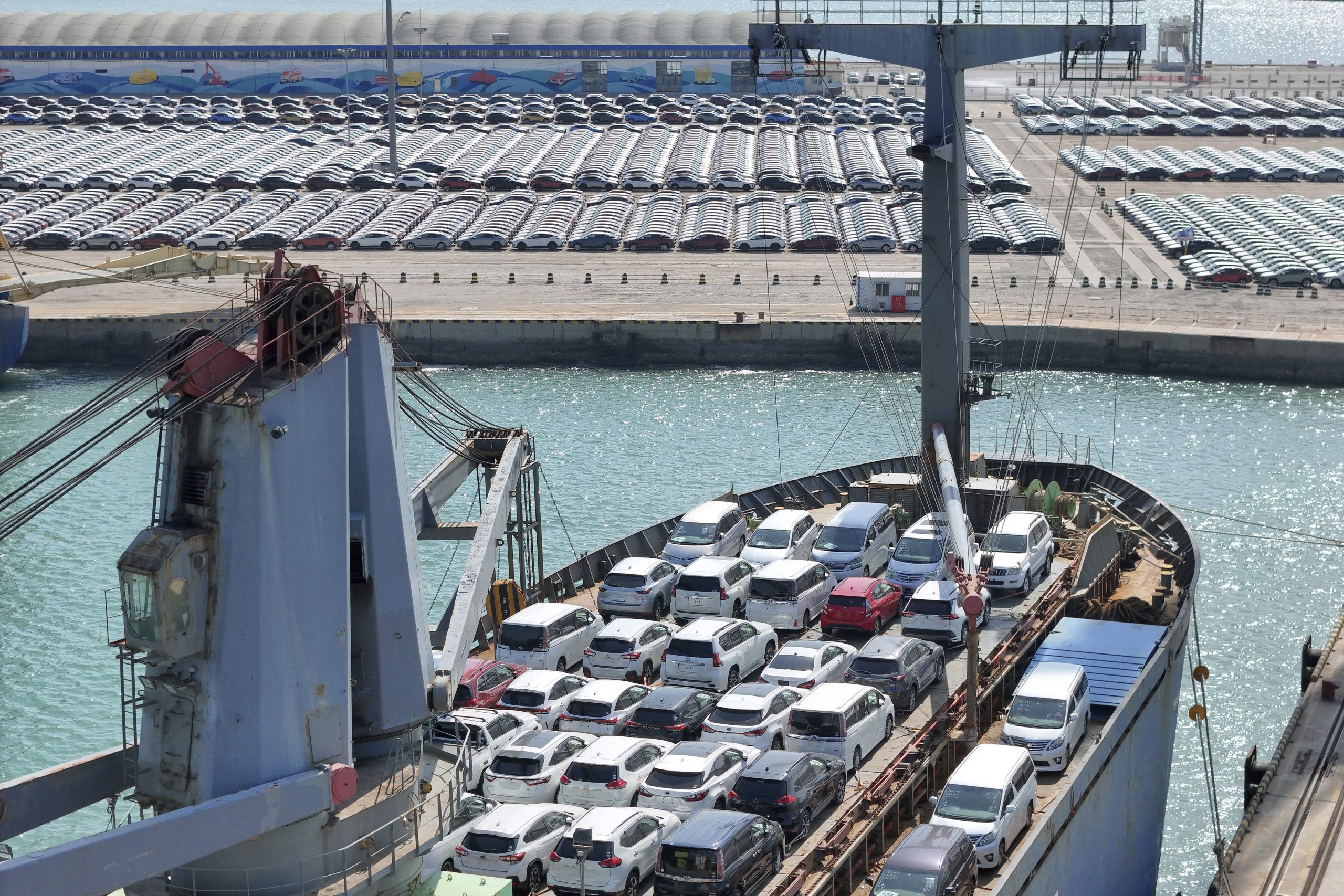
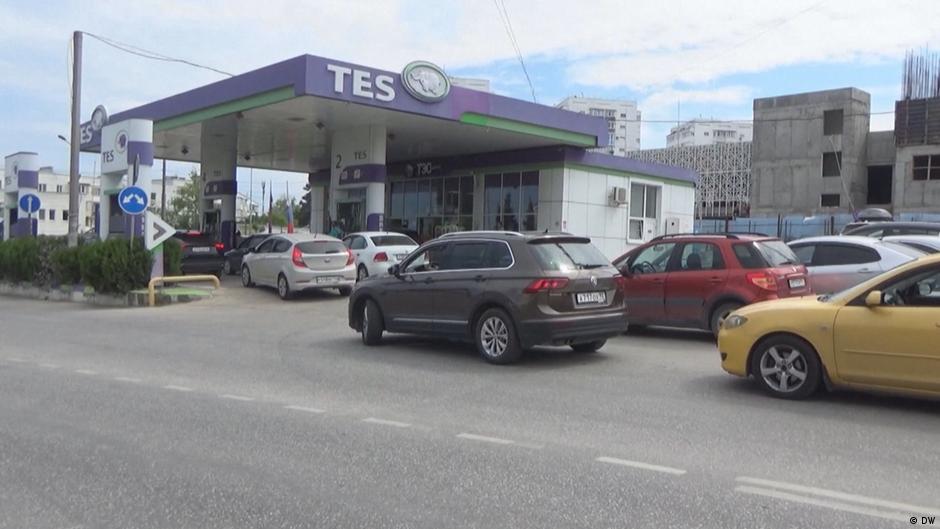
Bangladesh’s petroleum import bills jumped by 52 percent in the first eight months of the fiscal year. This spike occurred even before the latest escalation in the Middle East, highlighting the country’s vulnerability to global energy price volatility.