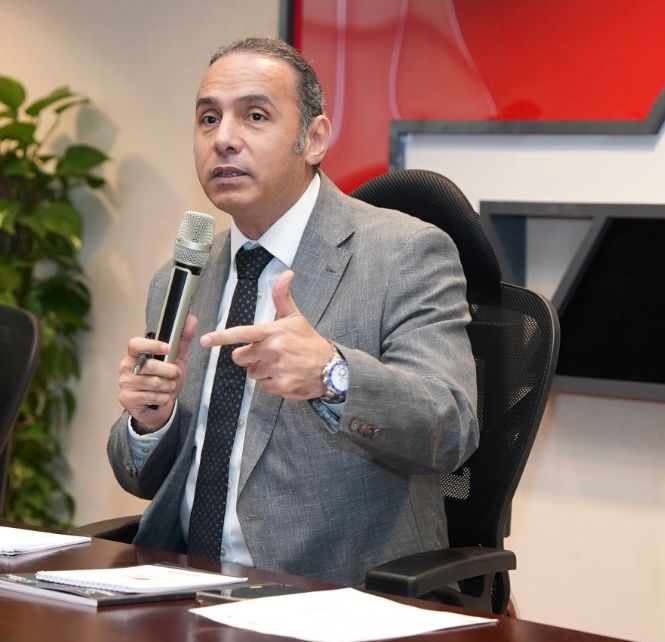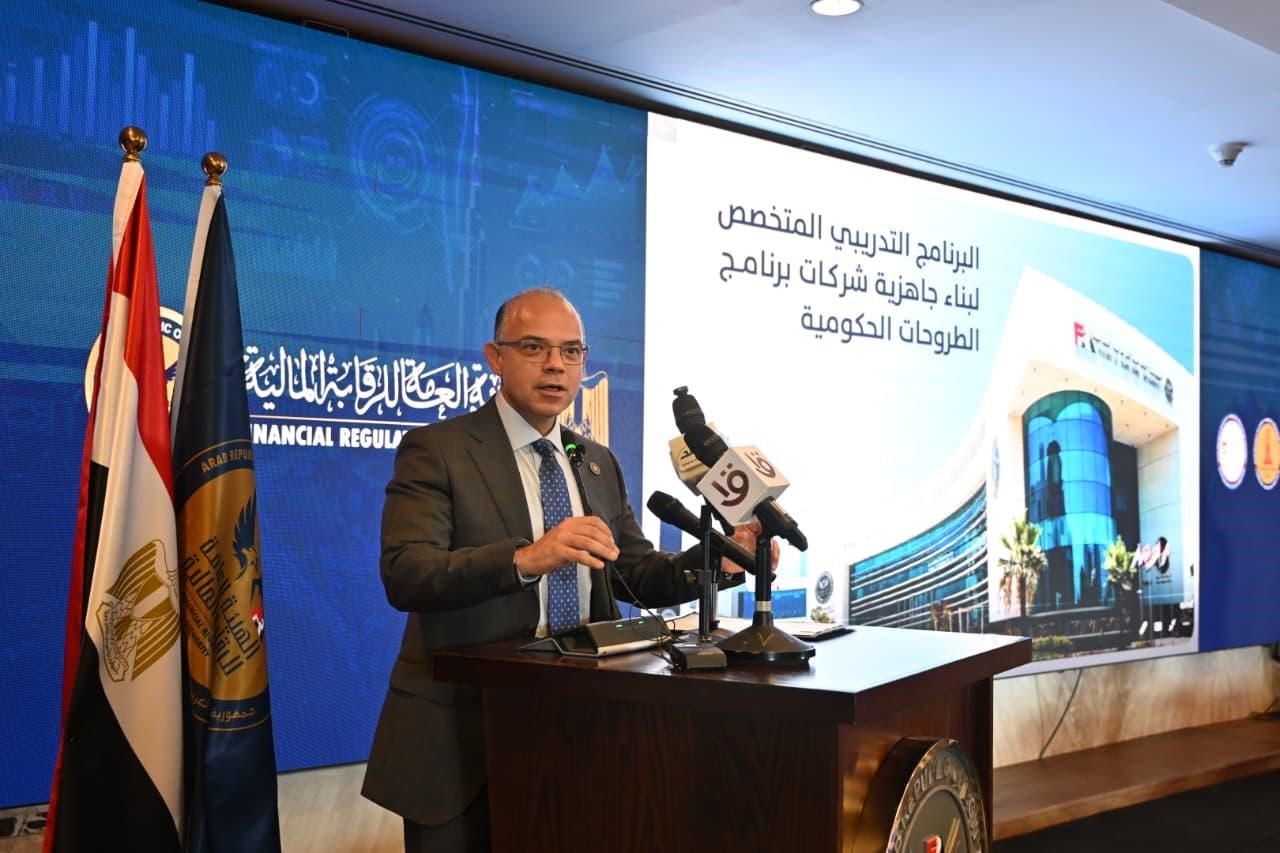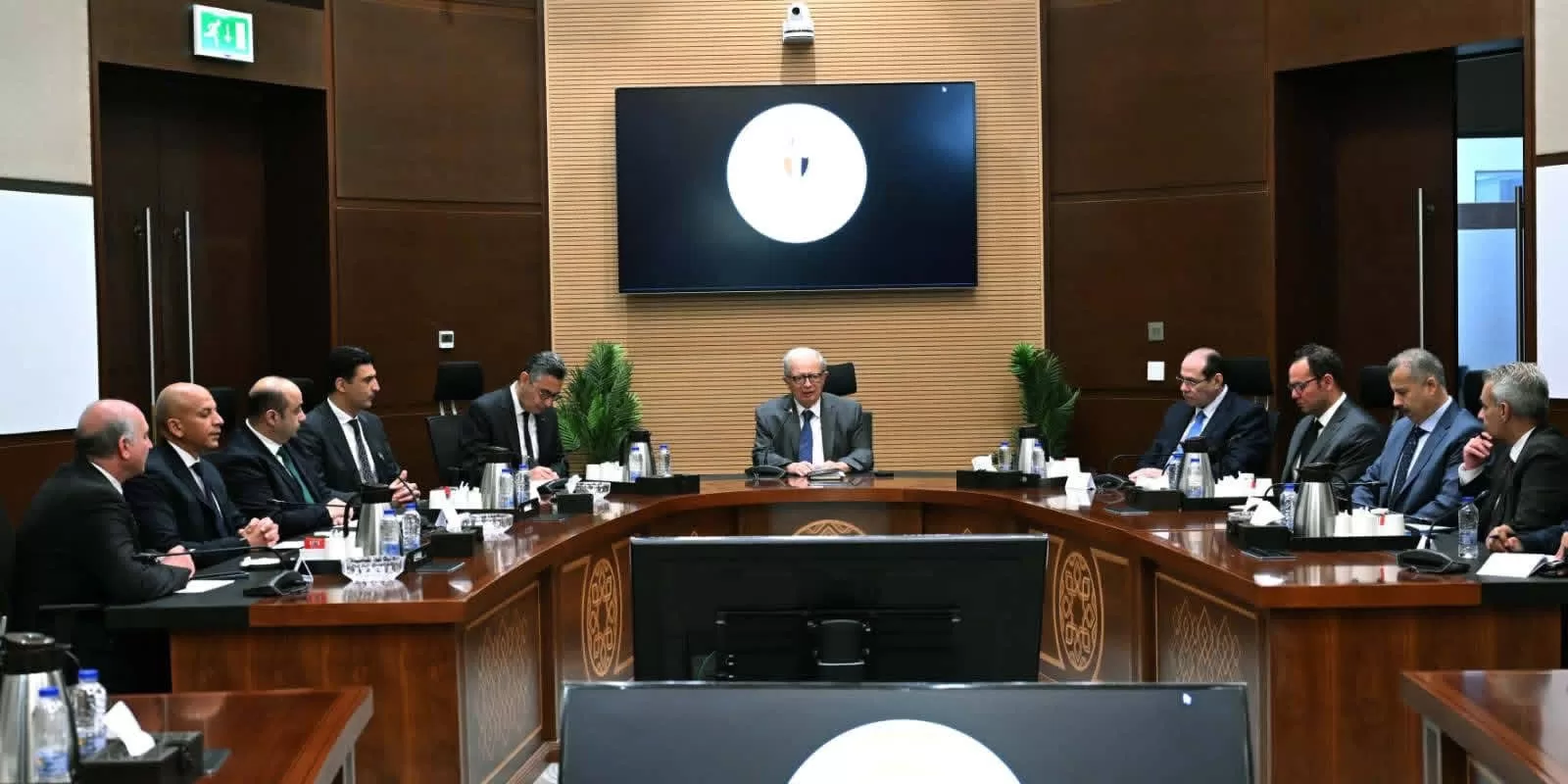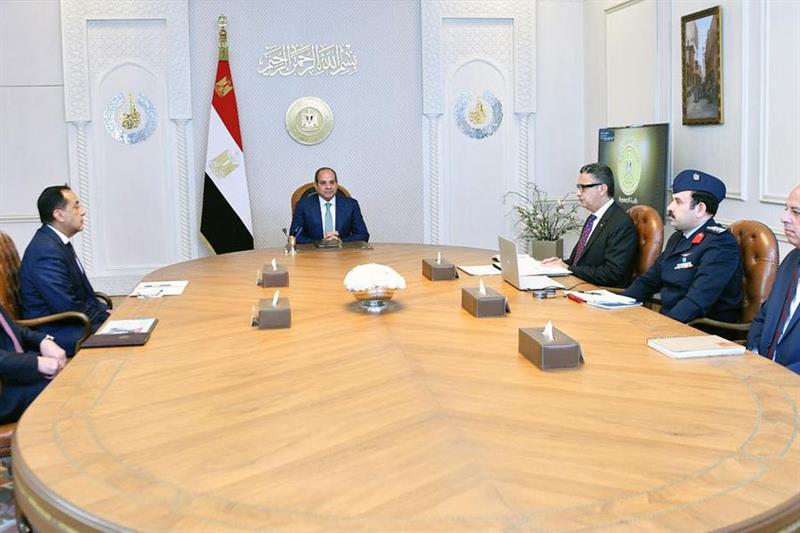

Photo courtesy of the Spokesman for the Egyptian Presidency
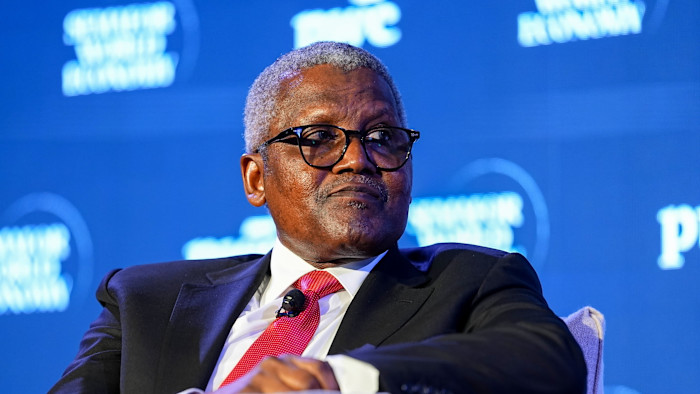
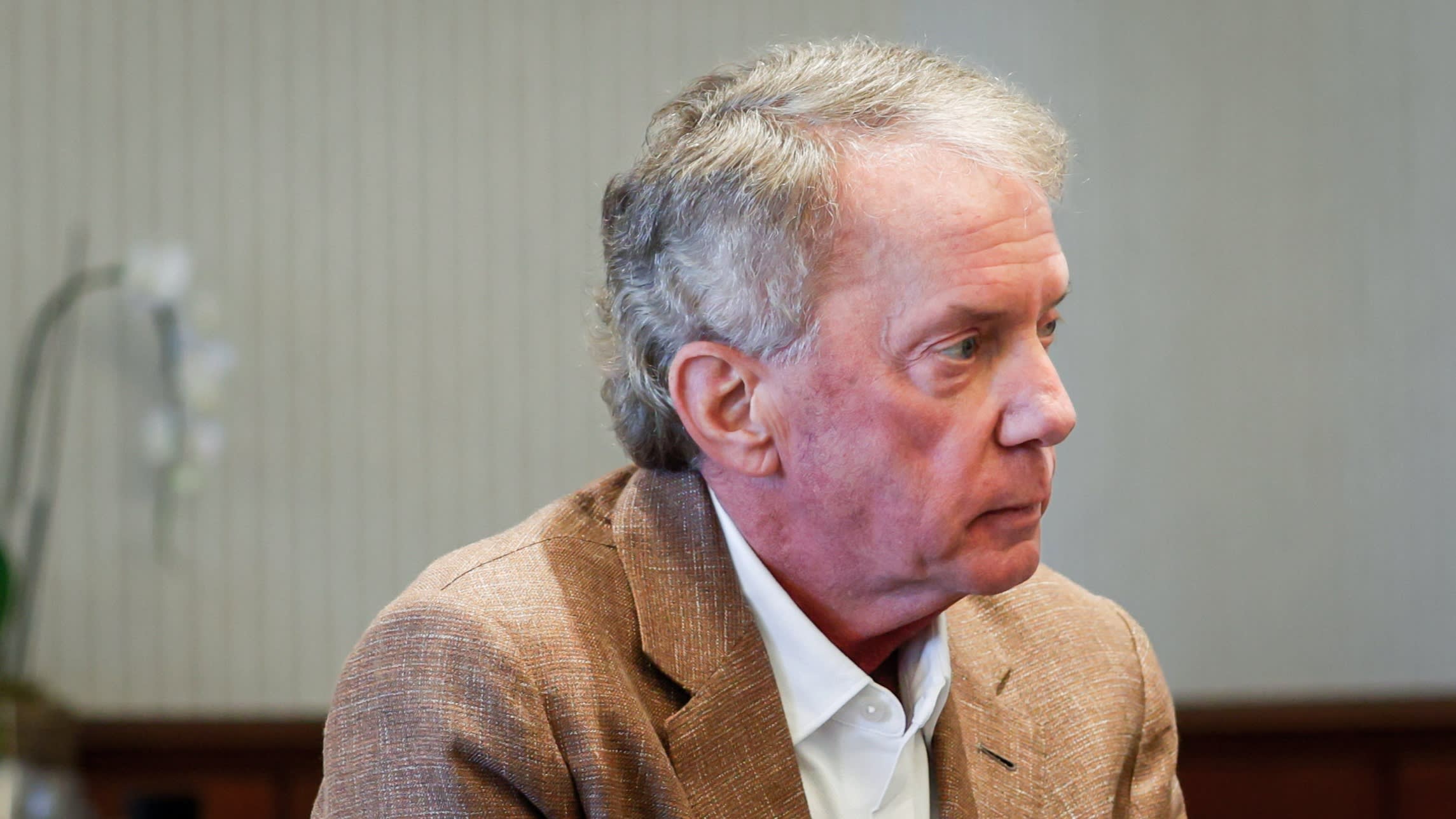
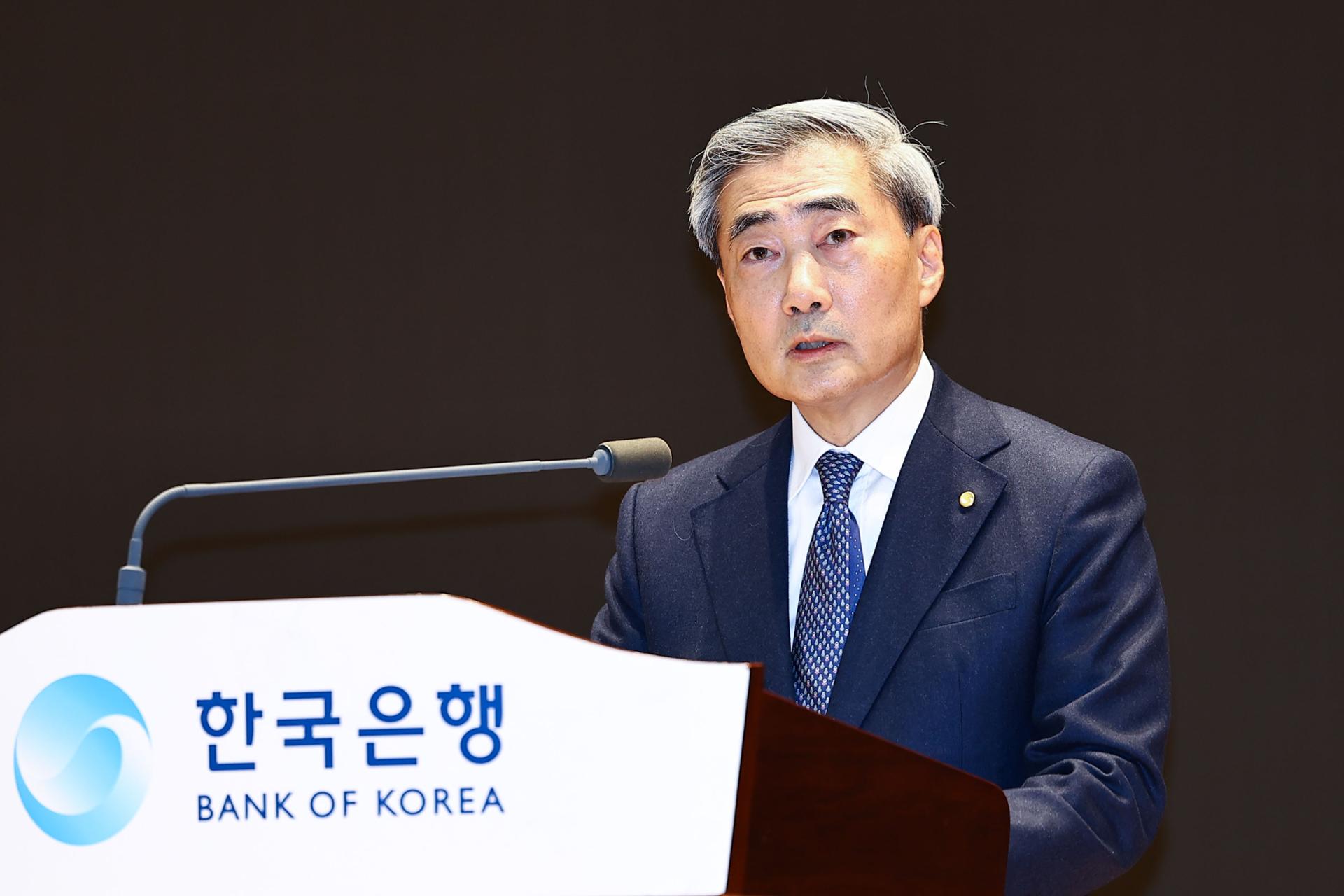
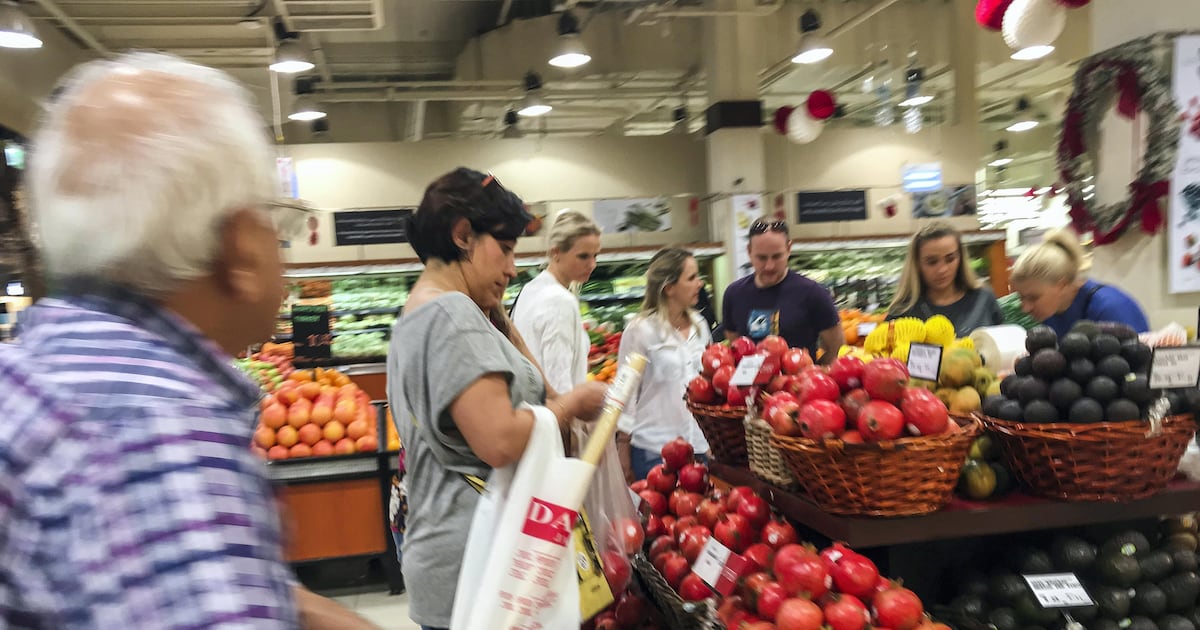
The president assesses production and distribution of key commodities and ensures sufficient stock levels, according to the presidency’s spokesman, Ambassador Mohamed El-Shennawy.
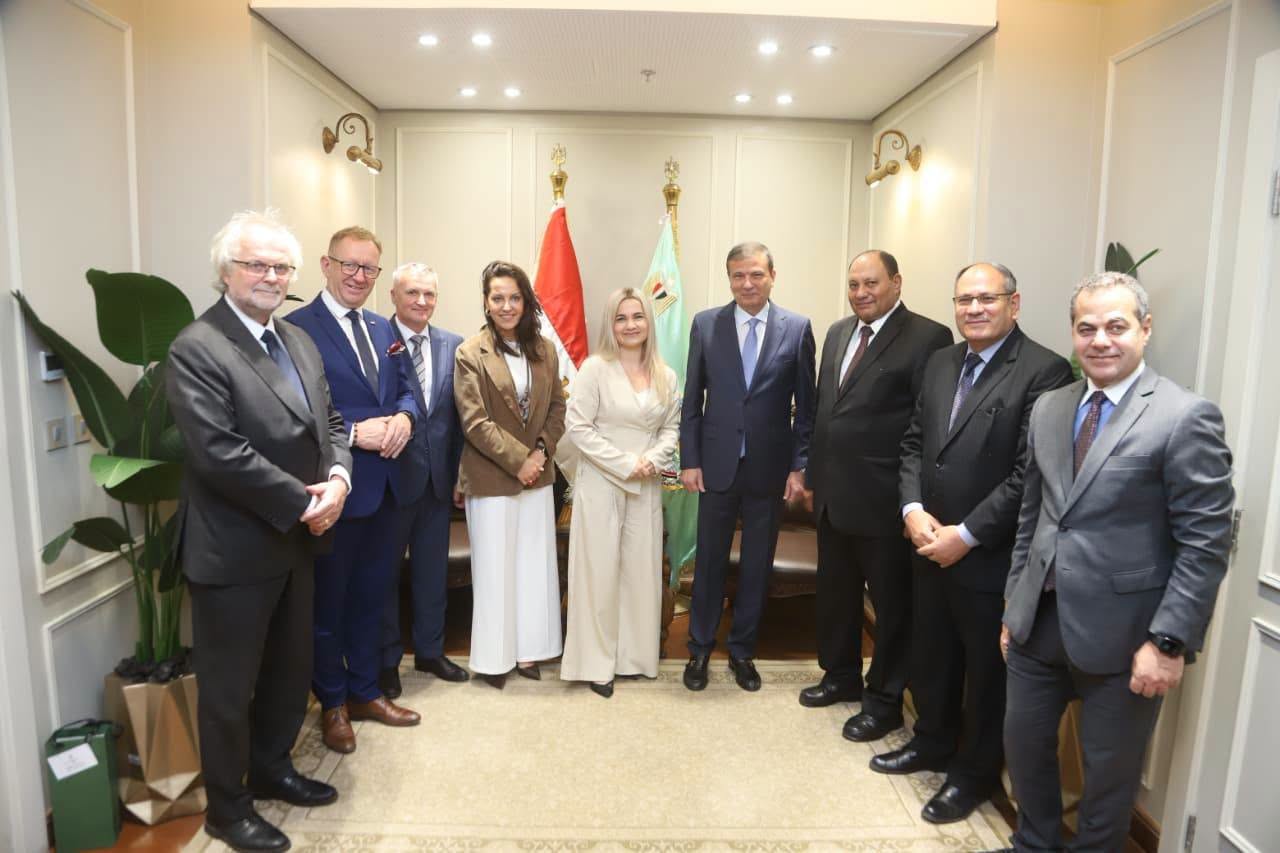
The meeting was attended by Prime Minister Mostafa Madbouly, Supply Minister Sherif Farouk, Agriculture Minister Alaa Farouk, and the CEO of the Future of Egypt Authority for Sustainable Development, Bahaa El-Ghannam.
El-Shennawy said discussions focused on food security and the impact of global disruptions to supply chains and financing.
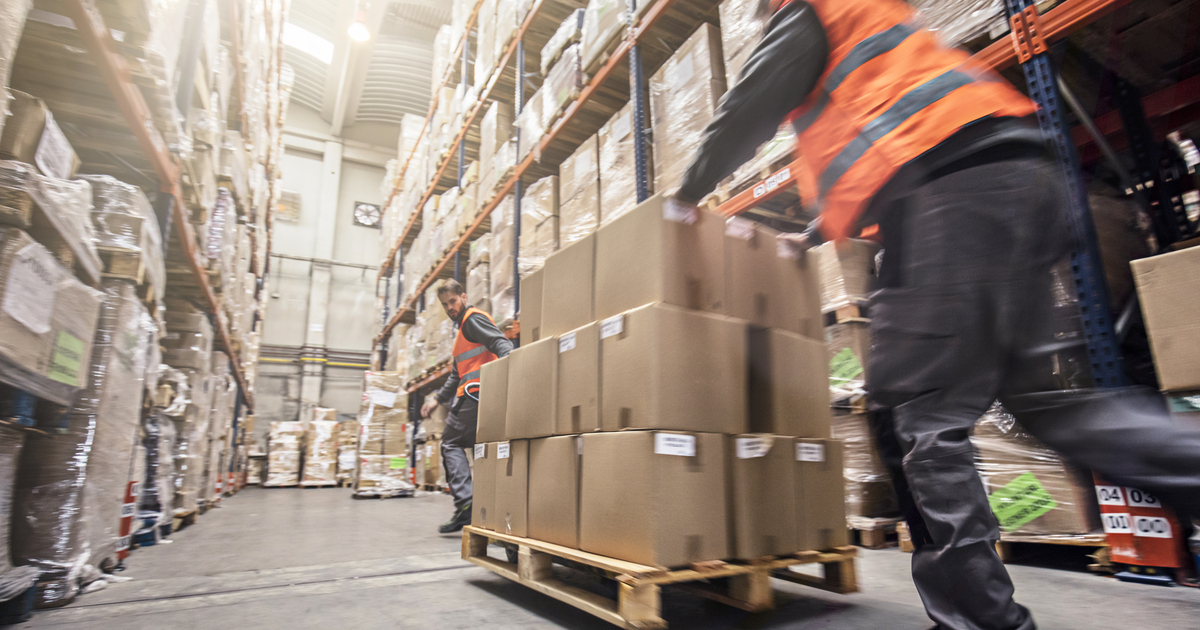
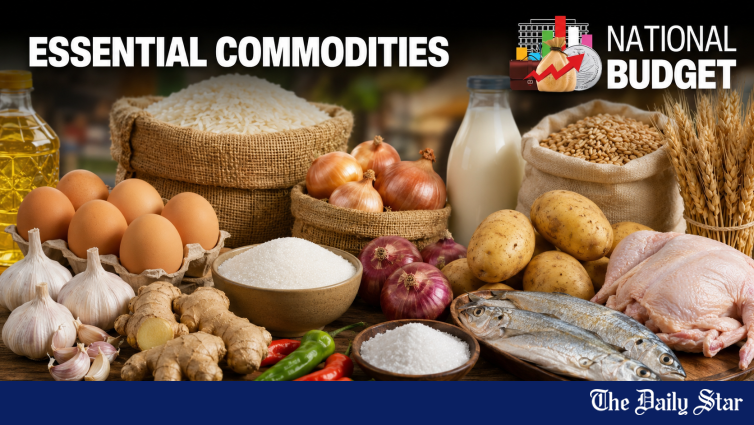
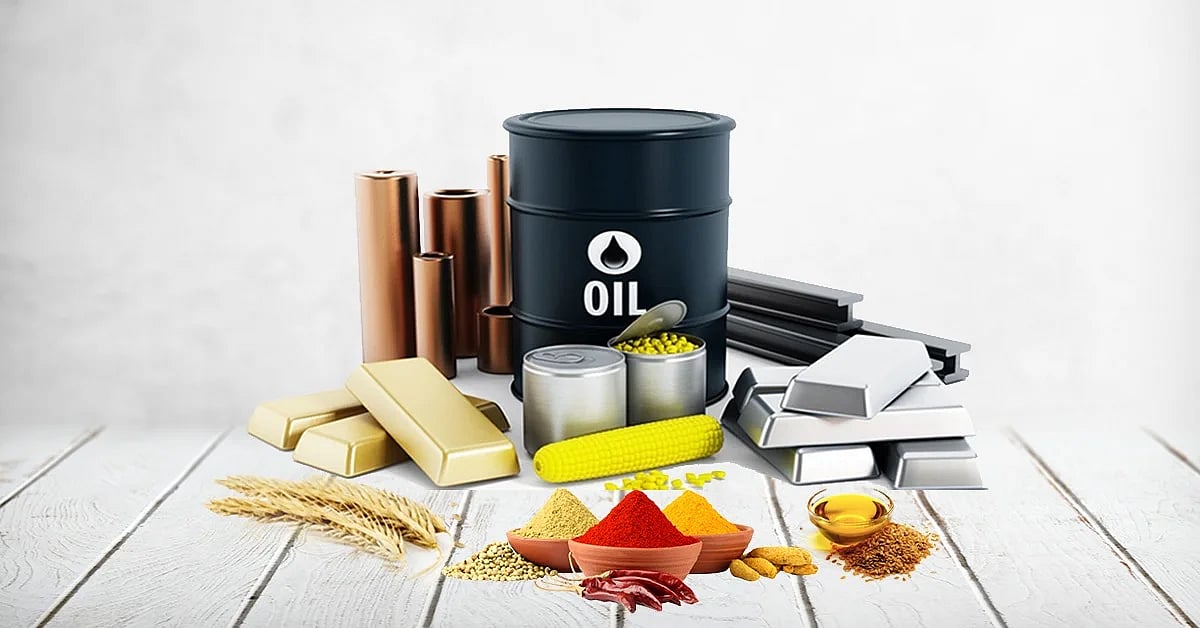
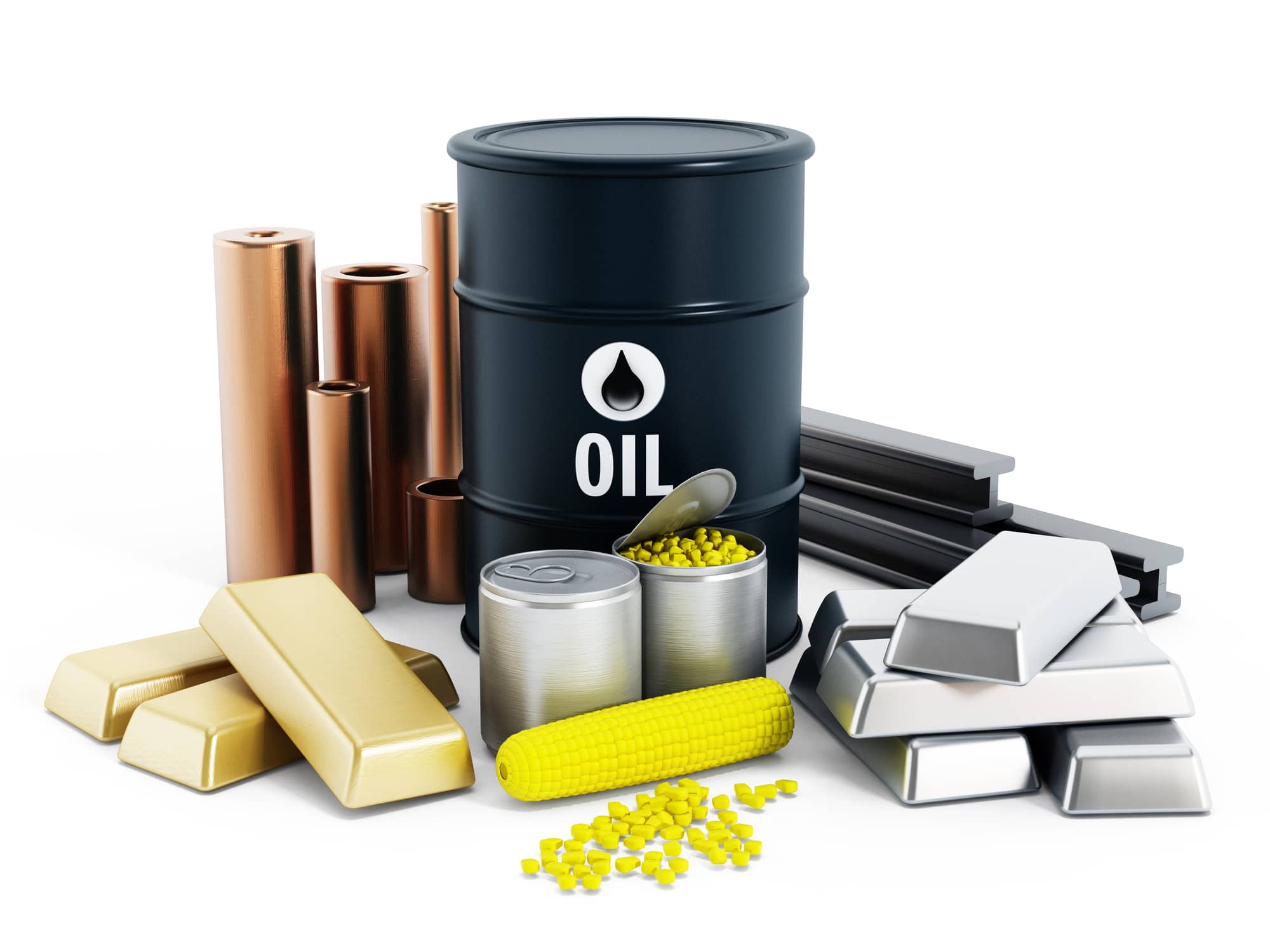
The supply minister said reserves of major commodities, including wheat, rice, sugar, oil, pasta, and meat, are at “highly reassuring levels”, adding that this helps cushion the impact of external shocks.
Talks also covered subsidized bread, bakery operations, and the ration card system, as well as food quality monitoring through the National Food Safety Authority.
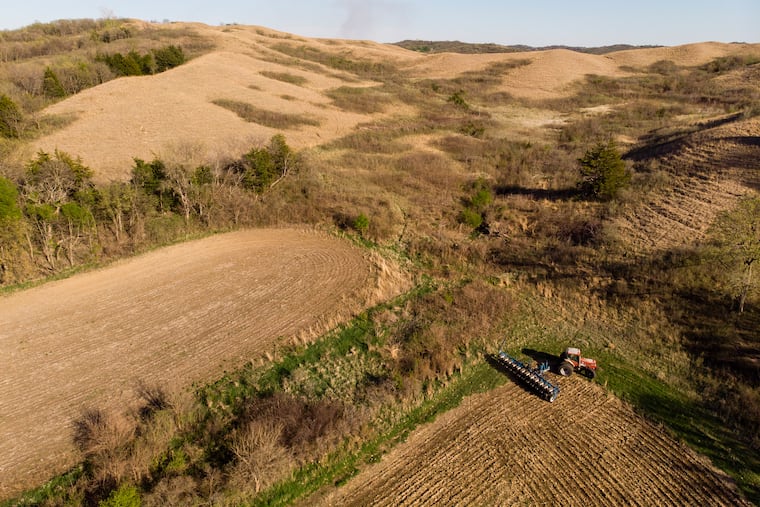
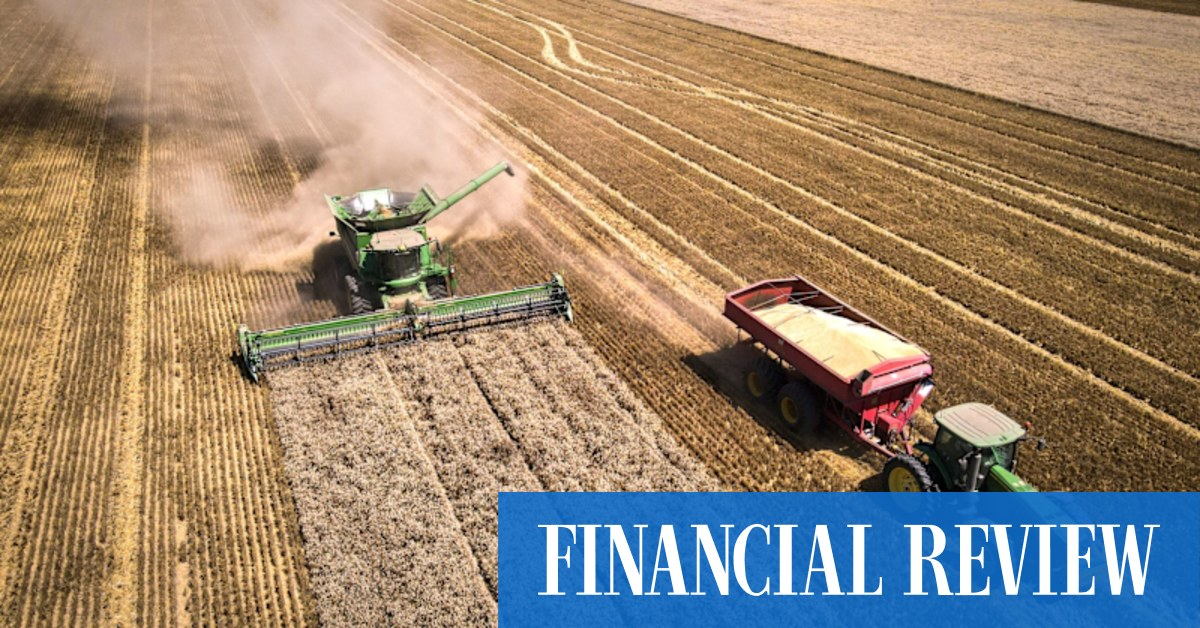
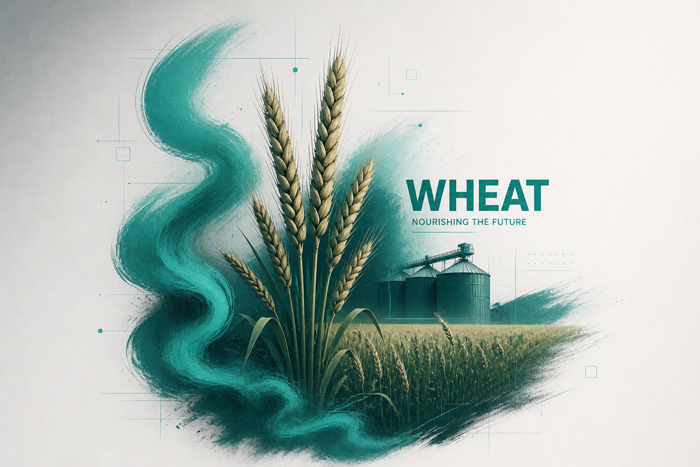
The agriculture minister said Egypt is targeting about five million tonnes of wheat from the current harvest season, with procurement from farmers set to run from 15 April to 15 August at a higher purchase price aimed at encouraging deliveries.
Officials also reviewed developments in the poultry sector and efforts to curb food price increases.
The head of the Future of Egypt Authority outlined plans to develop the commodity exchange, improve price transparency, and limit monopolistic practices, while expanding support for small producers through more structured marketing channels.
Officials further discussed measures to strengthen governance of subsidized fertilizer distribution, reduce nitrogen fertilizer use, and expand the use of modern technologies in production and distribution to improve efficiency and oversight.
El-Sisi instructed officials to tighten coordination across the food supply system, expand private sector participation, and use available tools to curb inflation and prevent speculation, while expanding partnerships with the private sector and attracting foreign investment in retail and supply chains.
He also called for higher agricultural productivity, improved crop quality, and stronger strategic reserves across key sectors, including livestock, fisheries, and poultry.
The meeting comes as Egypt faces continued pressure from global supply disruptions, rising import costs, and volatility in commodity markets linked to wider geopolitical tensions.
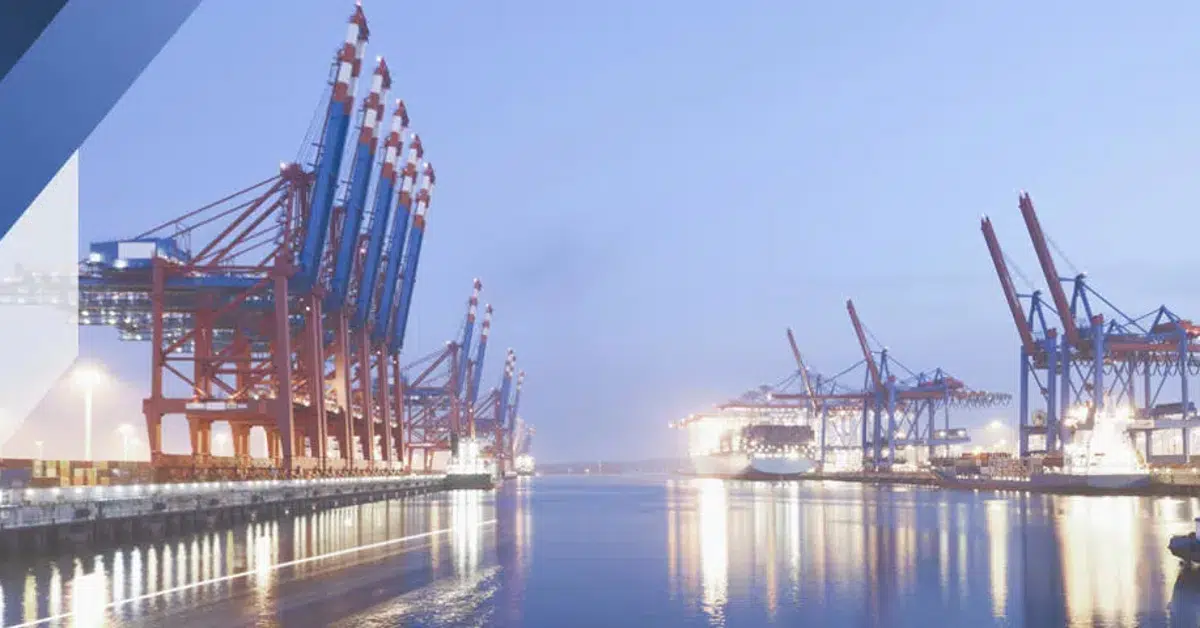
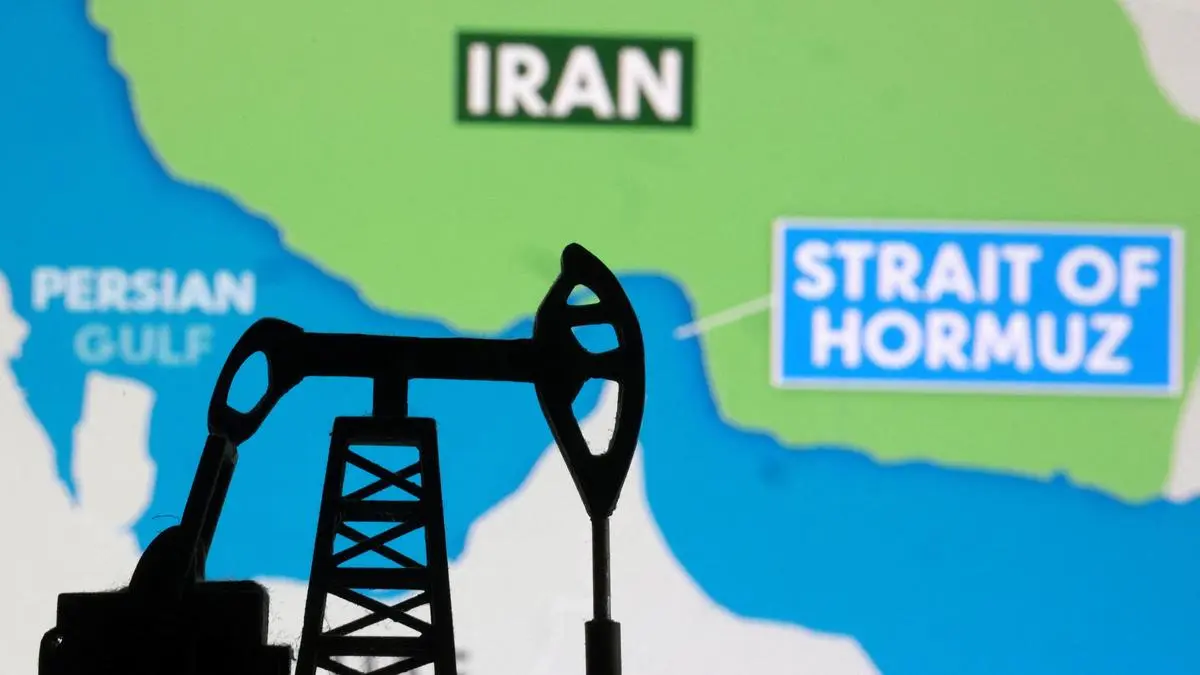
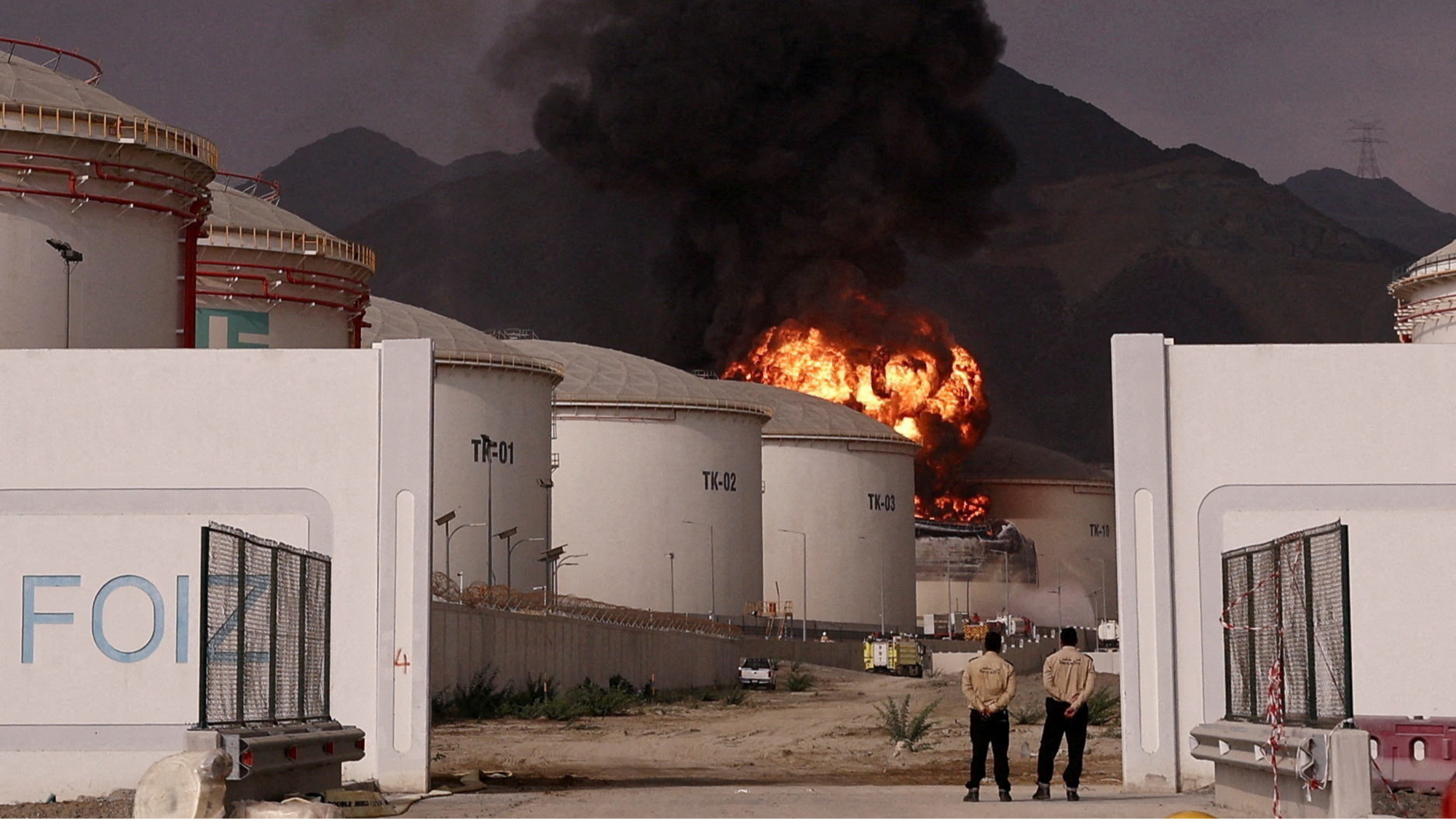
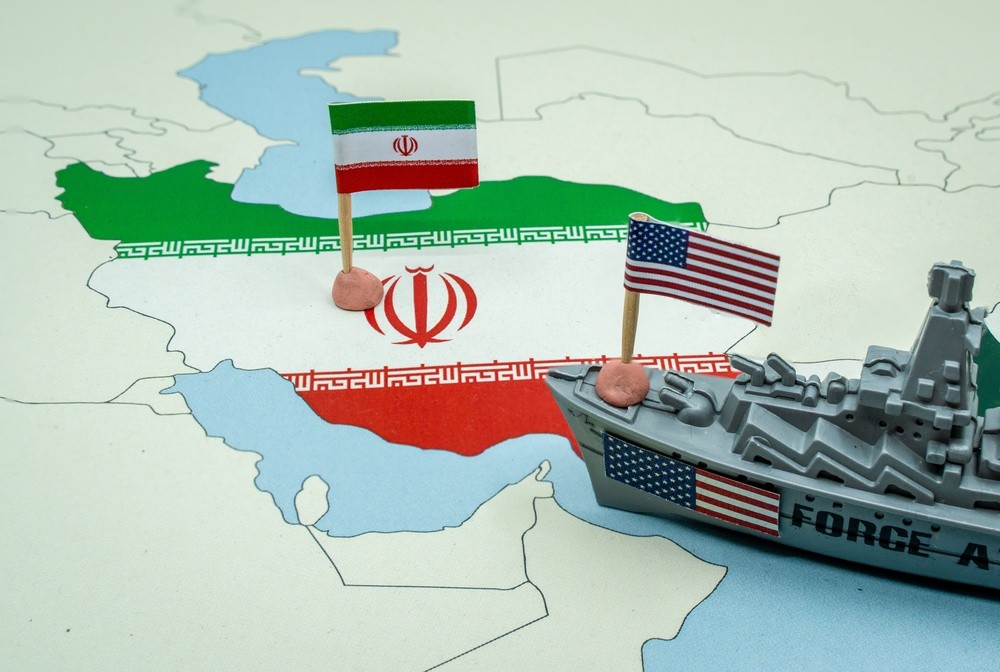
Officials have repeatedly warned that instability in the Middle East, including the US-Israeli war on Iran, is increasing risks to shipping routes, energy prices, and food imports, all of which affect Egypt’s economy.
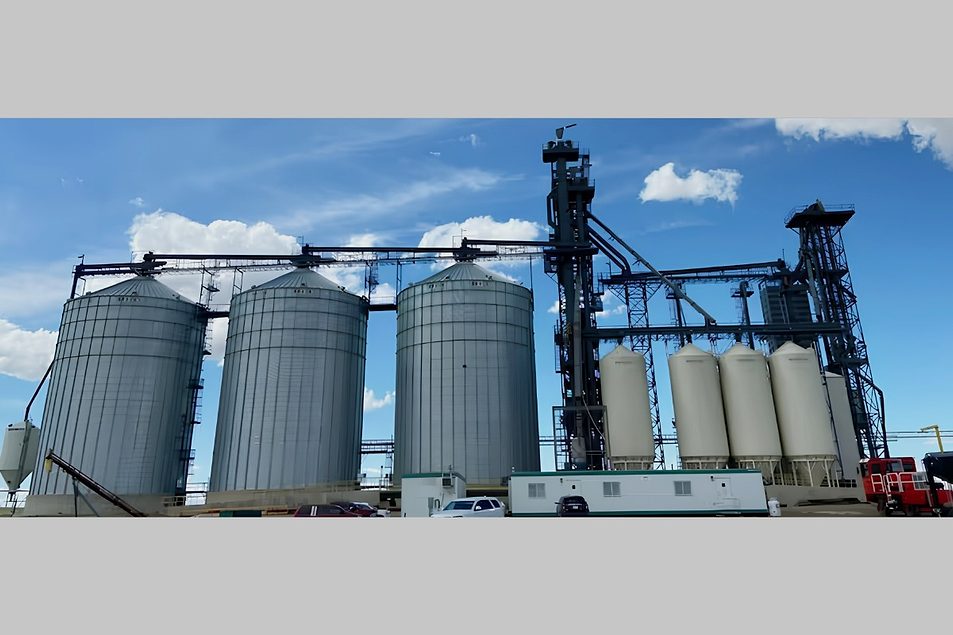
As one of the world’s largest wheat importers, Egypt has in recent years expanded storage capacity and maintained multi-month reserves of essential goods such as wheat, sugar, and cooking oil, while seeking to reduce import dependence through higher domestic production.
Wheat remains central to this strategy, given its link to the subsidized bread programme, which supports tens of millions of Egyptians.
Follow us on:

Short link: