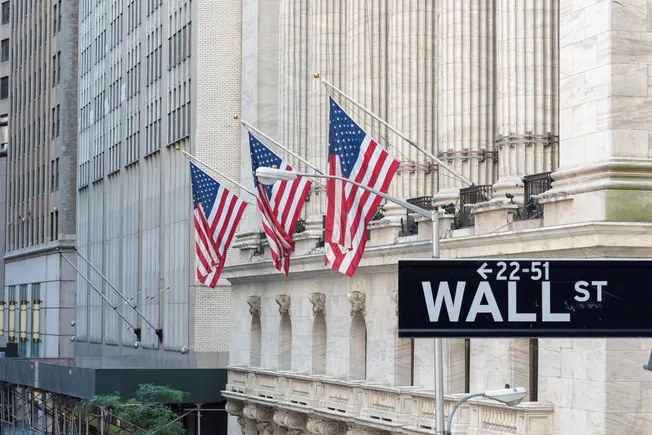
WASHINGTON D.C. — The latest Consumer Price Index (CPI) report released this morning has sent a wave of optimism through global financial markets, revealing a steady and significant decline in inflationary pressures. As the April 2026 data shows inflation cooling faster than most economists anticipated, the narrative on Wall Street has shifted decisively from “higher for longer” to an eager anticipation of imminent interest rate cuts by the Federal Reserve.
The Bureau of Labor Statistics reported that the annual inflation rate fell to 2.4% in March, down from 2.7% the previous month. This marks the lowest level in over two years, bringing the metric within striking distance of the Federal Reserve’s long-term 2.0% target. Core CPI, which strips out the volatile food and energy sectors, also saw a cooling trend, dropping to 2.6%.
Breaking Down the Decline
The cooling of the economy is being driven by several key factors:
-
Energy Stabilization: Global oil prices have stabilized despite geopolitical tensions, leading to a noticeable drop in transportation and manufacturing costs.
-
Housing and Rent: The “shelter” component of the CPI, which has been notoriously sticky, finally showed signs of slowing as the massive influx of new apartment completions over the last year increased supply.
-
Supply Chain Efficiency: Improved logistics and the integration of AI-driven inventory management have significantly reduced overhead for retailers, allowing for competitive pricing.
The Fed’s Next Move
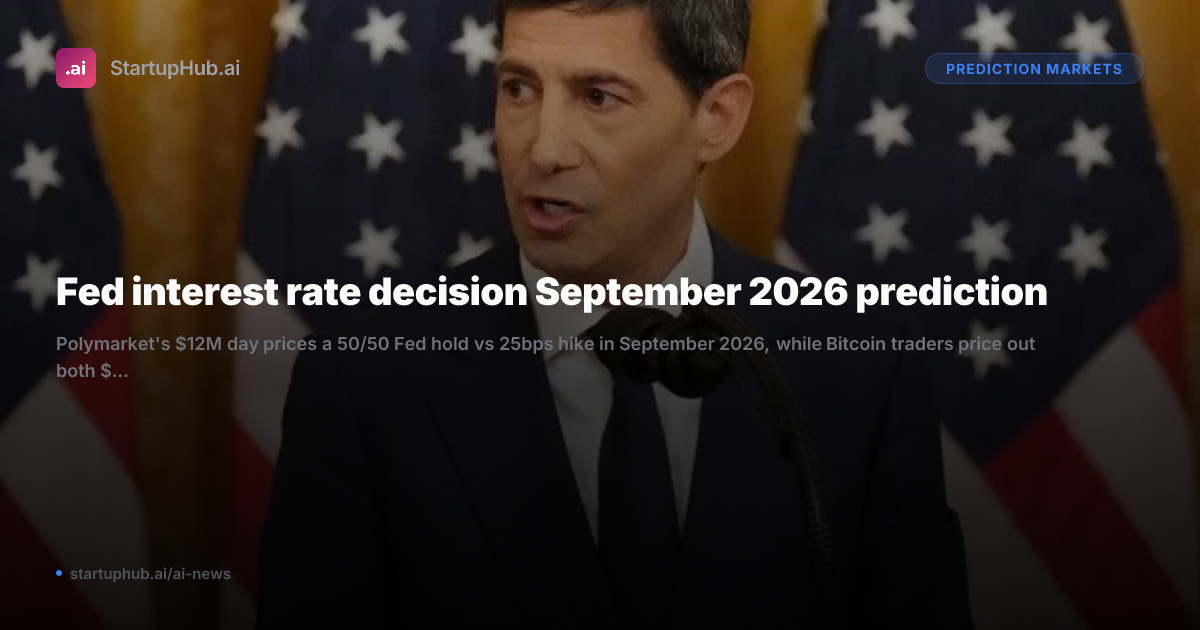
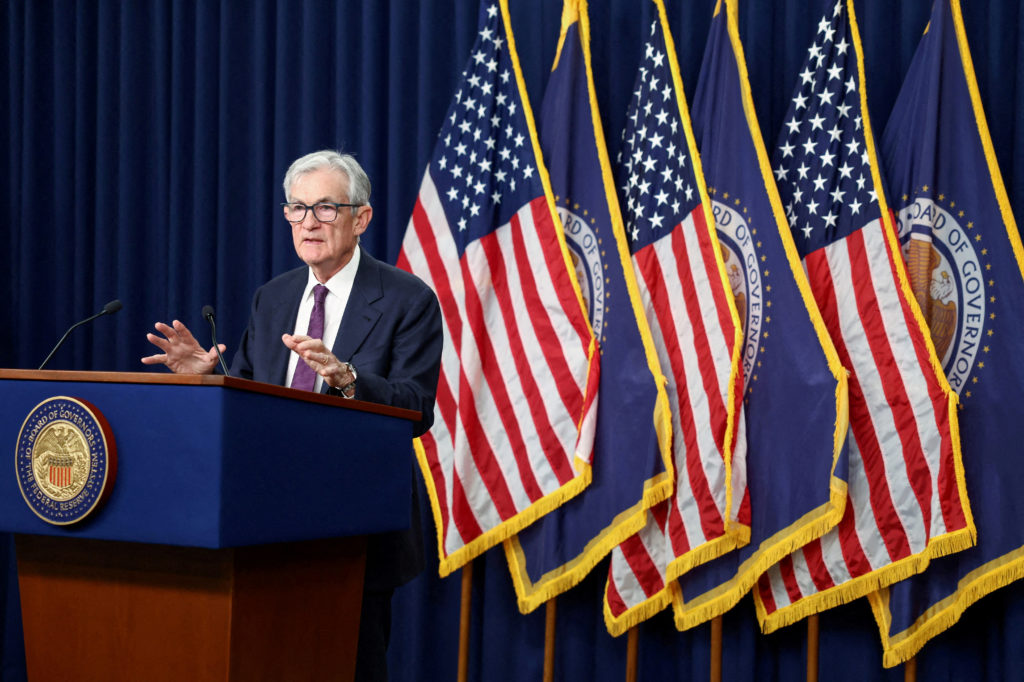
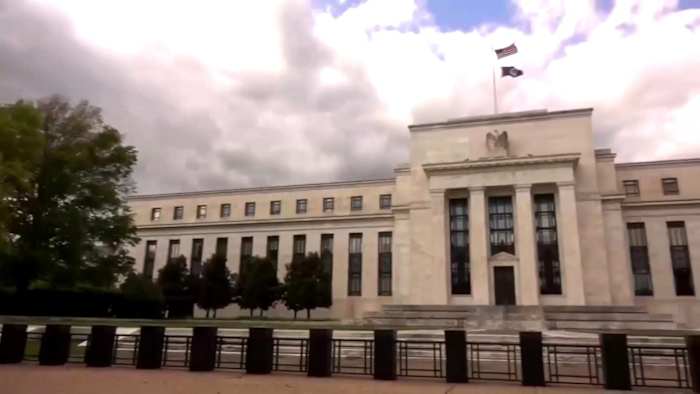
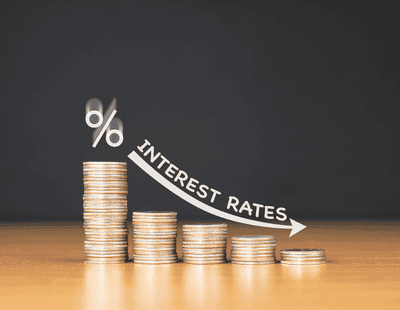
For over eighteen months, the Federal Reserve has maintained a restrictive monetary policy. However, this fresh data provides the “clear evidence” Chairman Jerome Powell has been seeking. Market analysts are now pricing in a 75% probability of a 25-basis-point cut at the upcoming June meeting.
“This is the ‘Goldilocks’ report everyone wanted,” said a senior market strategist at a leading investment firm. “We are seeing inflation retreat without the labor market falling off a cliff. It gives the Fed the green light to begin normalizing rates to prevent the economy from cooling too much.”
Market Reaction
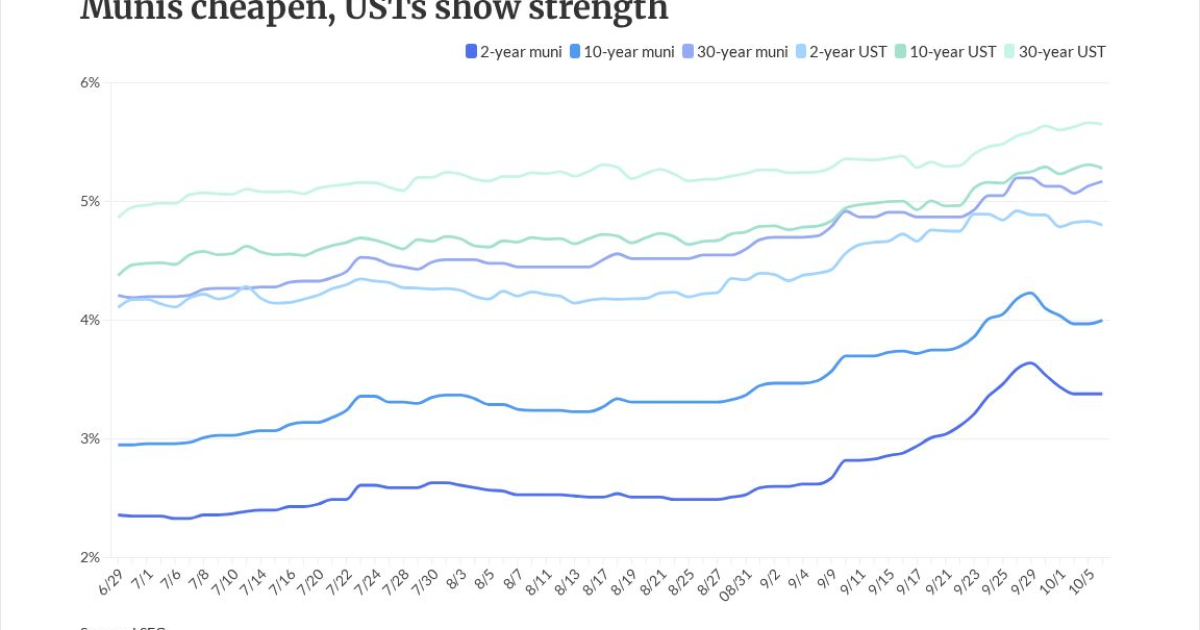
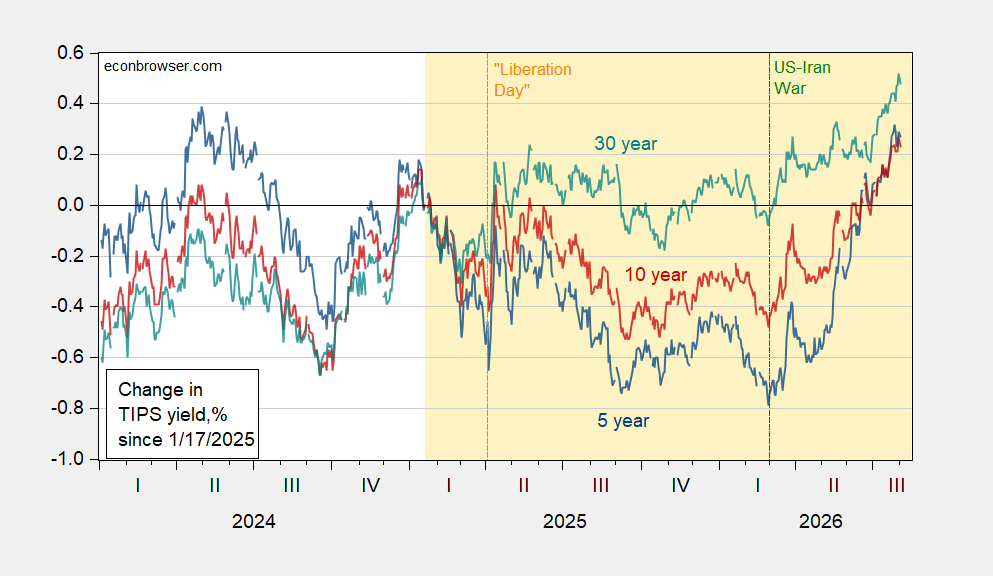
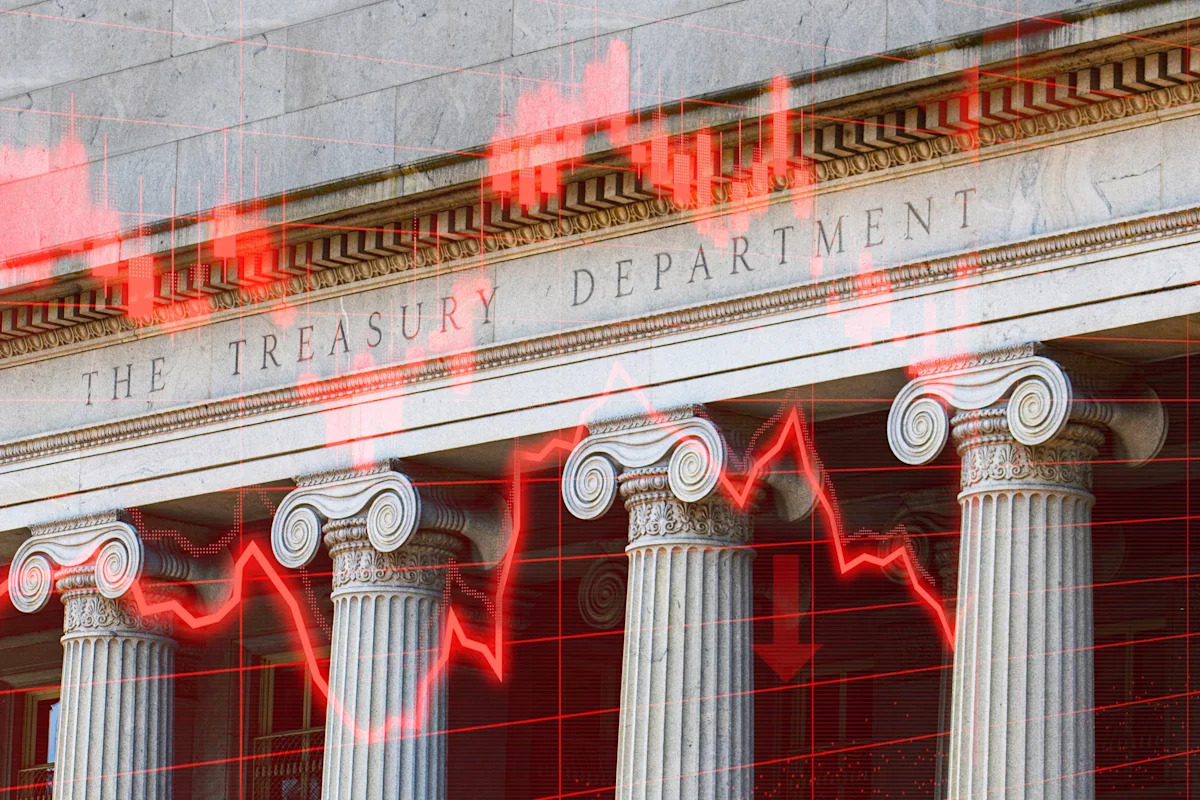
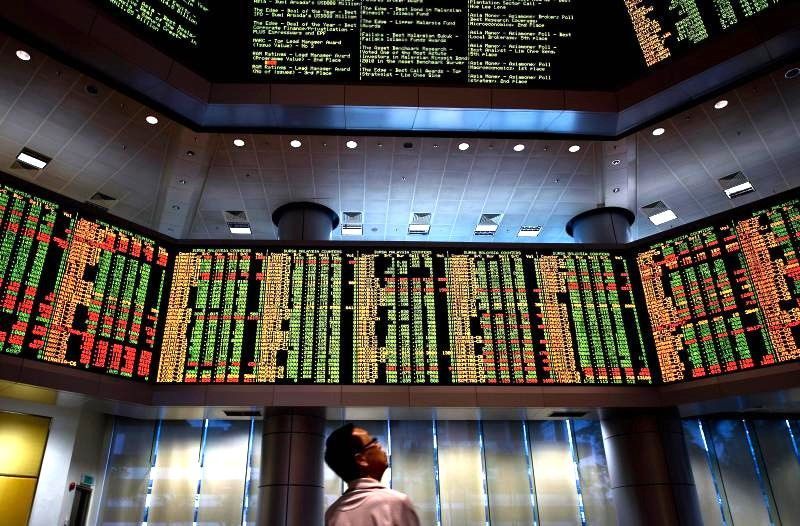
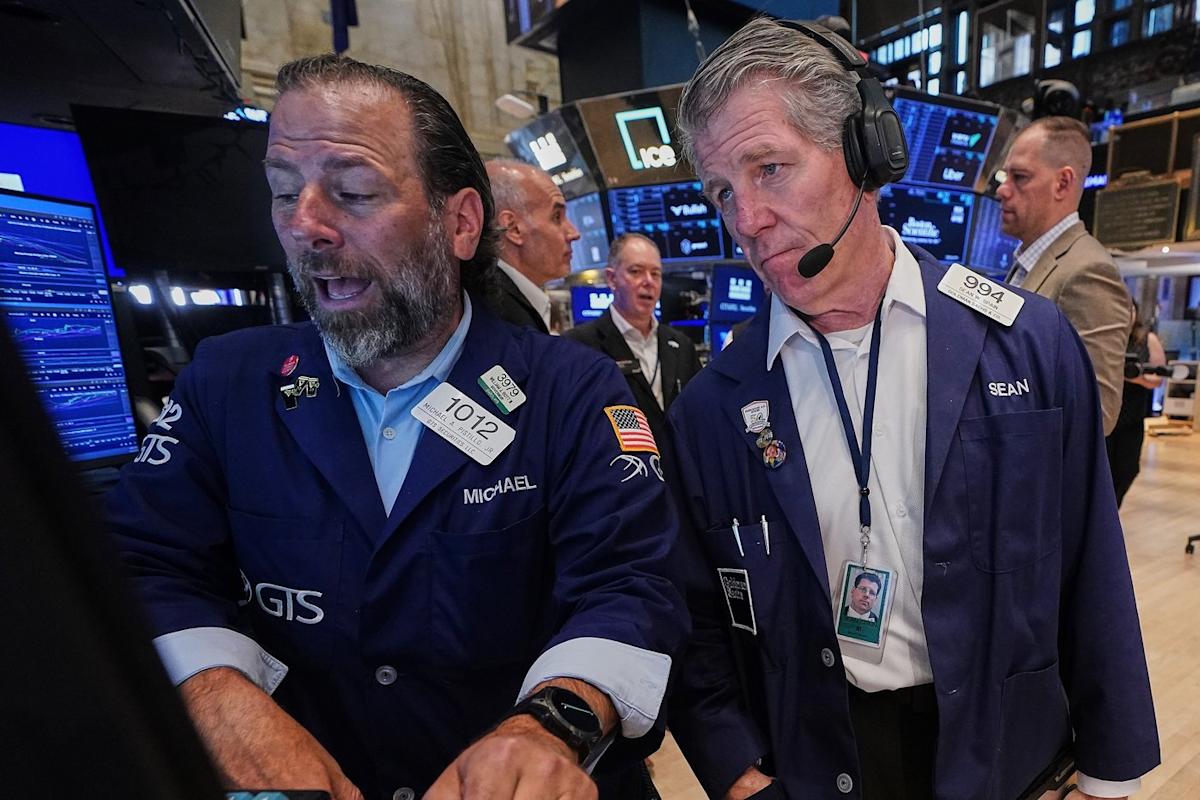
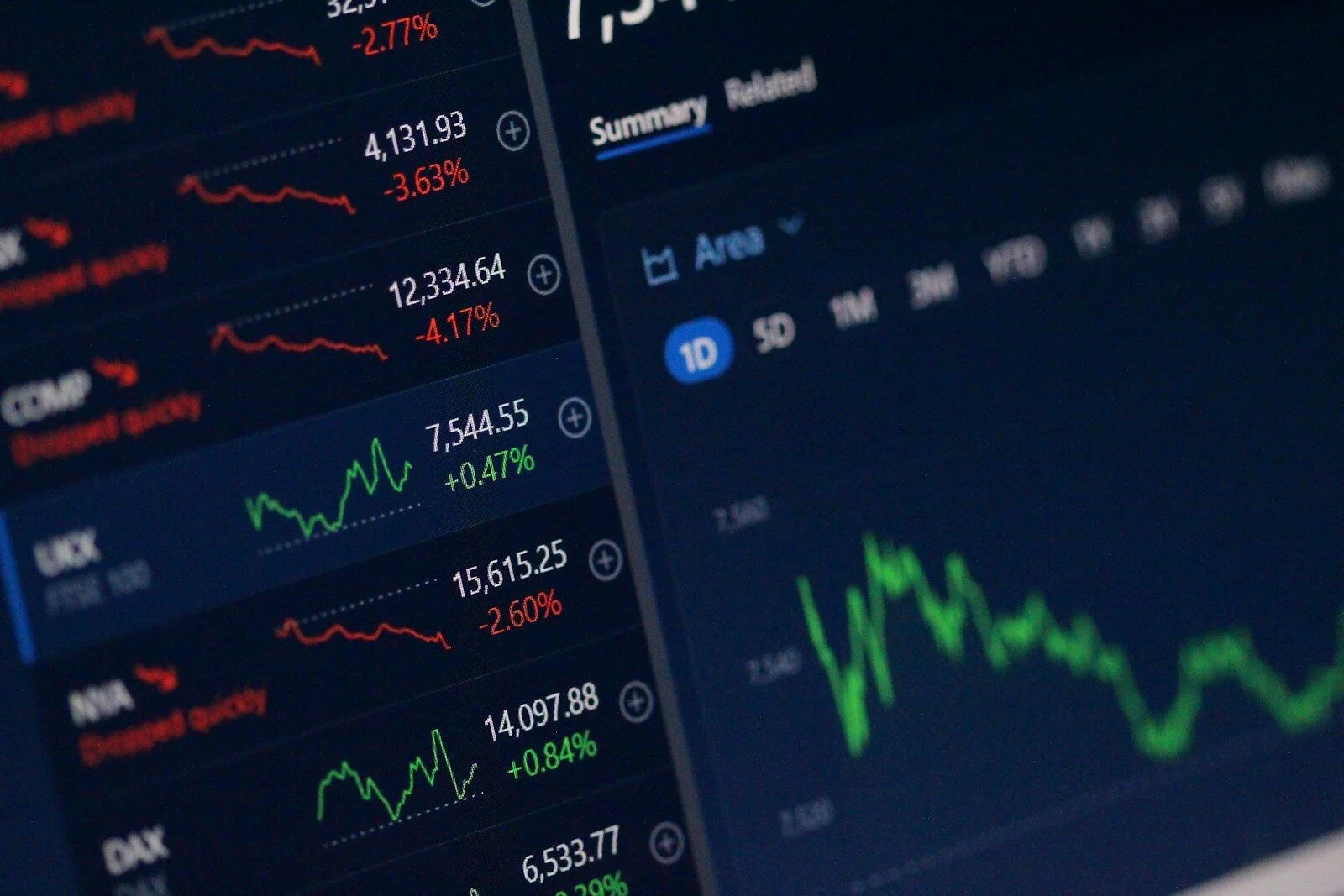
The response was immediate. Treasury yields plummeted following the release, while equity futures soared. The S&P 500 and NASDAQ both surged in pre-market trading, led by rate-sensitive sectors like technology and real estate.
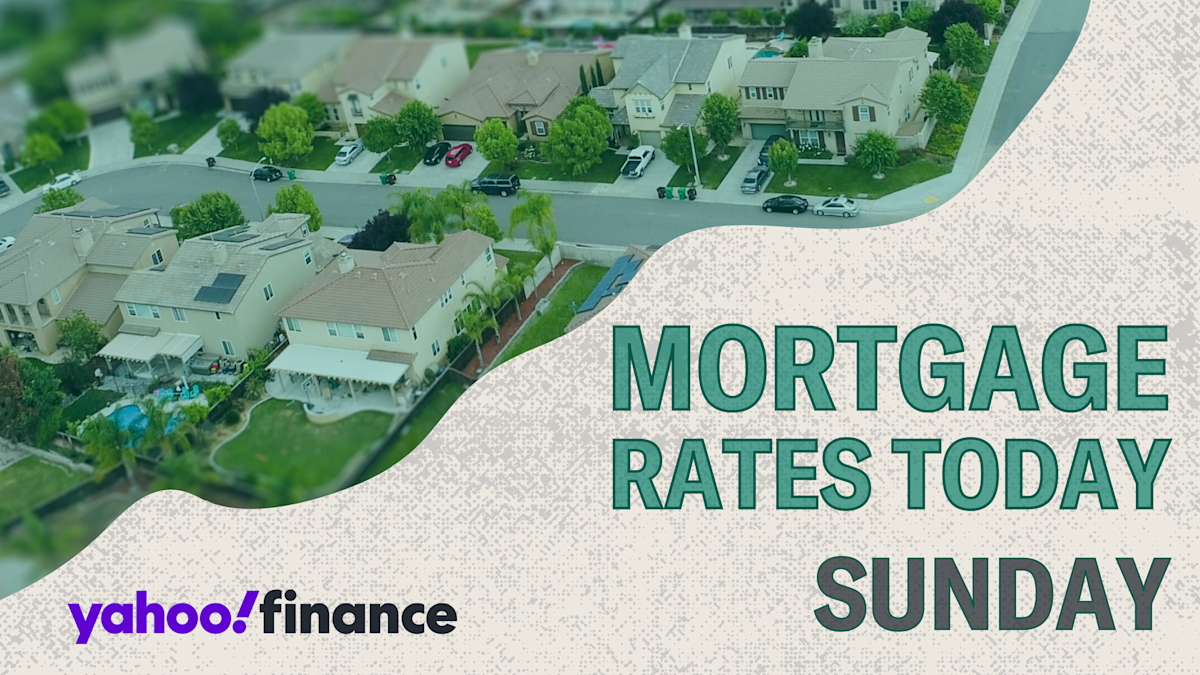
While some hawkish economists warn that service-sector inflation remains slightly elevated, the general consensus is that the tide has turned. For consumers, this suggests that the era of aggressive price hikes may finally be behind them, with the added bonus of lower borrowing costs for mortgages and auto loans on the horizon.