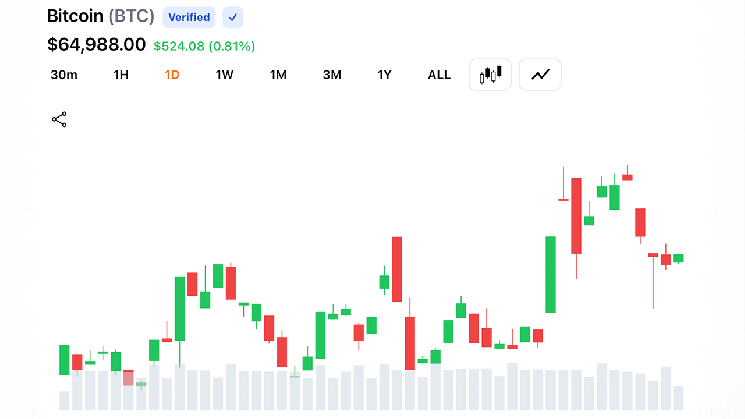
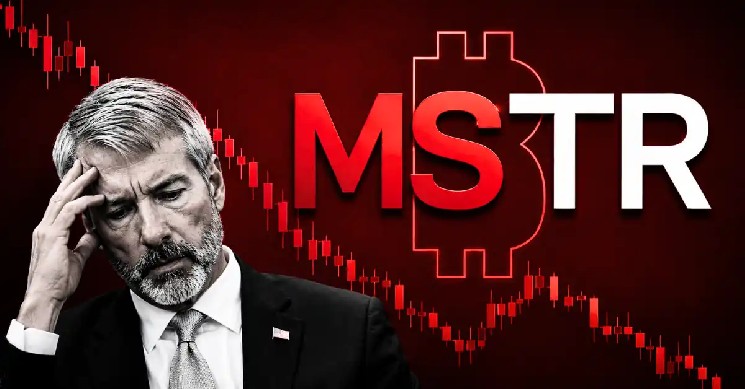
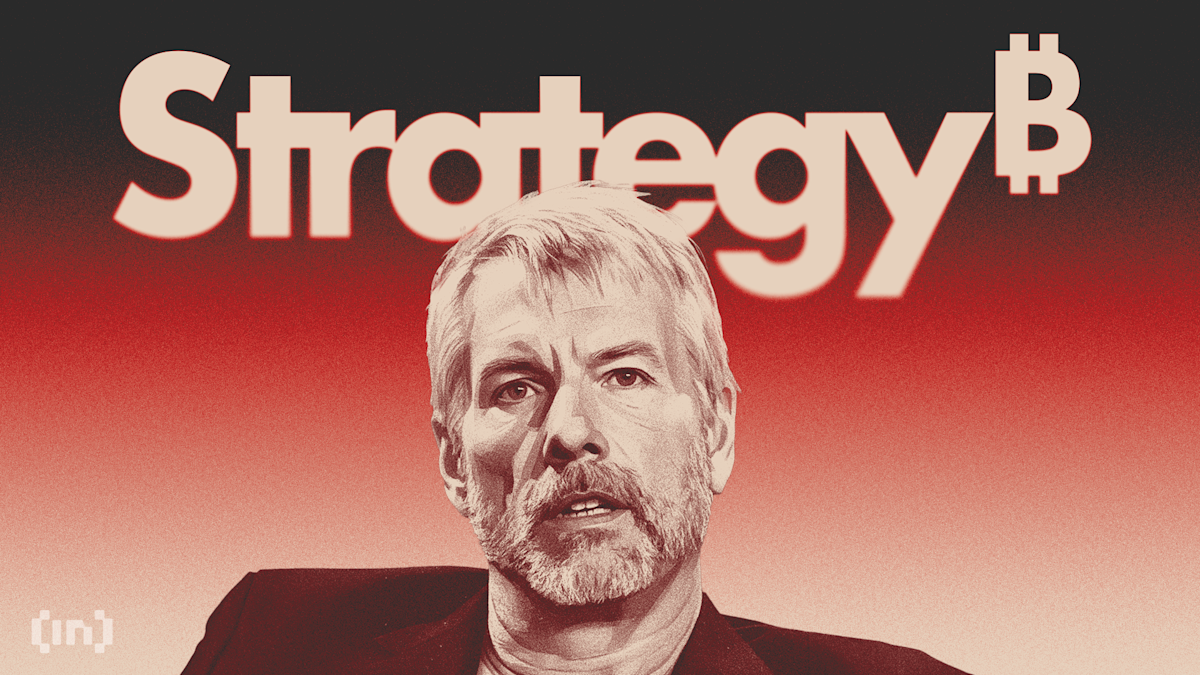
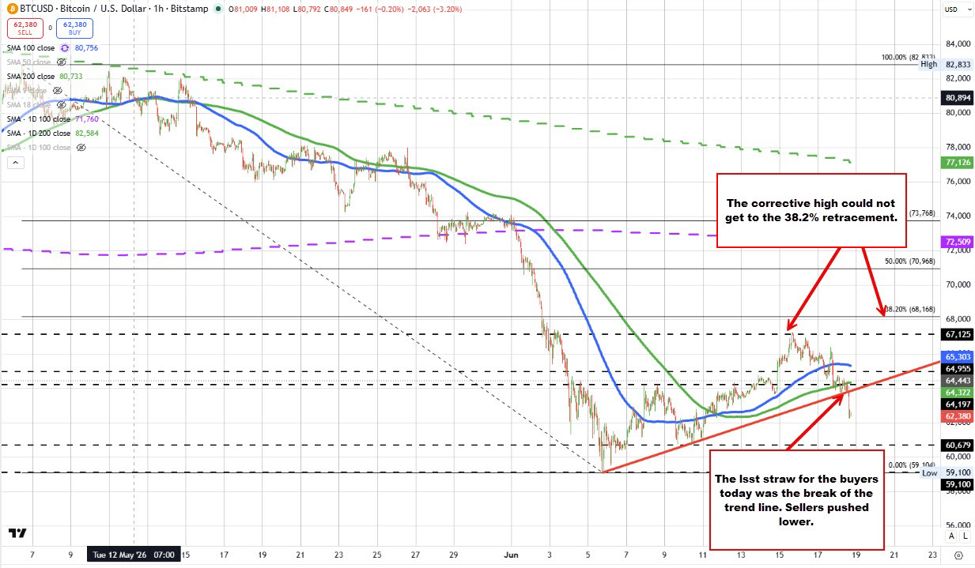
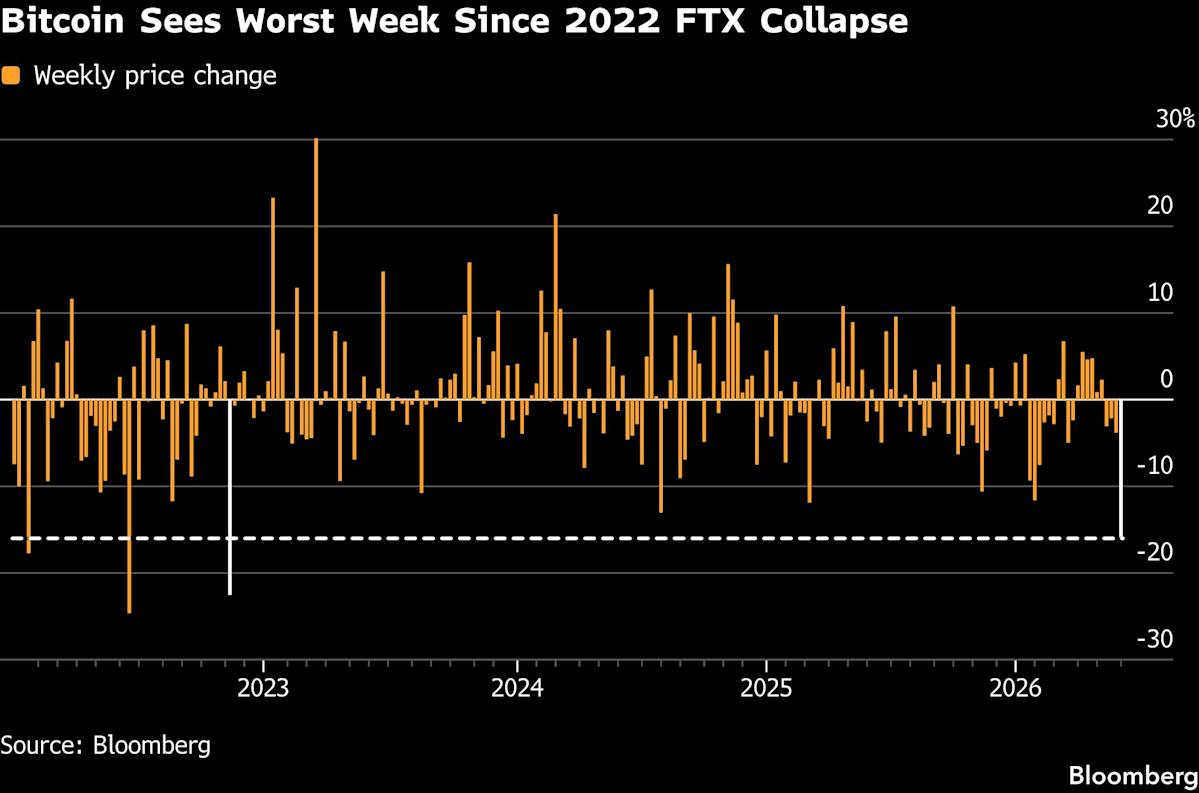
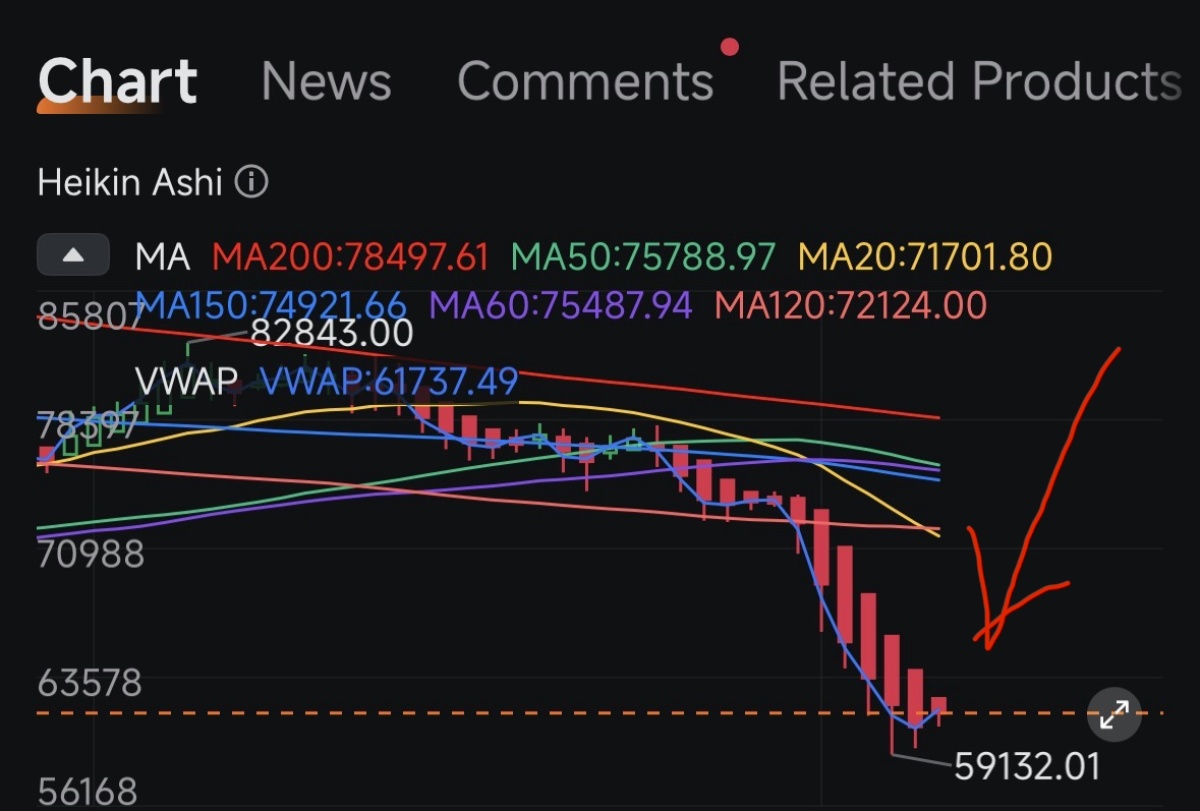
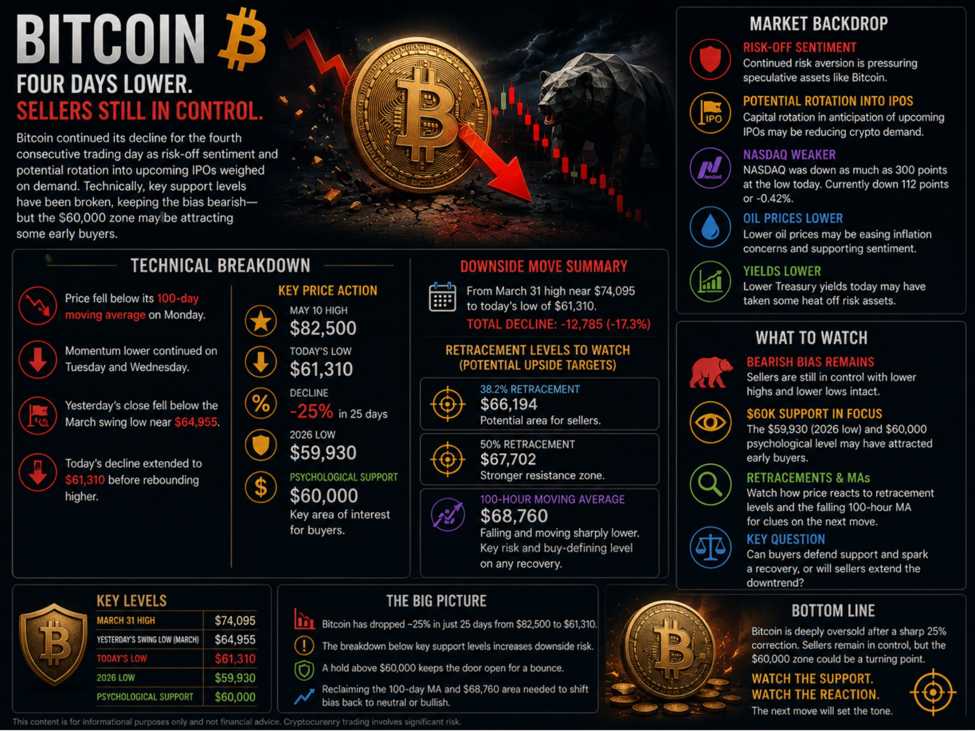
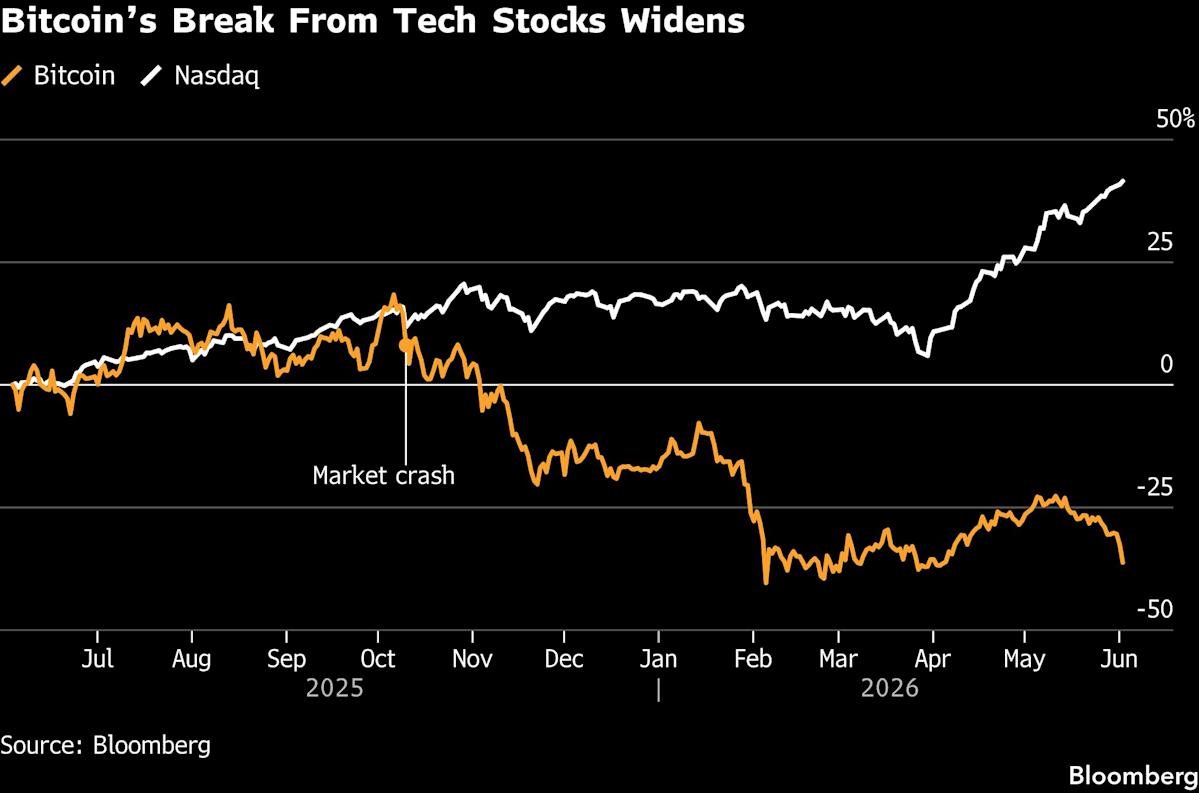
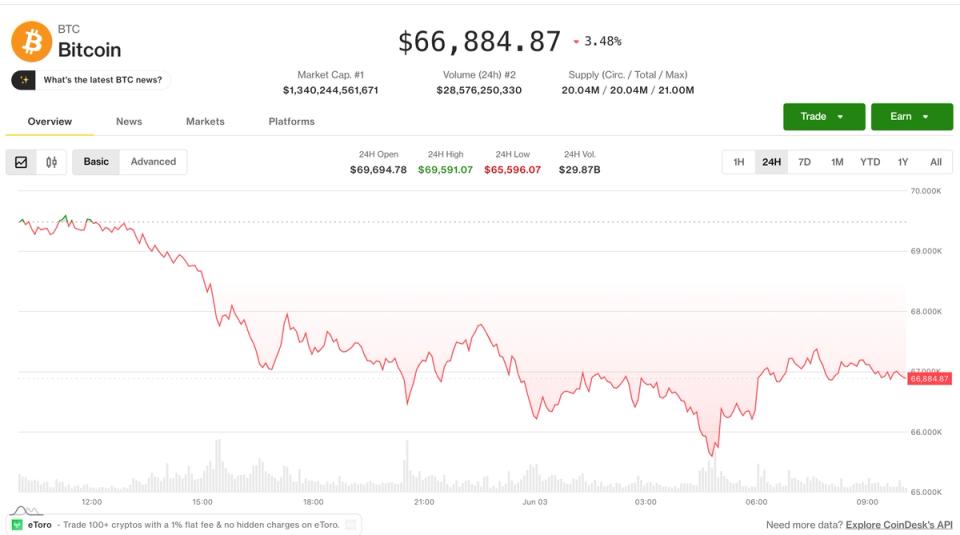
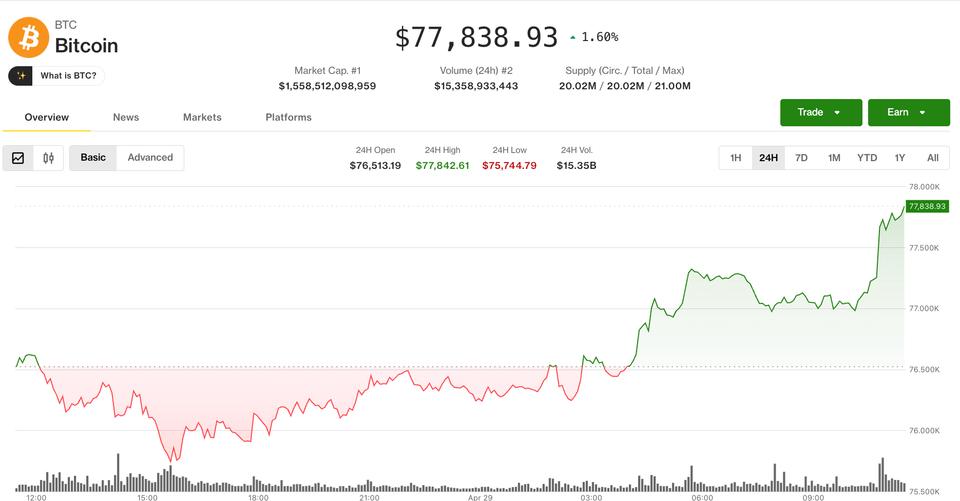
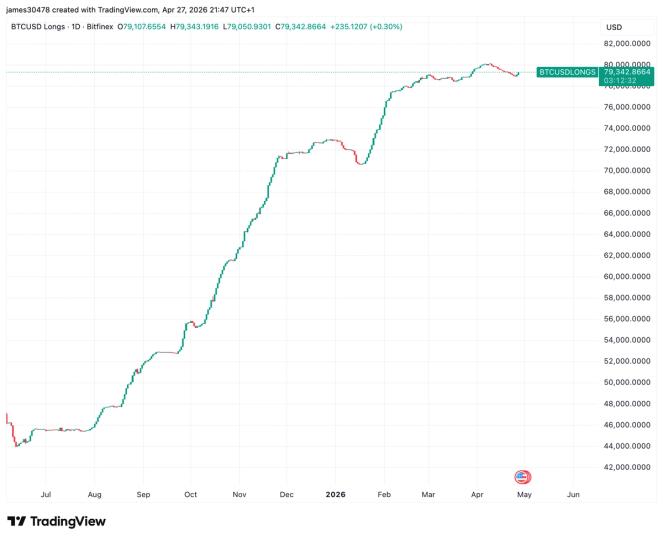
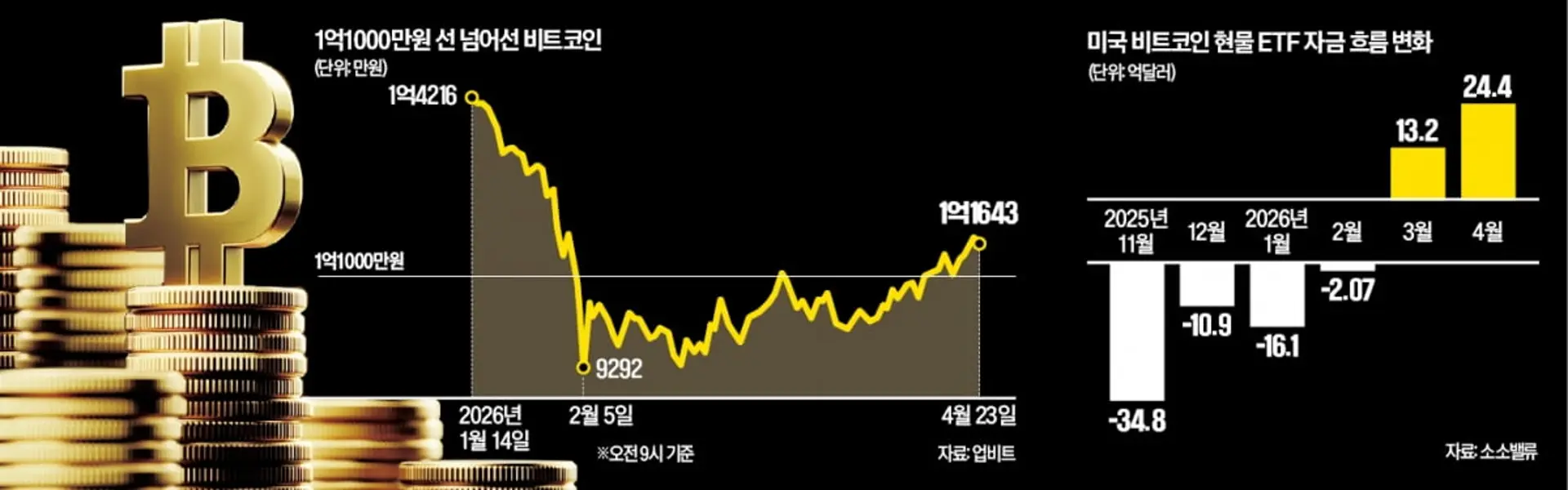
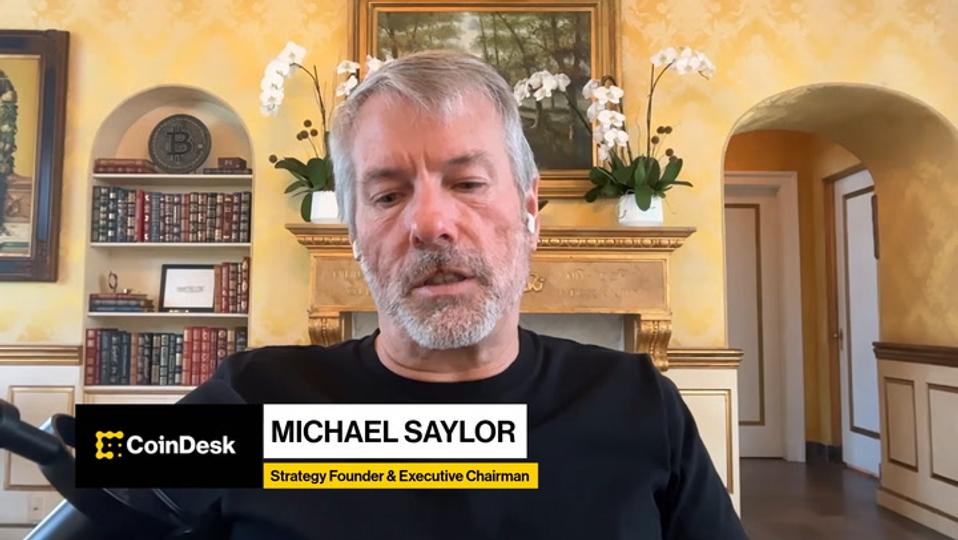
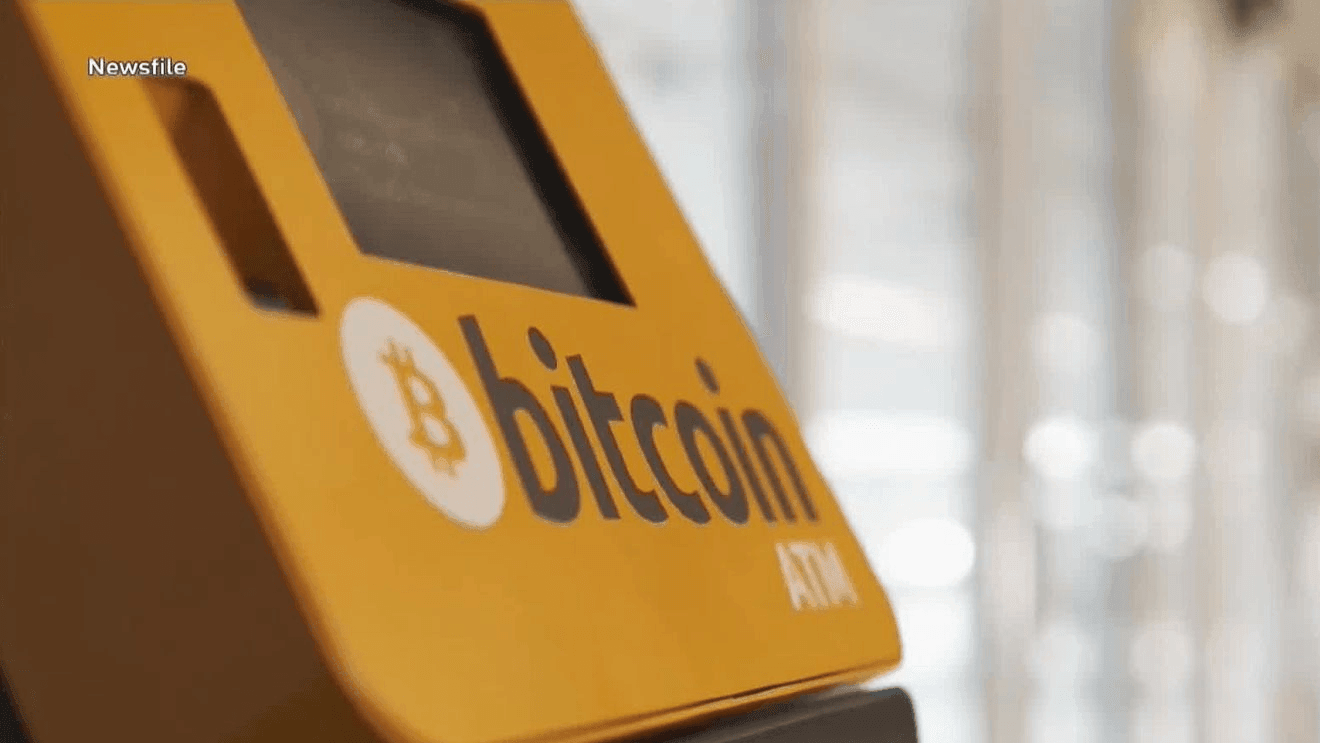
Usually, the playbook for when an asset drops 46% from its peak is to stop buying it. Strategy(NASDAQ: MSTR) — formerly known as MicroStrategy — missed that memo, and the company now holds 766,970 Bitcoin(CRYPTO: BTC) after purchasing another 4,871 BTC in the first week of April alone, despite the cryptocurrency’s price of $68,536 being far below the $126,000 all-time high it reached last October.
What makes this behavior especially notable is that practically every other company that tried to copy Strategy’s approach with buying Bitcoin has either slowed to a crawl or started selling. So is Strategy’s stubbornness a result of its visionary understanding of the asset, or is it just making a reckless miscalculation with how it expects Bitcoin to perform?
Will AI create the world’s first trillionaire? Our team just released a report on the one little-known company, called an “Indispensable Monopoly” providing the critical technology Nvidia and Intel both need. Continue »
Image source: Getty Images.
The digital asset treasury (DAT) trend, where publicly listed companies issue equity or debt to accumulate Bitcoin on their balance sheets, was one of 2025’s biggest narratives.
But the DAT landscape is close to being entirely barren now. Non-Strategy treasury companies purchased a combined 1,000 BTC over the 30 days ending on March 28, a 99% decline in purchasing activity compared to the prior peak period of 69,000 BTC for the month of August 2025. The number of companies actively buying also fell from 54 last August to 13 during this March.
Several have even begun dumping their coins. In late March, Mara Holdings sold $1.1 billion of its Bitcoin to retire its convertible debt. In contrast, Riot Platforms sold around $200 million of its hoard late in 2025, and several others have offloaded their entire stash.
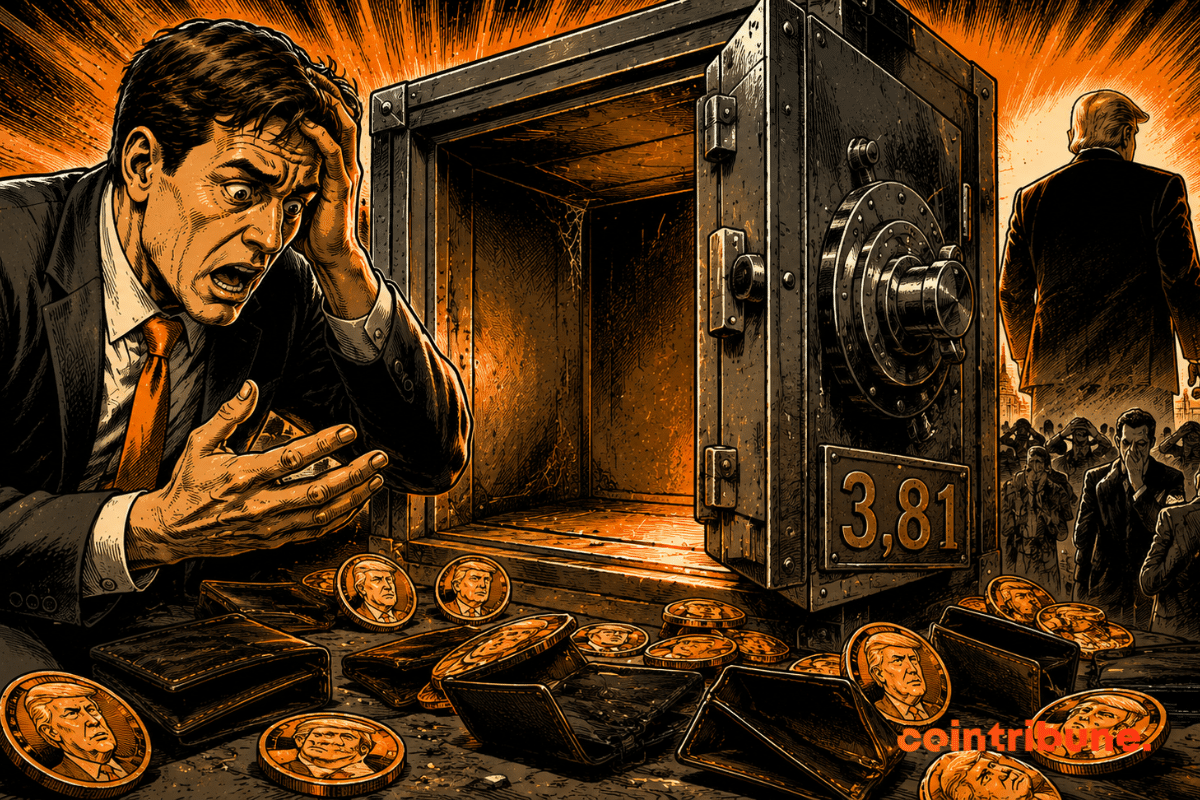
Strategy, meanwhile, controls roughly 76% of all Bitcoin held by publicly listed companies. Its coins are about 3.8% of Bitcoin’s already-mined circulating supply of nearly 20 million. And every coin Strategy buys is one fewer coin available to other buyers, which should eventually, in theory, force buyers to compete with each other with higher prices to secure any of the asset.
But does this approach actually work?
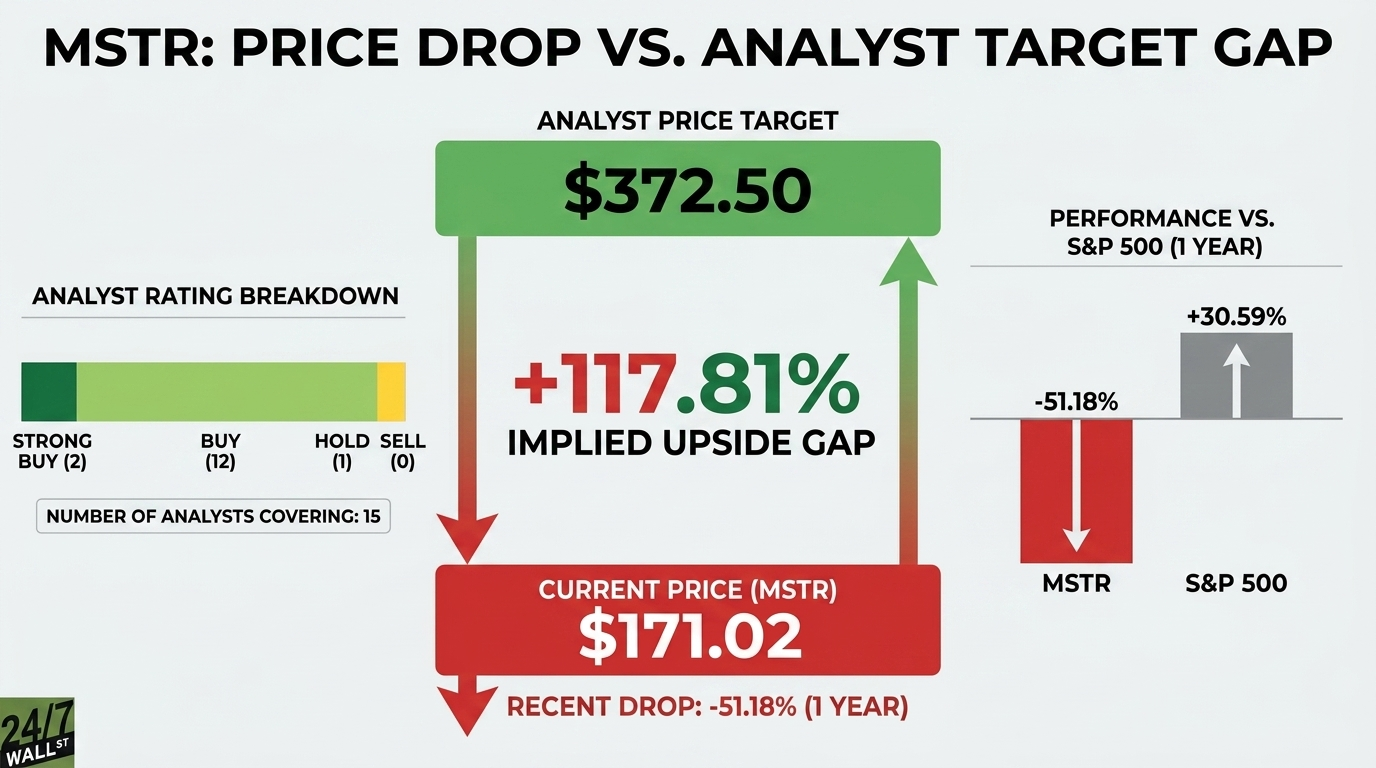
Over the past five years, Strategy’s stock is up by 95%, Bitcoin is up by 19%, and the S&P 500 is up by 74%. So at first glance, it appears to be viable.
The wrinkle here is that what’s probably good for Bitcoin over the long run — Strategy accumulating it constantly by issuing more equity or debt — is not automatically good for Strategy’s shareholders or debtholders.
The mechanism driving the company’s purchases is relentless dilution of its shareholders’ interests. Strategy sells newly issued shares, both common and preferred, and issues new convertible debt into the open market to raise cash, then uses that cash to buy more Bitcoin. If Bitcoin rises enough, the per-share value of the company’s holdings can still grow despite the larger share count, and shareholders get a nice return.
But if it doesn’t, shareholders are left with a smaller slice of an underwater position. And then, if Bitcoin’s price falls dramatically, the company might eventually be forced to liquidate its holdings to ensure it can still pay back its creditors, which would almost certainly punish its stock further. The possibility of this death spiral does make Strategy’s playbook a bit reckless, even if it’s unlikely to actually occur without a major Bitcoin collapse from its current price level.
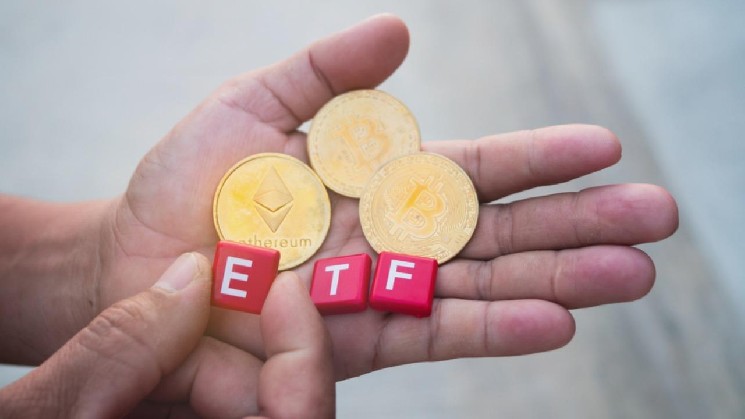
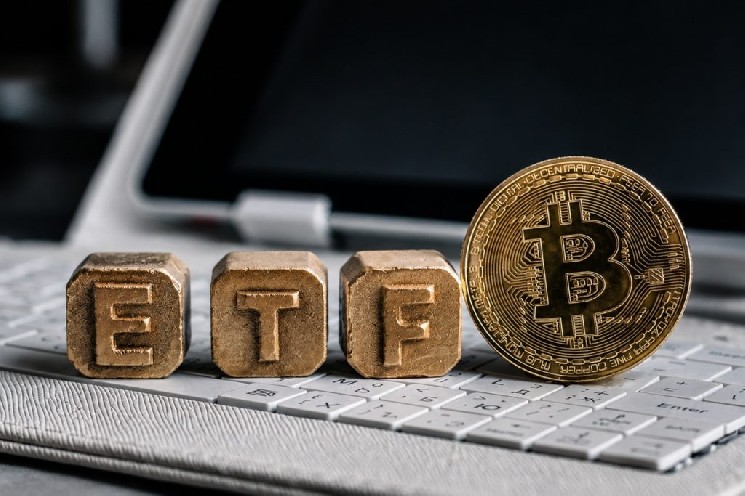
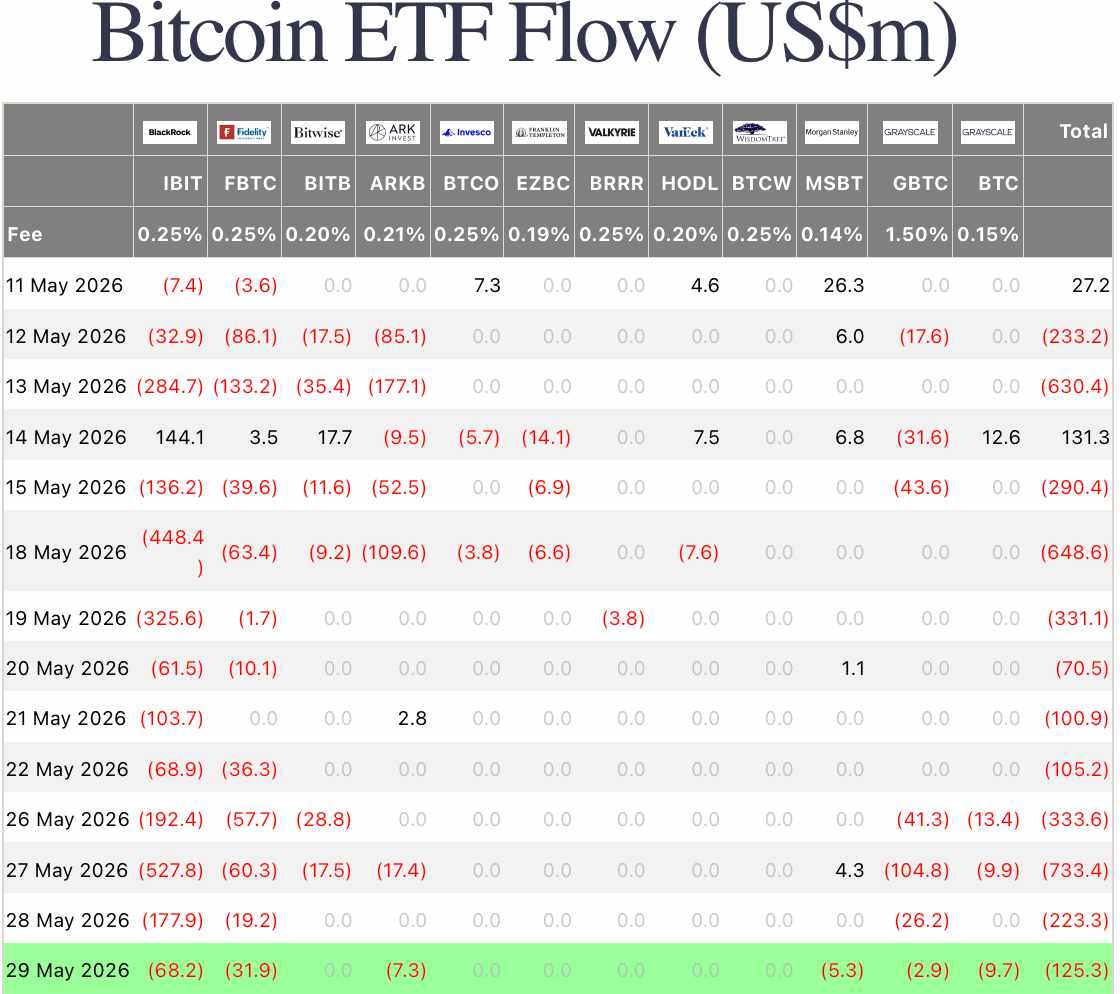
Most investors can probably do well enough with a diversified portfolio that doesn’t include that risk. In other words, if you want exposure to Bitcoin, you should probably just buy the coin directly or through a Bitcoin exchange-traded fund (ETF), without layering on the risks implied by Strategy’s debt obligations and its ongoing dilution of shareholders.
To put it bluntly, buying Strategy stock means you’re financing someone else’s Bitcoin accumulation at your own expense, which isn’t a good proposition for the long term even if it has tended to pay off so far.
Nonetheless, Strategy’s conviction about Bitcoin’s long-term trajectory is probably correct, and its constant supply absorption is a genuine catalyst for the asset that holders should be grateful for. But that doesn’t mean you need to buy the stock; just buy the coin, and let the company work to make it more valuable for you.
Before you buy stock in Strategy, consider this:
The Motley Fool Stock Advisor analyst team just identified what they believe are the 10 best stocks for investors to buy now… and Strategy wasn’t one of them. The 10 stocks that made the cut could produce monster returns in the coming years.
Consider when Netflix made this list on December 17, 2004… if you invested $1,000 at the time of our recommendation, you’d have $555,526!* Or when Nvidia made this list on April 15, 2005… if you invested $1,000 at the time of our recommendation, you’d have $1,156,403!*
Now, it’s worth noting Stock Advisor’s total average return is 968% — a market-crushing outperformance compared to 191% for the S&P 500. Don’t miss the latest top 10 list, available with Stock Advisor, and join an investing community built by individual investors for individual investors.