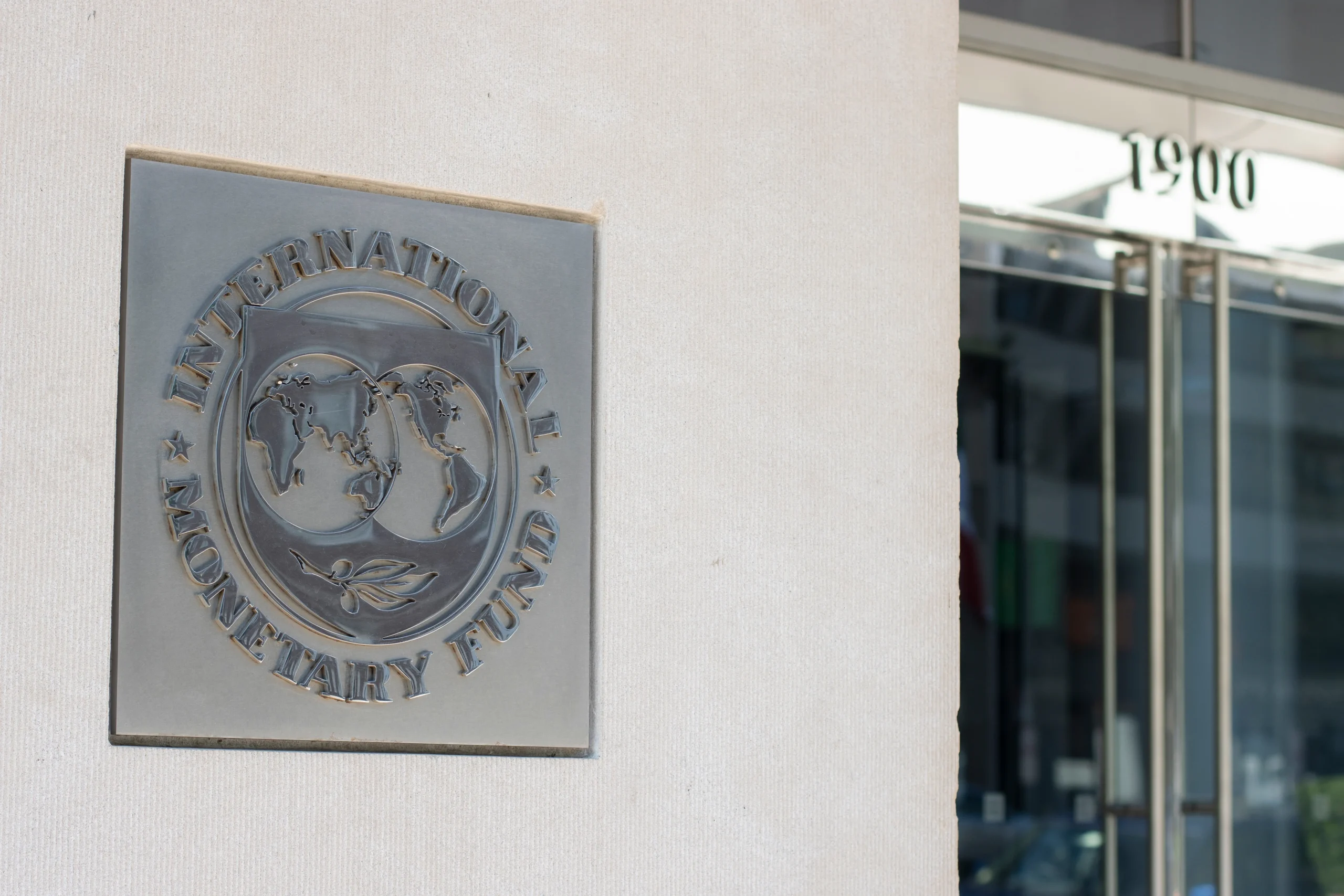
- The International Monetary Fund has warned stablecoins need to be properly regulated.
- It warned of the reserves backing them being unstable.
- The body did say that the digital tokens have many benefits.
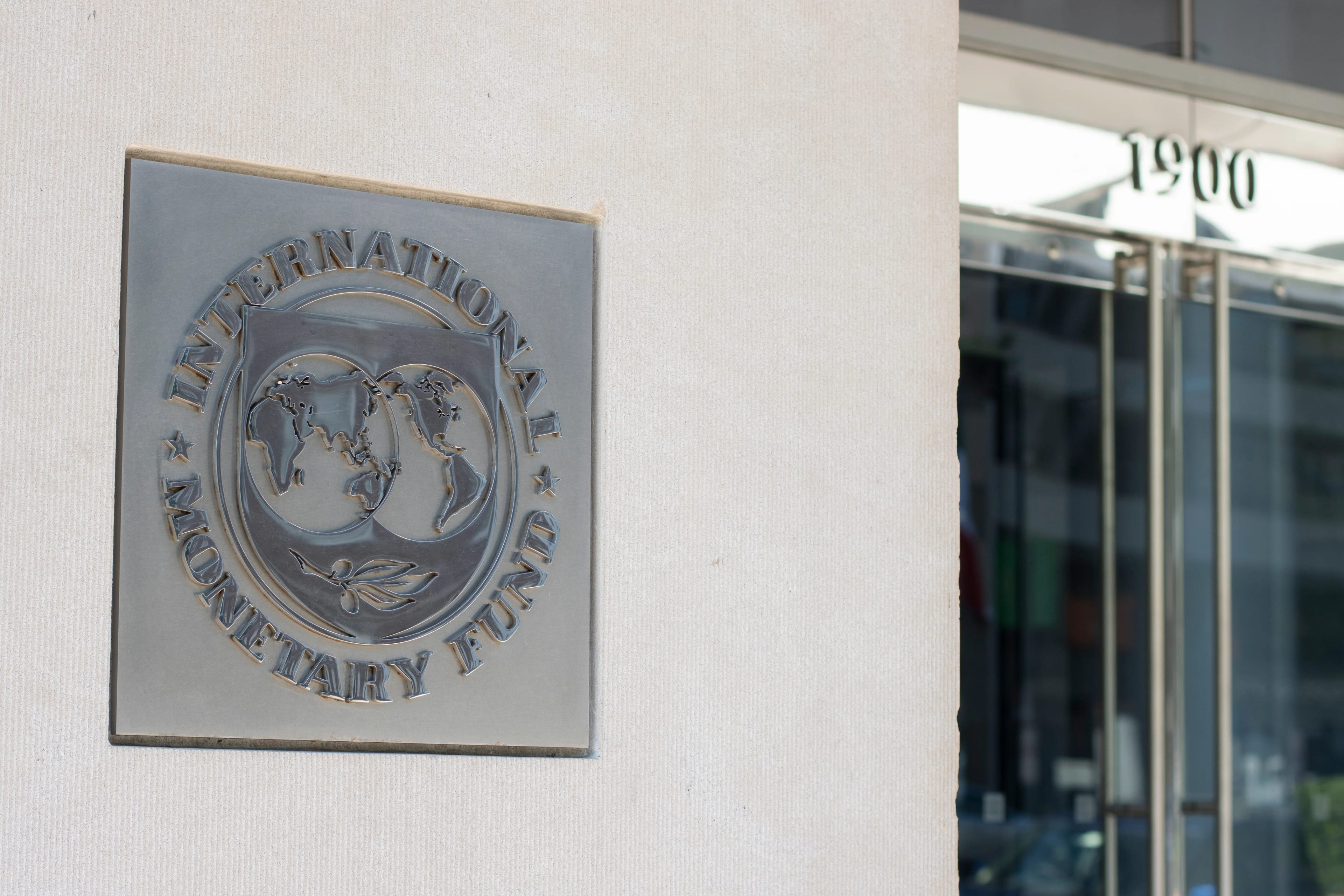
The International Monetary Fund has again issued a warning about stablecoins — this time raising concerns over possible bank runs.
In a report this week, the IMF said that while stablecoins can bring benefits such as low transaction costs and speed, they face risks, particularly if they are not correctly regulated.
“As a form of privately issued digital money, stablecoins are subject to runs and pose potential risks to monetary and financial stability if not well regulated,” the report “Making Stablecoins Stable” read.
Interest in stablecoins from the private sector has surged since US President Donald Trump signed the Genius Act last year. Now, regulators around the world are racing to work out how to best control the digital tokens.
The risks
The report said that a number of stablecoin issuers hold risky assets backing their tokens.
It mentions Tether, the largest stablecoin issuer, having some reserves of Bitcoin backing its product, which it describes as a “vulnerability.”
Tether, which mints the most-traded cryptocurrency, USDT, has run into trouble in the past with regulators for not being transparent about its reserves.
The IMF went on to say that if users suspect a stablecoin issuer’s assets have fallen in value below what’s needed to cover all redemptions, they rush to redeem before others do — leading to a bank run.
It used examples of the collapse of Terraform Labs, which collapsed under market pressure when its UST stablecoin failed to keep its peg to the dollar. The asset was not backed by reserves.
It added that “among all ‘liquid and safe assets’, only central bank reserves” truly have the quality of being universally accepted, no questions asked.
Safer assets aren’t enough
But the paper also warns that safer backing creates its own problem: safe assets like government bonds or cash yield lower returns than risky assets, so stablecoin issuers’ profits may be squeezed and they may reduce supply as a result.
The IMF says the best outcome would be if issuers have alternative income sources — either central banks paying interest on reserves, giving issuers a return on the safe assets they’re required to hold, or regulators permitting issuers to earn revenue from the payment data they collect.
If stablecoin issuers can make money without taking risks, the IMF argues, then they no longer need to.
The hottest topic
Stablecoins have become a hot topic since they were brought to the forefront of US policy making thanks to crypto-friendly President Trump.
Now, major companies and banks around the world are working to issue their own versions of the digital tokens.

In a February report, S&P Global Ratings said it expected the European market to surge as banks rush to keep up with the US and ultimately earn fees from institutional clients dealing in blockchain-based assets.
A group of 12 European banks — including UniCredit, BNP Paribas, and BBVA — have joined forces to launch a euro-denominated stablecoin, which is expected to be released this year.
Mathew Di Salvo is a news correspondent with DL News. Got a tip? Email at mdisalvo@dlnews.com.