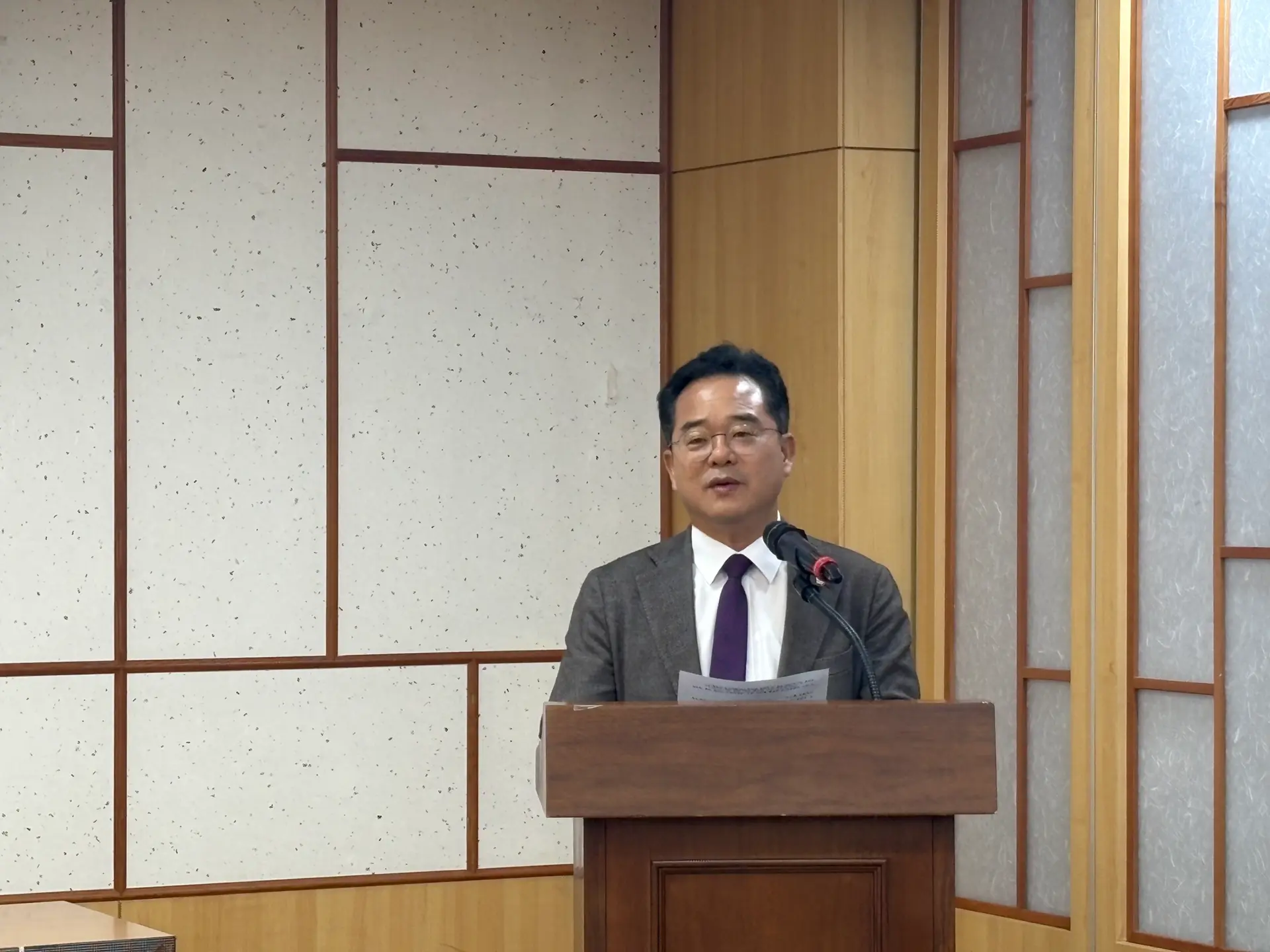
- Rep. Min Byung-duk said stablecoins are a matter of national strategy, not financial policy, and that the issue is not whether to adopt them but how to build competitiveness around them.
- Min said the stablecoin financial market has already opened and is functioning as real-world financial infrastructure, led by Tether (USDT) and Circle (USDC).
- Min said South Korea should develop a won stablecoin into a “regular-use coin” that can grow into financial infrastructure used in everyday life, across industries and in the global market.
Forecast Trend Report by Period


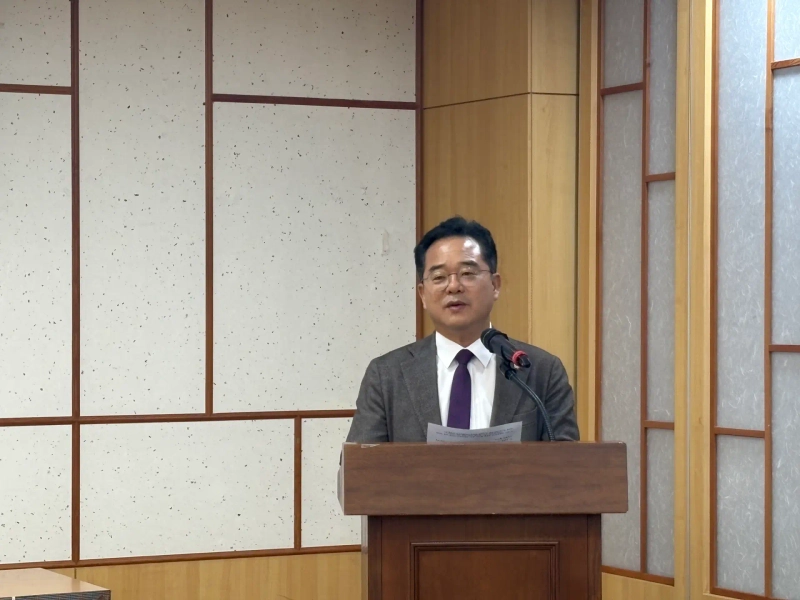
Min Byung-duk, a lawmaker from South Korea’s Democratic Party, said April 7 that stablecoins have moved beyond financial policy and into the realm of national strategy.
Speaking at a seminar at the National Assembly Members’ Office Building in Seoul titled “Tasks for Designing a Stablecoin Framework: Analysis of Overseas Cases and Response Strategies,” Min said stablecoins are already reshaping the financial order. The question is no longer whether to adopt them, but how to use them and build competitiveness around them.
Min also cited global adoption trends in stablecoins. Tether’s USDT is already widely used in global trading and payments, while Circle’s USDC is rapidly expanding into the US financial market through Coinbase, he said. The stablecoin market has already emerged and is operating as real-world financial infrastructure.
This is more than the launch of a new product, he added. It marks a new starting point showing how a country’s currency can be used in digital financial markets. What matters, Min said, is that such efforts do not necessarily begin only within that country.
Min said a won-denominated stablecoin should become a “regular-use coin.” Once the public uses it naturally in daily life, industries expand around it and it is used in global markets, the coin will become financial infrastructure rather than just another asset, he said. South Korea needs to understand that shift clearly and consider what role it should play.
What South Korea faces now is not simply technological progress, but a reordering of the financial system, Min said. He added that he would do his best to help the country establish itself as a key pillar in the digital finance era.