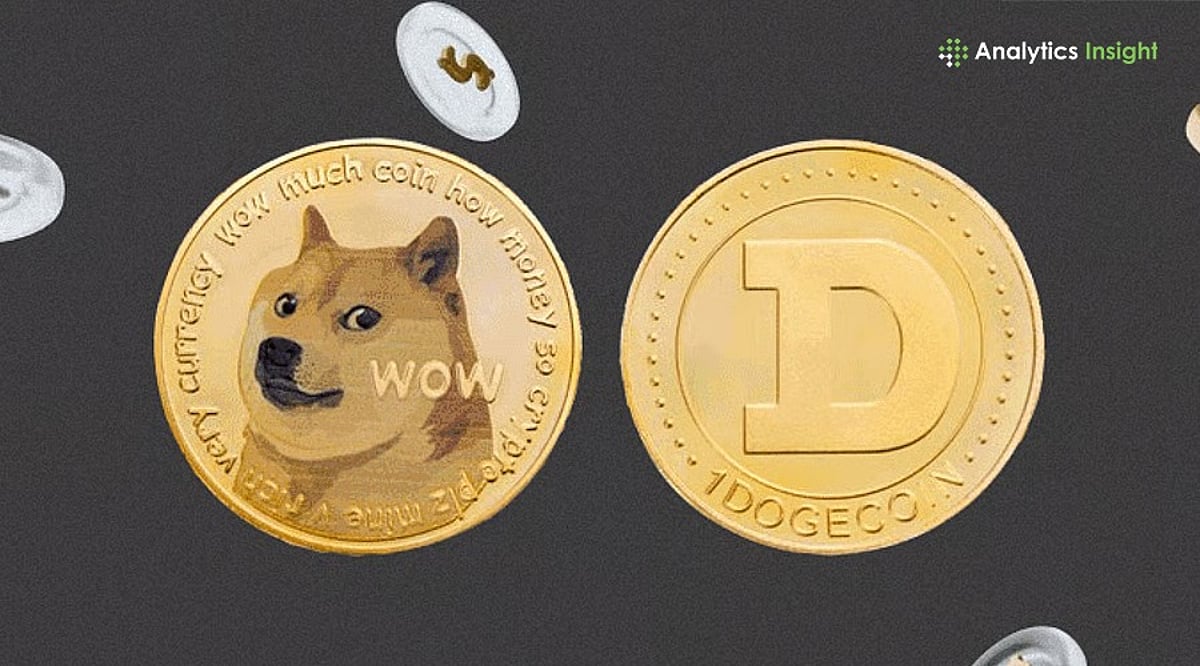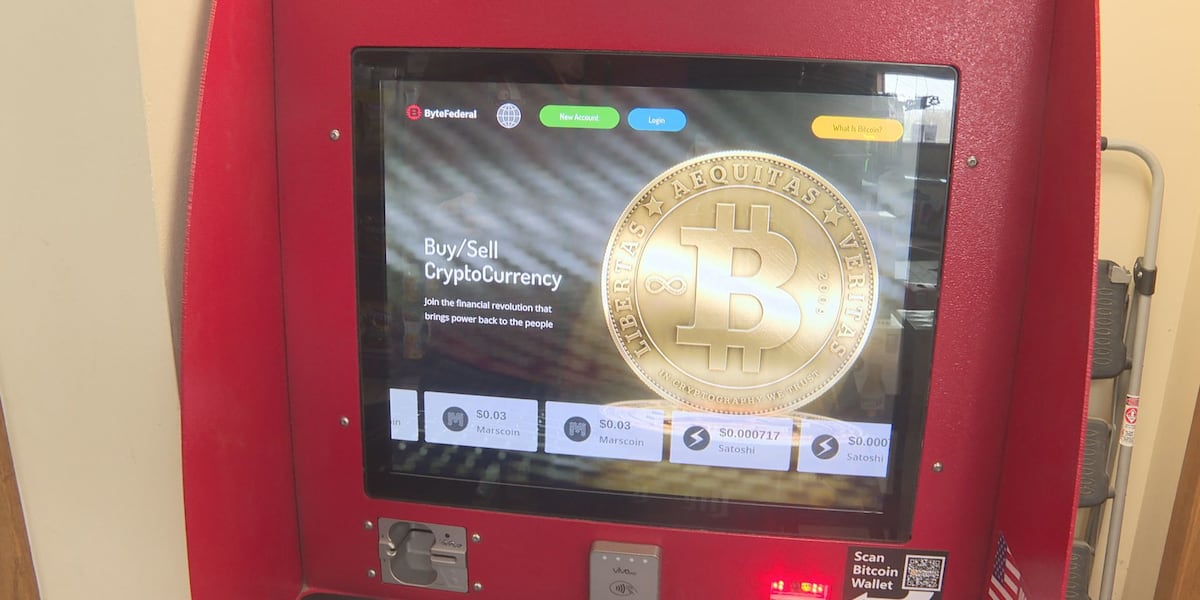
The evolution of cryptocurrency coins has moved far beyond speculative trading instruments into the realm of foundational digital infrastructure. In modern decentralized ecosystems, these assets function as programmable economic primitives, enabling trustless value exchange, automated governance, and interoperable financial services. As digital economies expand, cryptocurrency coins are increasingly embedded into the architectural layer of Web3 systems, facilitating not only transactions but also protocol-level coordination.
The Shift from Speculative Assets to Utility Primitives
Initially perceived as volatile digital commodities, cryptocurrency coins have undergone a functional transformation. Their role now aligns more closely with infrastructure-grade assets that support decentralized applications (dApps), smart contract execution, and tokenized ecosystems.
This shift is driven by:
- Protocol-native utility: Coins are used to pay gas fees, secure networks via staking, and incentivize validator participation.
- Economic abstraction layers: They act as settlement layers for decentralized finance (DeFi), enabling liquidity provisioning and yield generation.
- Composable finance: Coins integrate seamlessly across multiple protocols, supporting cross-chain interoperability and modular financial architectures.
Such capabilities position cryptocurrency coins as critical enablers of decentralized economic activity, rather than mere investment vehicles.
Tokenomics and Network Sustainability
A defining characteristic of cryptocurrency coins as infrastructure lies in their tokenomic design. Tokenomics governs supply dynamics, incentive alignment, and long-term network sustainability. Unlike fiat systems controlled by central authorities, these coins rely on algorithmic issuance and consensus-driven governance.
Key tokenomic components include:
- Deflationary or inflationary supply models that regulate scarcity and circulation velocity.
- Staking mechanisms that enhance network security while offering yield incentives.
- Governance tokens that empower holders to participate in protocol upgrades and decision-making.
The integration of these mechanisms ensures that cryptocurrency coins maintain equilibrium between usability and value preservation. This balance is essential for sustaining decentralized ecosystems at scale.
Interoperability and Cross-Chain Infrastructure
As blockchain networks proliferate, interoperability has become a critical requirement. Cryptocurrency coins now operate within multi-chain environments, where seamless asset transfer and communication between blockchains are necessary for efficiency.
Interoperability is achieved through:
- Bridging protocols that facilitate asset migration across chains without centralized intermediaries.
- Wrapped tokens that represent assets from one blockchain on another, enhancing liquidity access.
- Layer-2 scaling solutions that improve transaction throughput while maintaining security guarantees.
These advancements enable cryptocurrency coins to function as universal mediums of exchange across diverse blockchain ecosystems. This cross-chain operability strengthens their role as foundational infrastructure within digital economies.
Institutional Integration and Economic Digitization
The growing involvement of institutional players has further solidified the infrastructural role of cryptocurrency coins. Enterprises, fintech platforms, and even governments are exploring blockchain-based systems for efficiency, transparency, and cost reduction.
In this context, the emergence of a digital currency development company ecosystem reflects the increasing demand for specialized expertise in building scalable blockchain solutions. These entities contribute to:
- Designing enterprise-grade blockchain architectures
- Developing secure and compliant token ecosystems
- Integrating cryptocurrency coins into existing financial systems
Moreover, central bank digital currencies (CBDCs) and tokenized real-world assets (RWAs) are accelerating the convergence between traditional finance and decentralized systems. Cryptocurrency coins serve as the bridge between these paradigms, enabling programmable and borderless economic interactions.
Conclusion
Cryptocurrency coins are no longer peripheral components of the digital landscape; they are becoming its backbone. Through advanced tokenomics, interoperability frameworks, and institutional adoption, these assets are redefining how value is created, transferred, and governed in digital economies. Their integration into core infrastructure layers signifies a paradigm shift toward decentralized, transparent, and programmable financial systems.
As innovation continues, the role of cryptocurrency coins will likely expand further, embedding themselves deeper into the fabric of global digital economies and shaping the next generation of financial architecture.