When U.S Trade Representative Jamieson Greer sat down with his Chinese counterparts in Paris last month, he wasn’t there to relitigate China’s economic trajectory. He was there to lay the foundation for a new trading order and institutionalize a realistic approach to confronting China’s distorted economic system.
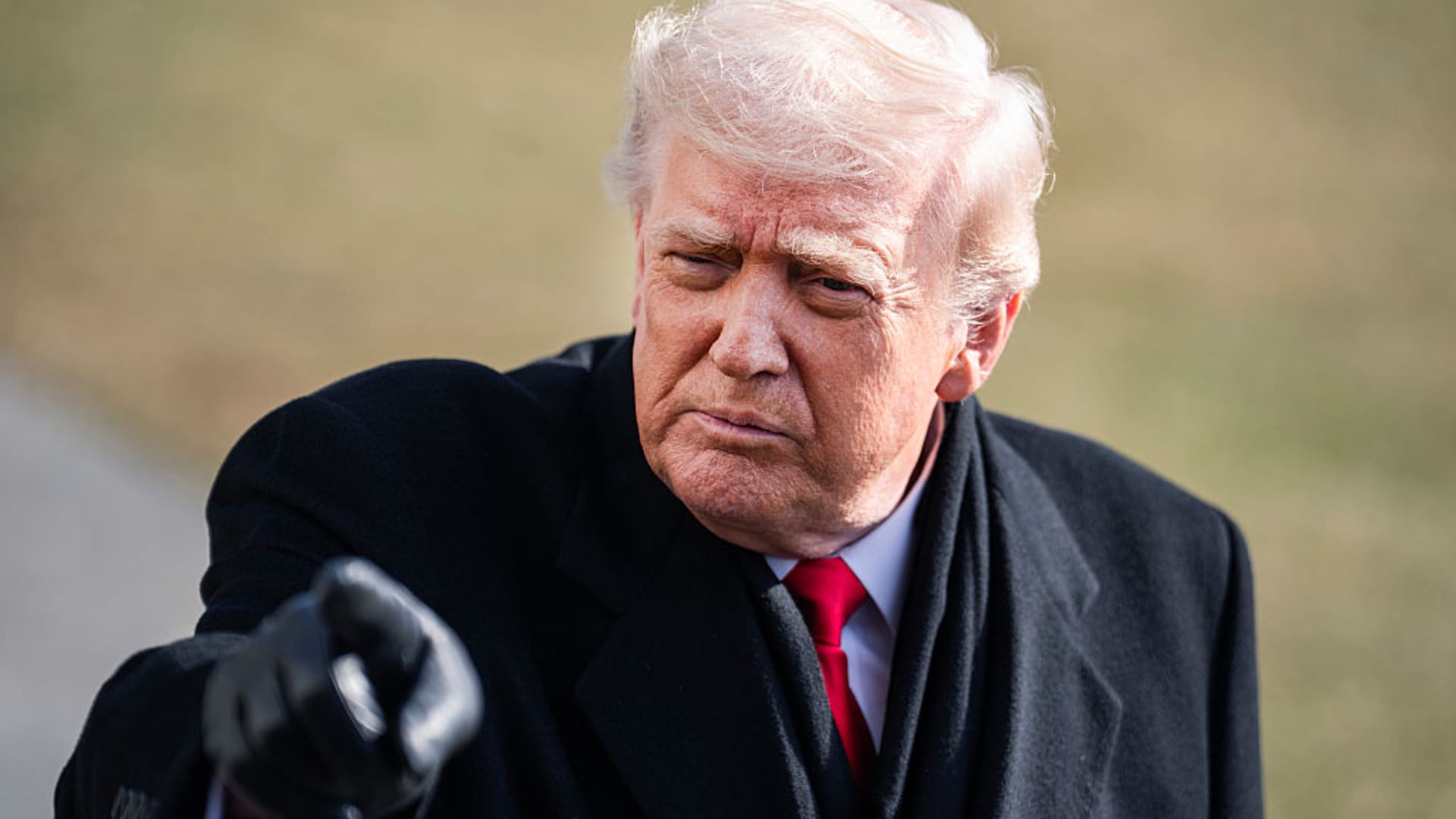
Greer proposed a “Board of Trade,” a mechanism through which Washington and Beijing will identify, sector by sector, the terms of bilateral trade. It will likely be on the agenda when President Trump and General Secretary Xi Jinping meet in Beijing next month. Greer’s proposal is the clearest signal yet that the Trump administration is serious about reviving an old idea that has new relevance: “managed trade.”
During the Cold War, the General Agreement on Tariffs and Trade (GATT)—predecessor to the World Trade Organization (WTO), which succeeded it in 1995—governed commerce among 128 signatory nations, representing 90 percent of global trade. As Greer has recently acknowledged, the leaner GATT system functioned better than the WTO. Rather than relying on universal rules interpreted by tribunals, GATT operated through negotiated reciprocity among sovereign governments. For state-directed economies within the Soviet bloc, it imposed special accession terms designed to manage structural asymmetries rather than ignore them.
GATT’s architects understood that different treatment is required for different systems. Poland and Romania acceded to the GATT under special protocols tailored for non-market economies, focused on import commitments rather than mutual tariff reductions, as well as safeguards for existing members to prevent disruption. At the time, officials recognized that state-directed economies are not purely commercial counterparties — trade with them had to be managed government-to-government, not left solely to markets.
Beijing’s system demands the same response, but at orders of magnitude greater scale and complexity. The goal now should be to establish a trade order among market economies in the spirit of GATT — one designed for competition with China, organized around reciprocity, conditional market access, and concrete benefits for Americans.
Critics may argue that GATT was made for a simpler time, formed against the backdrop of postwar American global dominance. Others may argue that western democracies should continue the decades-long project of persuading China to undertake market reforms, something the United States did in many rounds of its Strategic and Economic Dialogue with China and multilaterally at the WTO.
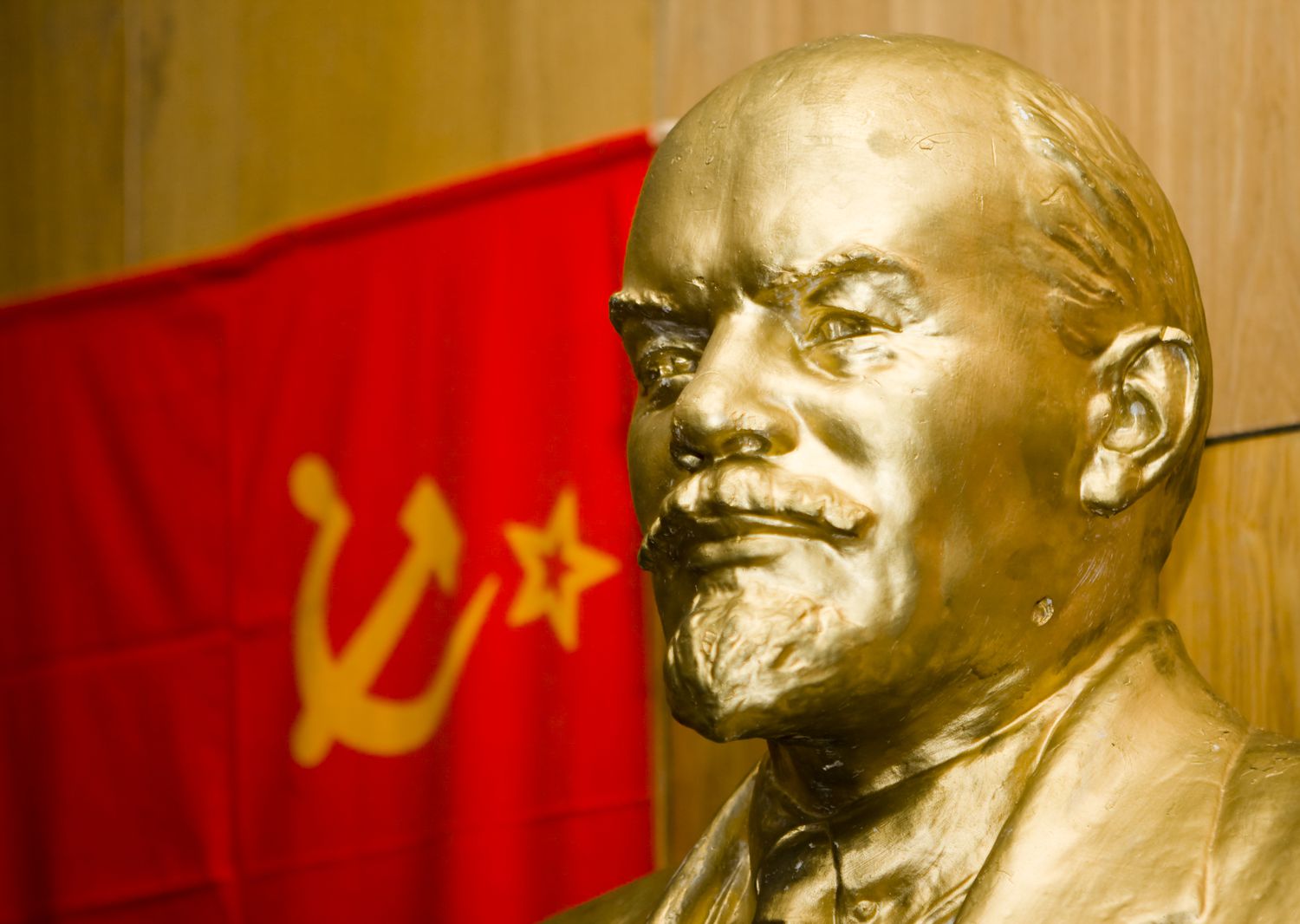
But these criticisms miss the reality: Beijing’s brute force approach to economic statecraft doesn’t stop at China’s borders. It already gutted Western solar and steel. Now the same playbook is running across EVs, drones, and mature-node semiconductors. Waiting for market reforms means watching the same pattern repeat in industry after industry. The principle at stake is not GATT’s scope but its logic: that market access is earned through reciprocal concessions, not guaranteed by universally-applied rules that buckle under the freight train of a Leninist party-state’s industrial policies.
The United States-Mexico-Canada Agreement (USMCA) could serve as a nucleus for a plurilateral trading bloc among market economies. It is already the most advanced trade agreement in the world on the disciplines that matter most for competition with China: restrictions on state-owned enterprises, currency manipulation, forced labor, and rules-of-origin that incentivize production within the bloc rather than outsourcing to China.
These disciplines could form the core of a new, like-minded order that grows over time. Trade with China would continue, of course, but within clear sectoral guardrails. Trade in soybeans and LNG is obviously quite different from trade in semiconductors, connected systems, and other sensitive technologies that touch U.S. critical infrastructure and military readiness. A realistic approach will recognize that.
The WTO has failed to contain the fallout from Beijing’s zero-sum drive for industrial dominance and technological self-reliance. It’s time to build something more fit for the times: a dual-track system that leverages the combined market power of democracies (more than half of global GDP) to overmatch Beijing’s ability to weaponize its market.
With the Trump-Xi summit delayed by the Iran war, the question isn’t what to negotiate with China. It’s whether Washington moves ahead to build the institutional architecture for managed trade. The Board of Trade is a start. USMCA’s review this year is a forcing function. The market power of democracies is the leverage. What’s missing is a strategy to use all three together. Now is the opportunity.