Key Takeaways
- The USSR’s economy initially grew rapidly but slowed due to central planning inefficiencies.
- Gorbachev’s policies aimed to modernize but revealed structural weaknesses.
- Declining output and consumer shortages contributed to the USSR’s collapse.
- Political unrest was a key factor in the Soviet Union’s dissolution.
- The fall of the USSR ended one of the world’s largest centralized economies.
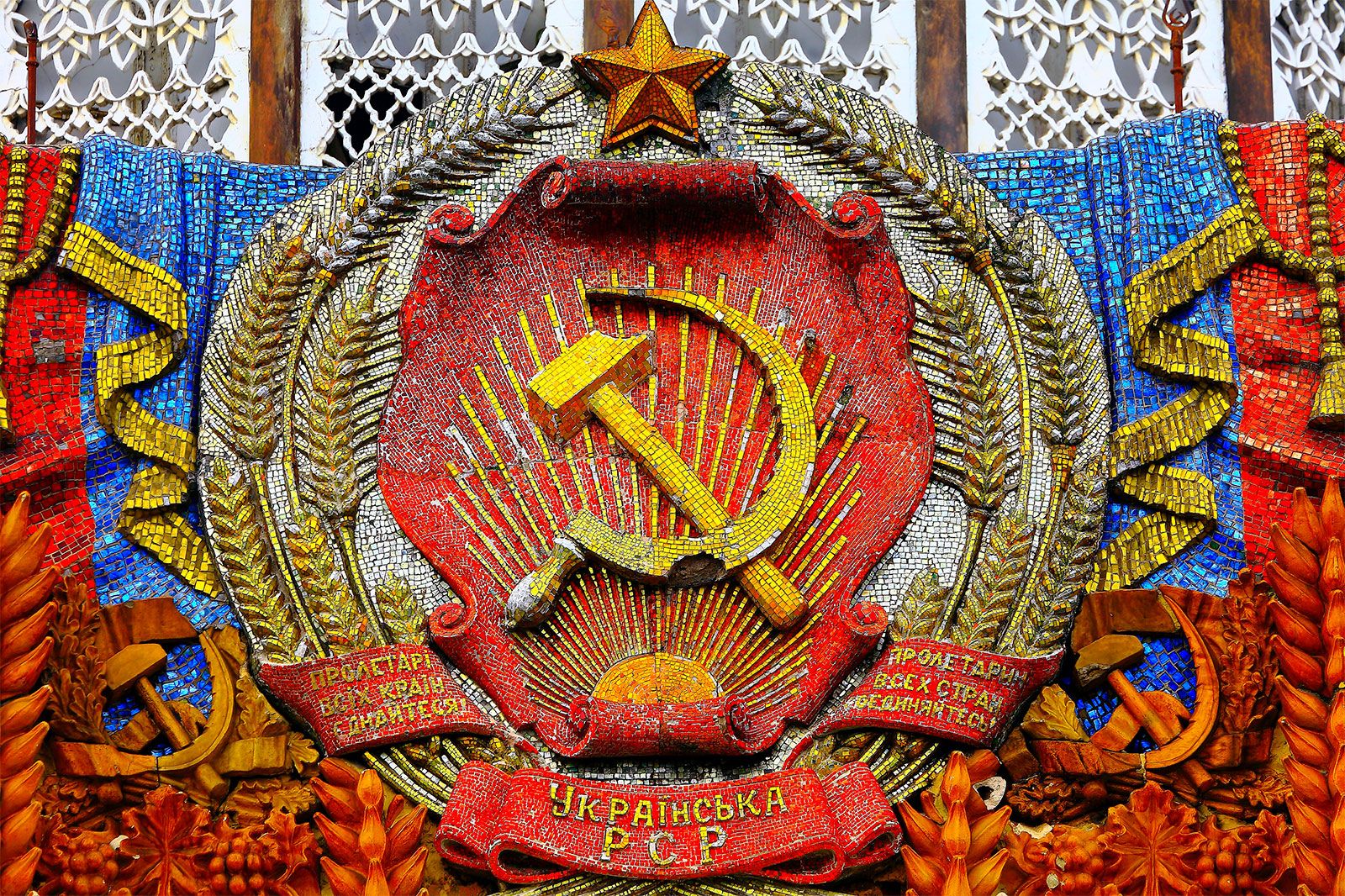
The collapse of the USSR was driven by decades-long economic and systemic problems. While the area’s economy initially experienced rapid growth, it eventually slowed due to inefficiencies from centralized planning, flawed reforms, and changing social and cultural dynamics. Mikhail Gorbachev’s policies, such as perestroika (economic restructuring), attempted to modernize the system but also accelerated structural weaknesses. Key turning points, including declining industrial output, rising consumer shortages, and political unrest, resulted in the formal end of the Soviet Union in 1991, marking the end of one of the world’s largest centralized economies.
Origins of the Soviet Command Economy
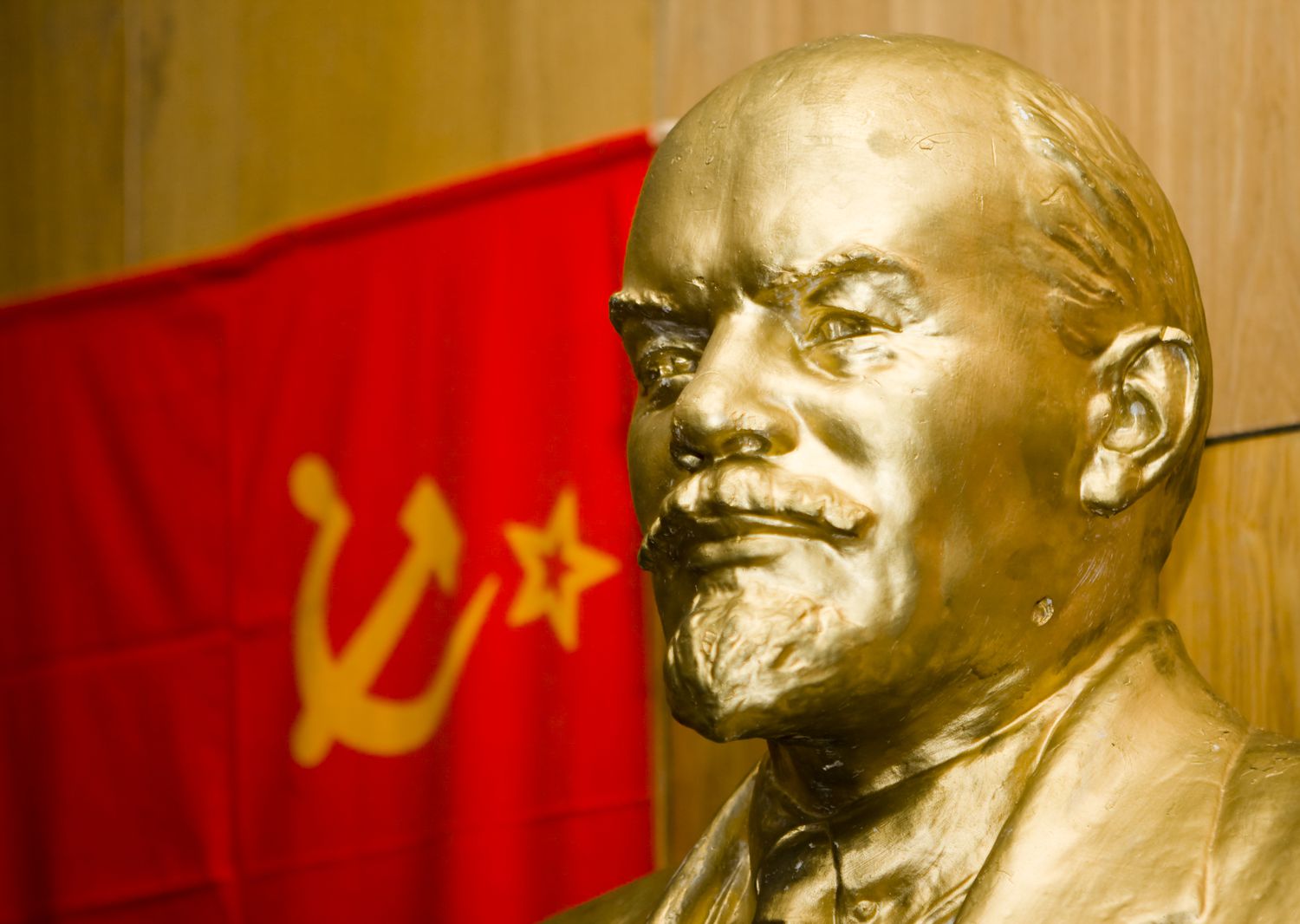
The year 1917 saw the Russian czar overthrown by groups of revolutionaries including the Bolsheviks, who fought and won a subsequent civil war to create a socialist state within the borders of the former Russian empire. Five years later, the Union of Soviet Socialist Republics (USSR) was established, bringing together a confederation of states under the rule of the Communist Party. Starting in 1924, with Joseph Stalin’s rise to power, a command economy characterized by totalitarian control over political, social, and economic life would define the Soviet Union for most of the remaining 20th century.
The Soviet command economy coordinated economic activity through the issuance of directives, by setting social and economic targets, and by instituting regulations. Soviet leaders decided on the state’s overarching social and economic goals. In order to achieve these goals, Communist Party officials assumed control over all of the country’s social and economic activities.
The Communist Party legitimized its control by claiming it had the knowledge to direct a society that would rival and overtake any Western market economy. Officials managed the significant amounts of information necessary for centralizing the planning of both production and distribution. Hierarchical structures were instituted at all levels of economic activity, with superiors having absolute control over the norms and parameters of planning assignments, as well as setting regular performance evaluations and rewards.
Economic Growth and Initial Success of the Soviet Union
At first, the Soviet Union experienced rapid economic growth. While the lack of open markets providing price signals and incentives to direct economic activity led to waste and economic inefficiencies, the Soviet economy posted an estimated average annual growth rate in gross national product (GNP) of 5.8% from 1928 to 1940, 5.7% from 1950 to 1960, and 5.2% from 1960 to 1970. (There was a dip to a 2.2% rate between 1940 to 1950.)
The impressive performance was largely due to the fact that, as an underdeveloped economy, the Soviet Union could adopt Western technology while forcibly mobilizing resources to implement and utilize such technology. An intense focus on industrialization and urbanization at the expense of personal consumption gave the Soviet Union a period of rapid modernization. However, once the country began to catch up with the West, its ability to borrow ever-newer technologies, and the productivity effects that came with it, soon diminished.
Decline in Growth and the Onset of Economic Reforms
The Soviet economy became increasingly complex just as it began running out of development models to imitate. With average GNP growth slowing to an annual 3.7% rate between 1970 and 1975, and further to 2.6% between 1975 and 1980, the command economy’s stagnation became obvious to Soviet leaders.
The Soviets had been aware since the 1950s of such long-term problems as command economy inefficiencies and how adopting the knowledge and technology of developed economies could come at the expense of fostering an innovative domestic economy. Piecemeal reforms like those of the Sovnarkhoz implemented by Nikita Khrushchev in the late 1950s attempted to begin decentralizing economic control, allowing for a “second economy” to deal with the increasing complexity of economic affairs.
These reforms, however, tore at the root of the command economy’s institutions and Khrushchev was forced to “re-reform” back to centralized control and coordination in the early 1960s. But with economic growth declining and inefficiencies becoming increasingly more apparent, partial reforms to allow for more decentralized market interactions were reintroduced in the early 1970s. The quandary for Soviet leadership was to create a more liberal market system in a society whose core foundations were characterized by centralized control.
Impact of Perestroika and the USSR’s Collapse
These early reforms failed to revive the increasingly stagnant Soviet economy, with productivity growth falling below zero by the early 1980s. This ongoing poor economic performance led to a more radical set of reforms under the leadership of Mikhail Gorbachev. While attempting to maintain socialist ideals and central control over primary societal goals, Gorbachev aimed to decentralize economic activity and open the economy up to foreign trade.
This restructuring, referred to as perestroika, encouraged individual private incentives, creating greater openness. Perestroika was in direct opposition to the previously hierarchical nature of the command economy. But having greater access to information helped foster critiques of Soviet control, not just of the economy, but also of social life. When the Soviet leadership relaxed control in order to save the faltering economic system, they helped create conditions that would lead to the country’s dissolution.
While perestroika initially appeared to be a success, as Soviet firms took advantage of new freedoms and new investment opportunities, optimism soon faded. A severe economic contraction characterized the late 1980s and early 1990s, which would be the last years of the Soviet Union.
Soviet leaders no longer had the power to intervene amidst the growing economic chaos. Newly-empowered local leaders demanded greater autonomy from central authority, shaking the foundations of the command economy, while more localized cultural identities and priorities took precedence over national concerns. With its economy and political unity in tatters, the Soviet Union collapsed in late 1991, fragmenting into 15 separate states.
What Countries Did the Soviet Union Split Into?
After the USSR dissolved, the former union split into 15 countries, also known as post-Soviet states. In alphabetical order, those are: Armenia, Azerbaijan, Belarus, Estonia, Georgia, Kazakhstan, Kyrgyzstan, Latvia, Lithuania, Moldova, Russia, Tajikistan, Turkmenistan, Ukraine, and Uzbekistan.
What Country Succeeded USSR?
The USSR no longer exists, and each of its former member republics are now known as post-Soviet states.
After the Soviet Union’s dissolution, Russia, Ukraine, and Belarus created the Commonwealth of Independent States, a regional intergovernmental organization. Shortly thereafter, many other post-Soviet states joined the organization. It consists of nine members: Armenia, Azerbaijan, Belarus, Kazakhstan, Kyrgyzstan, Moldova, Russia, Tajikistan, and Uzbekistan.
What Are Pros and Cons of Command Economy?
There is extensive debate over the relative advantages and disadvantages of command economies versus market economies. Proponents of a command economy argue that centralized planning can enable equitable distribution of limited resources and incentivize public investments, such as infrastructure. Critics argue that command economies are inefficient due to lack of price signals and competition, which can lead to waste or shortages of critical goods and services.
The Bottom Line
The Soviet economy initially thrived by mobilizing its resources and catching up to developed economies, but relying on existing technologies only limited its innovation. After a period of rapid growth, the economy stagnated in the 1970s, with reforms failing to address some of the inefficiencies. Gorbachev’s radical policies sought to revitalize the system but ultimately weakened centralized control, leading to the collapse of the Soviet Union.