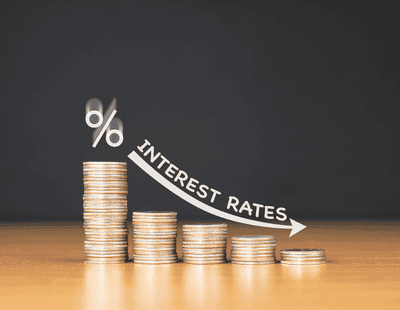
Agents are being warned that interest rates are likely to remain higher than expected for some time to come, despite the Iran ceasefire.
Two reports just released – from the Halifax and the Royal Institution of Chartered Surveyors – suggest the housing market is feeling the effects of higher than expected interest rates.
Tom Bill, head of UK residential research at Knight Frank, comments:“What goes up must come down, but for mortgage rates the drop will be more gradual than the sharp increase triggered by the Middle East conflict, even if the two-week ceasefire deal holds.
“Sentiment in the housing market will improve if the war stops, but its longer-term inflationary impact and weaker demand for UK government debt due its tight financial headroom and apparent inability to cut spending means mortgage rates won’t snap back to where they were in February.
“This will keep demand and house prices in check this year.”
Former RICS residential chairman and London agency owner Jeremy Leaf agrees: “Even if the conflict ends soon, inflation and mortgage rates driven up by oil price rises are likely to persist for a while at least.
“Activity picked up encouragingly earlier this year but was stopped in its tracks when it became apparent that fallout from war in the Middle East would be more long-lasting than previously feared.”
Karen Noye, mortgage expert at wealth management service Quilter, sees it this way:“Changes in mortgage costs do not feed through to house prices immediately, so any meaningful shift in price momentum linked to the recent rise in borrowing costs is likely to emerge from this point onwards.
“Looking ahead, the path for house prices will depend largely on how the conflict evolves. If tensions ease and energy‑driven inflation pressures recede, mortgage rates could stabilise and drift lower again, supporting broadly flat prices.”
And Emeritus Professor Joe Nellis – an economic adviser at accountancy firm MHA – adds: “A rise in UK bond yields and an expectation that the Bank of England will keep interest rates higher for longer means that buyers looking for both variable and fixed rate mortgages face higher financing costs.
“Even as news of a ceasefire raises the prospect of an end to the conflict, further economic implications are already inevitable. This is decisive for the housing market.”