[DAMASCUS] Syria has recorded a surplus in its state budget for the first time in 35 years, with the government saying the 2025 budget ended slightly in the black after public revenues rose faster than expenditures. The development marks a rare fiscal shift for a country that has spent decades running deficits and is still struggling with the long economic fallout of war, sanctions, inflation, and weak domestic production.
According to official figures, the 2025 surplus was driven by a noticeable rise in government revenue, which outpaced the growth in spending. Authorities attributed the result to measures aimed at improving tax and customs collection, tightening oversight of financial resources, controlling public expenditures, and reducing waste. Financial settlements tied to arrears and previous obligations also helped restore a measure of balance to state accounts. Still, the surplus narrowed in the final months of the year as spending increased and deferred dues were paid.
The result carries added weight because Syria has not posted a budget surplus since 1990. In the years that followed, the country fell into a long cycle of deficits driven by several factors, including declining oil revenues, expanding public spending, and, later, the damage caused by the war that began in 2011. That conflict destroyed large parts of Syria’s infrastructure, shrank economic activity, cut domestic production, and deepened the effect of sanctions that restricted trade and investment.
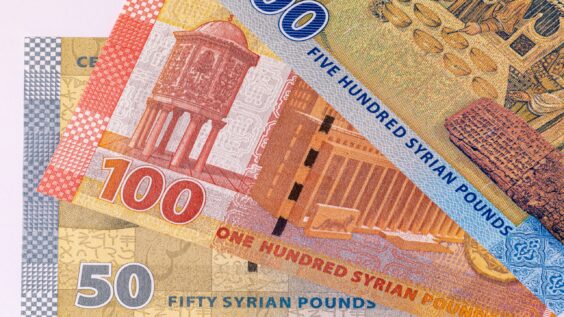
In recent years, the government has relied heavily on domestic financing tools, including borrowing from the central bank, a practice that added to inflationary pressure and weakened the Syrian pound, worsening living standards. Against that background, even a limited surplus carries symbolic value beyond its immediate financial impact, suggesting an effort to recalibrate fiscal policy and impose greater discipline on the management of state resources.
Even so, the surplus does not change the nature of Syria’s economy, which still depends on a narrow base of income, including customs duties and some revenue from the energy sector, while major productive sectors such as industry and agriculture remain weak. Part of the improvement in revenue may also reflect temporary factors or exceptional measures, raising doubts about whether the government can sustain the trend over time.
At the same time, the government has announced a larger budget for 2026, with a marked rise in spending, especially in social and service sectors, in an effort to improve living conditions and support a gradual recovery. That increase could place fresh pressure on public finances if it is not matched by real and sustainable revenue growth, especially as Syria continues to face weak investment, limited capital inflows, and ongoing external constraints.
While the budget surplus is a positive step in formal terms, its real significance will depend on the broader trajectory of the Syrian economy, which remains in a fragile phase of recovery after years of conflict. The central challenge is not only to balance revenues and expenditures, but to build an economic base capable of generating lasting growth, creating jobs, and raising incomes. That will require deeper reforms and long-term policies, not temporary fixes.
For now, the surplus may signal the start of a different path in public finance management, but it remains an early indicator in a complex economic environment shaped by intertwined domestic and external pressures. Whether it becomes a stable trend is still far from clear.