She said it was placing “responsibility and guilt” on children, parents and teachers, instead of tech bosses

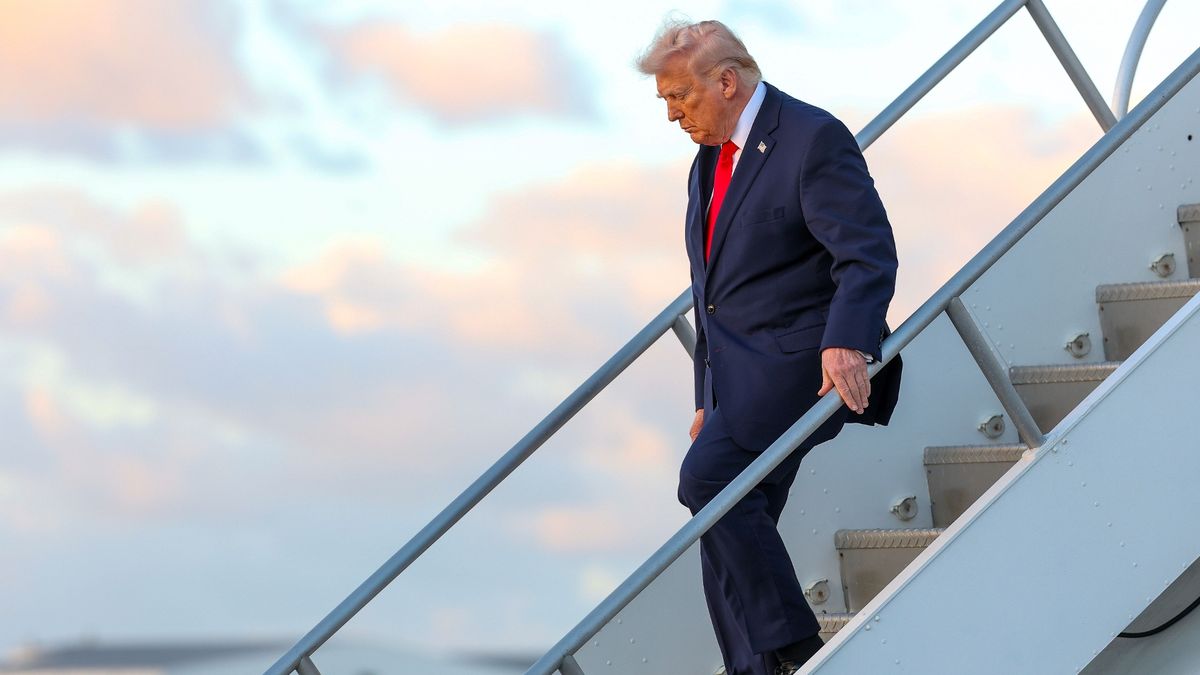
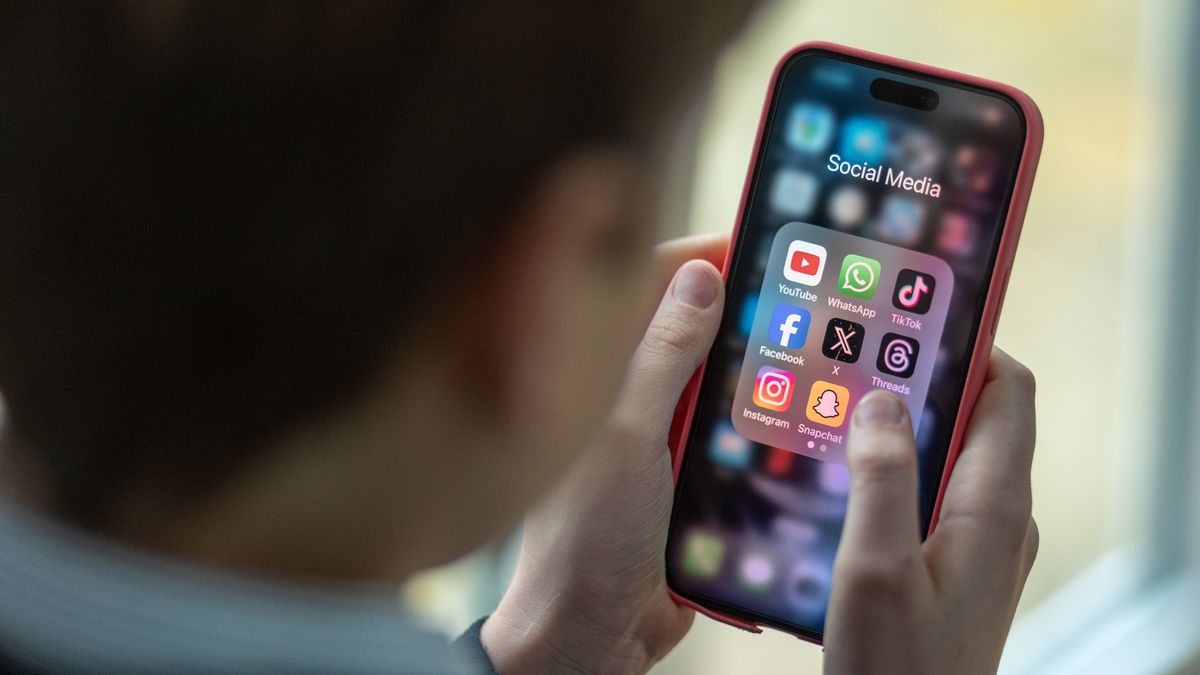
The UK government is currently consulting on the idea of banning social media for under 16s(Image: Getty Images)
Potential plans to ban under-16s from using social media would be a “desperate measure”, according to a leading Nottingham mental health expert.
The UK government is currently consulting on the idea, which it says is one of a series of measures intended to “protect young people’s wellbeing.”
Australia became the first country in the world to ban young people from using social media in December, prompting other countries, including Spain, to take similar steps.
However, some critics, including the father of Molly Russell, a teenager who took her own life after viewing suicide and self-harm content online, say authorities should instead properly enforce existing laws.
This opinion is shared by Elvira Perez Vallejos, professor of digital technology for mental health at the University of Nottingham.
“I think it’s a desperate measure. Instead of remediating or finding a solution from the very source, we are somehow protecting the victims,” she said.
“You are placing the responsibility, the guilt, or the punishment on the children. Parents are not responsible, teachers are not responsible, and neither are the users.
“It’s the guys who are designing this type of tech.”
The professor said more fundamental changes were needed, such as bringing social media companies under tighter regulation or introducing systems that ensure children only see age-appropriate content.
“What I would love to see is that there’s a massive change in the way social media is being designed for children and young people, or that age-appropriate content works.”
Prof Vallejos has worked with the government on the Online Safety Act, as well as with technology titans such as Alphabet, Google’s parent company.
She said she was “mesmerised” at the lack of regulation by governments across the world, who she said had a conflict of interest.
“They want the economy to be very successful, and therefore they don’t want to create laws that are going to maybe stop innovation or bring specific industries outside the UK,” she said.
“[Tech companies] have more power than the states or countries. They have so much money, and they can do whatever they want.
“So it doesn’t matter how much legislation, it doesn’t matter how much evidence we show that it’s actually negatively affecting lots of vulnerable groups of people, they don’t care because they don’t make money by caring.
“Unfortunately, it’s taking very long to actually make significant changes. Personally and professionally, it’s quite frustrating to see because we still have lots of very interesting social media apps that we know children access, and they have massive persuasive design features.”
The professor said the ban was not a good idea, but added that if Australia saw good results among young people’s mental health, then she might say “let’s go for it”.
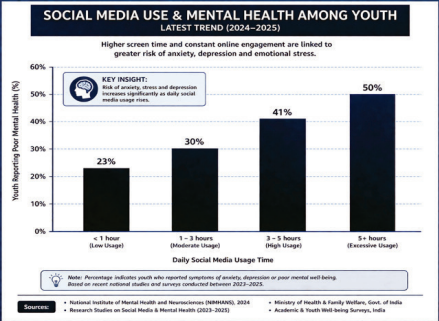
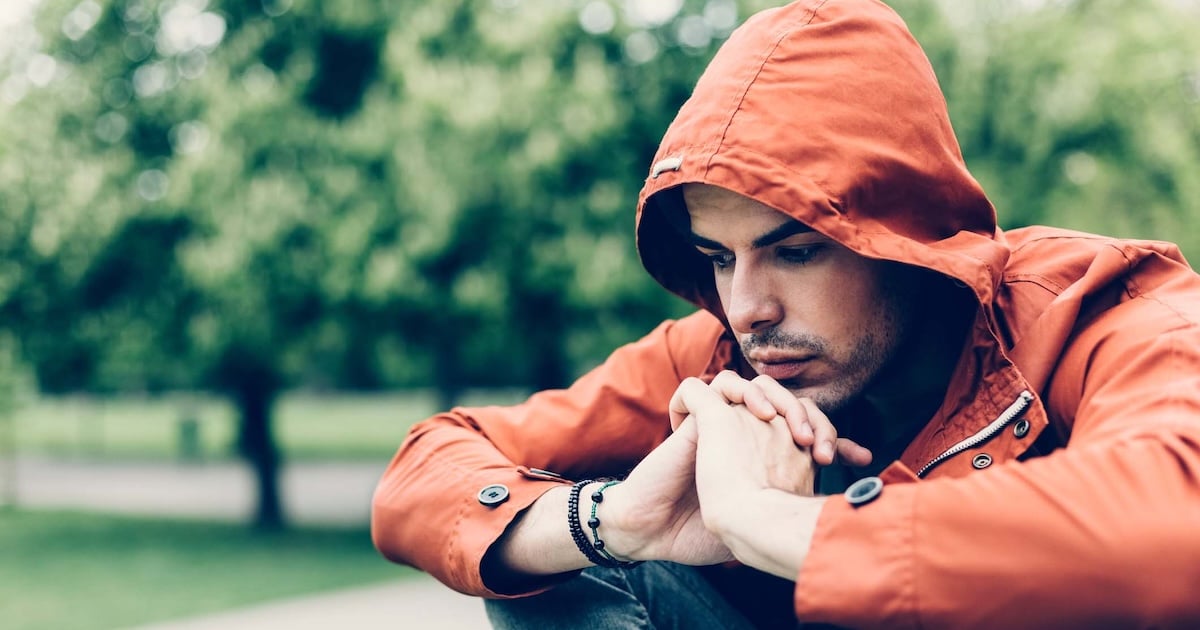
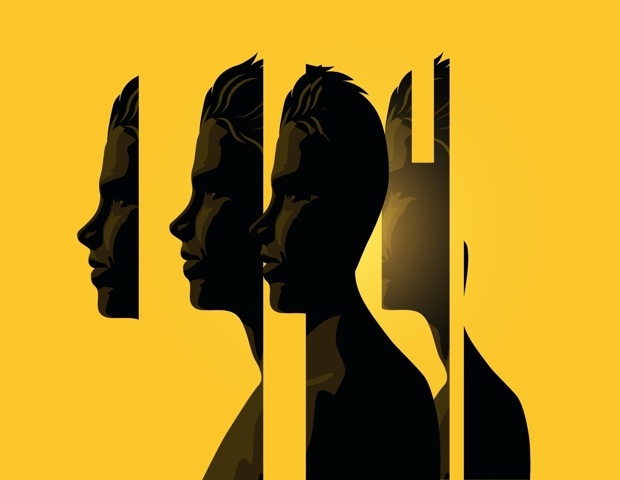
Body dysmorphia, eating disorders and a lack of apathy are among the negative impacts Prof Vallejos has seen among teenagers because of social media.
“There is more discomfort with people’s bodies, specifically young people’s bodies, that obviously can lead to eating disorders, but it’s also leading to higher levels of depression and anxiety,” she said.
“With teenagers, the brain is wired to take risks. They are adventurous, so they will access spaces that maybe they know they are not allowed, so they will be exposed to violence, to sex, to stuff that will affect the way they see their world.”
Through her work with Alphabet, the professor said she became angered by the fact that many of the company’s executives kept their own children off social media
“They go to schools that are very expensive, and they are all the time playing in the woods, and I found that so unethical and infuriating,” she said.
“So why are my kids accessing technology you couldn’t give your children? That’s wrong.”