Greater Shepparton City Council is reminding farmers planning to burn stubble this season, to take proactive steps to safeguard paddock trees and surrounding native vegetation.

Paddock trees play a critical role in agricultural productivity, environmental health and community wellbeing, providing benefits including:
- Improved soil health – production of healthy organic matter and erosion control, retention of nutrients.
- Increased stock productivity – provision of shelter from extreme heat, wind and cold.
- Natural pest control – the provision of habitat for birds and bats that feed on pest insects and mice.
- Wildlife habitat – including pollinators that are essential for fruit, vegetable and other crop production.
When undertaking stubble burning, landholders must comply with all legal obligations, including not conducting burn‑offs on Total Fire Ban days.
There are a number of easy steps that can be taken to protect paddock trees when stubble burning:
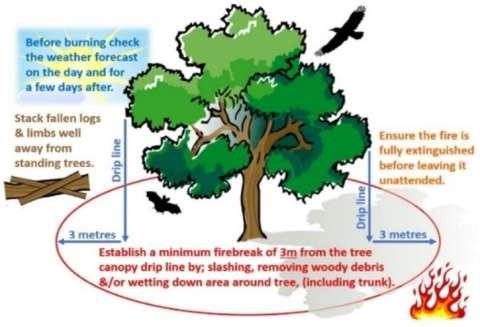
- Create a firebreak of no less than three metres from the edge of the canopy (drip line) around each tree, including standing dead trees.
- Use small, controlled back burns from the firebreak around each tree to ensure trees and native vegetation are not scorched, as heat from a stubble burn can damage paddock trees up to 10 metres away.
- Conduct burning during cooler weather to reduce impacts to soil microbes.
- Stay in attendance until the fire is completely extinguished and ensure there is adequate water supply available to control the burn.
Council’s Manager Environment, Sharon Terry, urged farmers and landholders intending to burn stubble this year to understand the risks and act responsibly.
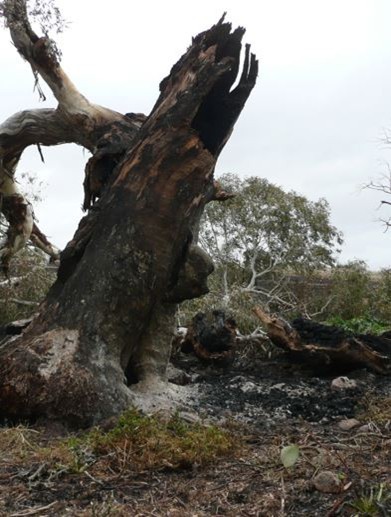
“It is illegal to remove, lop or destroy native vegetation, including paddock trees and standing dead trees, and protecting them during stubble burning is essential,” she said.
“These trees support farm productivity, biodiversity and long‑term environmental health, which is why it is so important to factor them into every burn plan.”
Landholders need to:
- Adhere to Council, Department of Energy, Environment and Climate Action (DEECA) and CFA regulations and laws relating to burn-offs.
- Check weather conditions during the planned burn days and the days following.
- Notify neighbours in advance of the planned burn.