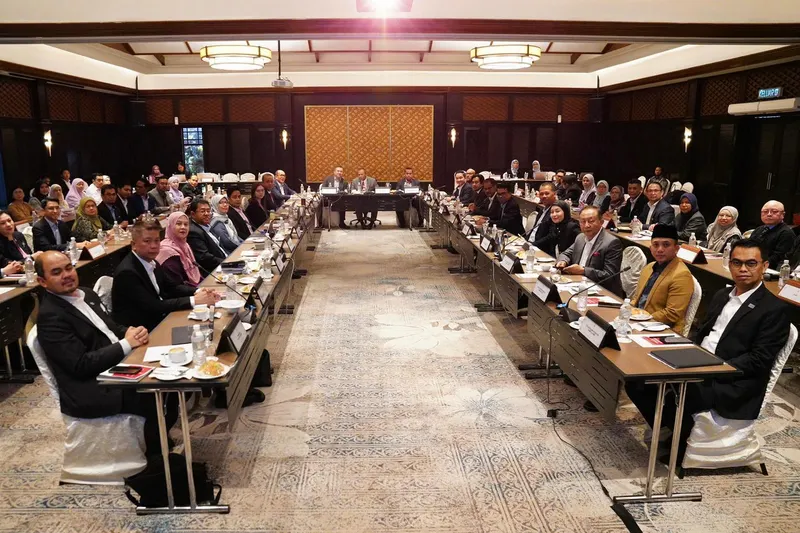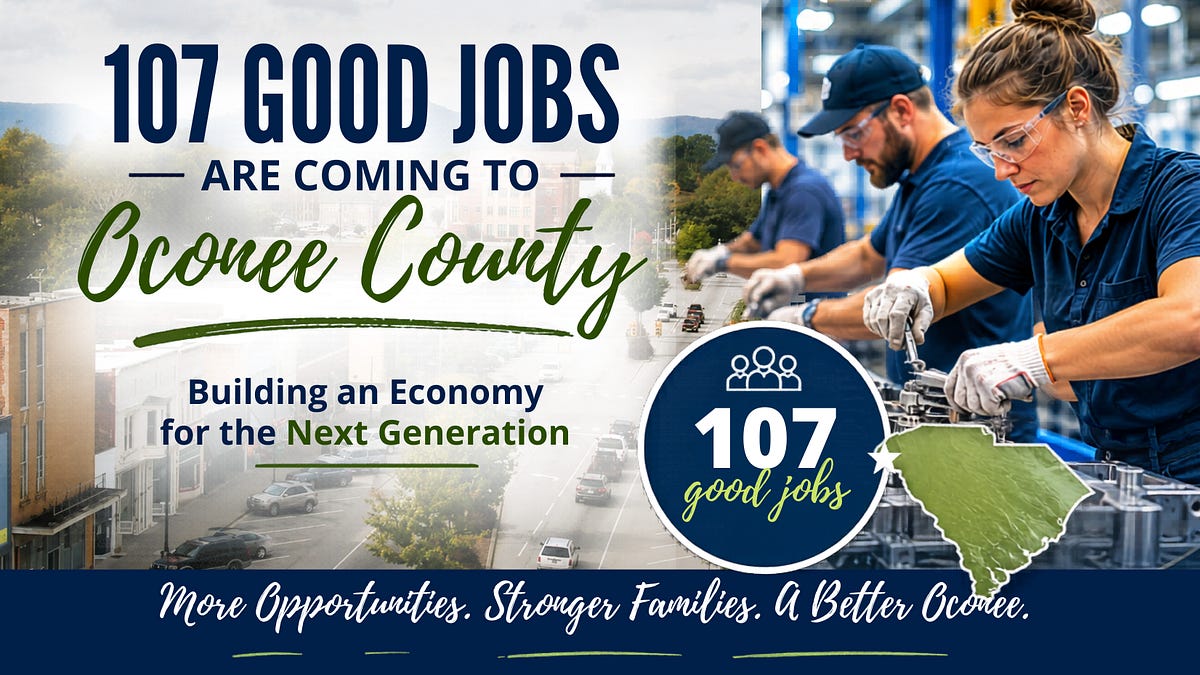
More than 20 business groups have urged the Economy Minister and the Executive not to rush through reform of employment rights over the rest of the Assembly mandate.
The coalition said changes in the Good Jobs legislation were “wide-ranging and complex” and should not be rushed through before the end of the mandate early next year.
The Bill includes banning zero-hours contracts and instead gives workers the right to request banded‑hours contracts after a qualifying period; the introduction of a right to disconnect outside working hours; and proposals lowering the employee threshold for statutory recognition of trade unions from 21 to 10.
The coalition, which includes groups in manufacturing, retail, logistics, farming, agri-food, construction, hospitality and professional services, acknowledged that some earlier concerns had been heeded.
However, in a letter to Economy Minister Dr Caoimhe Archibald, it said that the Good Jobs Employment Rights legislation comes at a time of “unprecedented pressures”.
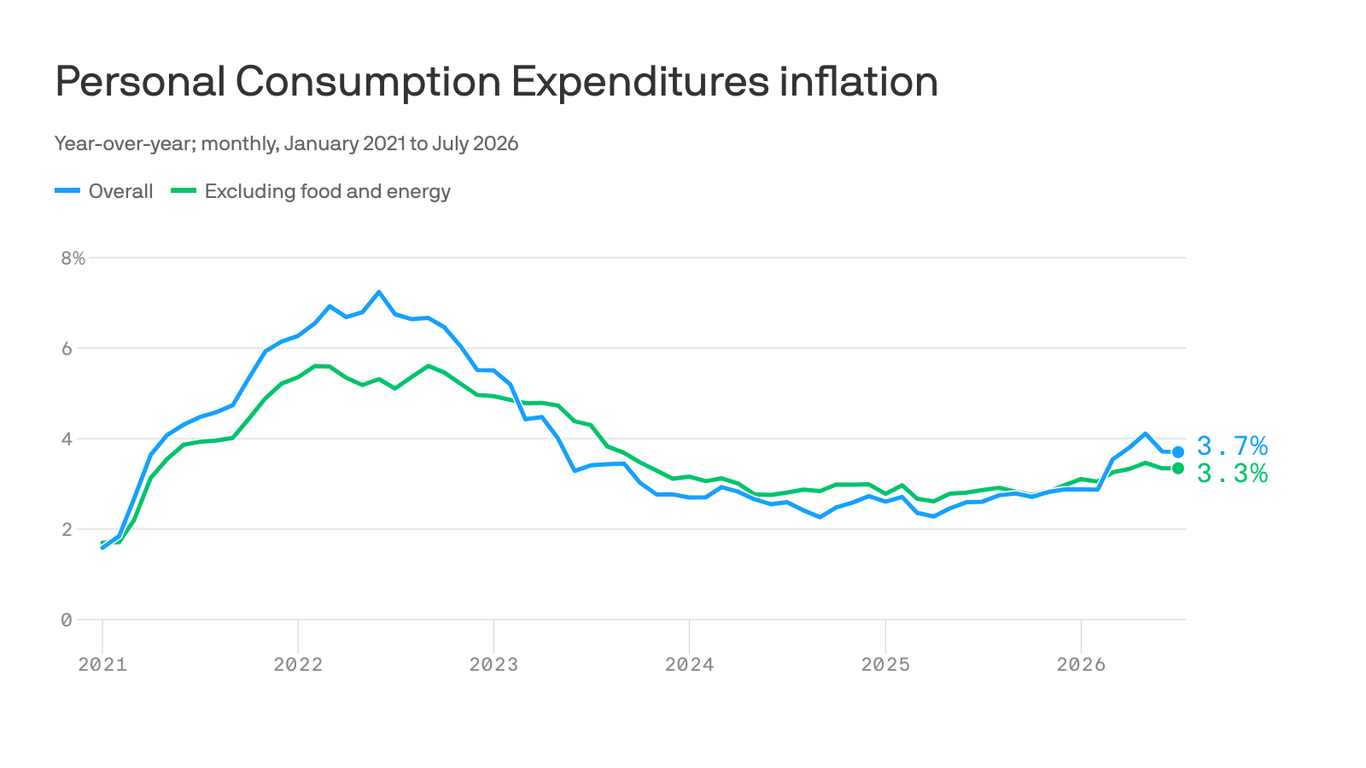
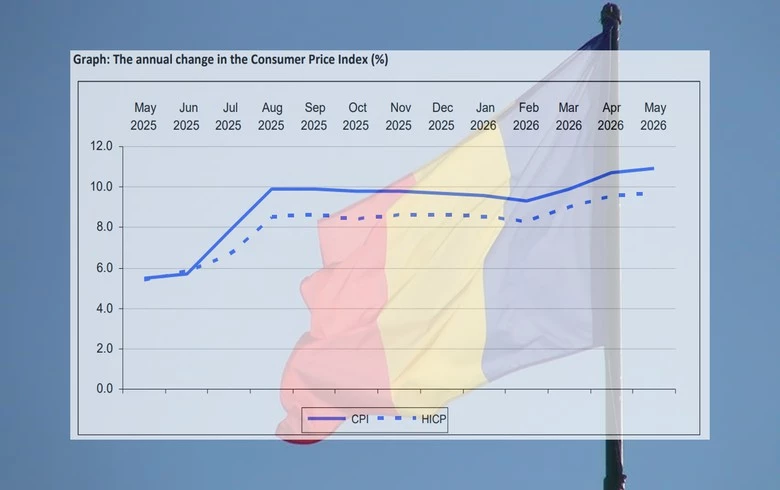
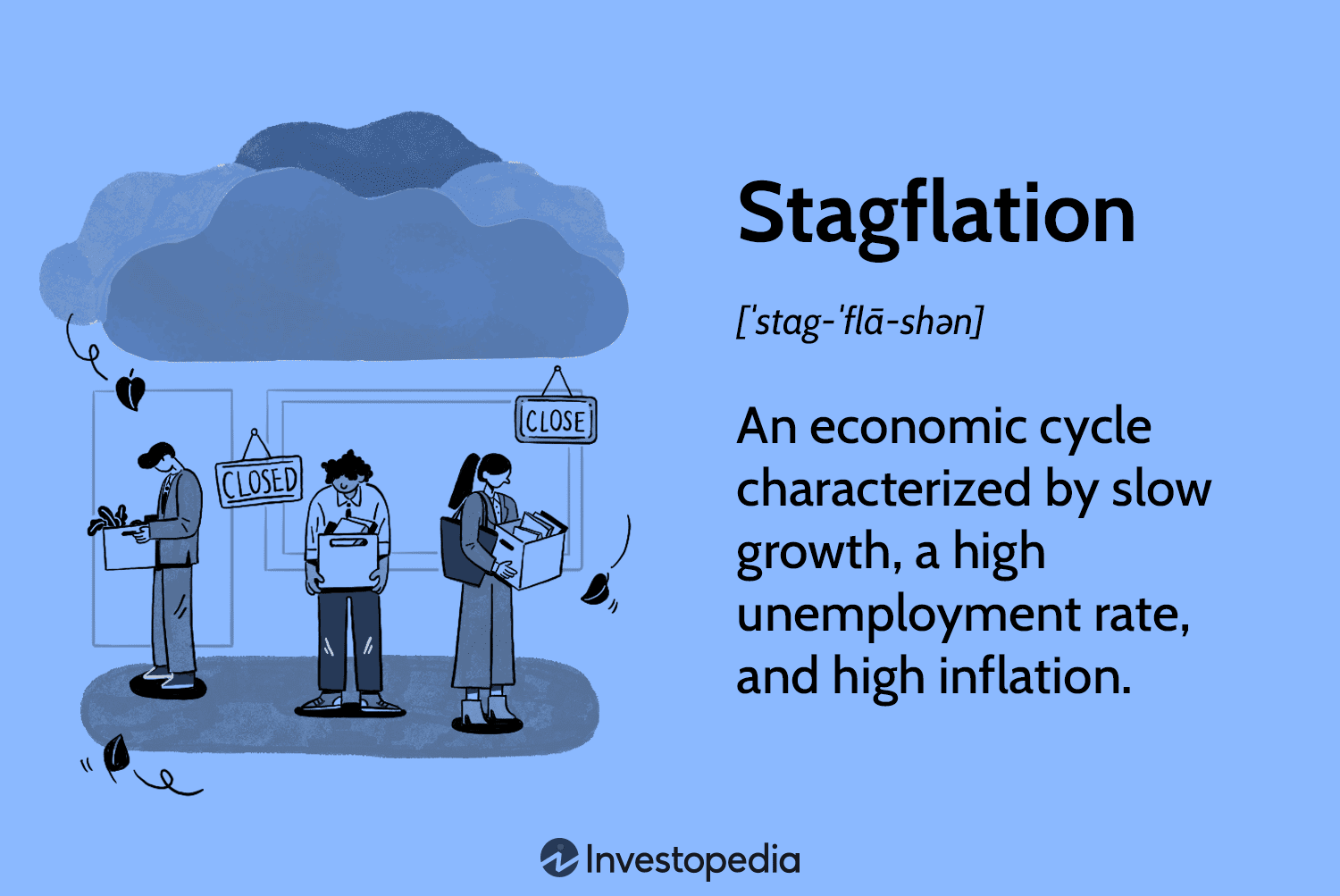
“With cumulative UK inflation rising by more than 20% since the outbreak of war in Ukraine in 2022, sustained energy price pressures and heightened global instability, the economic environment is extremely challenging.
“With no end in sight, economic shocks continue to erode business resilience, along with significant added costs of doing business and employing skilled workers.
“Following ongoing engagement with members, the coalition had previously suggested breaking the proposals into smaller, more manageable Bills, allowing for proper scrutiny and targeted reform.
“They now believe that the remaining time in this mandate is insufficient to deliver due and proper scrutiny of some of the most significant proposed changes to employment law in Northern Ireland in decades, which currently incorporates at least 50 policy measures.”
It called for “genuine partnership” between business and the Executive.
“Given the cumulative pressures now facing Northern Ireland – including the ongoing cost‑of‑doing‑business crisis, the Executive’s budgetary constraints, continued global instability, and heightened geopolitical uncertainty — we believe that this is a moment requiring genuine partnership with employers and measured decision‑making.
“We are increasingly concerned that we are running out of time to ensure that full and proper scrutiny can be given to the Bill, or indeed, any potential amendments.
“The risk of unintended consequences is now so significant that all consideration should be given to deferring the Bill to the next mandate. The stakes for workers, employers, and the wider economic recovery are simply too high.”
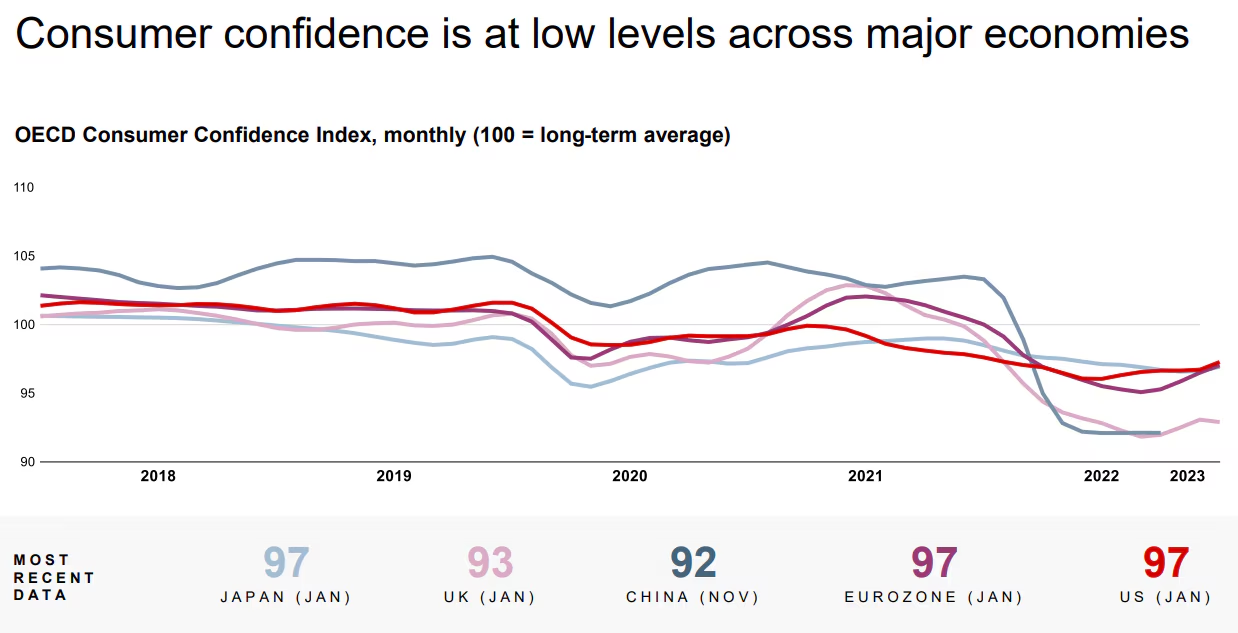
The group added: “We share the Minister and Executive’s ambition for a globally competitive and sustainable economy. At a time when youth unemployment remains stubbornly high, job creation is stalling, and business confidence is at record lows, the Executive must do better in responding to employers’ concerns if it hopes to reverse any of those trends.
“The opportunity now is to ensure that we have the right foundations for a more productive and prosperous economy that works for everyone.
“We need to ensure that all aspects of the proposed employment legislation support and do not hinder our members’ ability to operate their businesses, employ people and invest in Northern Ireland for the long term, particularly in light of the extraordinary pressures they currently face.
“This is not the time to push through this legislation, rather it is a time for employers and politicians to come together in partnership to address the economic shocks and protect business and local jobs.”
But NIC-ICTU, which represents 34 trade unions, said the opposition of business groups “is based on little evidence and few specific objections to the most comprehensive updating of employment law in a generation”.
The organisation said: “This legislation has been in train for over two years since the return of devolution in February 2024.
“There has been detailed consultation, ongoing discussion and numerous meetings with business and employer groups as well as trade unions.
“If this is not the time to push through legislation which is expressly supported by a clear majority of MLAs and Executive parties, when is?”
It added: “The issue is not time. The issue is will. This cynical letter to the Minister is an attempt to block positive change that people understand and want.”
NIC-ICTU said a poll by Lucidtalk had shown “huge” support from parties for action to prevent zero-hour contracts, for workers to have reasonable notice of shift changes, and for workers to have the right to be able to access a trade union in their workplace for help with employment issues.
“Most firms being represented by these 20 lobby groups are practicing already many of these proposed improvements.
“The only firms that will benefit from the Good Jobs Bill being stalled are those who are undercutting good employers.”
They described the letter as a “time-wasting exercise”. “These business lobby groups would be better off engaging seriously in updating our employment laws than seeking the Minister to give up on reforms which will benefit workers and the economy as a whole.”
The Economy Minister has been asked for comment.
Poll points to widespread support across the sectarian divide for NI workers’ bill