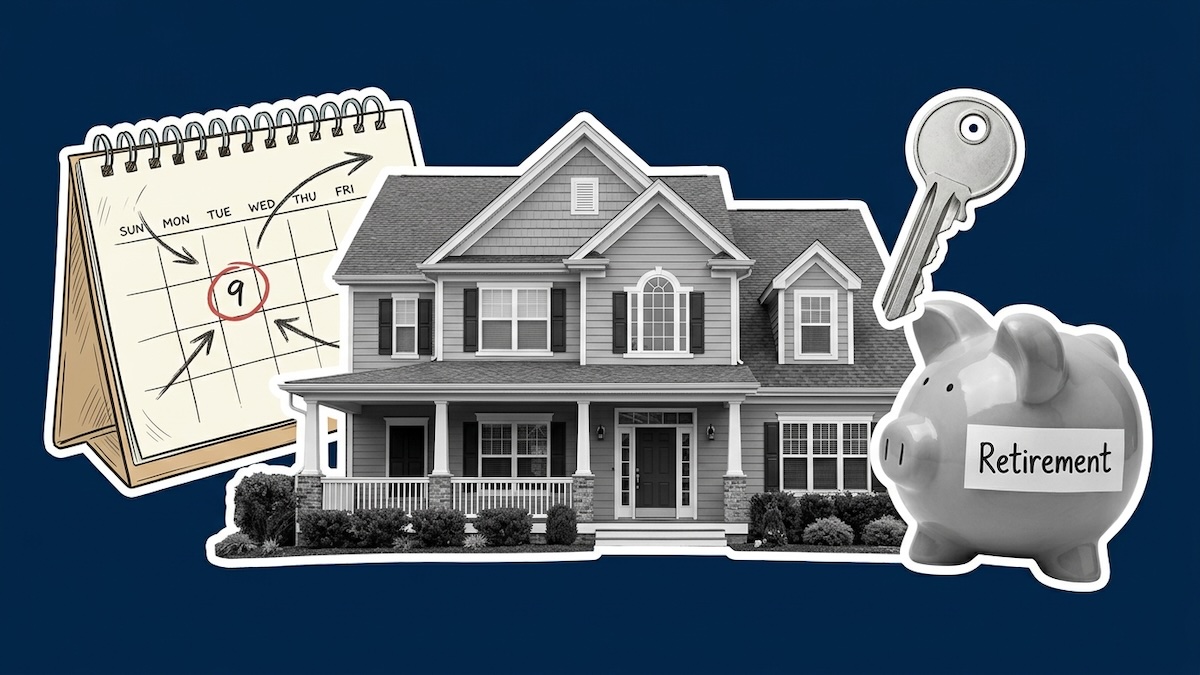
Financial planning for retirement goes beyond a 401(k), pension, or even savings. Homeowners who’ve been paying a monthly mortgage have gained equity—the total amount of home you currently own.
To figure out how much equity you have, you’d take the difference between how much your home is worth and how much you owe on your mortgage.
Home equity increases as you make more payments, essentially paying down your mortgage. This equity offers some financial flexibility—if used wisely.
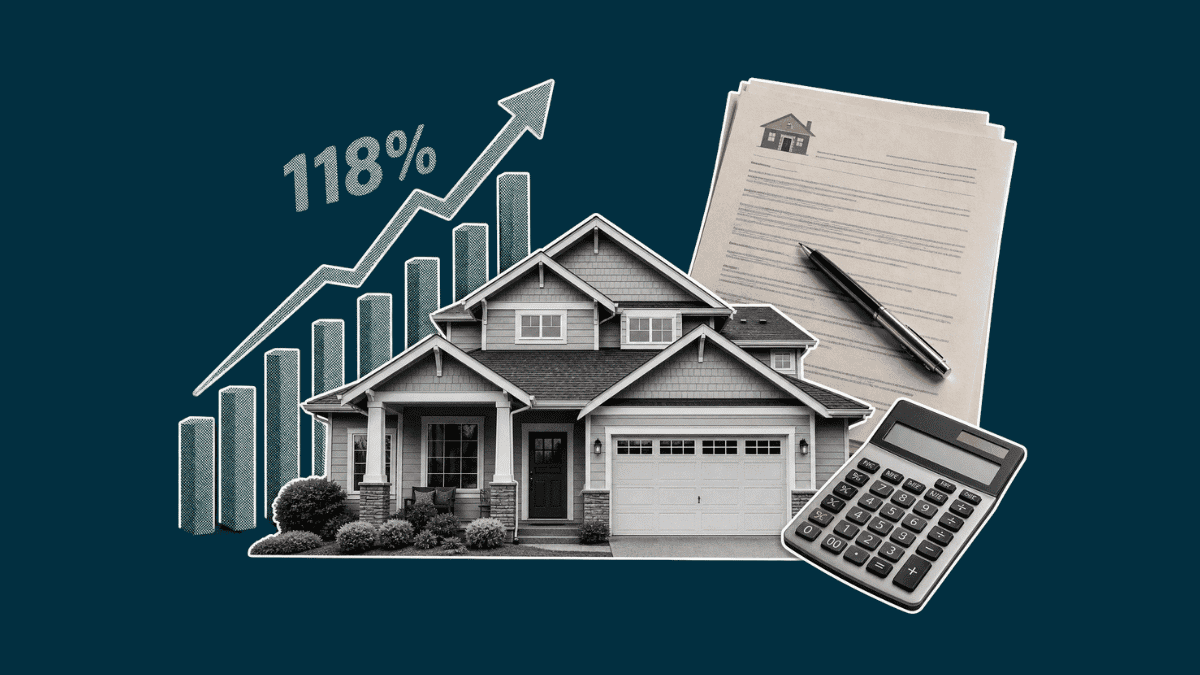
At least 48 million mortgage holders have tappable equity, with the average homeowner sitting on $212,000 in equity, according to ICE Mortgage Technology.
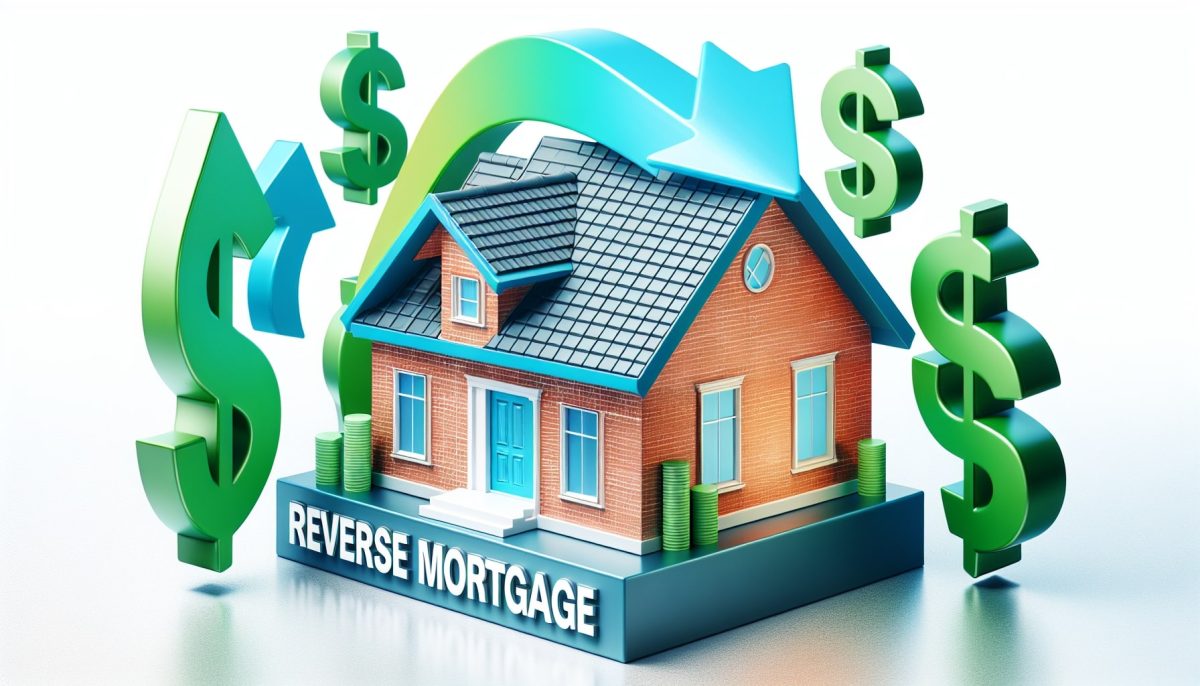
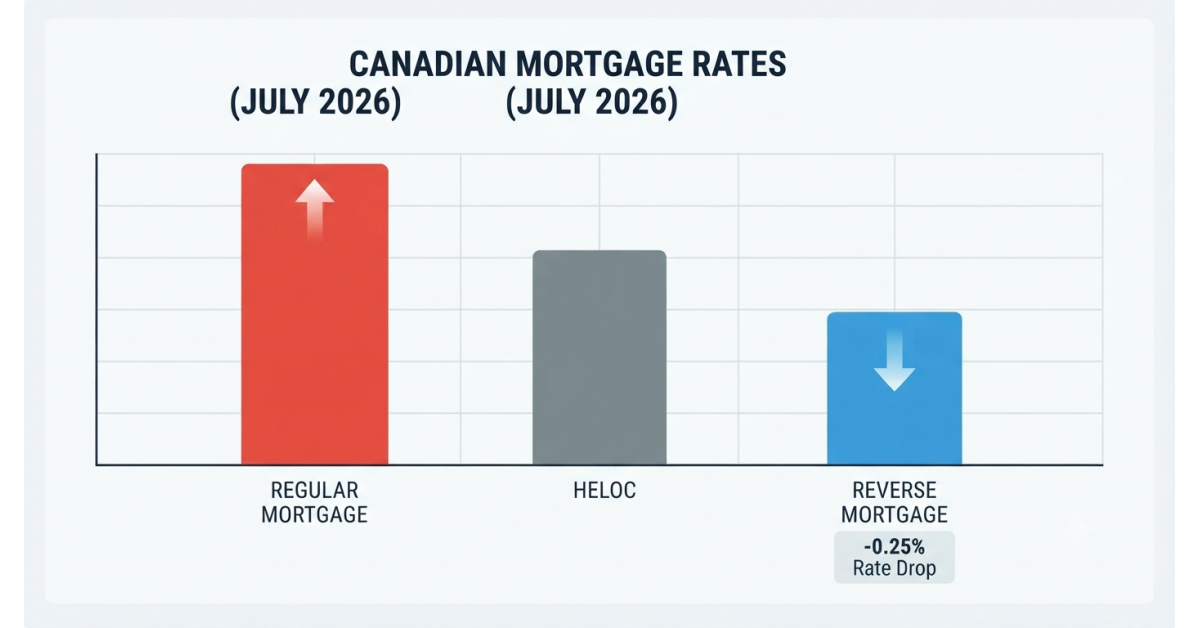
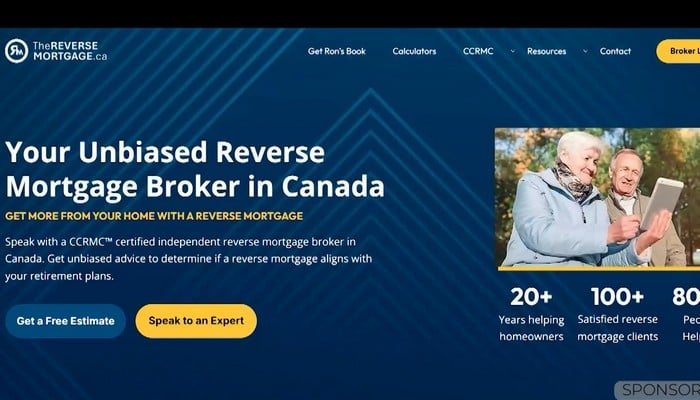
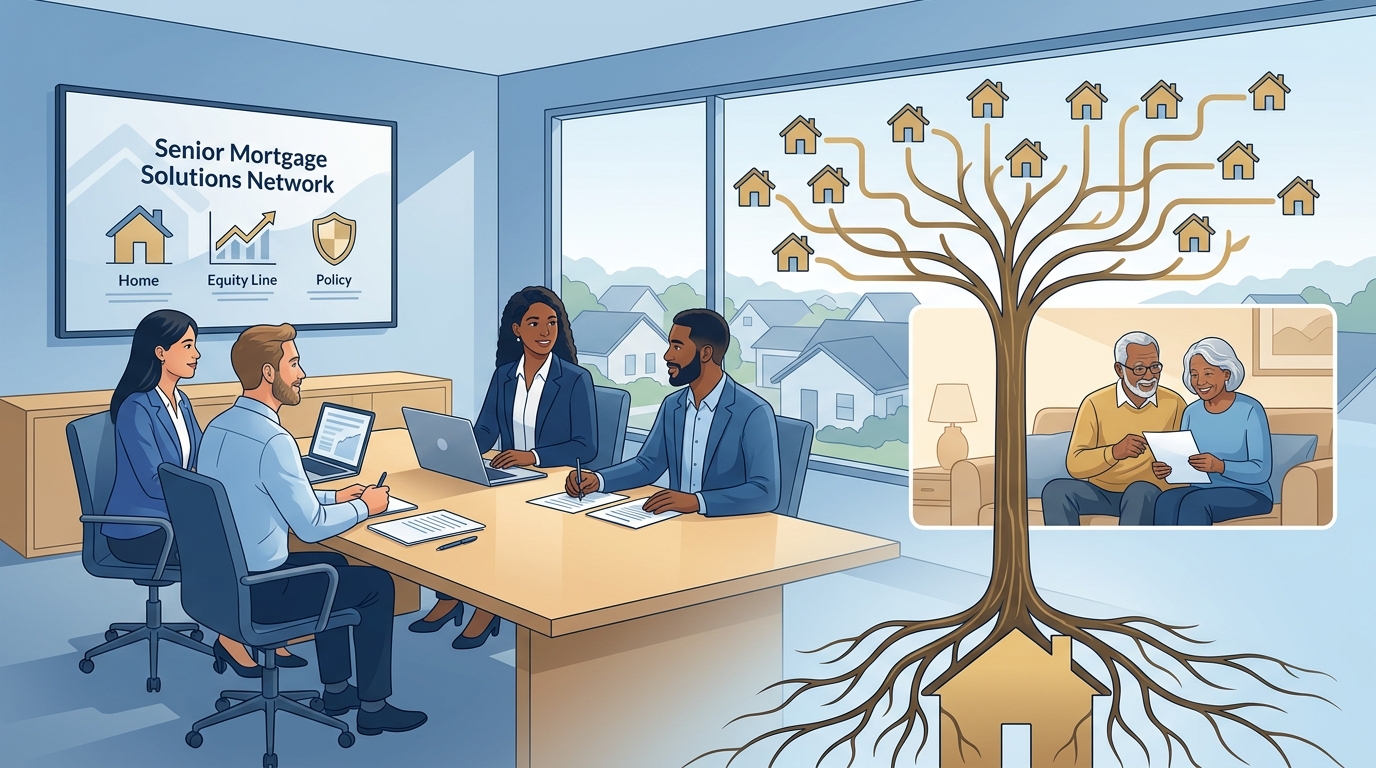
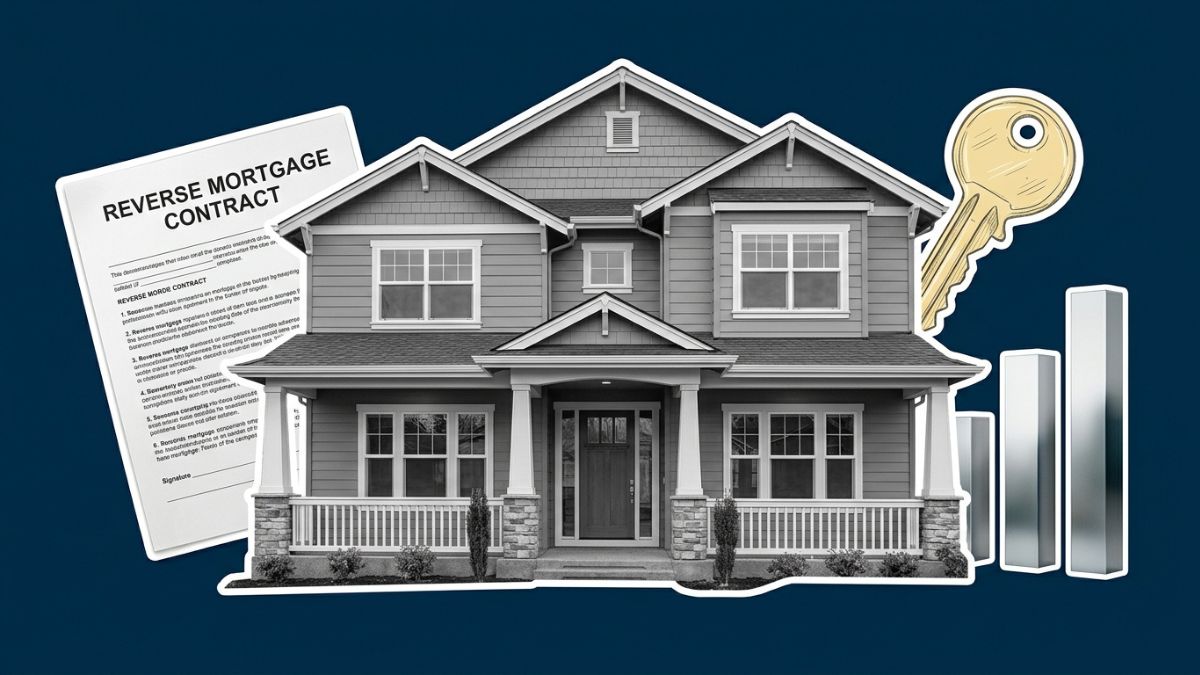
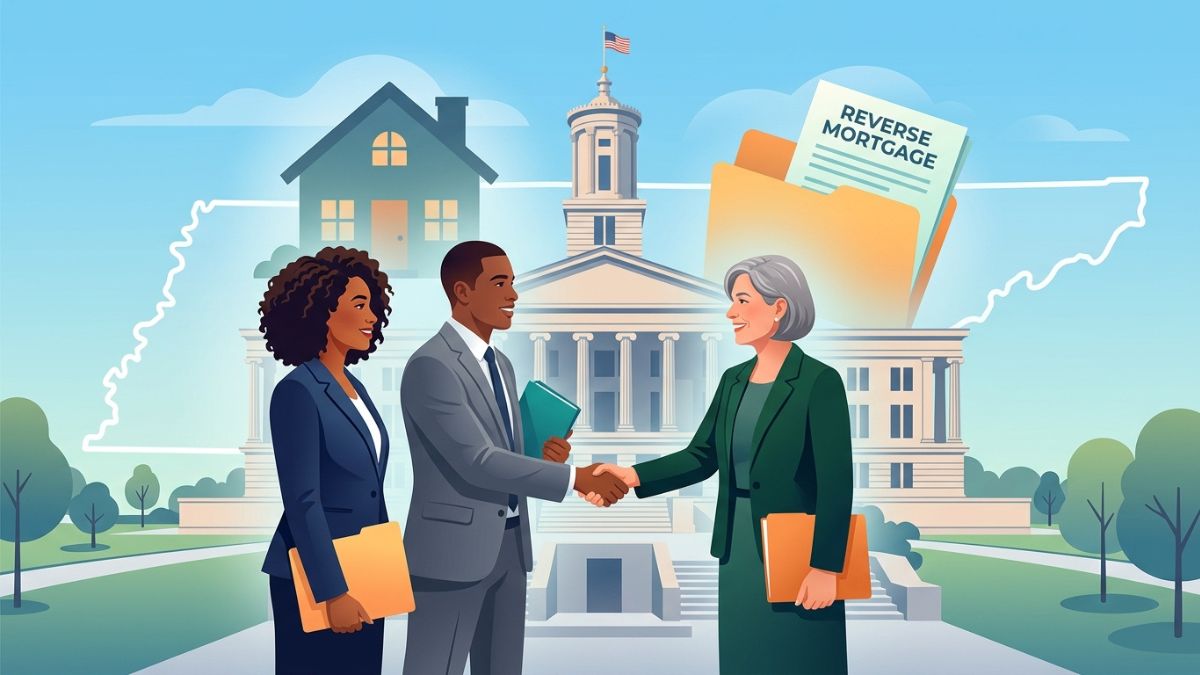
Equity can be used to take out a home equity line of credit (HELOC) or, for homeowners 62 and older, a reverse mortgage is available.
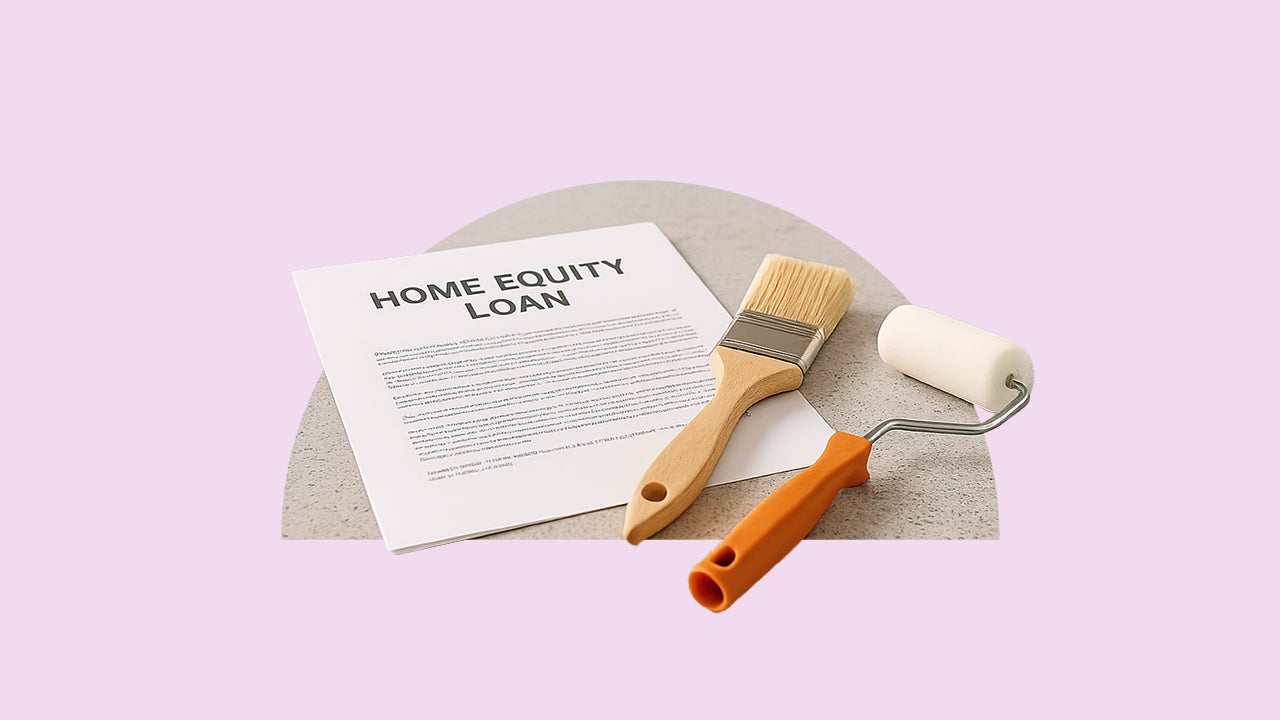
A HELOC is a line of credit secured by your home that gives you a revolving line of credit to use for large expenses.
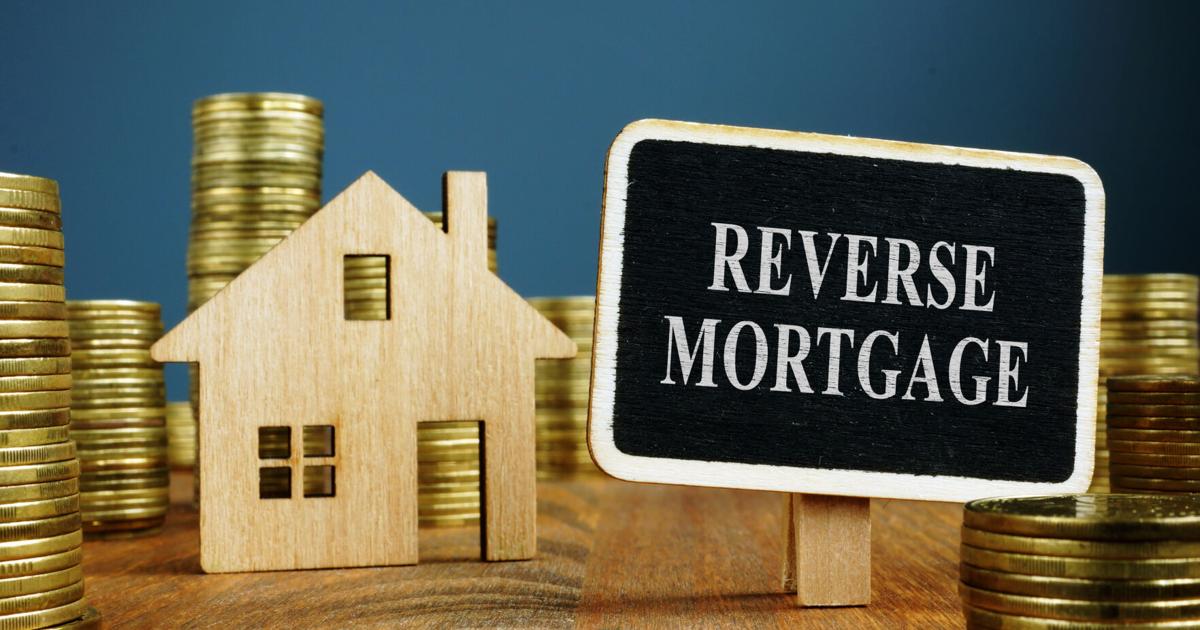
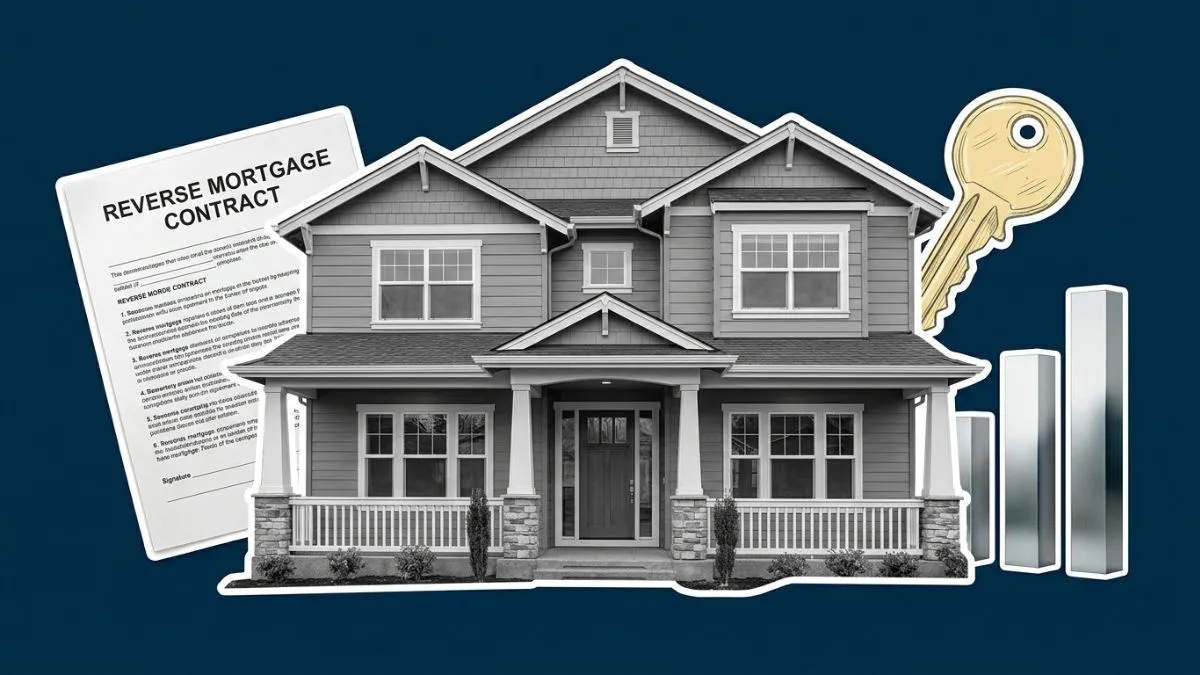
A reverse mortgage is a home loan you do not have to pay back as long as you live in your home, but owners will need to pay it back once they move or die. Proceeds from the sale of the home will be used to pay off the loan.
But is it a wise move?
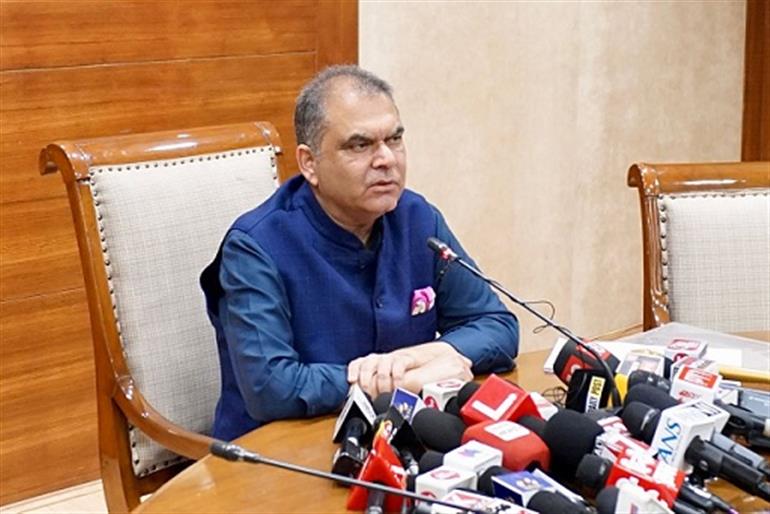
“I routinely see clients treat home equity like a piggy bank against my advice,” Chad Cummings, certified public accountant and attorney with Cummings & Cummings Law, tells Realtor.com®.
“The homeowner who borrows against equity—either via HELOC or reverse mortgage—and defers repayment until death, sale, or permanent departure from the home, remember that deferral is not forgiveness. The loan balance compounds, and the lender collects interest for every year the borrower remains in the home.”
Tapping into equity
The Federal Trade Commission explains that typically, the money you get through the reverse mortgage is tax-free and won’t affect your Social Security or Medicare benefits.
But not so fast. The equity you’re tapping into will need to be paid back, and that burden will lie on a beneficiary. Generally, your spouse, co-borrower, or estate repays the loan when you sell your home, move out, or die.
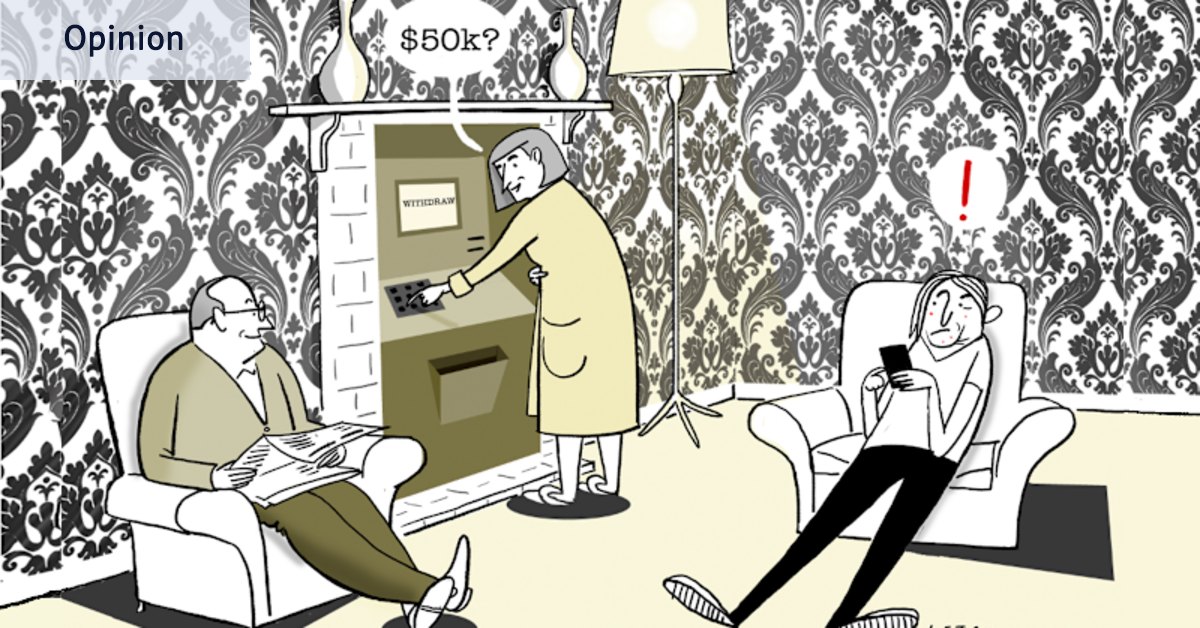
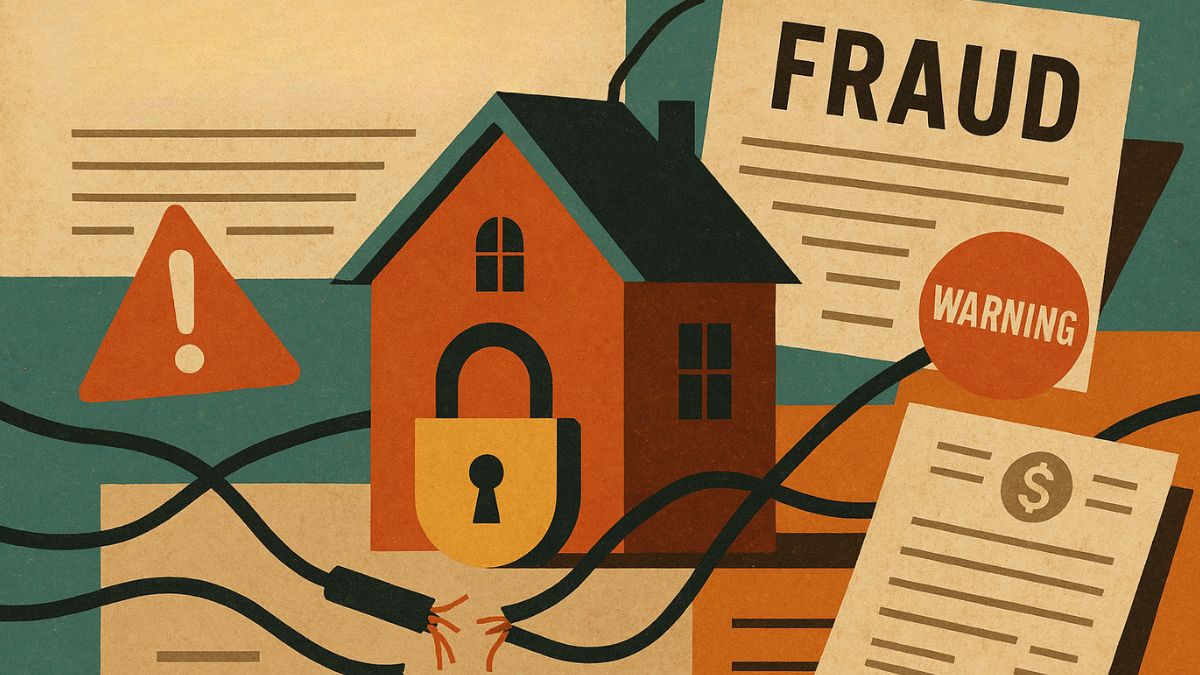
“The reverse mortgage industry has a reputation for targeting vulnerable seniors with high-pressure sales tactics, and the FTC has investigated this industry more than once,” Cummings says. “Remember, if a senior accepts a reverse mortgage, the most common outcome is that their beneficiaries will receive little or nothing upon their passing. Many adult children make the mistake of budgeting for an inheritance only to learn during probate that their parent was financially insolvent.”
So, while a reverse mortgage is tax-free, it’s not “free” cash for the taking.
Cummings explains that while HELOCs are similar to reverse mortgages, they carry their own set of problems.
“The draw period creates an illusion of free capital. When the repayment period begins, the payment structure shifts from interest-only to full amortization (similar to the psychological and behavioral biases associated with student loans), and borrowers face a payment increase at the worst possible time,” Cummings says.
“Variable-rate HELOCs expose borrowers to rate risk with little to no ceiling protection in many loan agreements. Also, interest on HELOCs is only deductible to the extent the capital is used to improve the home. In other words, using a HELOC to pay down credit card debt or take a vacation makes the interest nondeductible for tax purposes.”
Money moves
When you take out a reverse mortgage, you’re no longer earning money; you’re borrowing your equity.
You’re also still on the hook to pay property taxes and home insurance. Interest also adds up, and your heirs may be left with very little home equity if you use a reverse mortgage.
“I watch clients fixate on the absence of a monthly payment and ignore that the loan balance can exceed the original principal within a decade—less with interest rates where they are today,” says Cummings.
“A single missed property tax payment triggers a default, and the servicer can initiate foreclosure. I have seen this happen to clients who took reverse mortgages to avoid cash flow pressure during market downturns and then failed to account for taxes in escrow.”
Cummings’ advice to his clients, especially those nearing or at retirement age, is to exhaust every alternative before using your primairy residence as collateral.
“Your residence is, in many cases, your most valuable asset. As soon as you borrow against it, that asset becomes a liability,” explains Cummings. “Alternatives to HELOCs or reverse mortgages: Negotiate payment plans with creditors. Liquidate underperforming assets. Consult a tax professional about Roth conversion laddering to generate liquidity. These are all legitimate and workable alternatives to leveraging your home.”