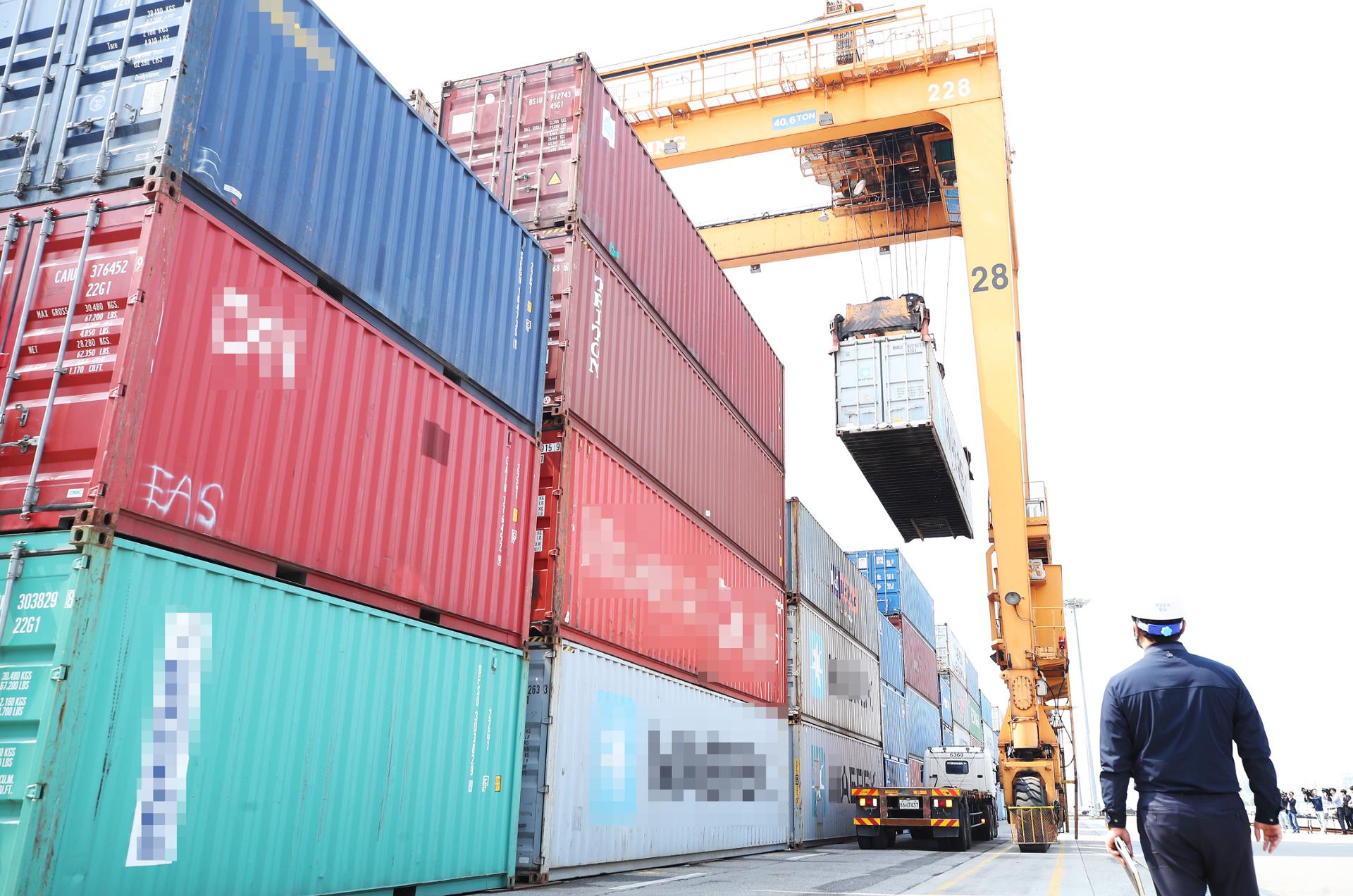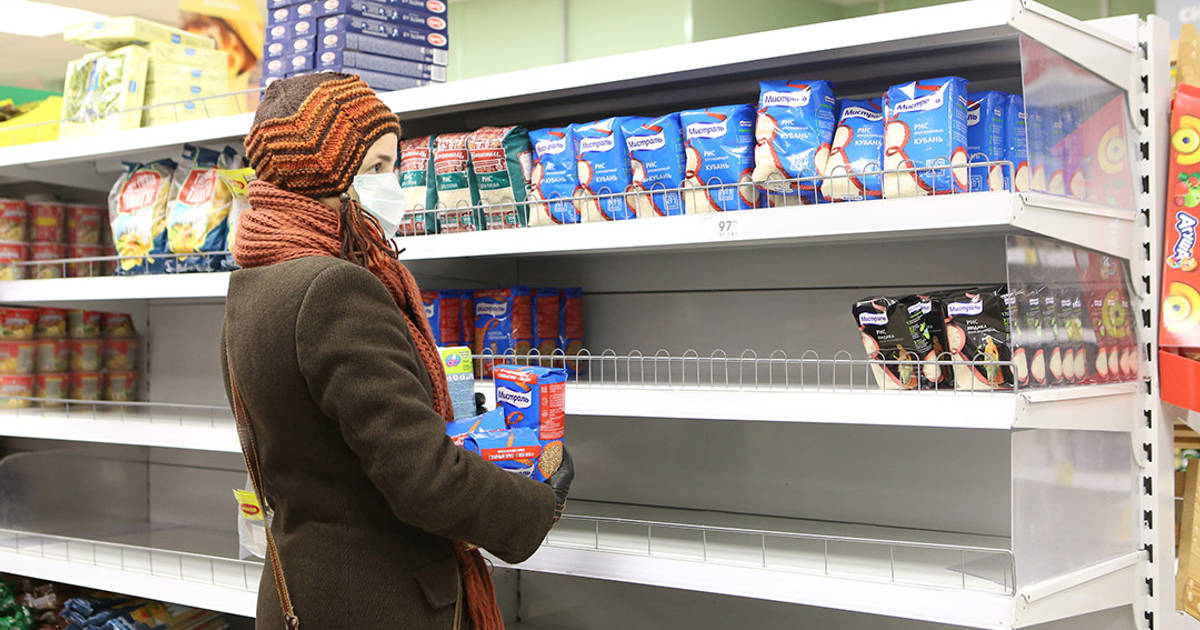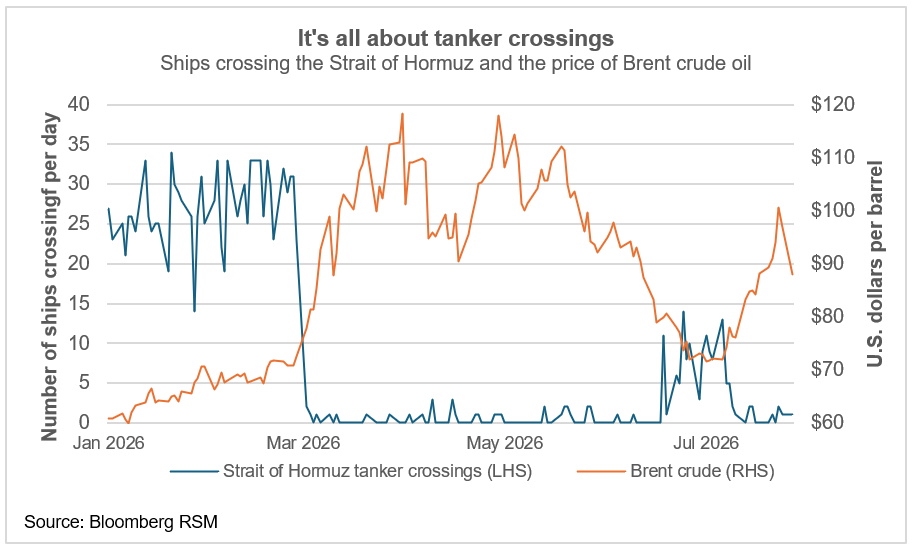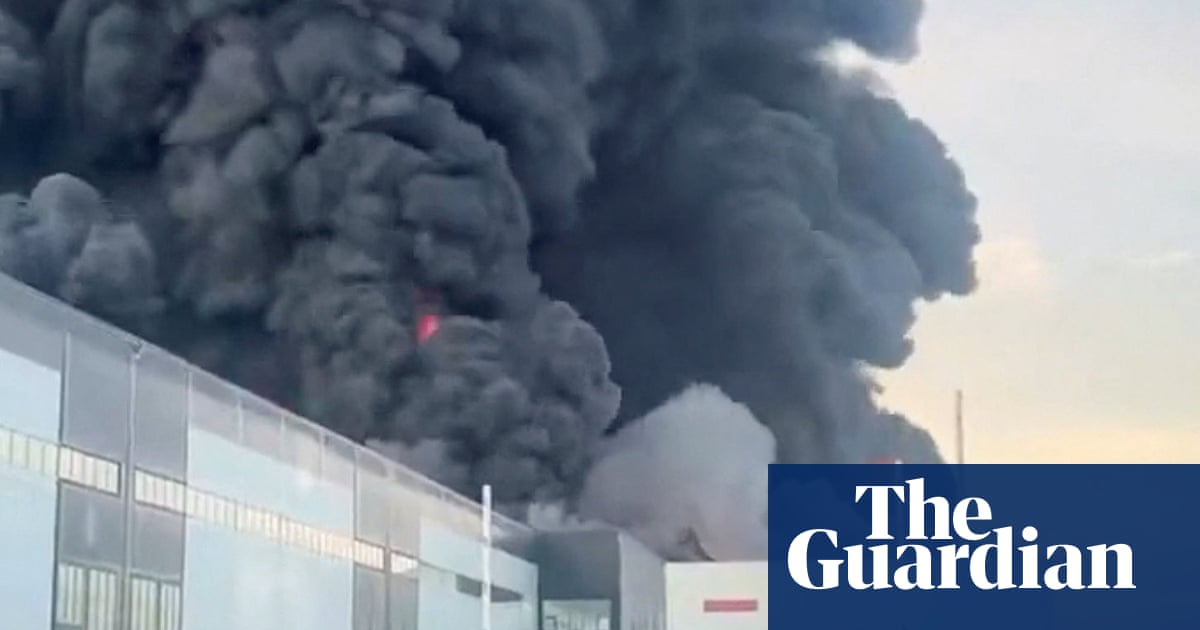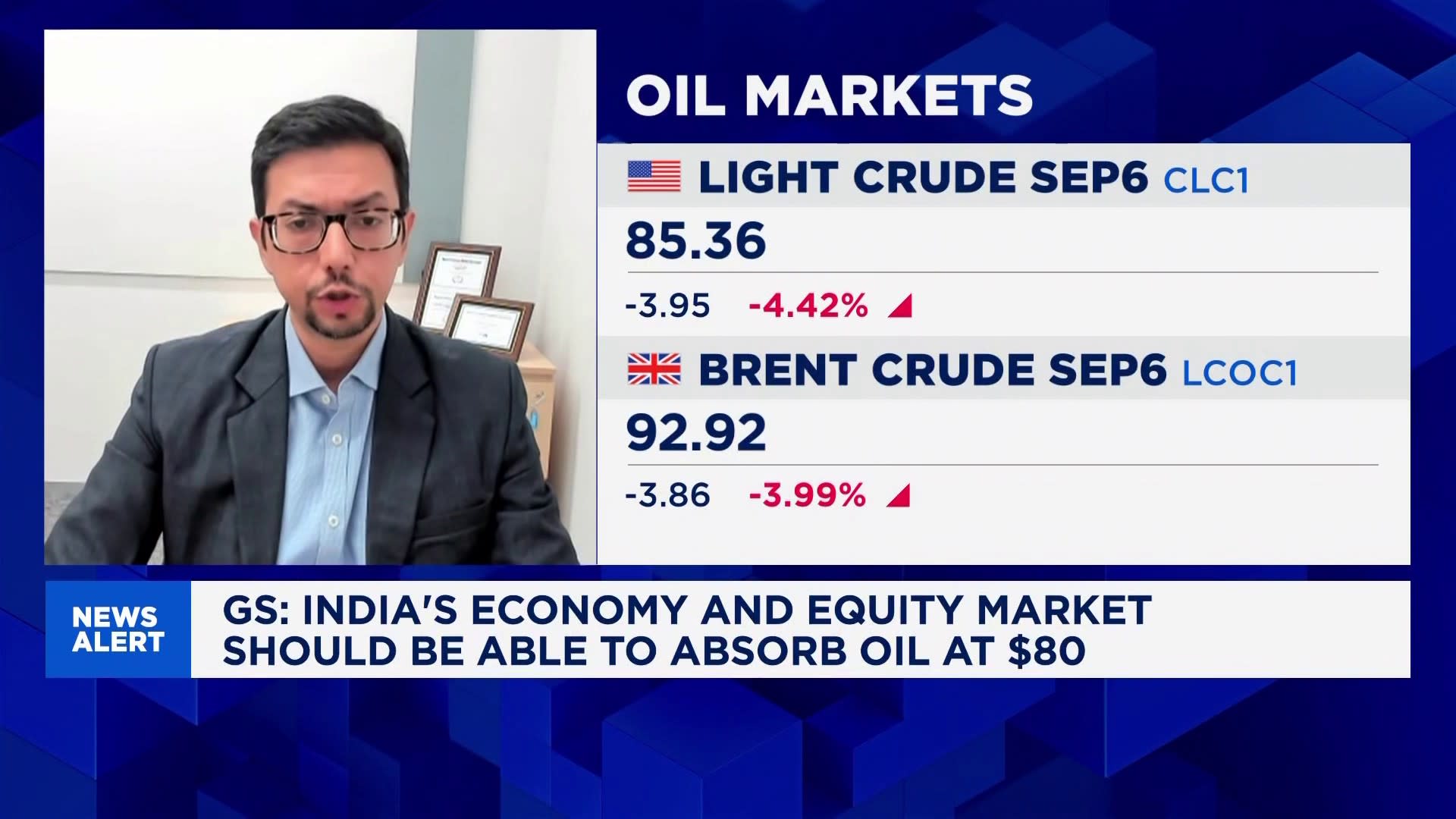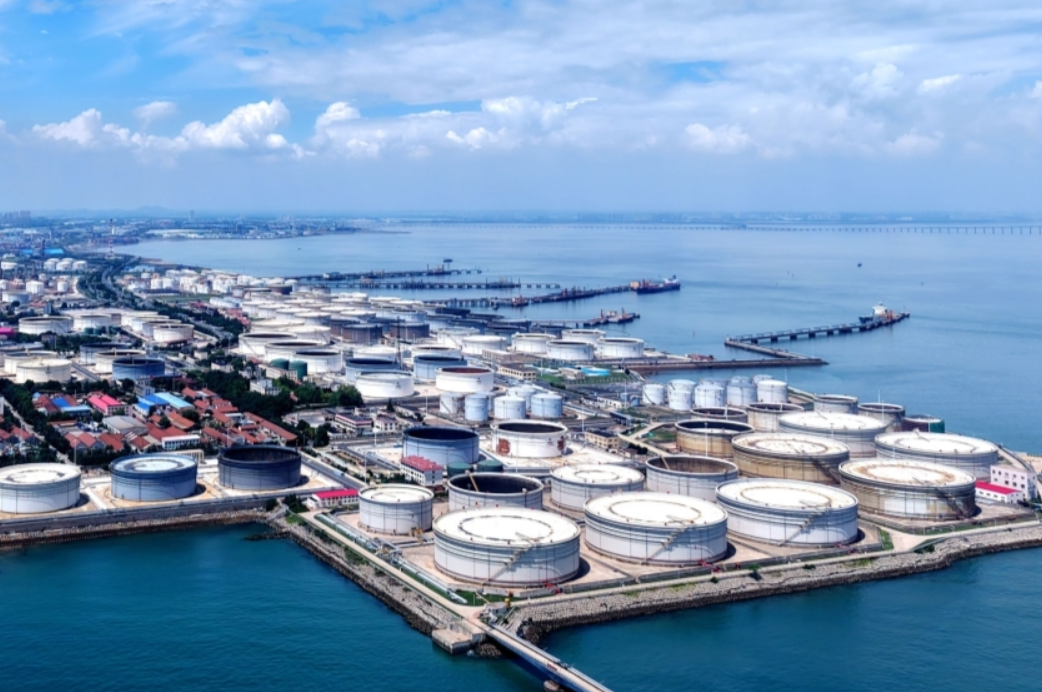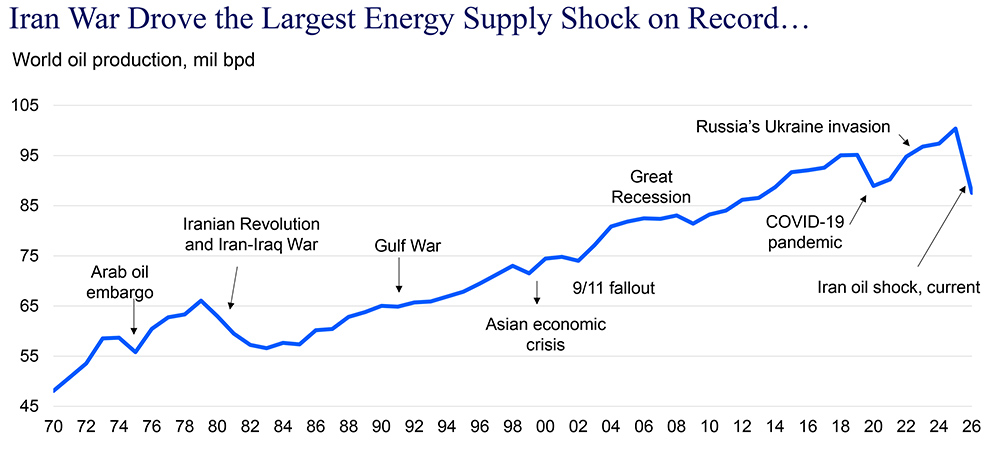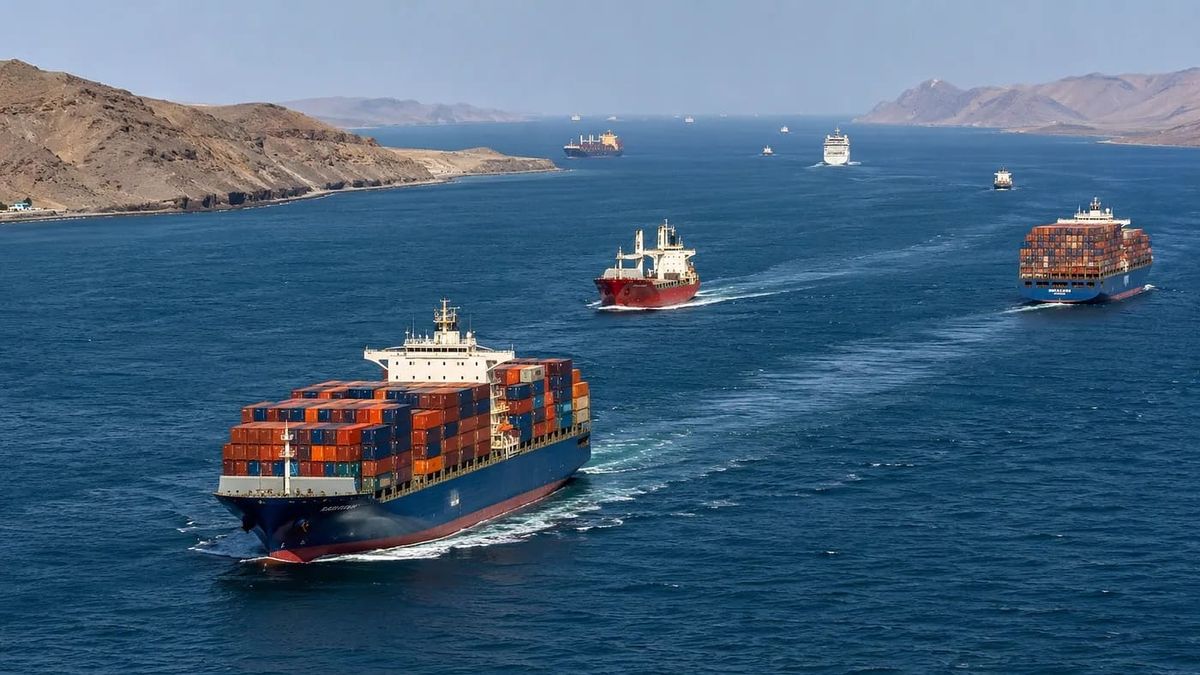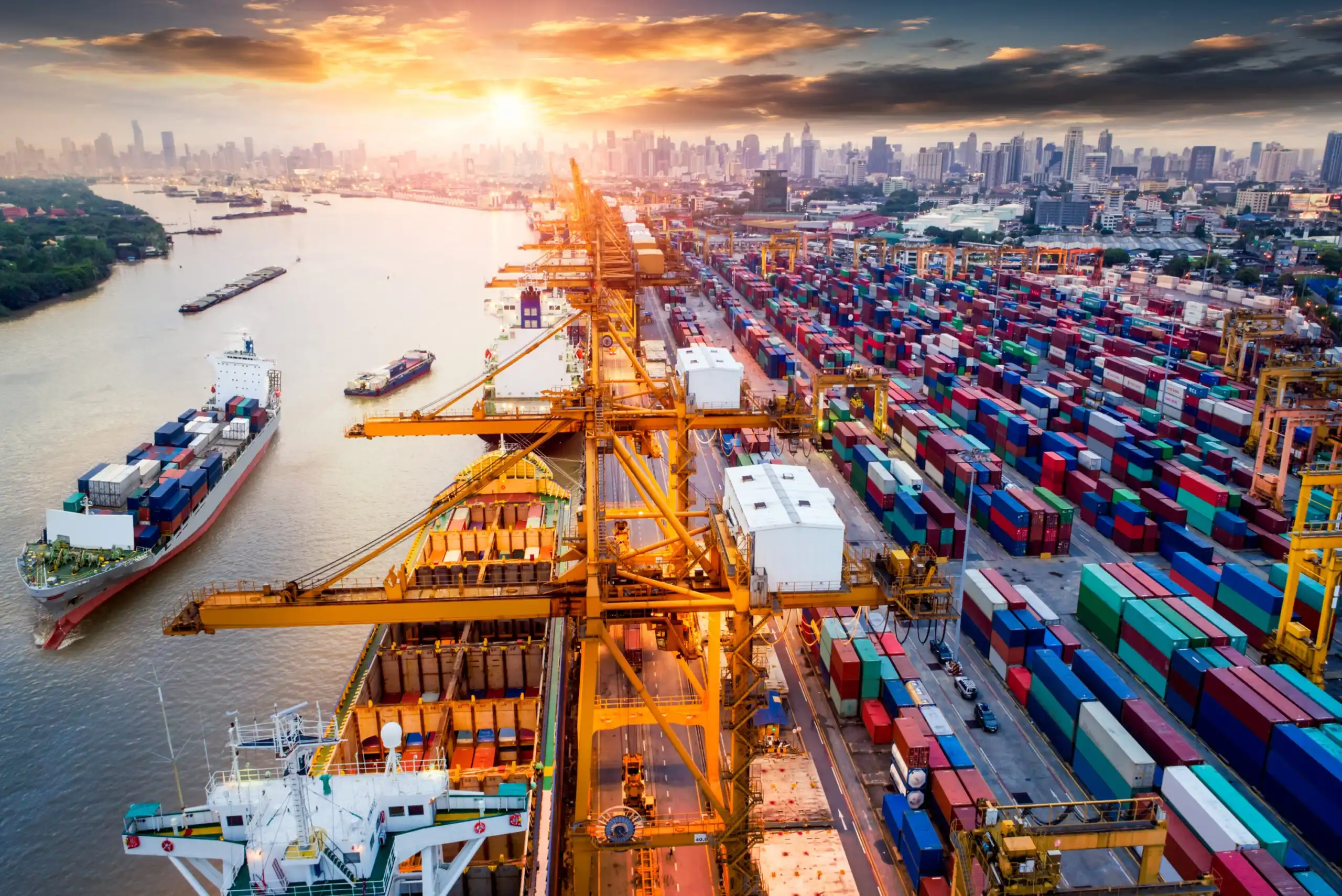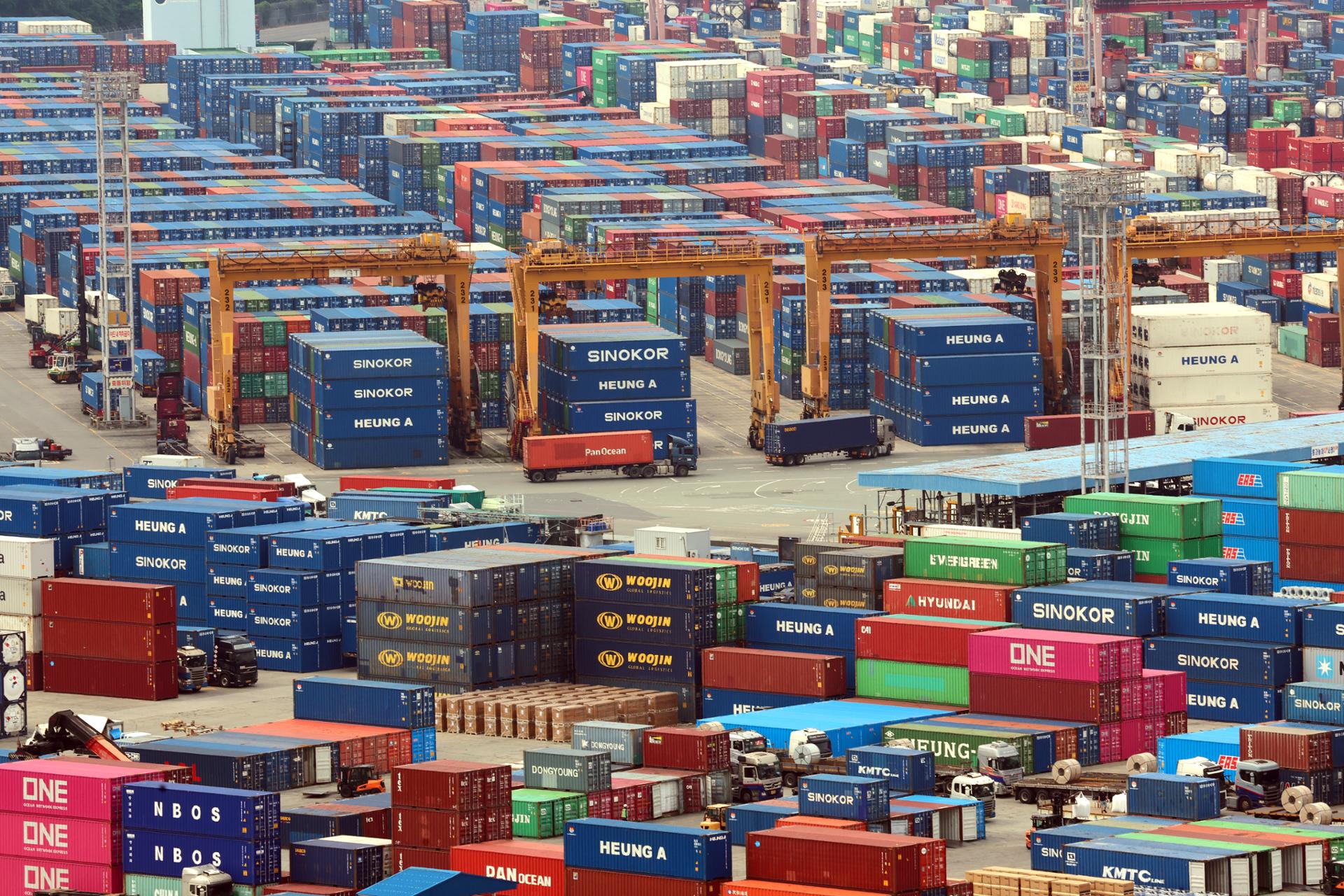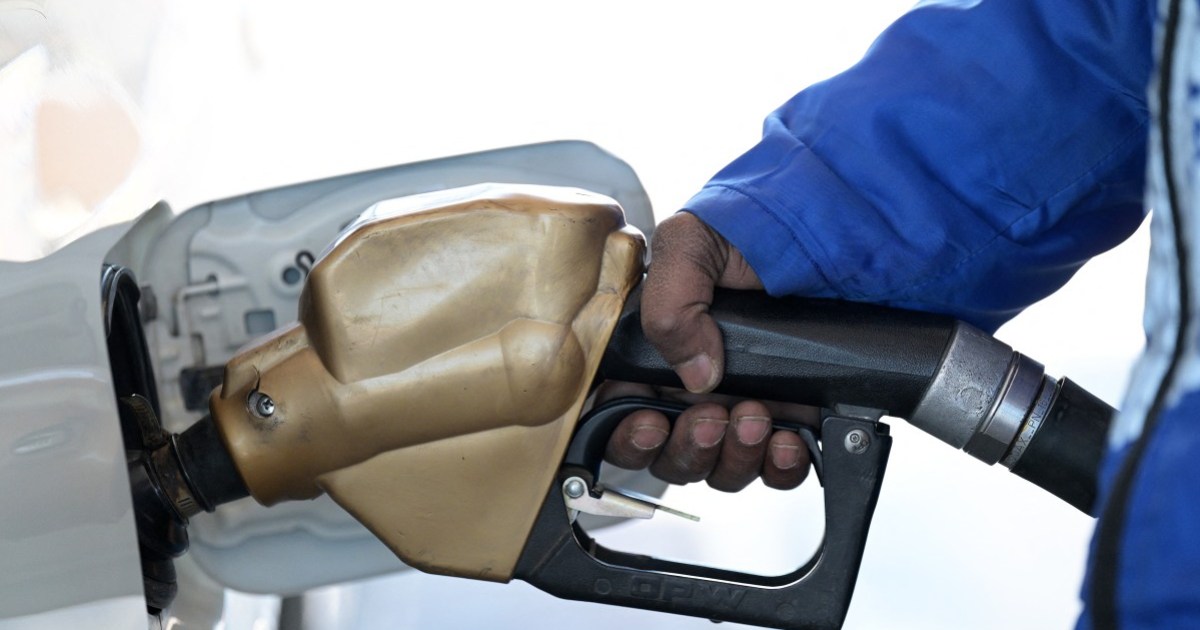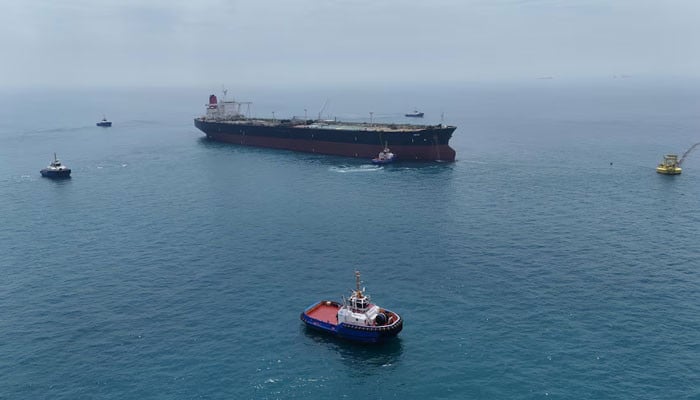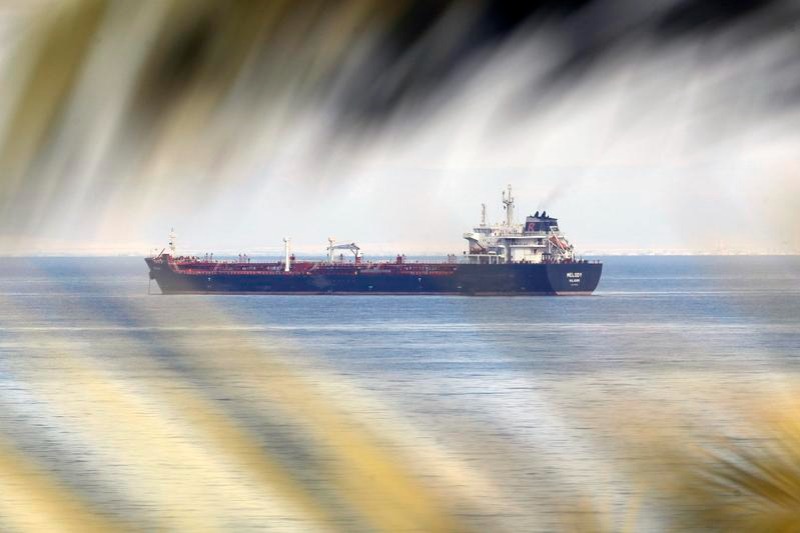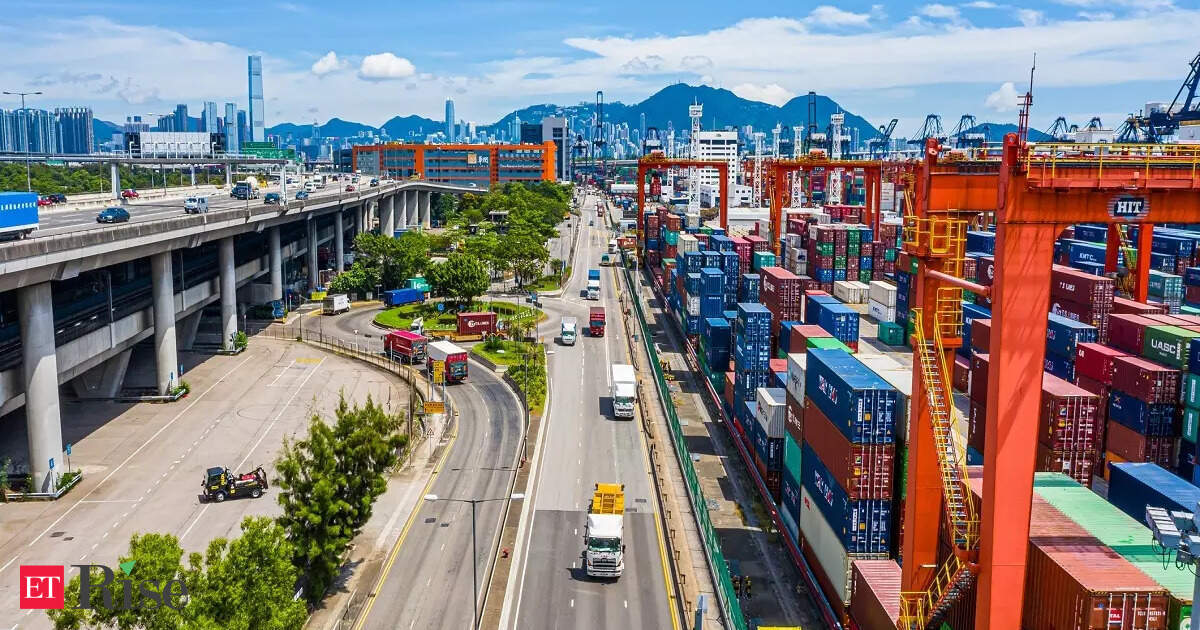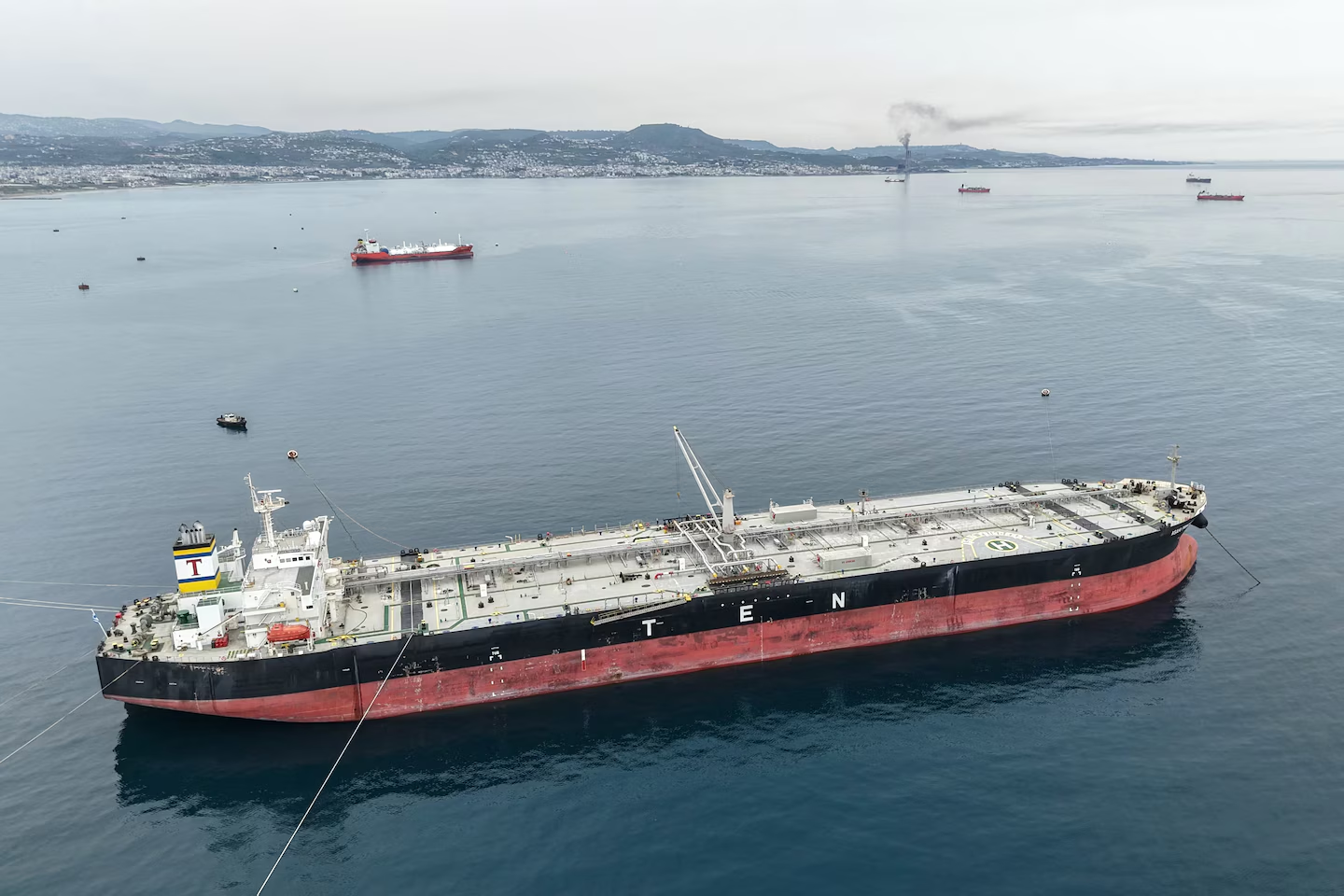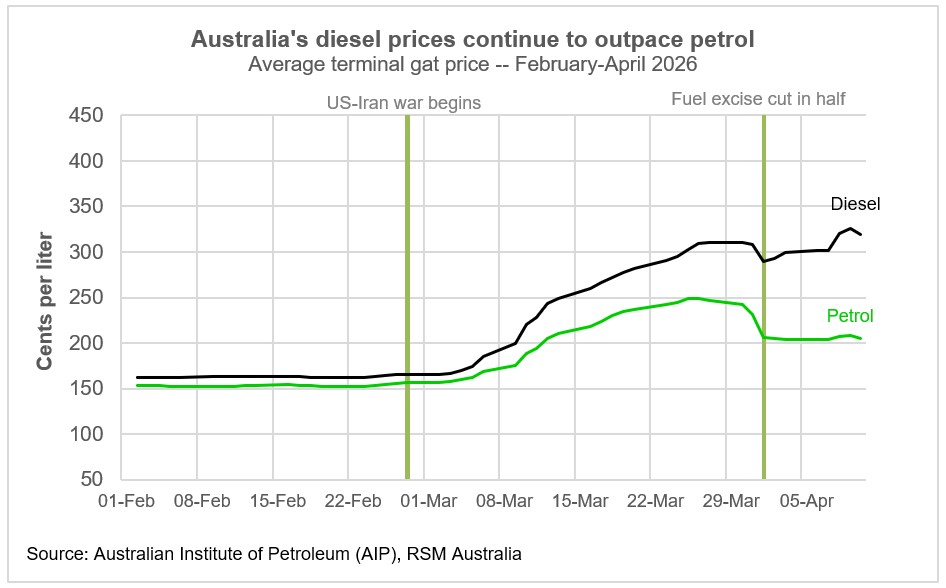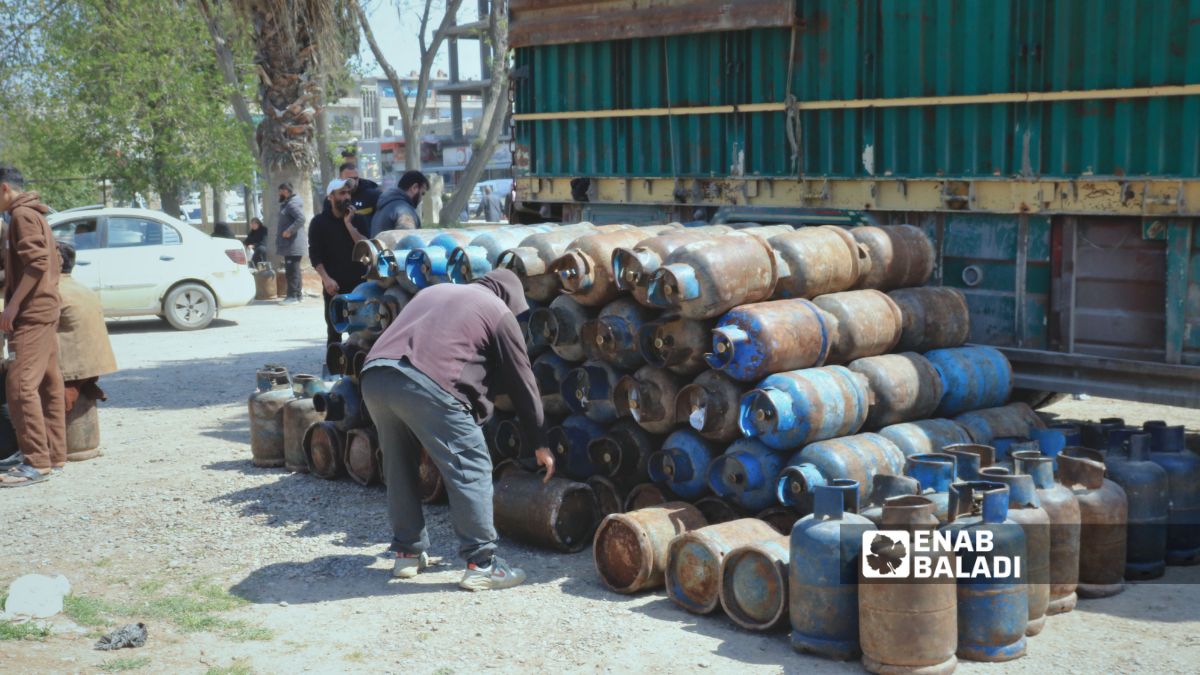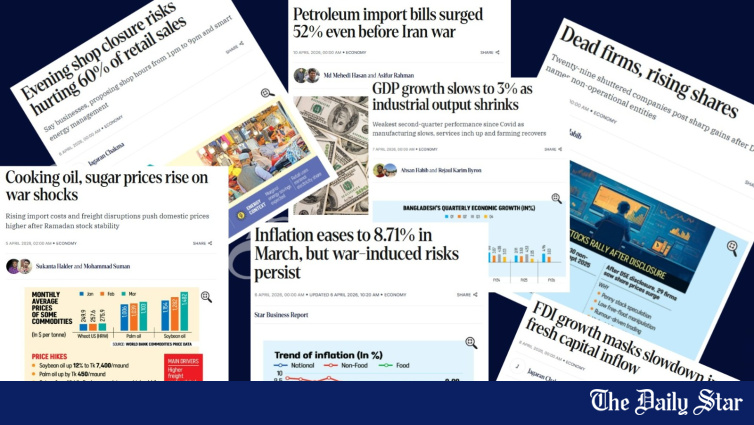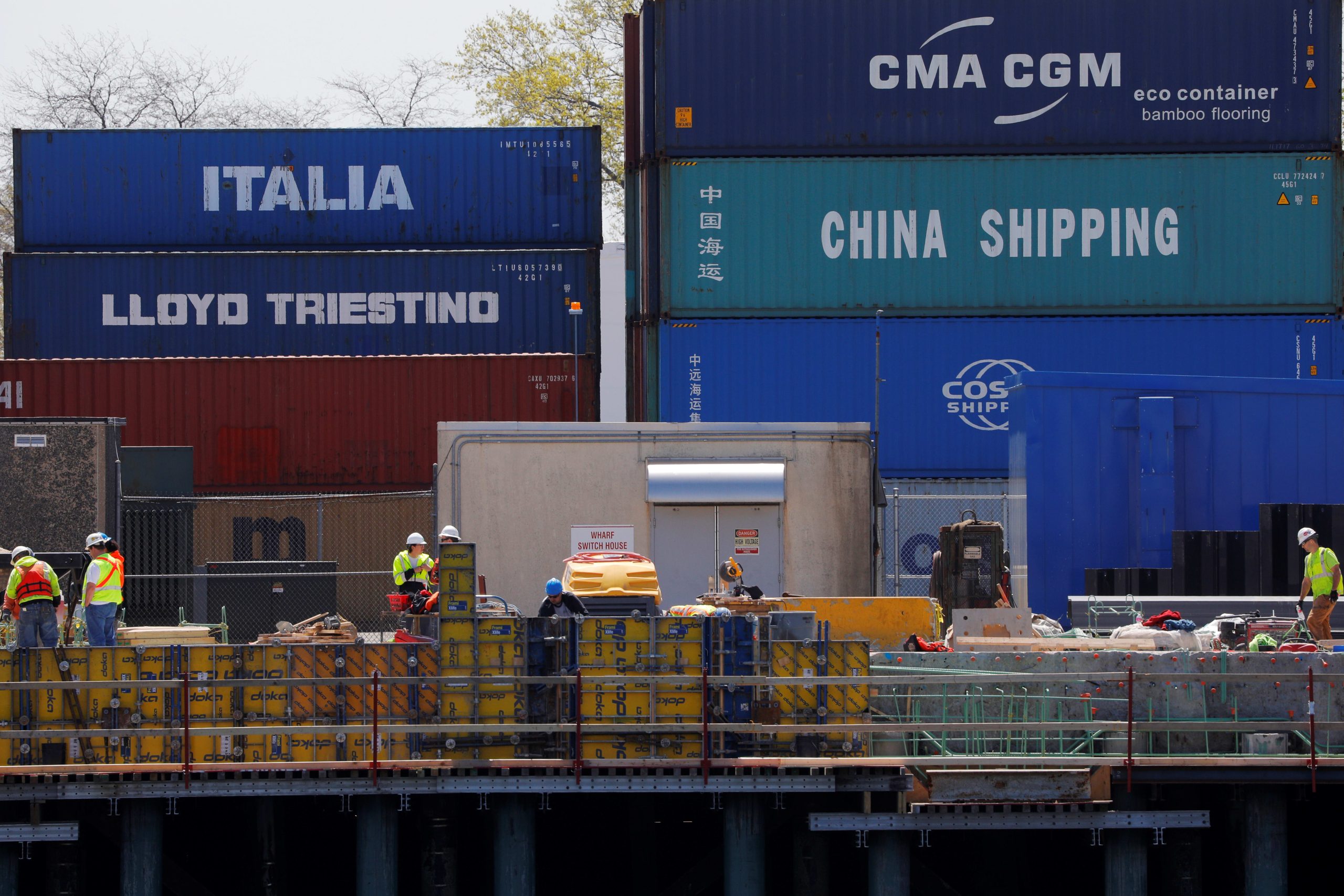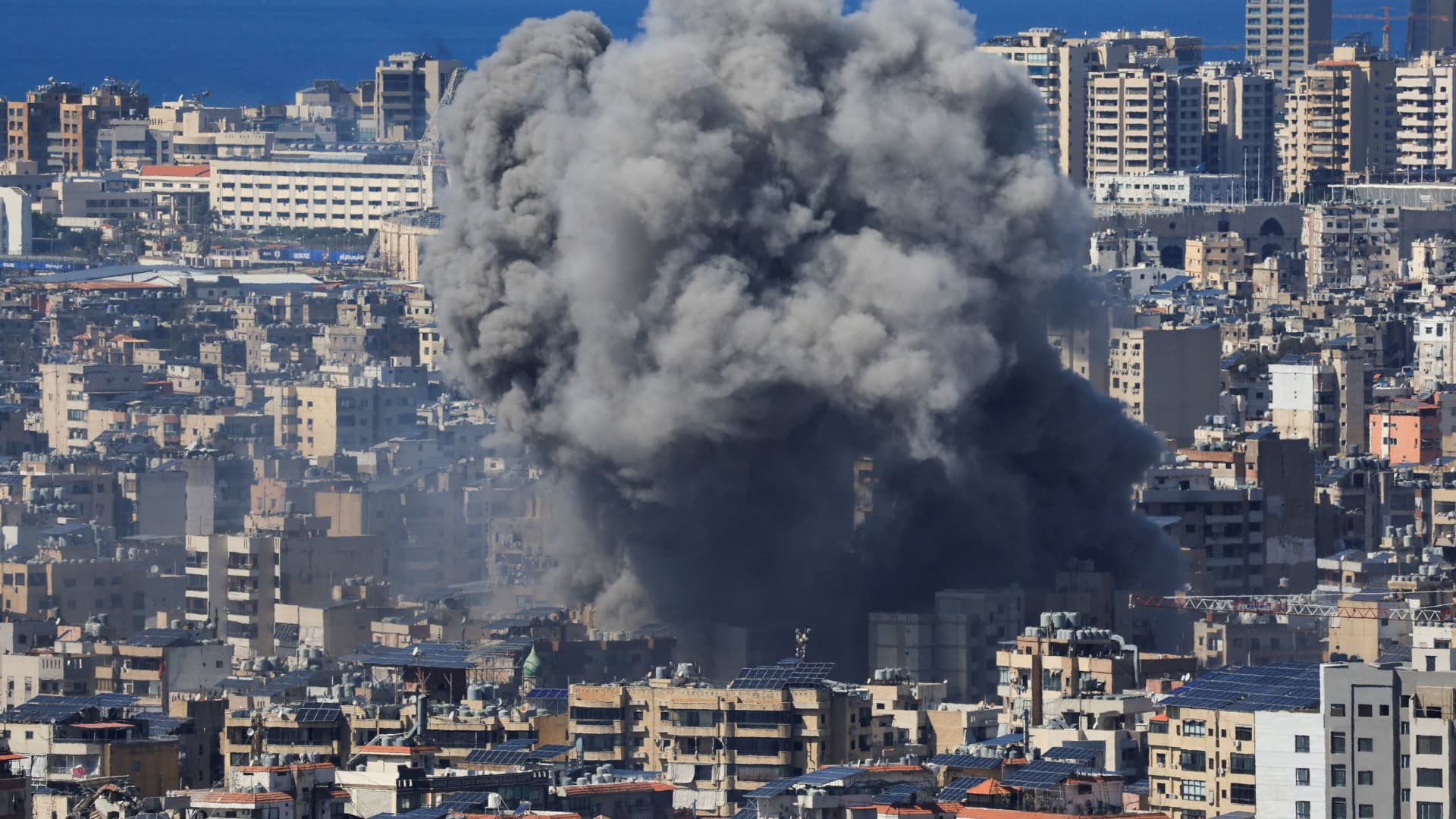
As the last barrels of oil and other commodities shipped before the Iran war reach their destinations this week, the specter of shortages is coming into view across the global economy.
These shortages are likely to grow worse in the wake of the United States’ recent announcement that it would impose a naval blockade on all Iranian ports.
Get Joe Brusuelas’s Market Minute economic commentary every morning. Subscribe now.
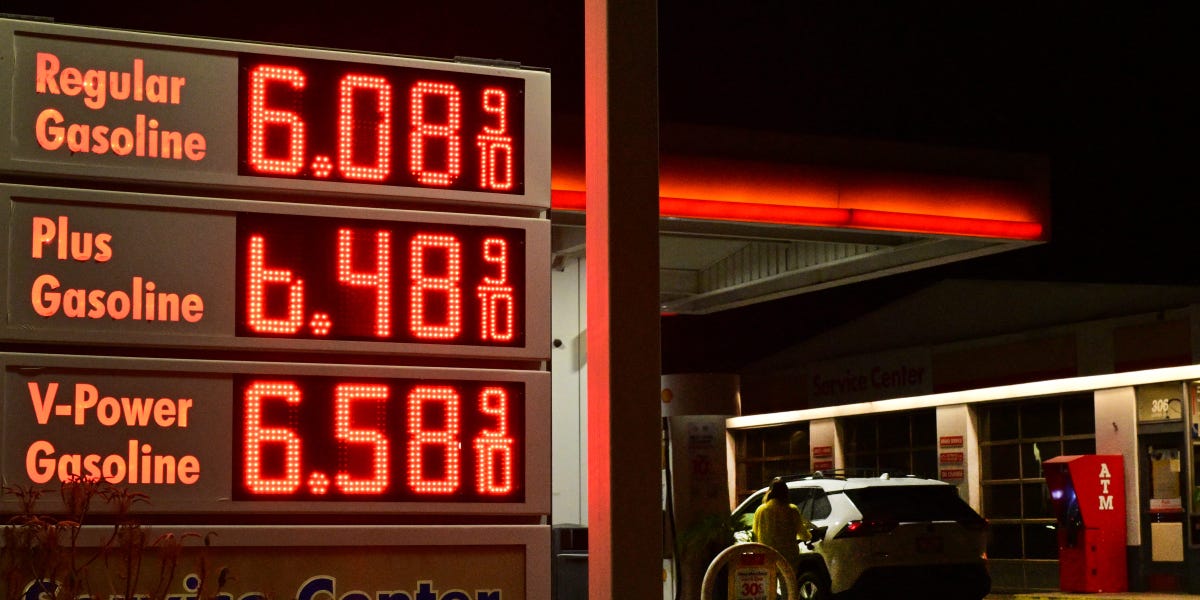
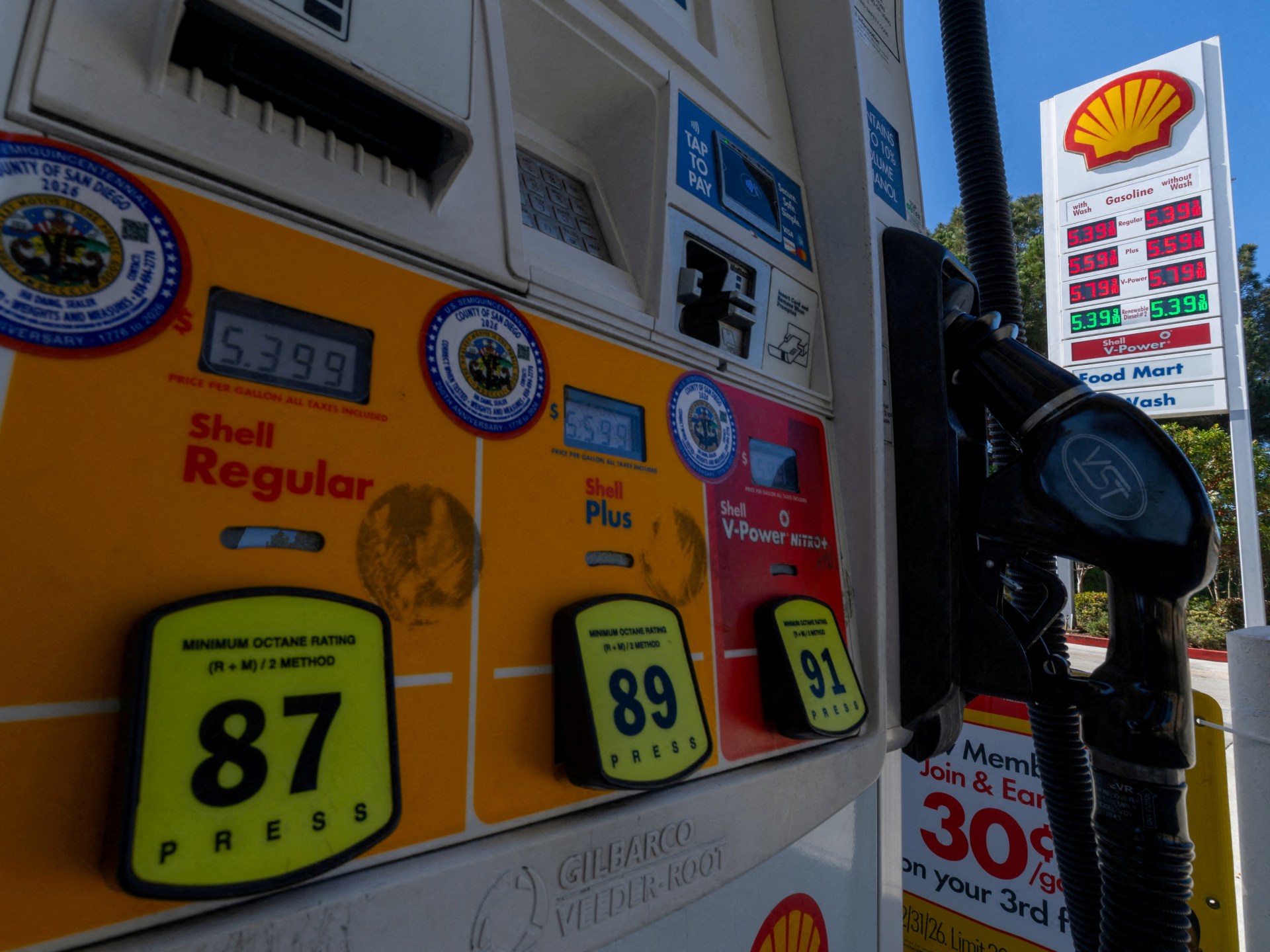
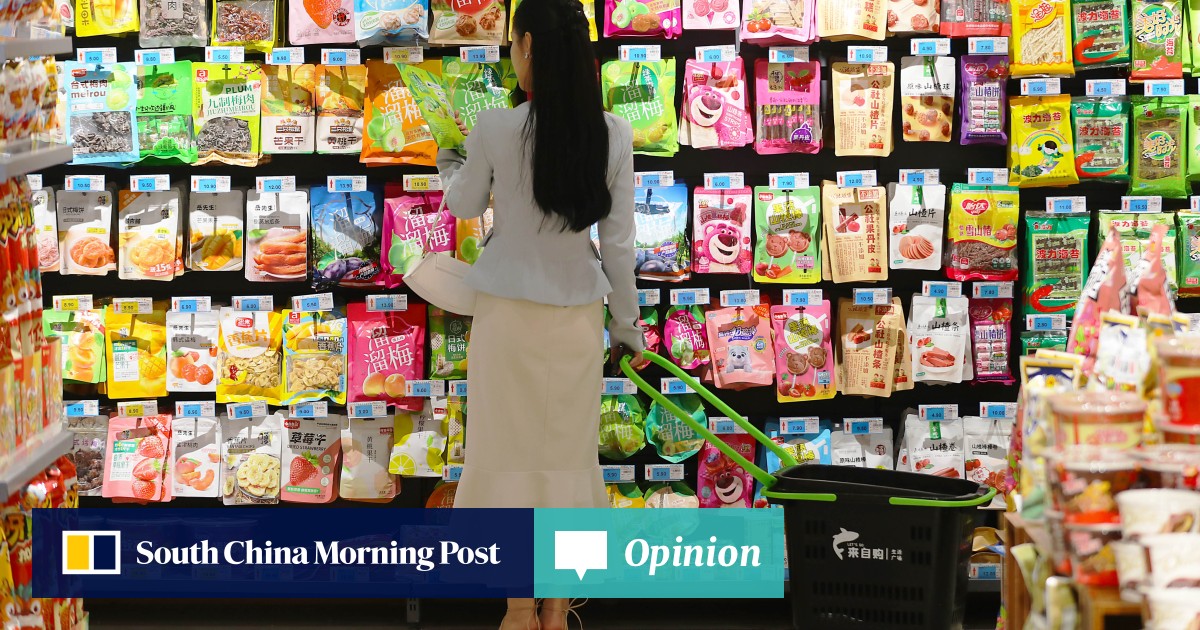
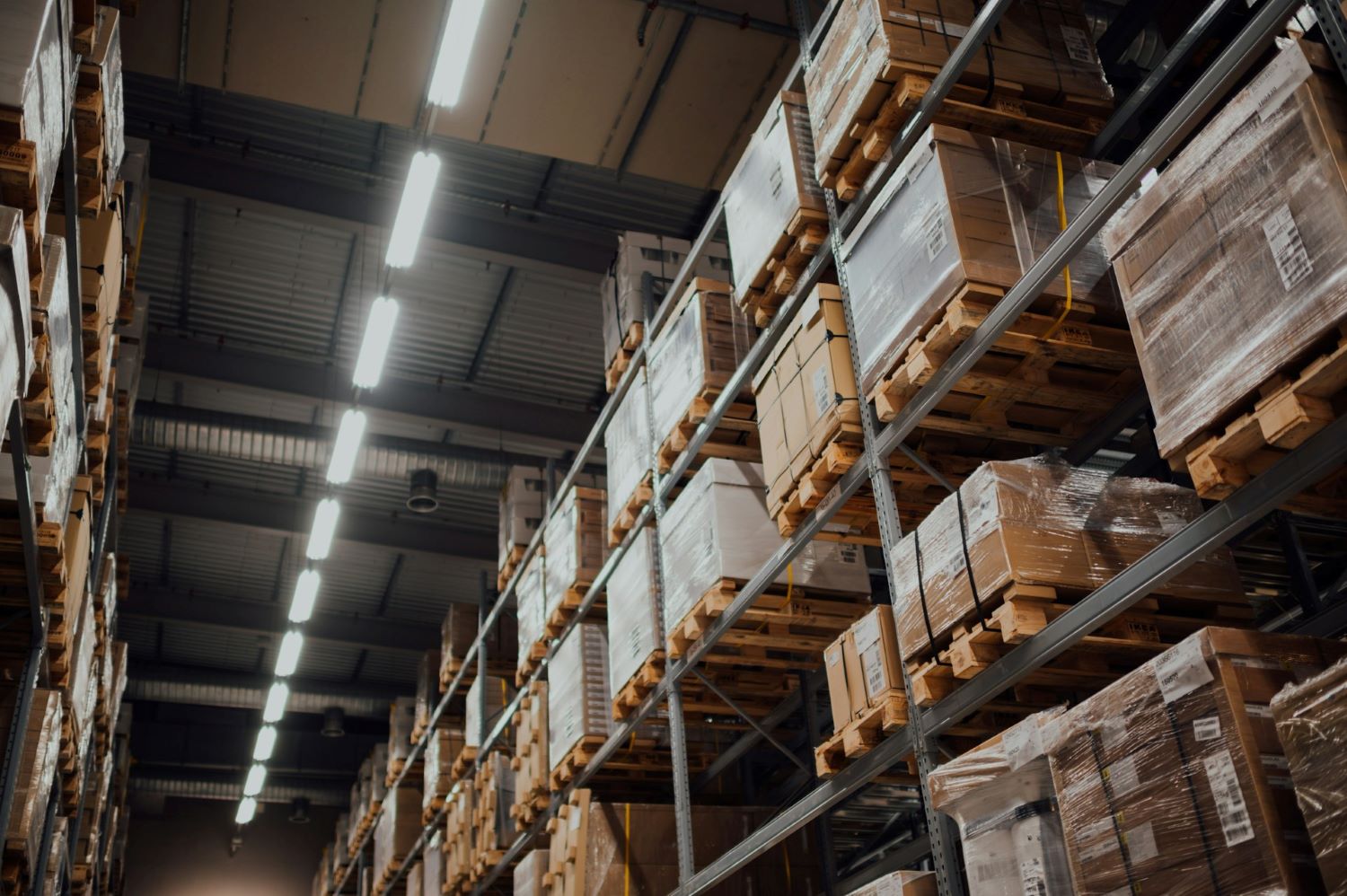
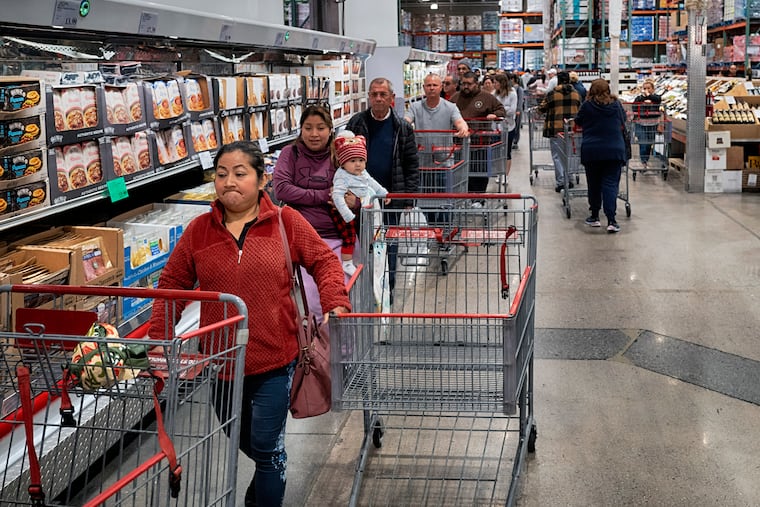
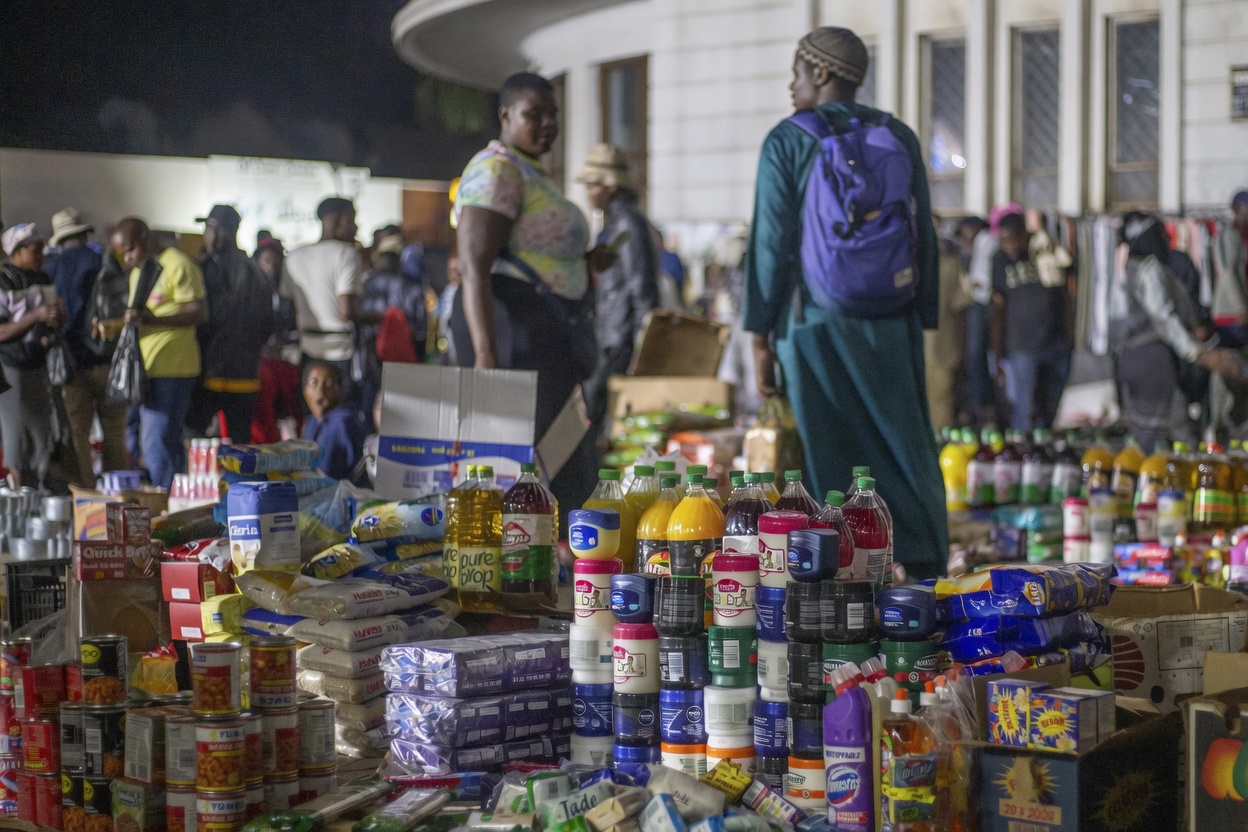
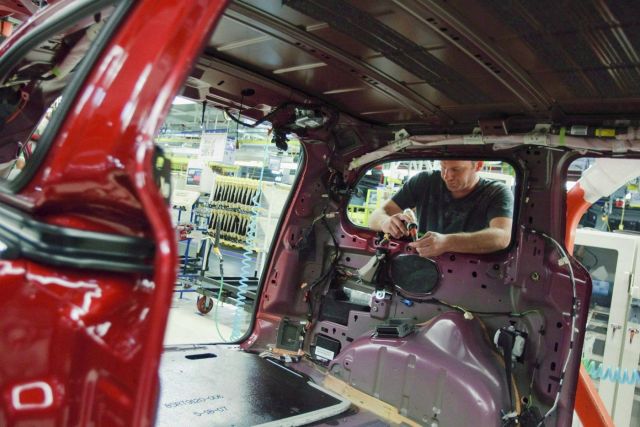
The result will be higher prices for consumers as the cost of petroleum-based commodities rises, whether it’s the sulfuric acid—a byproduct of petroleum refining—used in manufacturing, the naphtha used to produce disposable diapers that American moms rely on, or refined products used to create final goods.
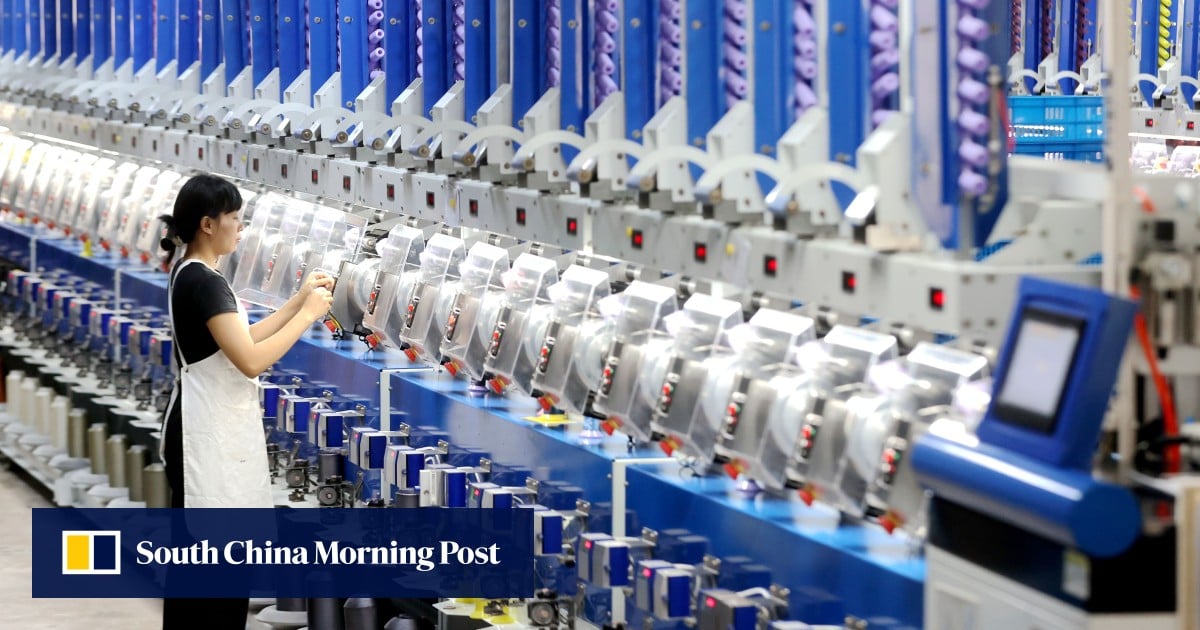
Plastics, metals, fertilizer, aluminum, food additives and cleaning detergents are but a select number of goods used in final products that will see notable increase in prices.

Many incorrectly think of the Middle East simply as the gas station for the Western world. That is simply not the case as the region’s importance has expanded along with the uses of petroleum.
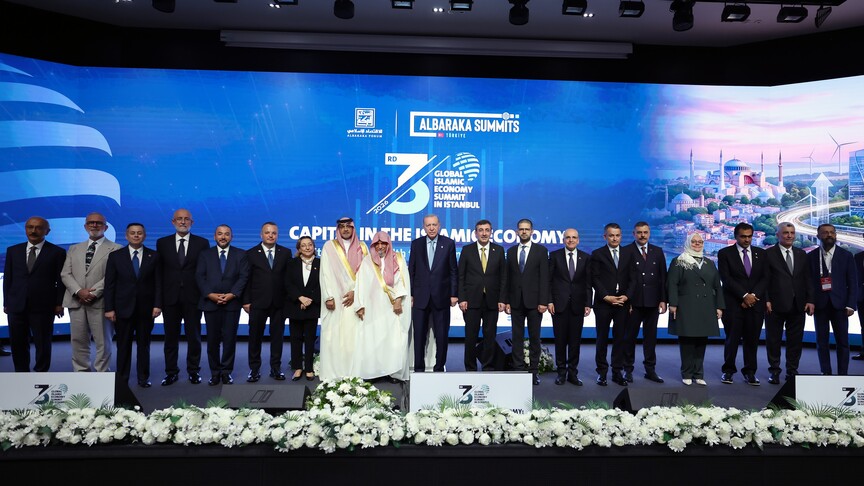
The Gulf nations have realized the need for economic diversification away from hydrocarbons—witness the arrival of the UAE as a center for financial services, transportation and tourism as well as Saudi Arabia’s Vision 2030.
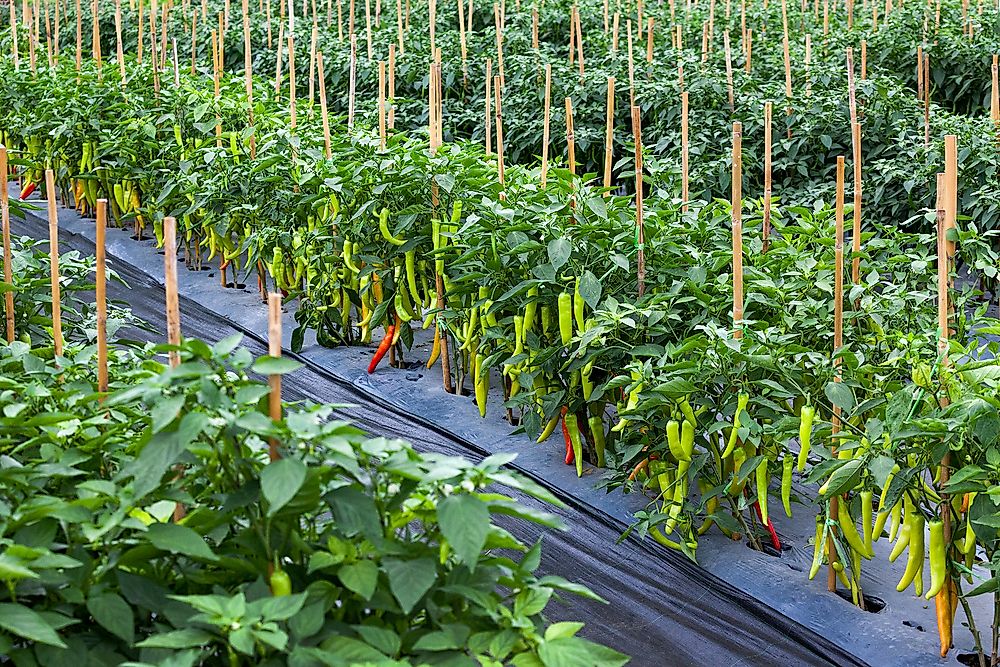
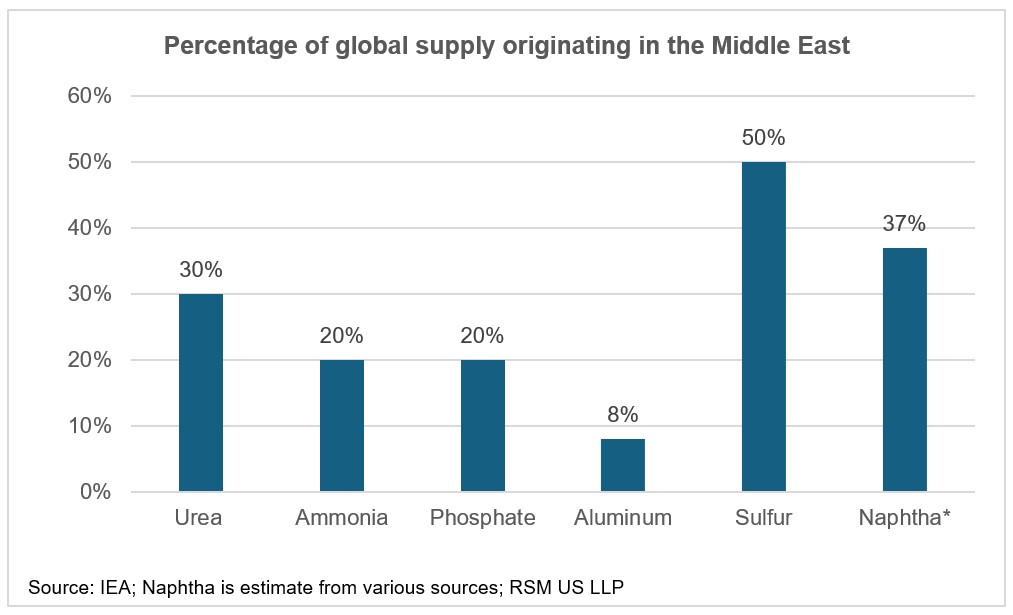
Petroleum-based fertilizers are essential in feeding families in both developed and emerging economies. The International Energy Agency reports that more than 30% of global trade of urea, which is an efficient and low-cost nitrogen form, is shipped through the Strait of Hormuz.
The cutoff of transport through the strait is a direct risk for food prices, while the cutoff of the supply of liquified natural gas is an indirect threat to the domestic production of fertilizers.
The IEA also reports that 20% of the global trade in ammonia and phosphates crosses the strait, both ingredients in fertilizers.
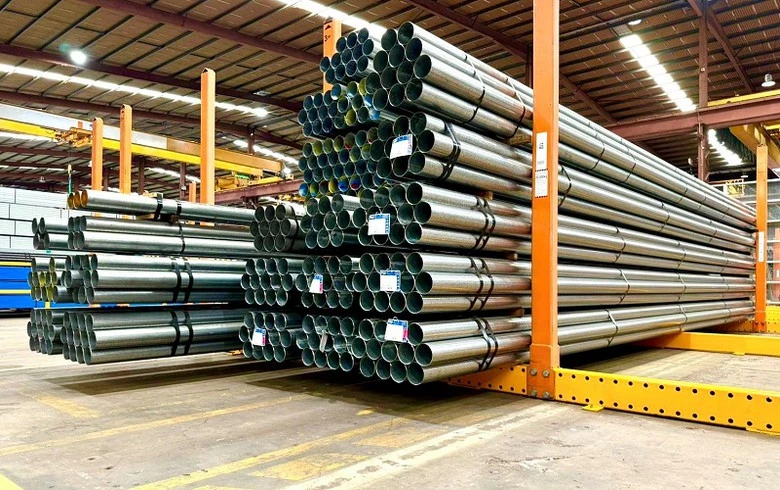
Additionally, the Gulf region produces around 8% of the global supply of aluminum, with the IEA reporting that five million tons of aluminum are shipped each year through the strait from smelters in Bahrain, Qatar, Saudi Arabia and the United Arab Emirates.
Finally, half of the global seaborne sulfur trade moves through the Strait of Hormuz.
Sulfuric acid is used not only to produce fertilizers and chemicals, but also in the refining of petroleum and critical minerals like copper, nickel and zinc.
Mutual dependence
Even as oil revenues continue to provide revenues, Gulf states have diversified away from resource extraction to investments in manufacturing, finance and leisure and hospitality.
Geopolitically, six Arab states have formed the Gulf Cooperation Council, a regional political and economic union consisting of Bahrain, Kuwait, Oman, Qatar, Saudi Arabia, and the United Arab Emirates.
In recent decades, the United States and nations in the Gulf Cooperation Council have developed a symbiotic relationship that has provided the foundation for economic and security arrangements in the region.
Put simply, the U.S. buys oil from GCC nations and offers them protection. And they buy U.S. Treasury bonds and F-15s. But the relationship extends far beyond that.
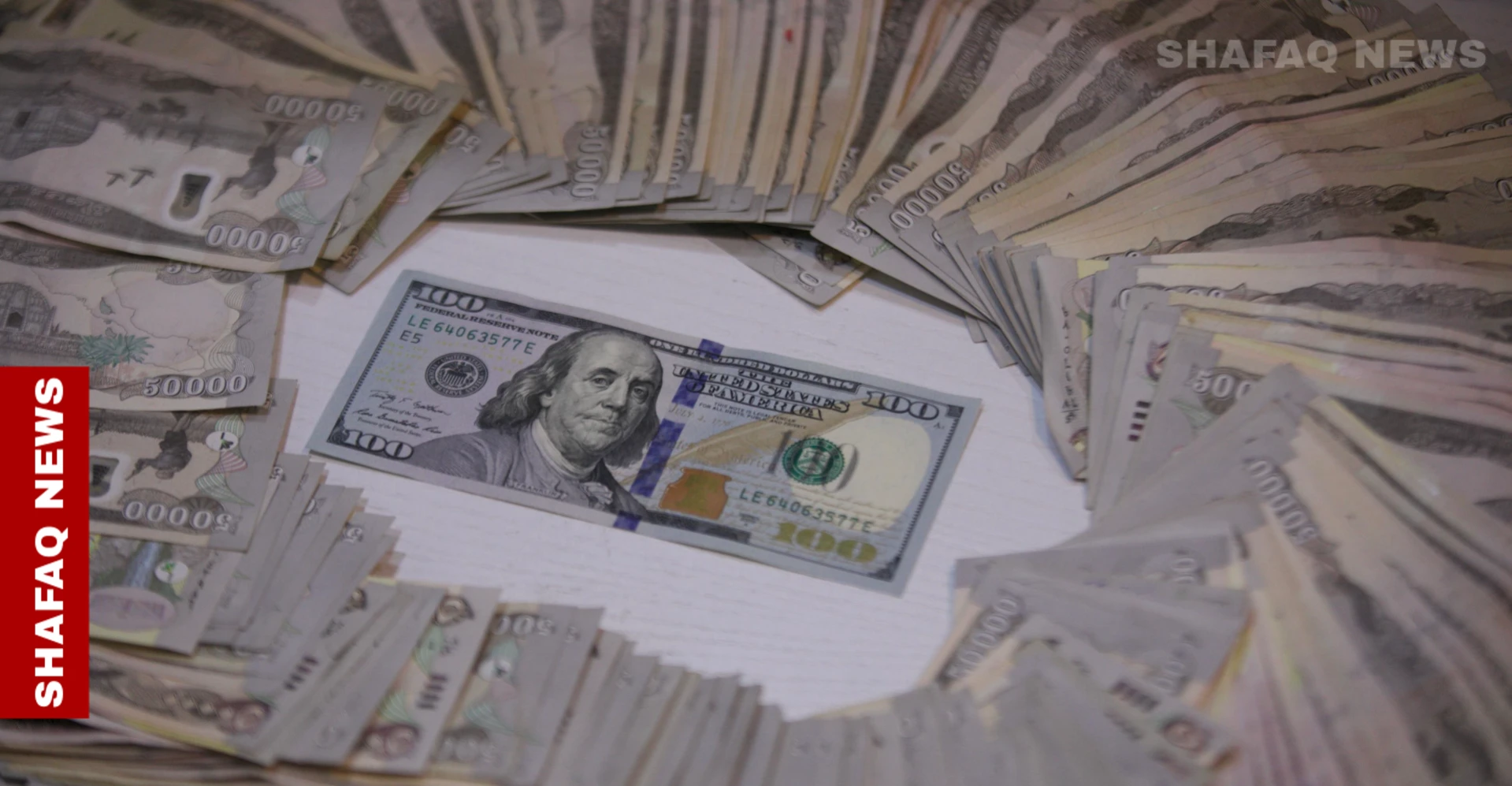
U.S. consumers benefit from a stronger dollar with each worldwide purchase of dollar-based oil. This simple transaction demand for dollars has allowed households to get more for money spent on imports of oil and all other goods.
And because the Gulf nations have invested their dollar-based receipts into U.S. stock and bond markets, U.S. consumers benefit from the investment demand for dollar-based assets and lower interest rates resulting from each purchase of U.S. Treasury and corporate bonds.
This mutual dependence of the U.S. and Arab states is shown in the co-movement of the GCC bond index and the benchmark S&P 500 equity index.
Even as the Mideast is diversifying, its petroleum assets have become even more important to the global economy as the economic partnership grows.

The takeaway
The Mideast has expanded its economic advantage to include petrochemicals, fertilizers and metals while diversifying into finance, transportation, and leisure and hospitality.
The two-sided blockade will affect a host of consumer products that will come into clearer view in coming days and weeks as raw and refined materials used at earlier stages of production are in short supply resulting in higher prices in coming months.