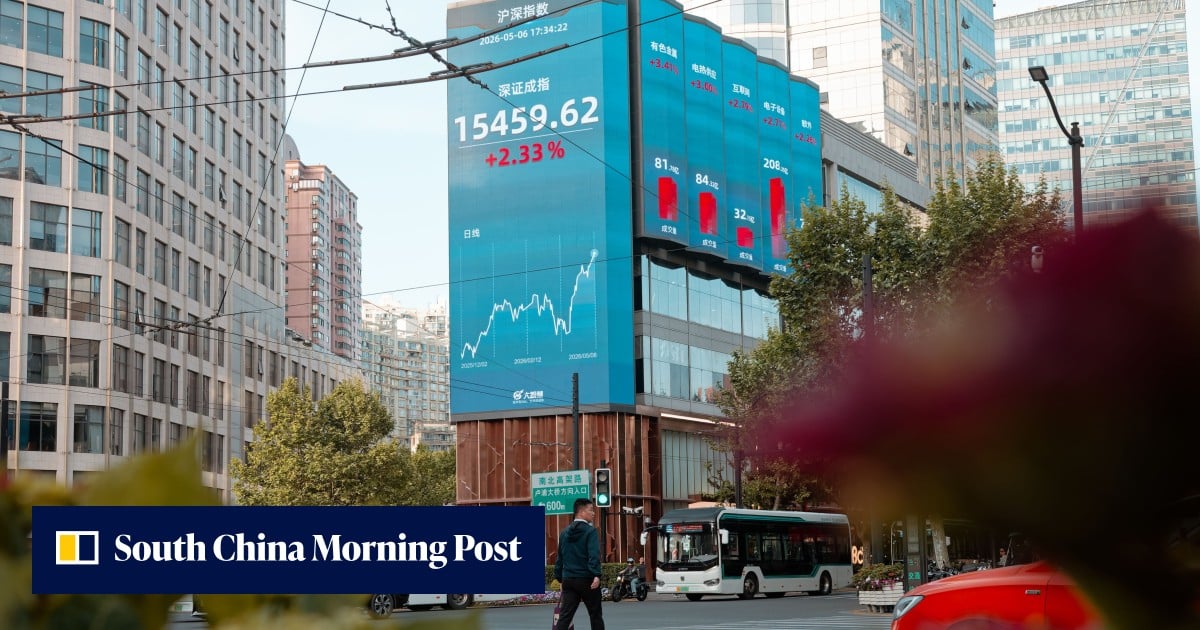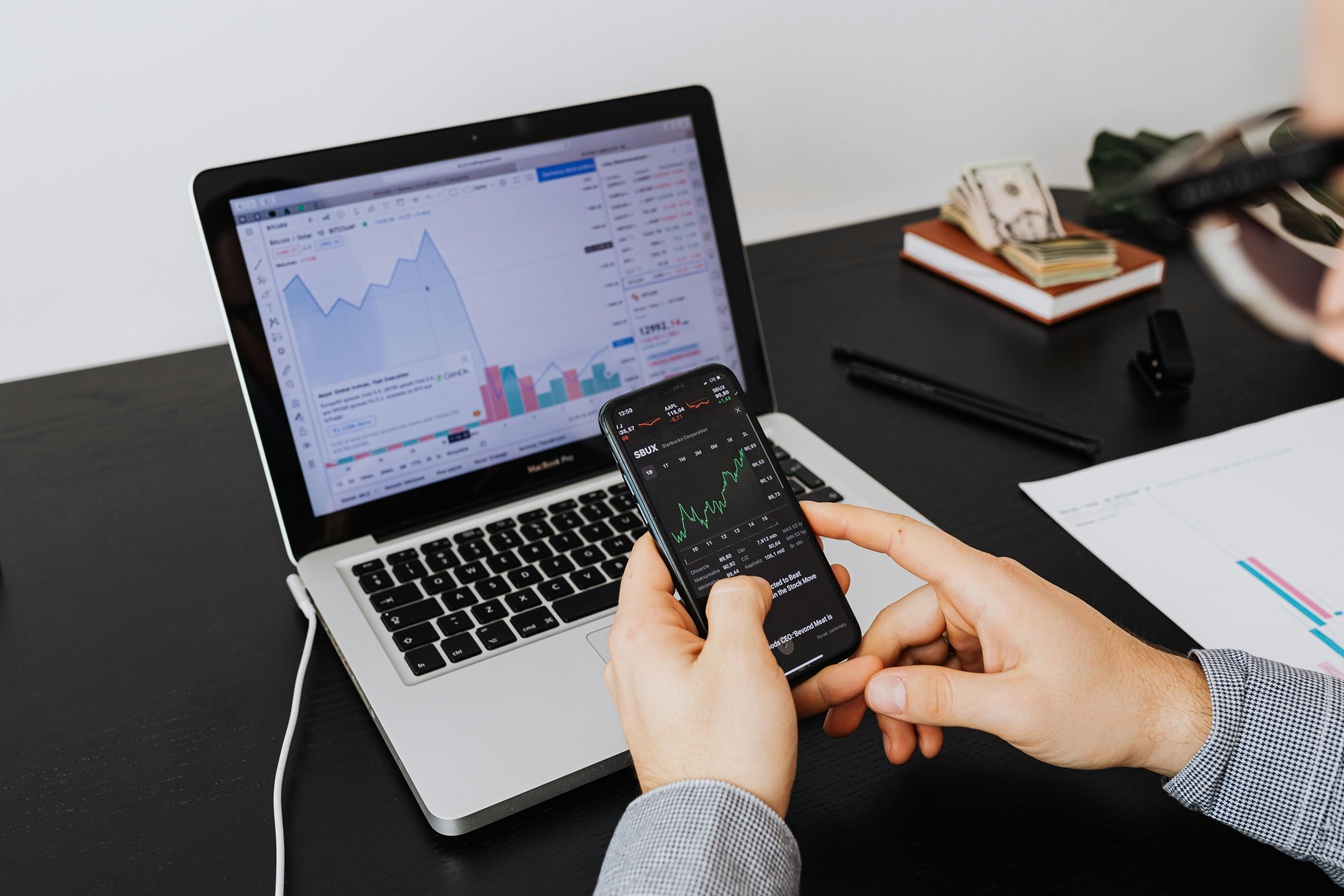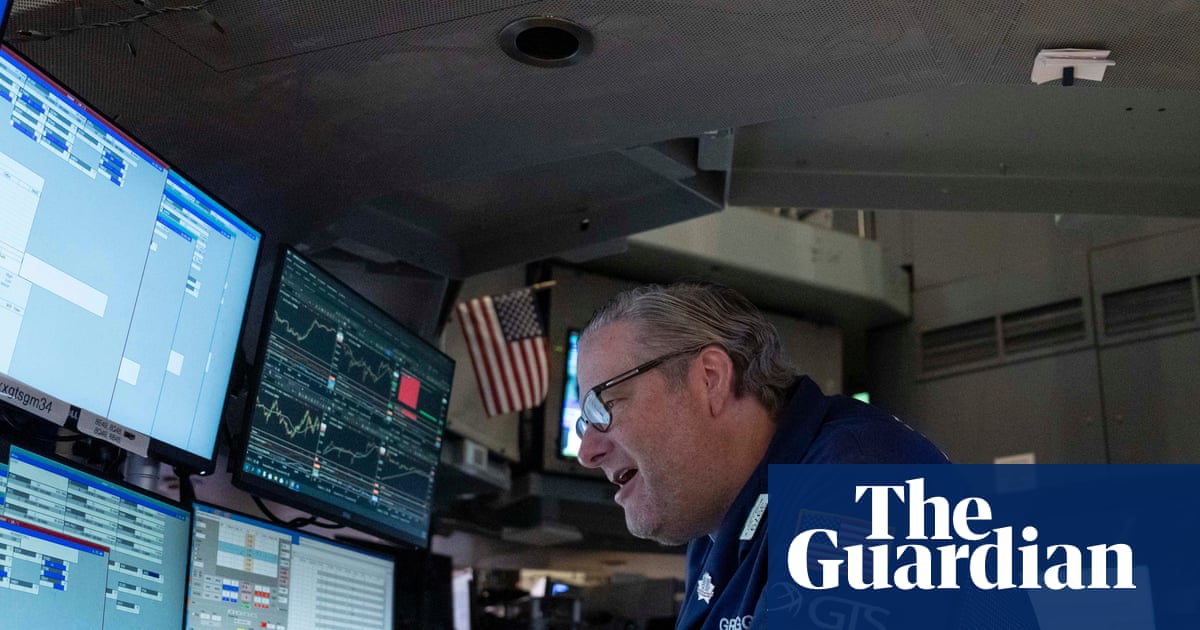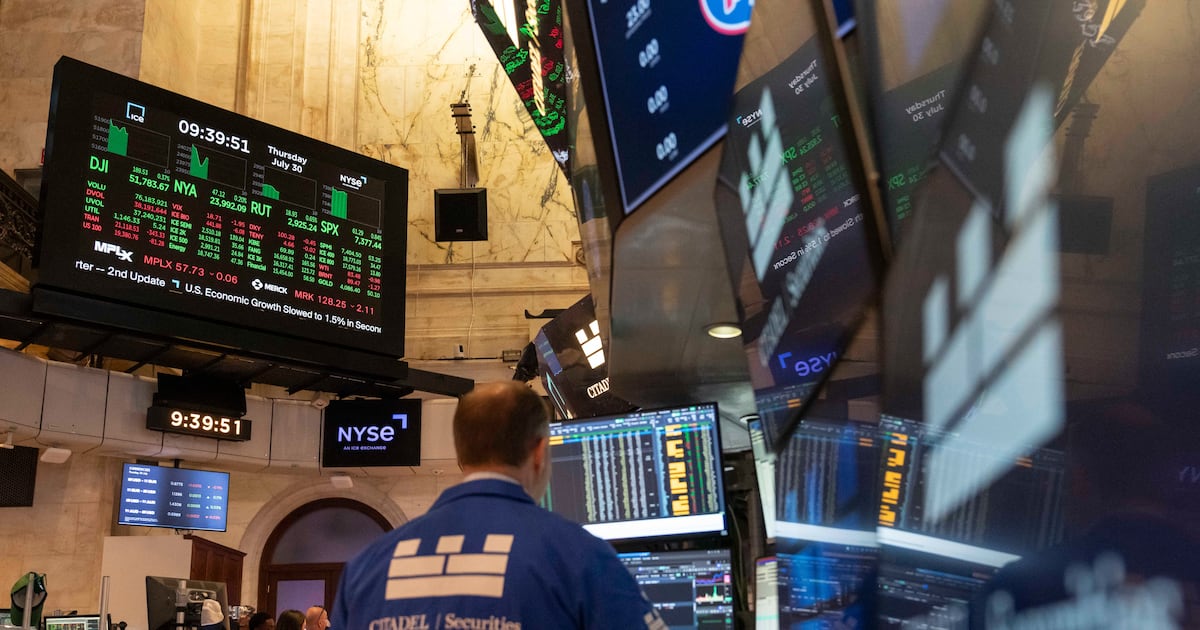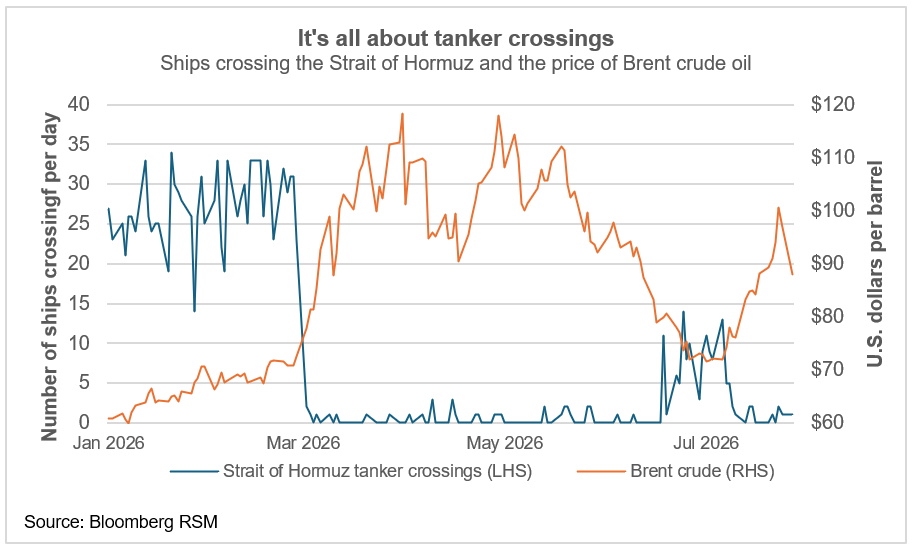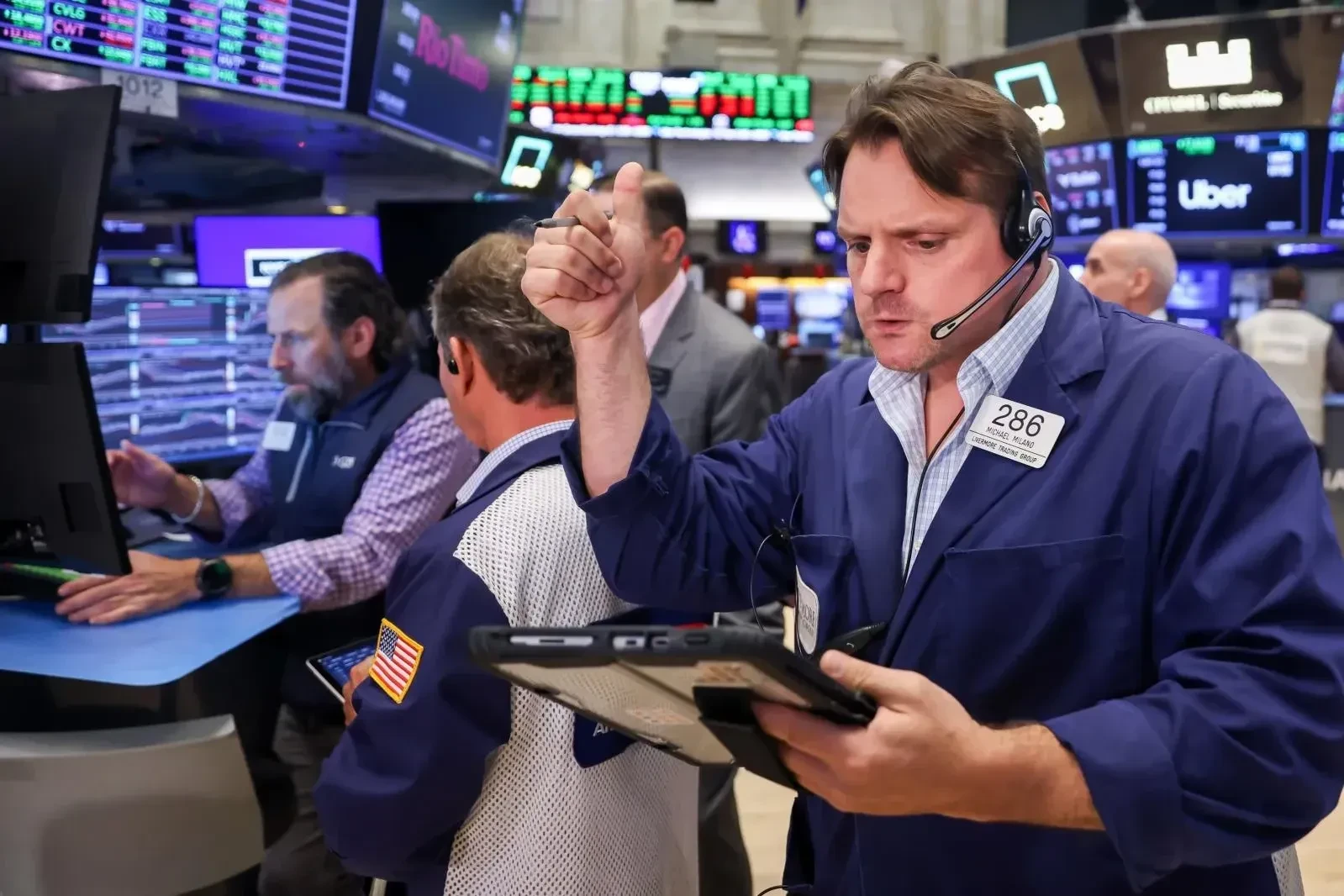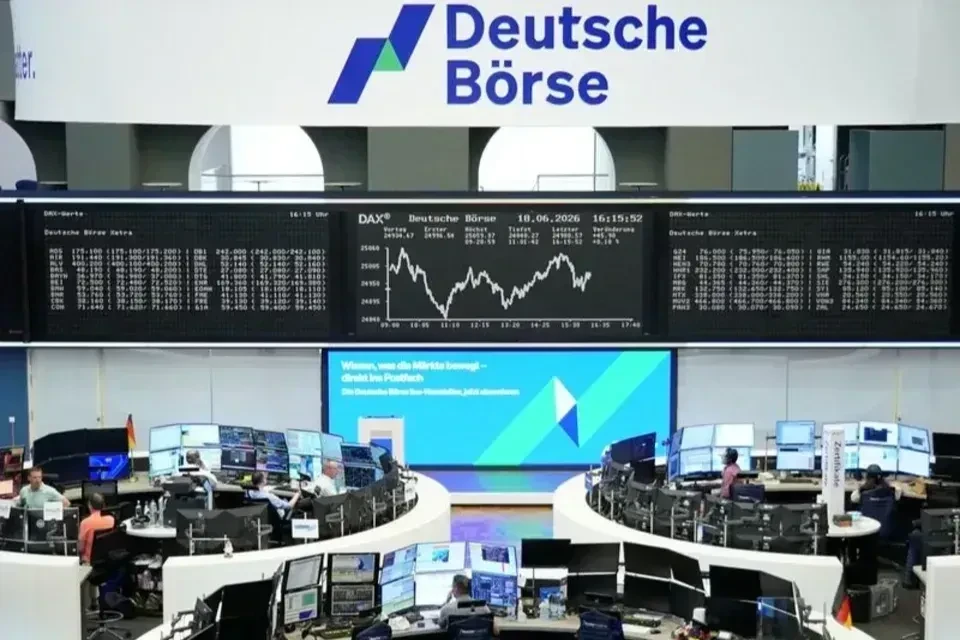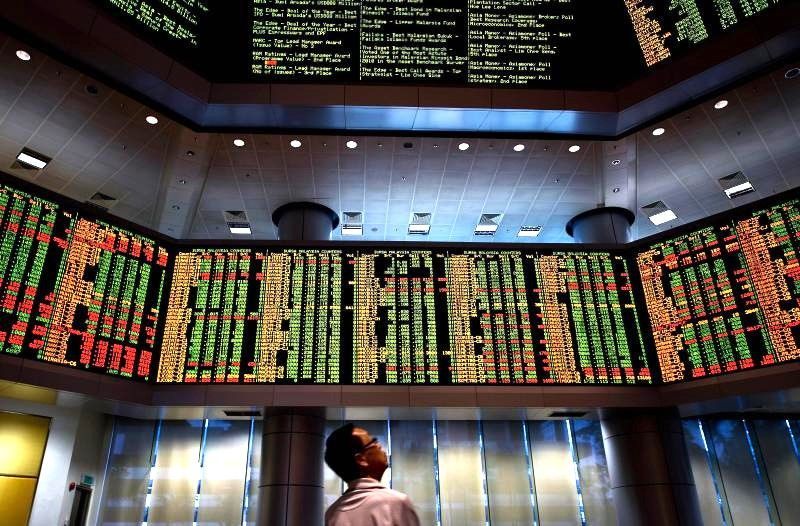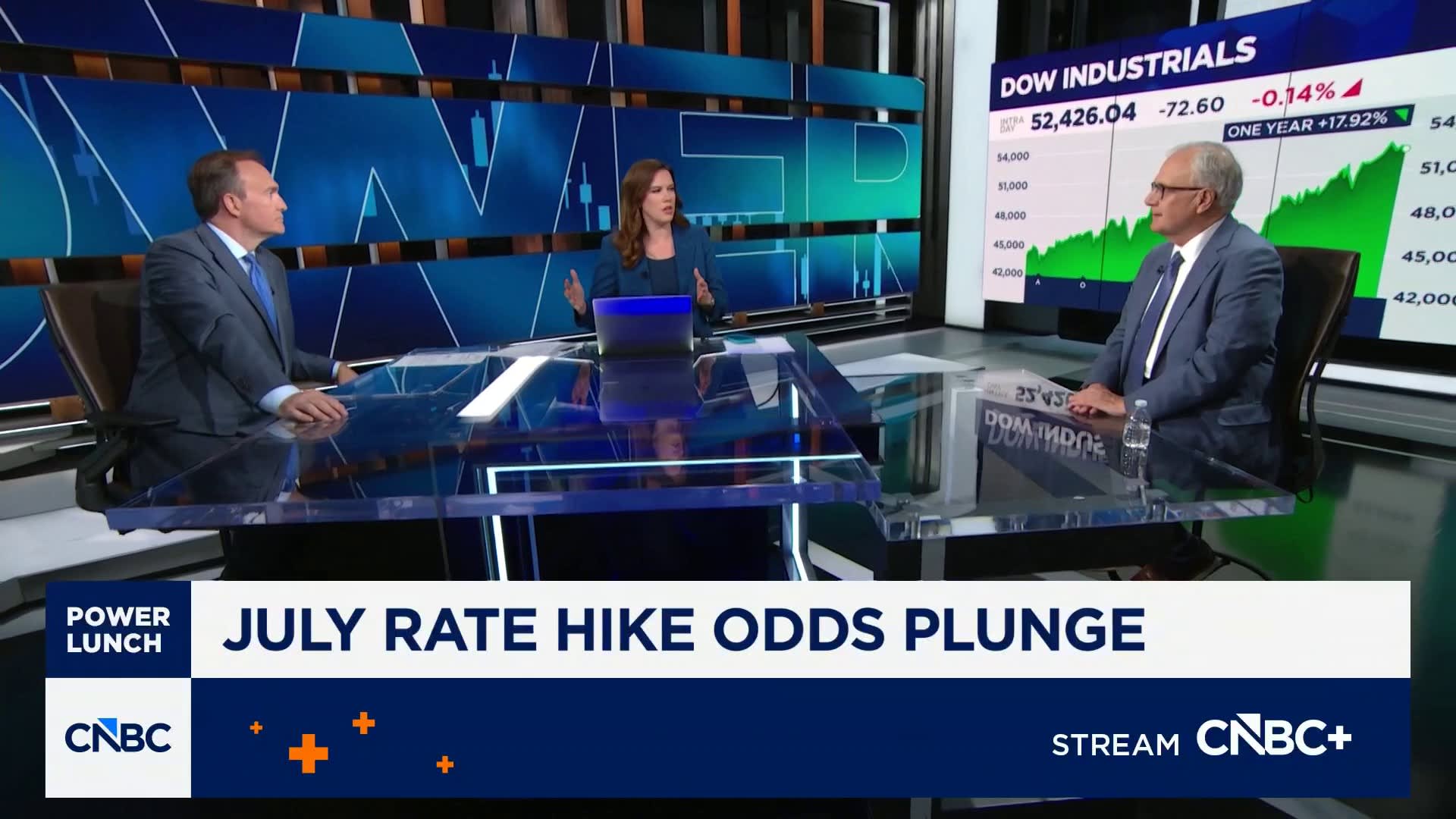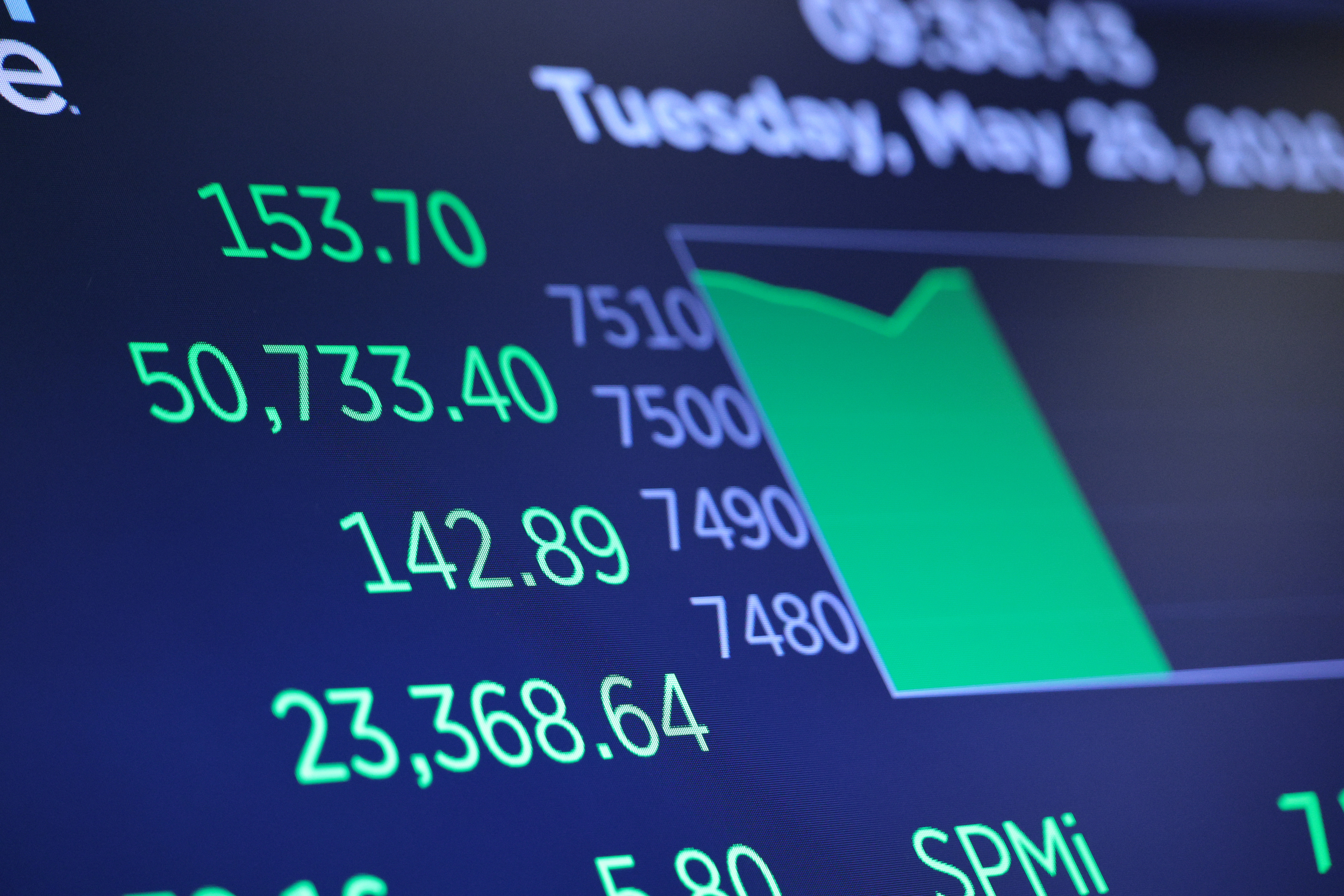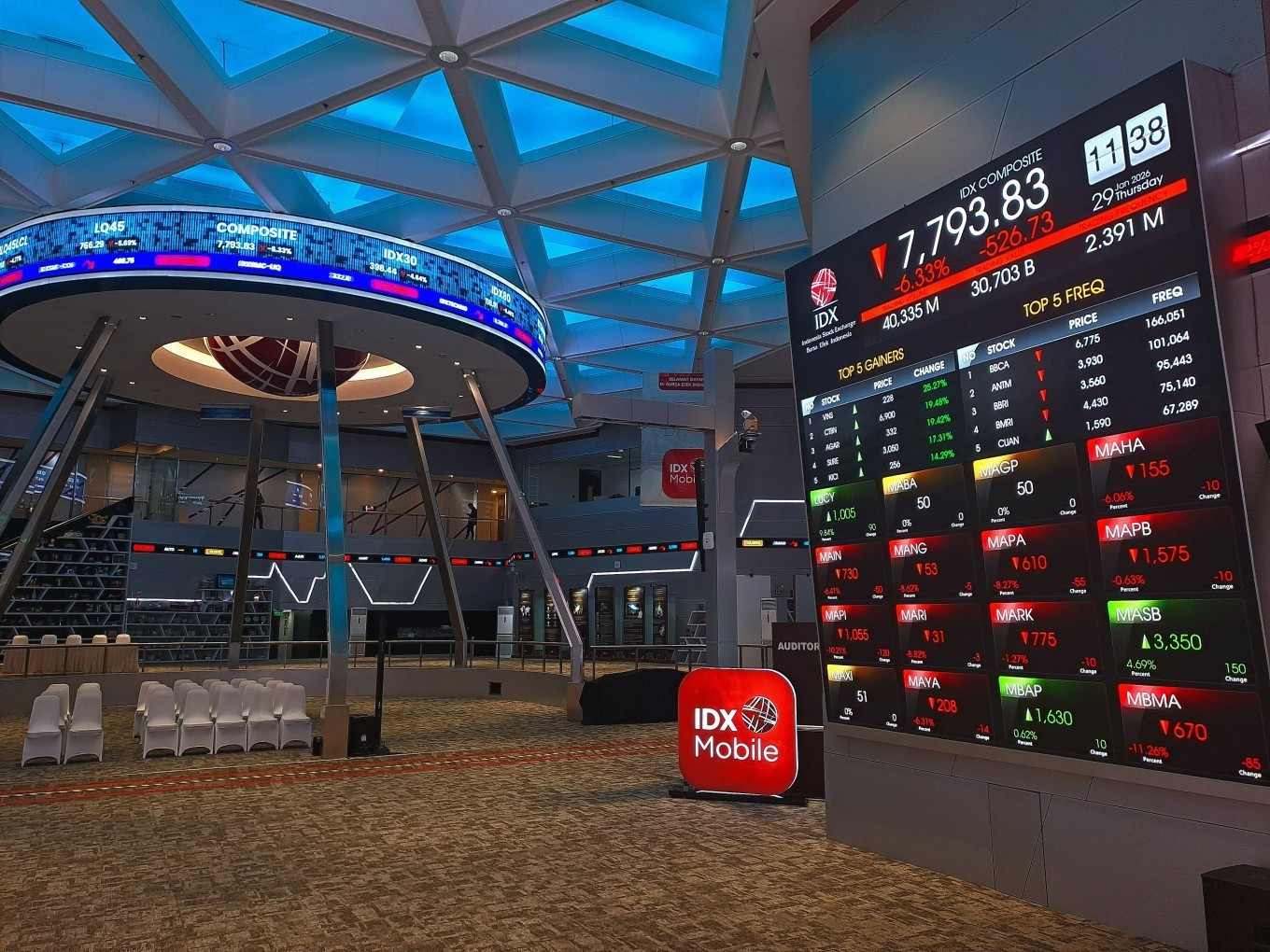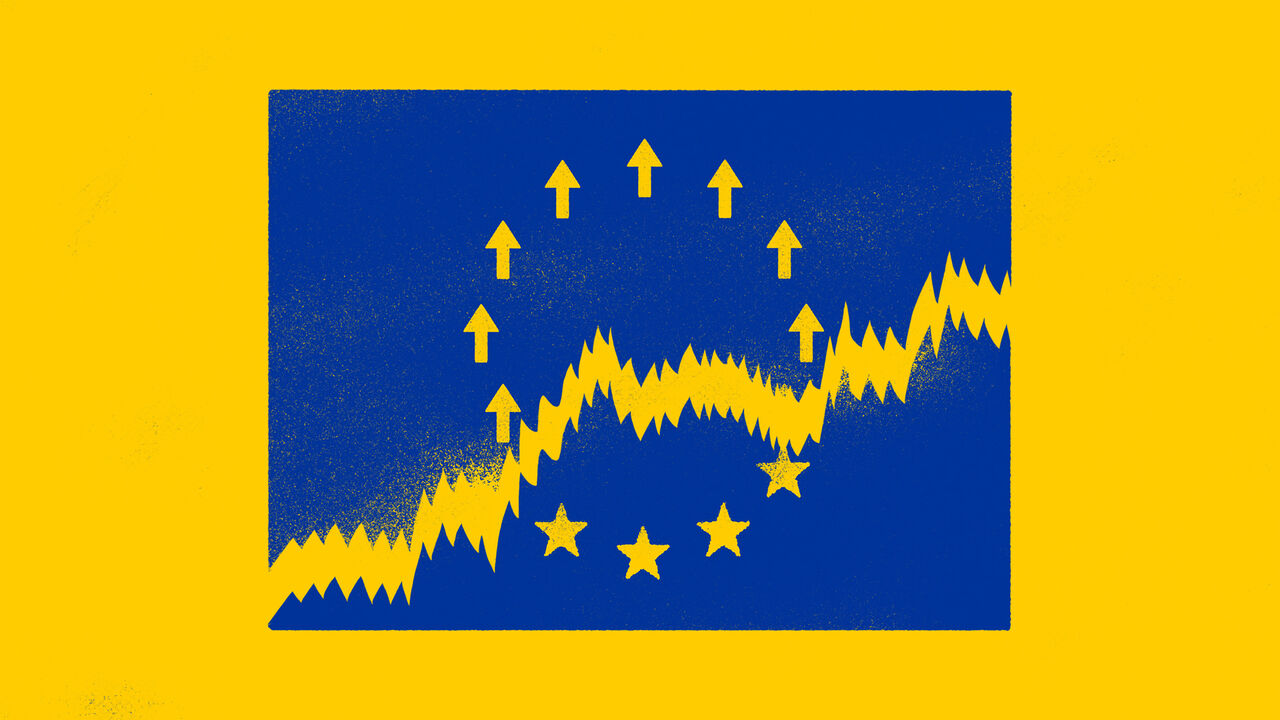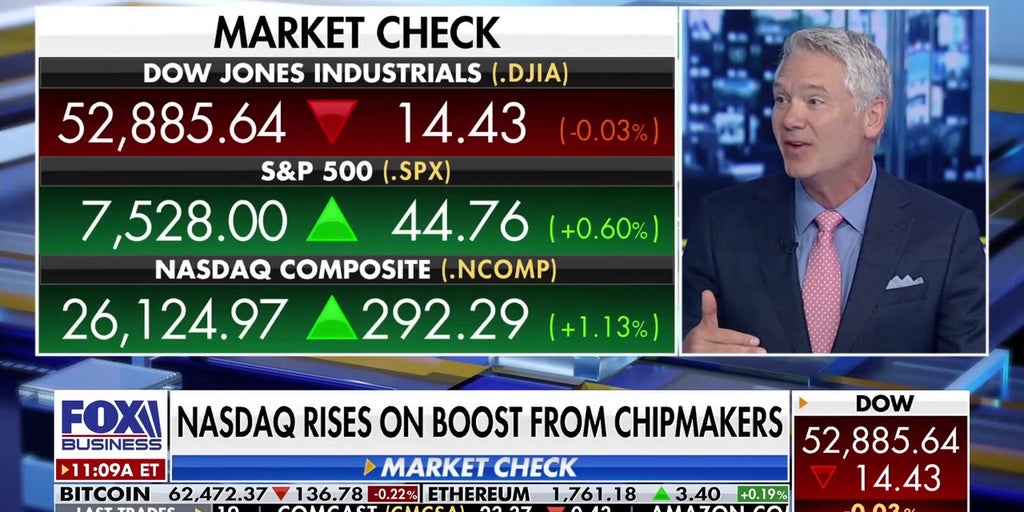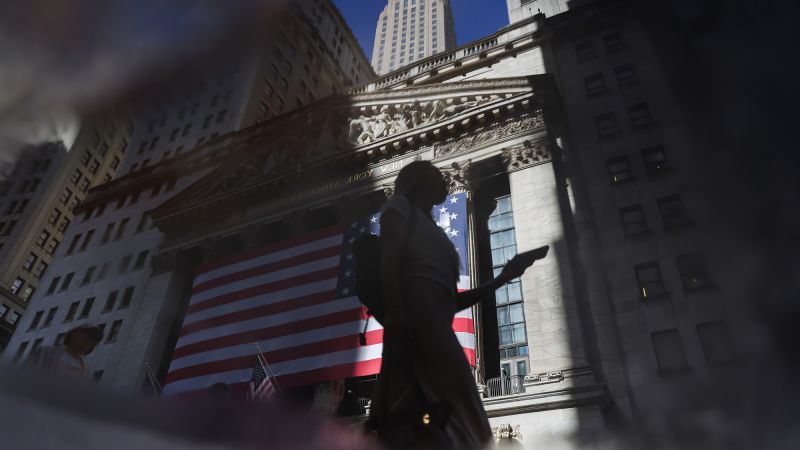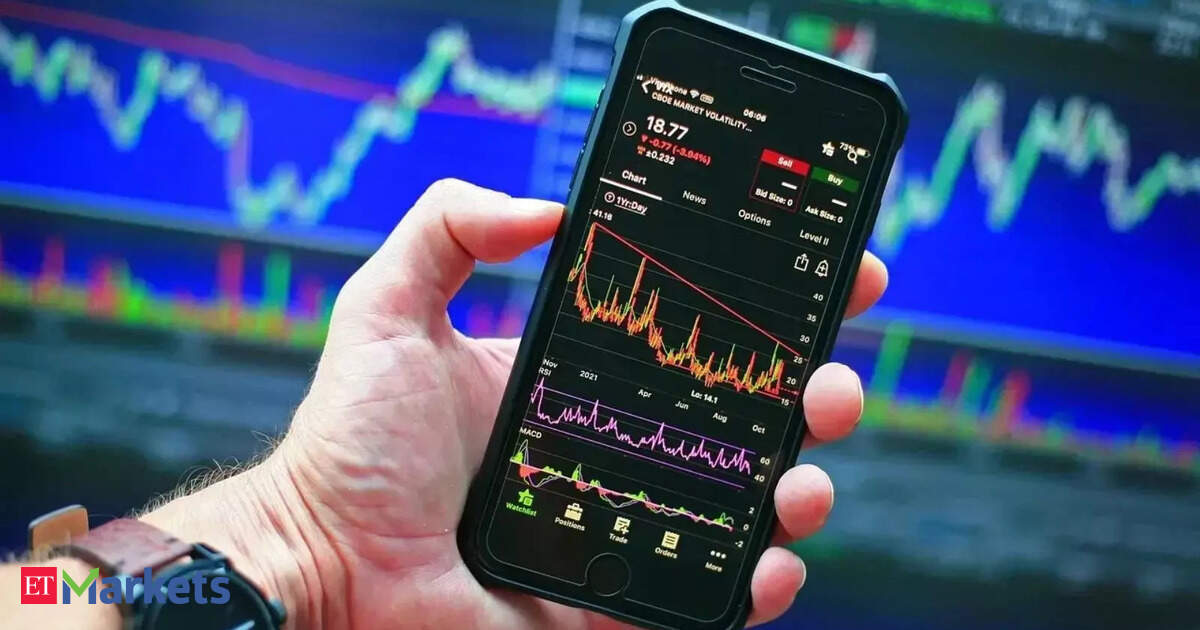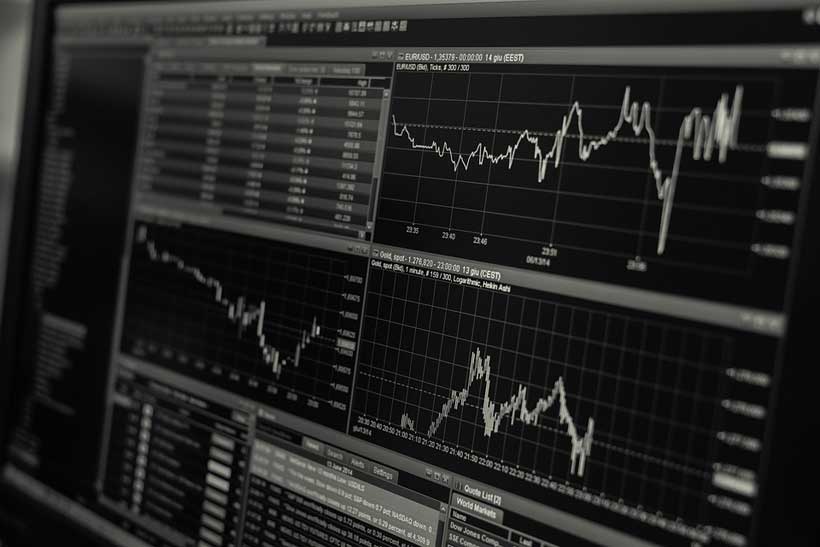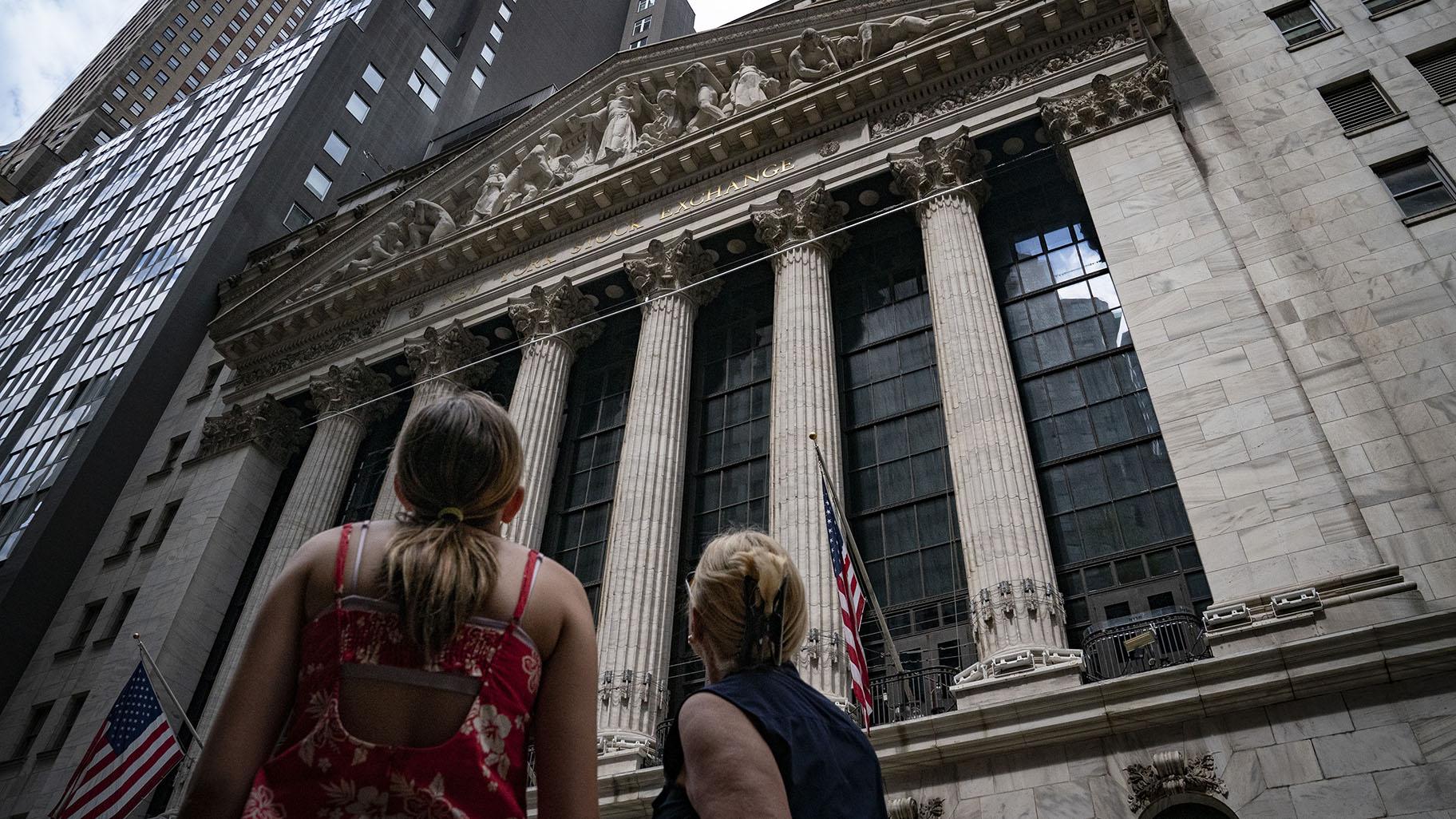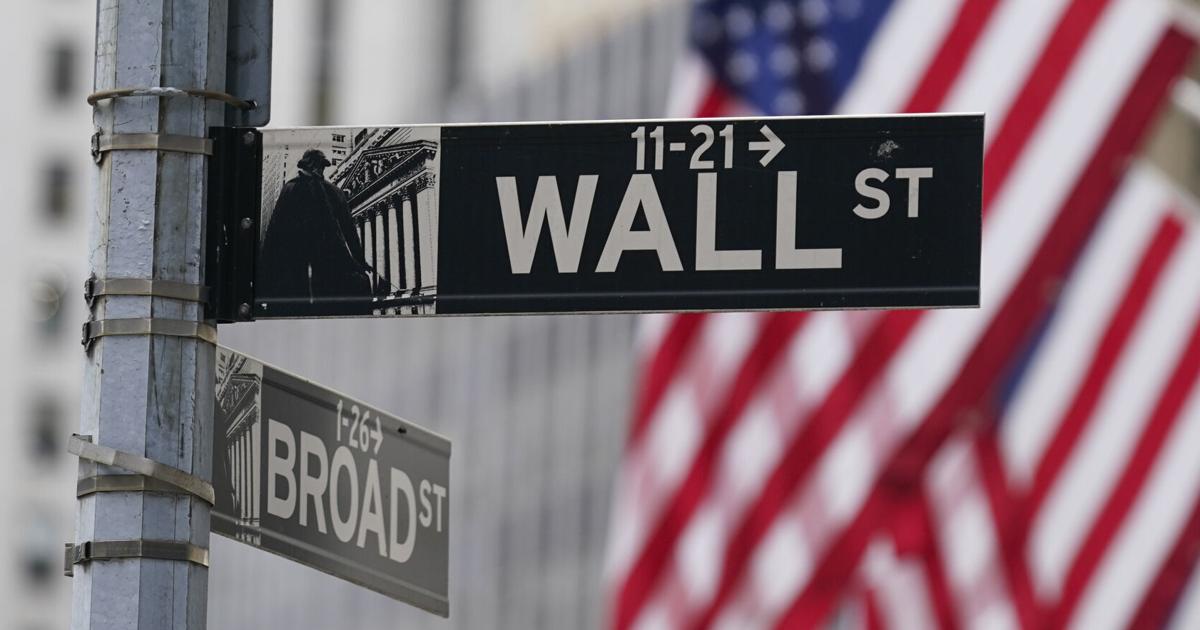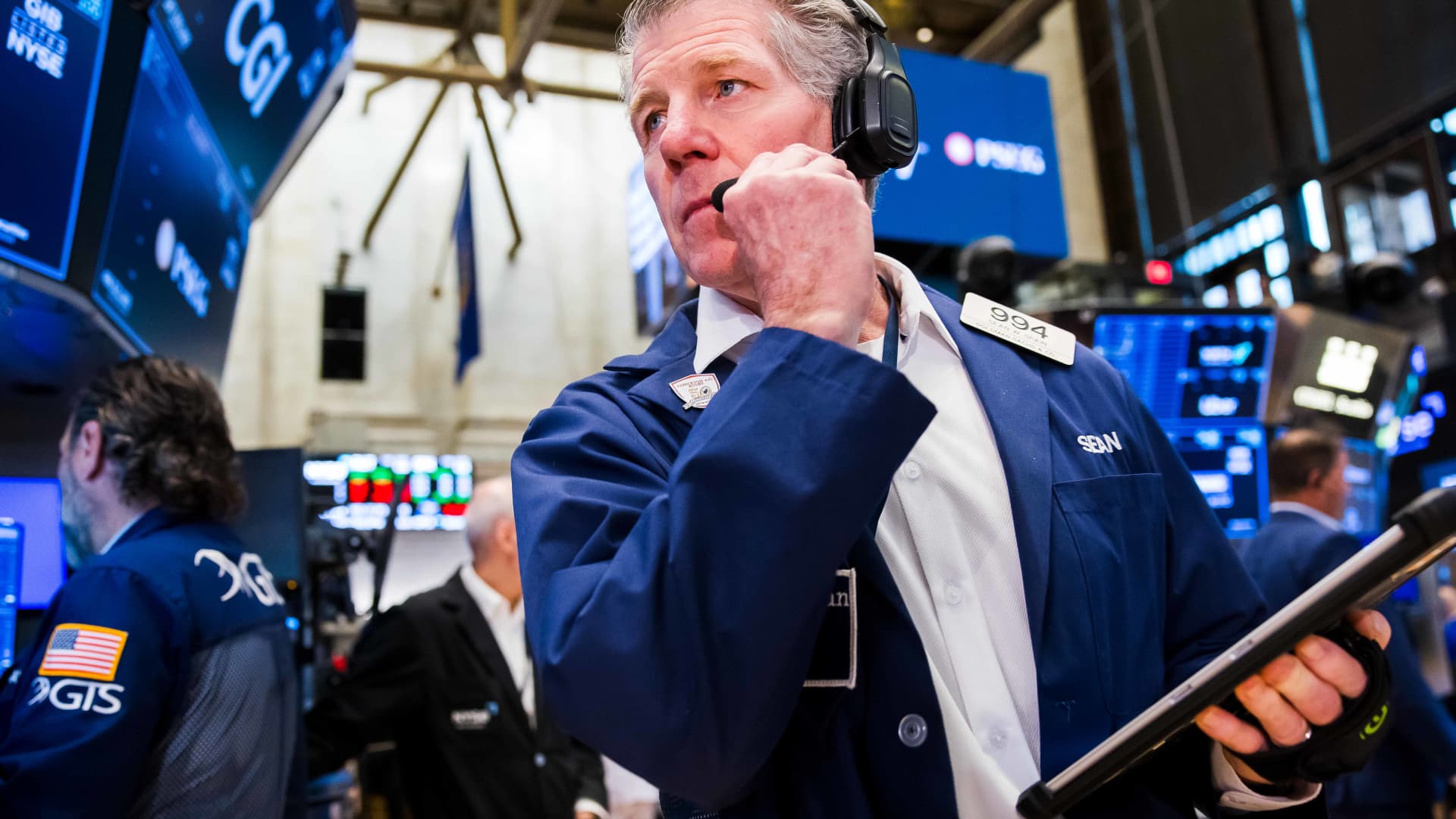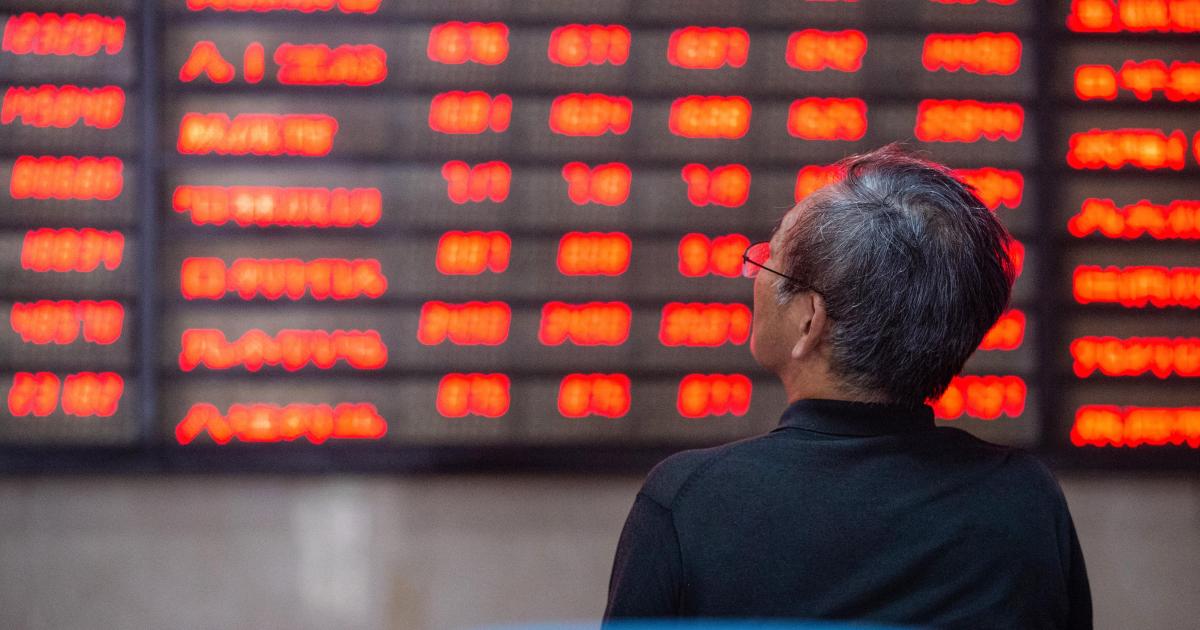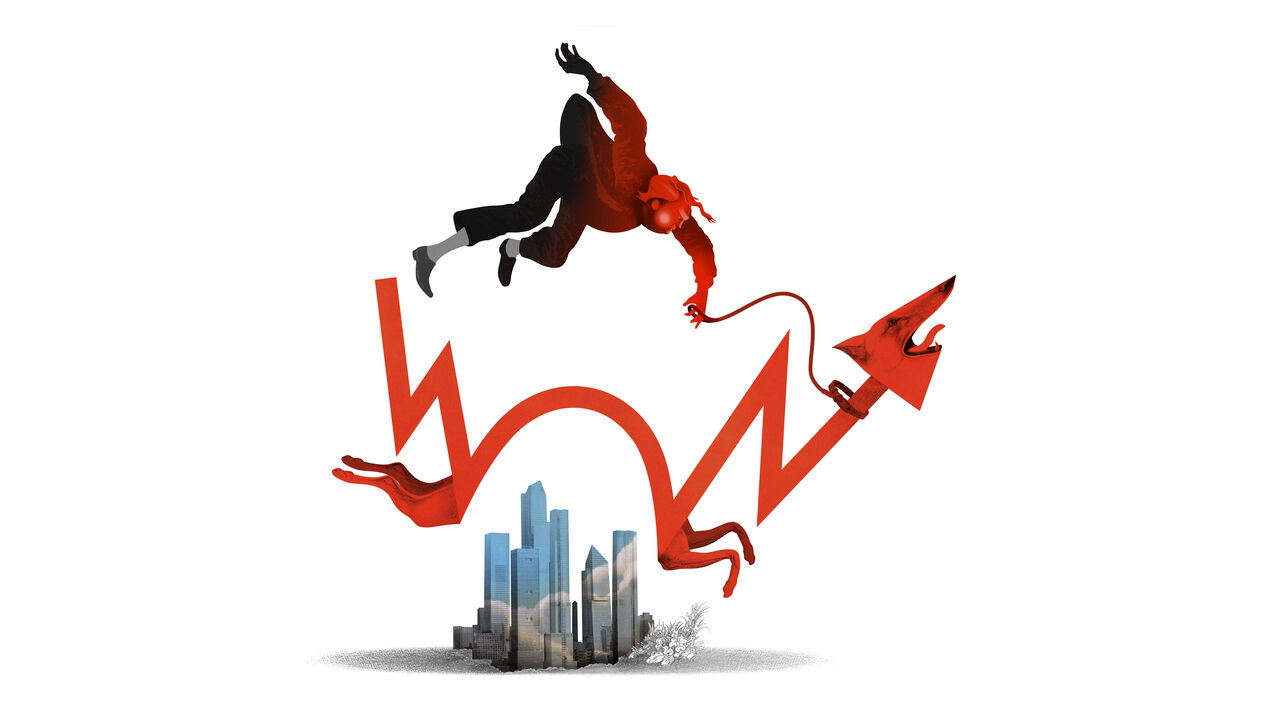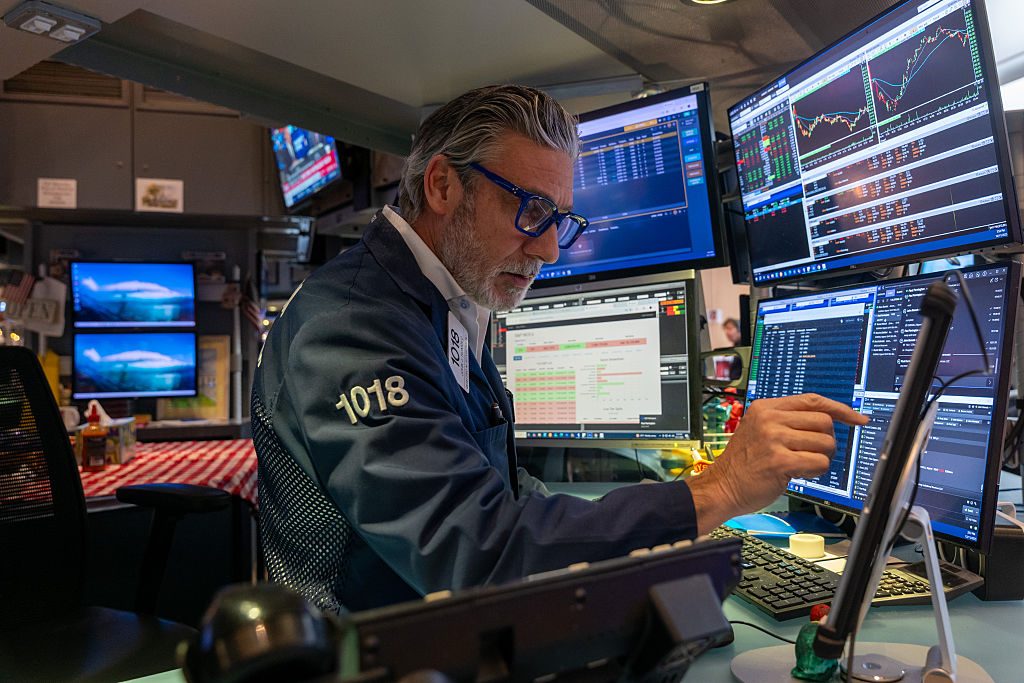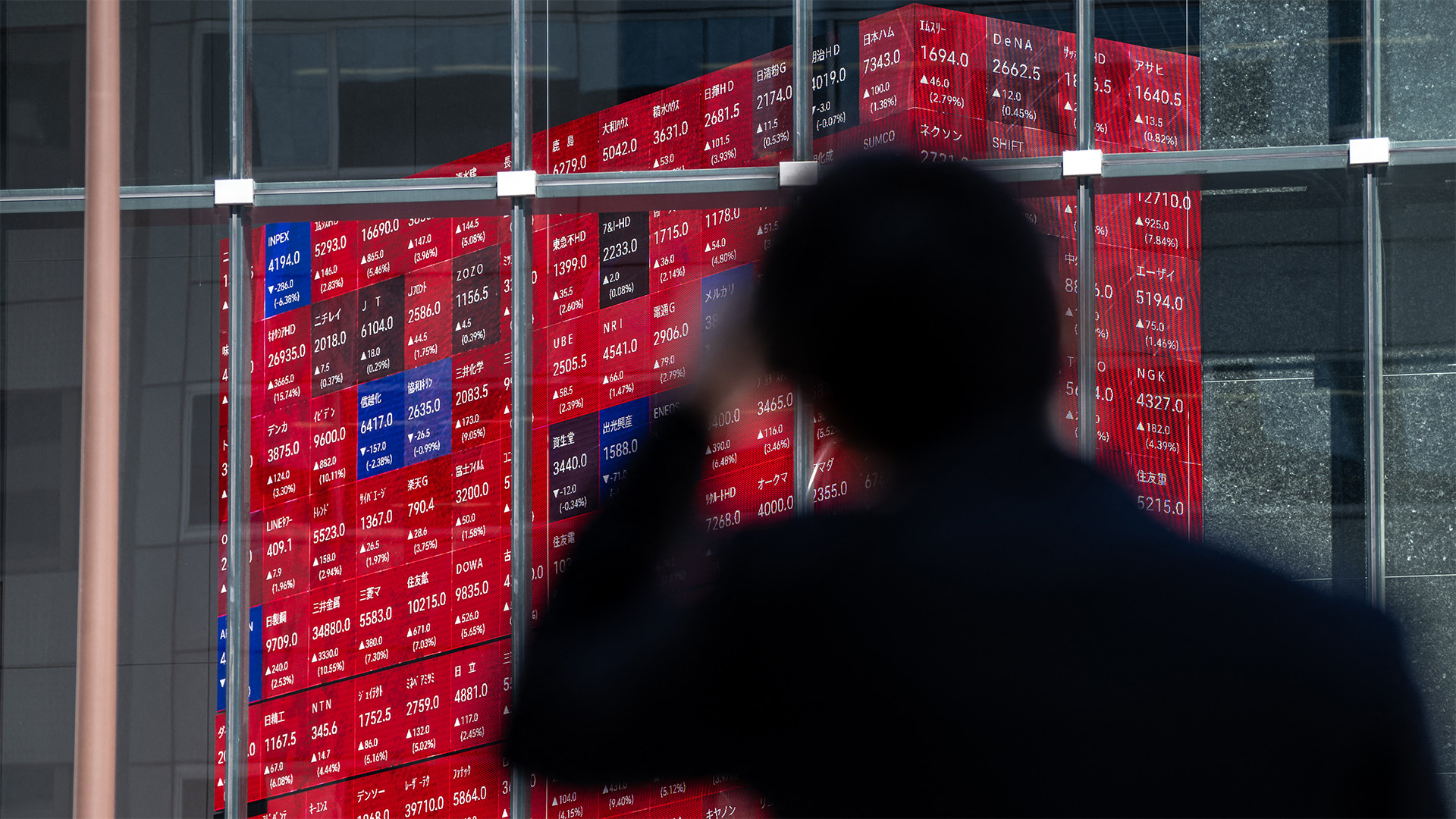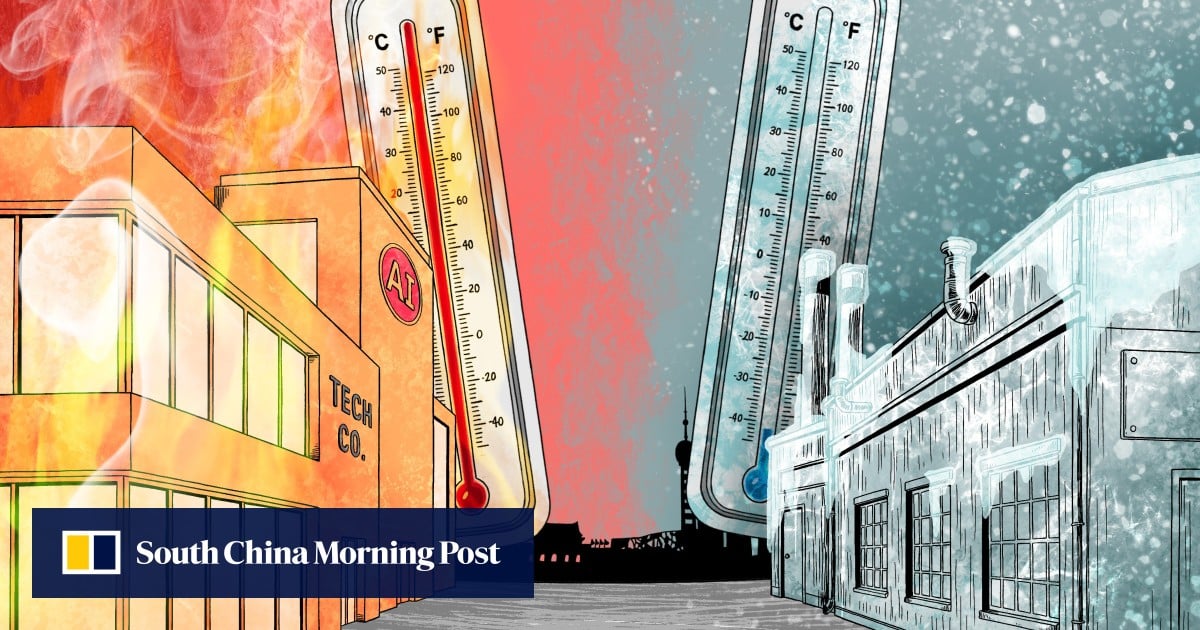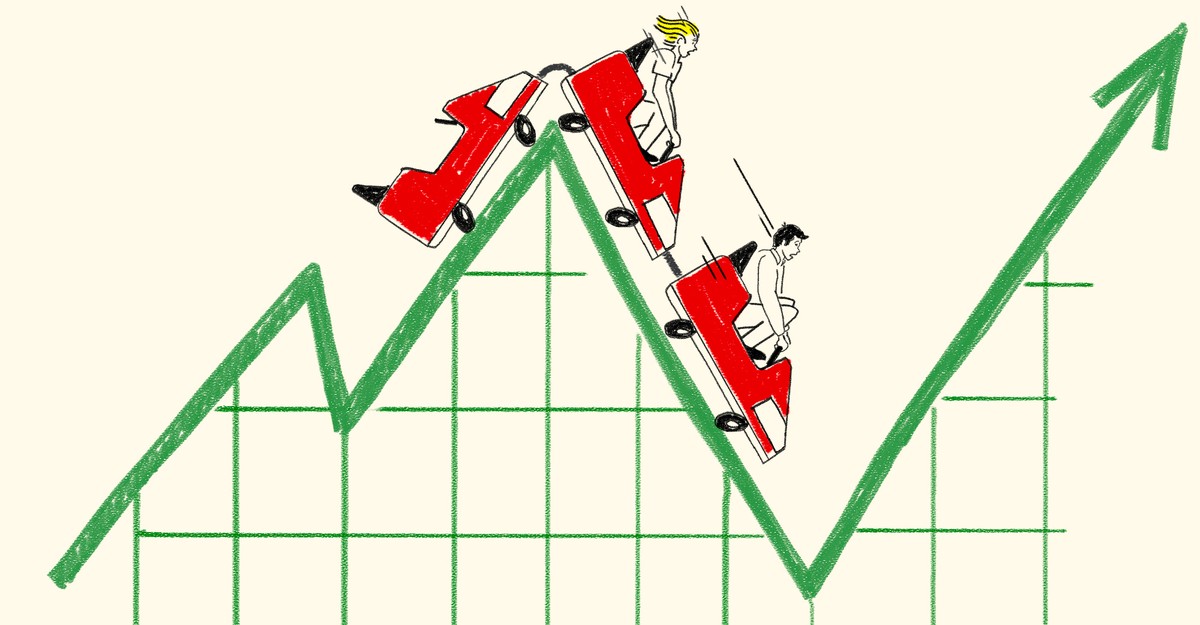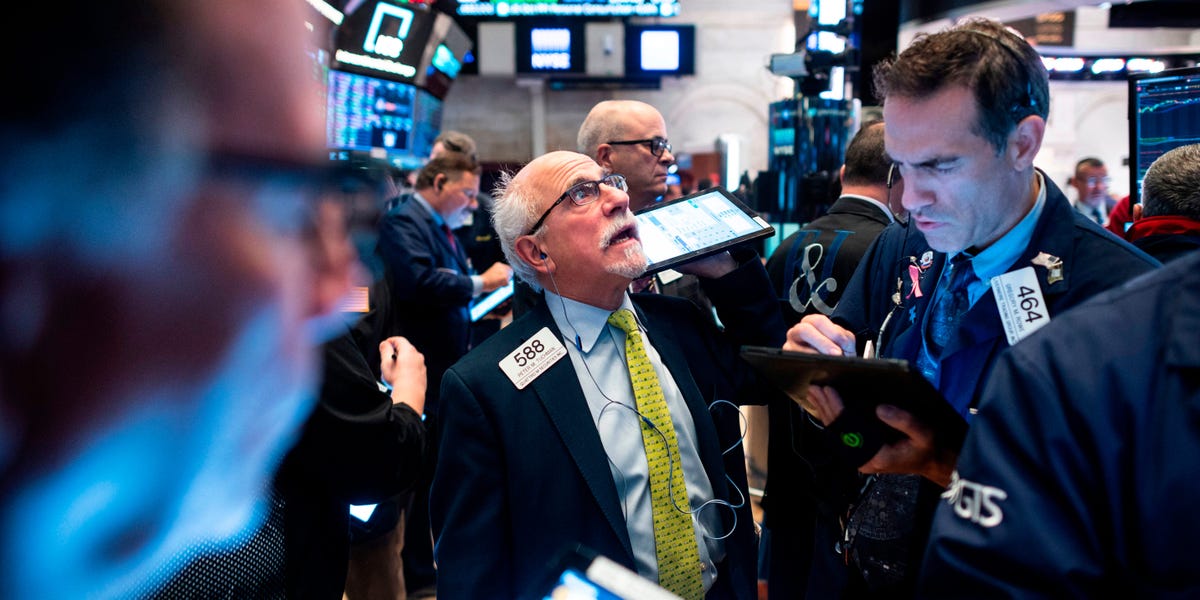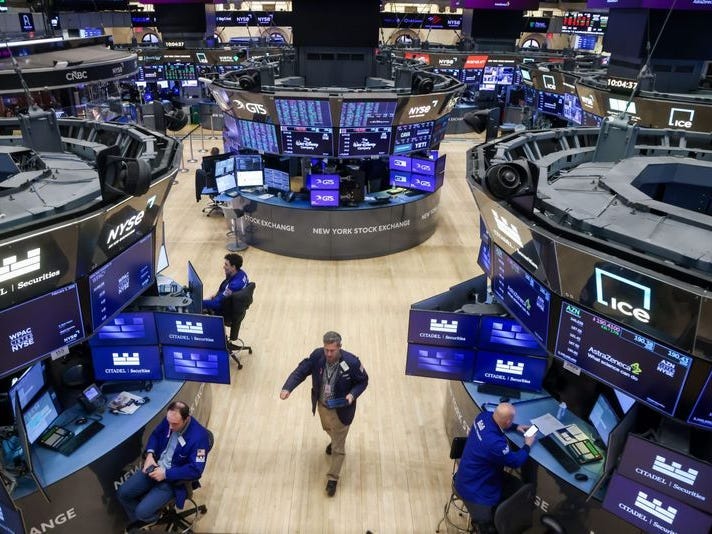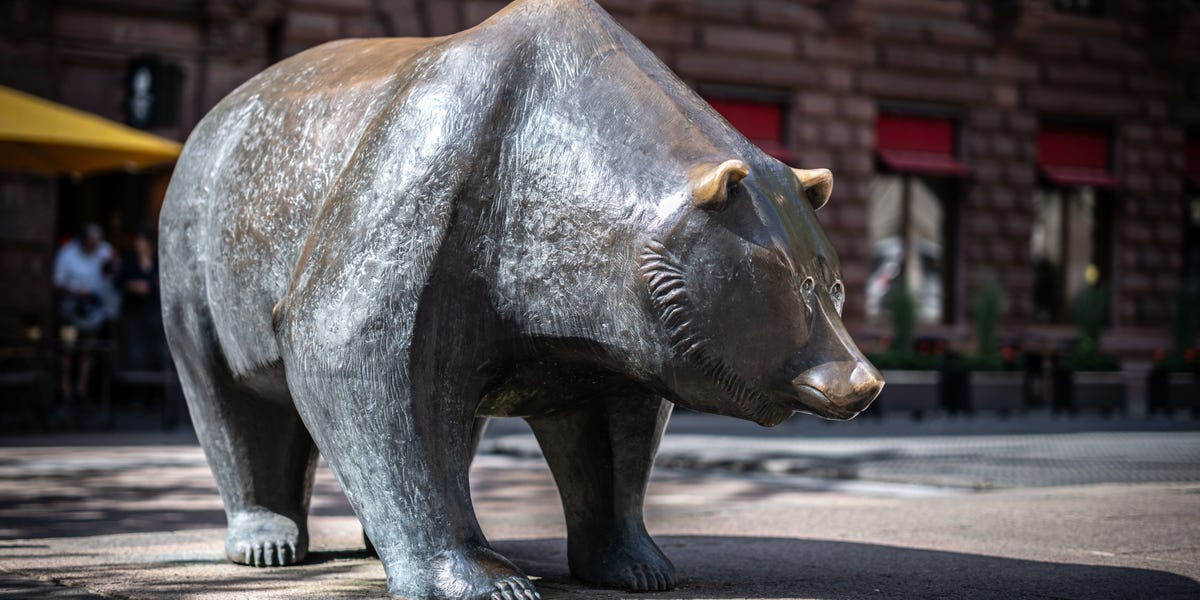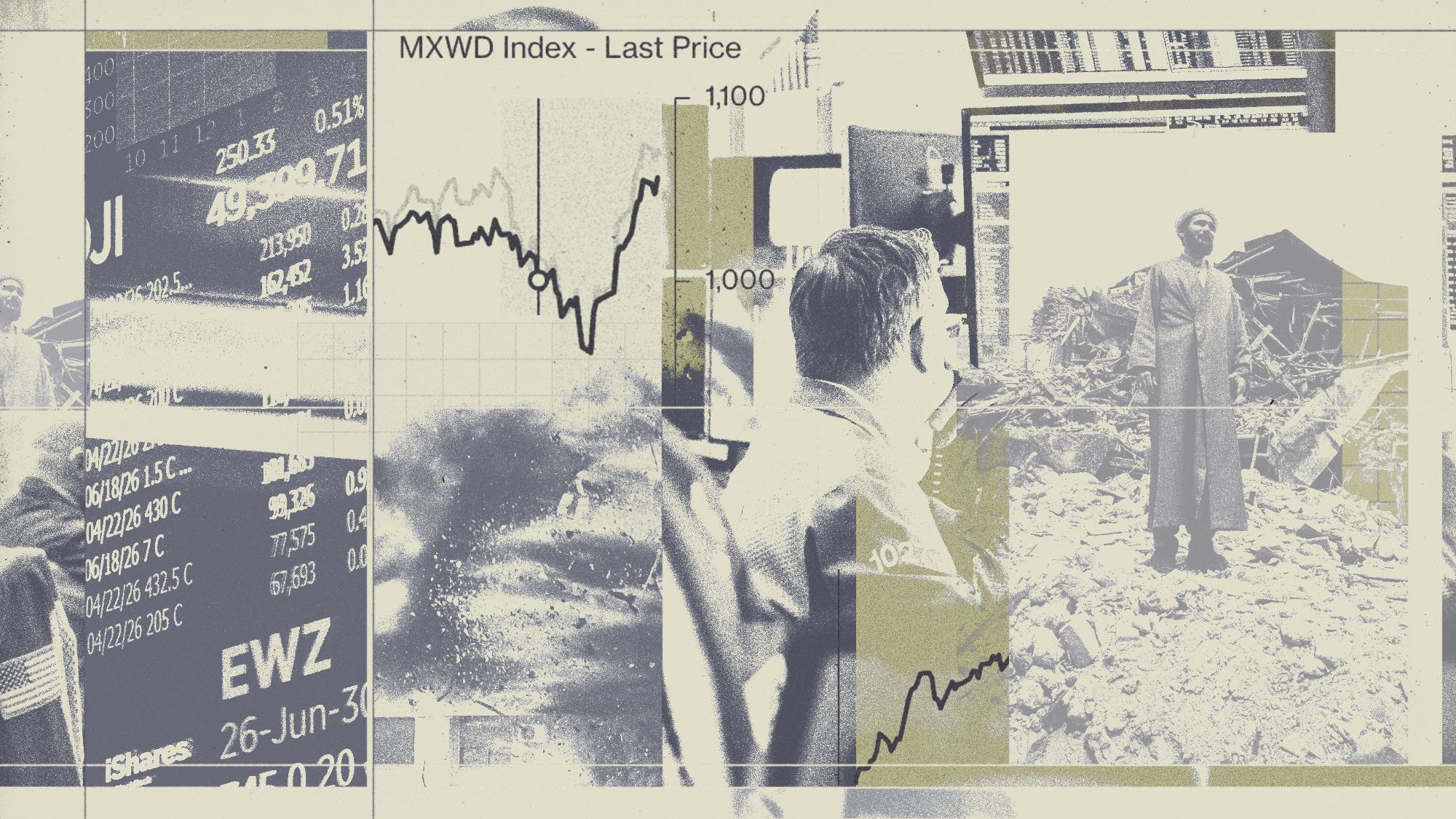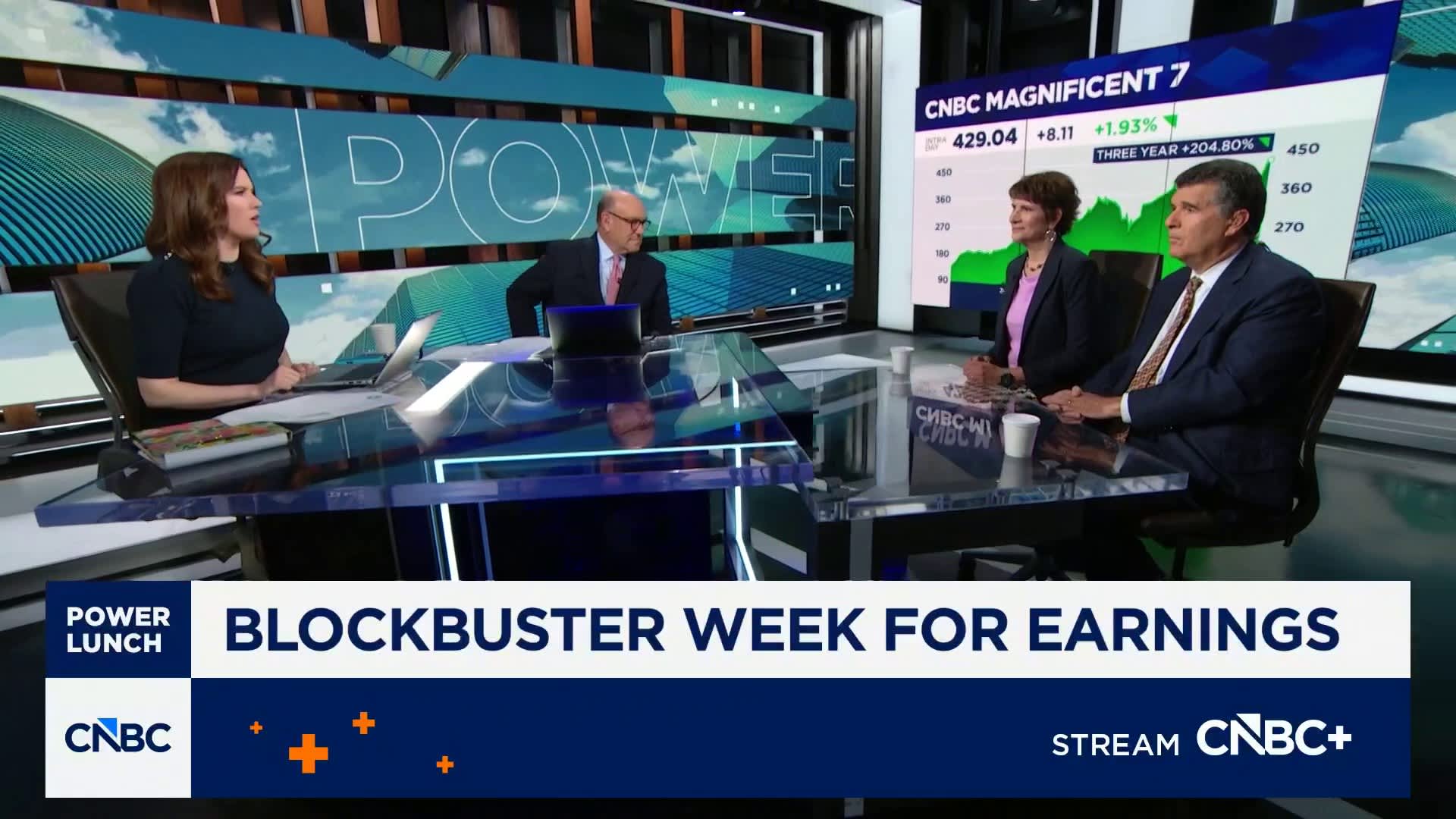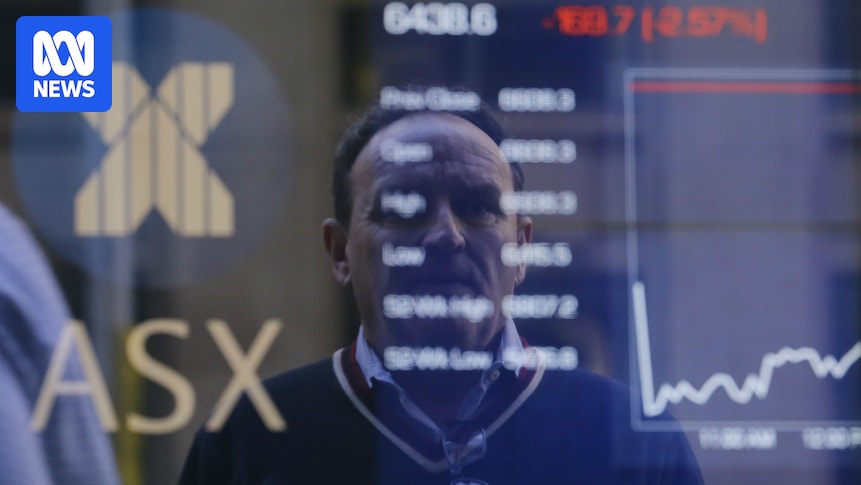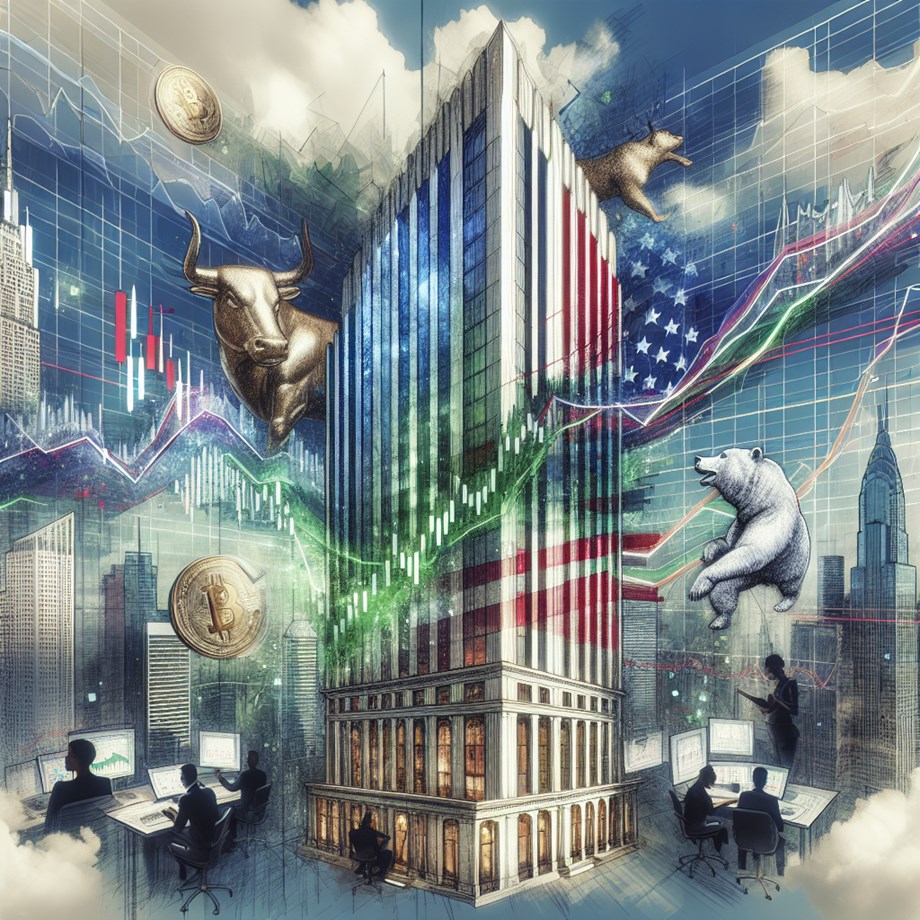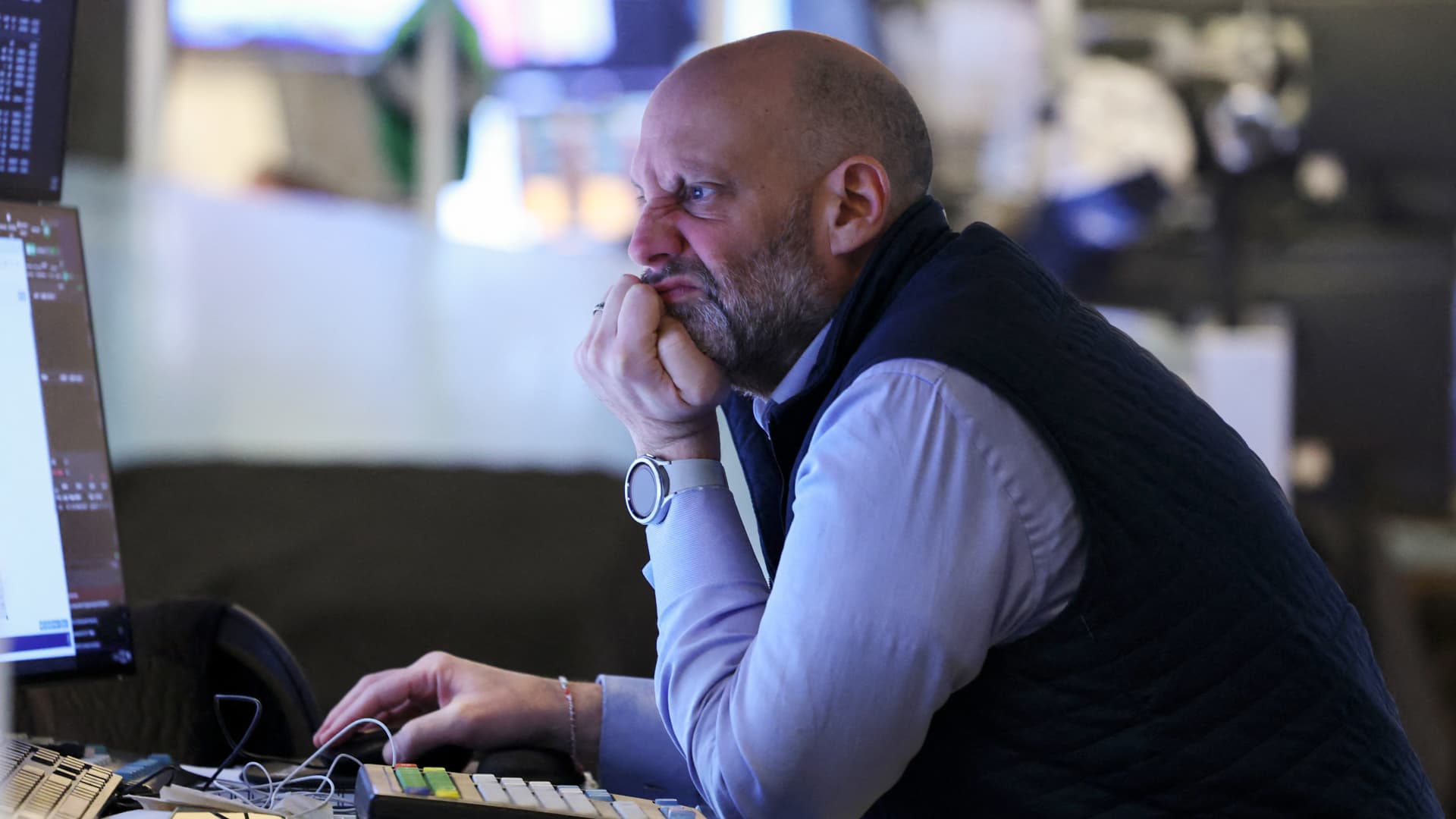
Judging by the soaring stock market, investors ostensibly think the economy is doing great. Stock prices briefly took it on the chin when the conflict with Iran broke out nearly two months ago. However, they have since rebounded in anticipation of the hostilities winding down and recently hit record highs.
Of course, the stock market isn’t the economy. Technology companies whose stock prices are driven by excitement over artificial intelligence account for almost half of the market, as measured by the value of outstanding stock. The AI enthusiasm is operating on its own dynamic, independent of the Iran conflict and broader economic developments.
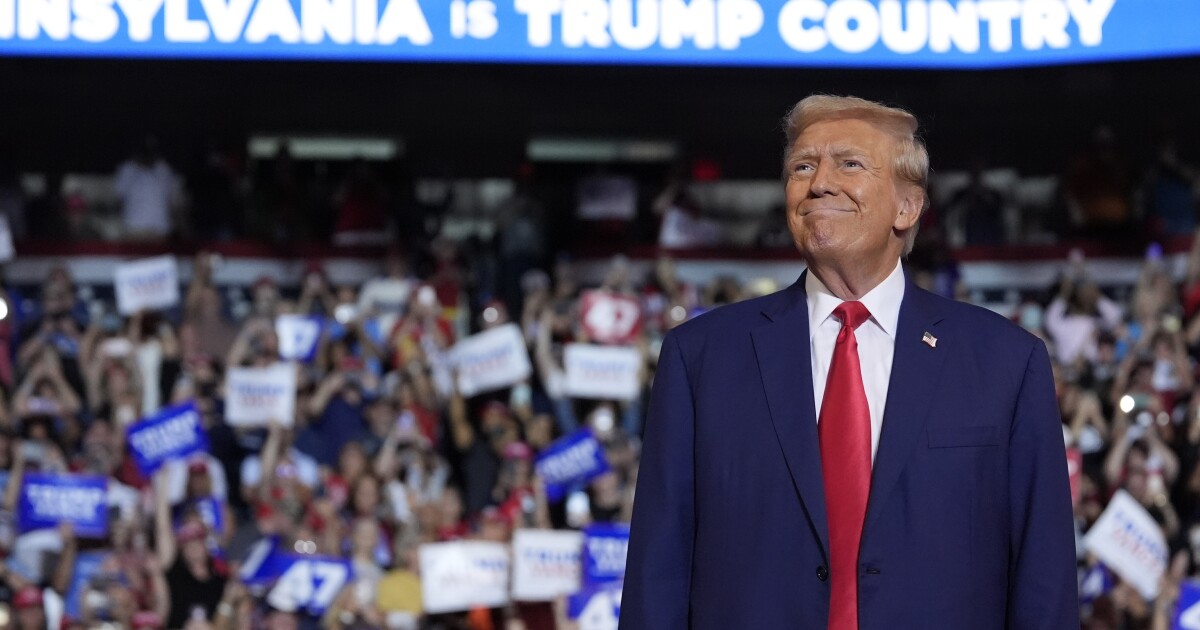
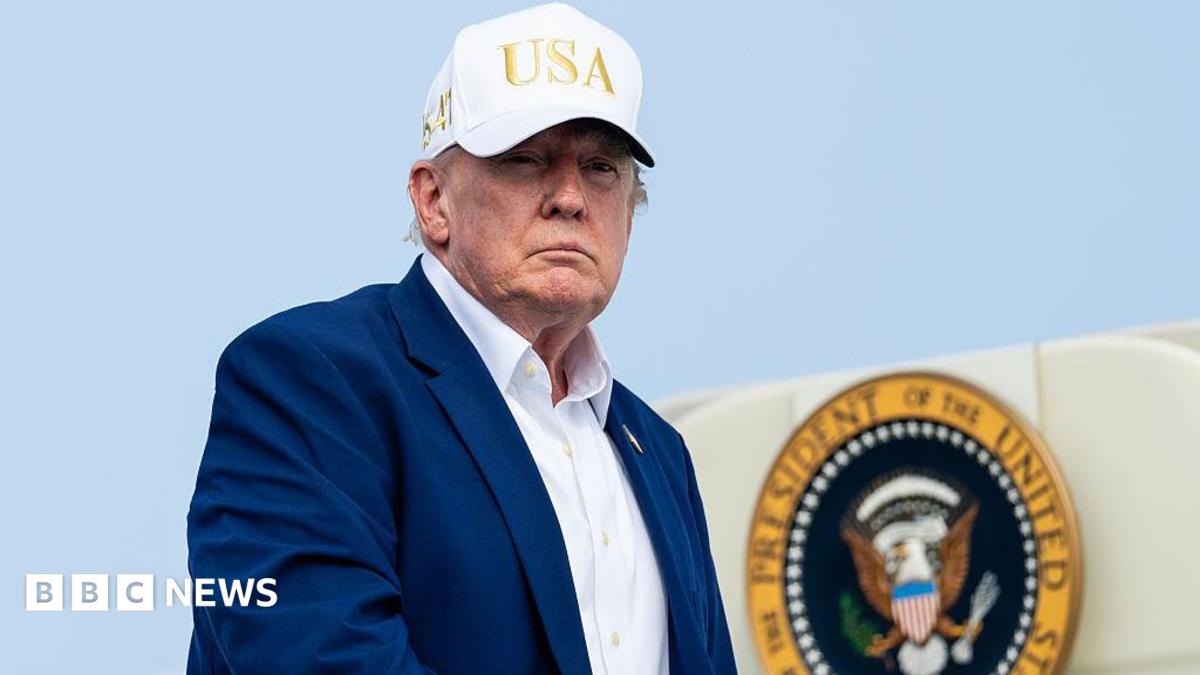
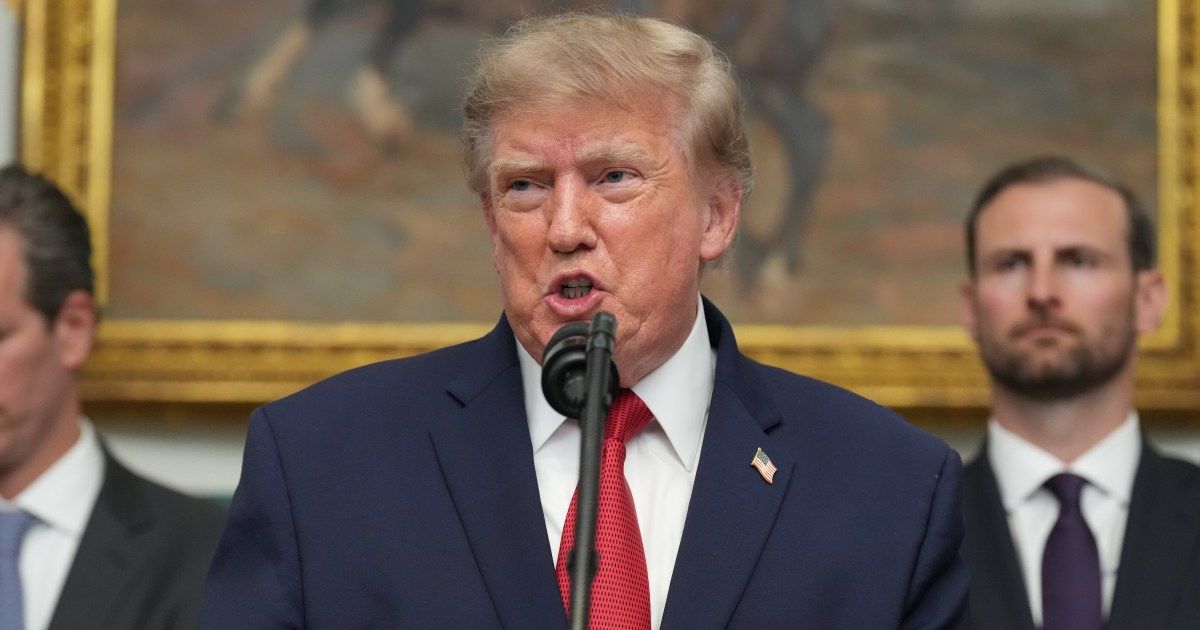
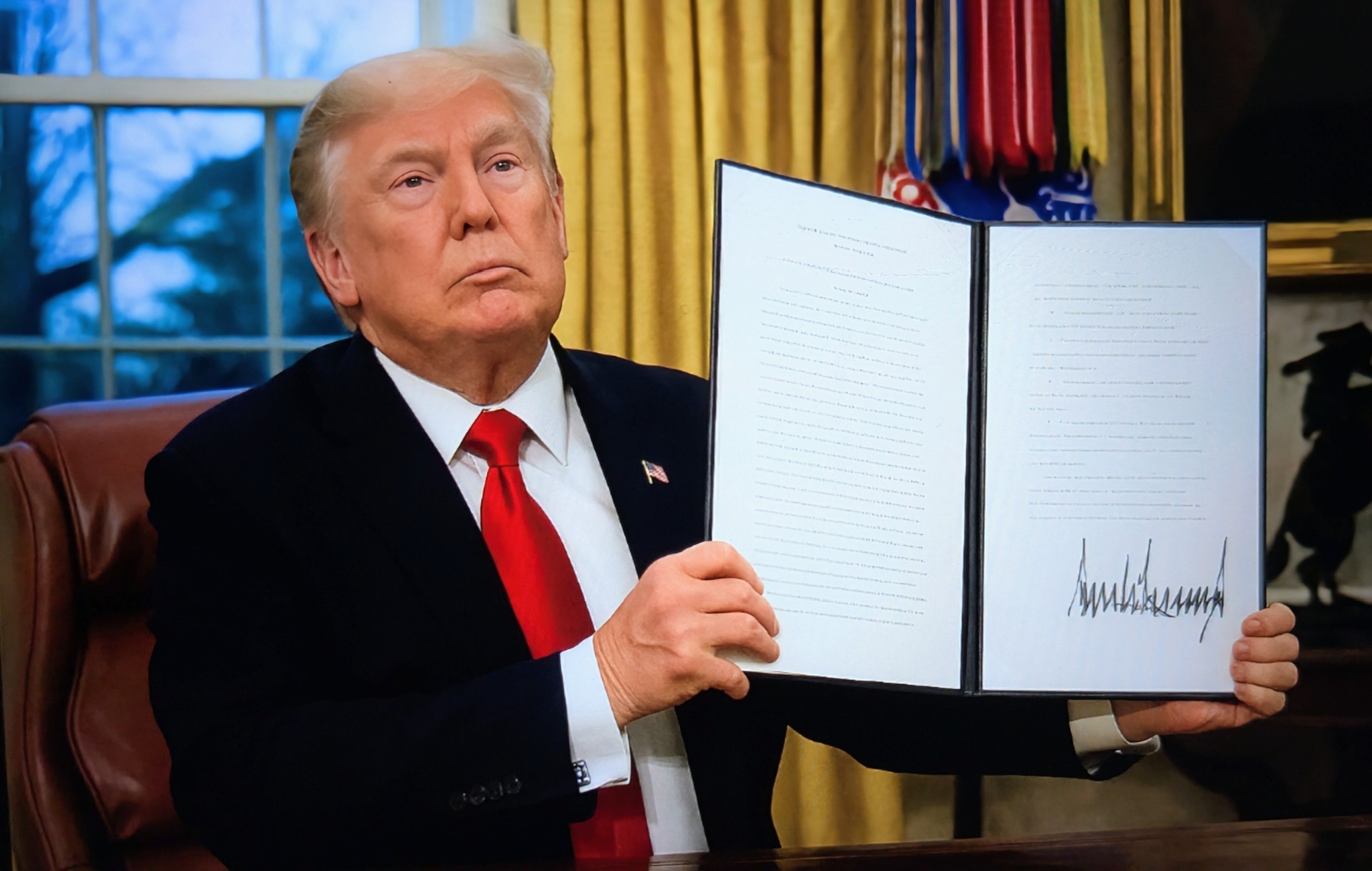
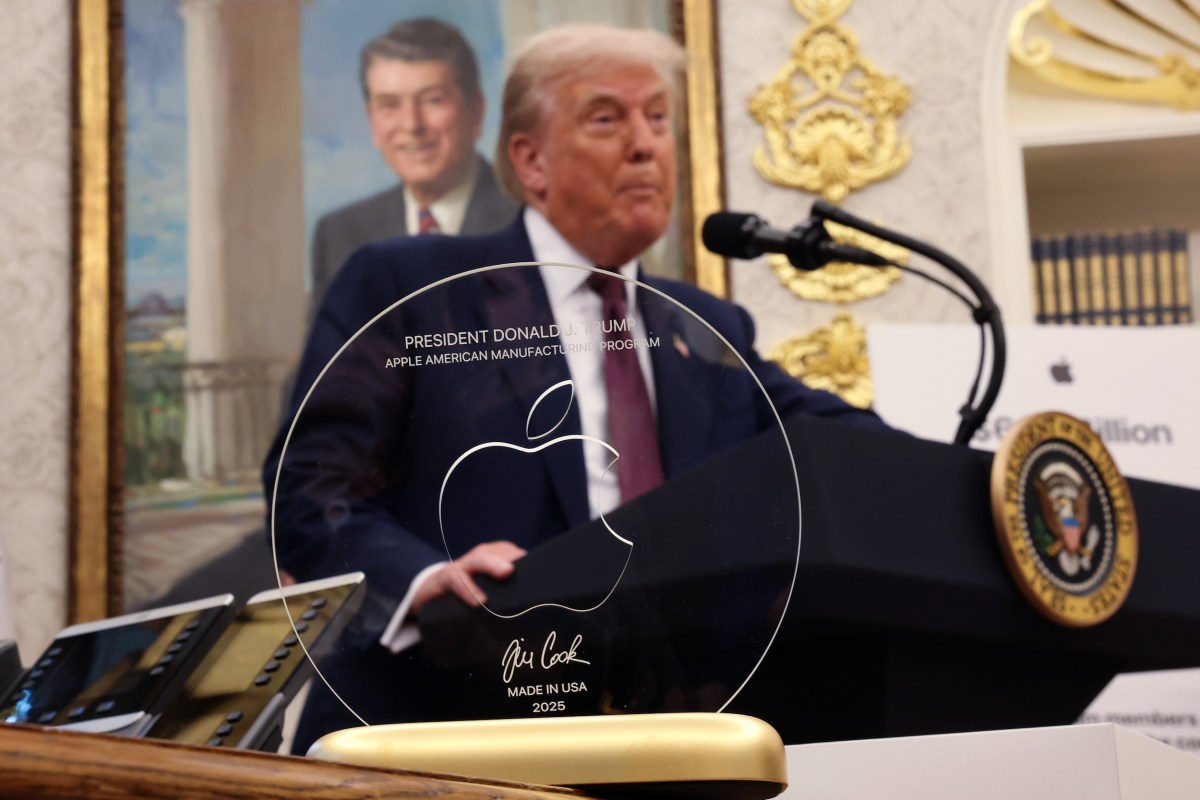
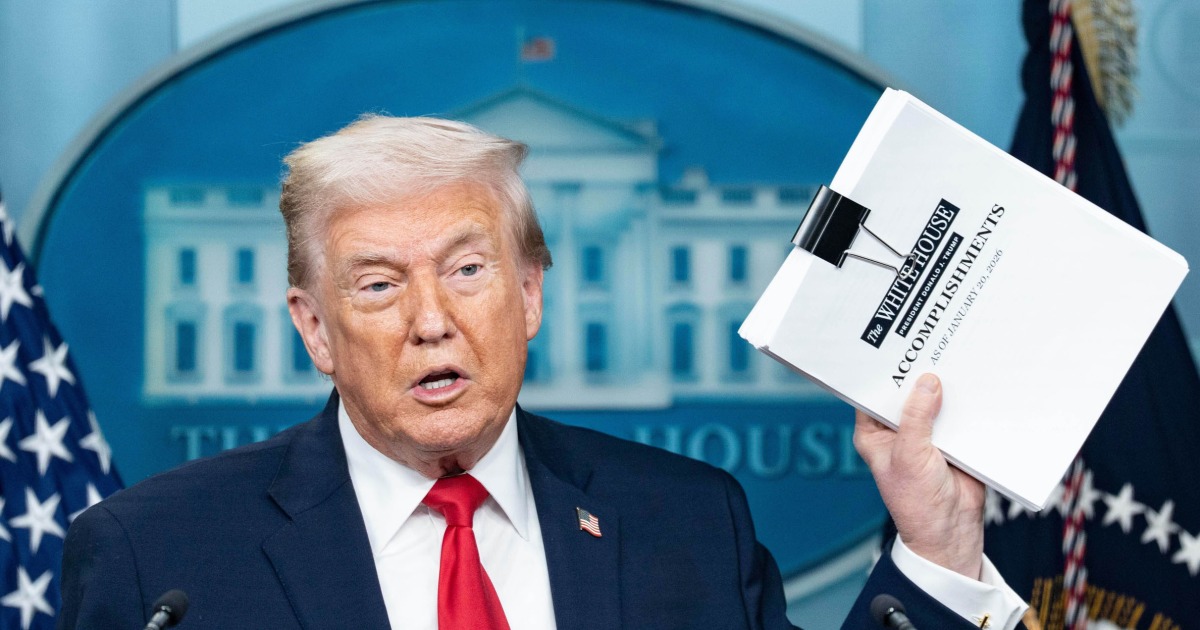
Then there is the massive tax cut that corporate America received this year as part of President Donald Trump’s One Big Beautiful Bill Act. The most lucrative aspect of that legislation is that businesses can now expense their investments up front, rather than depreciate them, reducing their tax bills. This has significantly boosted after-tax profits and, in turn, companies’ stock prices.
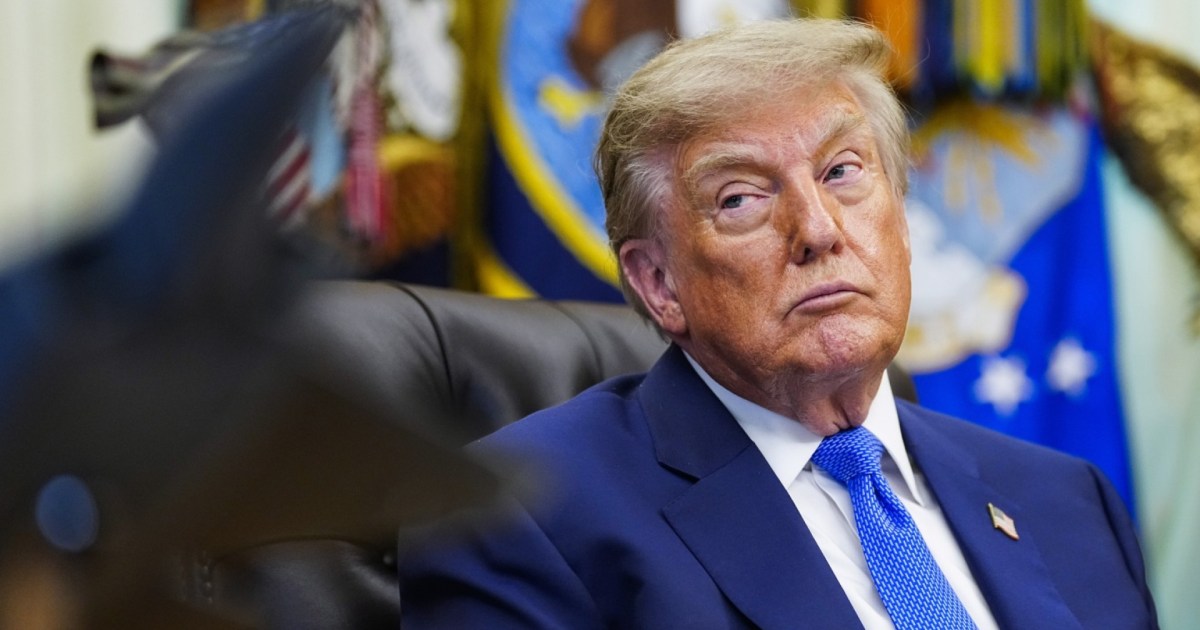
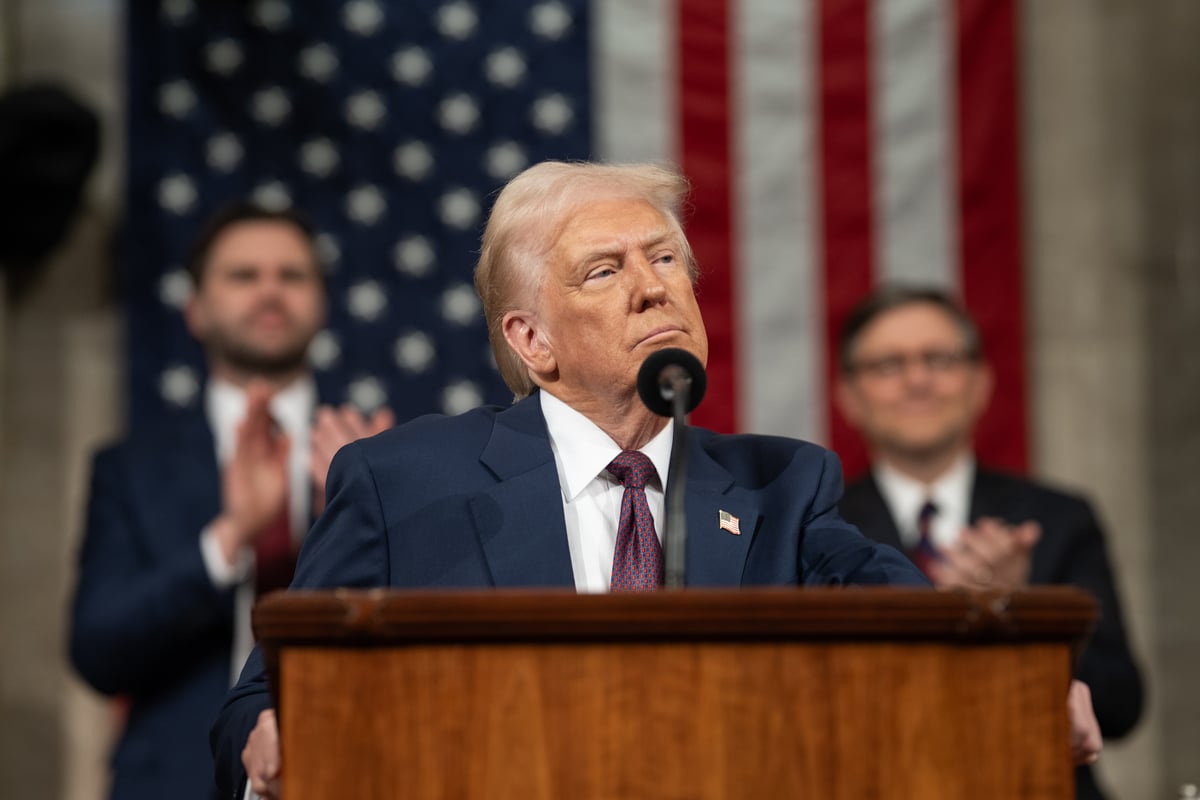
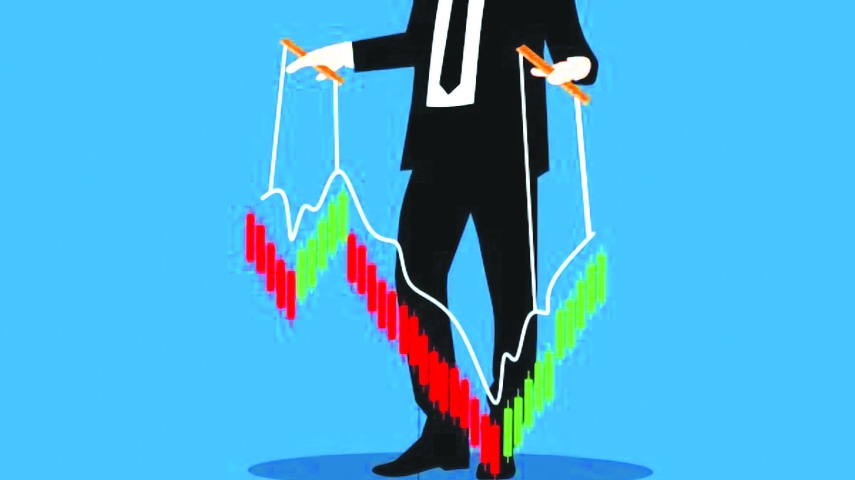
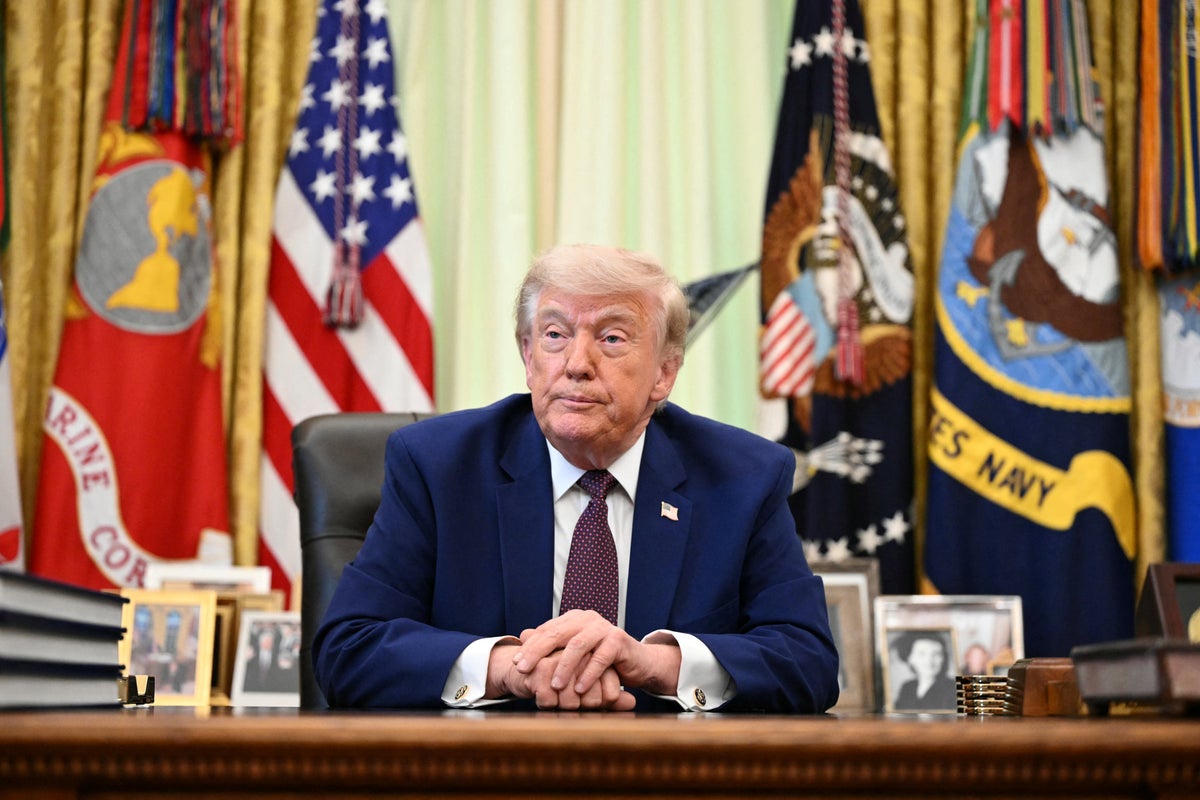
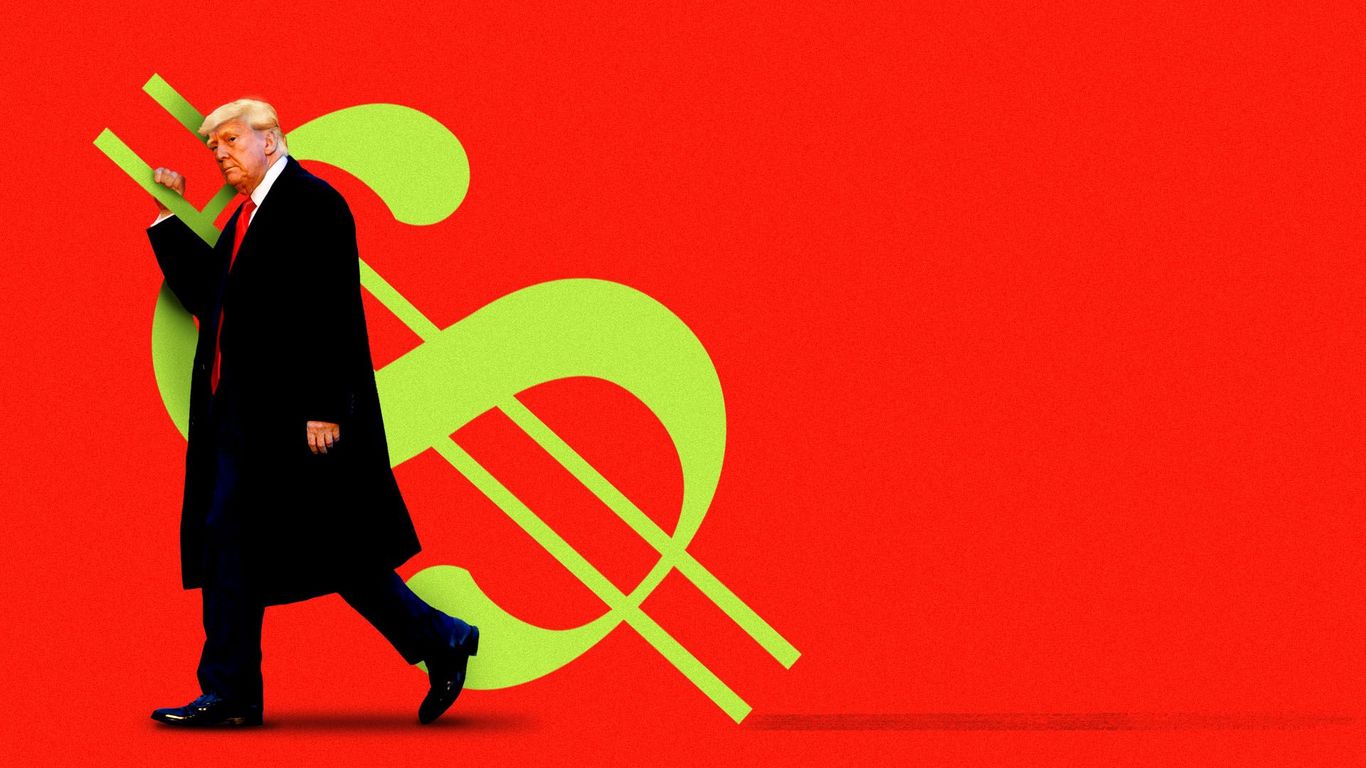
But the surge in stock prices goes even beyond AI and after-tax profits, and reflects investors’ view that, if push comes to shove, the president will bail them out. That is, Trump uses the stock market as a barometer of how well his policies are doing, and therefore will do whatever is necessary, such as end the Iran conflict, to ensure that if stock prices fall, they won’t stay down for long.
Given all this, I wouldn’t take solace in the record stock market as an indicator of the economy’s performance.
Lagging consumer sentiment
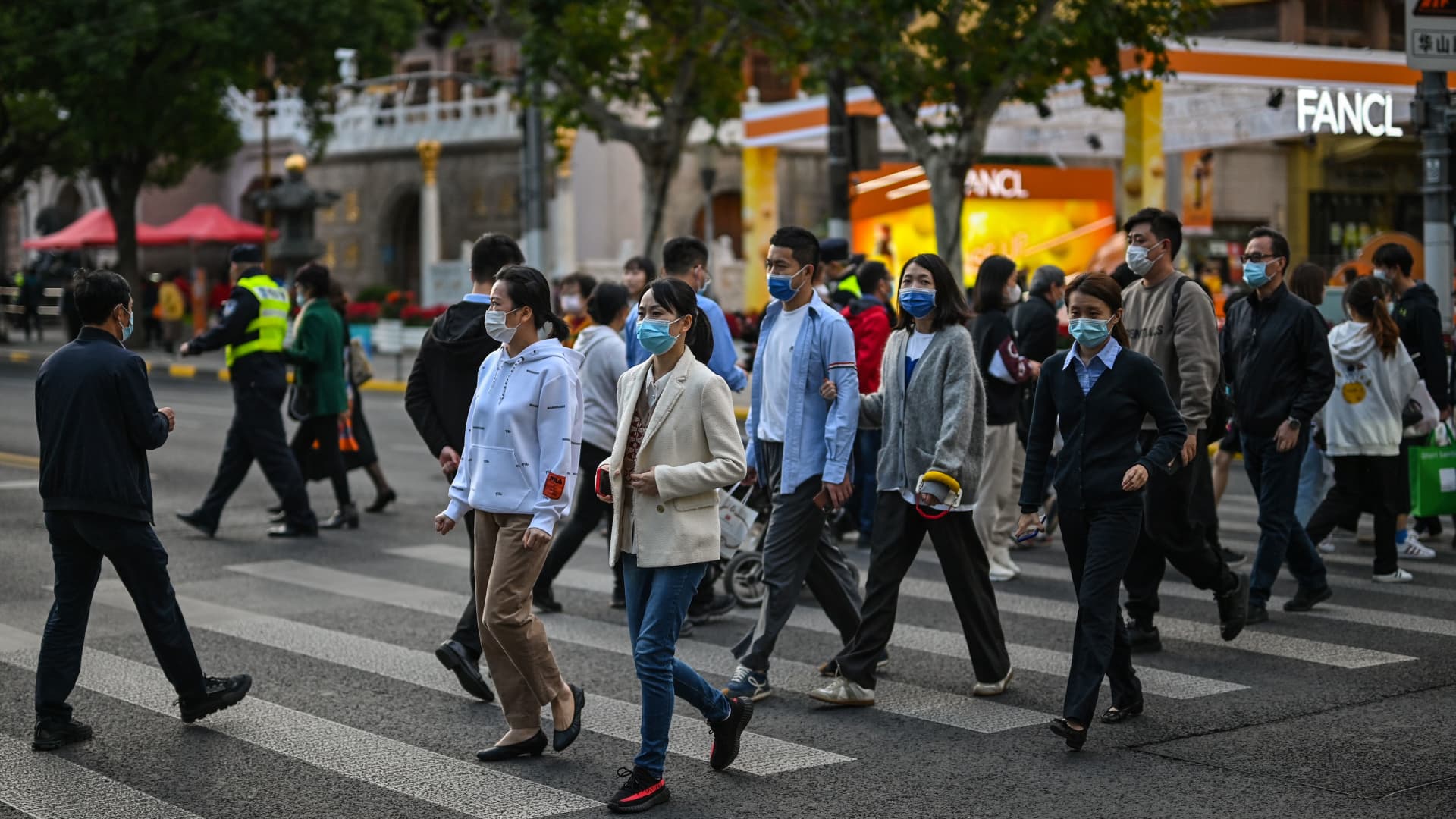
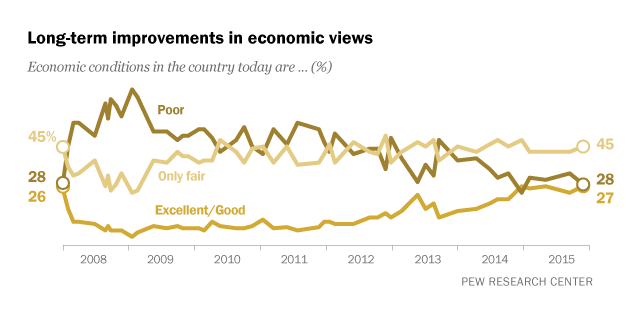
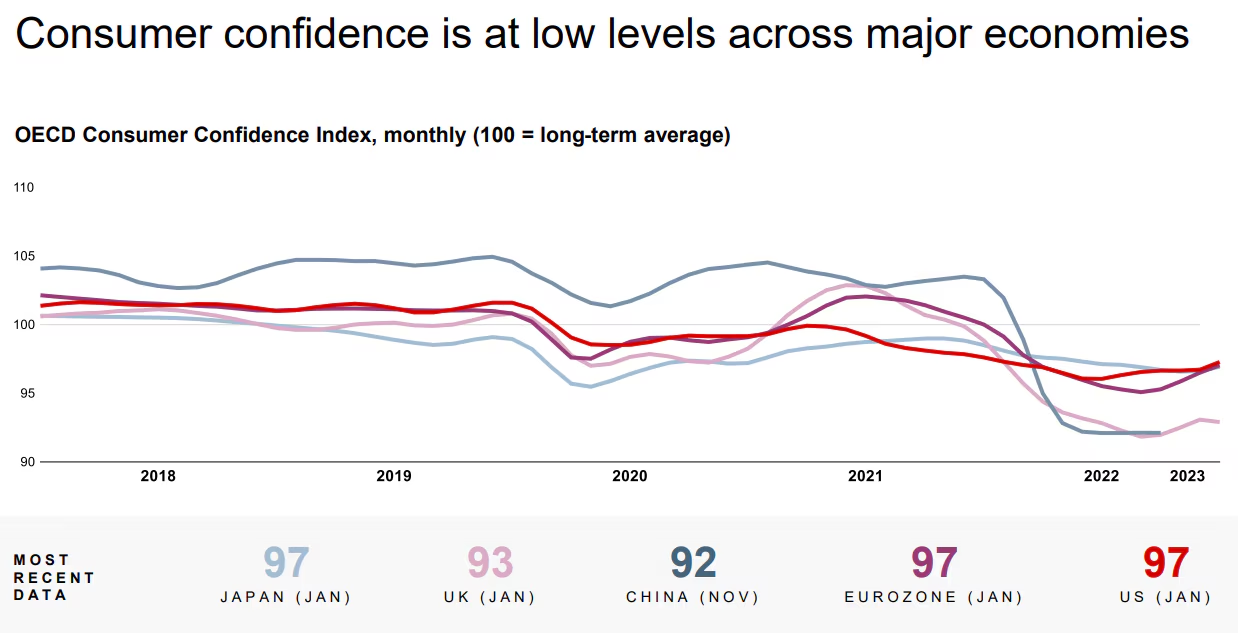
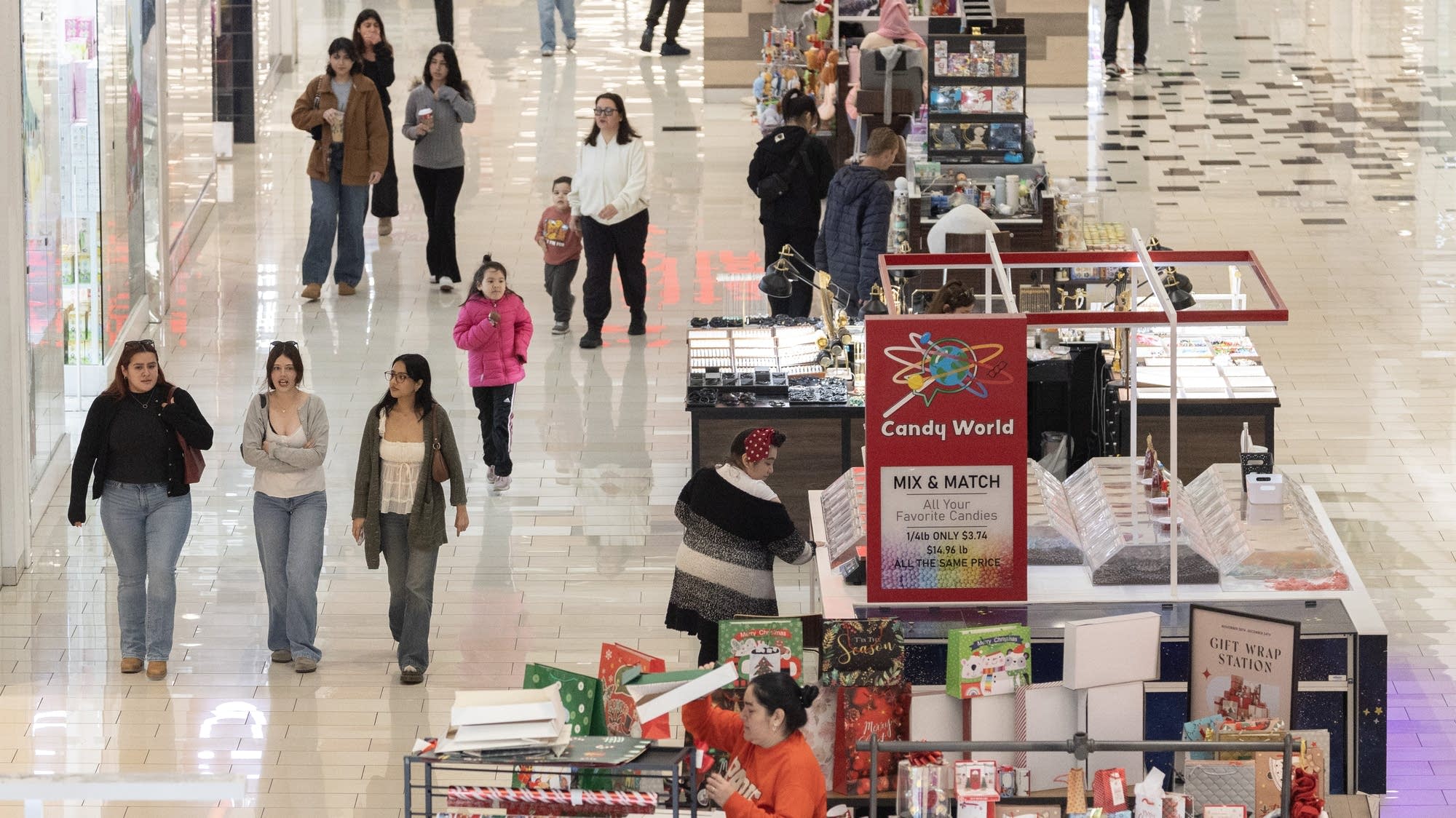
And judging by record-low consumer sentiment, most Americans appear to agree. That’s right: Stock prices are at a record high, while consumer sentiment is at a record low — at least as measured by the venerable University of Michigan survey of consumers, which began in the 1950s. Sentiment is even lower than in the middle of the COVID-19 pandemic and the global financial crisis. Taking the survey results at face value, consumers are saying the economy has never been worse.
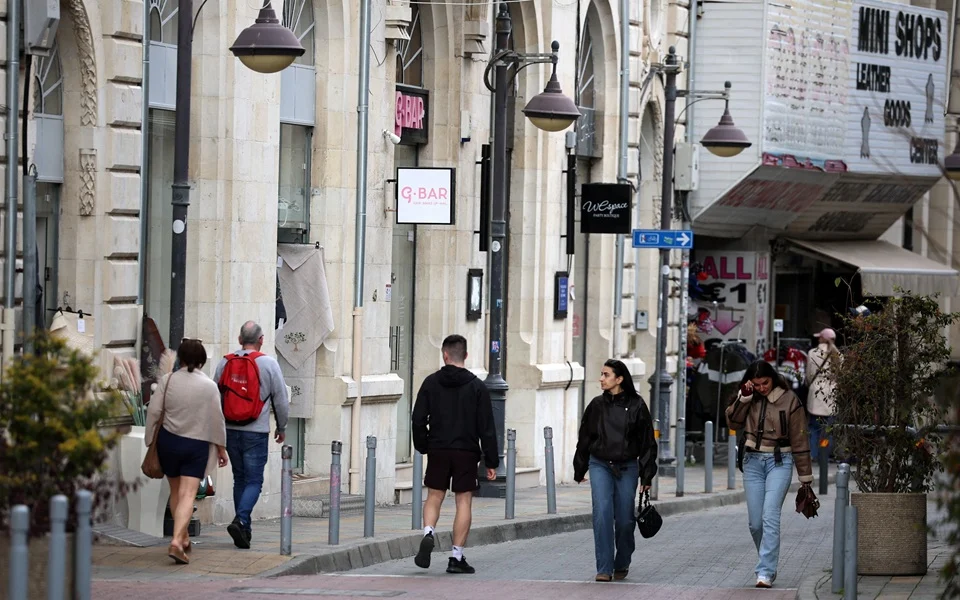
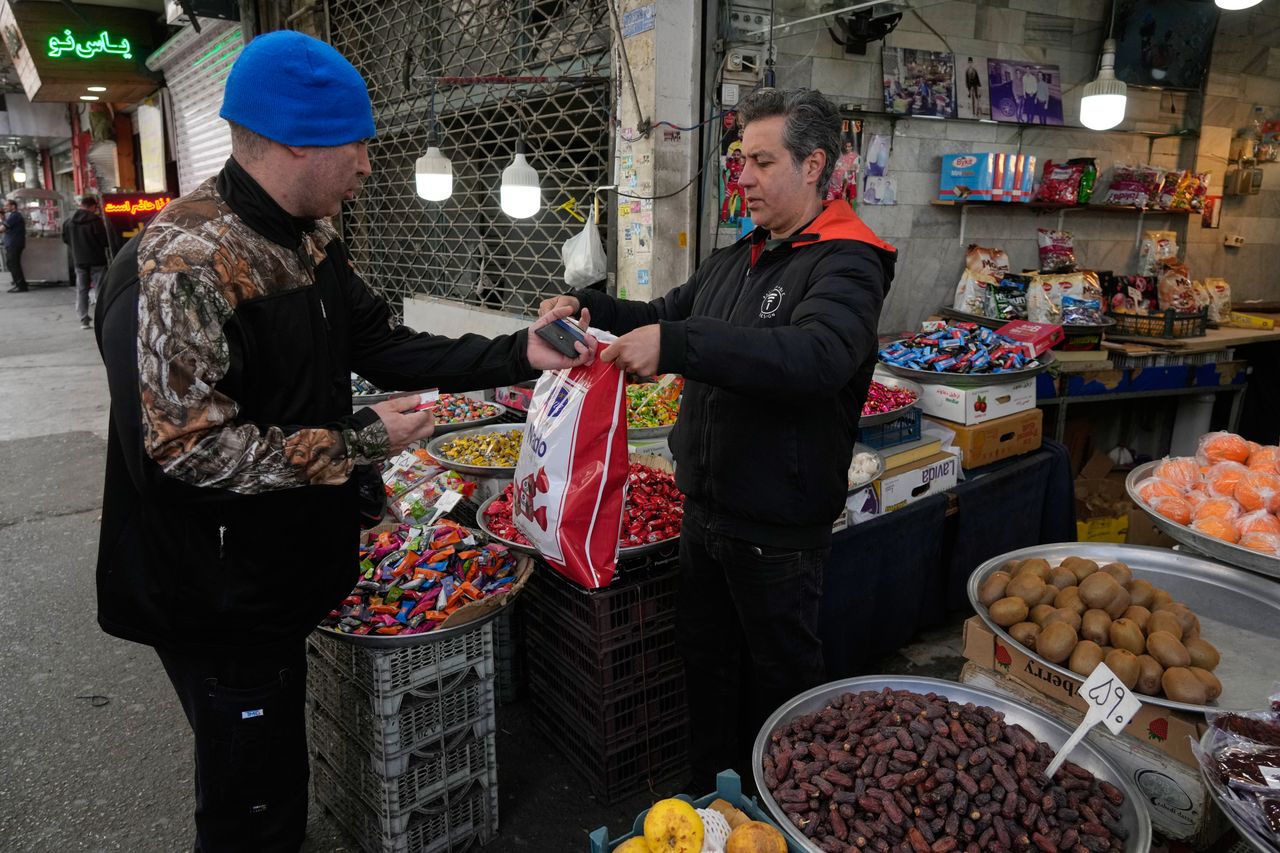
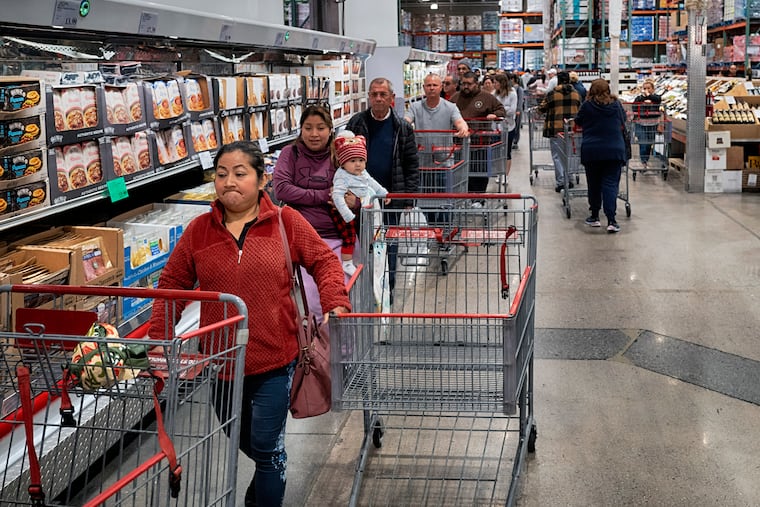
Most Americans have good reasons to be uncomfortable with their financial situations. Most don’t own stocks, at least none of any consequence, so higher stock prices don’t mean anything to their financial fortunes.
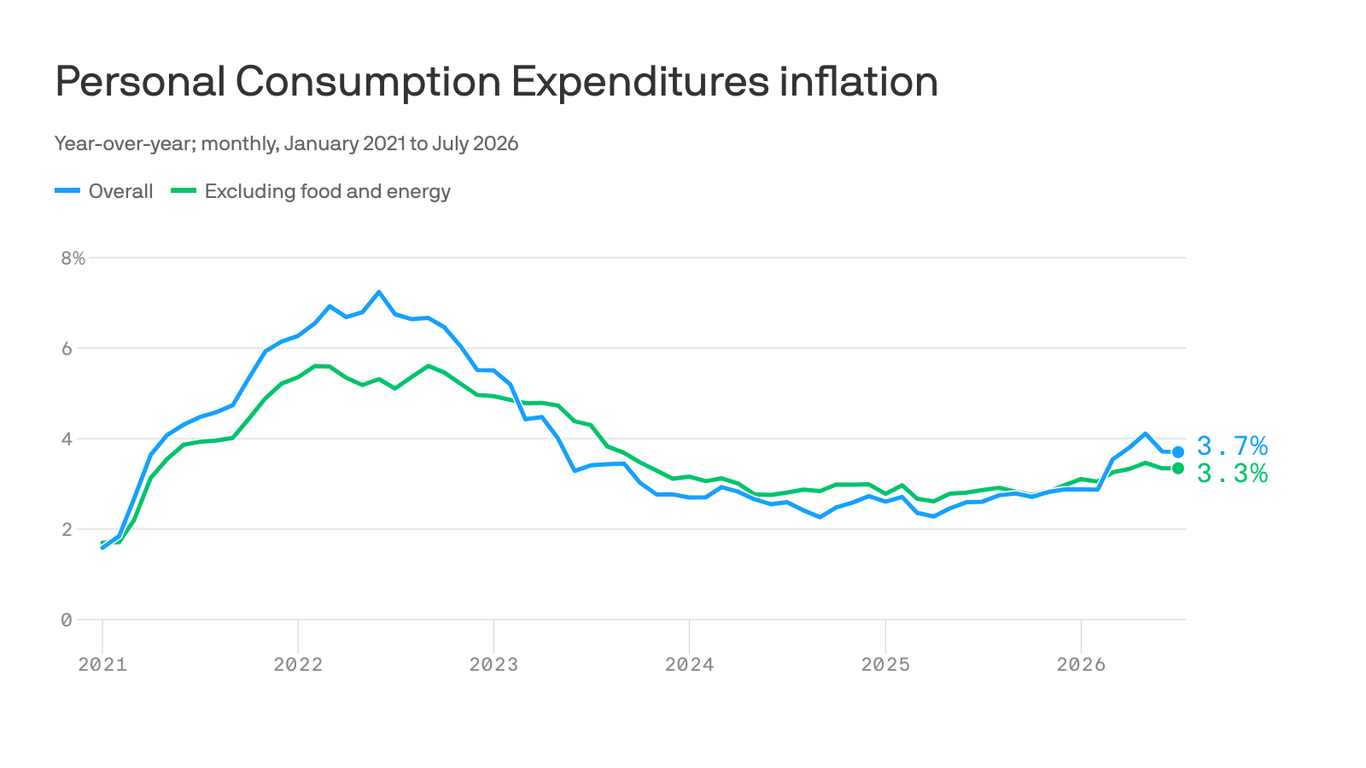
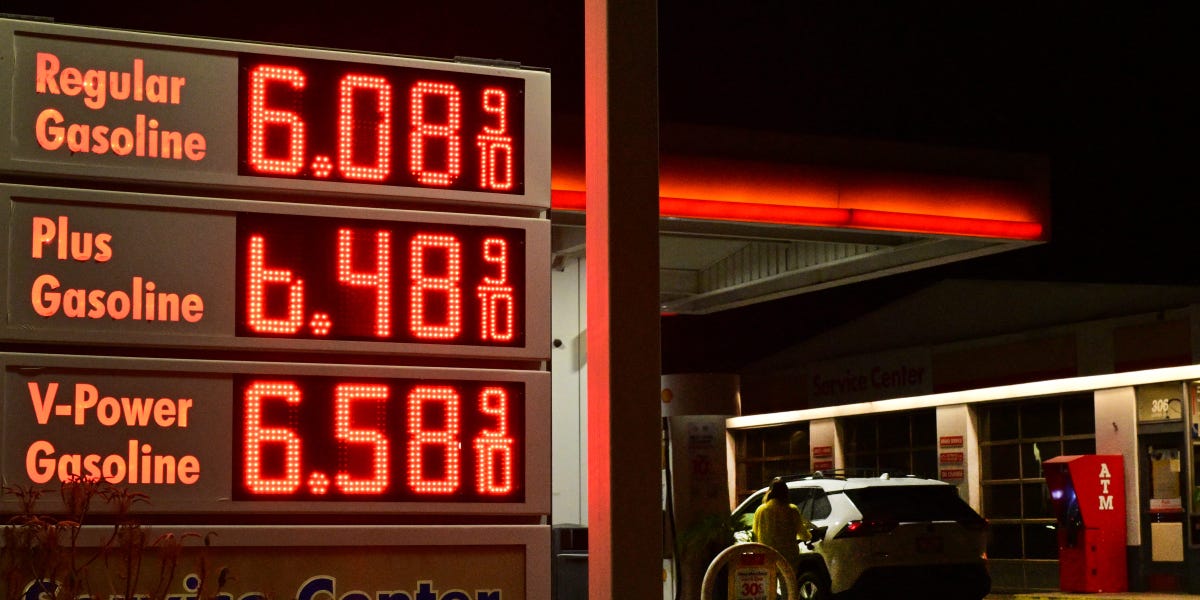
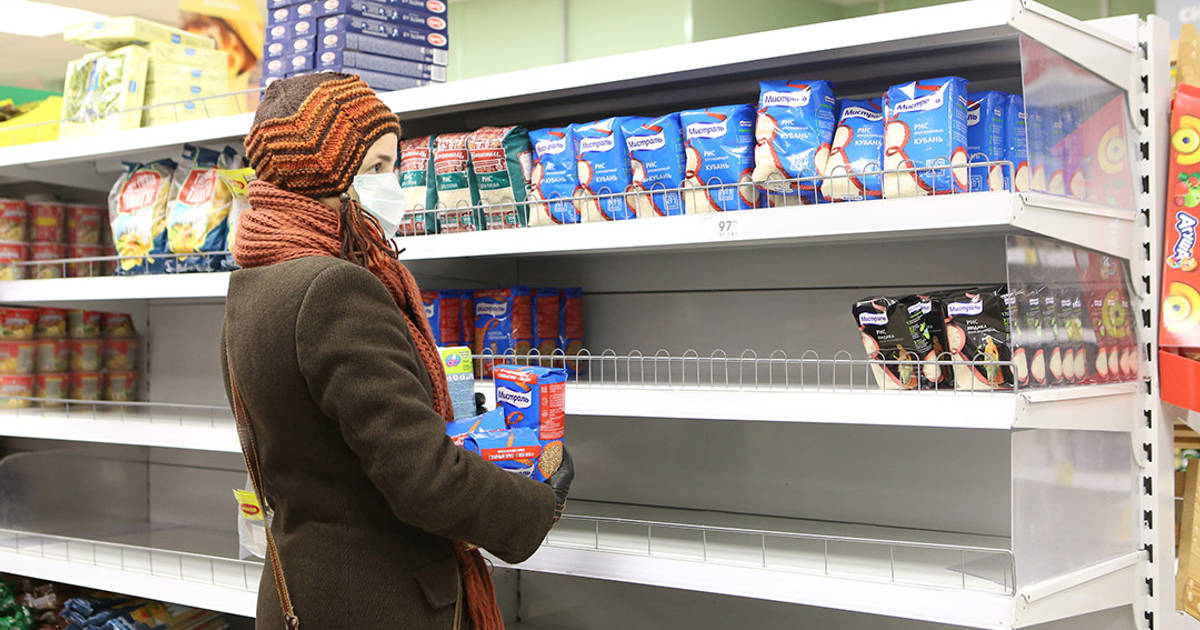
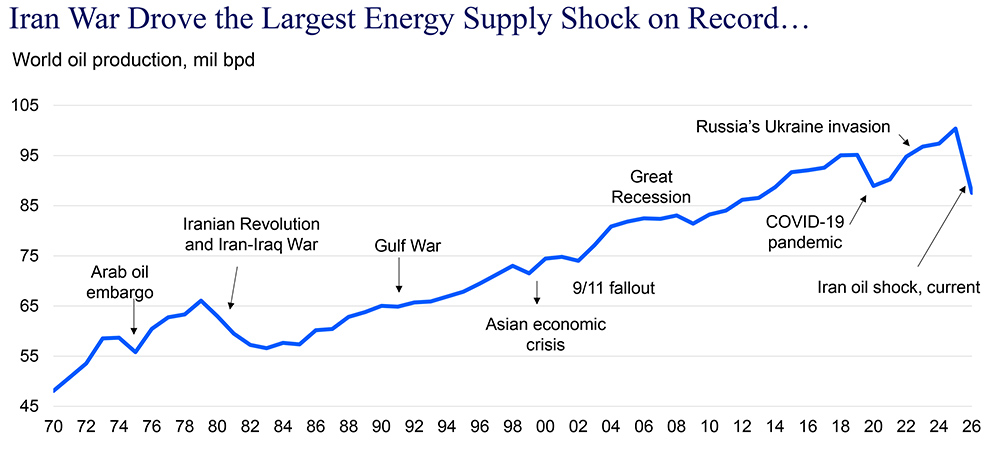
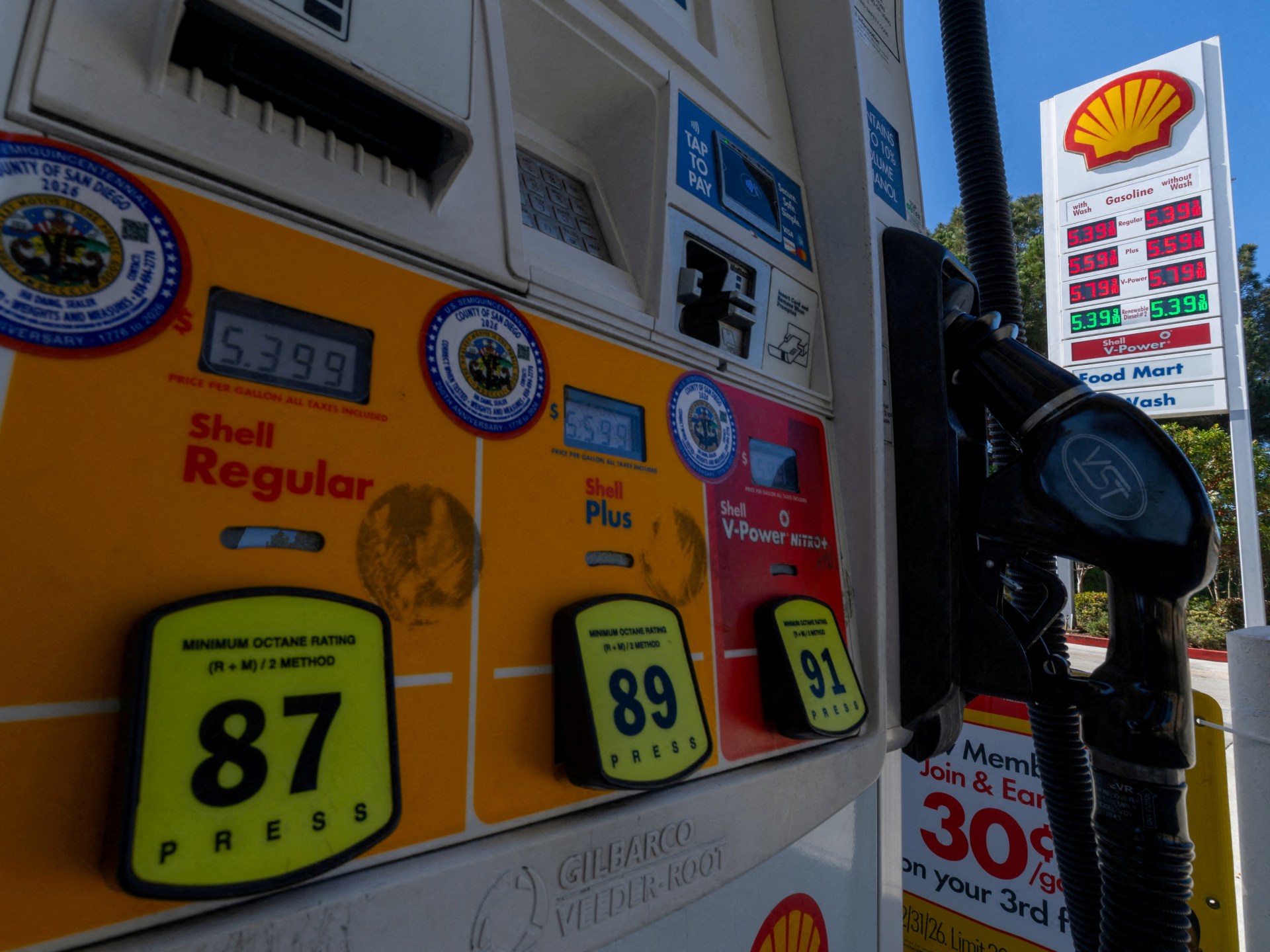
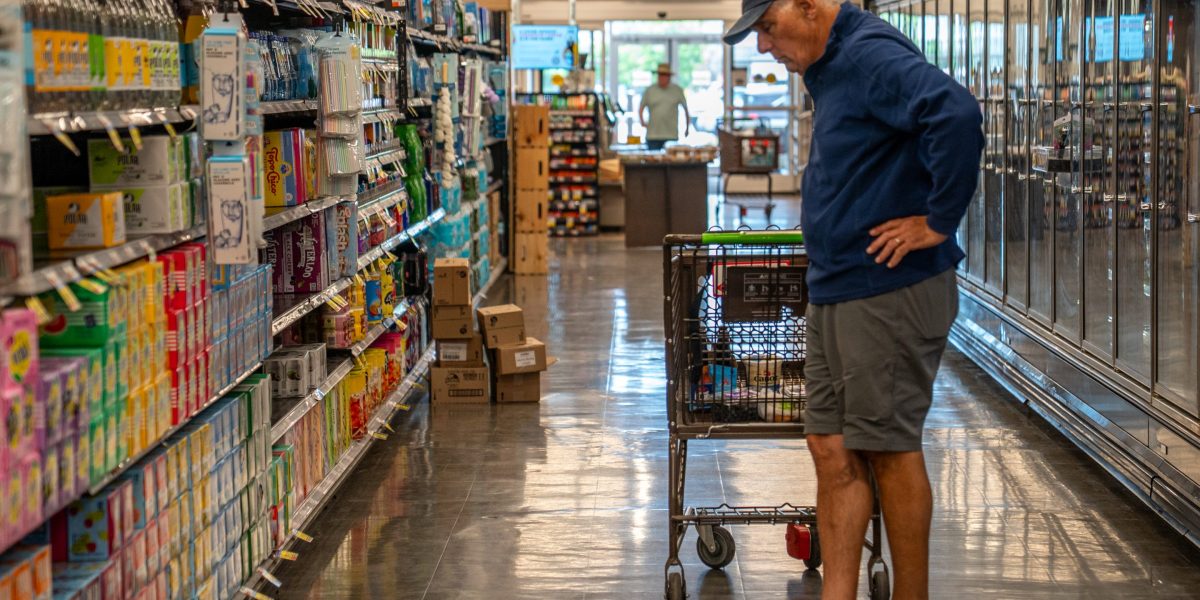
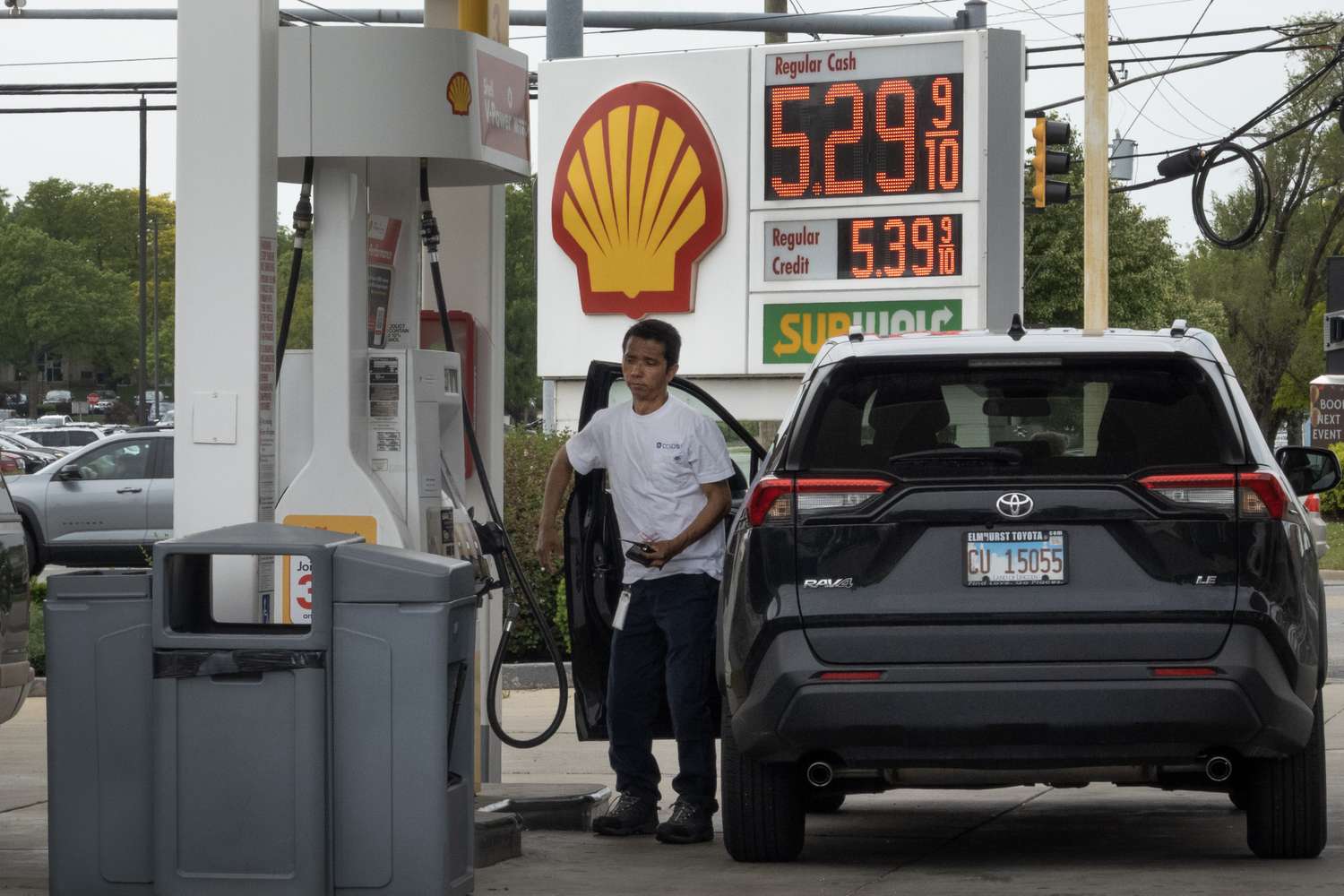
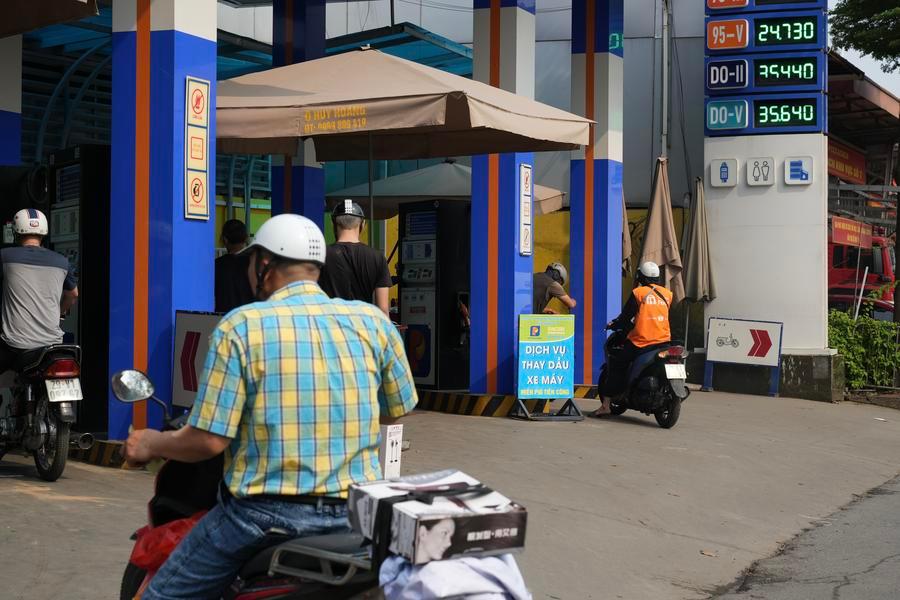
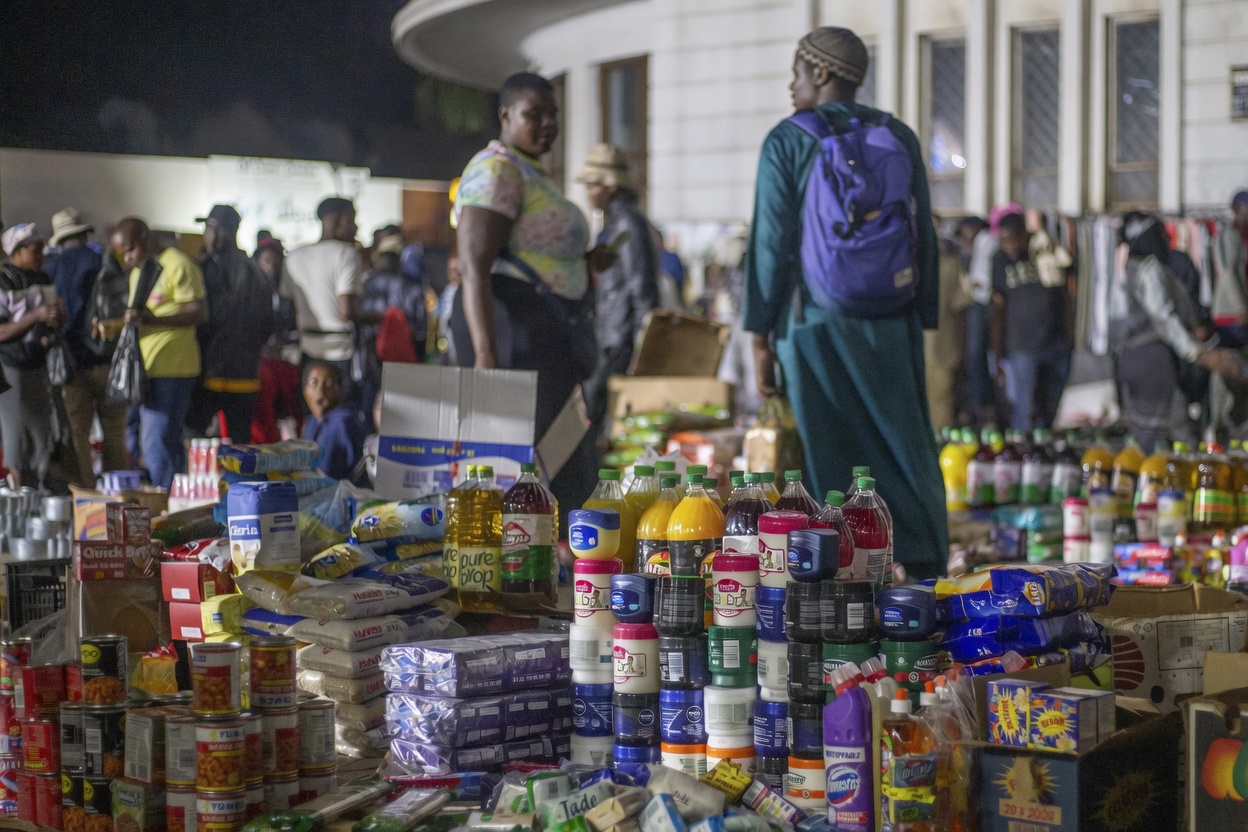
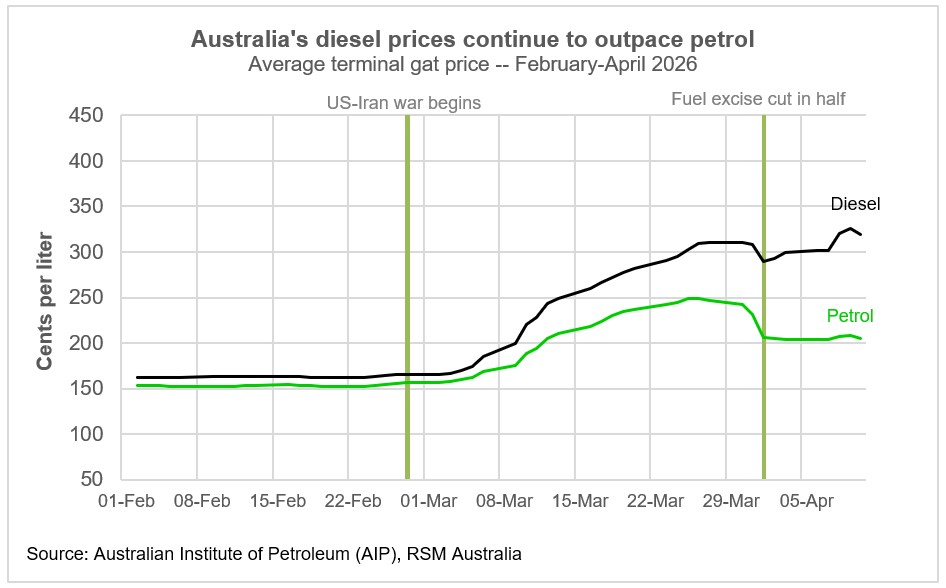
And most are also having a tough time with the high and rising cost of living. The so-called affordability crisis is plaguing many families, as groceries, childcare, healthcare, education, and housing have become much more expensive in recent years. The one thing Americans purchase regularly that hadn’t risen in price was gasoline, but the Iran conflict ended that.
But consumers’ deep-seated angst goes beyond dollars and cents, to the nation’s fractured politics. The University of Michigan survey breaks responses down by political party affiliation. Democrats and independents believe things couldn’t be worse; Republicans aren’t ecstatic, but they are generally OK with how things are going. It was literally just the opposite — Democrats feeling fine and Republicans feeling blue — the day before Trump won reelection.
Given all this, I wouldn’t fret that the economy is struggling nearly as badly as consumers seem to say. After all, while they aren’t spending with any gusto, they are spending. That’s not consistent with a garden-variety recession, let alone the worst economy ever.
Small business holding steady
If stock investors are overly rosy and consumers too blue, does anyone have it right? I’d put my money on small-business owners, who appear to be reasonably level-headed.
That’s the message in a monthly survey of small businesses that their trade group, the National Federation of Independent Business, has been conducting since the 1970s. The NFIB survey is far from the record high, which it briefly touched in the wake of the big tax cuts in Trump’s first term, but also from the record low it hit in 1980, the last time the U.S. and Iran were at serious loggerheads during the hostage crisis.
Small businesses appear nervous, but not panicked. They are worried about how the events in Iran will play out, as sentiment has fallen sharply since the conflict began. But reading between the lines of the survey results, small-business owners also seem in a funk over the extraordinarily uncertain environment in which they are operating.
It’s all but impossible for small businesses to gauge the up-and-down tariffs, the wild swings in immigration policy, and the increasingly combative relationship the U.S. has with the rest of the world — just to name a few things they are trying to get a grip on. It’s not that the heightened uncertainty is enough to cause them to cut investment and fire workers, but it is enough to stop them from expanding their operations and hiring.
The world will undoubtedly remain an uncertain place, but if we could simply dial back the policies that are fanning the uncertainty, the economy would be off and running again. Stock investors, consumers, and small-business owners would all feel much better, and they would be right.