Let us talk everyday politics away from vulgarisation of debates, demonisation of our fledging democracy, weaponisation of state control, tribalisation of economic transformation and regionalisation of leadership succession.
Why? Because conferences will come to pass, leaders will come and go, bruising leadership contests will divide us and we will remain exactly where we were before all these political developments came to haunt us!
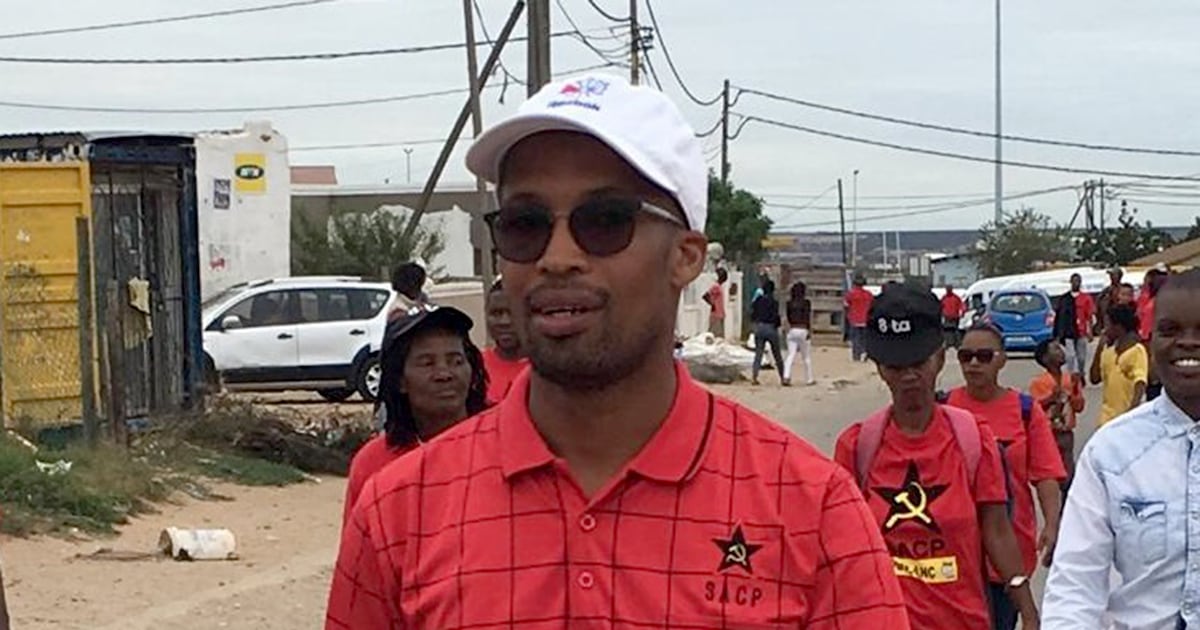
Why would the SACP take such a ground-breaking resolution, many are painstakingly wanting to know. One would embrace the idea why the party reached such a resolution but would not understand why would other alliance political leaders be agitated by its colossal showing on the horizon.
The people want alternative political paths towards more humane treatment by those they elect into power; what they see in front of them are identical off-shoots from the same cell.
Their will to try new electoral experimentations with power is not a mistake, and they also expect disappointments … in relatively lesser doses though!
What are all political schools and lectures about when the congress resolution of the party continues to be received with hostility in some alliance circles, particularly by some senior political leaders who are expected to rise above petty and mischievous political gymnastics?
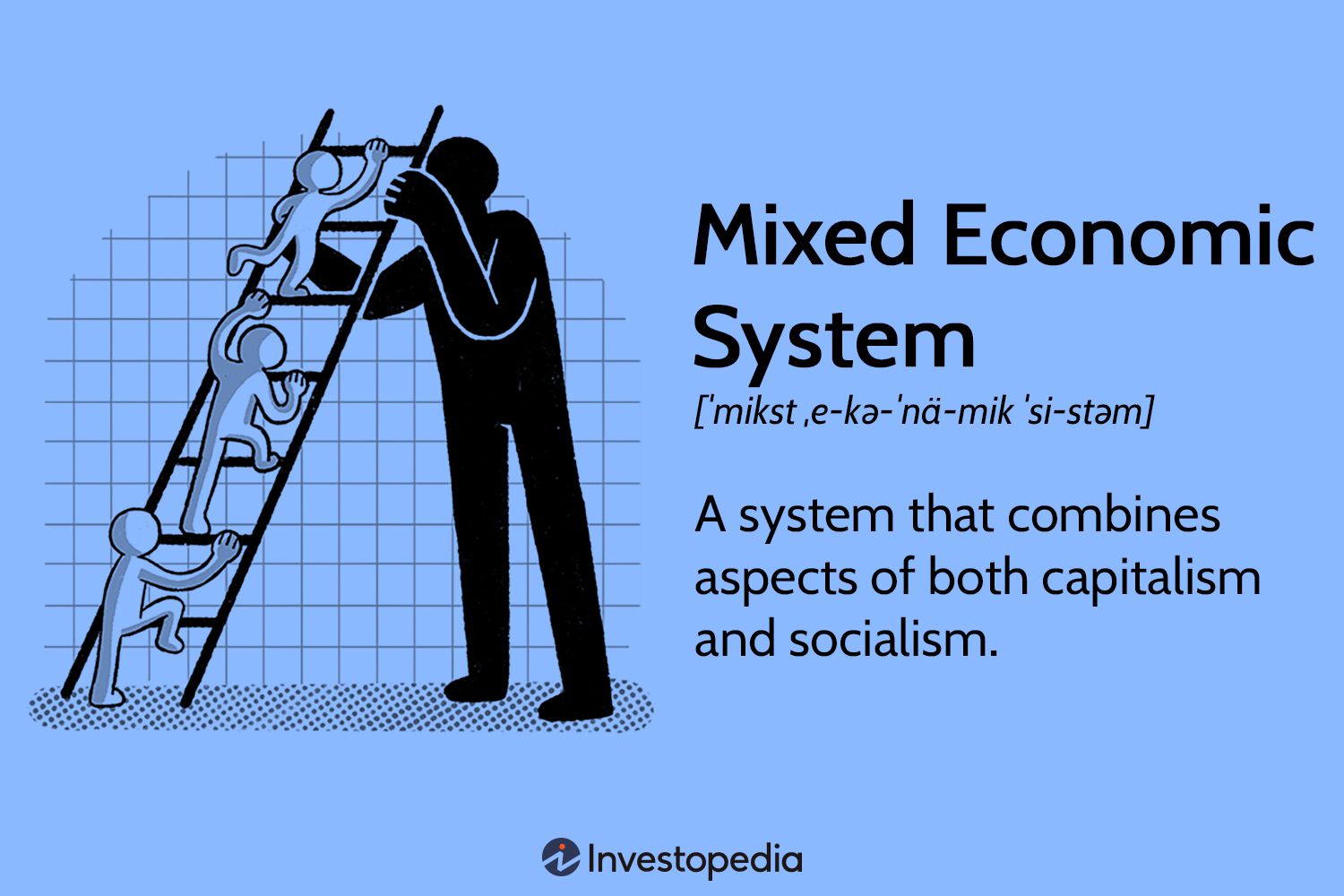
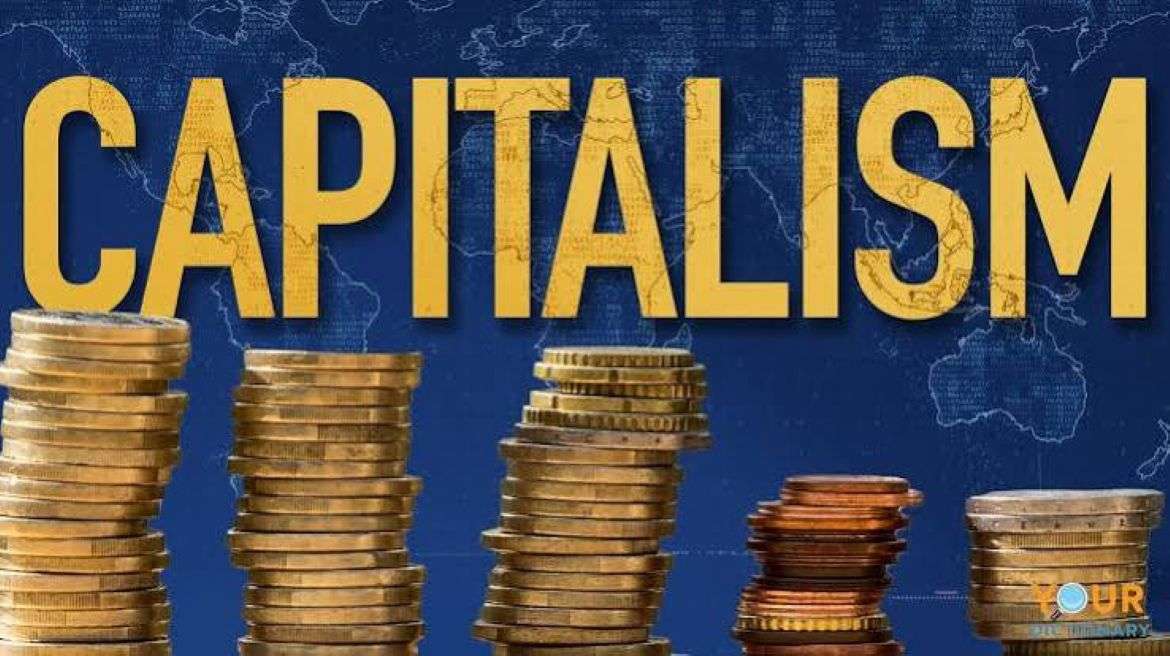
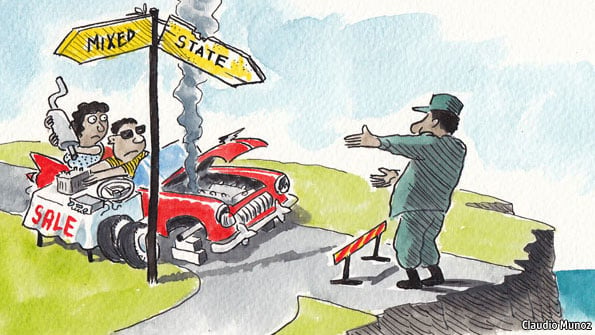
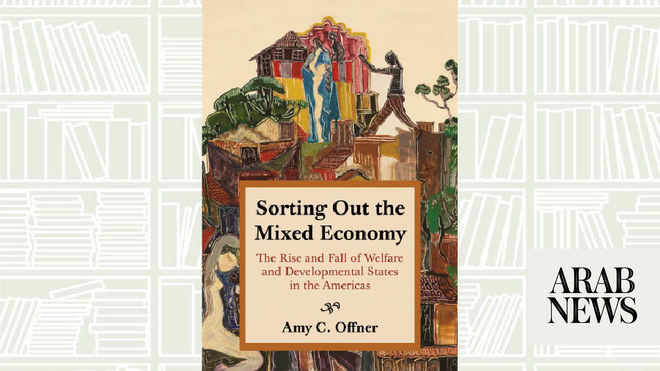
The resolution was long seen as a possibility even before 1994 political breakthrough and a neoliberal policy shift could take some shape in the name of national democracy – nicely coined as “mixed economy”, which is the same as “national capitalism” in my political toolbox.
How is it (the resolution) dove-tailed and built into political development programs of the leagues and other MDM structures, including churches, royal houses, student movements, civil society formations and progressive sports bodies as a possibility for a more humane economic development path when some left forces receive it without a will to eagerly analyse and understand it from its historical perspective?
To make things simpler for the readership: this means that a pre-determined alternative for the SACP (formerly known as CPSA) would be informed by how a future ANC would design, draft, endorse and implement policy directives from the Africa Claims document (1943) into which the party’s secretary Moses Kotane contributed as part of an ANC drafting team.
Later and more directly, the ANC would be expected by the party not to veer off from implementing the key strategic directives of the Freedom Charter (1955), into which Rusty Bernstein and Joe Slovo hugely contributed, once it attains political power.
Failure to do so, and to choose a downward slippery slope by adopting neoliberal policies with grinding austerity measures, would create a possibility for the SACP to carefully re-think its supporting role in ensuring an overwhelming victory for the leader of the alliance as the advanced detachment in the struggle for liberation.
One can bet that the 1994 and 2024 Governments of National Unity (GNUs) and the sprawling coalition governments in provinces and municipalities were not part of the thinking and sewing of such a political fabric.
Ideologically developed cadres should know that a political or electoral transition was anticipated a long time ago as a possibility in a post-democratic South Afrika by leaders of the Alliance, even when SACTU was still in organisational existence.
The party’s resolution should not be yielding eruptive, unhealthy and uncomradely blame-games, but it should rather be embraced as presenting a grand opportunity for the alliance to facilitate its own organisational re-purposing and/or renewal into becoming a working alliance and/or strategic centre of political power in South Afrika – a historically significant achievement these independent organisations would heroically be recognised to have forged some donkey years ago.
Political maturity and ideological development would then effortlessly be placed at the centre of every strategy or tactic they would be seeking to advance towards and beyond 2026 Local Government Elections.
Politics of strategic co-operation, coalition and coalescence would then be easy to manage, even across rigid nationalist and socialist interests. All it needs are pragmatic debates and politically mature engagements on workable economic redistribution and social transformation policies and systems & programs – far away from any dogma-driven and toxic politics.
While this would breath some much needed gases into the life of the alliance, these pragmatic debates would certainly, and perhaps unfortunately, be an unwanted litmus test for screening & renewal through which career politicians, who have been in it for private gain, would be demobilised.
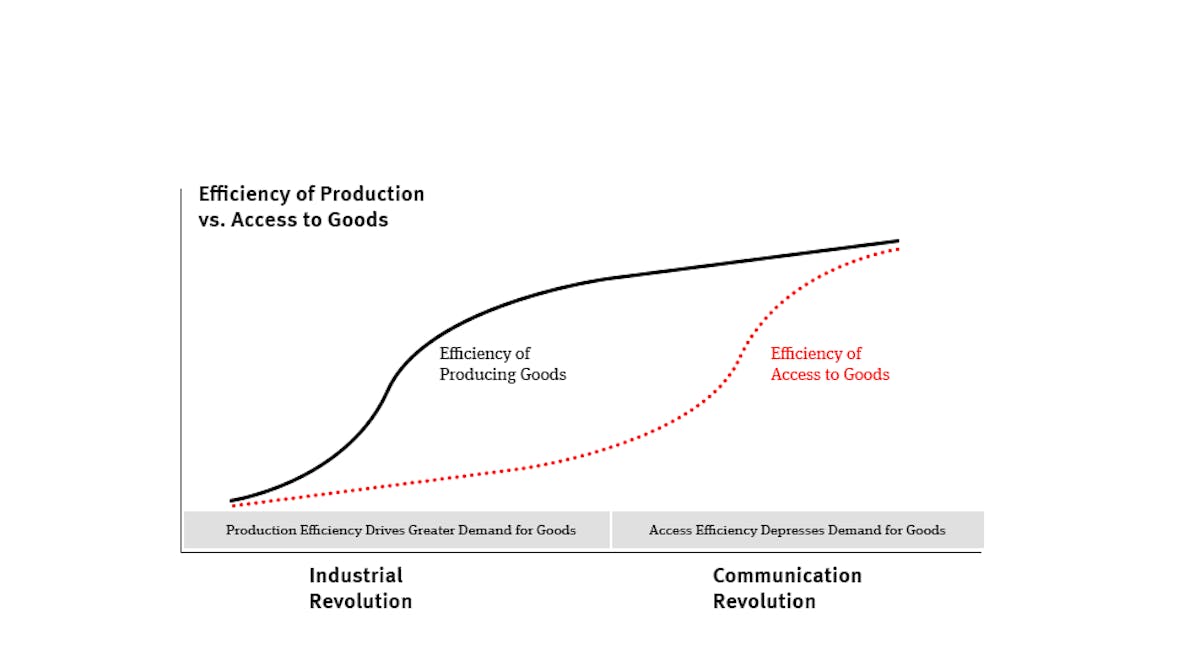
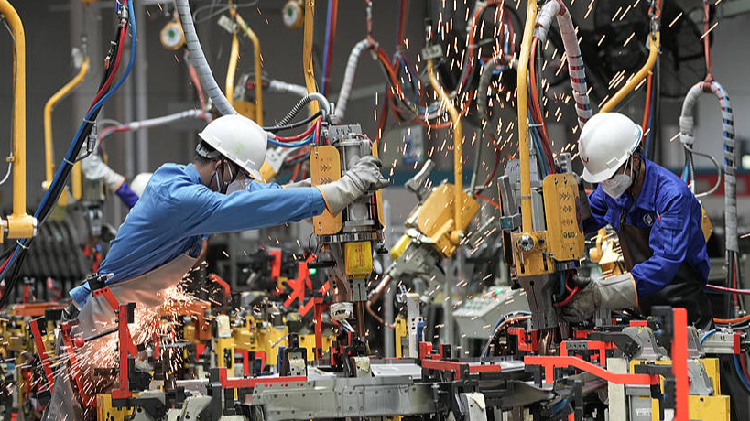
For those who have been following organisational theories by Webber, Schein, Kotter, Mayo, and many others, they would agree that the 1st, 2nd, 3rd and 4th industrial revolutions systematically produced societies with different needs and environments. Those needs and environments demanded economic and political structures that would steer highly contested governments towards adopting all-encompassing pacts. This has been a greater source of economic and political contestations with different interests at play.
Advanced political capacity and ideological development to analyse and understand manifestations from these historical developments is what seems to be lacking in our political machinery that is charged with leading the poor towards attaining psychological and material freedoms.
The feeling and essence of freedom is rarely felt by those who had and still have to fight to gain the minimum that freedom was promised to bring to their doorsteps. Endless and unproductive inter-party and intra-alliance political wrestling for political domination over others yields next-to-zero outcomes and delays wealth redistribution.
All these suggestions would be mirroring a will by leaders to take a leaf from learning-by-doing, experiential learning and organisational change possibilities as historically anticipated by the fathers of these giant organisations had organisational renewal been given the content it deserved. That would have been in line with a generally accepted organisational development / renewal (OD/R) standard that an organisation’s life-span is better assessed and understood in 5-year phases until it reaches 20 to 30 years in existence whilst relentlessly living up to its founding mission.
This OD/R process would have laid a concrete foundation for relatively sound political practices and acceptable political traditions for all revolutionary forces of political change within the left axis.
We would have been in a better ideological position had this been properly and maturely discussed between the alliance partners, and away from anti-alliance public spats and us-and-them dichotomy.
- Mlulami Mike Ntutela writes in his personal capacity