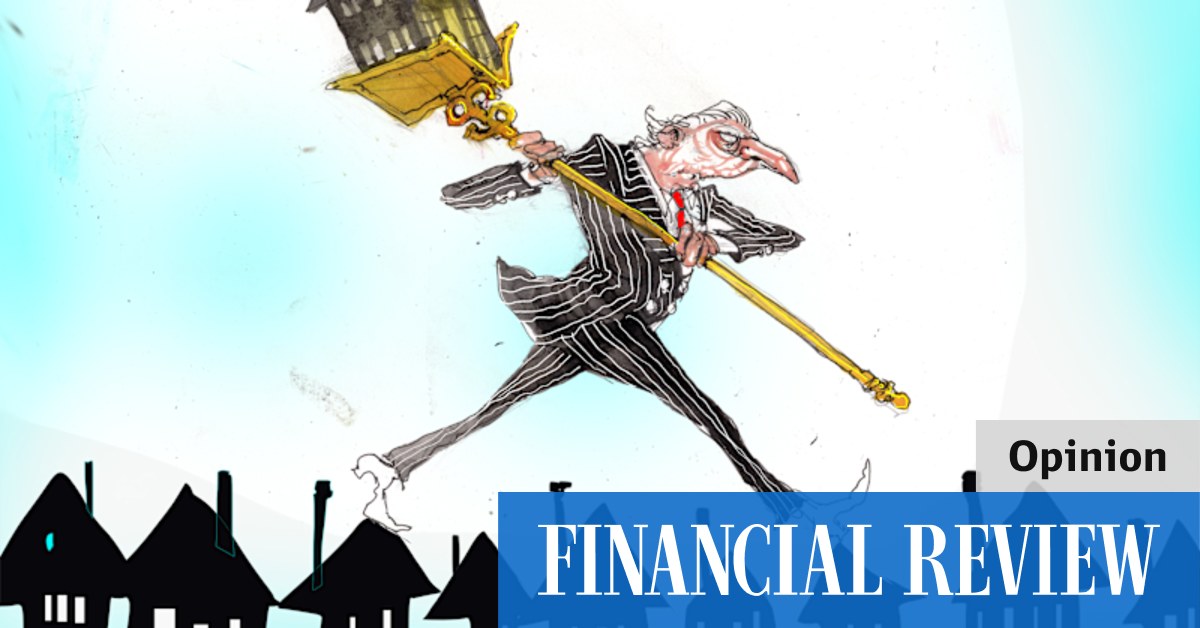

Not since the early 1980s has the government had such a stranglehold over economic life in Britain. It is well known that taxes are at a record high and that the state is spending a larger share of GDP than at any time since the Second World War, but these statistics do not do justice to the full extent of the government’s interference in the economy. The price of gas, electricity, water, bus tickets, train tickets and, in Scotland and Wales, alcohol is controlled by the state. So too is the price of labour — since 2010, the minimum wage has risen from half of the average wage to two-thirds. Listed companies are ordered to “comply or explain” why 40 per cent of their board members are not women. Captains of industry are summoned to Downing Street to receive bollockings over non-existent “price gouging”. Businesses are given targets to sell more of one product and less of another.
We lack the words to describe our current economic model. The left call it neoliberal but neoliberals have had no meaningful influence on British governments for thirty years. The right call it socialist but neither the Tories nor Labour have shown much interest in seizing the means of production. Keir Starmer’s government is more left-wing than he wants you to believe, but even if he renationalises the rail and water companies, it will be a nostalgic gesture rather than a heartfelt effort to control the heights of industry. Only on the fringes of the left is there any desire to return to the days when British Airways, Jaguar and Thomas Cook were under “democratic control”.
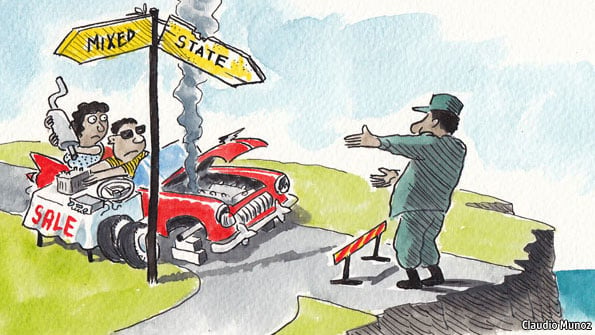
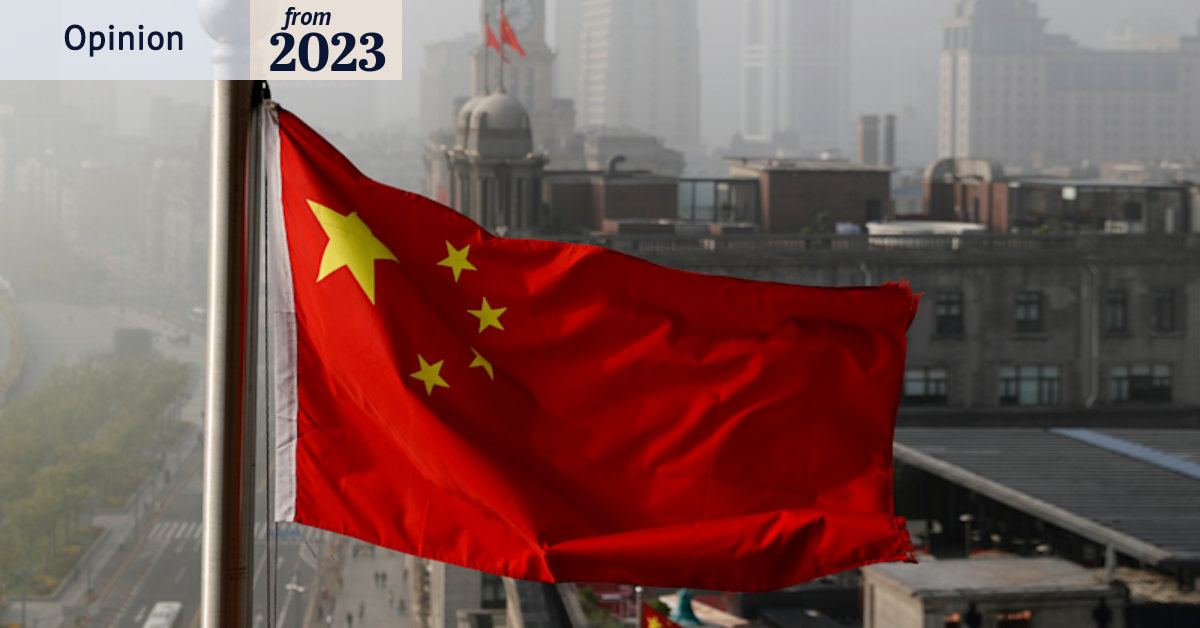
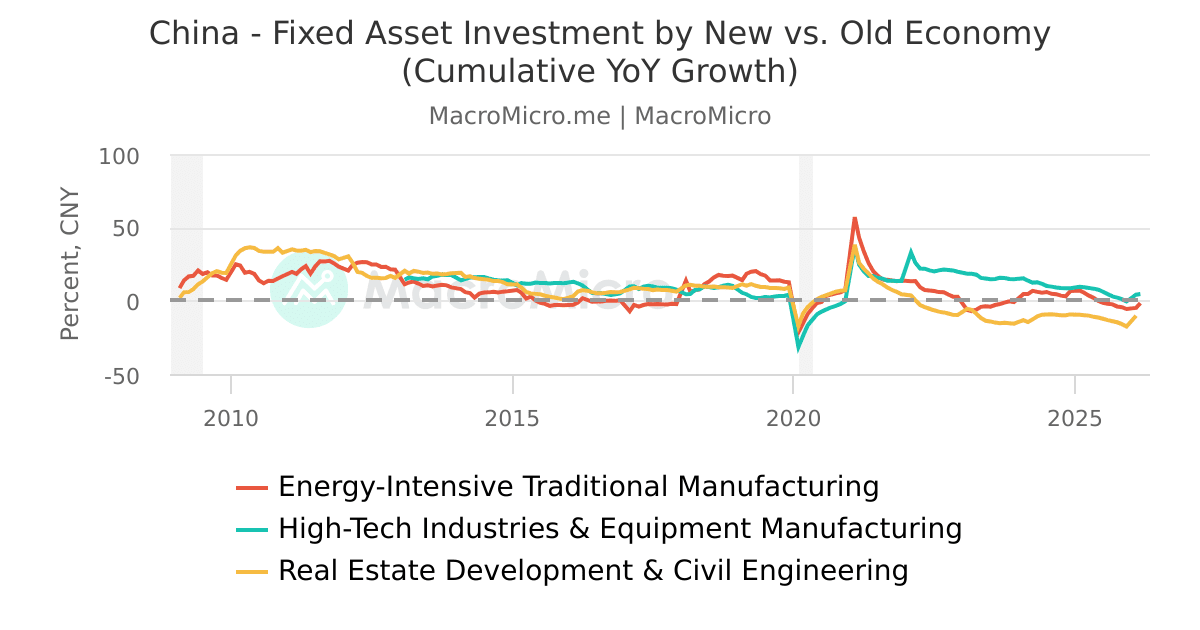
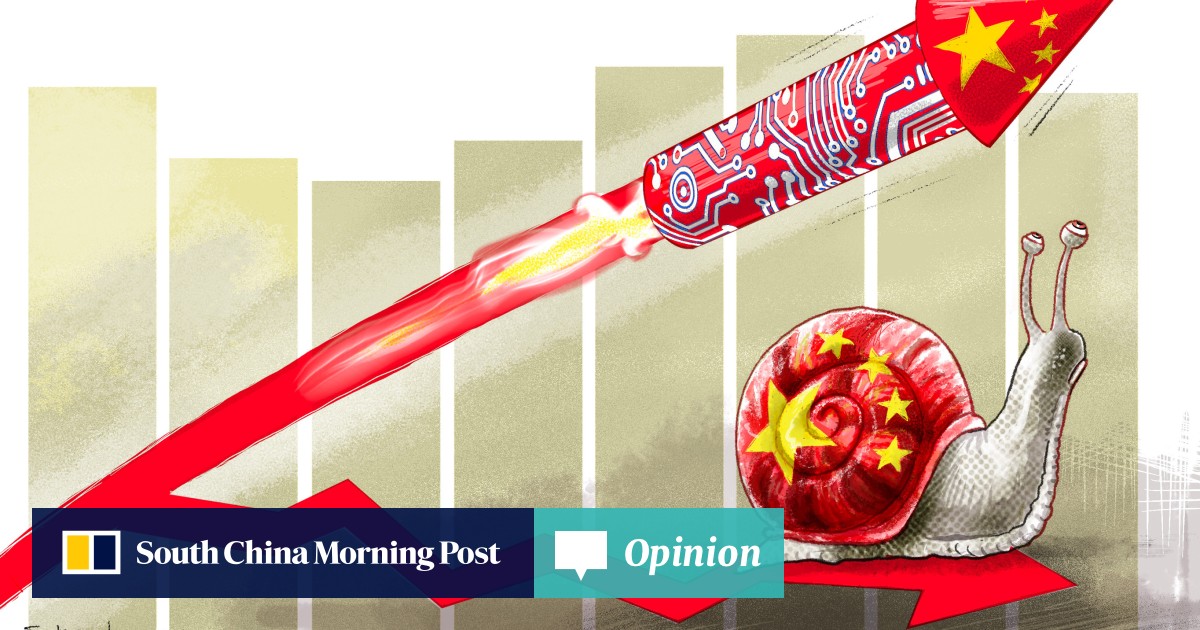
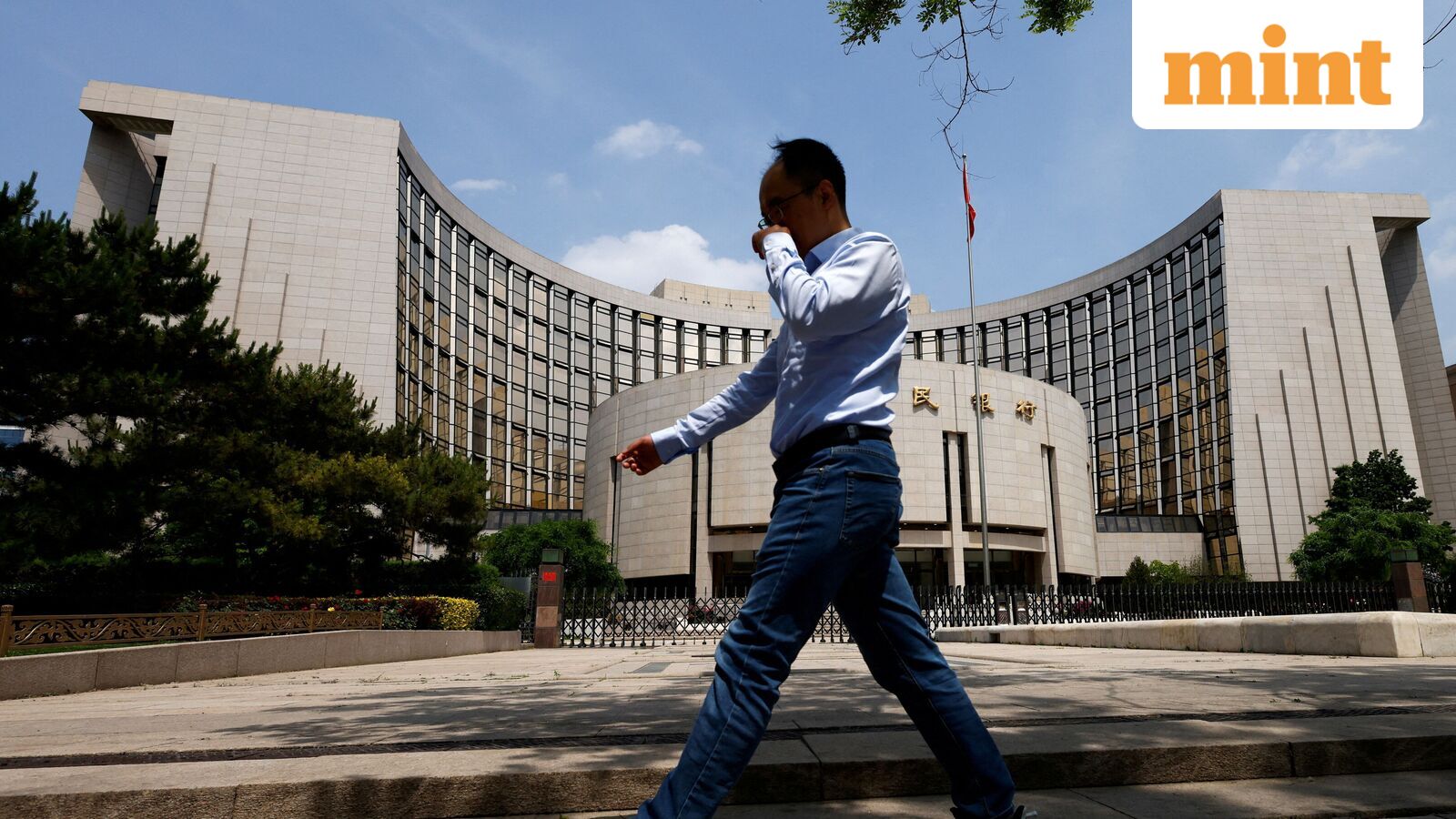
On the face of it, the post-Thatcher settlement has held, but there is nothing Thatcherite about this government, nor the ones that preceded it. “State capitalism with British characteristics” would be one way of describing it, but that doesn’t really fit. Under state capitalism, as practised in China, the government owns the major industries but allows them to use the price mechanism and other levers of the free market to compete. What we have in Britain is almost the opposite of that. Businesses are allowed to stay in private hands but with so many instructions, targets and, increasingly, price controls that it could perhaps best be described as a capitalist command economy.
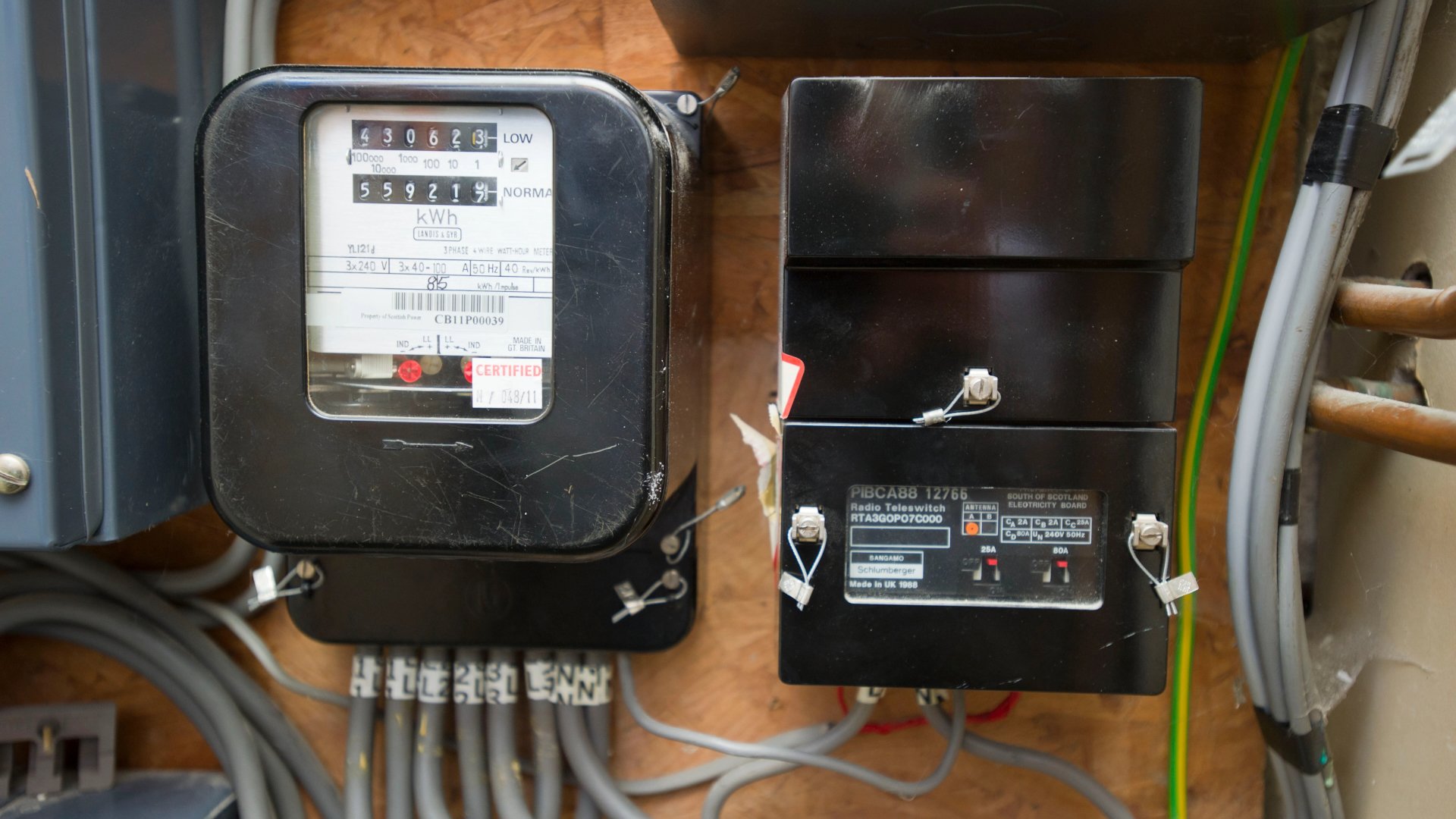
We are now used to government officials telling us how high our energy bills will be in a few months time. Such price controls were dismissed as “Marxist” when Ed Miliband proposed them in 2013. Even the SNP described them as an “election bribe”. When Theresa May announced that she would be introducing this slice of Marxism in 2017, she delivered a line that crystallised her party’s 14 years in government: “We are Conservatives. We believe in free markets and competition, but…” There is always a but. The temporary became permanent. As with tuition fees, the cap became the price.
The Renters’ Rights Act came into force last week and will introduce rent controls by stealth. The ban on fixed-term tenancies, cunningly spun as a ban on “no fault evictions”, will leave landlords free to increase the rent but tenants can challenge them if they believe that it exceeds the market rate. Since the market rate is nothing more than what a buyer and a seller can agree on, it seems unlikely that a landlord would exceed it, but that is not what the government means by the term. It will be left to a tribunal to “determine the open market rent” and it is not hard to imagine the tribunal being packed with economic illiterates who have a very particular view of what is and is not “fair”.
If you need convincing of this, take a look at the outrageous consequences of the Equality Act which stipulates that men and women should be paid the same salary if they do work of “equal value”. Grotesquely over-interpreted by activist judges, this led to the bankruptcy of Birmingham City Council and 16 months of strikes after it was ruled illegal for (mostly male) dustmen and gravediggers to be awarded bonuses when (mostly female) cleaners and carers were not.
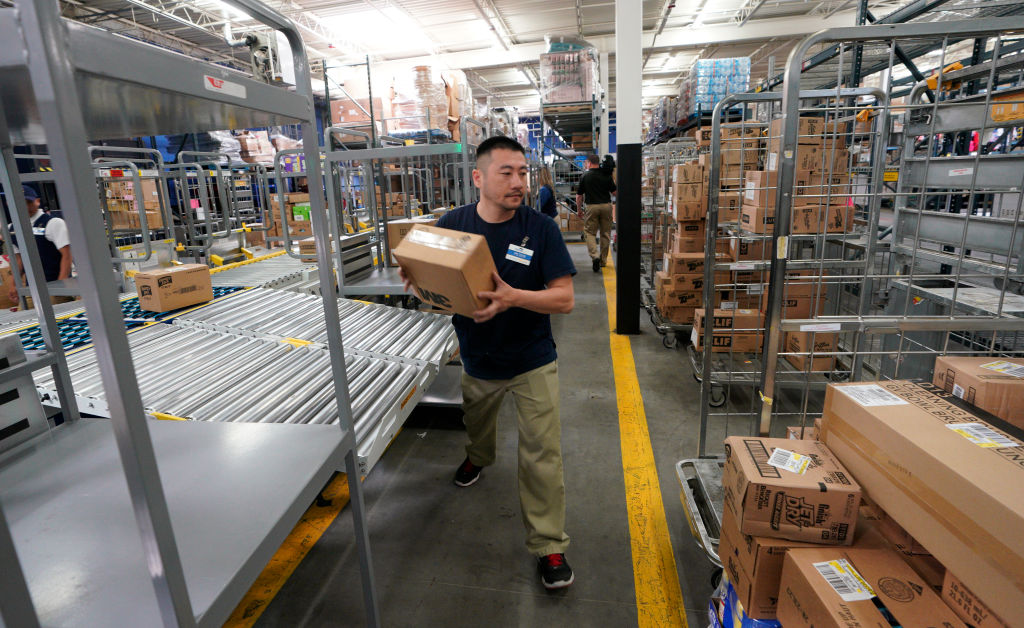
Legal vultures descended on Asda and Next, successfully arguing that warehouse workers and retail workers do essentially the same job. Both companies face paying tens of millions of pounds in compensation. Asda’s bill could exceed £1 billion. Tesco is next in line, with a lawyer at Leigh Day, representing 17,000 of the supermarket’s current and former employees, scoffing that “Tesco is expected to rely heavily on so-called market rates”. So-called! How gauche to have faith in the laws of supply and demand when you can simply use an eleven point checklist that looks like something from a Marxist professor’s fever dream to decide the value of an employee’s labour.
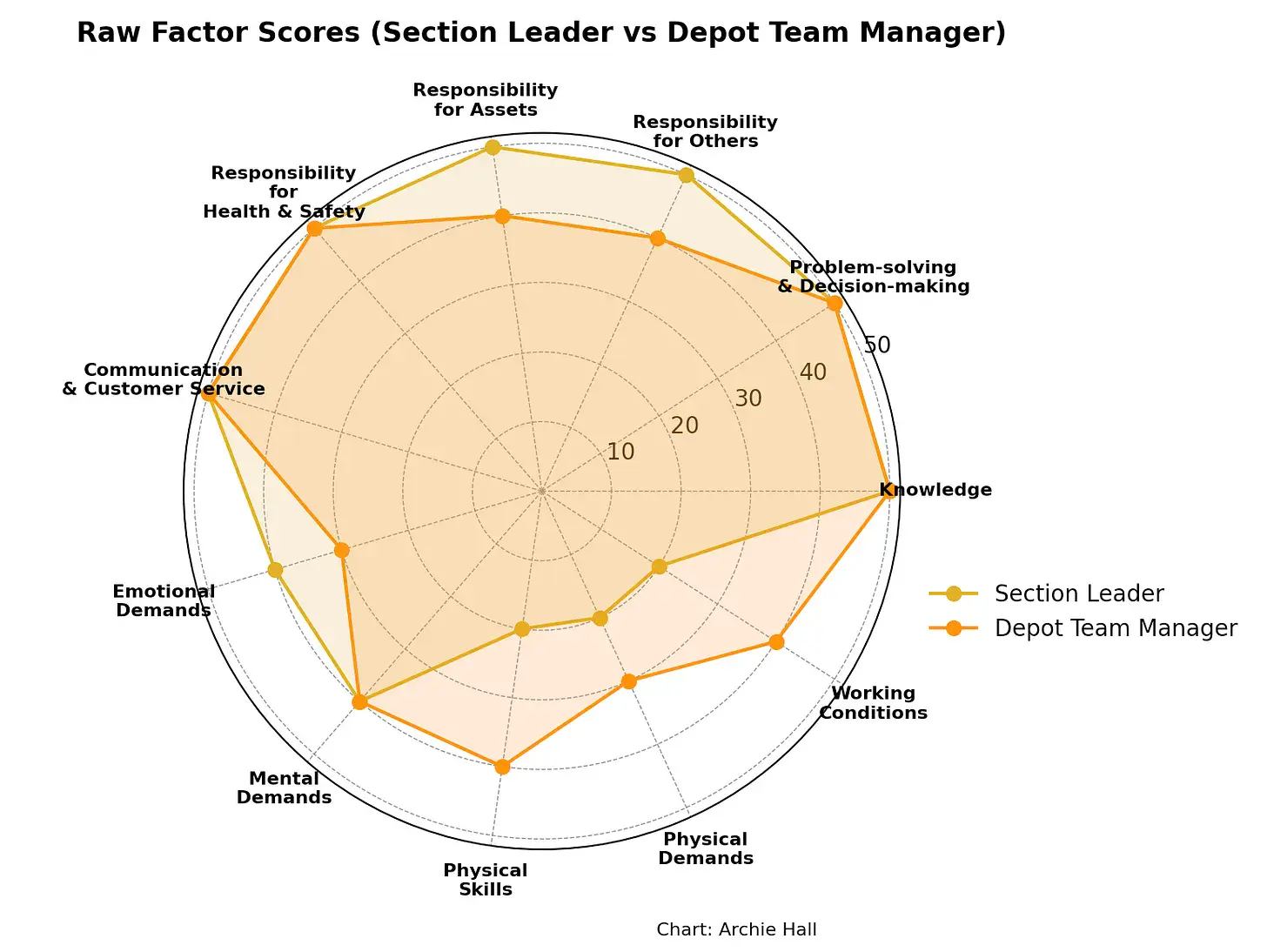
In the Next case, it was revealed that the company offered its 25,000 retail staff a chance to work in the warehouse but only seven took up the offer (three of whom walked out within a year). Despite one of the claimants admitting that she didn’t find the prospect of working in a noisy warehouse appealing but would have considered it if she was offered a lot more money, the company still lost.
This is not just a story of bad laws and unintended consequences. It is not about the suffocating levels of regulation in every area of economic life, although much could be said about that. This is something different and, I think, new for this country. An activist state is systematically coercing the private sector in the pursuit of a range of social engineering goals, all of which are implicitly assumed to be more important than the economy. It is a form of central planning, albeit with a patchwork of different plans rather than one overarching goal. Some of them have explicit targets. Net Zero by 2050 is the best known of them, but there is also the plan to go “smokefree” by 2030, to “phase out” petrol and diesel cars by the same year, and to decarbonise the electricity grid by 2035.
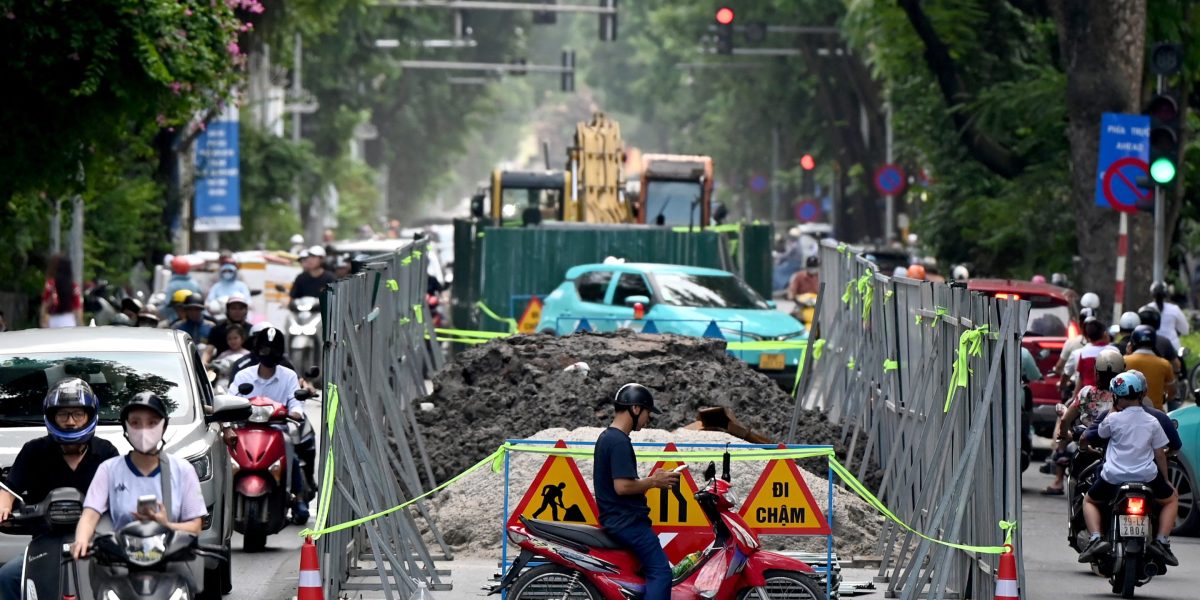
To meet such targets, recent governments have tightened their grip on the private sector. At the softer end of the scale, they require businesses to make commitments to political goals before they can produce anything. The Procurement Act (2023) contains various “social value” requirements that oblige firms bidding for public contracts to demonstrate progress on Net Zero, diversity, apprenticeships and so on. Developers are forced to add solar panels to all new builds and make a certain proportion of their houses “affordable” (who is buying the rest?). The planning conditions for the new runway at Gatwick include the stipulation that at least 54 per cent of passengers must use public transport to get to and from the airport, a strangely specific demand for something that a builder cannot control.
At the harder end, the government makes threats and delivers punishment beatings. In a fully socialist system, state-owned motor companies would simply stop producing the internal combustion engine in 2035 and politicians would take the blame. In Britain’s command economy, the Zero Emission Vehicle Mandate requires manufacturers to sell a certain number of electric cars. The mandatory number rises each year and companies face fines of up to £15,000 for each petrol or diesel vehicle above their quota. Similarly, when he decided that there would be no new gas boilers in Britain by 2035, Johnson introduced fines for companies which failed to sell enough heat pumps. Again, there was a target: 600,000 new heat pumps a year by 2028.
Rishi Sunak decided that the best way to meet Theresa May’s “smokefree” target was to ban the sale of tobacco to everyone born before a certain day, a new low for the supposed party of freedom. The lesser known target of halving childhood obesity by 2030 is being pursued by the current government in a different but similarly heavy-handed way. Supermarkets have already been banned from offering multi-buy price discounts on “less healthy” food and are prohibited from displaying these products in certain parts of their shops. Wes Streeting plans to go even further and start fining supermarkets for selling too many calories.
Why put up with all the hassle and blame that comes with running an industry when you can instead keep it in private hands and order it about?
The politicians who announce such diktats are careful to frame them with warm words about how clever and innovative British industry is. After threatening to fine them last year for selling us too much food, Streeting issued a press release saying: “Our brilliant supermarkets already do so much work for our communities and are trying to make their stores heathier [sic], and we want to work with them and other businesses to create a level playing field.” The implication is that the finest minds in business should have no problem meeting the government’s arbitrary sales targets. The truth is that politicians have no idea how to persuade millions of people to swap their gas boiler for a heat pump or to stay away from the dessert trolley. Soviet officials had no idea how to double tractor production either, but that didn’t stop them setting a target. Delivery wasn’t their problem and they carried a big stick.
It is sometimes said that modern politicians do not have a big vision. This is not true. They have enormous visions, mostly involving egalitarianism, environmentalism, health and safety. The problem is that they do not know how to achieve them. In an outright socialist economy, the government has to go to the effort of running industries, often with disastrous results. Why put up with all the hassle and blame that comes with running an industry when you can instead keep it in private hands and order it about? The capitalist command economy gives politicians power without responsibility. They get all the benefits of having control without the downside of having to produce anything. Meanwhile, left-wing politicians and pundits get to blame the country’s woes on the unbridled capitalism that exists only in their imaginations and demand further restraints on free enterprise. And so we sink, slowly, into the sea.