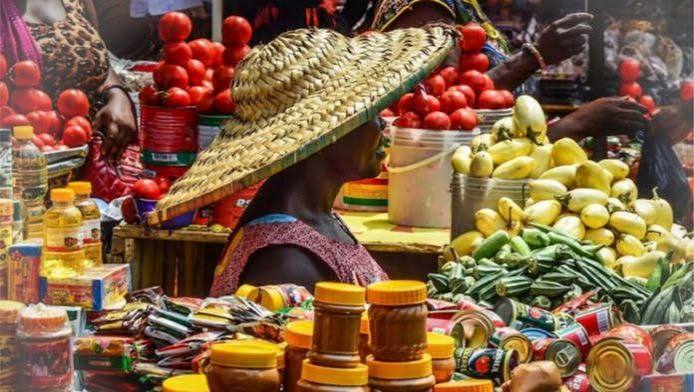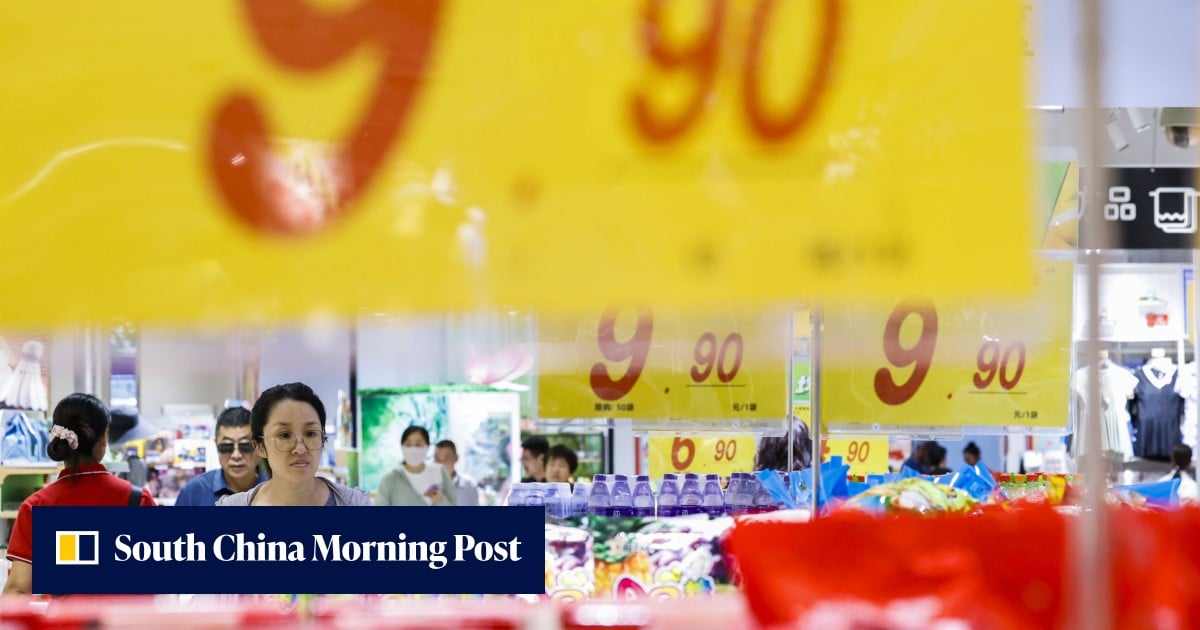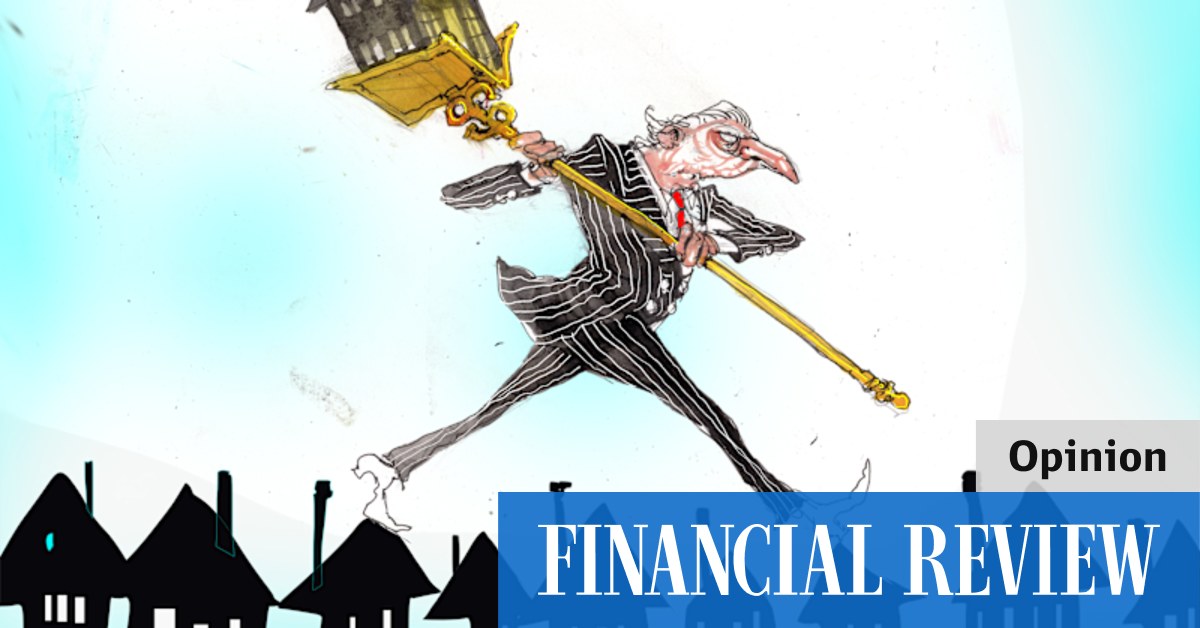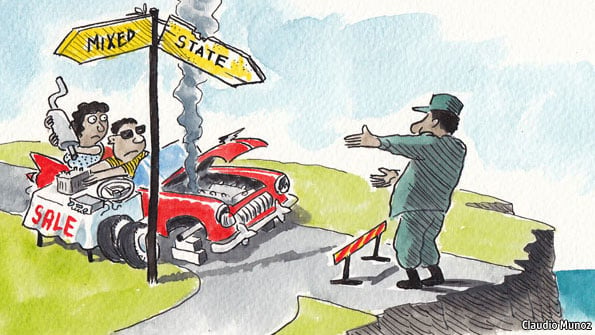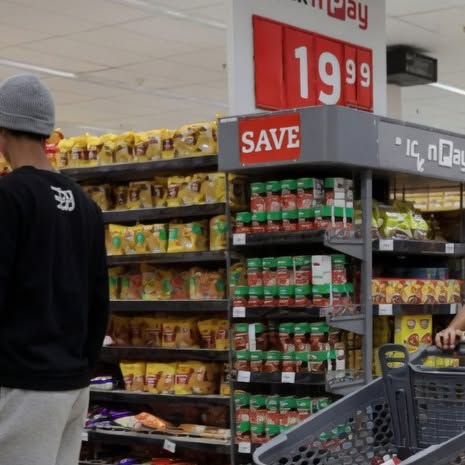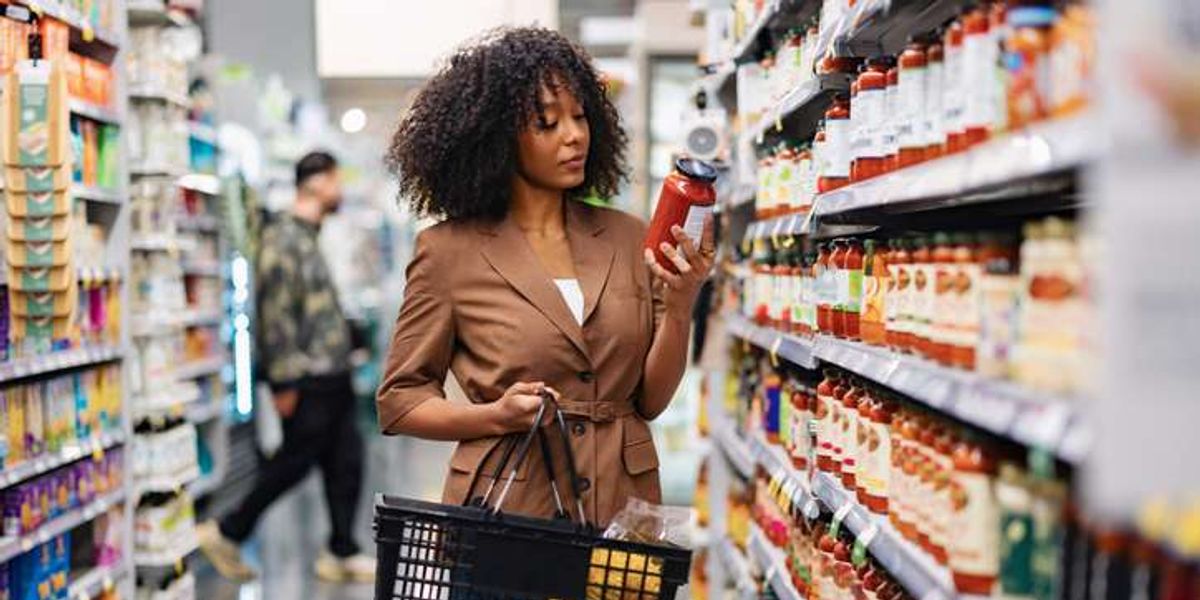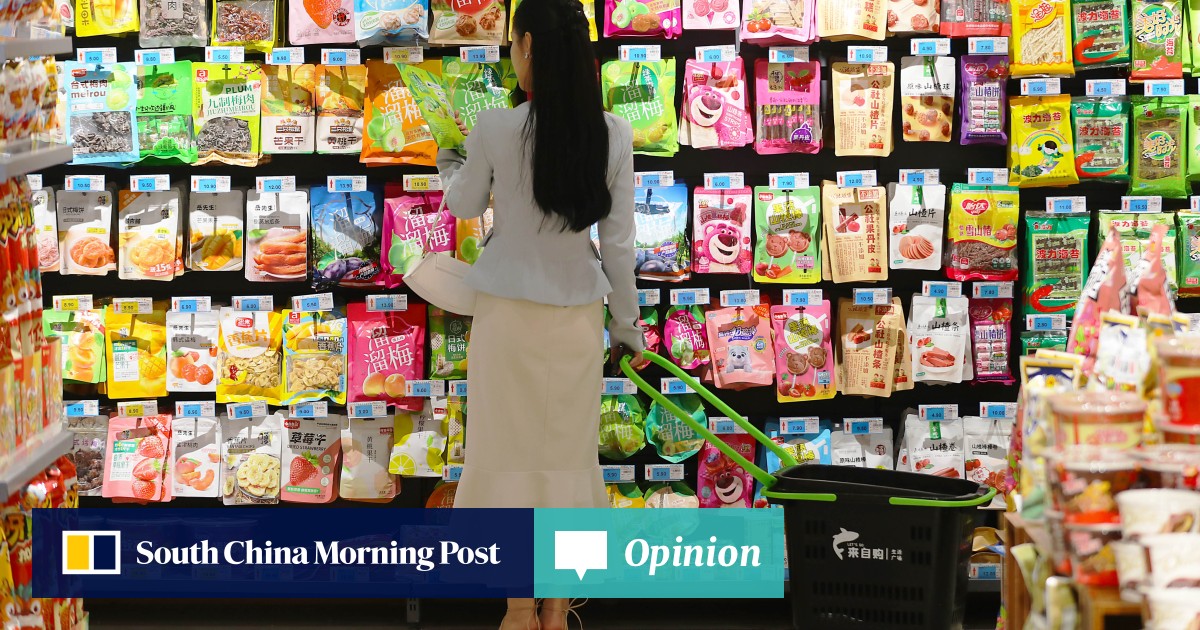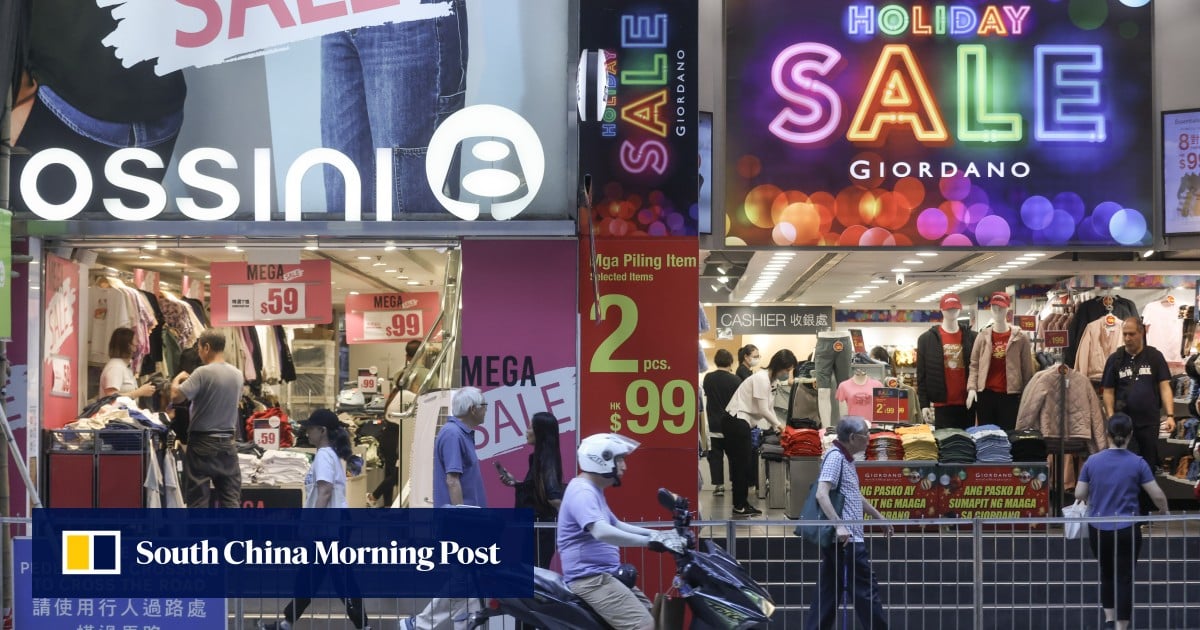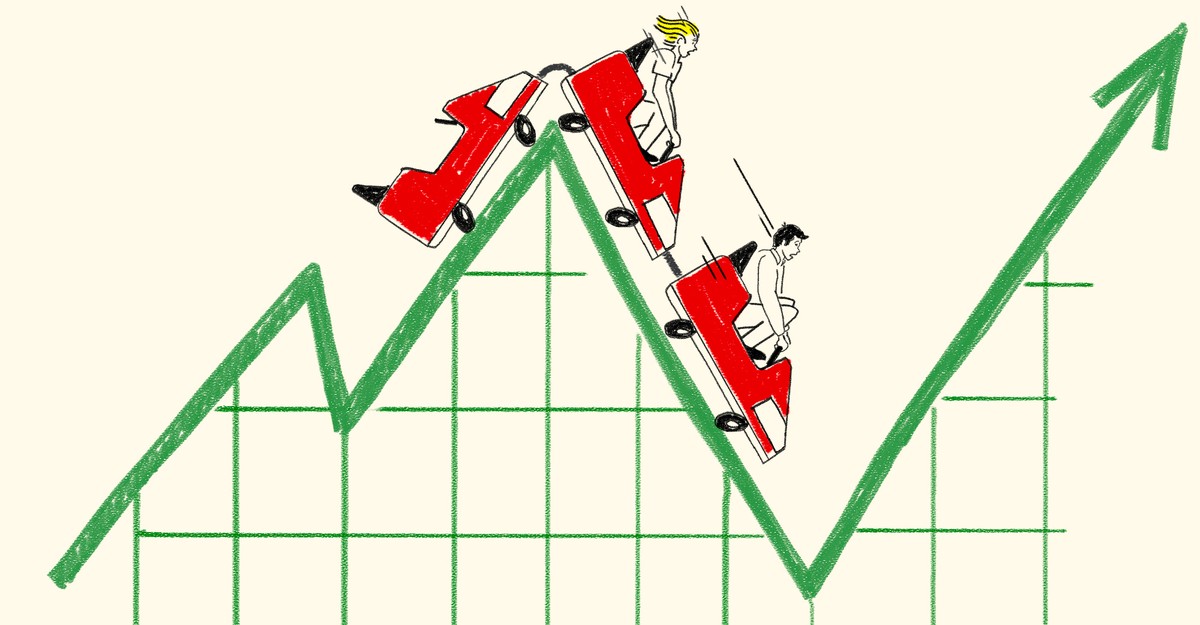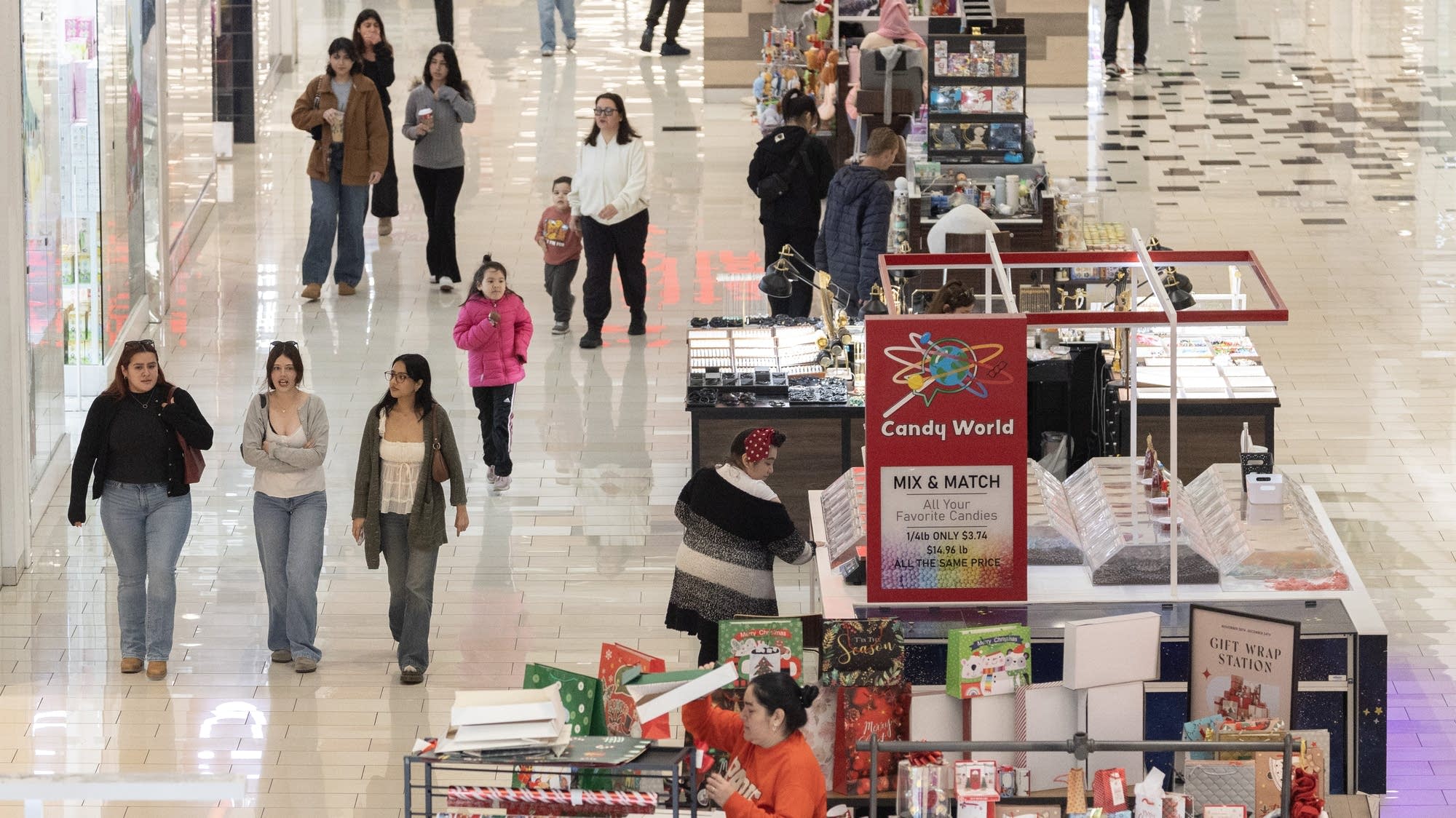

On the face of it, the news that Rachel Reeves was planning to “ask” supermarkets to introduce a “voluntary” price cap on certain food products is just another example of an economically illiterate government flailing around for a popular idea. It seems that the plan has been been shelved for the time being after it provoked howls of derision, but look at the details and you can see how Britain’s capitalist command economy works. It has everything: price controls, punishment beatings, unrealistic visions of the anointed and demands on industry to achieve the impossible.
The proposed price caps were not so voluntary. According to the Telegraph, the supermarkets would have been “excused from some government policies” if they played ball. These included “regulation on net zero packaging policies, which charges retailers per tonne of packaging materials, and delaying a proposed obesity crackdown aimed at selling healthier food”. If the government is prepared to park these policies for the sake of being seen to do something about the cozzie livs, it would suggest that they were never terribly important in the first place. Similarly, if the prospect of not having to comply with them is an inducement to the private sector, it would suggest the policies are anti-business. And so they are, but it is no surprise to see that both of these luxury policies involve issues that obsess political pygmies: waste plastic and obesity, respectively.
It seems that the government’s approach to controlling the price of food would have been to have the Chancellor say to retailers: “Introduce price caps or I’ll hit you with more unnecessary and expensive regulation”. If the government were serious about keeping prices down, it wouldn’t have introduced such regulation in the first place. Extended Producer Responsibility — which essentially fines companies for using plastic packaging — is expected to cost Tesco £80 million a year and business in general up to £2 billion a year.
The reference to “a proposed obesity crackdown aimed at selling healthier food” is particularly interesting. This can only be a reference to new reformulation targets and is a classic piece of command capitalism. As I mentioned in a previous article, the government intends to fine supermarkets for selling too many calories. In addition, companies already have to keep salt, sugar and fat content in their products at state-prescribed levels if they want to advertise them on TV before 9pm or online at any time. Some products were reformulated at great expense before the advertising ban was introduced in January but, in an act of petty vindictiveness, the government has now decided to cut the thresholds. The changes are complicated and deeply bureaucratic, but the upshot is that the government has moved the goalposts, and food companies have been set a challenge that will be expensive at best and impossible at worst if they wish to enjoy the privilege of telling people about their products in a supposedly free market economy.
It has done the same thing with the sugar tax. Soft drink companies who spent millions of pounds and risked a consumer backlash by lowering the sugar content of their products to get below the sugar tax’s 5g/100ml threshold will now have to reformulate again to meet the new limit of 4.5g/100ml.
None of this has any meaningful chance of improving the health of the nation. Cheered on by business-hating “public health” fanatics, the government is toying with the food and drink industry like a cat plays with a mouse.
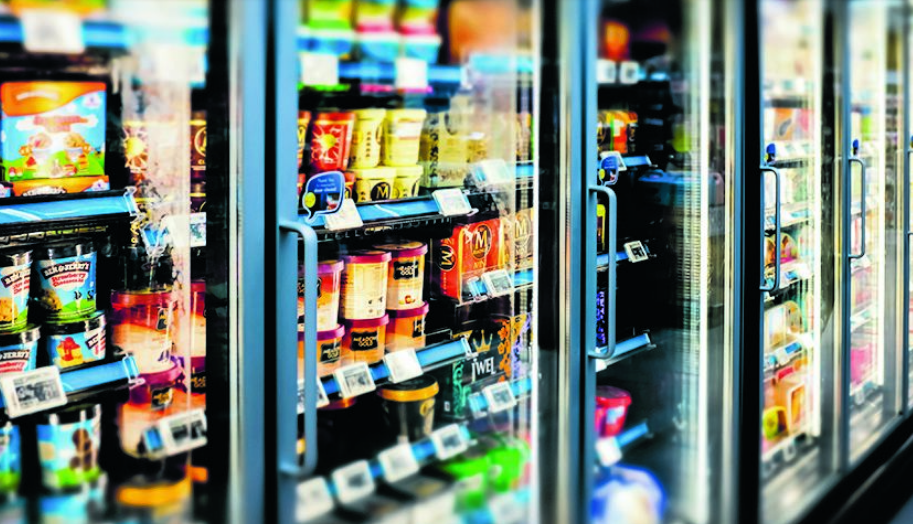
The story goes back a decade to when the government introduced a “voluntary” food reformulation scheme to remove 20% of the sugar from processed food by 2020. It was a classic vision of the anointed, with a target that seems to have been based on nothing more scientific than numerology. Politicians wanted people to consume less sugar but had no idea how to go about it, and so they leant on the private sector to do it for them. Again, the scheme was only voluntary in theory. In practice, it was strongly hinted that if they didn’t reformulate their products, the companies would be hit with an advertising ban. The industry duly did its best to reduce sugar levels in breakfast cereals, yoghurts, ice cream and other product lines but the great British consumer responded by buying fewer of these items and more chocolate bars and sweets. Overall sugar consumption didn’t budge and when Boris Johnson needed something to distract the public from his handling of the pandemic in 2020, the industry got its advertising ban anyway.
The usually docile food companies are now at the end of their tether. Faced with yet another round of reformulation, an industry insider told City AM: “There’s just so much that the government is asking businesses to look at and the costs are filtering through to consumers.” In the current year, it was quite predictable that the government would look at those rising costs and conclude that the fault lies not in itself but in “price gouging” and that answer lies not in deregulation but in price controls.
Tell me again how we live under unfettered neoliberalism
And while price caps for food might be off the table for now, the government remains committed to introducing them by the backdoor. This week, Rachel Reeves proudly announced “new anti-profiteering powers”. Under her plans, the Competition & Markets Authority will not only “name and shame” but also fine companies that introduce “unfair price rises”. And she says that she “won’t hesitate go further if needed.”
Tell me again how we live under unfettered neoliberalism.