- June 11, 2026
- Olivia
- 0
Regulating new technology has never been as easy as it is necessary.
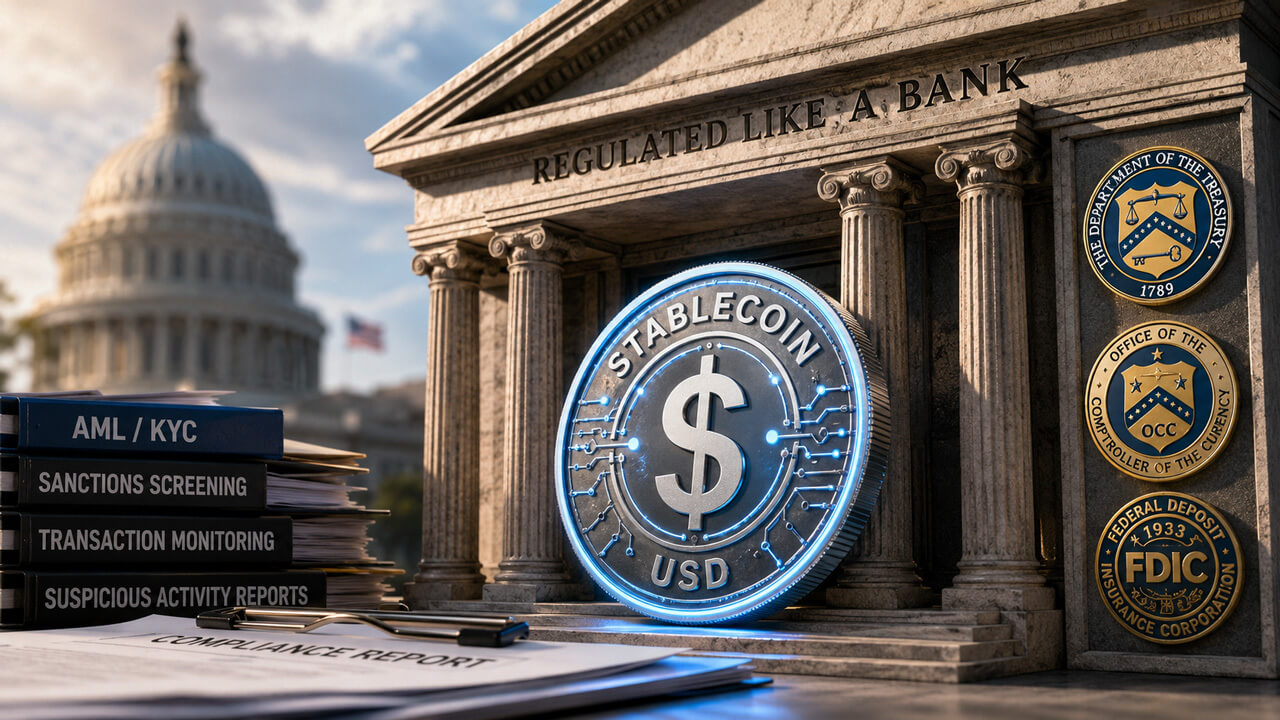
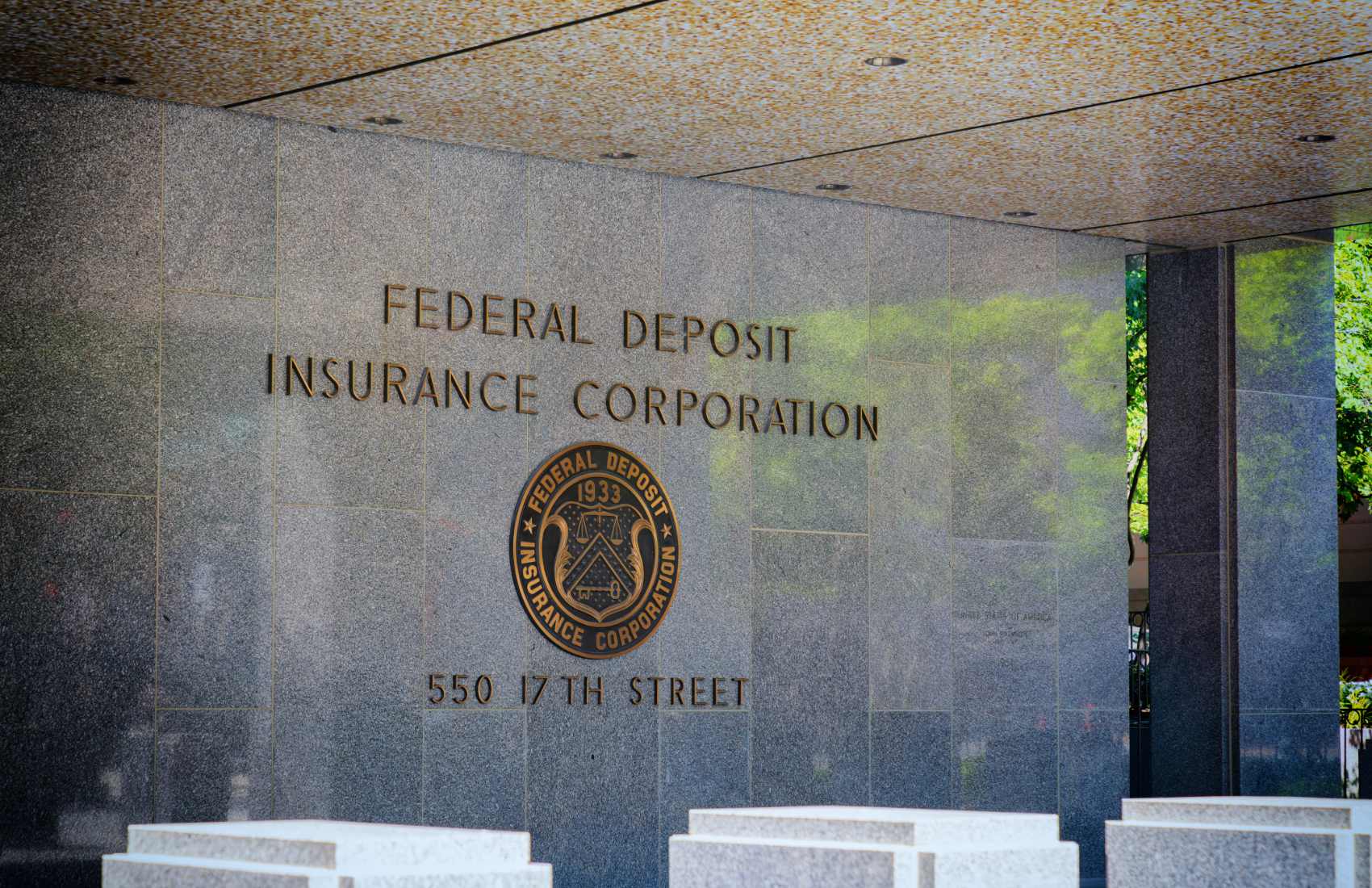
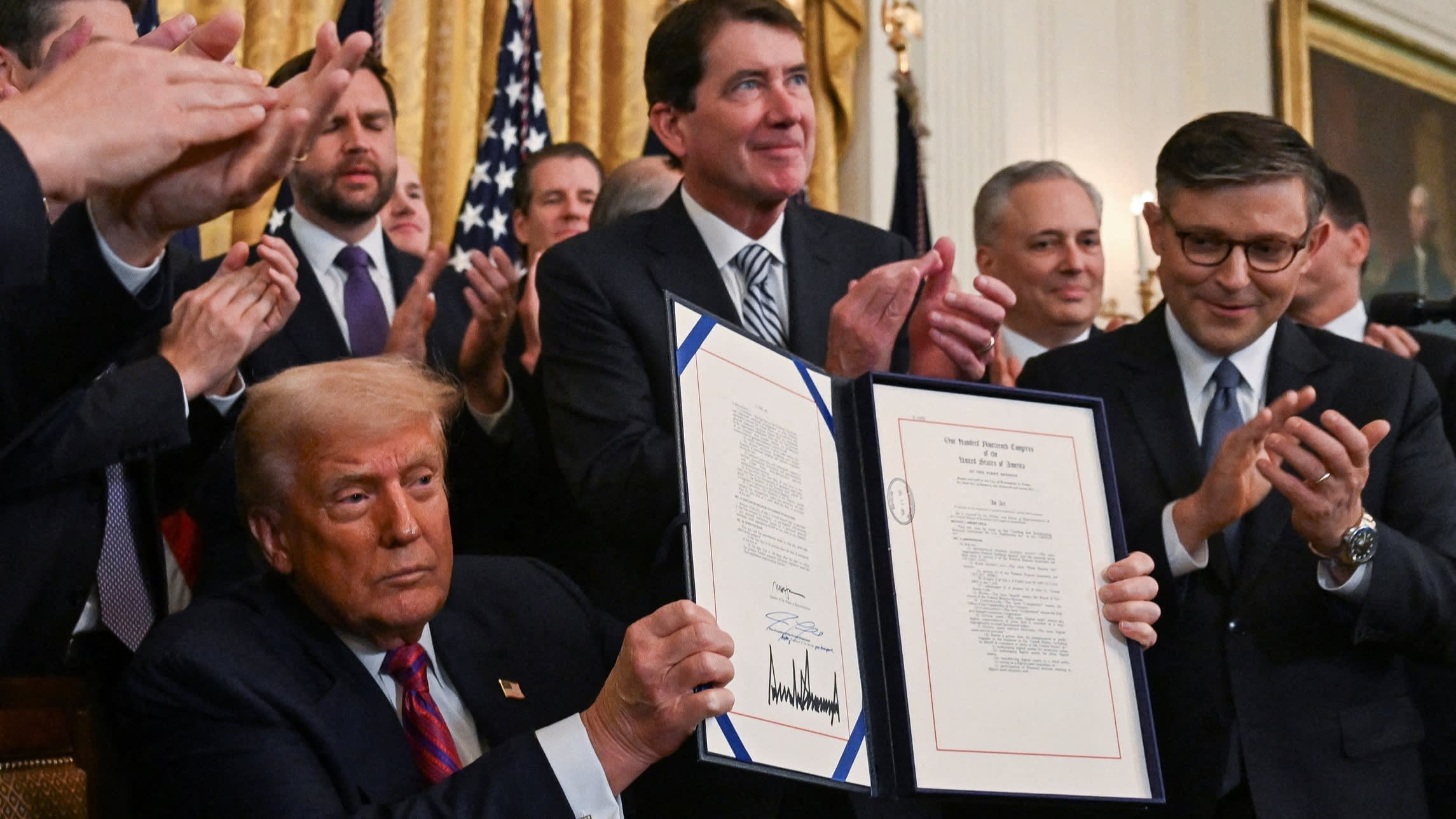
And U.S. federal banking agencies gave stablecoin regulation their strongest shot during the recent rulemaking period for the federal GENIUS Act’s implementation. On Tuesday (June 9), the comment period for the Federal Deposit Insurance Corp.’s (FDIC) proposed GENIUS Act framework closed.
The agency’s proposed GENIUS Act rule would set standards for FDIC-supervised payment stablecoin issuers, including reserve, redemption, custody, safekeeping, risk management and capital requirements. It would also clarify that deposits held as reserves backing payment stablecoins would not be insured to stablecoin holders on a pass-through basis.
The responses from stakeholders across the ecosystem revealed that bringing the first-ever digital asset law in the U.S. to life is becoming a fight over who gets paid, who holds the money and how much of the system stays inside traditional banking.
Read also: FDIC Just Showed Why Banks May Win the Digital Dollar Race
New Economics of Digital Money
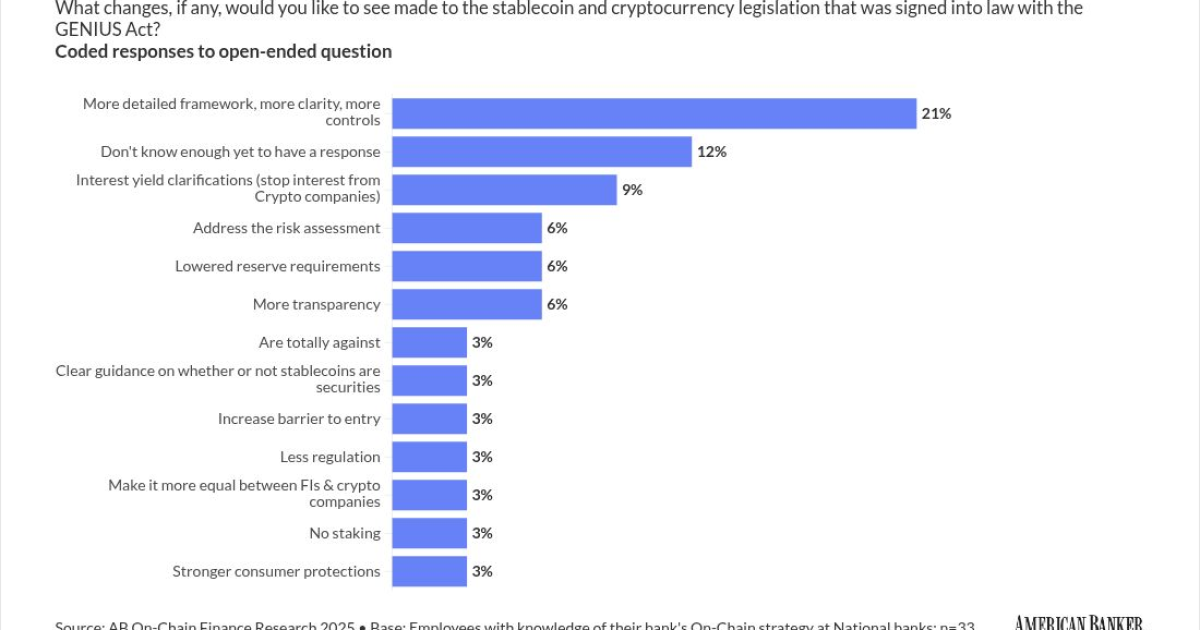
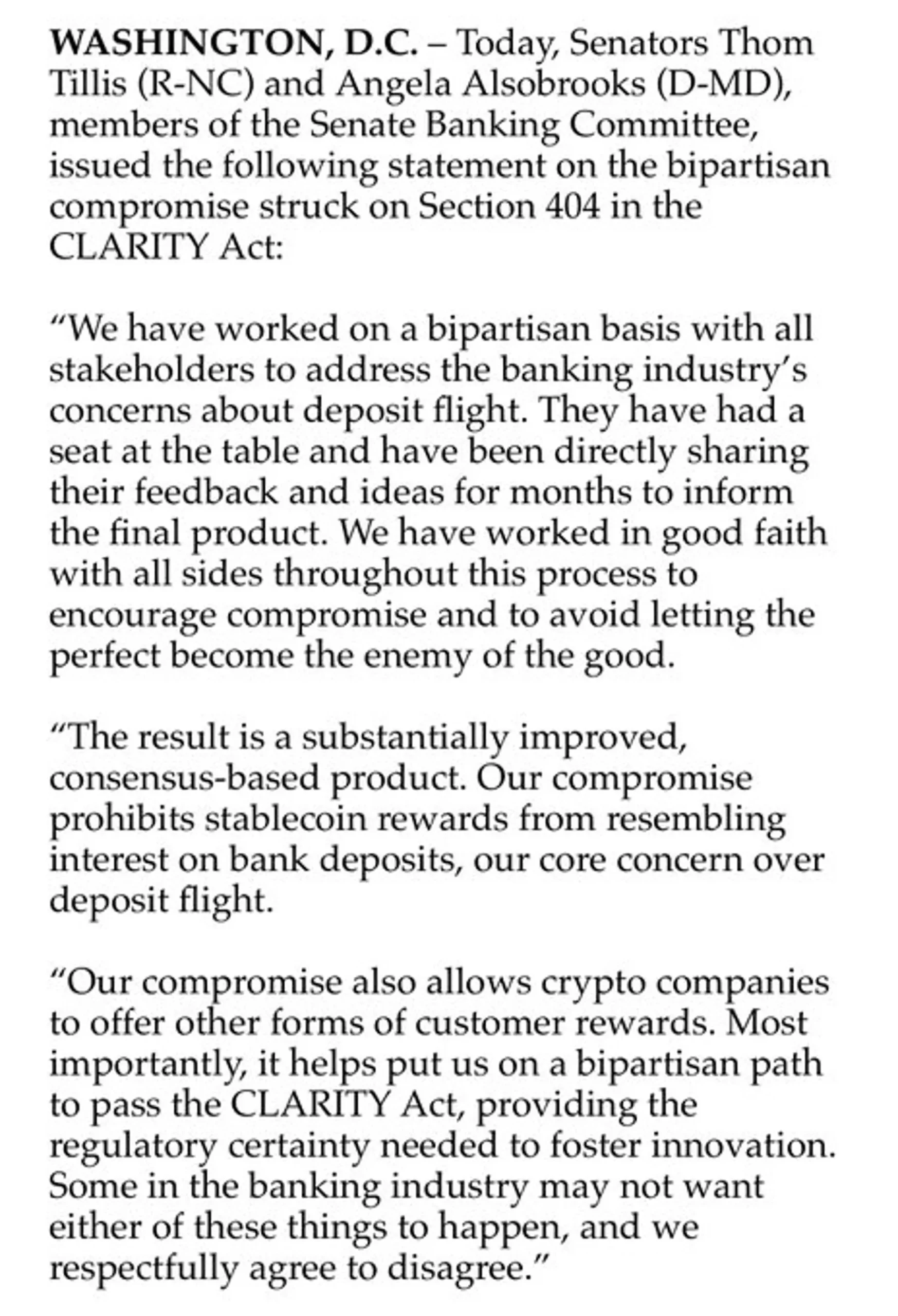
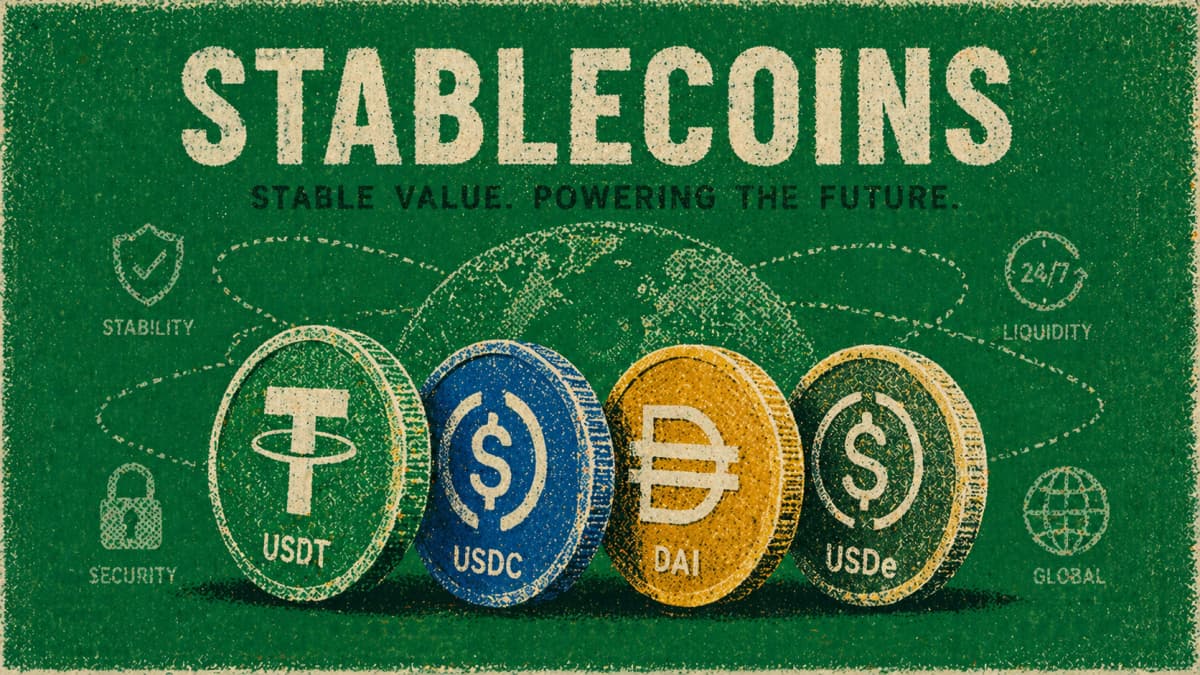
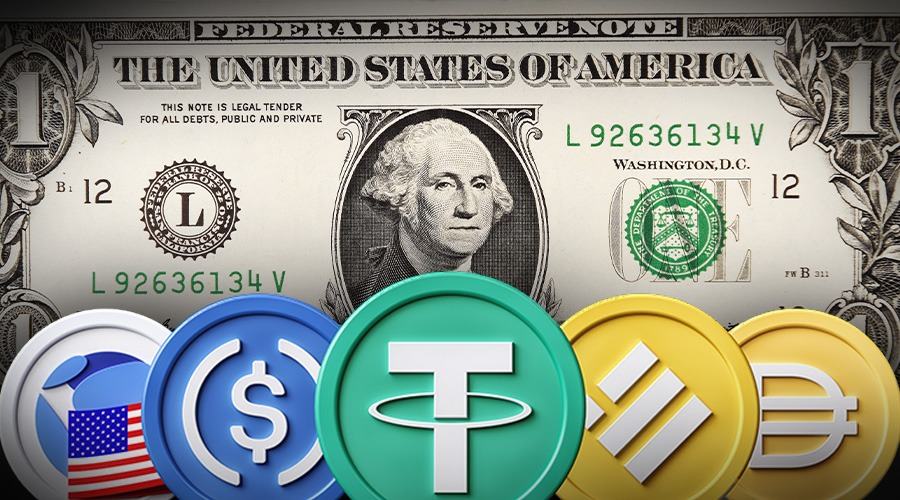
The stablecoin rulemaking isn’t really about stablecoins. It’s about who gets the economics of digital dollars. One flashpoint is yield. The GENIUS Act restricts stablecoin issuers from paying interest or yield on payment stablecoins. But digital asset firms are warning that the rule could be read too broadly, sweeping in ordinary commercial arrangements between issuers, wallets, distributors and custodians.
Advertisement: Scroll to Continue
Consensys, the company behind MetaMask, said in its FDIC comment that the agency should refine the rule’s treatment of yield, noncustodial wallets and distribution arrangements. The company argued that legitimate fees, rebates or revenue-sharing arrangements should not automatically be treated as prohibited yield simply because a third party receives compensation tied to stablecoin activity.
That distinction matters because stablecoins do not move through the market by themselves. Wallets, exchanges, custodians, payment providers and other distribution partners help consumers and businesses hold, transfer and redeem them. If the final rule makes those arrangements legally uncertain, some firms may pull back. If it creates clear boundaries, the market could develop around regulated issuers and compliant commercial partners.
Banks Worry About Deposit Flight
Banks and community groups are focused on a different risk: deposit flight.
The National Community Reinvestment Coalition warned that stablecoin growth could move funds away from banks that support local lending. NCRC said the rule must address what happens when money that otherwise backs small business, household and neighborhood credit moves into stablecoin systems with fewer public safeguards.
That concern reflects a larger policy issue. Stablecoins backed by safe assets may look like cash substitutes to users. But they do not function like insured deposits for the banking system. If consumers and businesses shift large balances into stablecoins, banks could lose a source of low-cost funding. That could pressure lending, especially at smaller institutions that rely more heavily on local deposits.
Bank trade groups are also pressing for clarity on tokenized deposits and custody. The Bank Policy Institute, The Clearing House and the Consumer Bankers Association said the FDIC’s treatment of tokenized deposits should preserve the principle that deposit insurance depends on the legal nature of the deposit, not the technology used to record it. The groups cited the FDIC’s own description of tokenized deposits as deposit liabilities recorded with distributed ledger technology.
The commercial stakes are high because banks want room to provide custody, safekeeping, reserve management and tokenized deposit services without having those activities confused with nonbank stablecoin issuance.
The final rule will not simply decide how stablecoins are supervised. It will help determine whether the next version of digital money grows alongside banks, around banks or partly outside them. For issuers, the issue is regulatory permission. For wallets and custodians, it is fee certainty. For banks, it is funding and custody. For regulators, it is whether stablecoins can scale without weakening the deposit base that still supports much of U.S. credit.