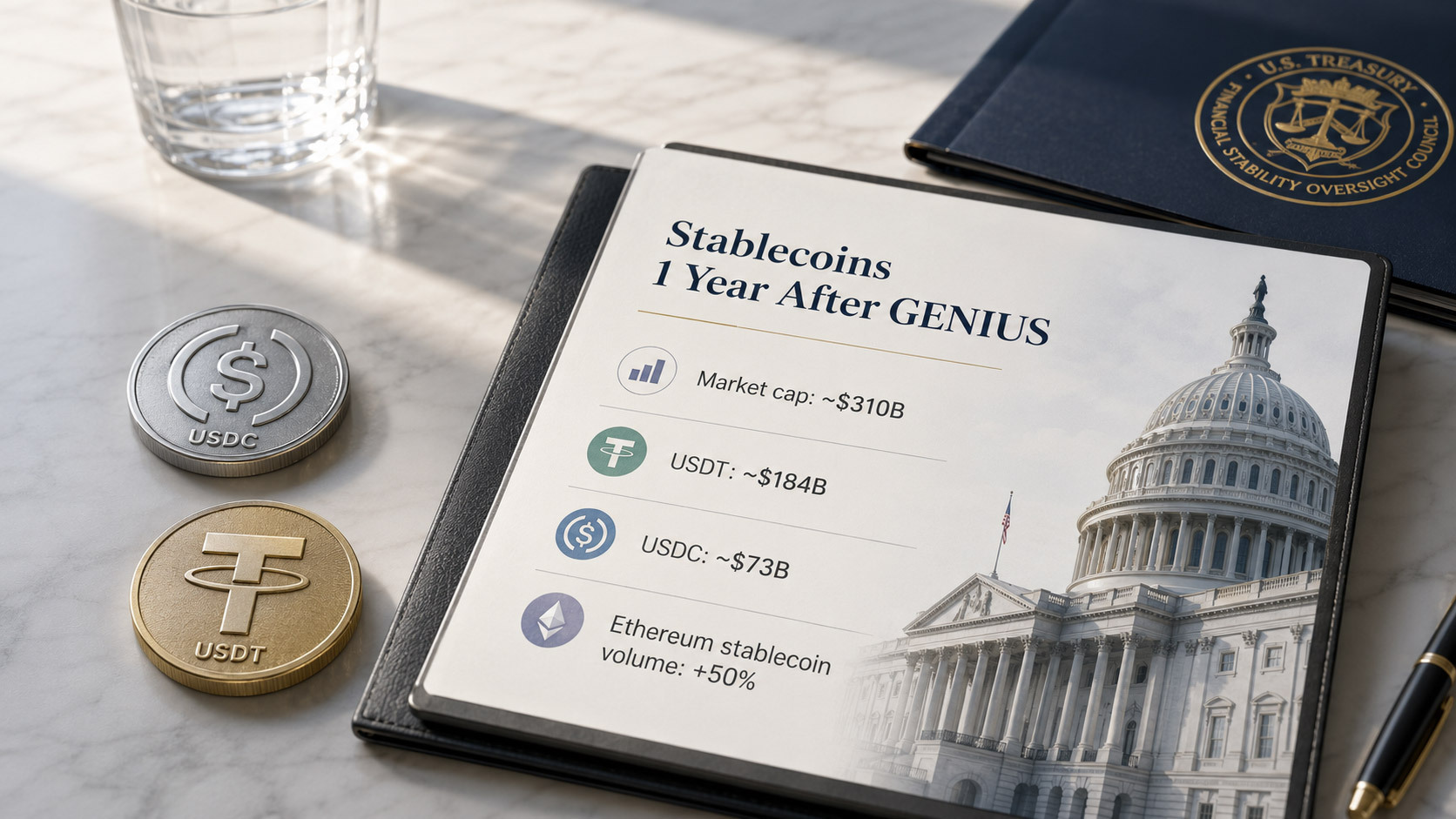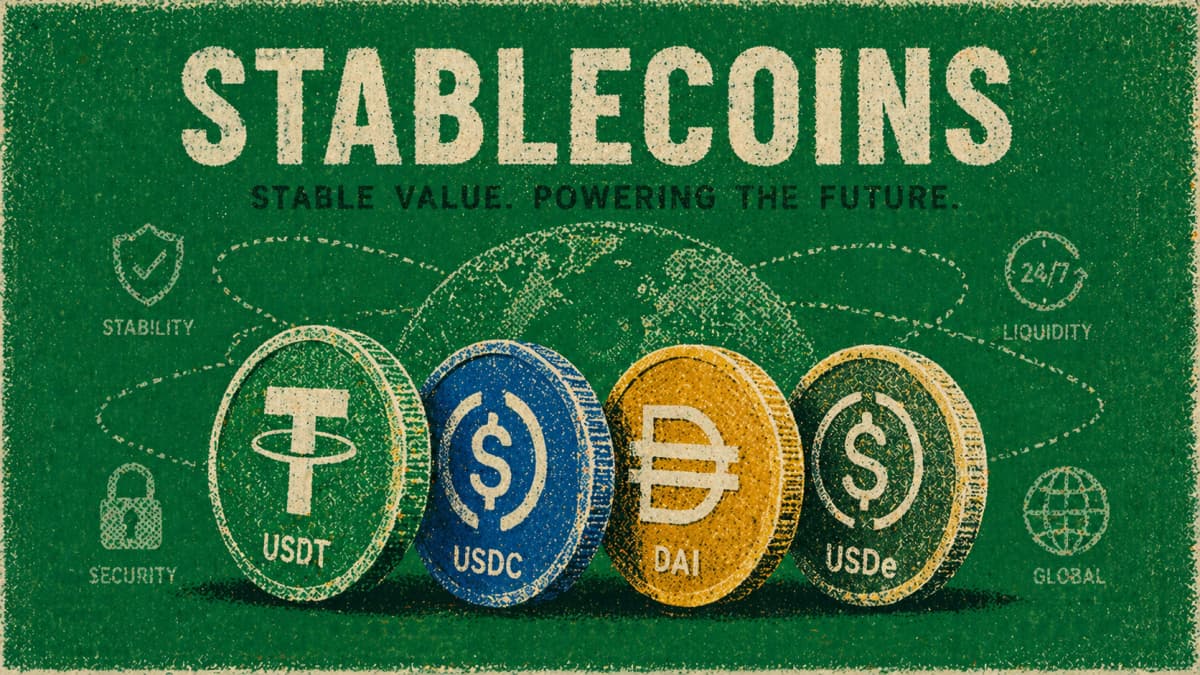

Stablecoins have evolved from mere trading collateral into the bedrock of modern digital finance. Unlike volatile cryptocurrencies like Bitcoin, these digital assets maintain a steady value by pegging themselves to stable reserves—most commonly the US dollar. As mainstream payment giants integrate these tokens for instant cross-border settlements, stablecoins are moving out of the crypto fringes and directly into the spotlight of global monetary policy.
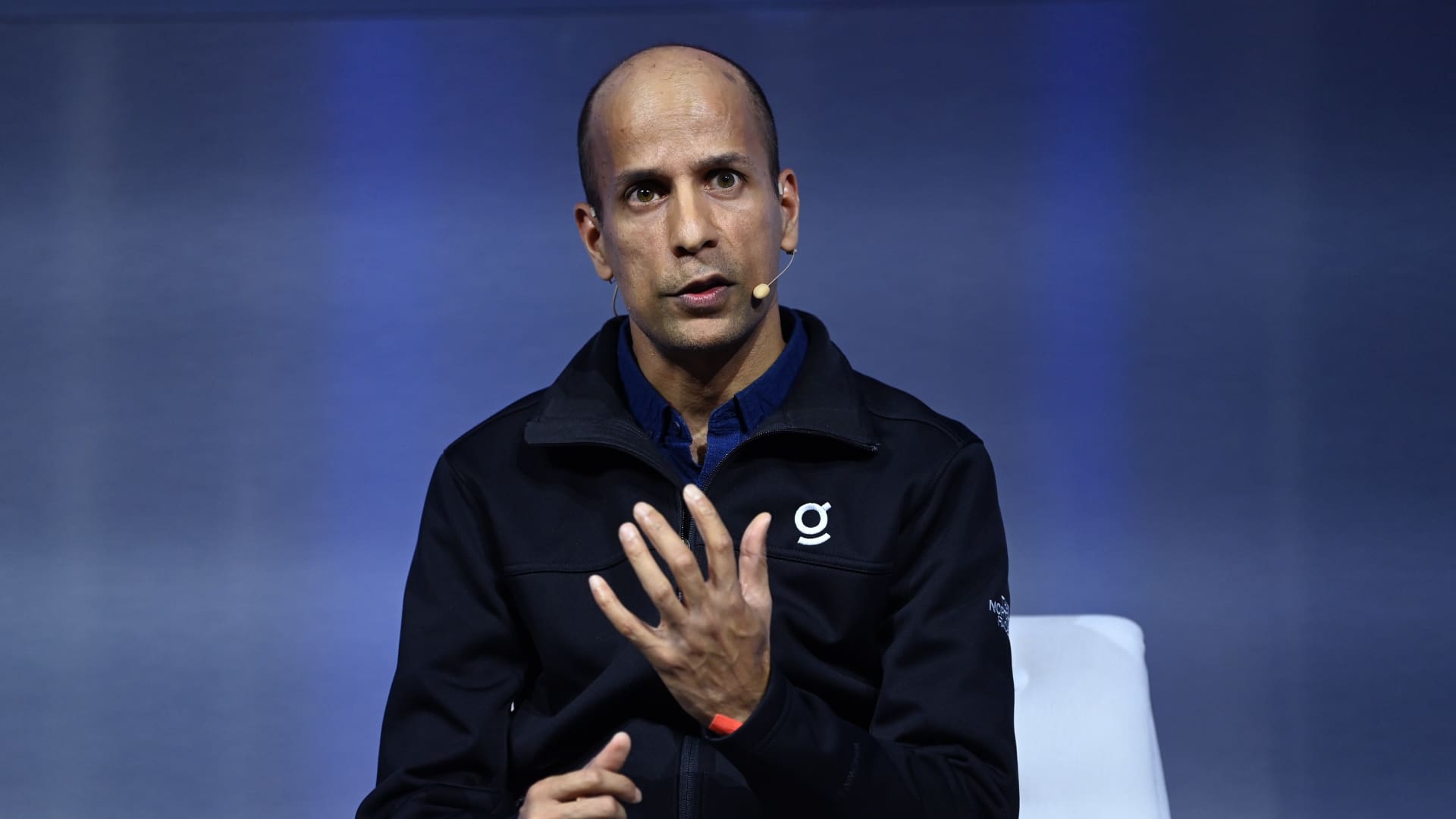
In this interview, Maksym Sakharov, the CEO and co-founder of WeFi, explains the future of the stablecoin market, real-world use cases, challenges to mainstream adoption, and growth opportunities.

Access deeper industry intelligence
Experience unmatched clarity with a single platform that combines unique data, AI, and human expertise.
EPI: What’s your prediction for the stablecoin market cap or transaction volume by 2030? What do you see as the primary catalysts?
Maksym Sakharov: I would be cautious about putting one exact number on it, because the range depends heavily on regulation, banking integration, liquidity, and real merchant adoption. A reasonable view is that stablecoins could reach the low single-digit trillions in market cap, with transaction volume far above that, if the right conditions develop.
The catalysts are fairly clear. First, stablecoins need stronger regulatory clarity, because institutions will not build serious payment infrastructure around uncertainty. Second, they need better distribution through wallets, cards, accounts, and merchant tools. Third, users need practical reasons to use them: cross-border payments, faster settlement, dollar access, payroll, remittances, and merchant funding.
EPI: How is WeFi positioned to capture a share of that growth?
Maksym Sakharov: WeFi is focused on the gap between stablecoins being available and stablecoins being usable.
Stablecoins already move quickly, but for most users they are still not connected cleanly to everyday financial life. People need ways to receive value, hold it safely, spend it, move between fiat and onchain assets, and access regulated services without dealing with unnecessary complexity.
The Deobanking Model is built around that gap. Users need familiar access points, such as accounts, cards, fiat connectivity, and regulated services, but they also need the speed, transparency, and programmability of onchain infrastructure underneath.
The important part is that users should not need to understand that infrastructure every time they make a payment. If the product is designed well, the stablecoin layer can work in the background while the user simply sees a balance they can access, move, and spend. That is where WeFi is focused: making the benefits of stablecoins usable without turning the payment experience into a crypto workflow.
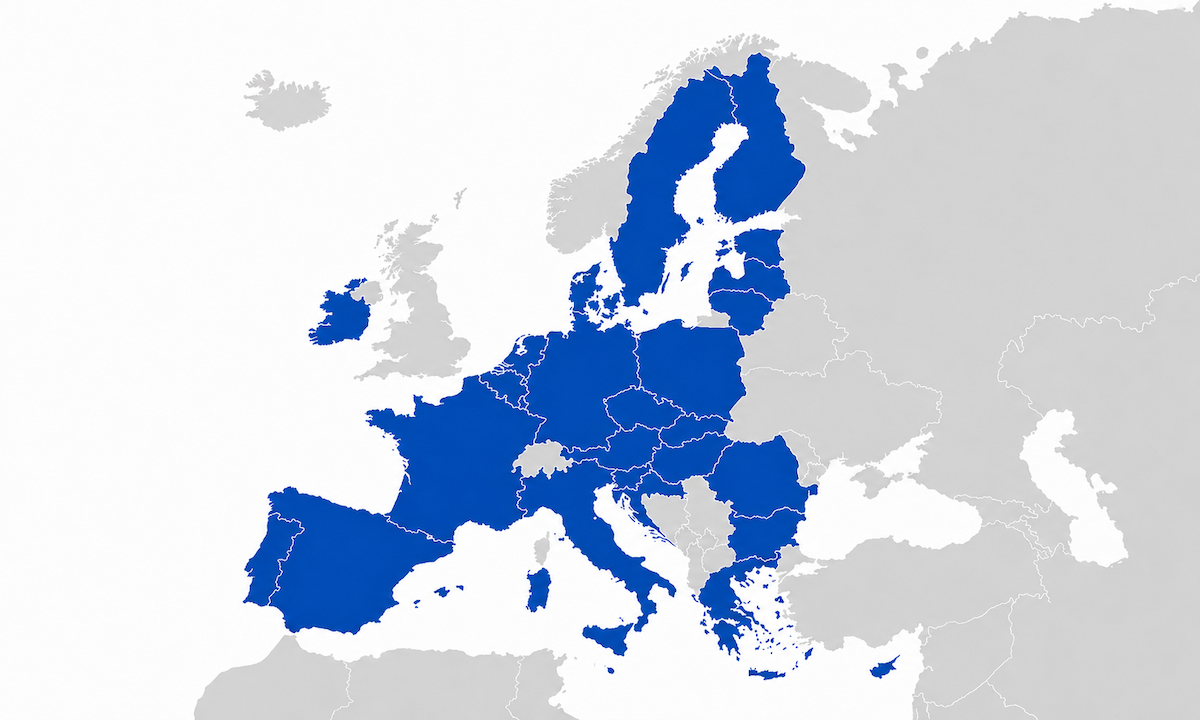
EPI: How are evolving regulations, like MiCA in Europe, impacting the growth of stablecoin payments?
Maksym Sakharov: Regulation is becoming one of the main filters in the stablecoin market.
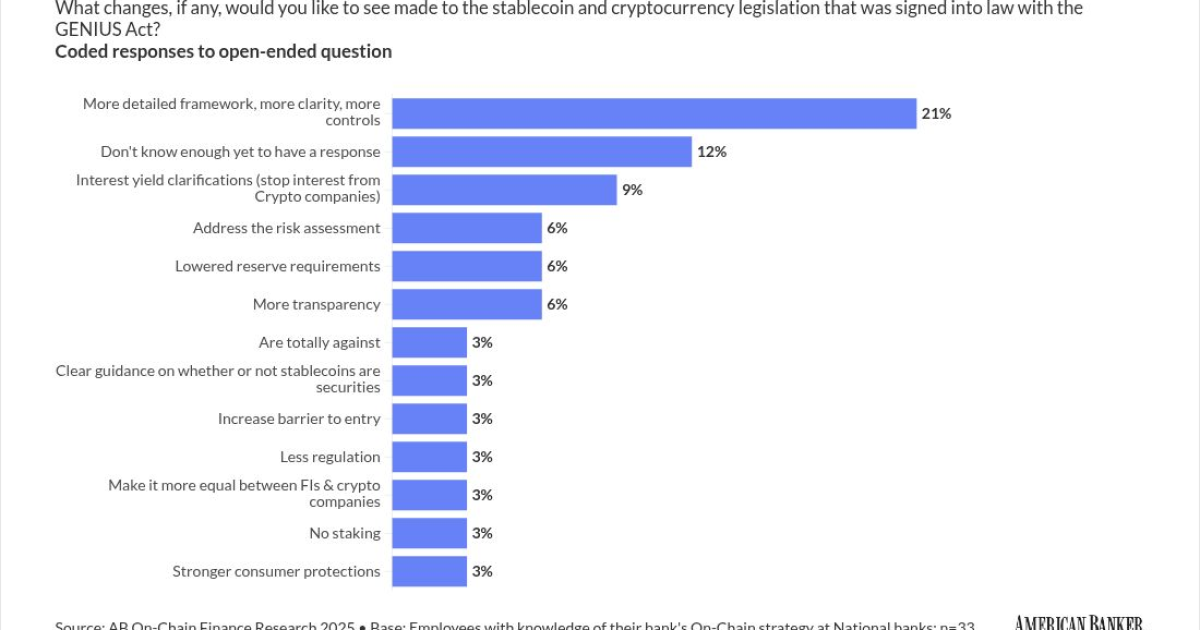
Frameworks like MiCA are important because they move the industry away from ambiguity. They give issuers, payment providers, banks, and infrastructure companies clearer rules around reserves, consumer protection, disclosure, and market conduct. That does not automatically create adoption, but it makes serious adoption more possible.
The real impact is that weaker models will find it harder to scale. Payments require trust, and trust depends on more than branding. It depends on reserve quality, operational discipline, licensing, and clear accountability.
EPI: Which real-world use cases are seeing the fastest adoption of stablecoins for payments at the moment?
Maksym Sakharov: The fastest adoption is happening where stablecoins solve an immediate problem.
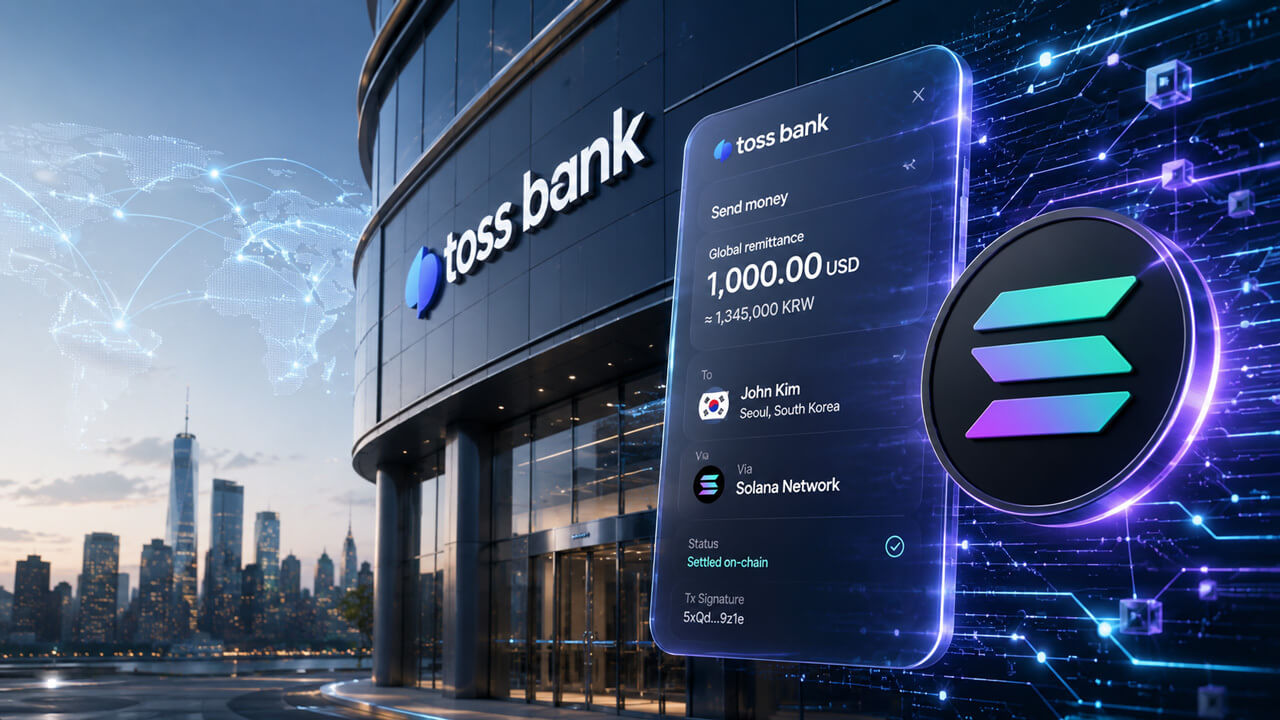
Remittances and cross-border transfers are strong because users care about cost and speed. Merchant settlement is growing because businesses care about when funds arrive and how much reconciliation work is required. Freelance and remote work payments are also natural use cases because stablecoins can make international earning easier, especially for people outside major banking corridors.
Card-linked spending is another important path because it solves the acceptance problem. Users can spend digital value without waiting for every merchant to support a new checkout method. The common thread is practical utility.
EPI: How important are emerging markets in Africa, Latin America, and Southeast Asia in driving stablecoin growth compared to developed markets?
Maksym Sakharov: Emerging markets are extremely important because the need is often stronger.
In developed markets, stablecoins have to compete with banking apps, cards, instant payment systems, and relatively mature financial infrastructure. The user benefit has to be very clear. In many emerging markets, the problems are more visible: expensive remittances, currency instability, limited banking access, payment fragmentation, and difficulty accessing dollar-denominated value.
That does not mean adoption is automatic. Users still need liquidity, trust, compliance, and simple interfaces. But the motivation is stronger when existing rails are costly or unreliable.
I see emerging markets as one of the main drivers of stablecoin payment growth. Developed markets may drive institutional infrastructure, but emerging markets may drive daily usefulness.
EPI: What are the biggest risks that concern you most — whether it’s reserve volatility, regulatory crackdowns, or something else — and how is WeFi mitigating them?
Maksym Sakharov: The biggest risk is trust breaking at the infrastructure level.
That can happen through weak reserves, poor disclosure, regulatory failures, liquidity issues, bad custody design, or platforms promising more than they can safely deliver. In payments, users cannot be expected to accept uncertainty. If stablecoins are going to support spending, savings, and cross-border movement, the infrastructure has to hold up under pressure.
WeFi’s approach is to build around controlled rollout, regulated access, compliance processes, distributed custody architecture, and partnerships that support responsible expansion market by market. The Deobanking Model is about placing stablecoin rails inside a structure that users and partners can trust.
EPI: WeFi has recently partnered with Visa. What does this alliance mean for making stablecoins usable in everyday spending?
Maksym Sakharov: The partnership matters because stablecoins need more than efficient onchain movement. They need a way to reach everyday spending environments.
Visa brings global payment infrastructure, merchant familiarity, and the reliability users expect when they make a payment. WeFi brings stablecoin infrastructure designed to connect onchain value with regulated payment access. Together, that helps address the last half mile: turning stablecoins from something users can hold or transfer into something that can support real spending experiences.
The rollout is expected to happen region by region, starting with selected markets in Europe, Asia, and Latin America, with further expansion depending on local approvals and issuing partnerships.
EPI: Do you see stablecoins competing with or complementing SWIFT and traditional correspondent banking in the long term?
Maksym Sakharov: Both, depending on the use case.
Stablecoins can complement traditional banking when they improve settlement, liquidity movement, or cross-border transfers without requiring institutions to replace everything they already use. Banks and enterprises need continuity, so the most realistic path is integration before replacement.
At the same time, stablecoins put pressure on older systems. They make it harder to justify slow settlement, high costs, and unnecessary reconciliation in every payment corridor. If a transaction can move faster and with clearer finality, institutions will ask why the older route is still needed for that specific flow.
EPI: Where do you see the biggest growth opportunities for stablecoin payments going forward — retail, corporate, or remittances?
Maksym Sakharov: The strongest near-term opportunity is remittances and cross-border payments, because the pain is immediate. Users feel the cost, the delay, and the access problem directly.
Corporate payments may become the largest by volume. Businesses moving money across markets care about settlement timing, liquidity, reconciliation, and working capital. Stablecoins can be useful there even if the end customer never sees the blockchain.
Retail will grow more gradually. Consumers do not change payment habits unless the new experience is clearly easier or cheaper. Retail adoption depends on cards, wallets, merchant acceptance, and simple interfaces.
So I would separate urgency from scale. Remittances may lead in need, corporate payments may lead in volume, and retail may follow as the infrastructure becomes invisible enough for everyday use.