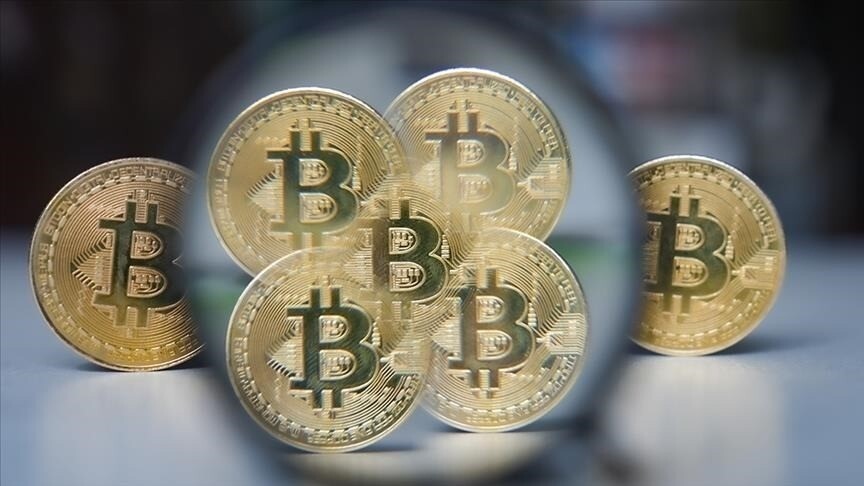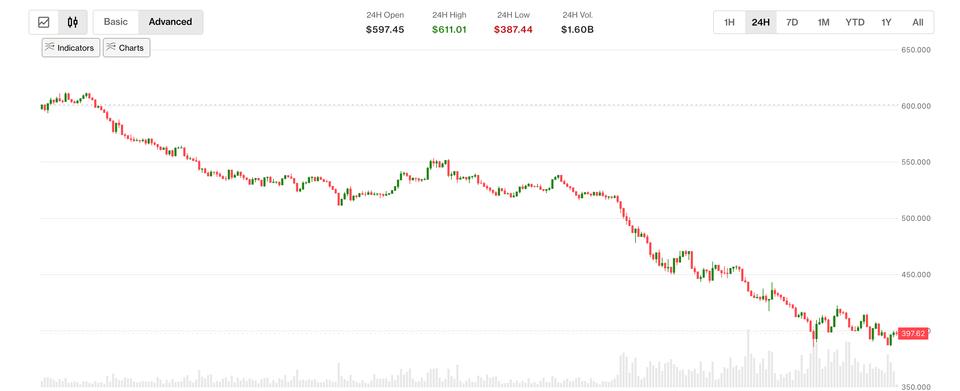
Bitcoin plummeted from $120,000 to $60,000, yet the cryptocurrency market is eyeing arbitrage opportunities in US stock perpetual contracts. Samsung’s annualized funding rate of 364% allowed skilled traders to earn $2.4 million on Hyperliquid. Institutional investors are also starting to position themselves, opening an early window for profit.
Author: Rhythm
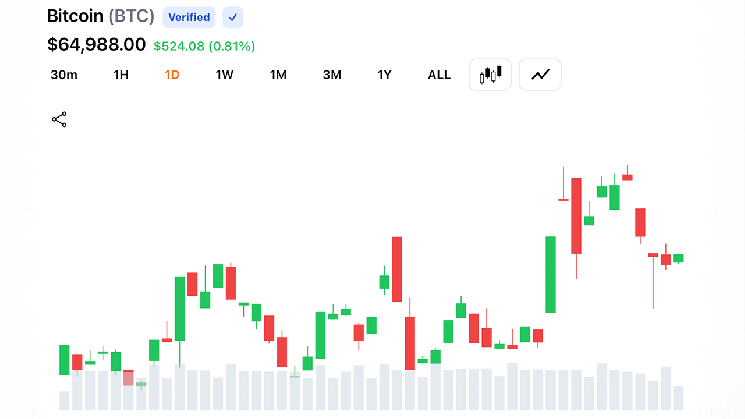
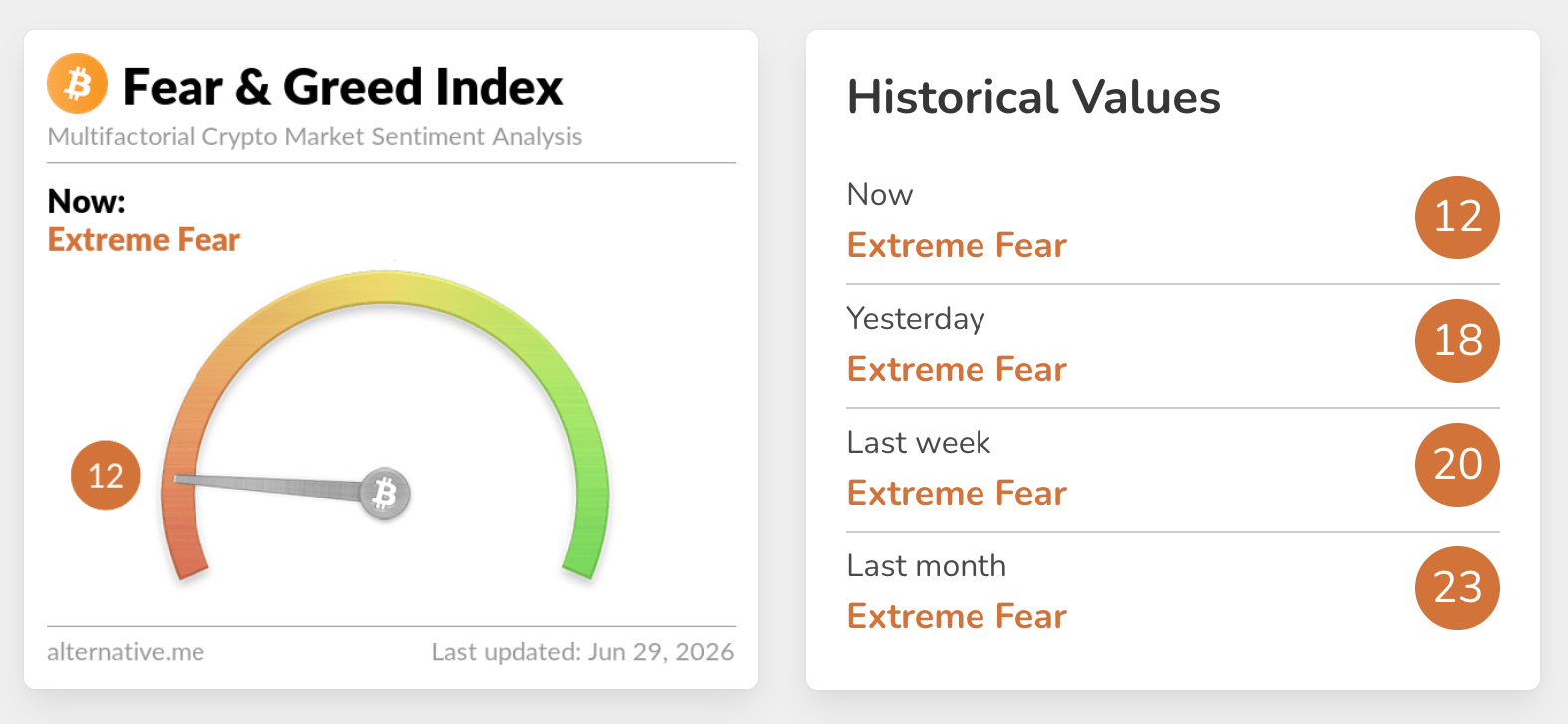
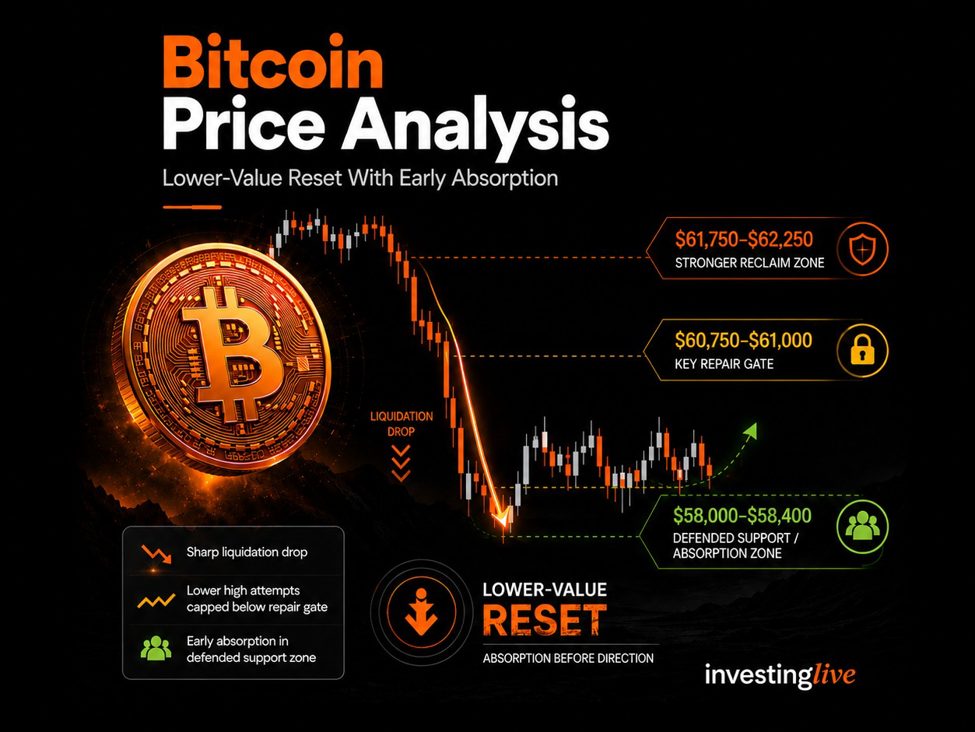
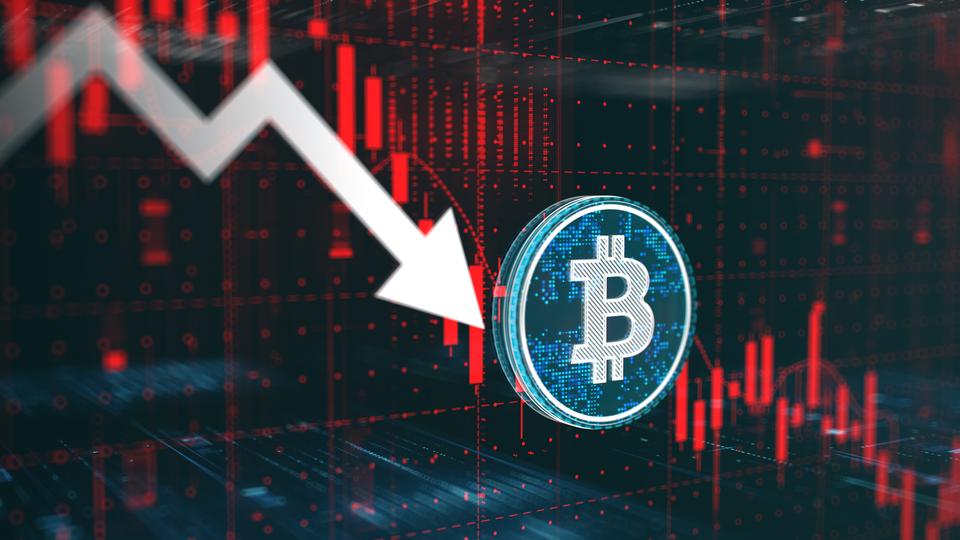
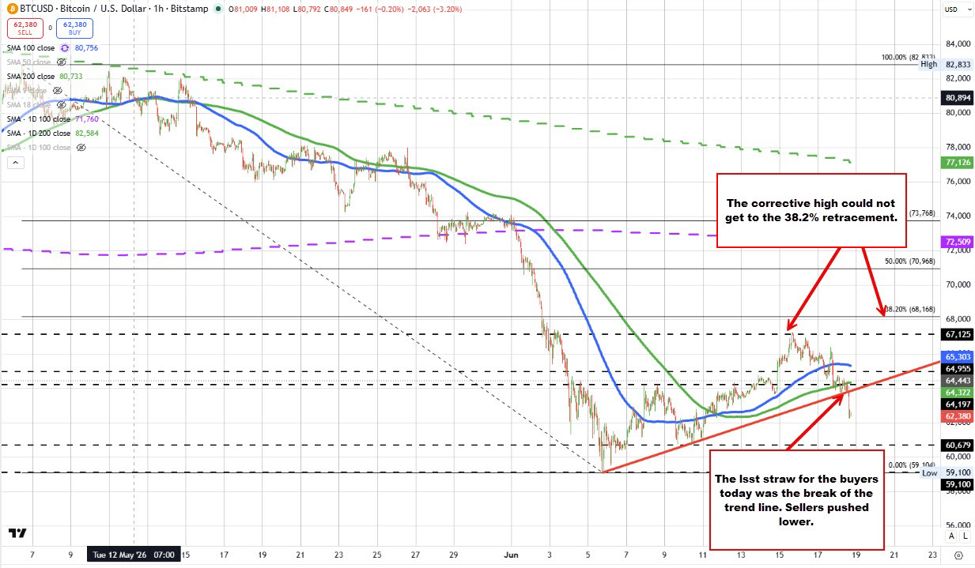
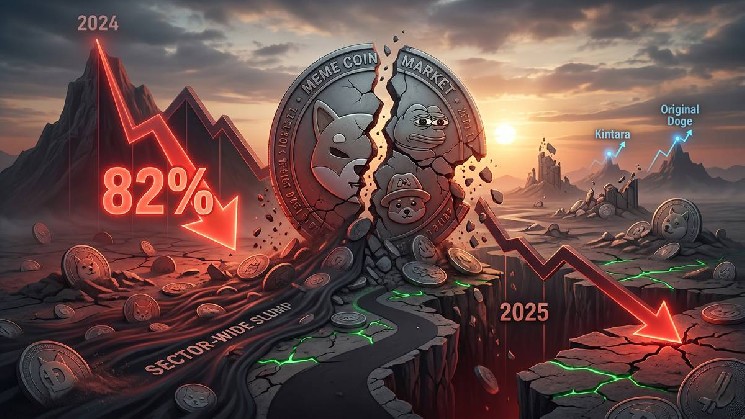
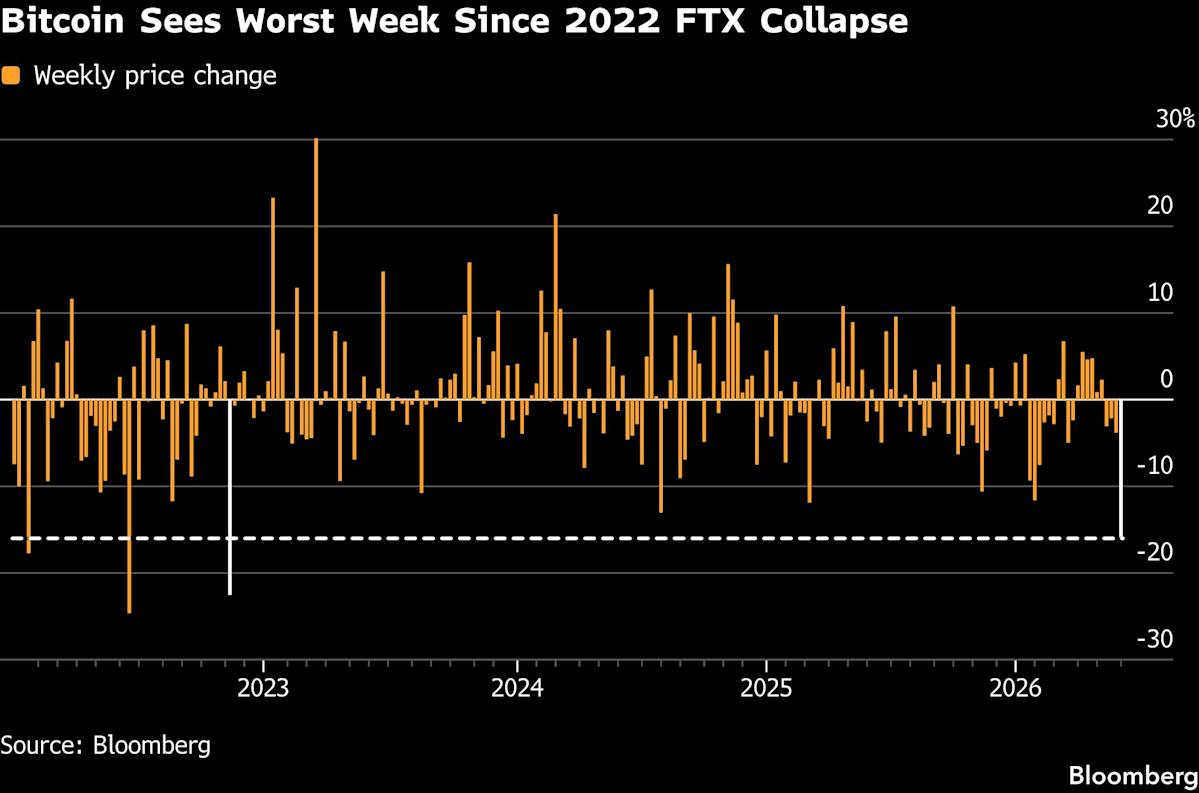
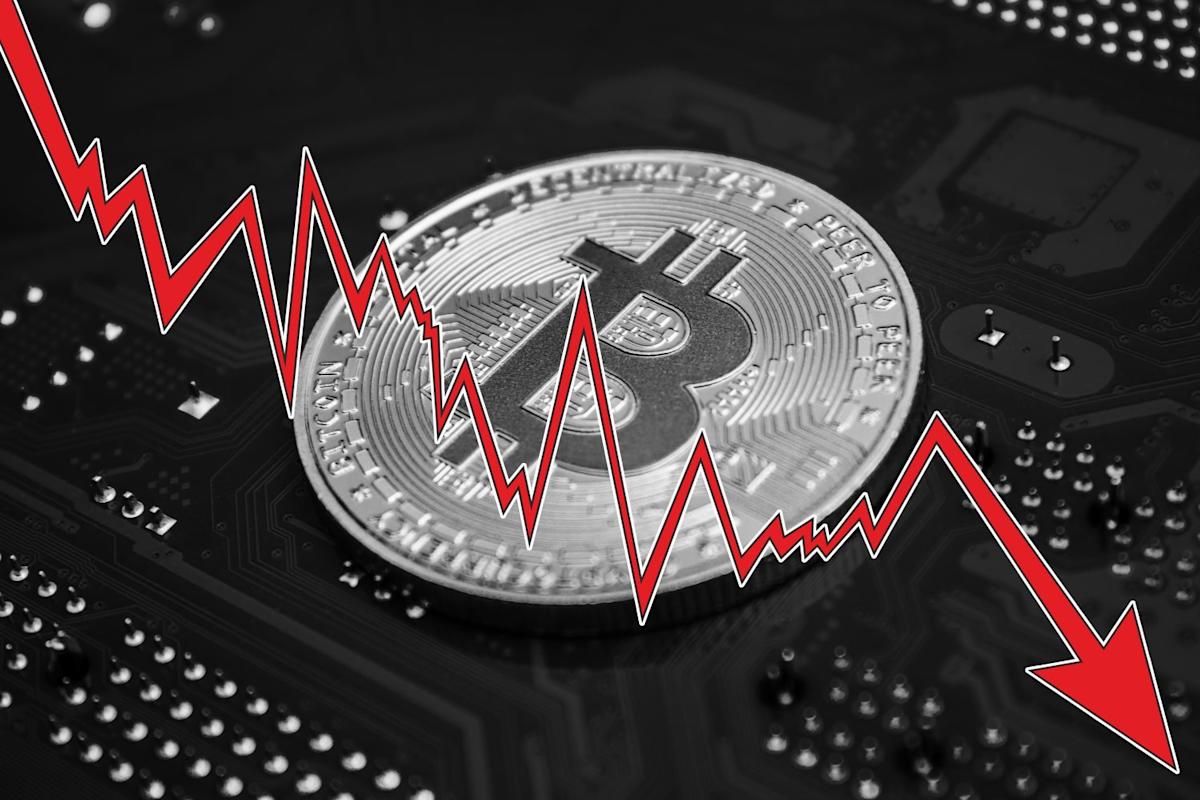
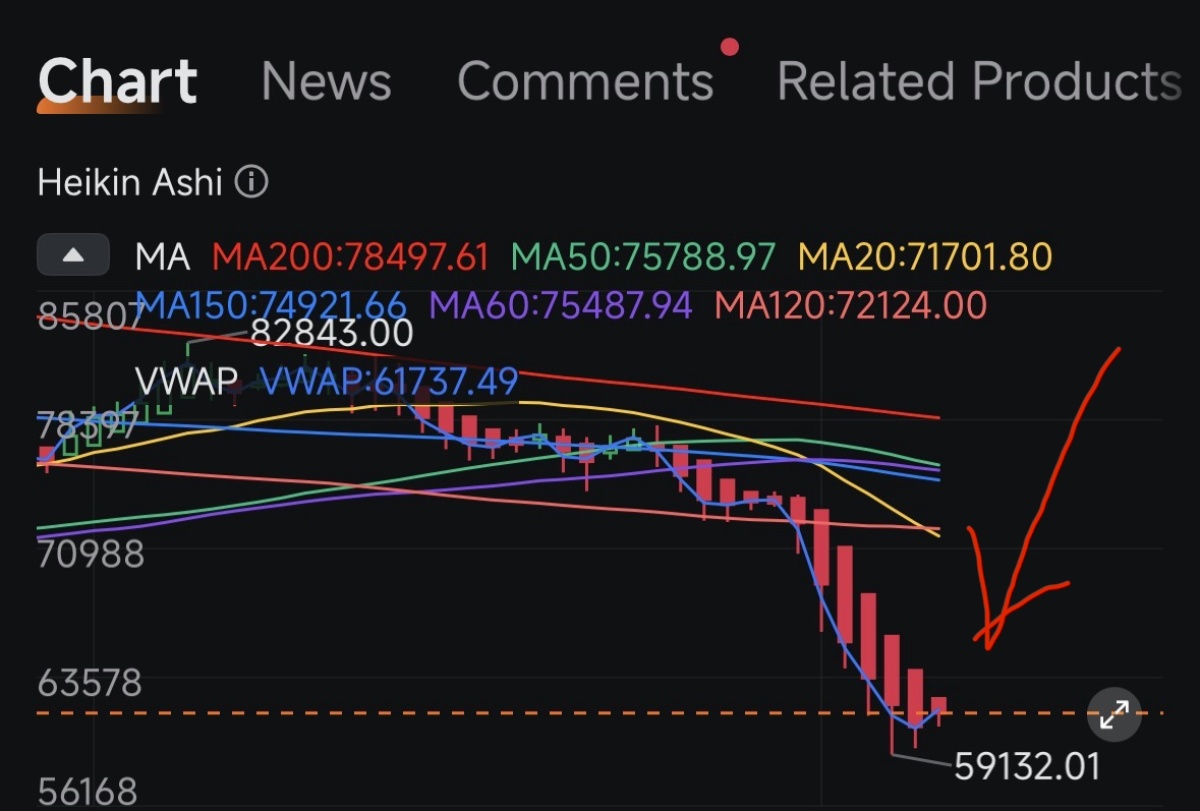
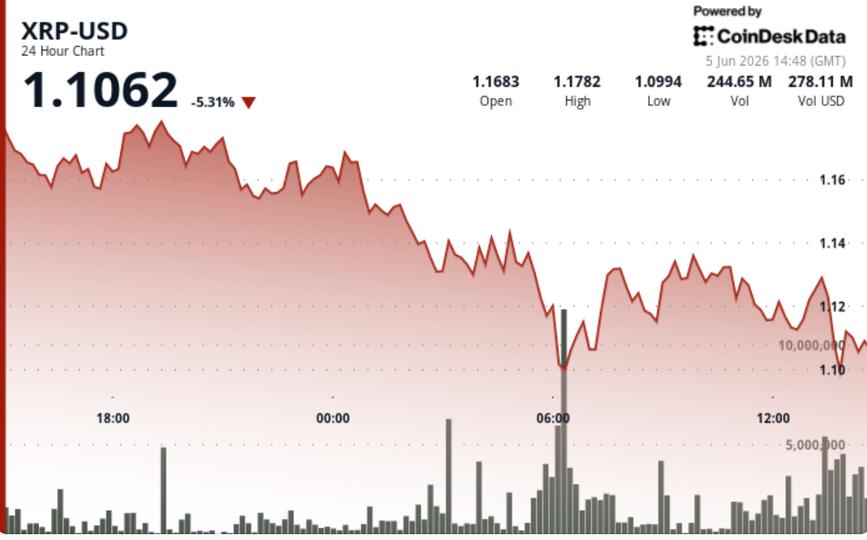
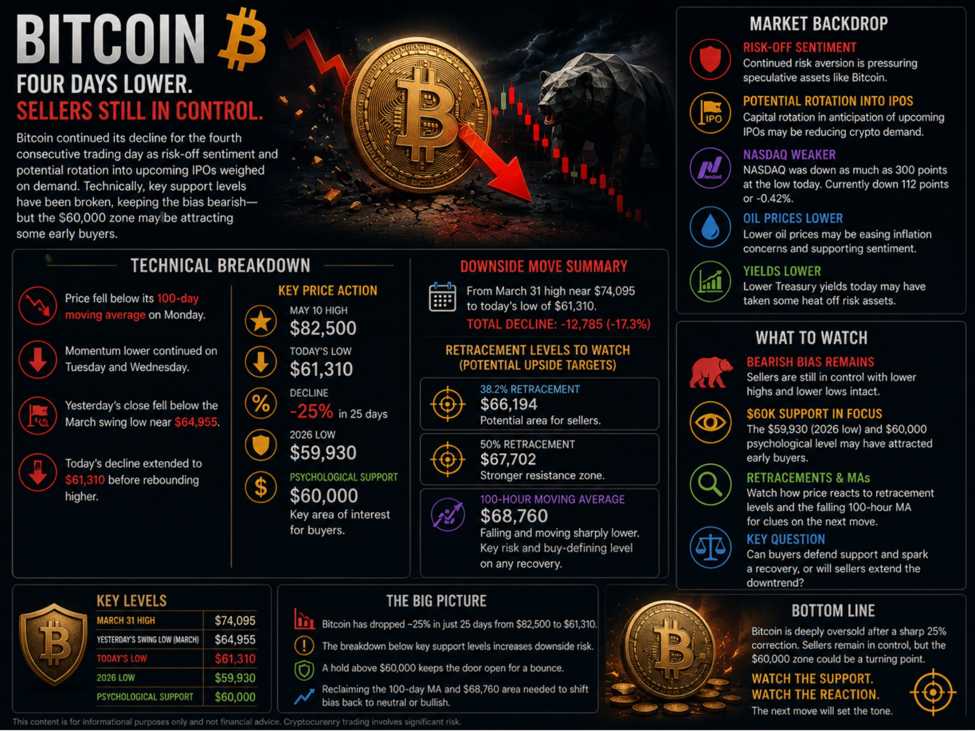
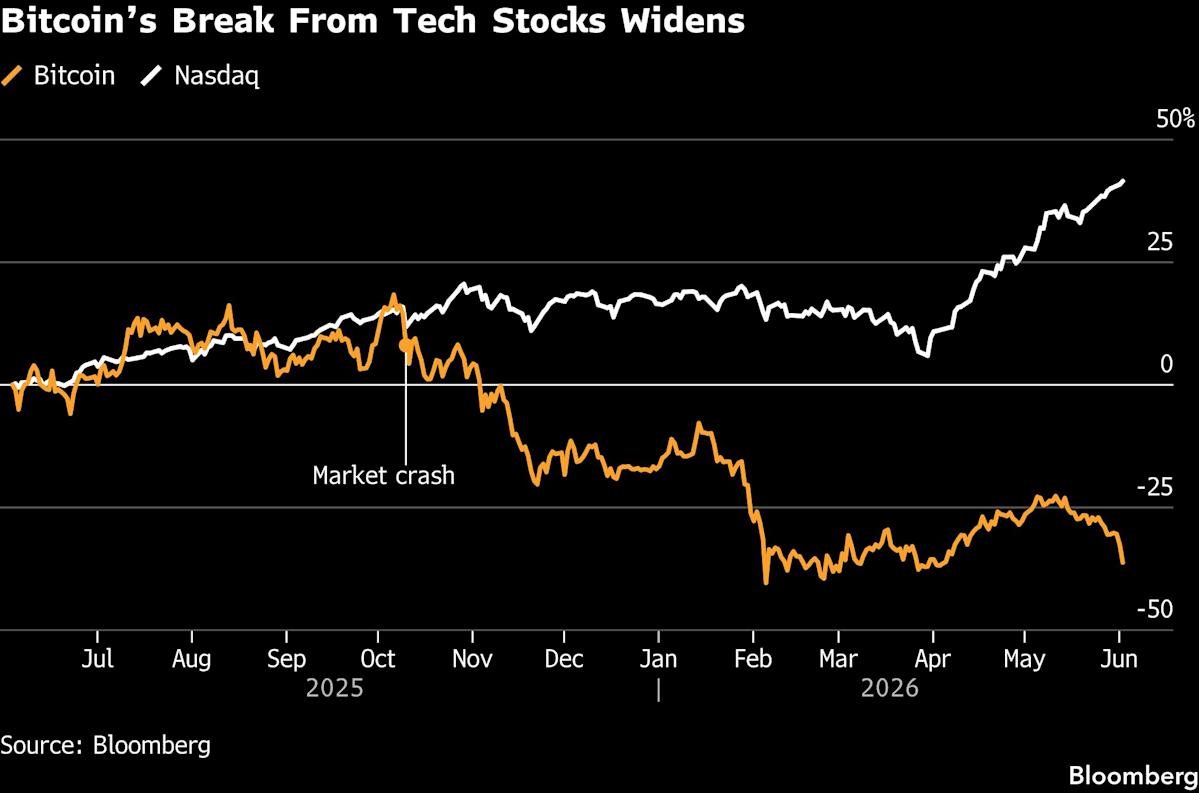
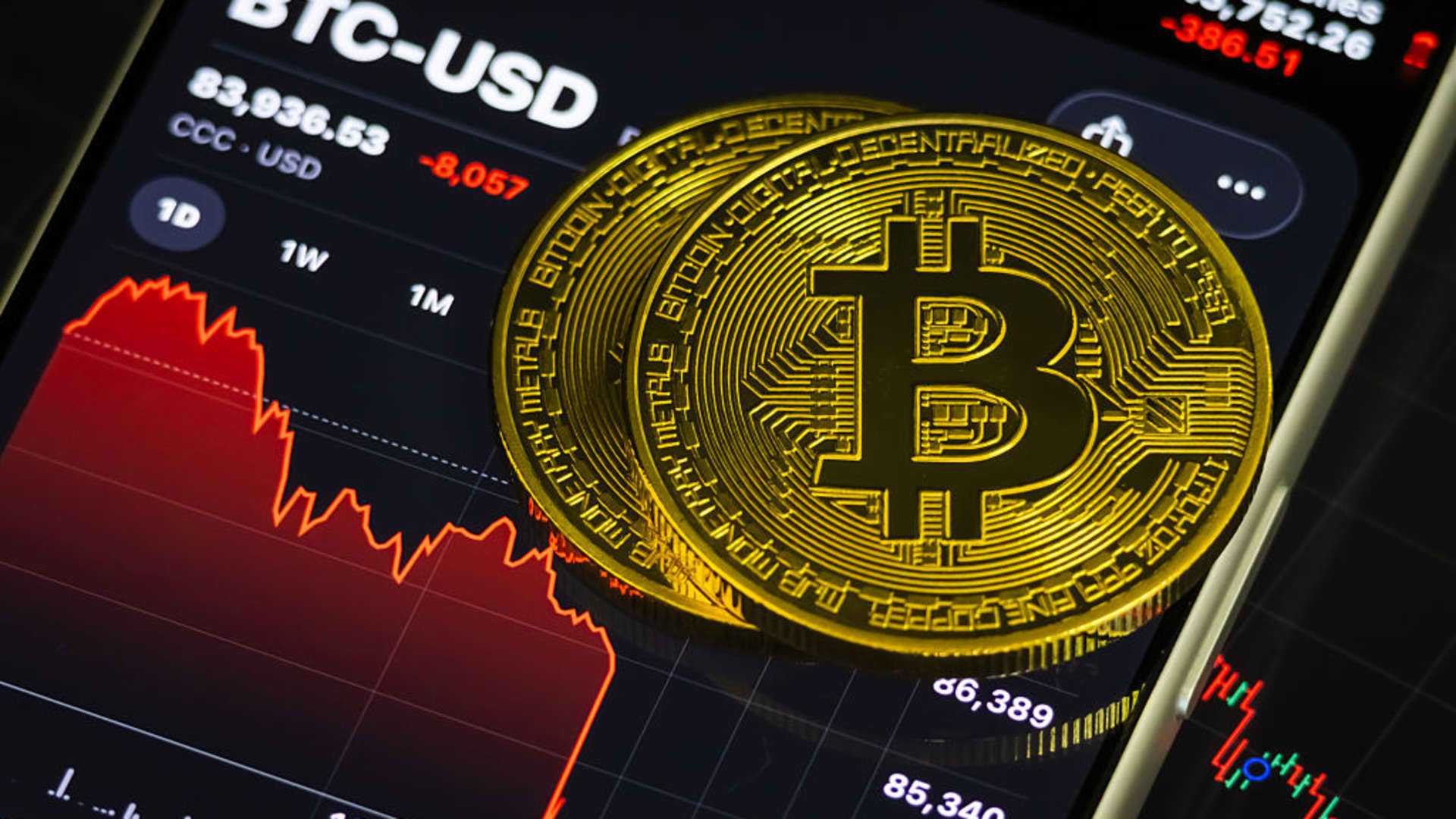
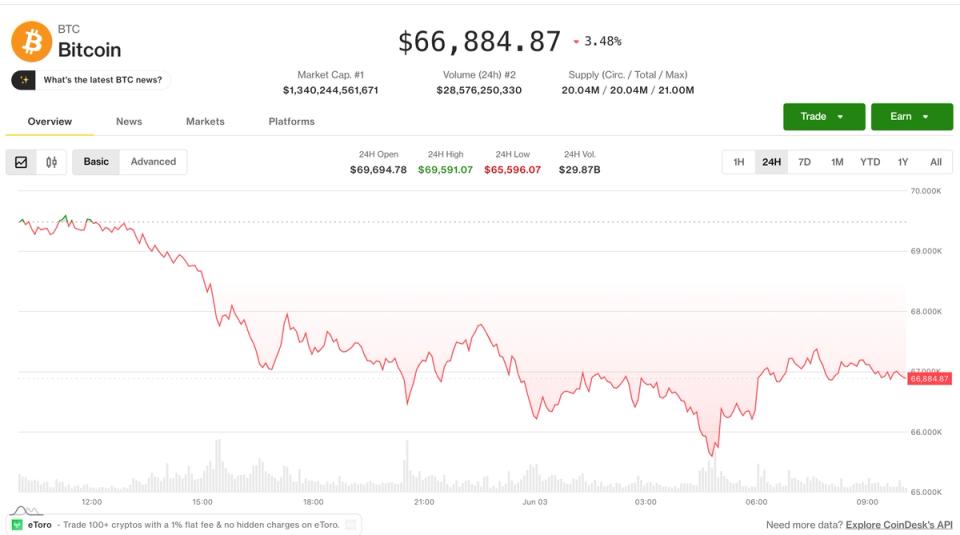
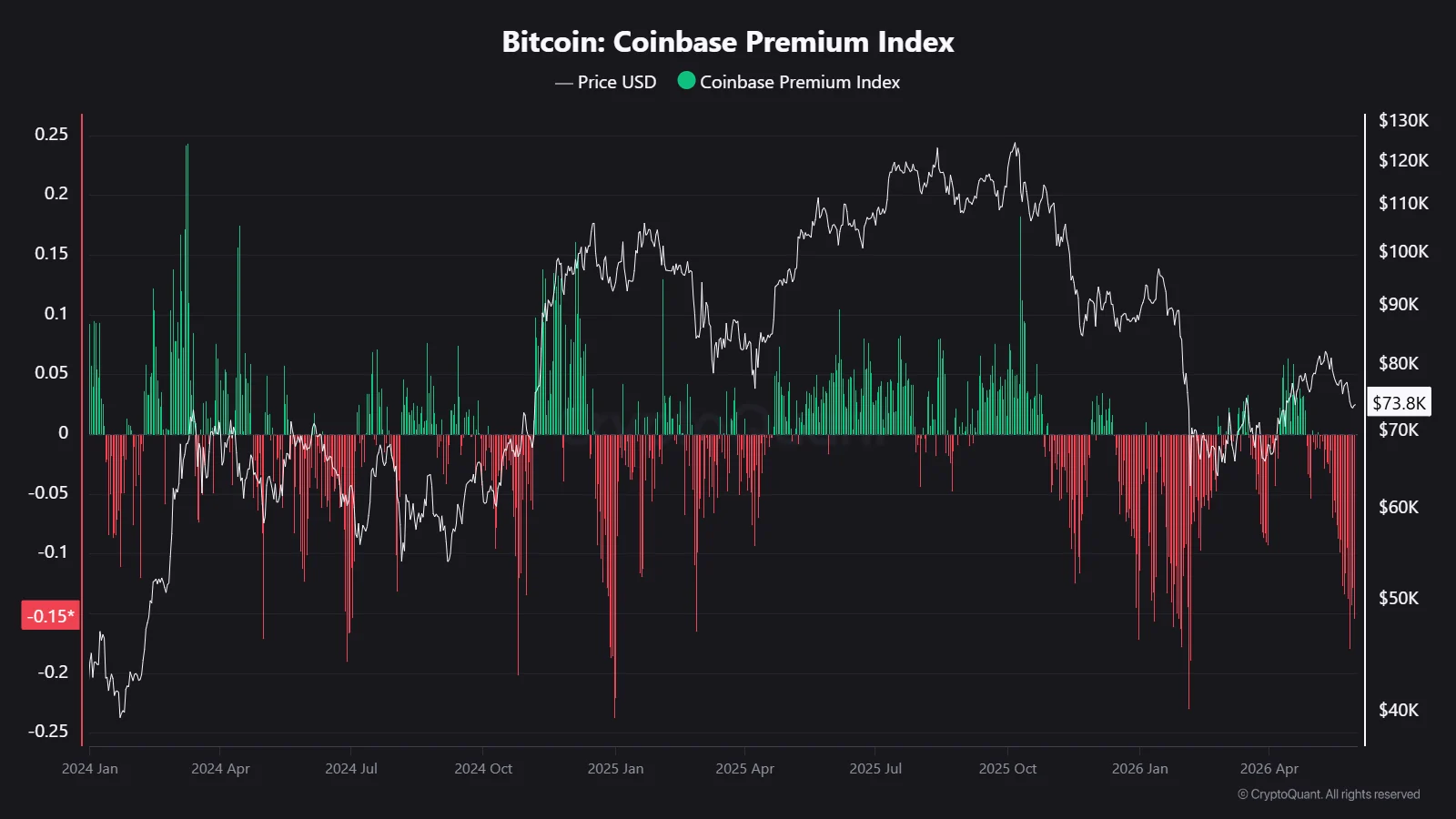
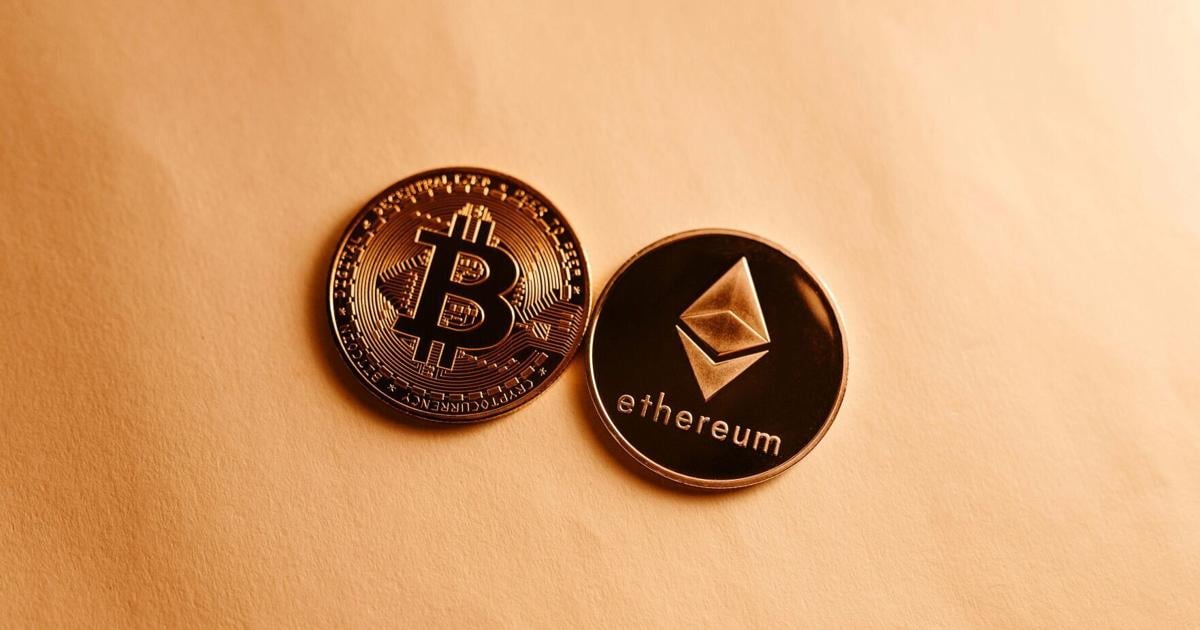
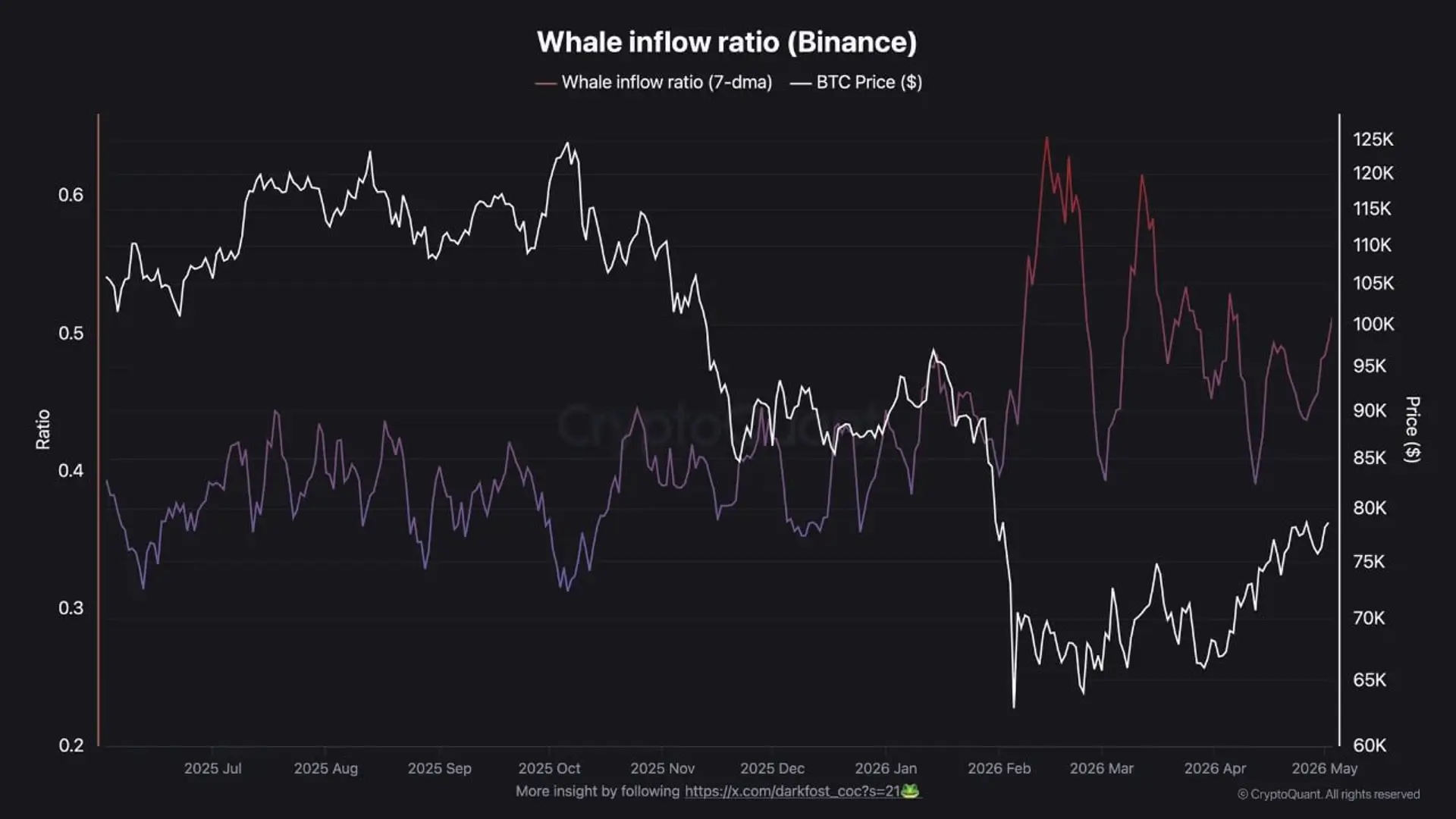
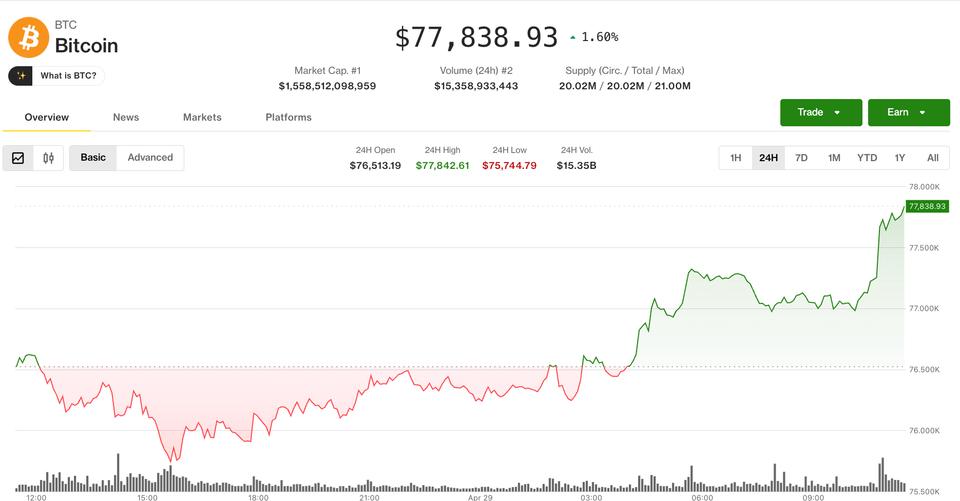
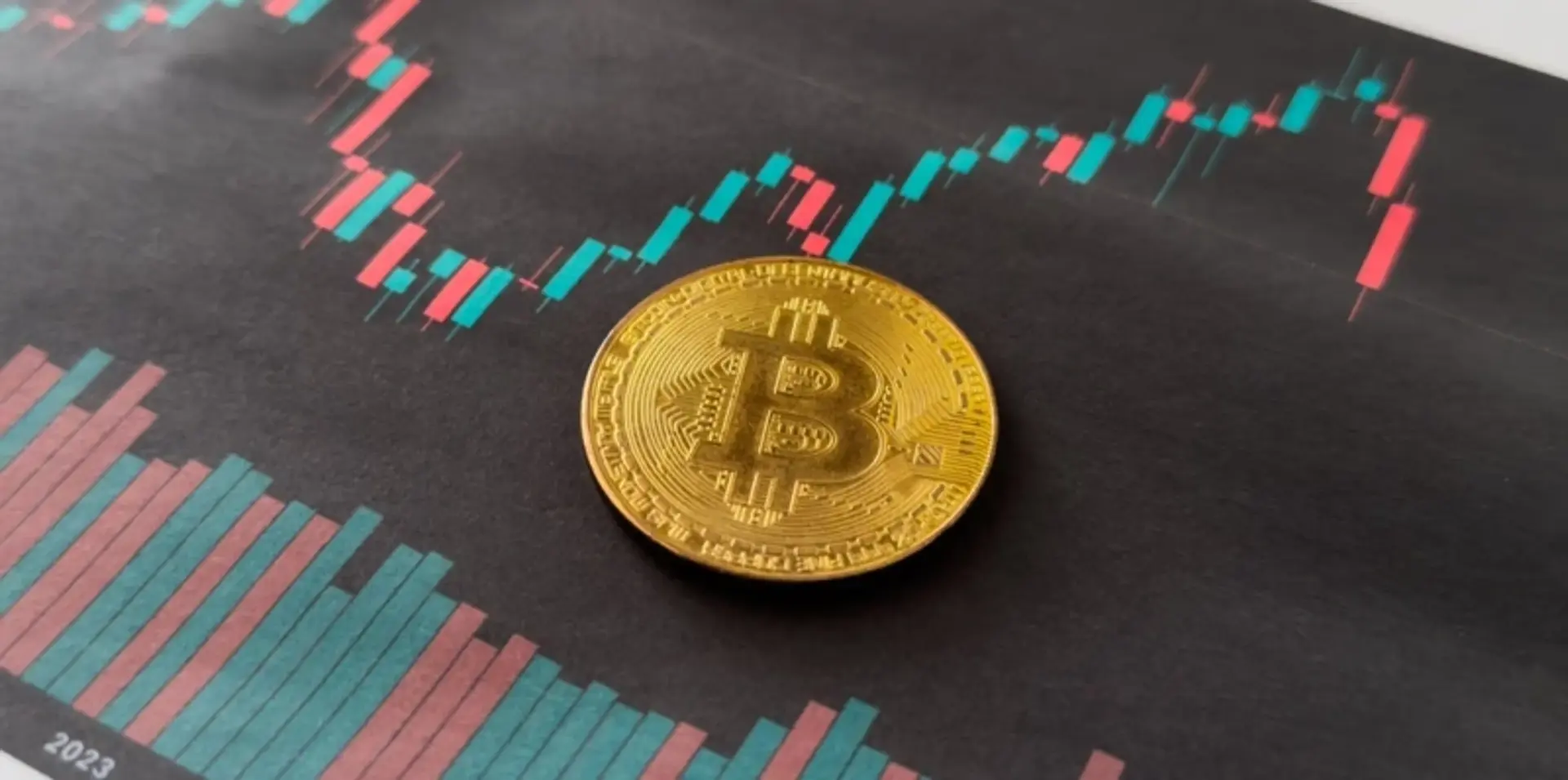
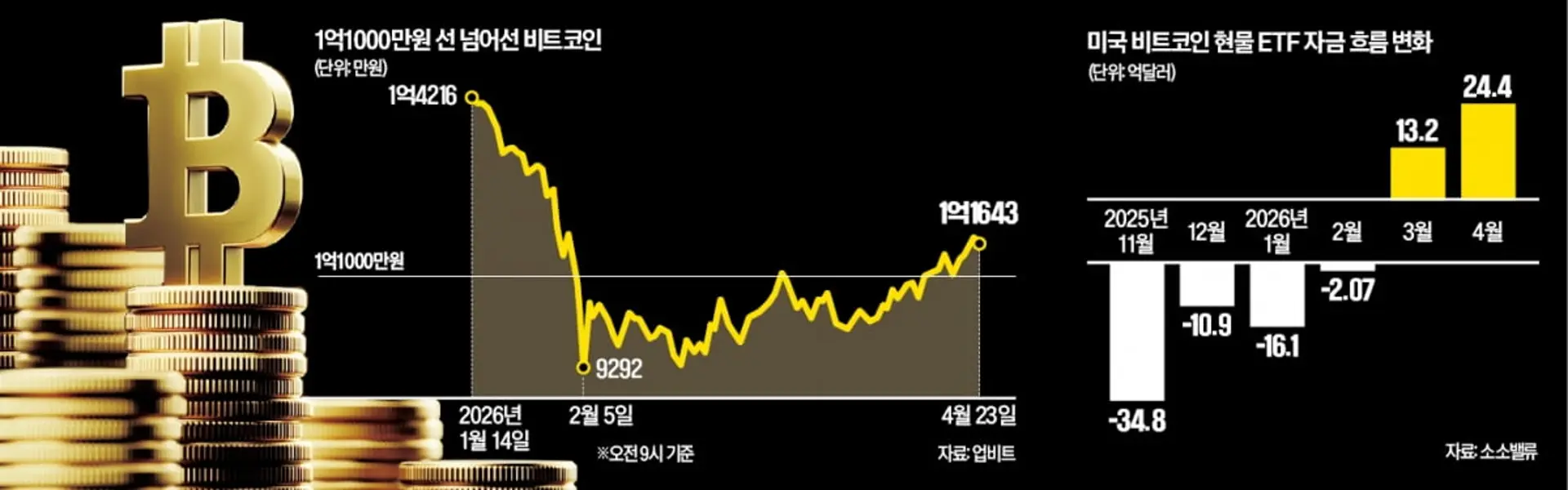
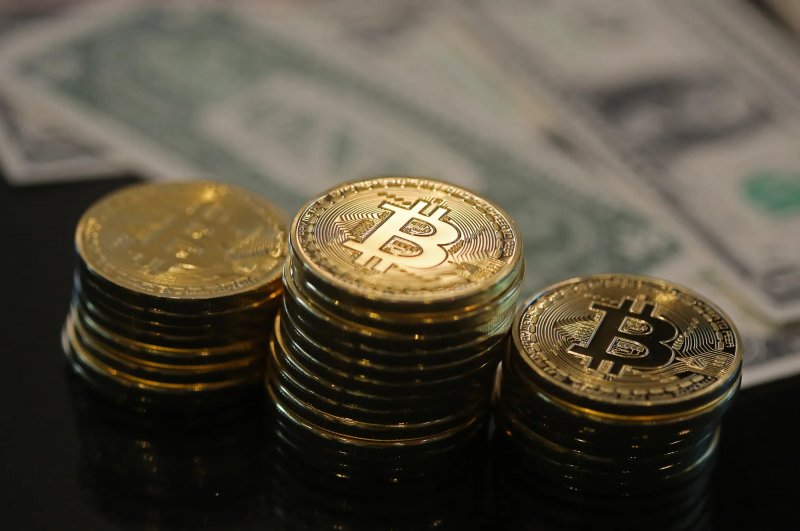
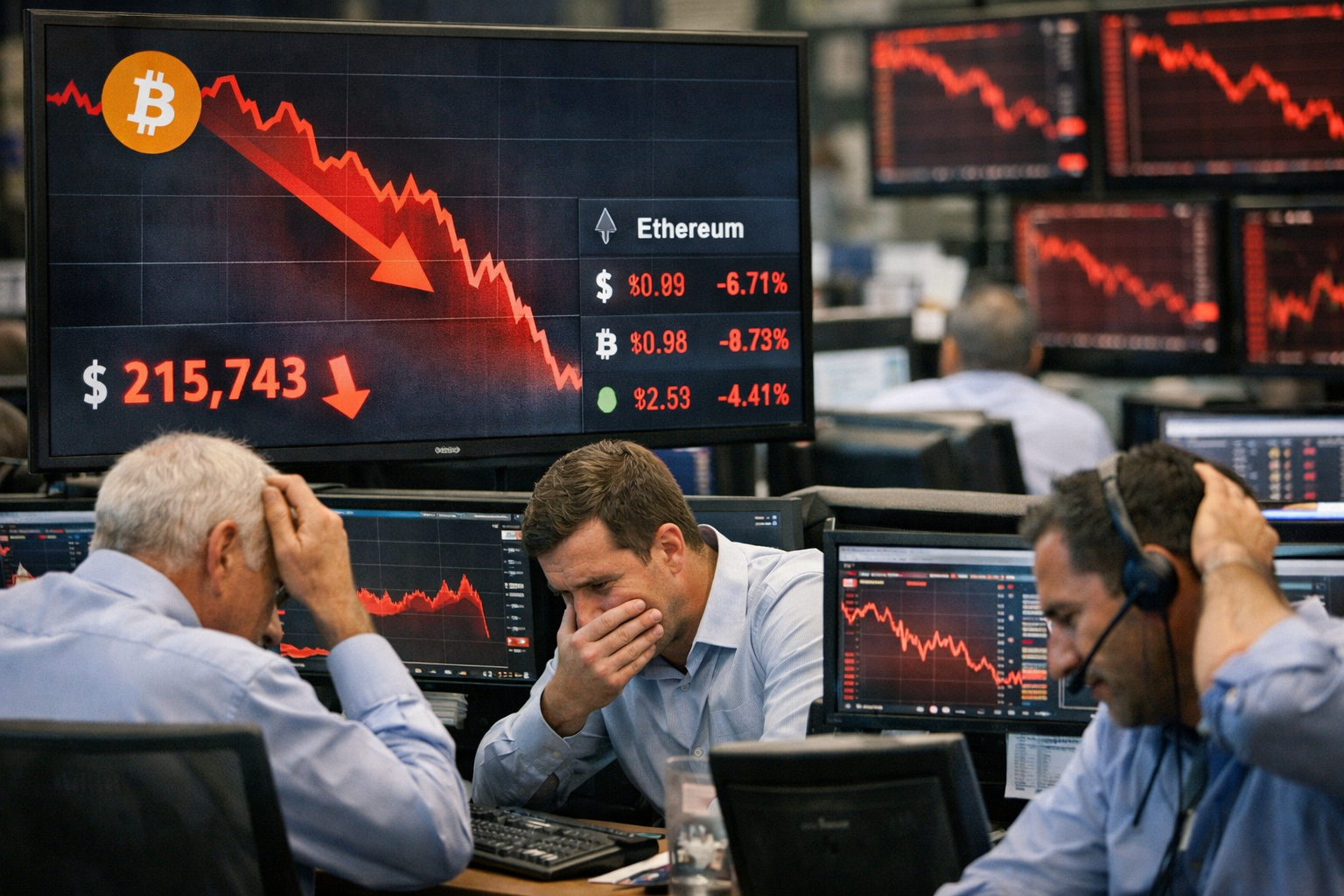
What many may not know is that while the world is talking about Nvidia, Micron, and SK Hynix hitting new all-time highs every day, Bitcoin has already halved from its peak. It was over $120,000 at its peak, and now it’s around $60,000.
One can imagine the chaos that ensued in the cryptocurrency market during the AI boom.
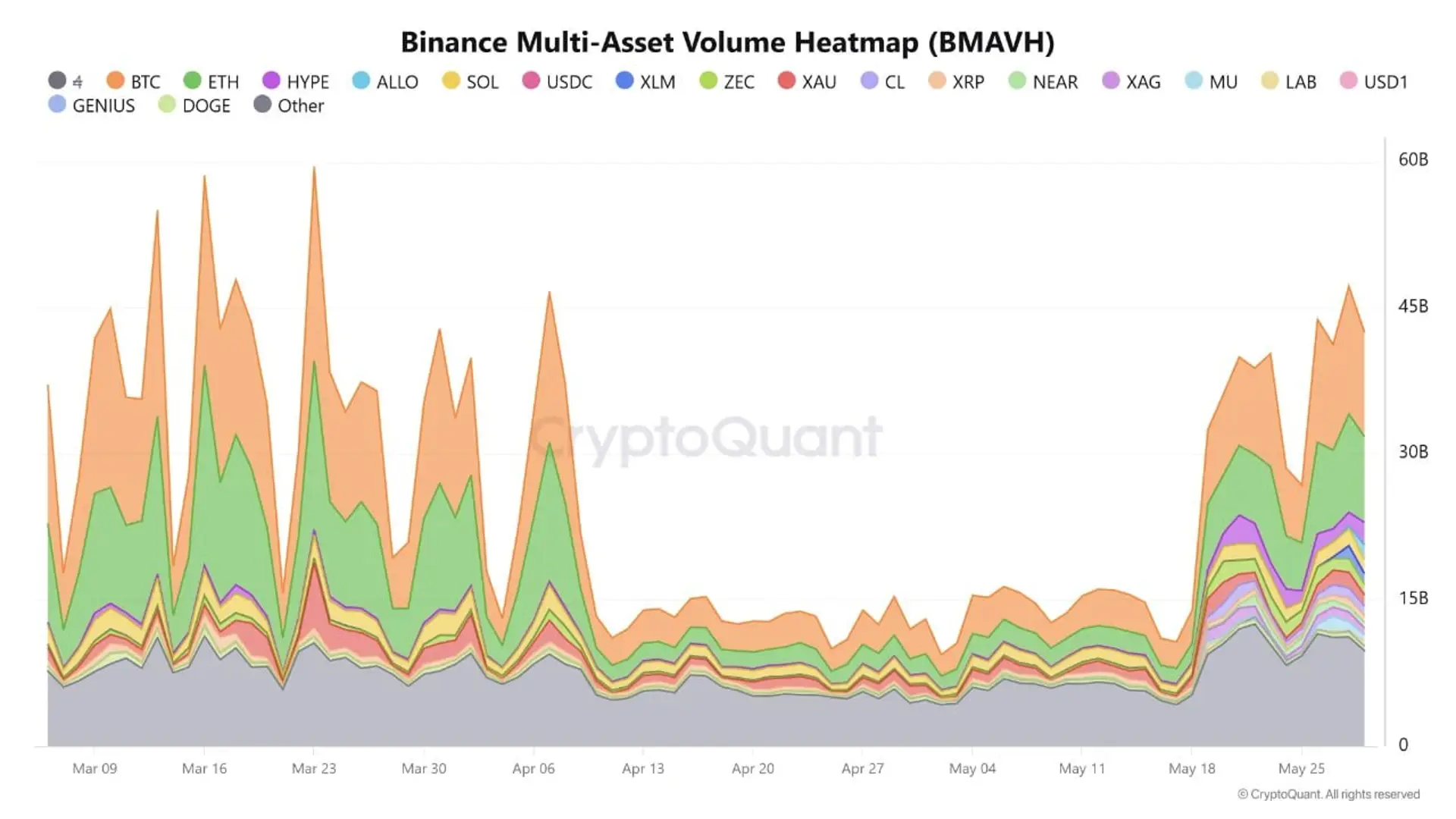
The situation became so chaotic that even trading platforms couldn’t stand it anymore. Without trading, there’s no money to be made. A few days ago, some platforms, including the leading platform Binance, announced that they would connect with brokerages, allowing all users to trade US stocks on their platforms.
Then, someone discovered a new opportunity.
“I’ve been having such a great time arbitrageing with Hyperliquid lately that I don’t even want to research individual stocks anymore.”
These words, spoken a few years ago, referred to arbitrage opportunities in Bitcoin and Ethereum. But as blockchain technology has become a trend in US stocks, their focus has now shifted to US stocks like Samsung, Nvidia, and GameStop.
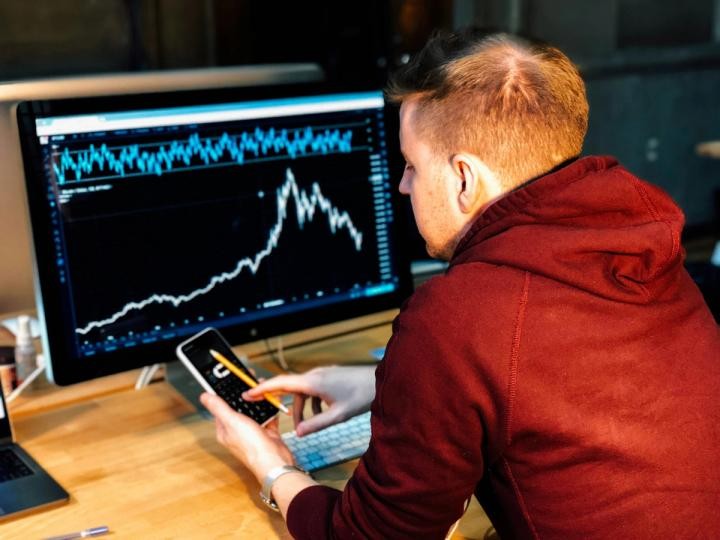
While trading US stocks is now portrayed as something that requires almost no brainpower—hot sectors like chips, energy, and optics—it’s said that you can practically throw money in blindly and your account will likely rise. There are always people around who have doubled their money by betting on one or two stocks. But these savvy crypto professionals make their money in ways that have absolutely nothing to do with whether or not stocks go up.
A group of people in the cryptocurrency circle are quietly using the same tactics they use in the crypto market to make a new money-making business on the US stock market.
A contract that never expires
This logic starts with something called perpetual contracts. Perpetual contracts are the most traded “alternative futures” in the crypto market. They do not require expiration and settlement, nor do they require manual rollover. They are specifically used to bet on price movements and leverage. You can open a position worth fifty dollars with just five dollars. They can be traded 24 hours a day, and no one will stop you if you suddenly want to place an order at three in the morning.
However, perpetual contracts have a problem from the very beginning: how can the price of a contract that never expires follow the price of real stocks and not deviate from its original trend?
The crypto industry’s solution to perpetual contracts is to introduce a mechanism called funding rates.
Funding rates are essentially a head tax; whoever has more people pays.
For example, if you are bullish on Nvidia and don’t want to wait for the US stock market to open, you can directly open a five-fold long position on the contract.
The problem is, too many people want to do this; the long side is packed with people, while the short side is practically nonexistent. To balance things out, the system stipulates that the side with fewer people collects money, while the side with more people pays. So, if you’re a long position holder, every few hours, you automatically transfer money to those on the short side. The more people who go long with you, the more you pay, making it feel like you’re paying a fine when prices get really high.
How much can this fine cost? A few real figures will make it clear.
Binance is the world’s largest cryptocurrency exchange by trading volume. The annualized premium for long positions in Samsung Electronics perpetual contracts on Binance is 364%. This means that if you went all-in on Samsung and held it for a whole year, this premium alone would wipe out more than three times your initial investment. Nokia’s annualized premium is 403%, and BBX’s is 591%.
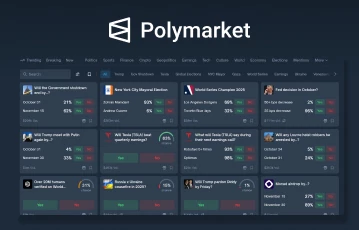
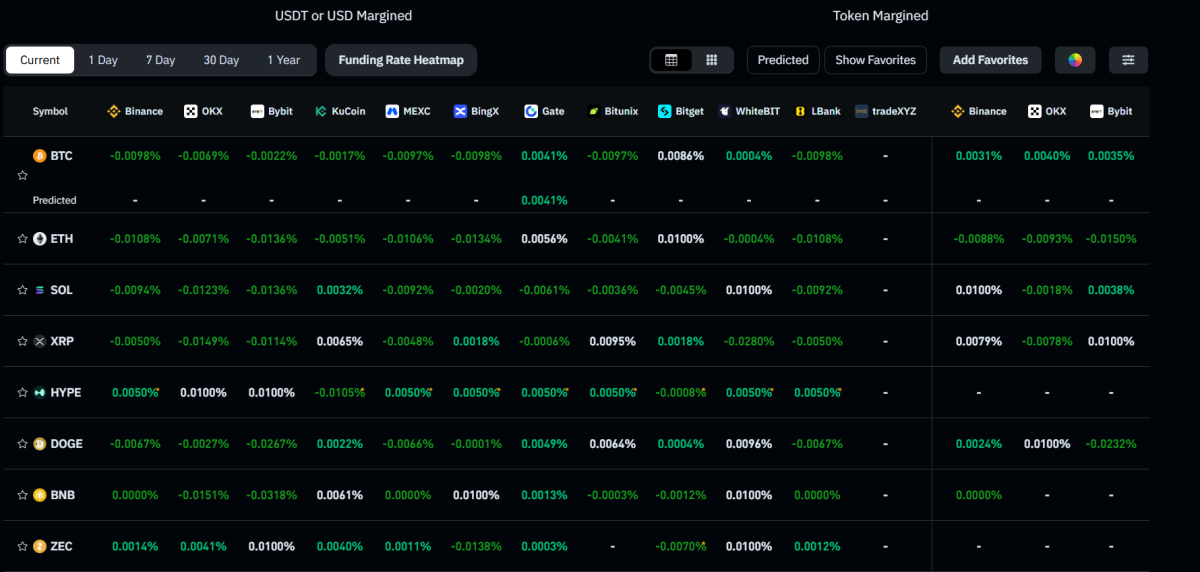
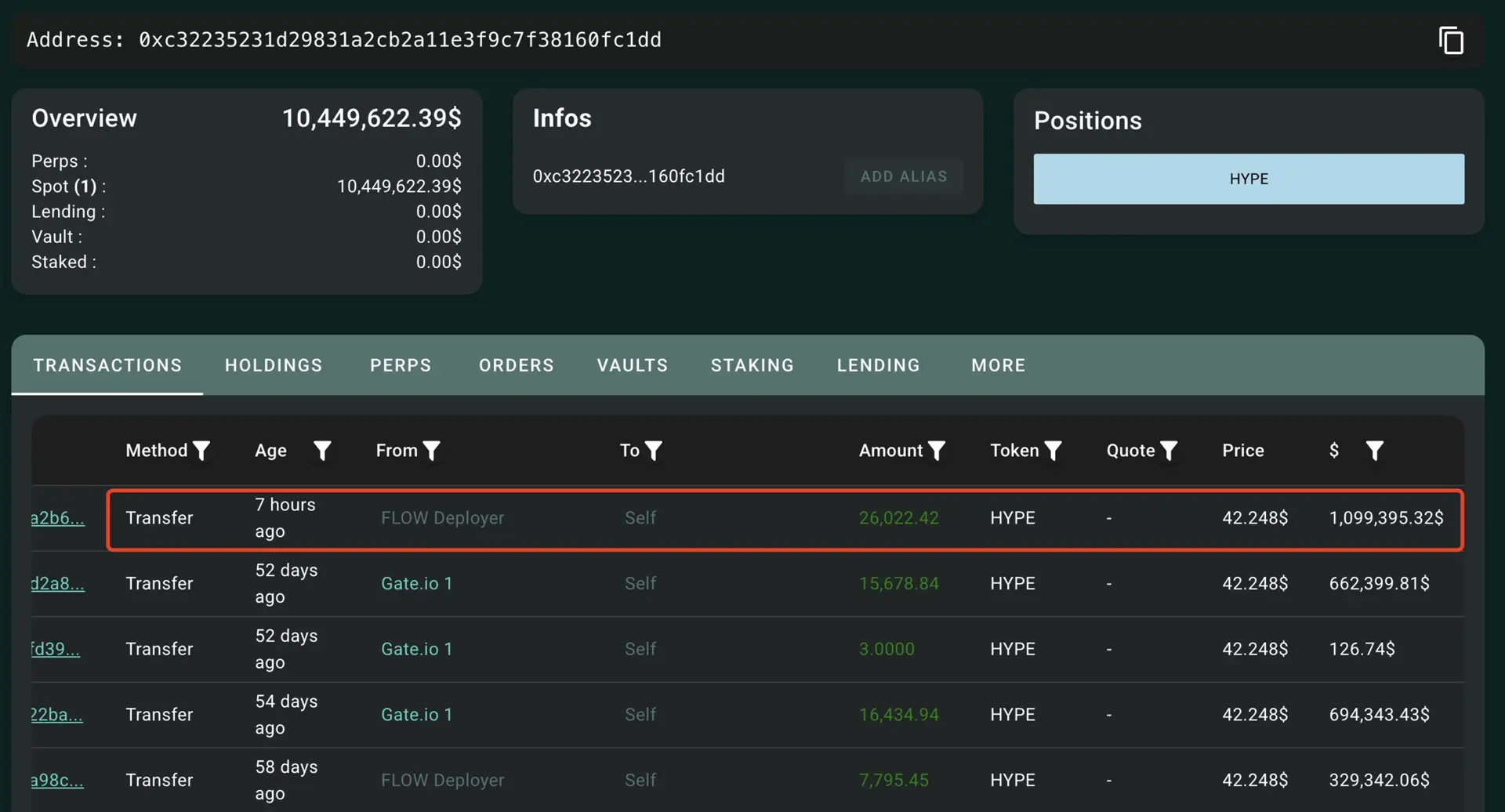
Another platform worth mentioning is Hyperliquid, which is currently the decentralized perpetual contract trading platform with the largest on-chain trading volume. No account registration or KYC is required; anyone can directly connect their wallet to trade. It is the product in the crypto world that makes the perpetual contract experience closest to that of a centralized trading platform.
Hyperliquid trading interface
Dell’s stock price rose 281%, GameSpot’s GME 227%, and even Zoom’s 287%. It’s amazing how many people are scrambling to leverage their investments in a company that only does video conferencing, betting on its stock price to rise.
Another interesting aspect of this rate is that it’s a clear signal of the intensity of bullish and bearish sentiment.
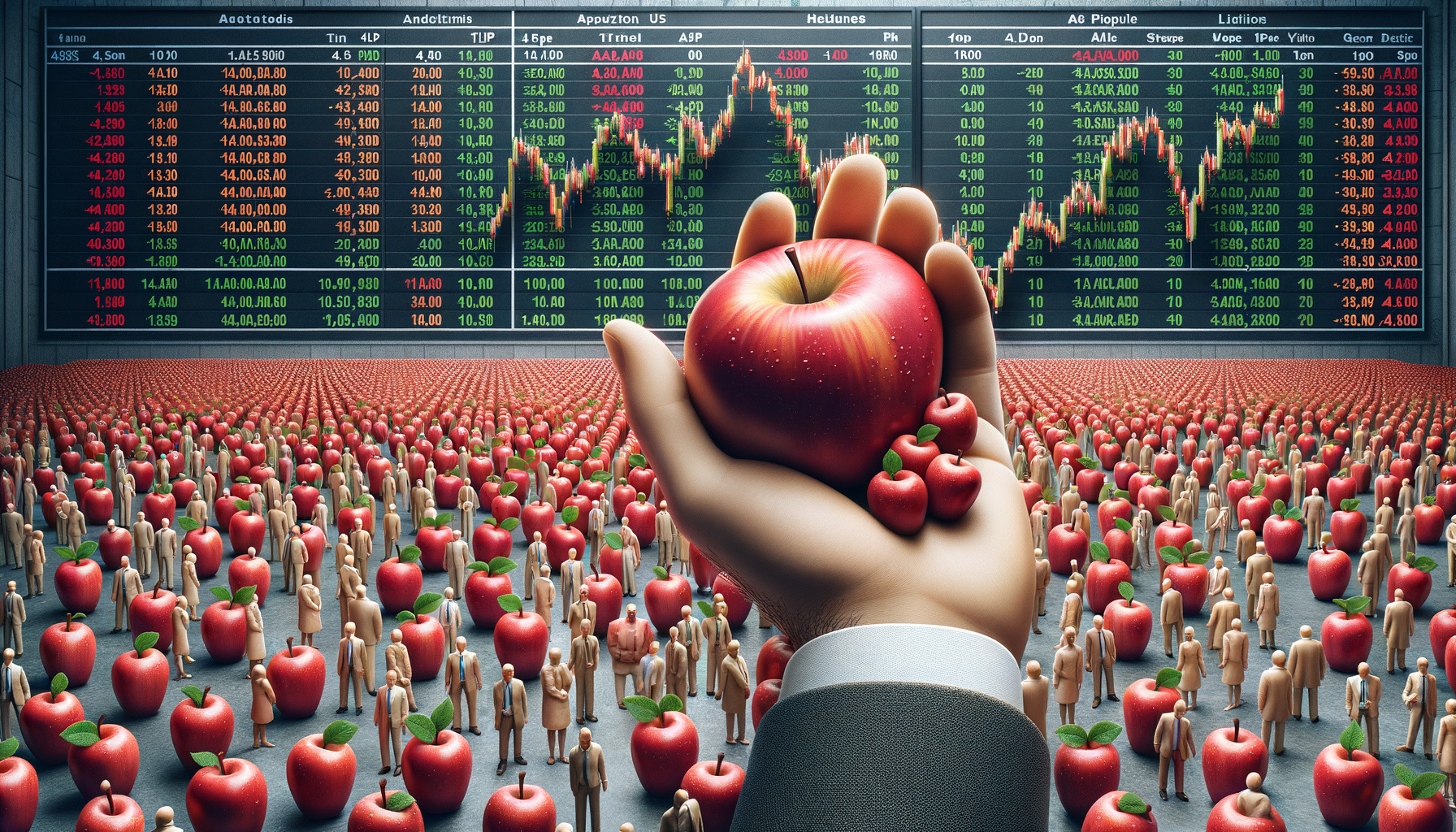
How many people in the market are currently acting impulsively? The stock that’s been most aggressively bought, with the most long positions, will have the highest fees. The reverse is also true: Eli Lilly, one of the largest pharmaceutical companies in the US, has negative fees on both Binance and Hyperliquid. On Binance, going long on Eli Lilly not only doesn’t incur fees, but also yields a 65% annualized return, while on Hyperliquid it reaches 103%. This indicates that too many people are shorting Eli Lilly, forcing the system to pay people to go long to maintain balance. The same stock also has different fees on different trading platforms; Apple has 0 fees on Binance but a -14% annualized return on Hyperliquid. This difference itself represents arbitrage opportunities. These numbers don’t lie: the more aggressively the buying, the more those on the other side profit.
These extreme rates are visible in real time on platforms like Hyperliquid, creating arbitrage opportunities across trading platforms (such as the rate difference between Binance and Hyperliquid).
New Businesses After US Stocks Go Blockchain
Cbb is a well-known figure in the crypto world, having made his fortune in the crypto market. Over the years, he has been arbitrageurizing token perpetual contracts. He once publicly shared how he earned $5 million by running an arbitrage bot on the Hyperliquid chain.
He was also one of the first people to transplant this approach to the US stock market.
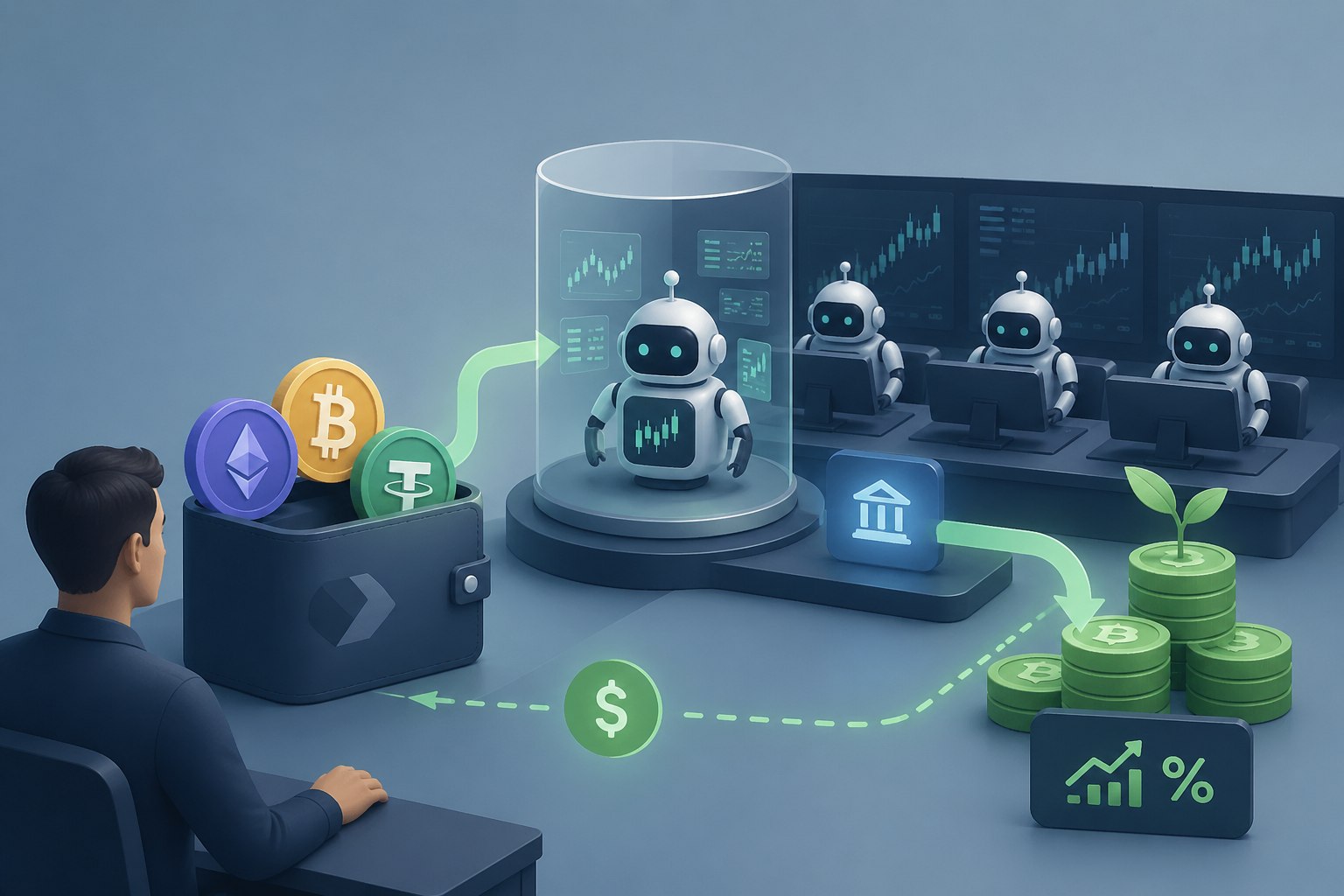
CBB’s operating logic is simple: it buys real stocks in the formal market while simultaneously placing an equal number of short positions in the futures market. If the stock price rises, the profits from the spot market offset the losses in the futures market; if the stock price falls, the profits from the futures market offset the losses in the spot market.
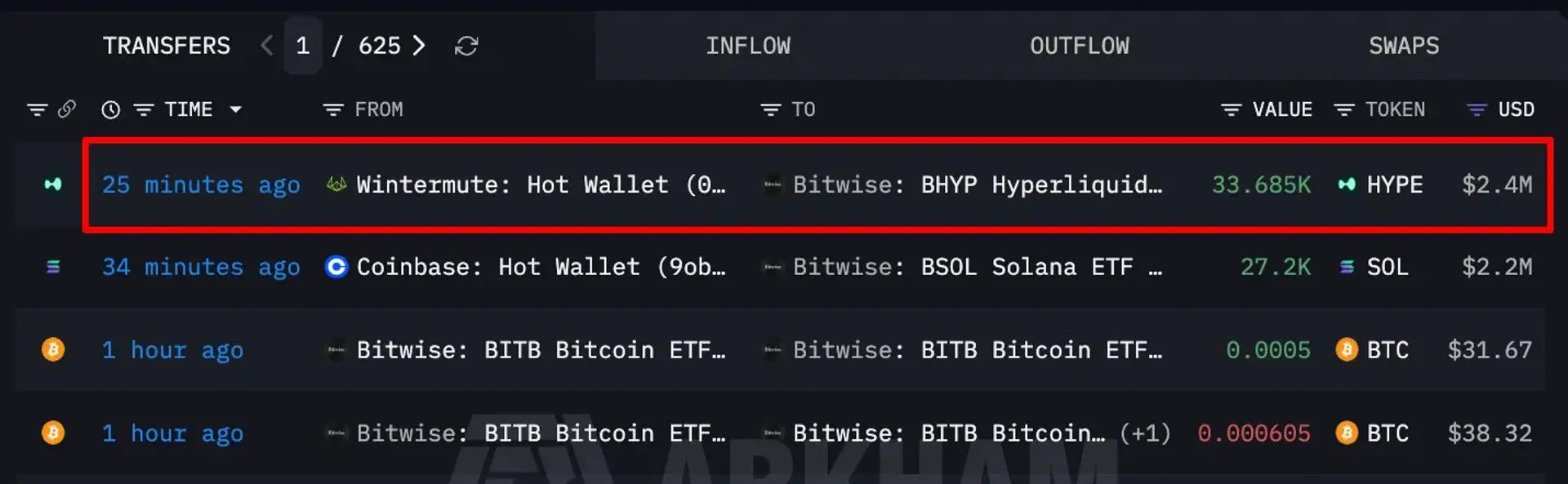
He hedges against both ends, so price fluctuations are completely irrelevant to him; the only thing he cares about is the head tax in the middle. He himself says that he has recently earned $2.4 million just from collecting funding fees. While a bunch of people outside are frantically speculating in US stocks to make a fortune, he’s selling shovels to those gold diggers. Now that US stock perpetual contracts are popular, he’s directly applying this strategy, honed in the cryptocurrency world, to assets like Apple and Samsung.
Some might ask, why is this kind of opportunity only available in the crypto world? Can’t it be done in traditional finance? Actually, similar things exist in traditional markets, called margin lending fees or overnight interest. You incur costs when using margin to go long or borrow stocks to go short. But that money goes into the brokerage firm’s pocket; the whole mechanism is opaque. You can’t see the overall long/short ratio in the market, and you have no way to be the counterparty to receive these fees. Brokerage firms control this business; ordinary people can only pay, not receive. Perpetual contracts lay this mechanism bare. Everyone can see the real-time rates, and anyone can be the one receiving the money. This is something created in the crypto world, and now it’s being used on the US stock market.
It’s not just individuals like Cbb doing this; institutions are also starting to eye this lucrative market.
A stablecoin project is planning to move some of its reserves into this area for hedging. They’ve calculated that this could generate an extra $40 million to $80 million in revenue annually.
For institutions, this is not gambling, but a stable cash flow that can be included in asset allocation. It is more like collecting rent, except that the tenants are those who are eager to use leverage to speculate on US stocks.
So here’s the question: Will astronomical annualized returns like Samsung’s 364% and BBX’s 591% persist indefinitely, or will they eventually be eliminated?
Let’s take Bitcoin as a reference. In the early years, the annualized funding rate for Bitcoin perpetual contracts was around 18%. Later, when spot ETFs were launched, arbitrage funds from Wall Street came in and reduced the rate to 9% within a few months, cutting it in half.
US stock perpetual contracts will most likely follow the same path. The current high fees are because there aren’t many people entering the arbitrage market yet, and the market is thin.
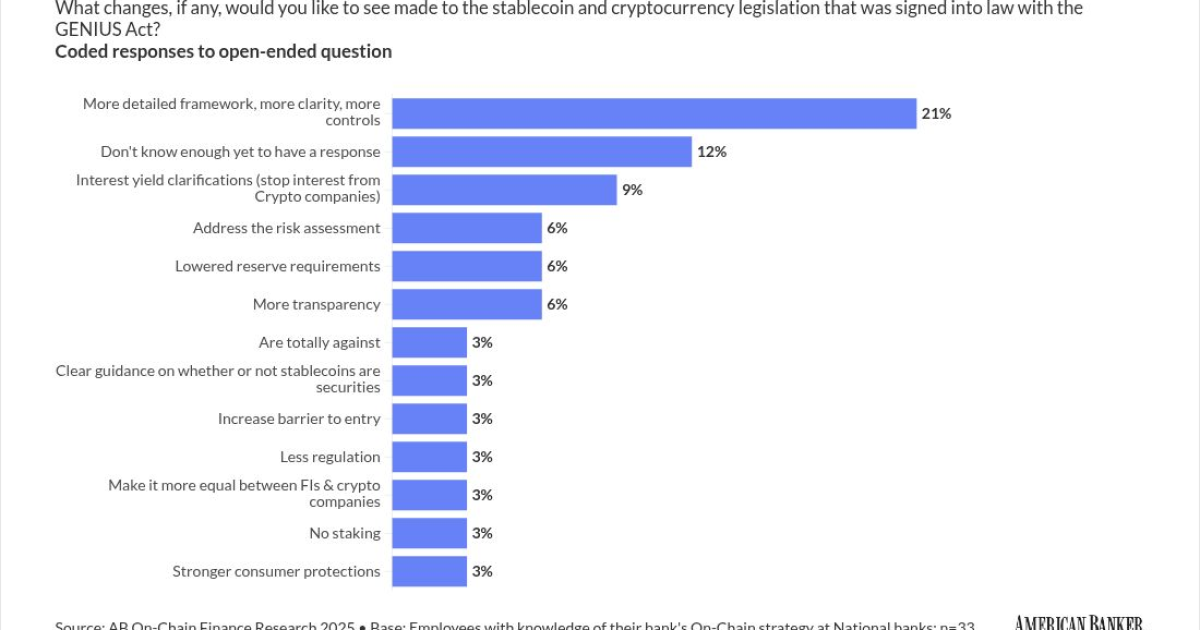
However, Binance now offers spot trading for over 7,000 stocks, the NYSE is pushing 24/7 trading, and the CFTC, the US futures regulator, is beginning to soften its stance and say it will provide a compliance path for perpetual contracts. Both sides are moving towards a middle ground. Currently, the CFTC has opened a compliance path for Bitcoin perpetual contracts, platforms like Coinbase have launched simulated perpetual products, and Hyperliquid’s open interest (OI) in stock perpetual contracts continues to grow. With the influx of arbitrage funds, a similar fee compression path to Bitcoin’s early days, from 18% to 9%, is likely to be repeated with US stock perpetual contracts.
So at this stage, it is essentially an early window of opportunity, and those who rush in first will get the most lucrative share.