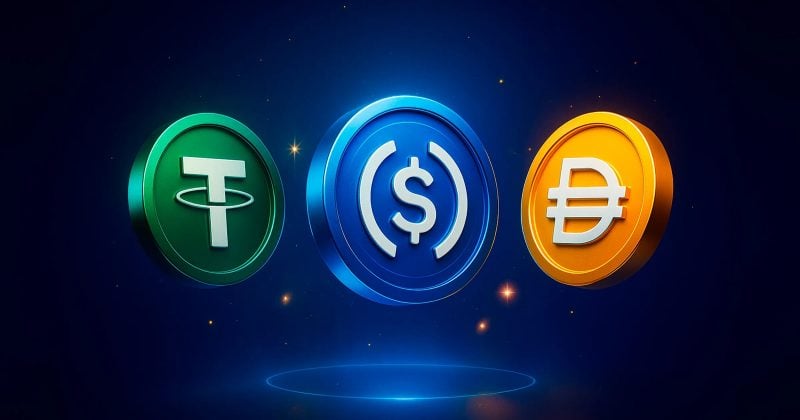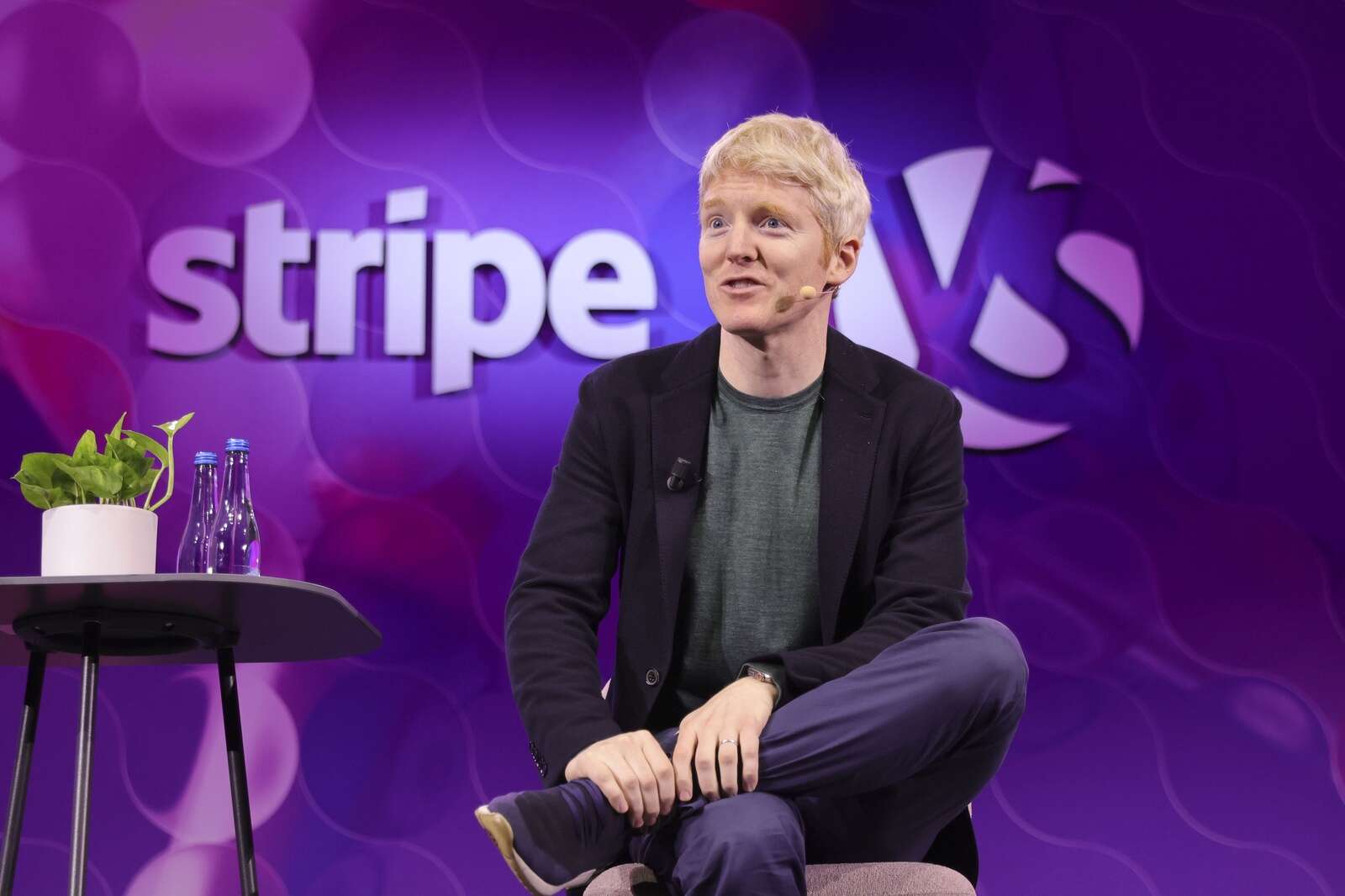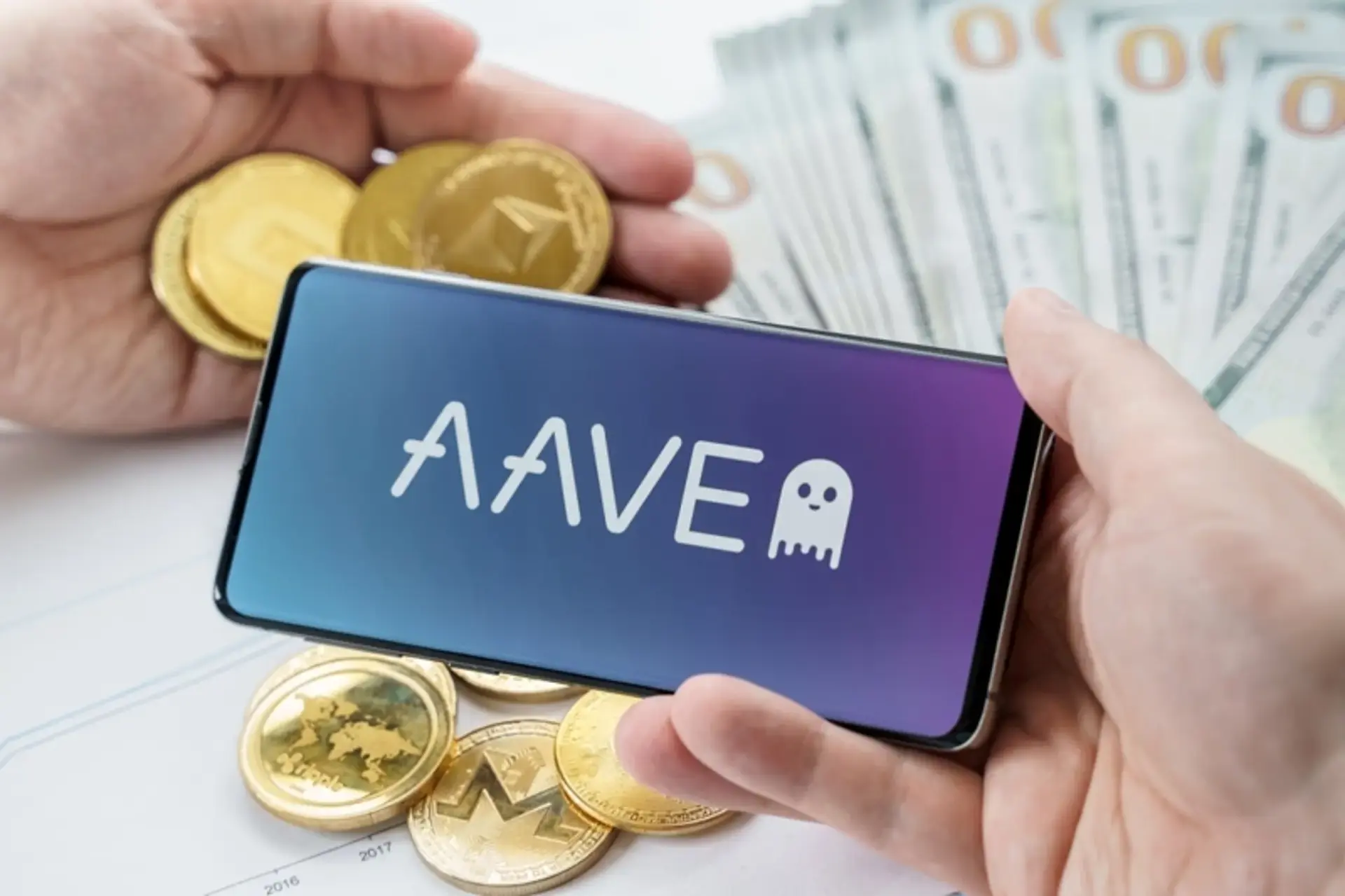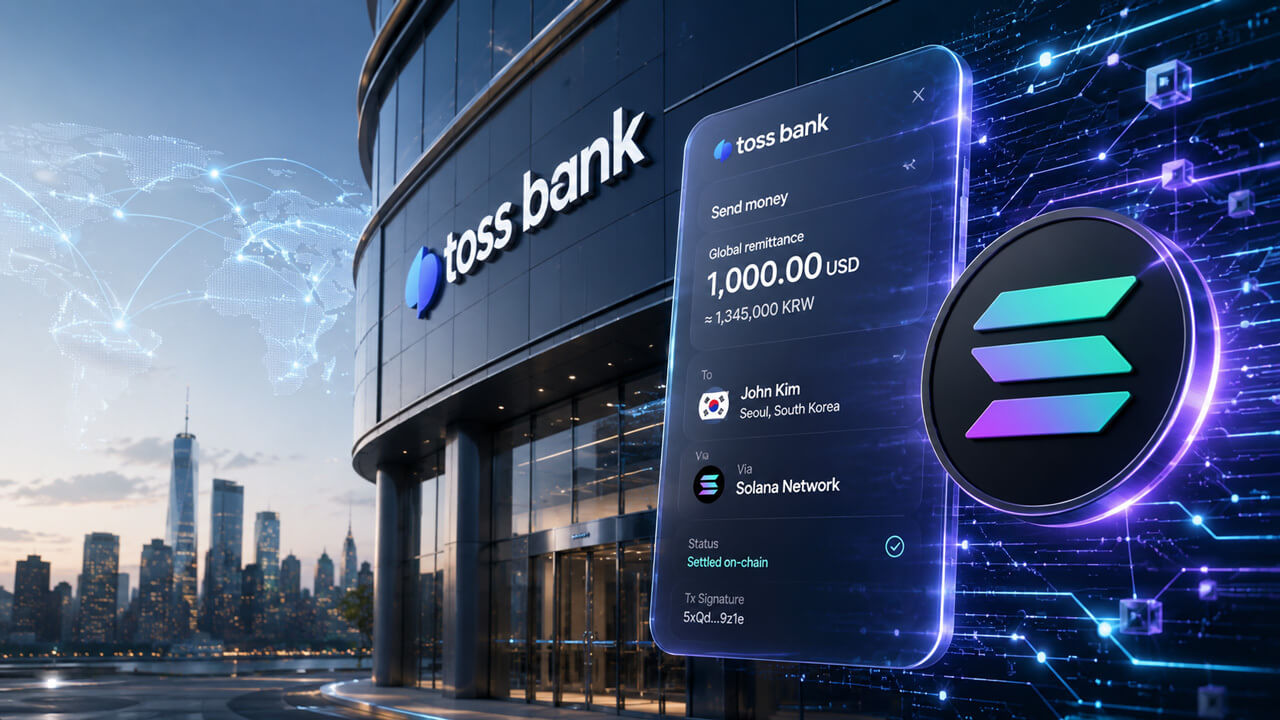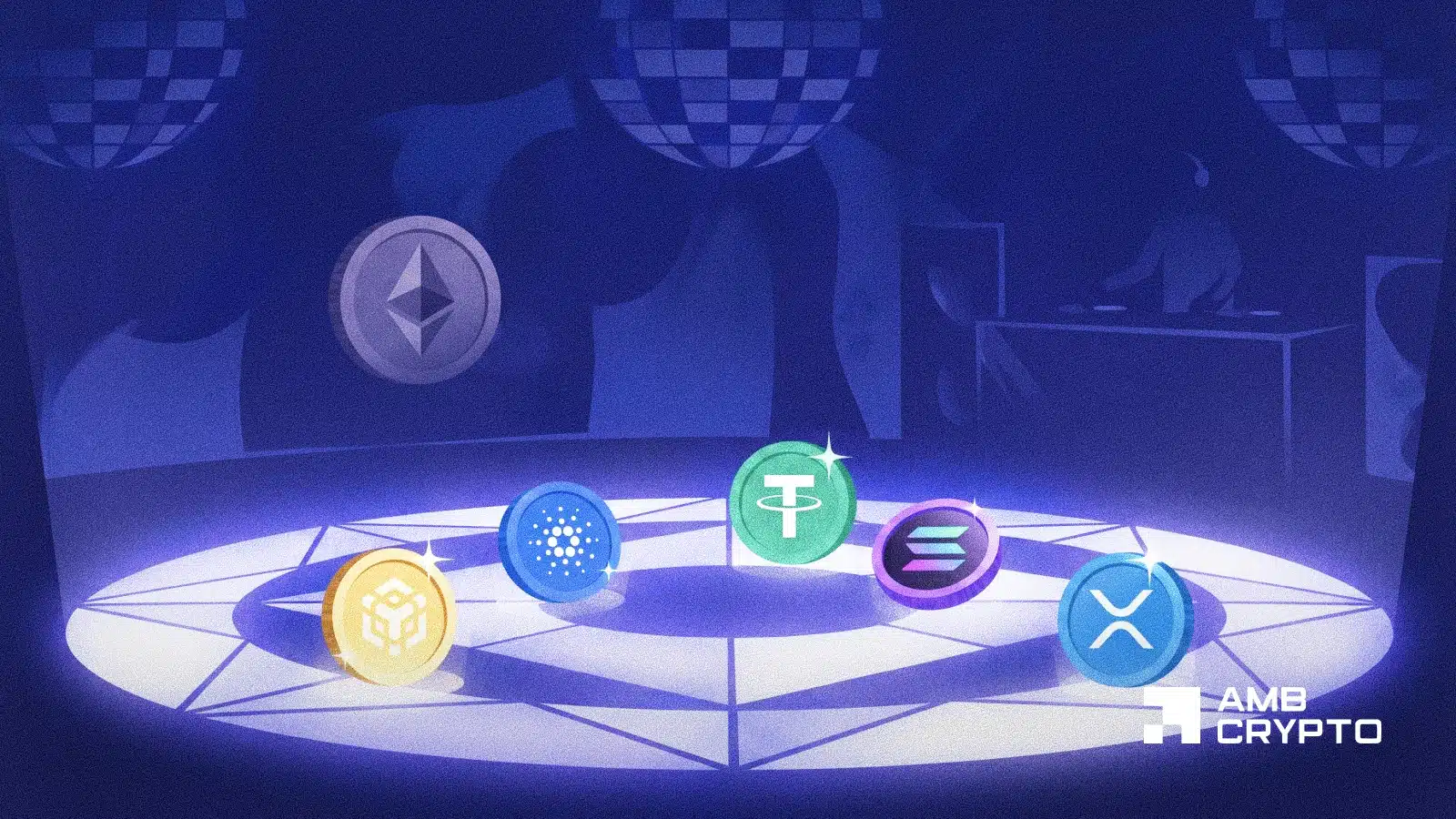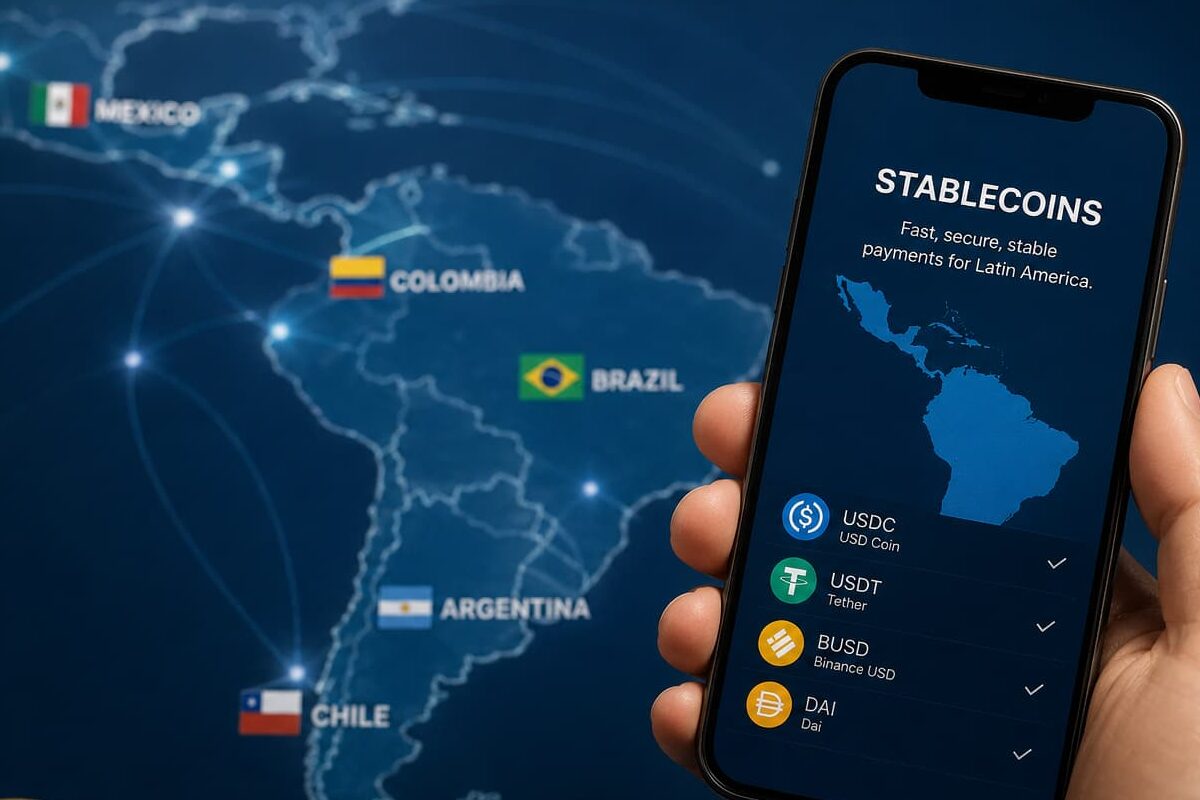
On April 29, 2026, Meta began paying creators in USDC stablecoins on the Solana and Polygon blockchains, with Stripe handling the payment infrastructure. The rollout started in Colombia and the Philippines, two markets where traditional banking rails are expensive, slow, or inaccessible for a significant portion of the creator population. Creators opt in through their existing Meta monetization settings, enter a crypto wallet address, and receive USDC instead of fiat.
This is the same company that spent three years and hundreds of millions of dollars trying to build its own stablecoin called Libra, rebranded it to Diem, and then sold the entire project to Silvergate Capital for roughly $200 million in January 2022 after regulators from the U.S., EU, and multiple other jurisdictions effectively killed it. Four years later, Meta is back in crypto payments, but the strategy is completely different.
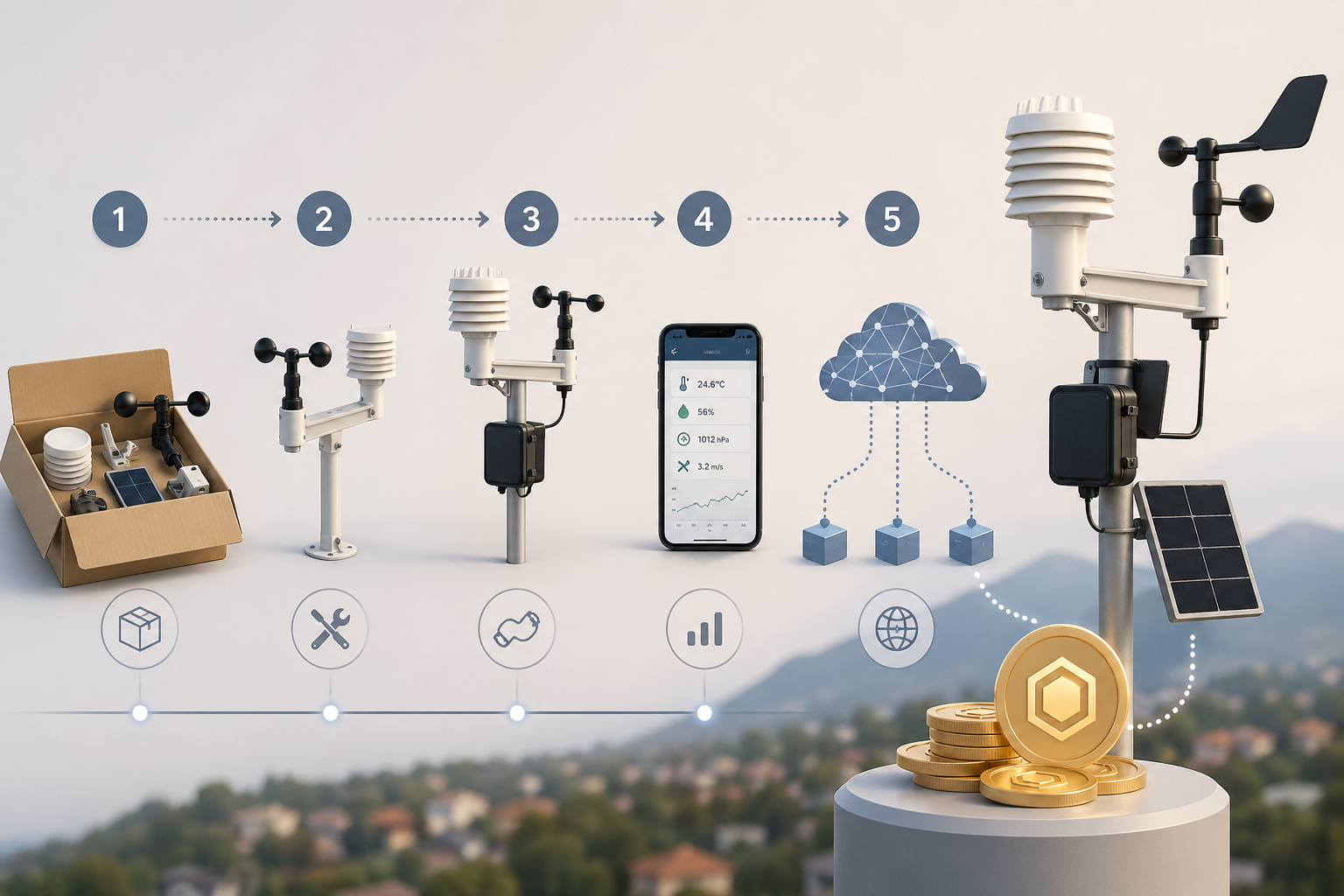
The system is simpler than most people expected. Creators who monetize through Facebook, Instagram, or WhatsApp can now choose USDC as their payout currency instead of local fiat. They link a compatible crypto wallet, and when their next payout cycle hits, Stripe converts the earnings to USDC and sends them to the wallet on either Solana or Polygon.
Supported wallets in the pilot include MetaMask, Phantom, Binance, Bybit, Kraken, Exodus, Brave Wallet, Bitso, GCash’s GCrypto, and Coins.ph. The last two are particularly telling. GCash is the dominant mobile wallet in the Philippines with over 90 million users, and Coins.ph is one of the country’s largest crypto on-ramps. Meta chose these pilot markets specifically because stablecoin payouts solve a real, immediate problem for creators who lose significant income to banking friction.
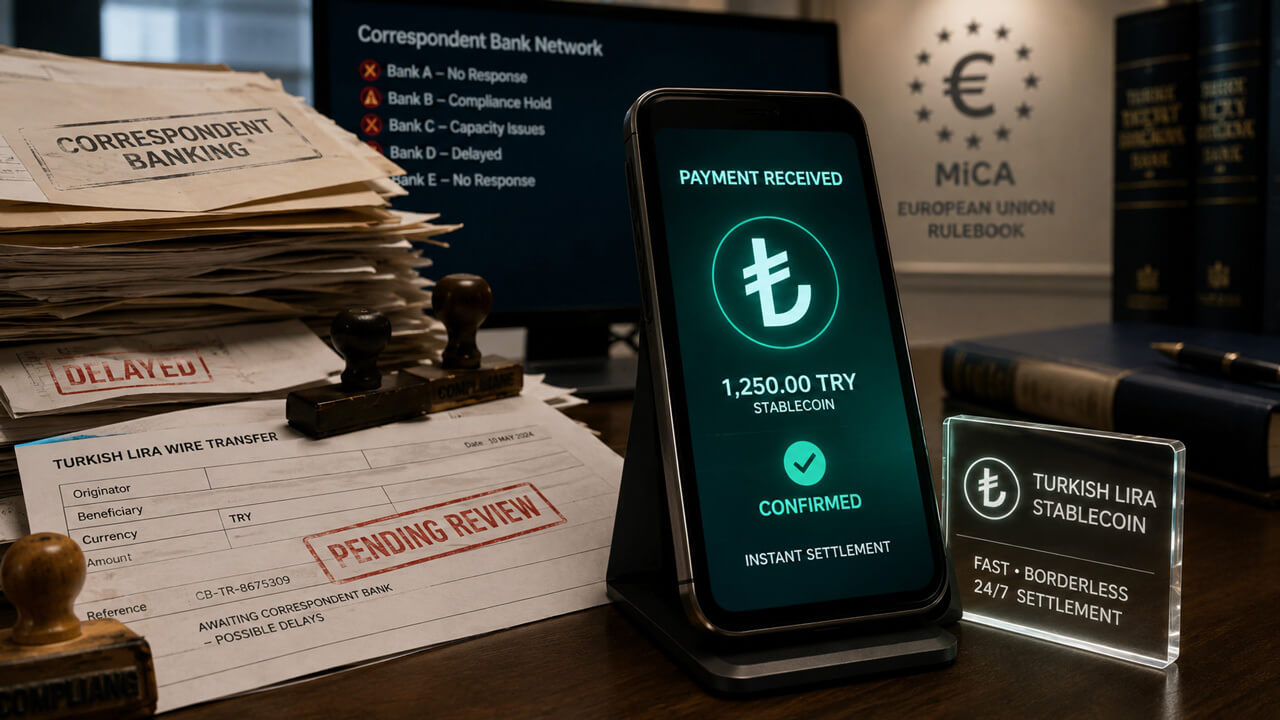
Colombian creators receiving payouts in pesos deal with currency volatility, slow bank transfers, and fees that can eat 5-8% of smaller payments. Filipino creators face similar friction, with international wire transfers taking 3-5 business days and costing $15-25 per transaction. USDC on Solana settles in under a second for fractions of a cent.
Stripe generates tax documents for both sides, meaning creators get crypto-friendly reporting without having to track wallet transactions manually. This detail matters because tax compliance has been one of the biggest friction points preventing mainstream crypto adoption for payments.
Why This Is Nothing Like Libra
The Libra comparison is inevitable, but the two projects share almost nothing beyond the word “Meta.”
Libra was announced in June 2019) as a Meta-controlled stablecoin backed by a basket of currencies, governed by a consortium called the Libra Association, and intended to serve as a global payment currency for Facebook’s then-2.7 billion users. The scale and ambition triggered immediate regulatory panic, with American senators writing letters demanding Meta halt the project, the EU threatening to ban it outright, and central bankers warning it could destabilize monetary policy across every country where Facebook operated.
|
|
Libra/Diem (2019-2022) |
Meta USDC Payouts (2026) |
|
Stablecoin |
Proprietary (Libra/Diem) |
Circle’s USDC (third-party) |
|
Infrastructure |
Built in-house (Novi wallet) |
Stripe + Bridge |
|
Governance |
Libra Association (Meta-led) |
Circle, Stripe, existing regulators |
|
Regulatory status |
No framework existed |
GENIUS Act provides federal framework |
|
Scope at launch |
Global currency for 2.7B users |
Creator payouts in 2 countries |
|
Blockchain |
Proprietary (Move language) |
Solana and Polygon (public chains) |
|
Meta’s role |
Issuer, operator, governor |
Customer of Stripe’s payment rails |
The fundamental difference is that Meta is no longer trying to be a bank. With Libra, Meta wanted to issue the currency, run the wallet, and control the network. Regulators saw a company with 2.7 billion users attempting to create a parallel financial system and shut it down. With the 2026 approach, Meta is just a customer. Circle issues USDC, Stripe moves the money, and Solana and Polygon process the transactions. Meta touches none of the financial infrastructure.
Why Stripe and Bridge Are the Real Story
Most coverage has focused on Meta, but the infrastructure layer is where the actual shift is happening. Stripe completed its $1.1 billion acquisition of Bridge in February 2025, the largest acquisition in the company’s history and a direct bet that stablecoin payments would become a core part of internet commerce.
Bridge was co-founded in 2022 by Coinbase and Square alumni Zach Abrams and Sean Yu, and it built an API that lets companies accept and send stablecoins without touching crypto directly. Bridge’s business grew more than 10x in 2024, with customers including Coinbase and SpaceX. After the Stripe acquisition, that infrastructure became available to every Stripe merchant.
The Meta deal is the first major consumer-facing deployment of the Stripe-Bridge stack. Stripe now processes stablecoin payouts in over 70 countries through its partnership with Remote.com for contractor payments, and it recently launched stablecoin-based subscription billing for U.S. businesses using USDC on Base and Polygon. In 2024, stablecoins moved $15.6 trillion in value, putting stablecoin transaction volume on par with Visa’s annual volume.
The pattern is becoming impossible to ignore, and Stripe is positioning itself as the default payment layer between traditional internet companies and stablecoin rails, and Meta is the highest-profile company to plug into that layer so far.
What the GENIUS Act Changed
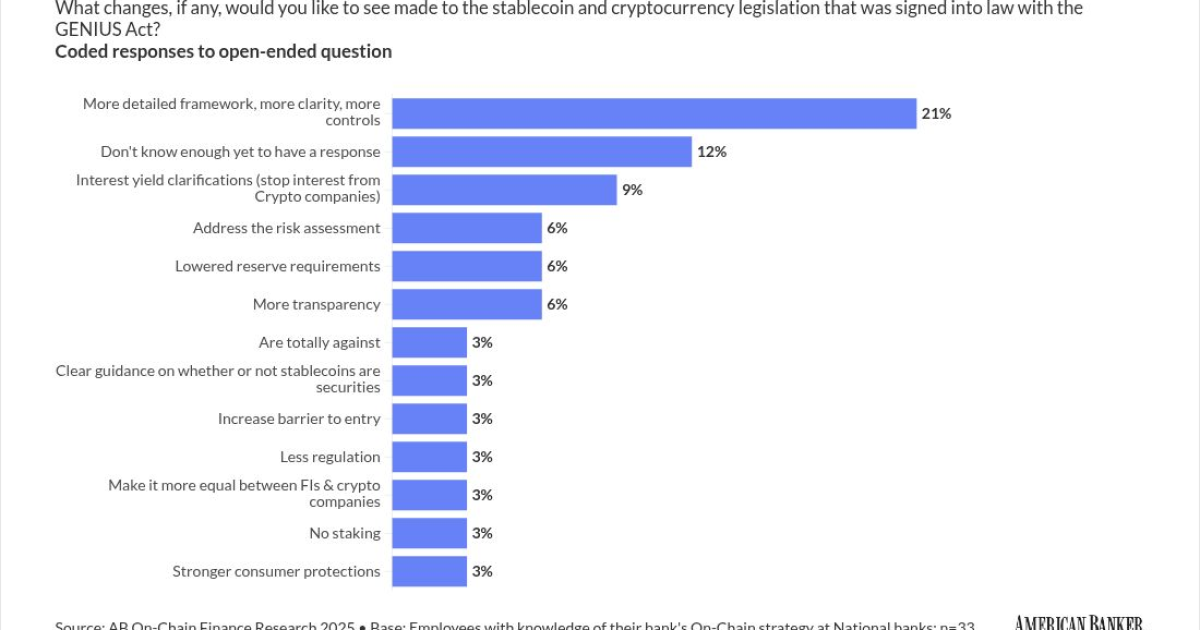
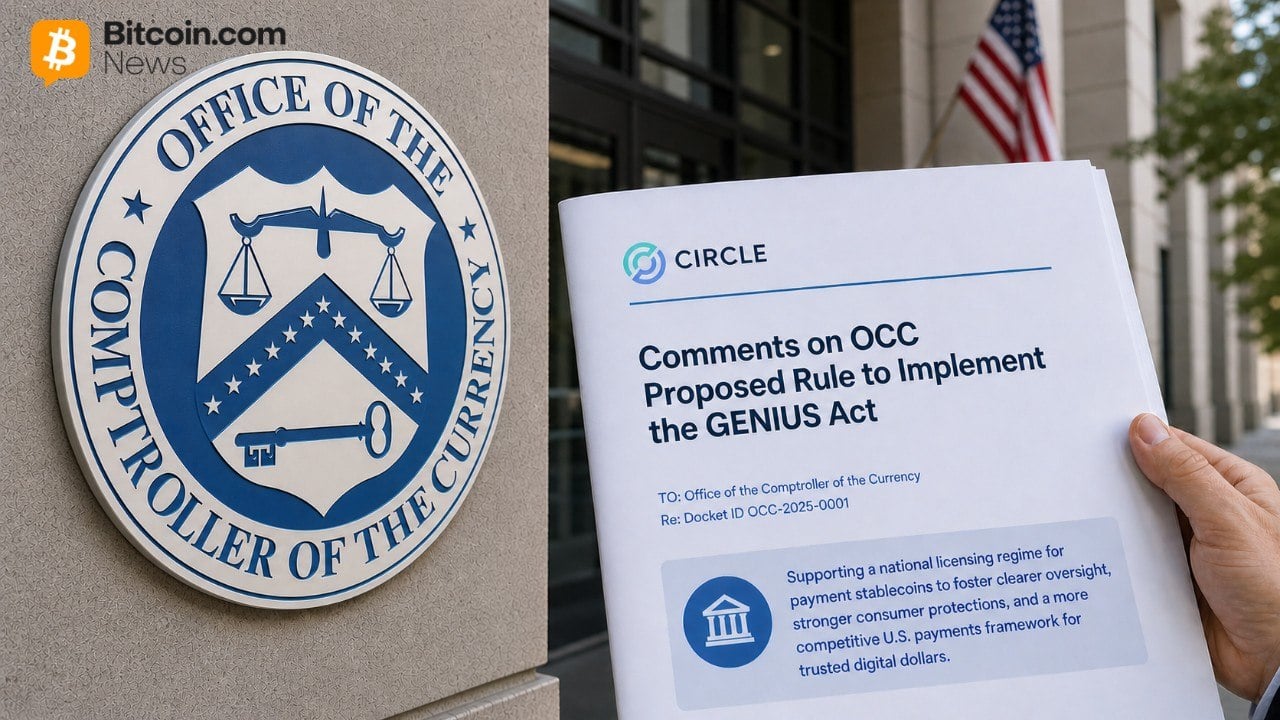
Meta’s timing is not accidental. The GENIUS Act passed the Senate on June 17, 2025, cleared the House on July 17 with a 308-122 bipartisan vote, and was signed into law the next day. It is the first federal law to create a regulatory framework specifically for payment stablecoins, defining who can issue them, how they must be backed, and which regulators oversee compliance.
For Meta specifically, this changes the risk calculation completely. In 2019, there was no legal framework for a tech company to operate stablecoin payments. Regulators had to improvise objections using existing banking law, securities law, and monetary policy concerns. In 2026, USDC operates under an explicit legal framework with audited reserves and federal oversight, and Meta is simply using a regulated product through a regulated payment processor.
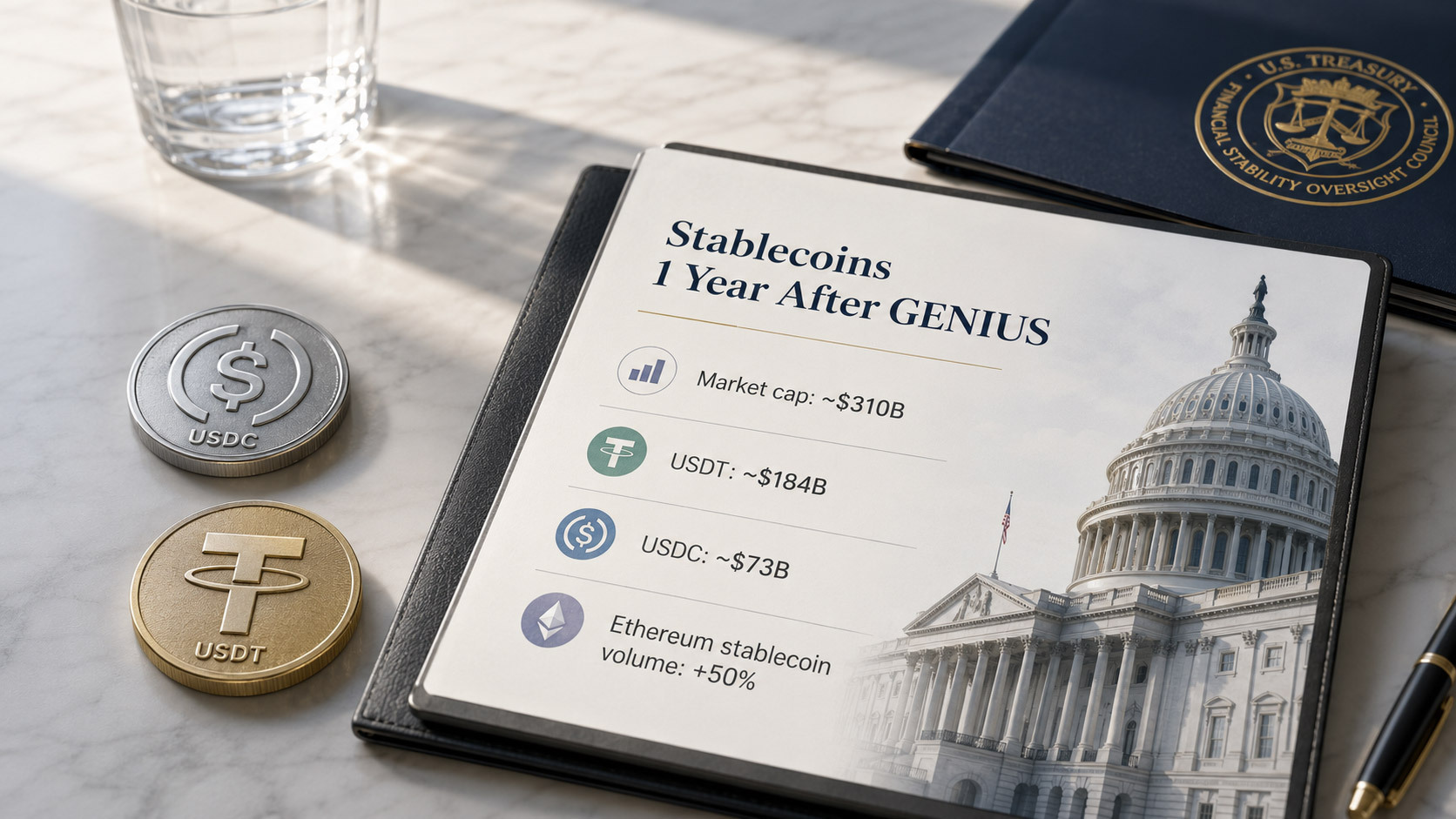
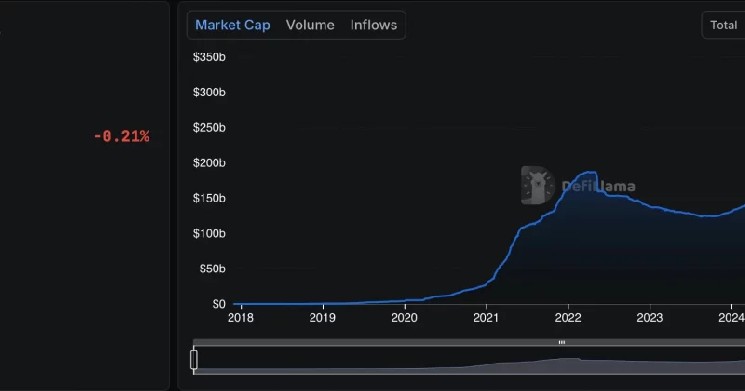
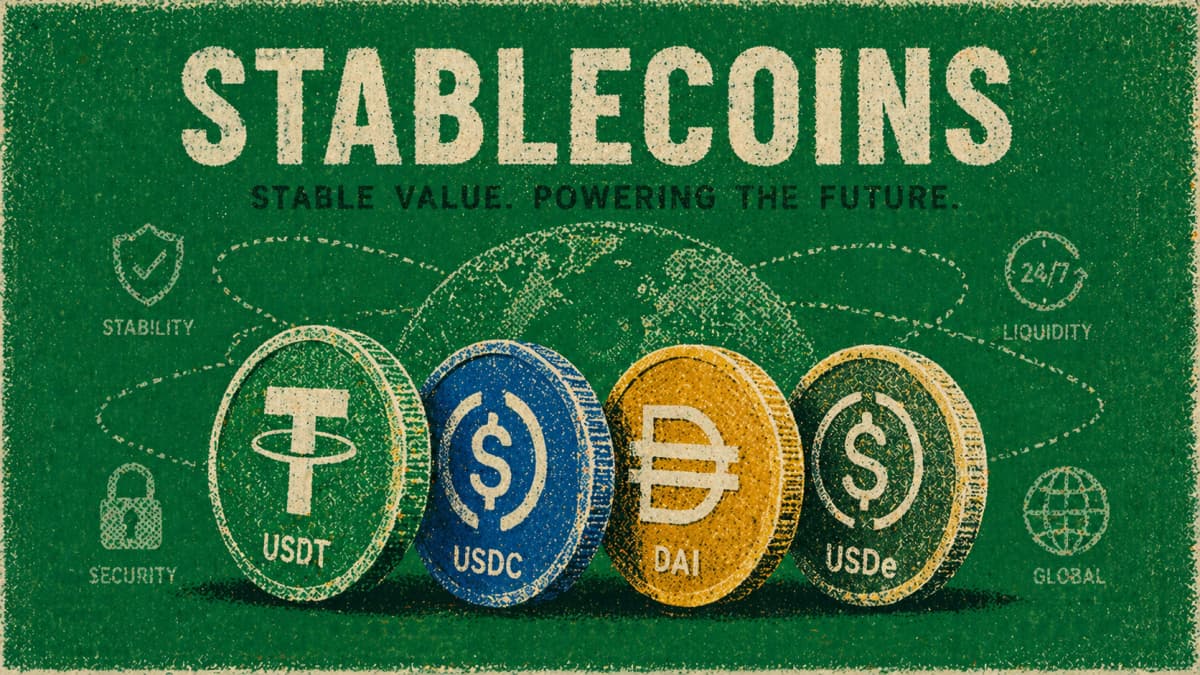
The GENIUS Act requires stablecoin issuers to maintain one-to-one reserve backing with U.S. dollars or equivalent low-risk assets, submit to regular audits, and obtain federal licenses. Circle, which issues USDC, already met these requirements before the law passed. USDC’s market cap has grown from $27 billion at the start of 2024 to approximately over $112 billion as of April 2026, with Circle targeting $150 billion in circulating supply by the second half of the year.
The regulatory clarity also explains why Meta chose USDC over USDT. Tether’s USDT is larger at roughly $186 billion in market cap, but its reserve disclosures have historically been less transparent, and it does not have the same regulatory alignment with the GENIUS Act framework that USDC does.
What This Means for Solana, Polygon, and Stablecoins Broadly
Facebook has roughly 3.1 billion monthly active users, Instagram has over 2 billion, and WhatsApp serves more than 2 billion across 180 countries. Even if stablecoin payouts remain limited to creators initially, Meta paid content creators nearly $3 billion in 2025, a 35% increase from the previous year and the company’s highest annual total. That is real volume flowing onto Solana and Polygon.
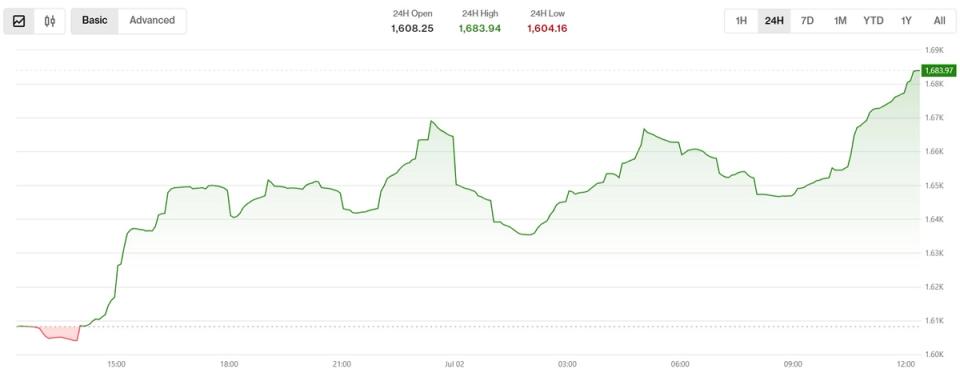
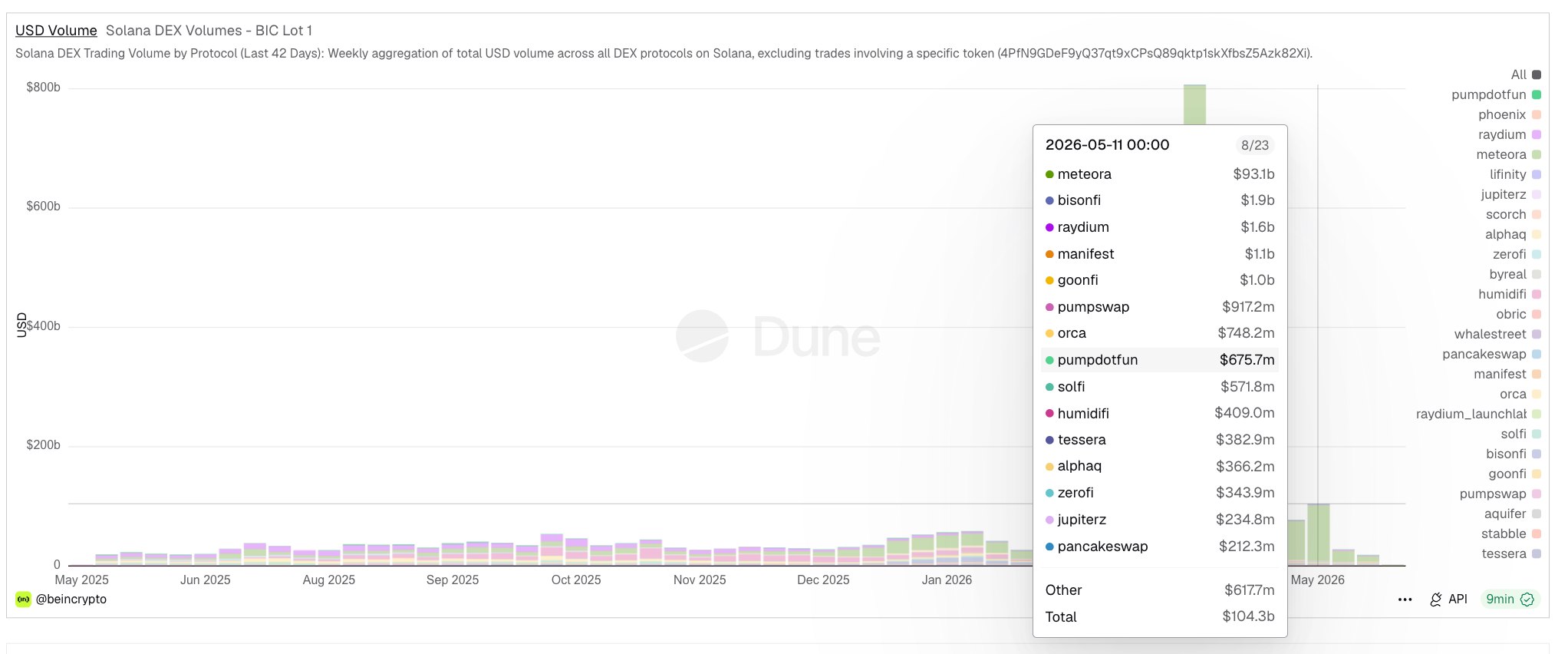
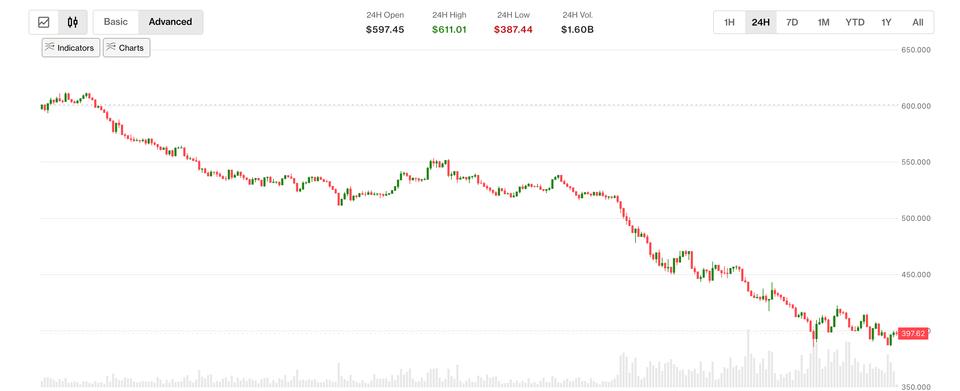
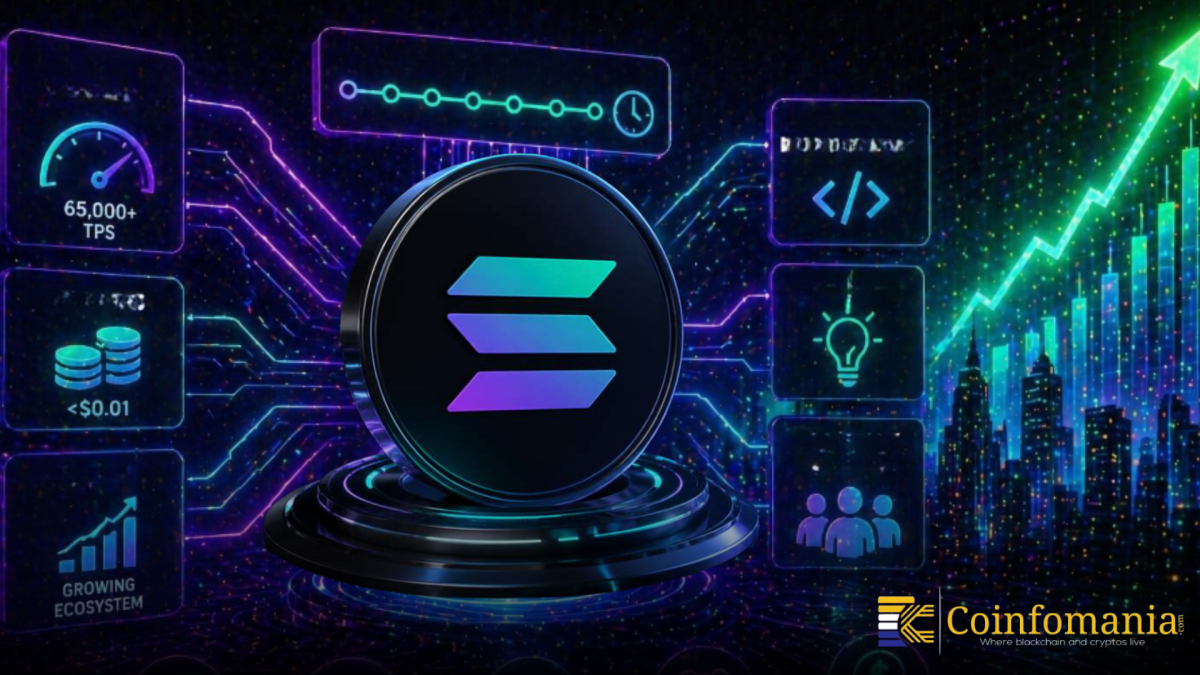
For Solana specifically, the Meta integration validates the network as enterprise-grade payment infrastructure. Solana transactions settle in roughly 400 milliseconds with fees under $0.001, which is why Stripe chose it alongside Polygon for the Meta deployment. The network already processed over 167 million monthly active wallets as of early 2026, and institutional adoption has been the missing narrative catalyst. SOL is trading near $82 after a 35% decline from January highs, and the Meta deal does not change macro headwinds, but it strengthens the fundamental case for Solana as the settlement layer that traditional tech companies actually choose when they need fast, cheap transactions.
The broader stablecoin market has crossed $309 billion in total market cap. Visa, Mastercard, Stripe, PayPal, Klarna, Western Union, and now Meta have all either integrated or announced stablecoin payment capabilities in the past 12 months. The pattern has moved well past the experimental phase, and stablecoins are becoming the default settlement layer for cross-border internet payments, and Meta’s entry makes it much harder for any remaining holdouts to argue that crypto payments are not ready for mainstream use.
And the expansion timeline matters for traders watching this space. Meta plans to roll out stablecoin payouts globally throughout 2026, potentially reaching billions of users across all three platforms. Each new market launch represents incremental USDC demand and transaction volume on Solana and Polygon.
Frequently Asked Questions
Why did Meta choose USDC instead of creating its own stablecoin again?
Regulatory reality forced the shift. Libra failed because regulators would not allow Meta to control its own stablecoin, wallet, and payment network simultaneously. By using Circle’s USDC, which is regulated under the GENIUS Act with audited one-to-one reserves, Meta avoids the issuer role entirely and operates as a customer of existing infrastructure through Stripe.
Which creators can receive USDC payouts from Meta?
The pilot launched in Colombia and the Philippines for creators who monetize through Facebook, Instagram, or WhatsApp. Creators opt in through their monetization settings and link a compatible wallet such as MetaMask, Phantom, or local options like GCash’s GCrypto and Coins.ph. Meta plans to expand globally throughout 2026, though no specific timeline for additional markets has been announced.
How does this affect the price of SOL or USDC?
USDC is a stablecoin pegged to $1, so its price stays constant, but increased adoption drives higher circulating supply and more transaction volume on Solana and Polygon. For SOL, the Meta partnership validates Solana as enterprise payment infrastructure, which strengthens the fundamental case but does not override macro conditions that have pushed the token down 35% since January.
Is Meta getting back into building its own crypto products?
Not in the Libra sense. Meta is strictly a customer in this arrangement, not an issuer or infrastructure operator. Stripe handles payments, Circle issues the stablecoin, and Solana and Polygon process transactions. Meta’s role is limited to offering the payout option and generating the earnings that get converted. The company learned from Libra that trying to own the financial infrastructure triggers regulatory resistance that no amount of lobbying can overcome.
Bottom Line
Meta choosing to use existing stablecoins instead of building its own is the most telling signal about where crypto payments are heading in 2026. The company that spent three years and hundreds of millions trying to create Libra just quietly admitted that the open stablecoin ecosystem, specifically USDC on public blockchains through Stripe, works better than anything it could have built in-house. Colombia and the Philippines are test markets, but the infrastructure is already built for global scale, and Meta paid creators $3 billion last year with that number growing 35% annually. If the pilot shows lower costs and faster settlement than traditional banking rails, the expansion to every market where Meta operates becomes a question of when, not if. The companies to watch are not Meta, but Circle and Stripe, because every other internet platform looking at this playbook will use the same infrastructure.
This article is for informational purposes only and does not constitute financial or investment advice. Cryptocurrency trading involves substantial risk. Always conduct your own research before making trading decisions.