Key Highlights
- European Union initiates comprehensive MiCA framework review process.
- Dual-track consultation gathers input from general public and specialized entities.
- Regulation encompasses digital assets, stablecoins, and crypto service operators.
- Complete licensing mandated for cryptocurrency businesses by July 2026.
- Collected responses will inform regulatory enhancements and policy direction.
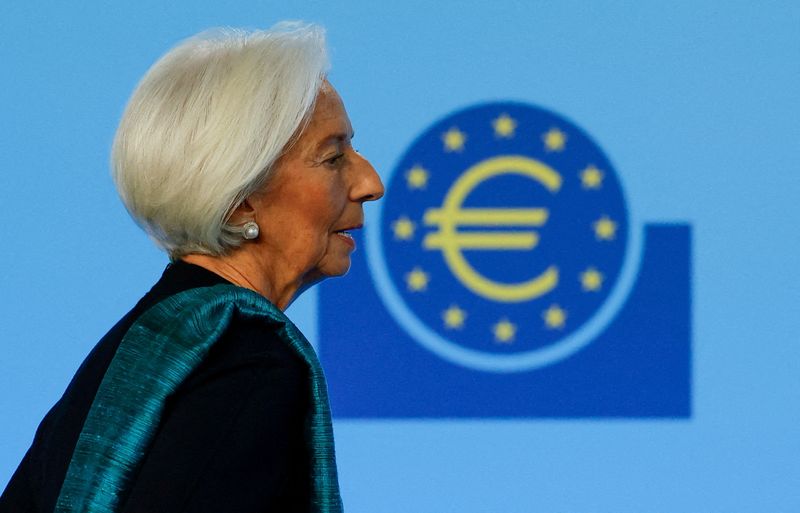
The European Commission has initiated a comprehensive review process for the Markets in Crypto‑Assets Regulation (MiCA). This strategic move evaluates the framework’s continued relevance amid rapidly changing digital asset landscapes. Stakeholder contributions will influence the direction of EU cryptocurrency policy and maintain synchronization with international regulatory trends.
Dual Consultation Process and Coverage
The review mechanism operates through two parallel channels designed to capture diverse perspectives. An open public track allows any interested party to contribute general observations about MiCA’s performance. Meanwhile, a specialized track targets detailed technical and regulatory feedback from token issuers, platform operators, supervisory bodies, and trade associations.
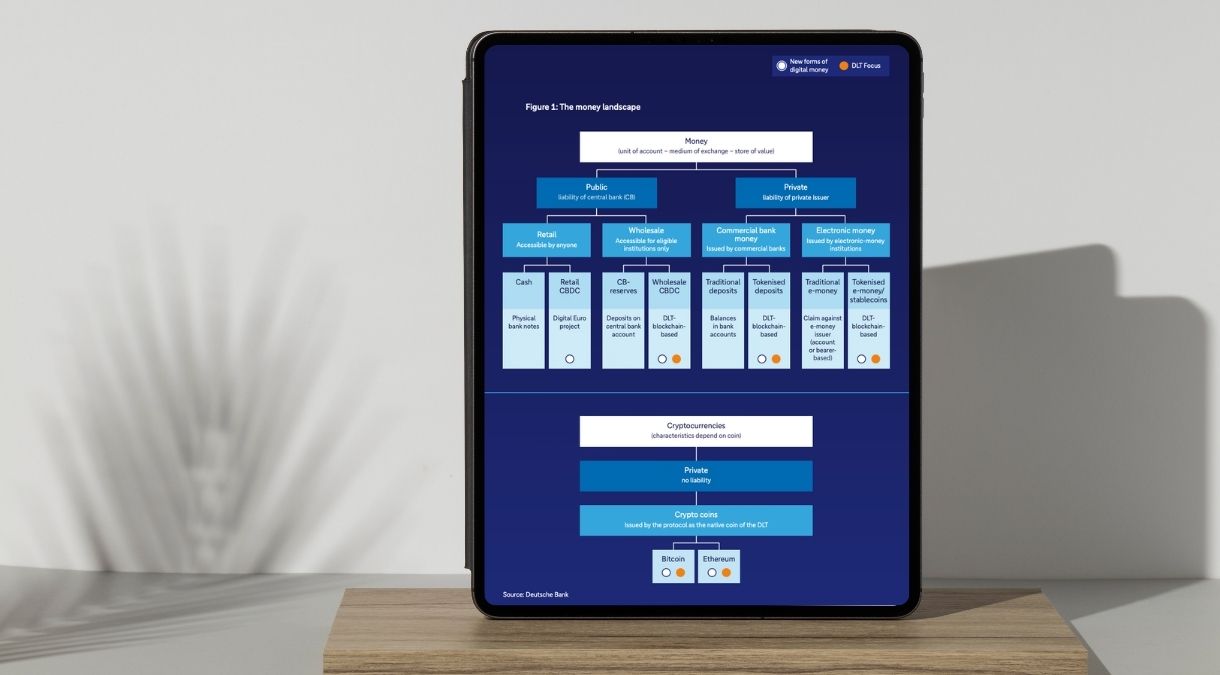
MiCA regulates digital assets, asset-backed tokens, and electronic money tokens alongside their associated service platforms. The framework established uniform standards throughout the EU in 2024 to eliminate regulatory fragmentation. Officials now examine whether evolving market conditions and regulatory landscapes necessitate framework modifications.
Participants span financial service providers, blockchain infrastructure companies, policy research organizations, and governmental agencies. These stakeholders’ contributions will determine whether MiCA’s compliance structures and operational standards require refinement. The consultation window closes on 31 August to ensure extensive stakeholder participation.
International Regulatory Landscape and Deadlines
Cryptocurrency markets have undergone substantial transformation following MiCA’s original adoption. Regulatory frameworks in the United States and throughout Asia have introduced fresh approaches to digital asset governance. European authorities seek to preserve regulatory clarity and competitiveness while ensuring robust market protections.
MiCA transition provisions mandate that cryptocurrency enterprises secure complete authorization before July 2026. Platforms conducting business under MiCA must obtain proper licensing to maintain legal EU operations. Zerohash recently achieved distinction as the inaugural organization holding both comprehensive MiCA CASP authorization and electronic money credentials in the Netherlands.
Brussels also contemplates organizational modifications in supervisory architecture, potentially consolidating oversight authority under ESMA in Paris. This restructuring would specifically address major cross-border cryptocurrency operators to improve regulatory coordination. These considerations demonstrate the EU’s dedication to comprehensive and unified supervisory mechanisms.
Consequences for Industry Stakeholders
MiCA’s evaluation process carries direct ramifications for token creators, platform operators, and financial institutions throughout the European Union. The consultation mechanism ensures regulatory frameworks remain responsive to technological advancement and market evolution. Stakeholder feedback will determine prospective policy enhancements and revised operational standards within MiCA.
The regulation’s foundational components encompass issuer responsibilities, asset-backed token provisions, e-money token standards, and service provider requirements. This assessment seeks to maintain rigorous protective measures while bolstering international competitiveness. MiCA remains instrumental in facilitating convergence between conventional financial systems and cryptocurrency markets across Europe.
Consultation responses will determine the Commission’s subsequent actions regarding MiCA and comprehensive digital asset strategies. This initiative demonstrates the EU’s forward-looking stance toward developing cryptocurrency ecosystems. All interested parties are urged to submit comprehensive feedback before the 31 August closure date to influence forthcoming regulatory developments.