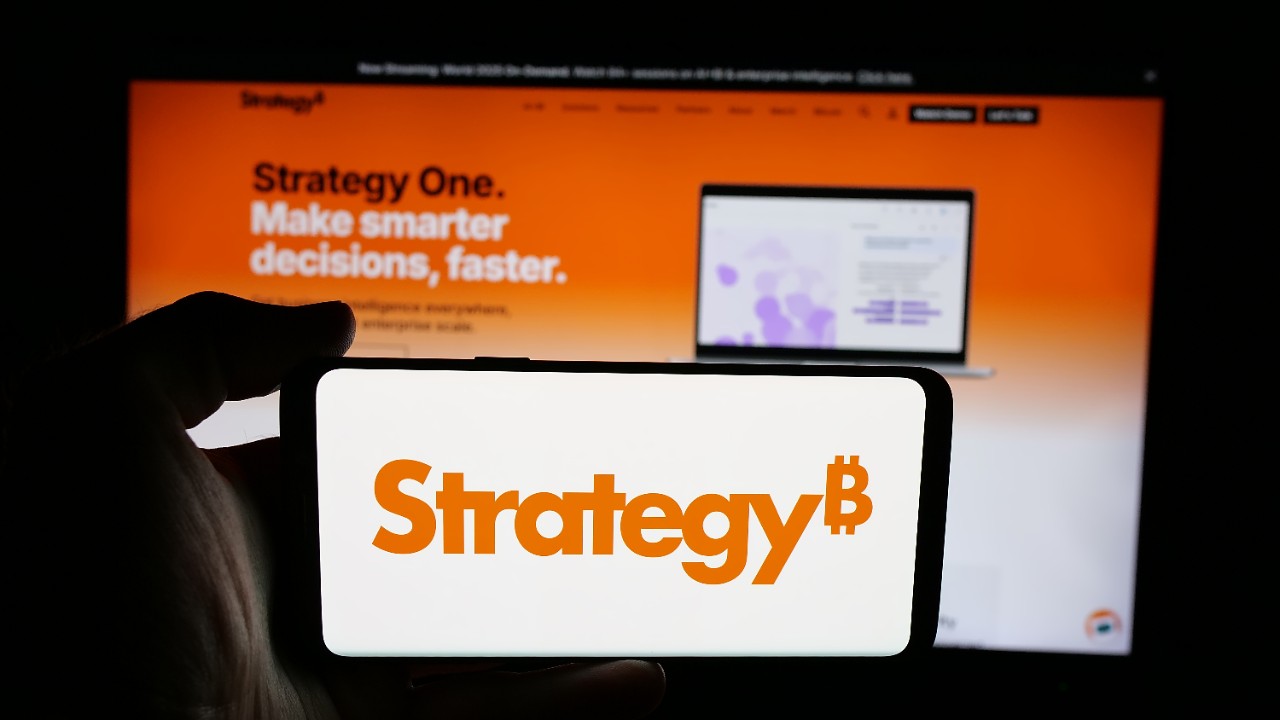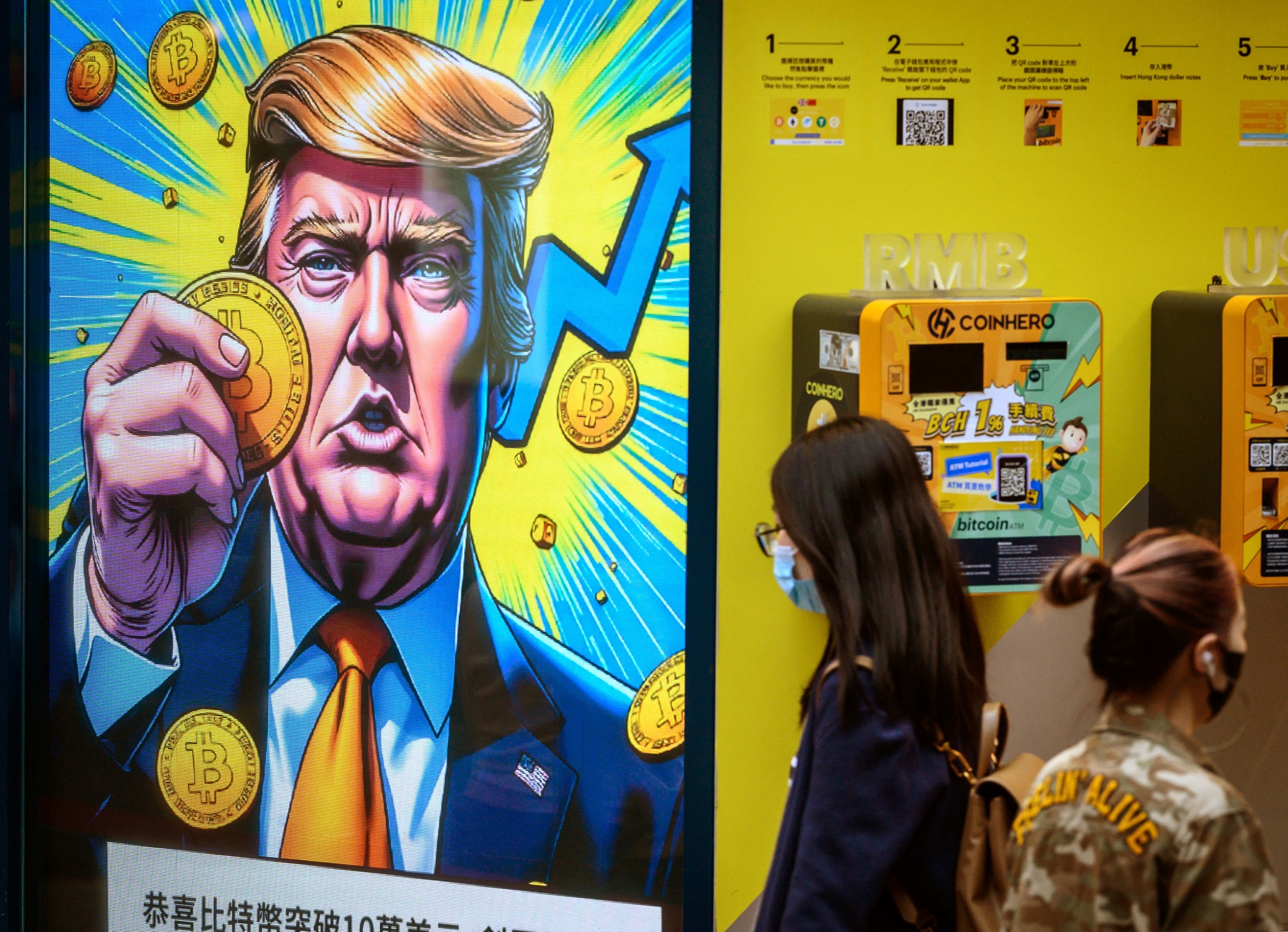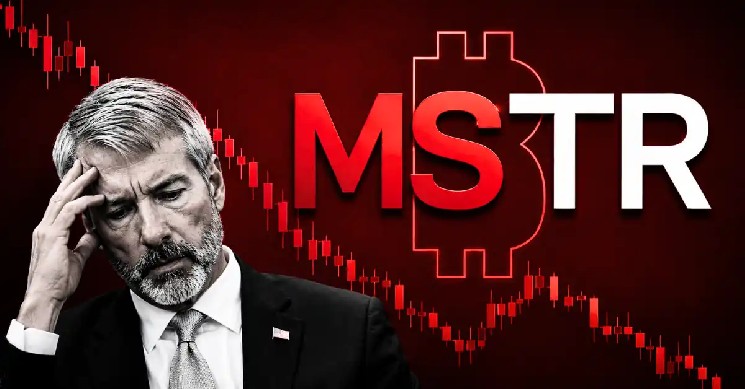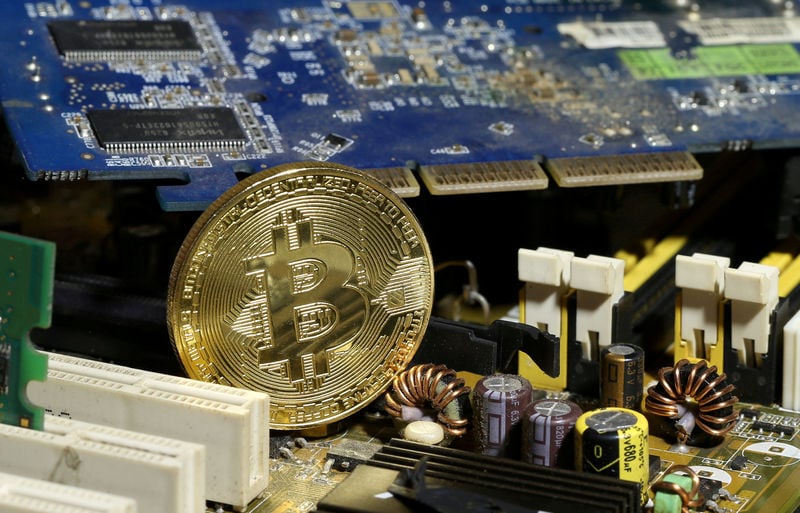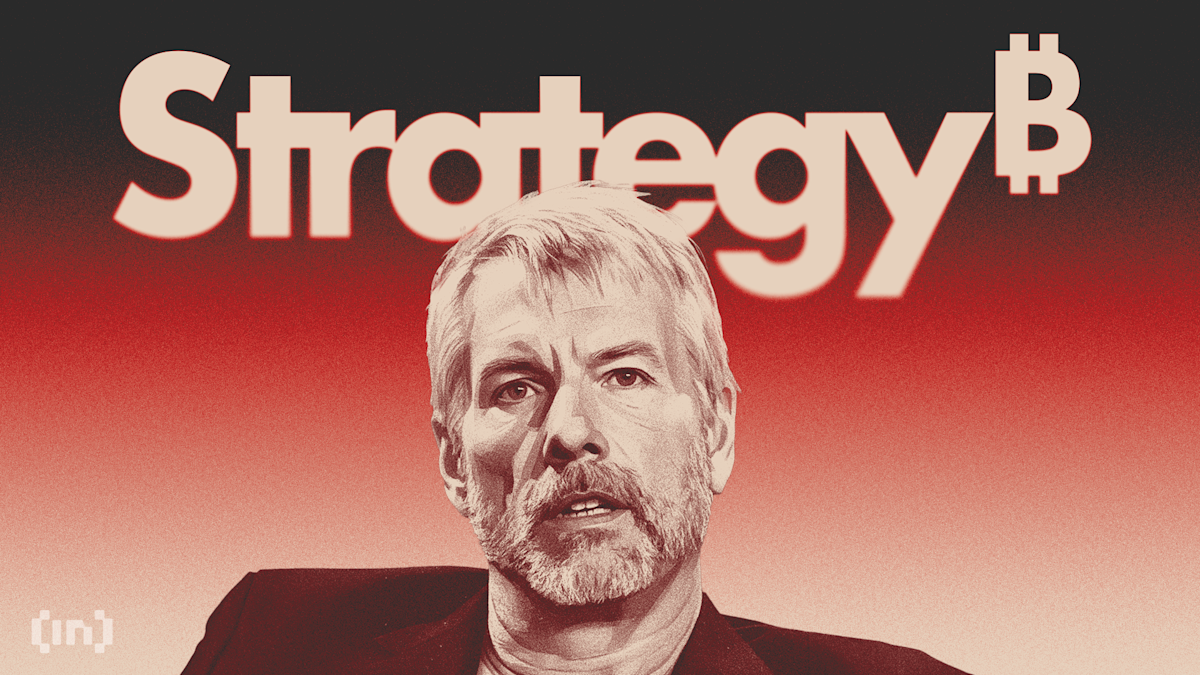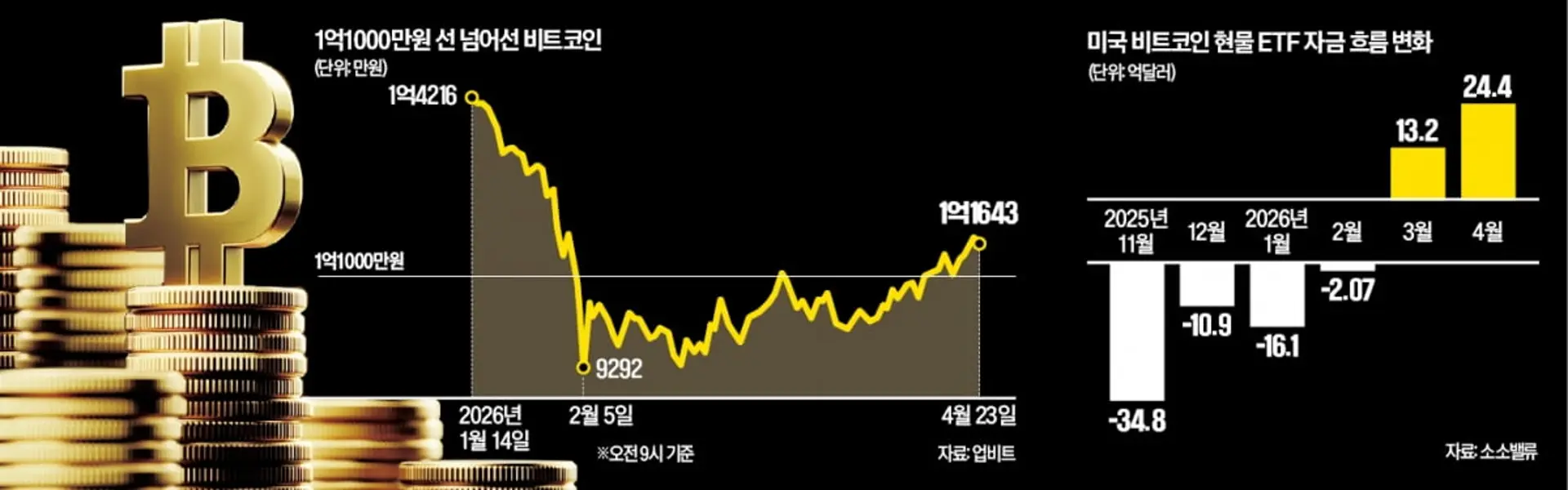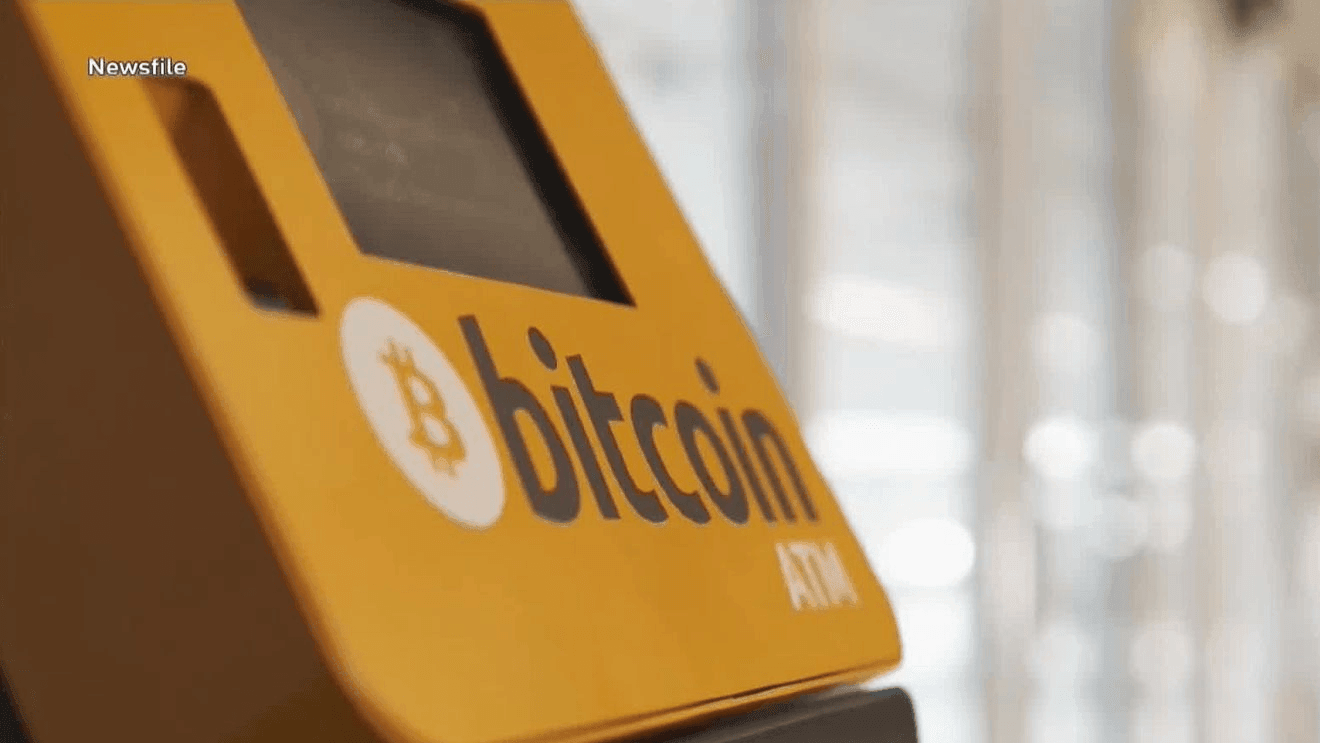
Bitcoin (BTC 0.52%) was purpose-built for being uncontrollable. It can’t be issued by any central bank, and it has no single point of failure, nor any real gatekeepers. On April 20, Strategy (MSTR 0.84%), formerly known as MicroStrategy, disclosed a $2.5 billion purchase that lifted its Bitcoin holdings to 815,061 coins, or roughly 4% of the circulating supply. For an asset whose narrative is built on decentralization and a wide distribution, having one company as its largest single holder is a strange plot twist, to say the least.
But does this concentration in Strategy’s coffers threaten Bitcoin’s investment thesis, or is it something worth monitoring rather than an emergency?

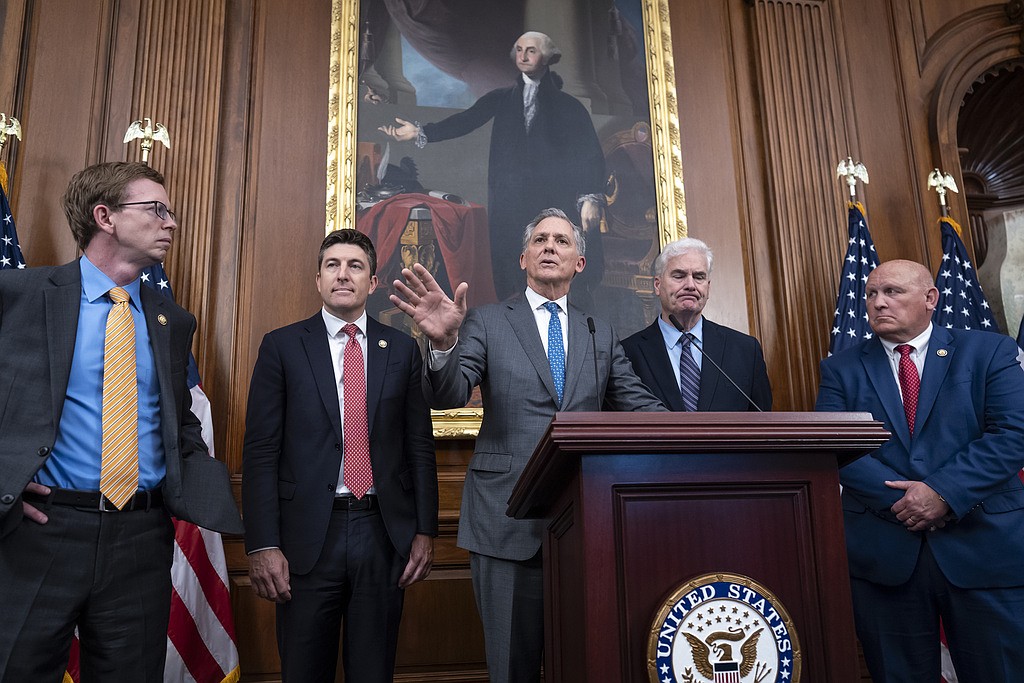
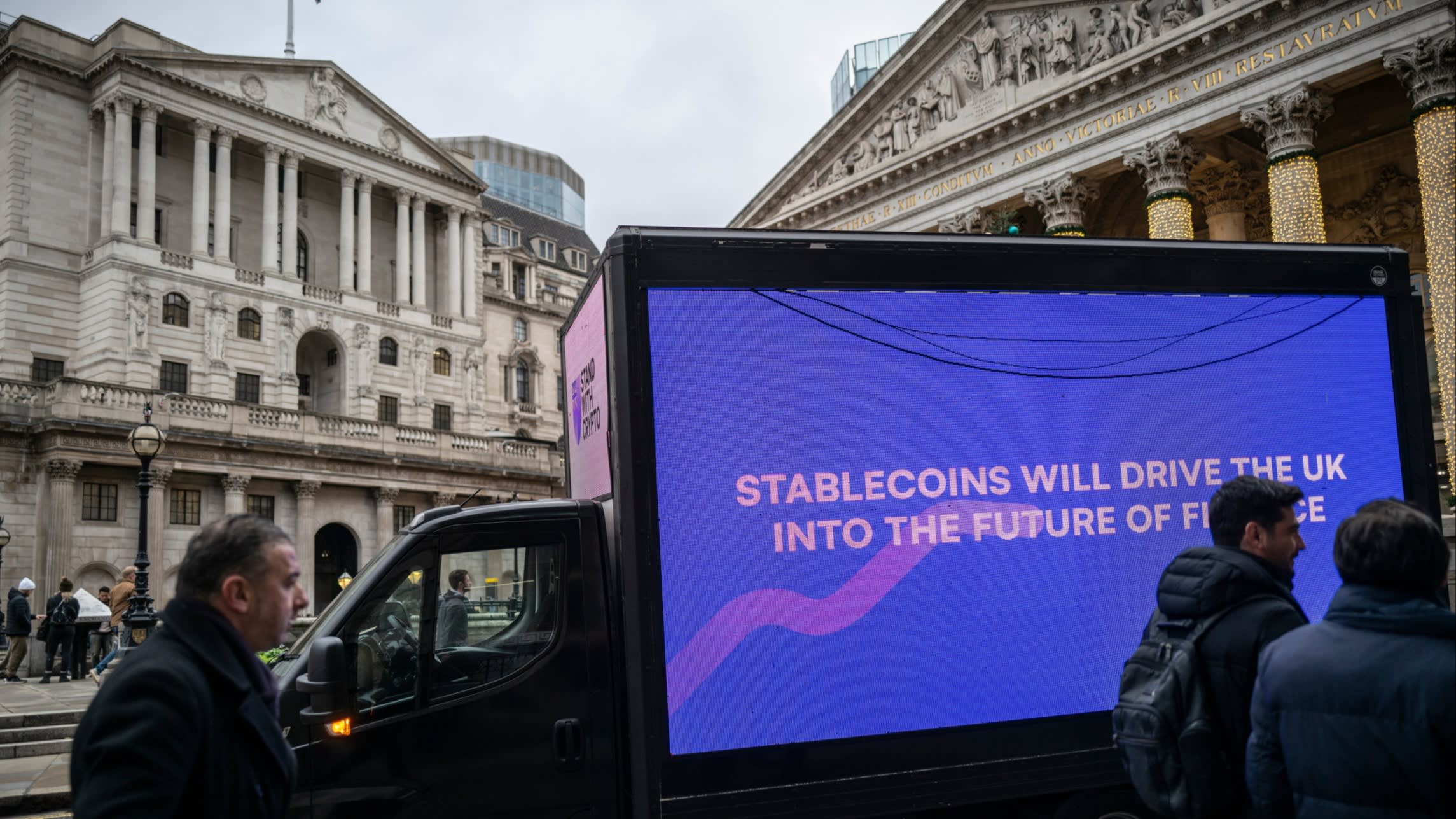
Image source: Getty Images.
This business is (still) buying Bitcoin like it’s priced for a fire sale
Strategy now holds more than 76% of all Bitcoin owned by publicly listed treasury companies. During the past 30 days, every other corporate buyer combined purchased roughly 1,000 coins. Strategy bought about 45,000.
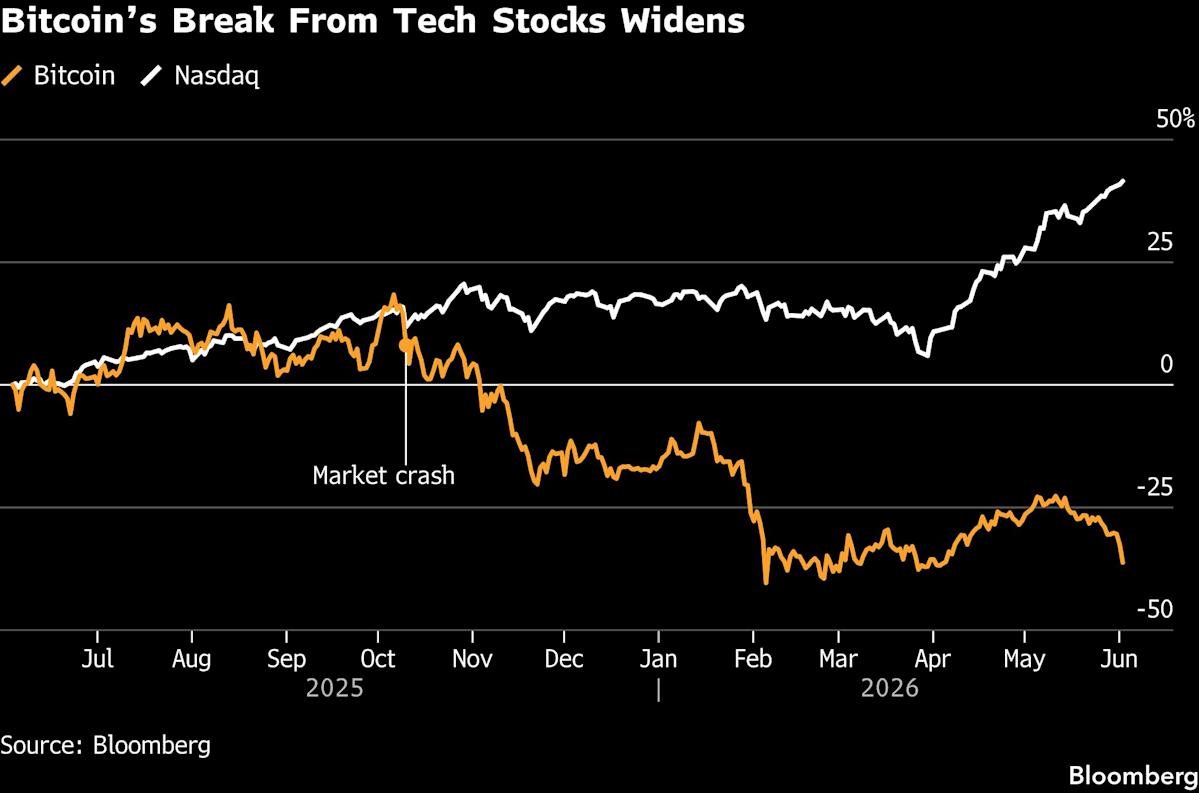
The digital asset treasury (DAT) fad of August 2025, when dozens of public companies mimicked Strategy’s playbook, has since evaporated. The copycats went home when Bitcoin prices tumbled, whereas Strategy just bought faster.

Today’s Change
(-0.52%) $-403.30
Current Price
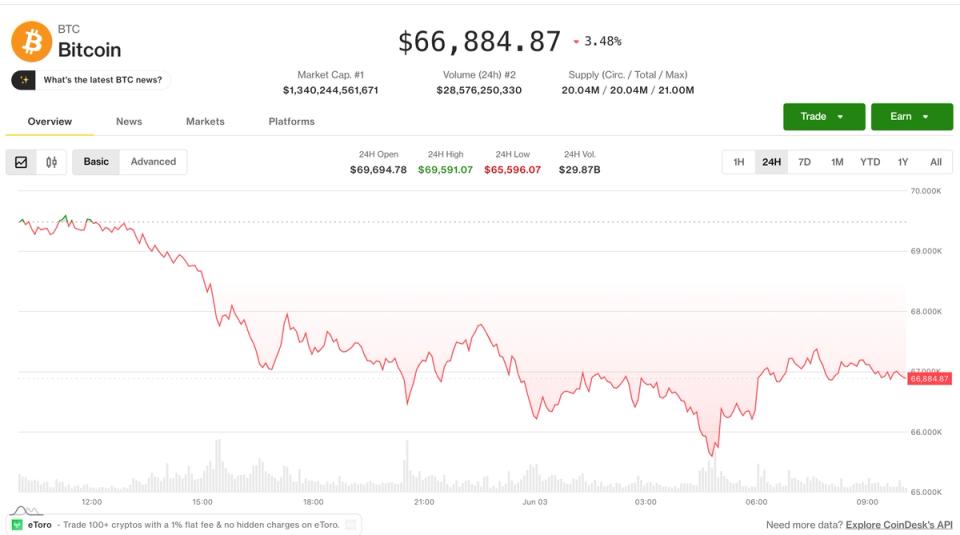
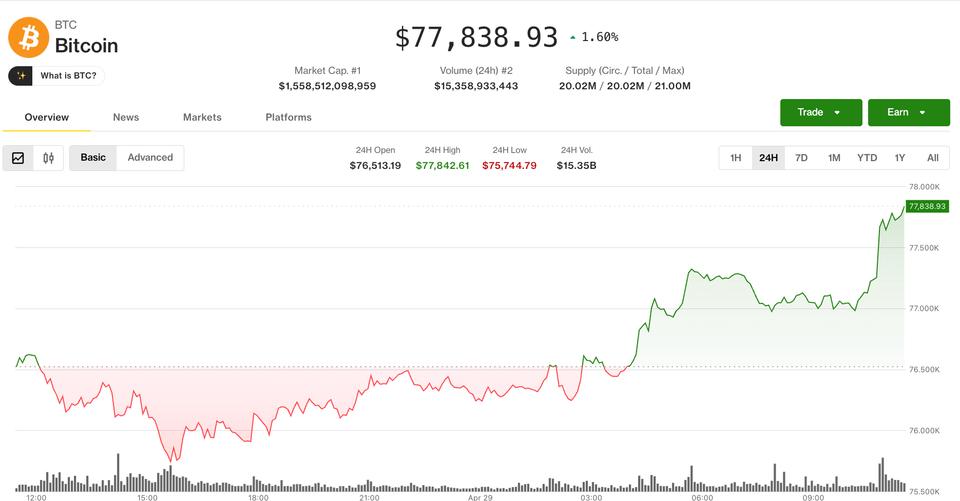
$77659.00
Key Data Points
Market Cap
$1.6T
Day’s Range
$77595.00 – $79400.00
52wk Range
$60255.56 – $126079.89
Volume
32B
To accomplish that, Strategy issues a few different classes of stock, as well as convertible debt, and then it buys Bitcoin with the proceeds. It has spent $63.6 billion in total, at an average cost of about $75,527 per coin.
Here’s what makes this different from a Bitcoin exchange-traded fund (ETF) holding a similar amount. When an ETF holds 802,000 bitcoins, like the iShares Bitcoin Trust ETF, those coins belong to thousands of independent investors who can sell their ETF shares without forcing a dump of the underlying Bitcoin. In contrast, Strategy’s stack resides on one corporate balance sheet, funded by one somewhat controversial capital structure. If something goes wrong at the corporate level, the selling pressure could hit Bitcoin in one concentrated wave, rather than being diffused across millions of investors over time and with varying levels of intensity.

Today’s Change
(-0.84%) $-1.45
Current Price
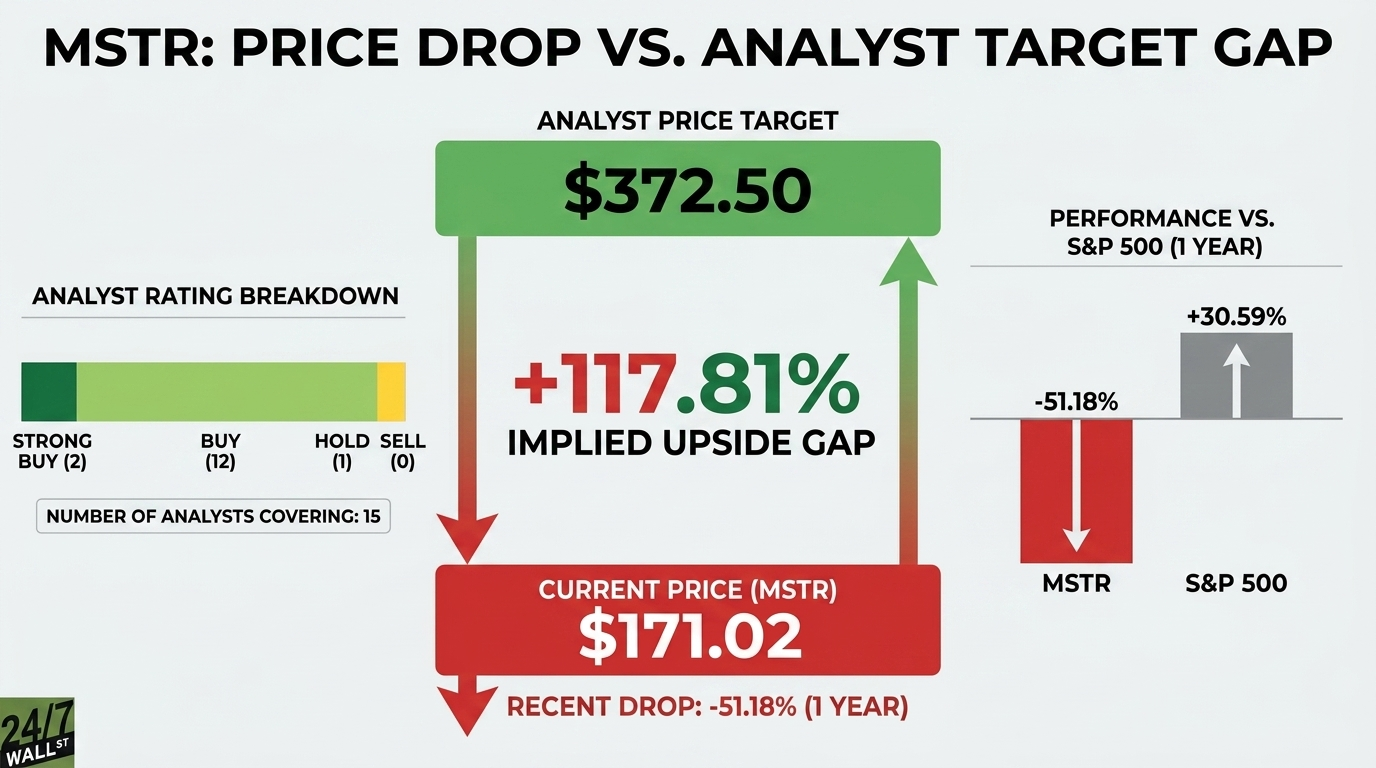
$171.02
Key Data Points
Market Cap
$59B
Day’s Range
$169.01 – $177.28
52wk Range
$104.17 – $457.22
Volume
261K
Avg Vol
22M
Gross Margin
68.69%
This is a real risk, but don’t be too worried about it
So, what might the implications of Strategy’s grip on Bitcoin?
The doomsday version of the answer to that question imagines a margin call of sorts, wherein Bitcoin drops, and Strategy’s lenders panic and demand the company immediately return their capital. This would force Strategy to liquidate its holdings into a falling market, making prices spiral downward even more intensely. Thankfully, things don’t actually work this way.
Strategy’s $8.2 billion in debt consists of unsecured convertible senior notes, which are not collateralized by Bitcoin. Therefore, no margin calls can be triggered by a price decline in the coin. Forced liquidation probably wouldn’t even become a realistic possibility until Bitcoin fell to about $8,000, which is almost unthinkable.
Even if it falls that low, the company also maintains a $2.2 billion cash reserve that covers about 30 months of its fixed obligations without selling a coin.
The more realistic vulnerability starts in 2028, when its convertible bonds begin maturing. If Bitcoin is deep in the dumps at that point, the company’s bond holders may not want to convert their debt to equity, meaning Strategy would need to find some cash with which to repay the principal.
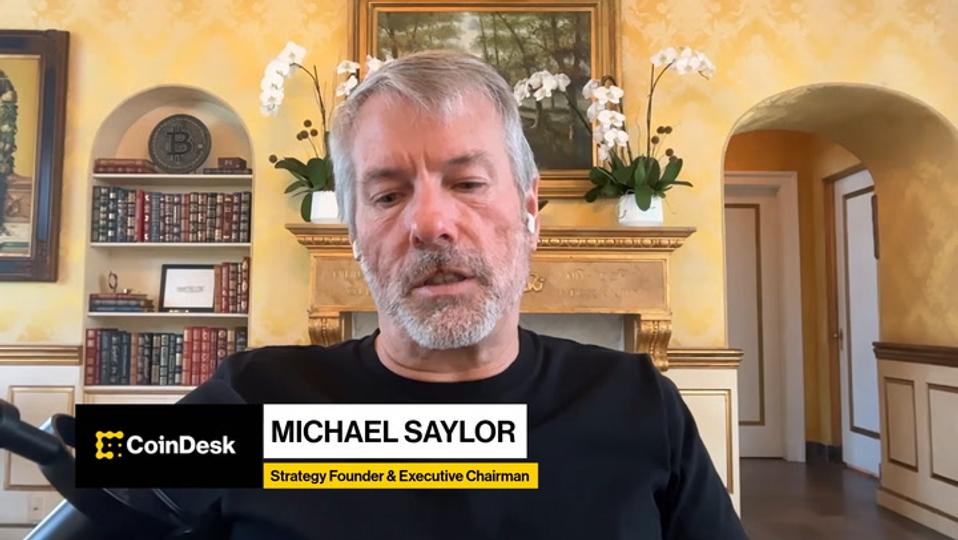
Then there’s the other side of the coin, which argues that it’s incredibly handy for Bitcoin to have a high-profile evangelist — Strategy Executive Chairman Michael Saylor — backed by corporate financing capabilities. During a stretch when nearly every other corporate buyer has retreated, Strategy has been the only whale still absorbing Bitcoin supply. Its buying thus creates some demand that supports the coin’s price, and that shouldn’t be dismissed.
Overall, Strategy’s Bitcoin holdings are not an existential risk for the coin. Nothing about Strategy being forced to sell its coins would invalidate the investment thesis for buying the asset.
Therefore, what investors should take from all this is awareness. Know that one company holds a disproportionate share of the coin’s supply, and understand the conditions that could turn that fact into a problematic one. If Strategy stops buying one day — regardless of why that might be — you should be aware that the price of Bitcoin might offer you a great buying opportunity shortly afterward.