- May 29, 2026
- Olivia
- 0
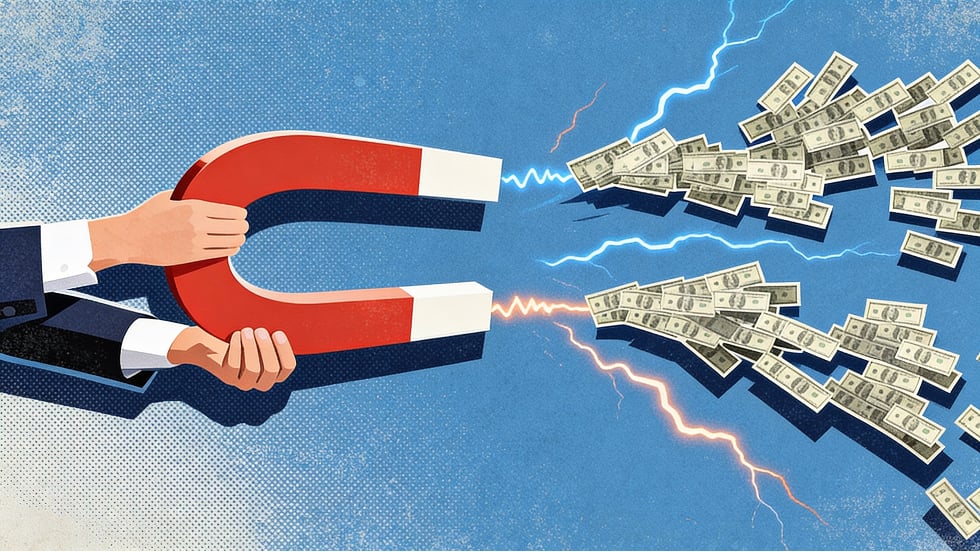
Enterprise AI used to come with a predictable price tag. AI rewrote the bill.
Uber exhausted its full-year 2026 artificial intelligence budget by April. CTO Praveen Neppalli Naga said the company was “back to the drawing board,” according to The Information. COO Andrew Macdonald, speaking on the Rapid Response podcast, said the productivity case hadn’t closed, Fortune reported. “That link is not there yet,” he said. “It’s very hard to draw a line between one of those stats and ‘OK now we’re actually producing like 25% more useful consumer features.’” Macdonald said Uber would weigh token costs directly against the cost of hiring engineers.
On the company’s earnings call, per the same Fortune report, CEO Dara Khosrowshahi said autonomous agents built roughly 10% of committed code. Uber’s R&D spending hit $3.4 billion in 2025, up 9% year over year. The tools are working. The math isn’t.
Microsoft Pulls Back
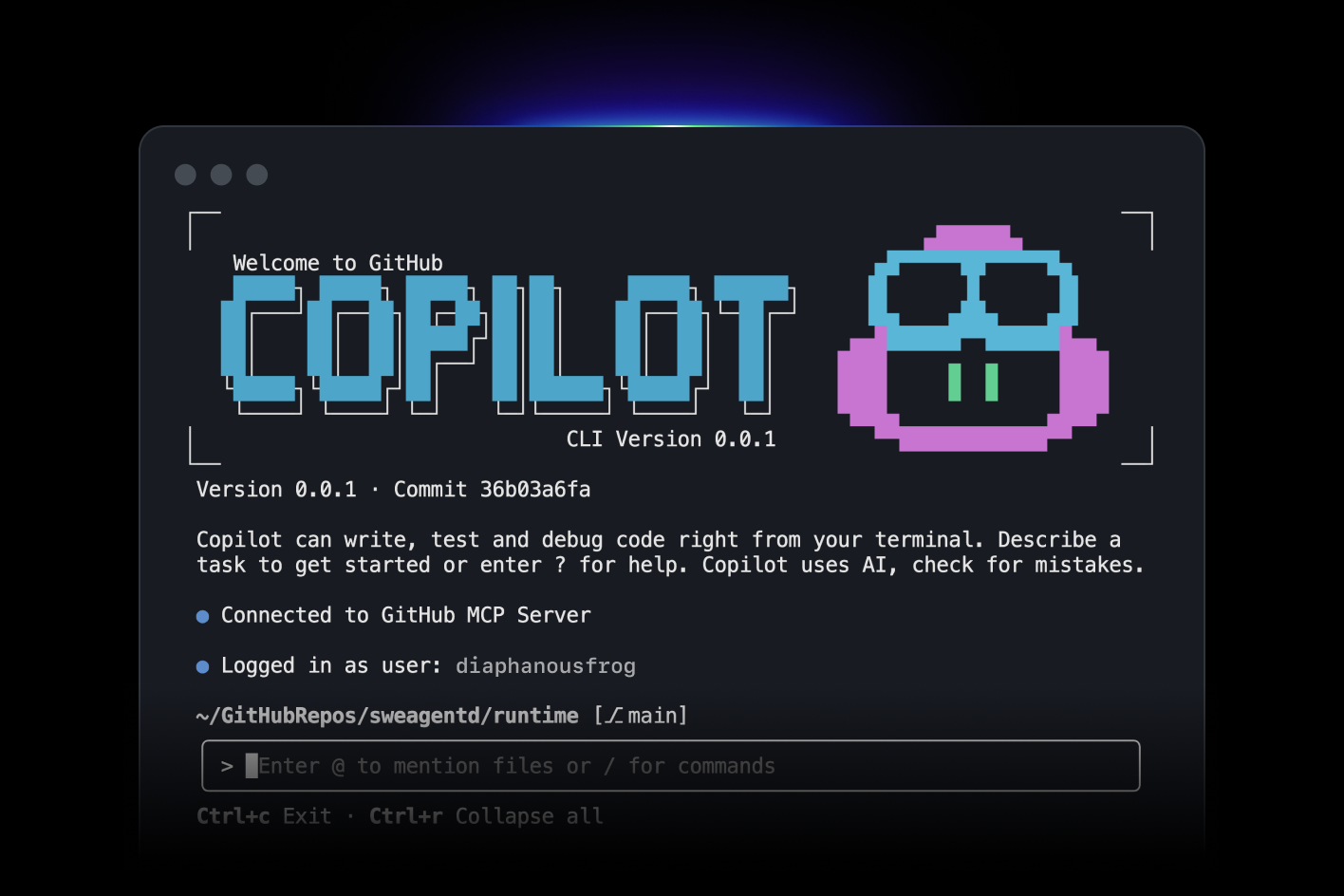
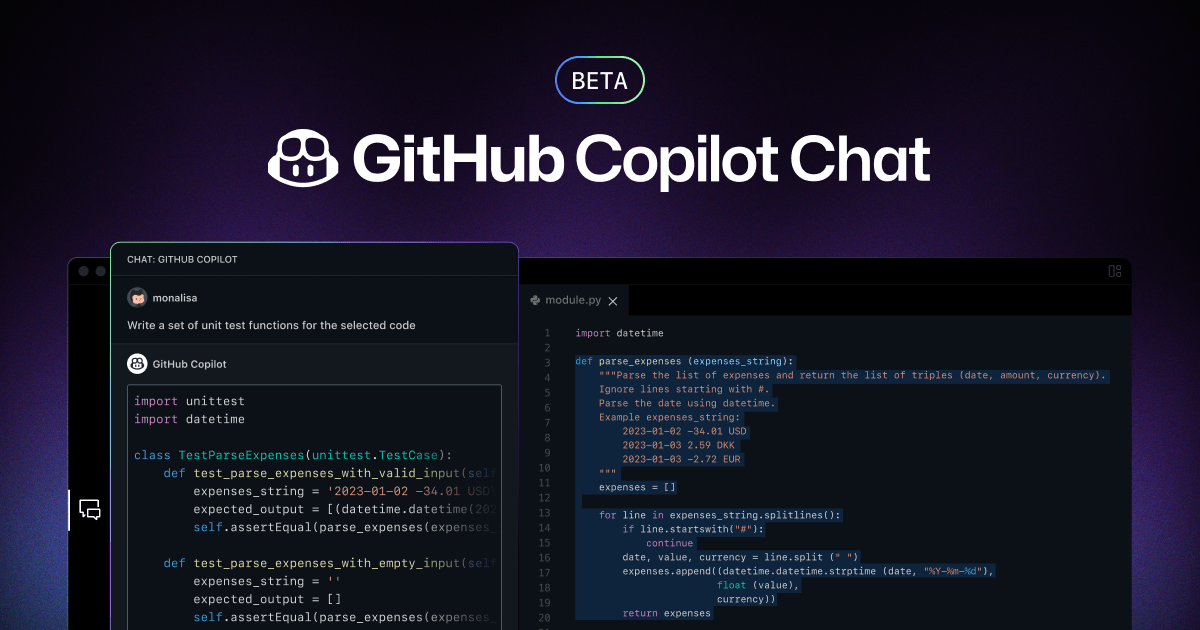
Microsoft hit the same ceiling. The company began canceling most internal Claude Code licenses in mid-May, redirecting engineers across its Experiences and Devices division to GitHub Copilot CLI by June 30, the end of its fiscal year, according to a separate Fortune report. Six months earlier, Microsoft had opened Claude Code access to thousands of employees across engineering, product and design. Fortune noted the cancellation doesn’t affect Microsoft’s broader Foundry deal with Anthropic, which includes up to $5 billion in investment.
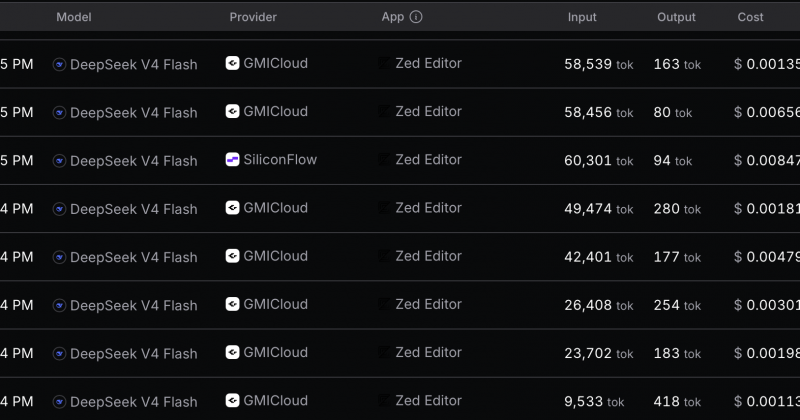
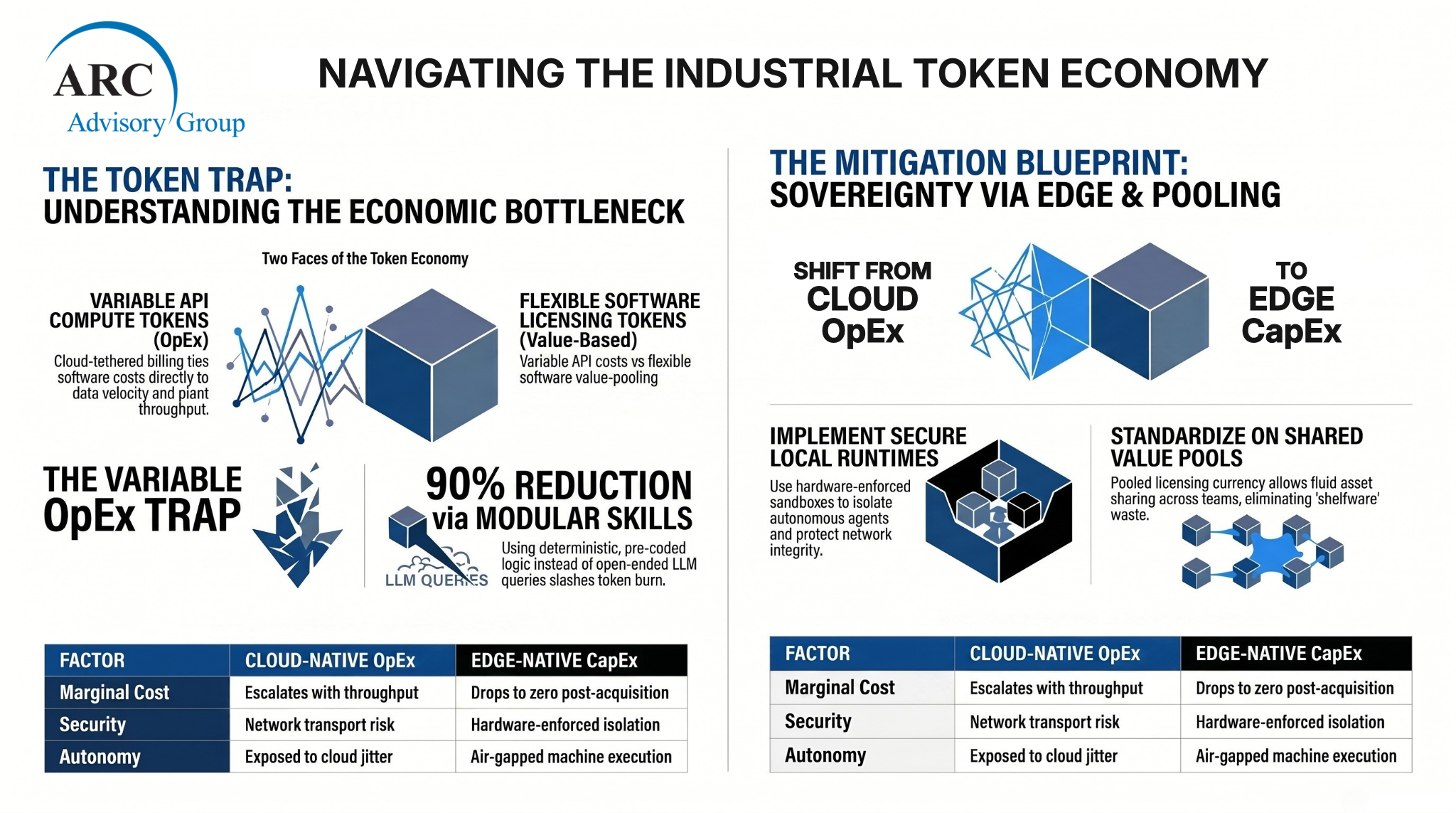
The financial friction both companies hit traces back to a structural mismatch between how AI tools are priced and how enterprise finance teams are built. As PYMNTS reported, annual licenses and seat-based pricing gave CFOs a stable cost structure they could forecast. Token-based consumption, where charges accumulate based on volume of text processed and generated, broke that model open.
A surge in internal experimentation, a new product feature or a poorly optimized prompt can cause costs to spike in ways that are difficult to anticipate. Engineering decisions now carry direct balance-sheet consequences that finance teams weren’t structured to track.
Advertisement: Scroll to Continue
Tokens as a Flawed Proxy
The problem runs deeper than billing volatility. Tokens measure volume, not outcome. PYMNTS reported that companies increasingly use token consumption as their primary metric for AI adoption and workflow intensity, but the signal has limits. A poorly structured prompt that forces a model to iterate and regenerate consumes more tokens than a concise, targeted query, yet neither necessarily produces useful output.
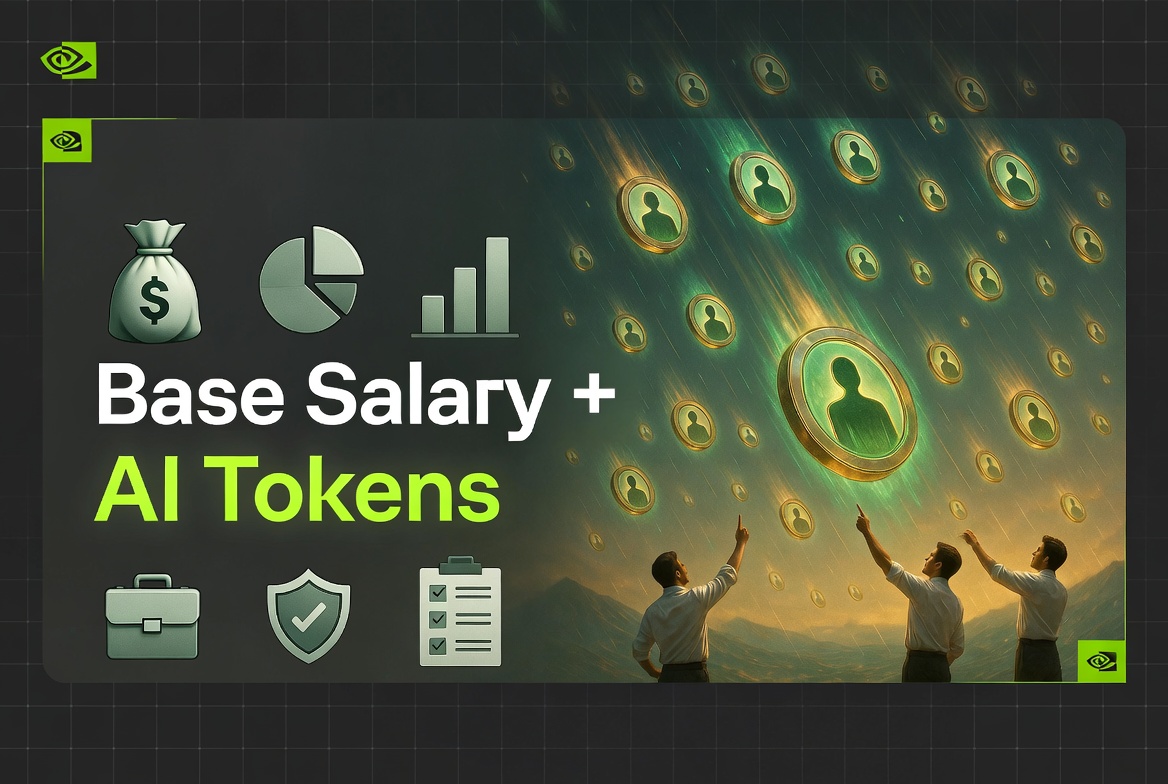
Nvidia CEO Jensen Huang framed the stakes at GTC in March. “I could totally imagine in the future every single engineer in our company will need an annual token budget,” Huang said, estimating those allocations could reach half of base salary in value, according to Computerworld.
The Billing Problem Scales With Agents
Agentic coding tools compound the cost exposure relative to standard chatbot interactions. A single-turn conversation generates one inference call. An agentic session, where the model plans, executes, verifies, and self-corrects across multiple steps, generates many more.
As PYMNTS reported, Anthropic has moved to usage-based billing for enterprise customers, and SaaS firms including Salesforce and HubSpot are preparing to adopt outcome-based pricing. Adobe announced outcome-based pricing for its new artificial intelligence product suite in April. GitHub is shifting all Copilot plans to usage-based billing through AI Credits starting June 1, replacing flat-rate licensing that obscured actual consumption.
Google CEO Sundar Pichai put the aggregate scale in context at I/O this month, disclosing the company now processes 3.2 quadrillion tokens per month, up sevenfold from 480 trillion the prior year. The Register reported that Pichai acknowledged the consumption dynamic: “Now some out there might call this tokenmaxxing and there’s probably some truth to it.”