Author: Heart of Computing Power
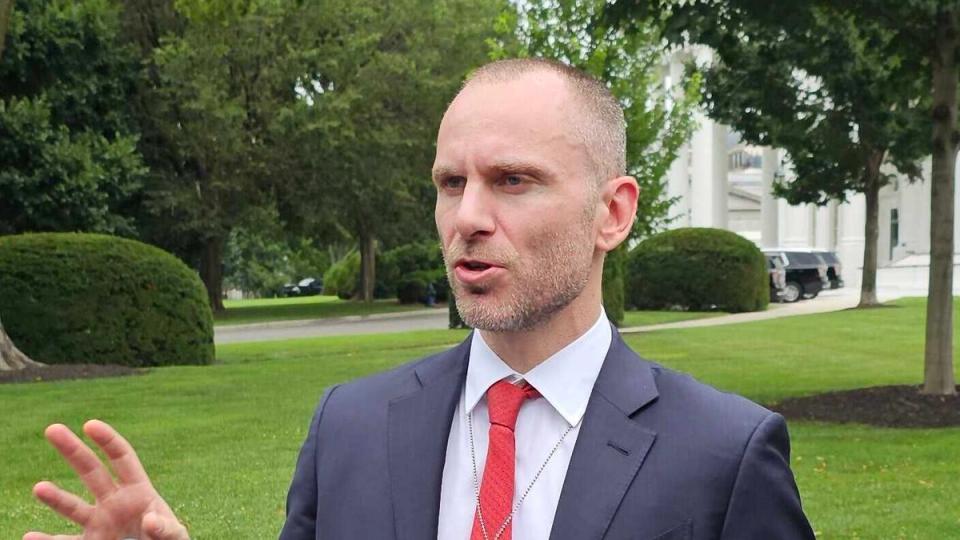
In December 2025, Spencer Marr cut a red ribbon in Ector County, Texas.
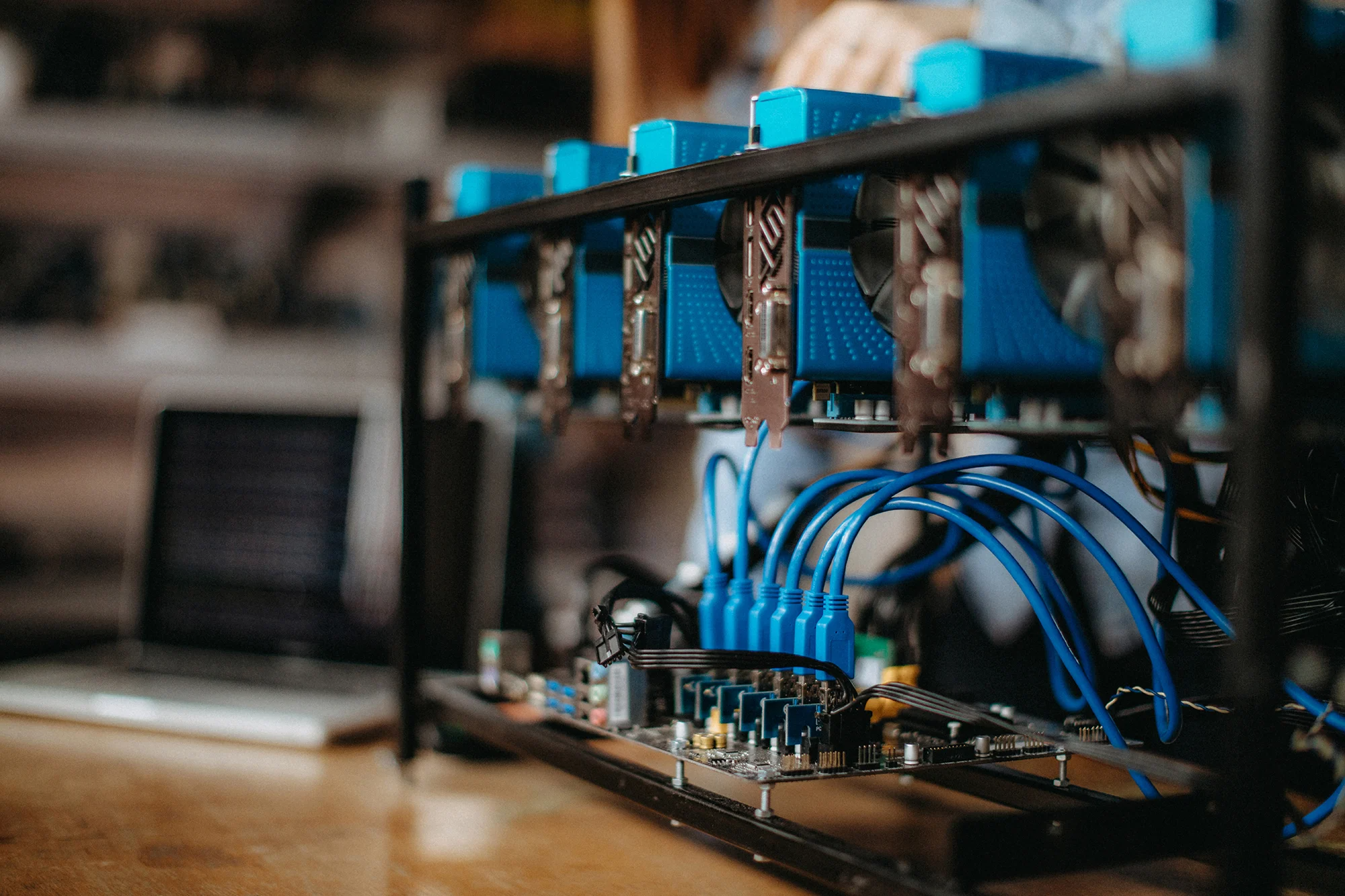
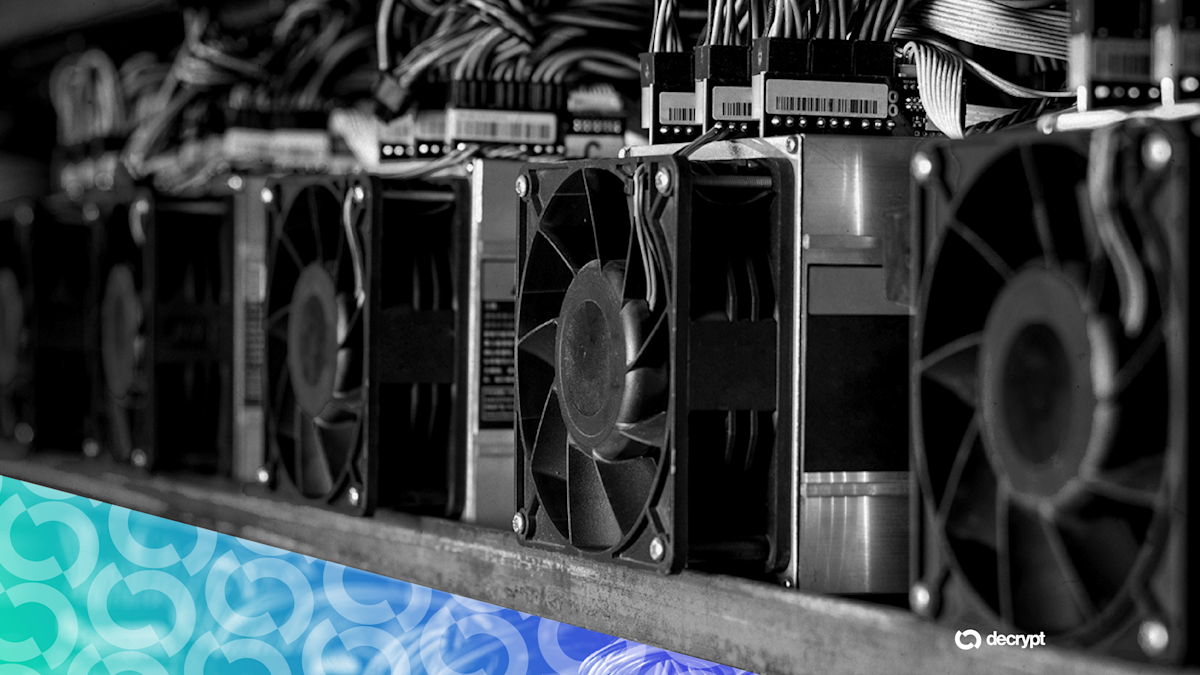
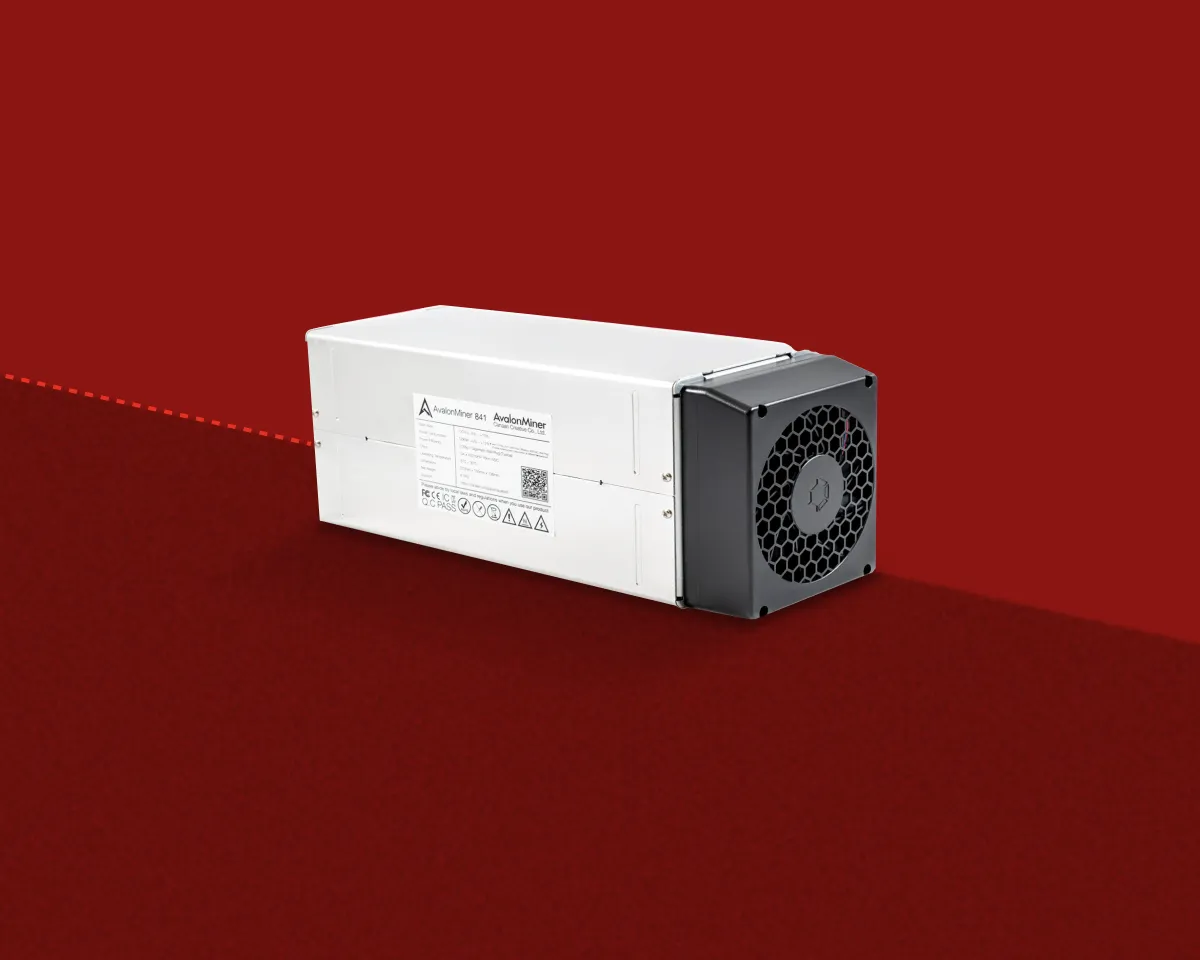
Behind the red ribbon is a Bitcoin mining farm called Genesis.
Less than six months after the power was put into operation, in June 2026, his company Sangha announced that it was considering selling, forming a joint venture, or finding a strategic partner to work together.
It’s not that we can’t continue, it’s just that it’s too valuable.
Because it was AI that had its eyes on this mine.
1. The mine was put up for sale to find buyers as soon as it was powered on.
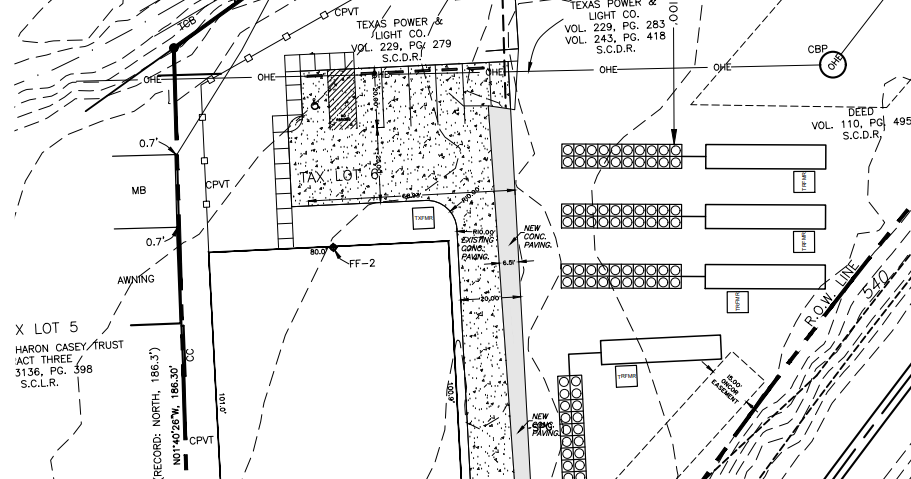
The Genesis mine is not large, with a capacity of 19.9 MW.
Instead of building the power plant separately, he attached it to a 180MW solar farm owned by South Korea’s Hanwha Group.
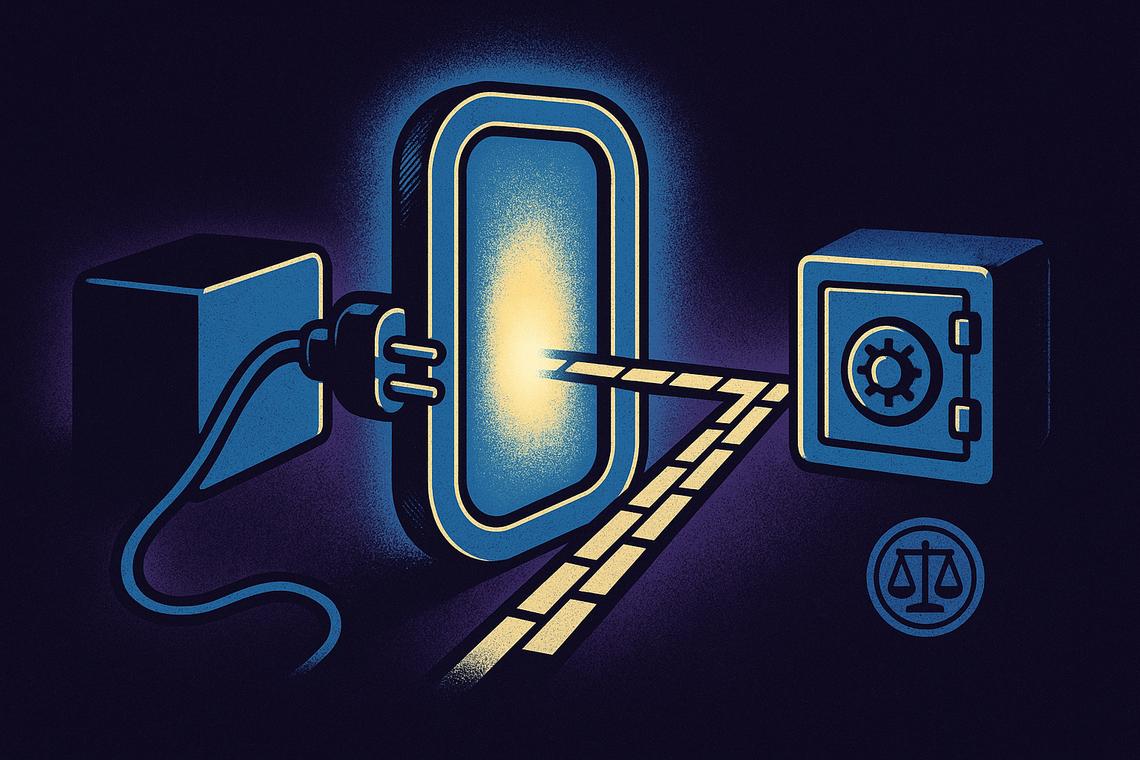
The electricity they use is “directly supplied after the meter,” meaning that the electricity generated by solar power is not routed through the public power grid, but is directly delivered to the mine via a single line.
It saves you money on internet access fees and also avoids grid congestion—a win-win situation.
In addition, French energy giant TotalEnergies provides retail electricity services to help them supplement their electricity supply from the grid when there is insufficient sunlight.
Sangha named this model “Win-Win-Win”.
IPPs (Independent Power Producers) make a profit, investors get cheap Bitcoin, and the power grid becomes more stable due to flexible loads.
The project timeline is also clear: groundbreaking in May 2025 and power supply in December.
To this end, Sangha also set up an SPV (a company shell specifically for this project), allowing investors to invest in mining machines directly without having to trade cryptocurrencies themselves, and to receive profits based on Bitcoin output.
However, just six months after the power was put into operation, in June 2026, Sangha announced that it was considering selling, forming a joint venture, or bringing in a strategic partner to work together.
The deal is being handled by investment bank Marathon Capital, codenamed Project Genesis, and will be conducted in two phases with a target closing in the fourth quarter.
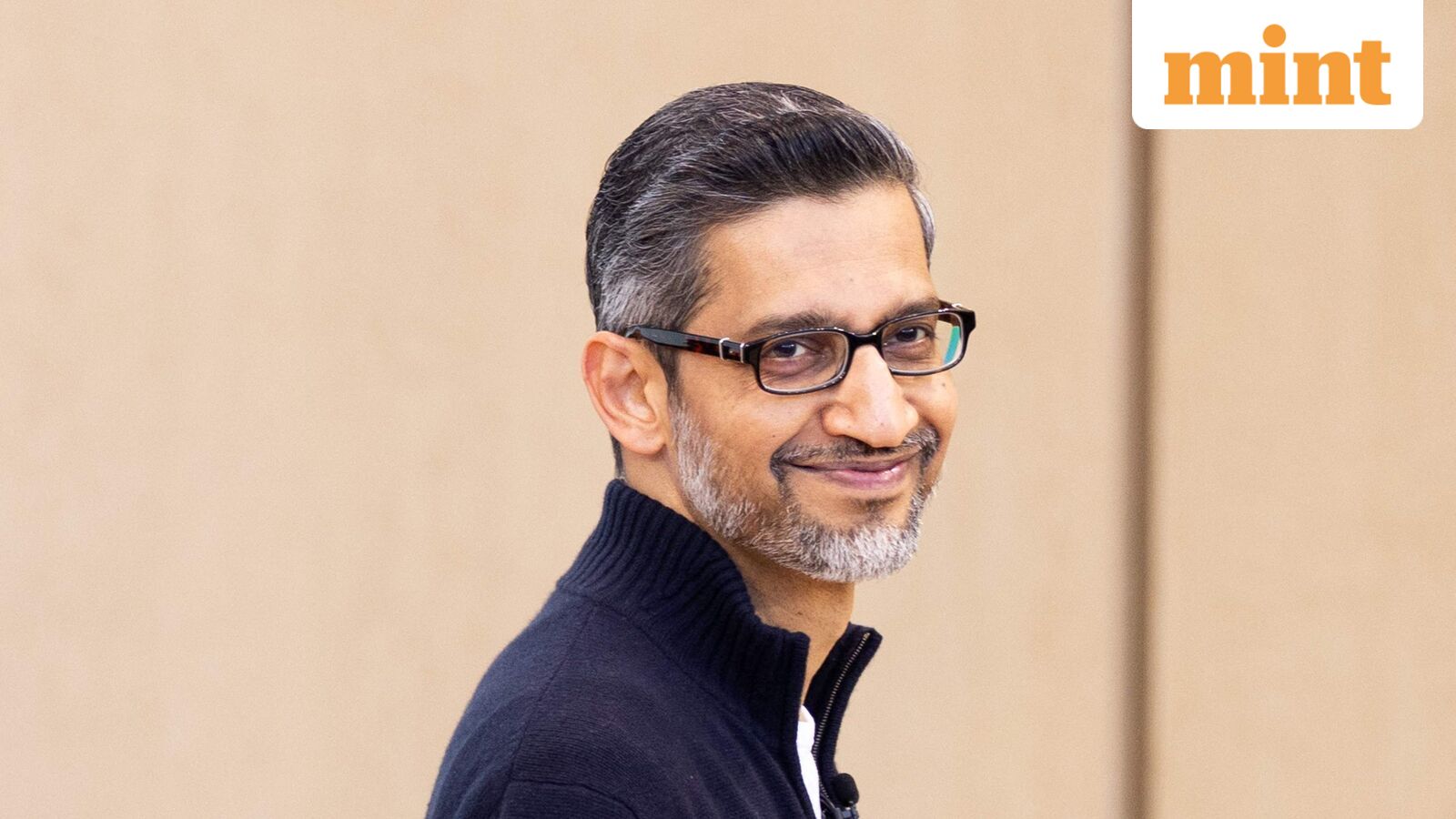
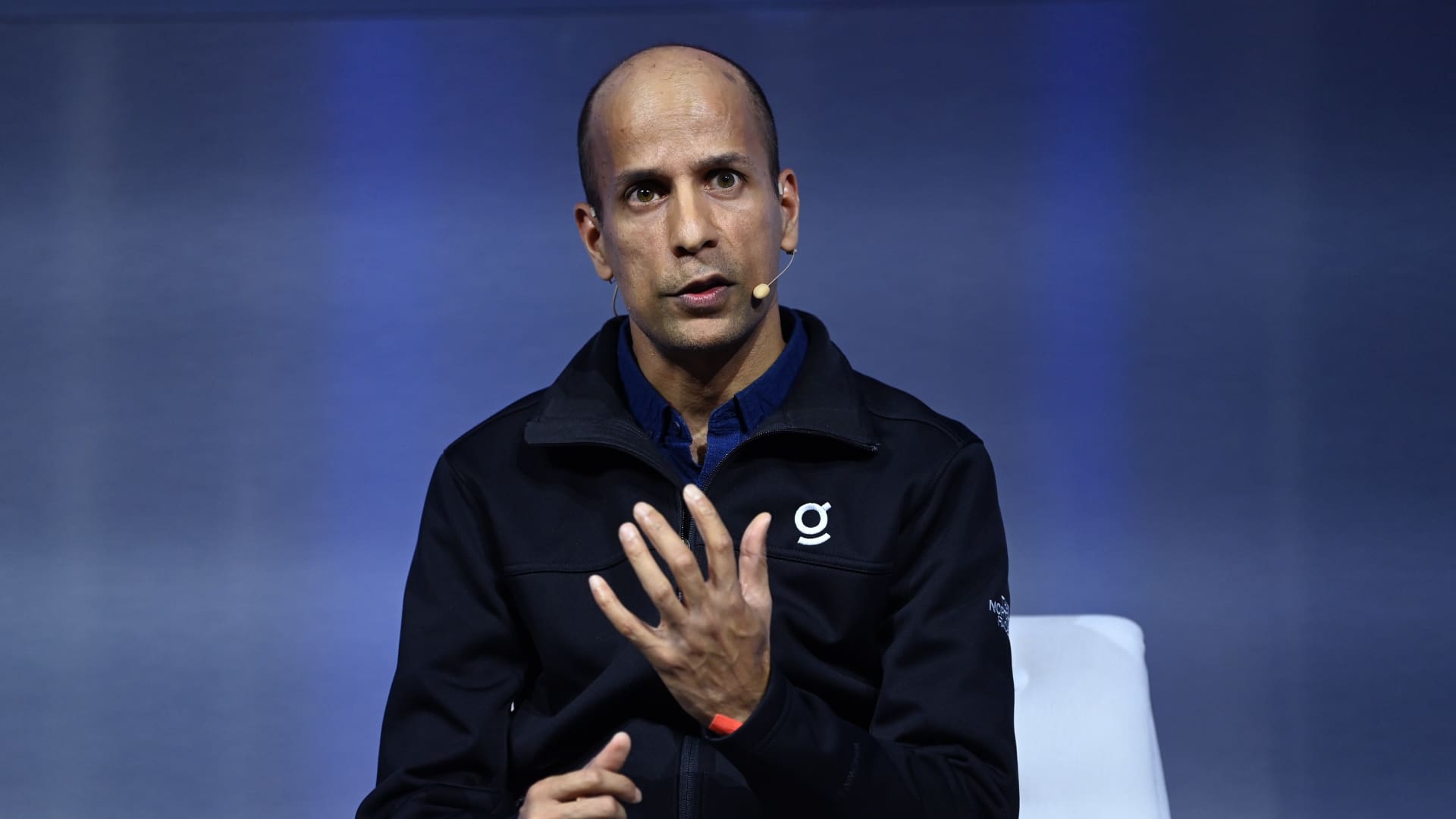
Sangha co-founder Spencer Marr didn’t mince words, saying, “We’re casting a wide net,” and that they’re talking to “all sorts of institutions.” He also admitted that the company is “like everyone else” keeping a close eye on market changes.
But why would a mining farm that has just been electrified and is still making money want to be sold after only six months?
Second, the mining machine itself is worthless; the valuable part is the power cable.
Yes, Genesis didn’t sell at a loss.
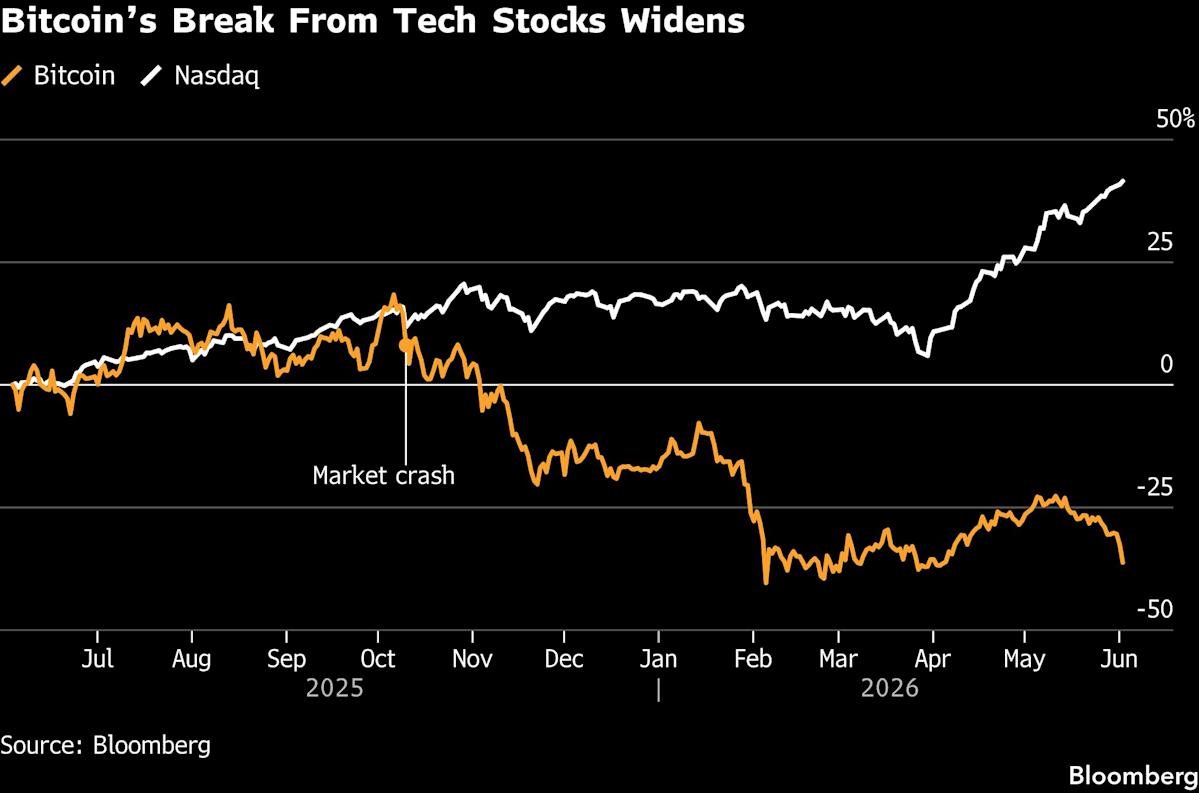
Marr said that although hash price (how much money can be earned per unit of computing power) is declining, their mining farm is still profitable.
The reason is simple: their electricity prices are low.
From December 2025 to the first quarter of 2026, its all-inclusive electricity price will be approximately $32/MWh.
In comparison, the average industrial electricity cost in North America is $60-80/MWh, while Genesis’s price is less than half of that.
Interestingly, while Marr says he’s optimistic about Bitcoin and Hashprice, he’s also considering selling his mining farm, forming a joint venture, or finding a strategic partner to work with.
It sounds contradictory, but it’s not.
Being optimistic about Bitcoin does not mean being optimistic about “keeping mining it indefinitely”.
When AI companies are scrambling to secure large swathes of electricity, a site that is already electrified, has a grid connection agreement, and a low-price electricity contract is seen as a ready-made treasure trove. Genesis’s value lies in “how many GPUs it can accommodate.”
Not to mention, for AI companies, the most expensive thing is not the construction cost, but the time, such as power access and land approval, which can easily take several years.
And Sangha is indeed expanding in this direction.
They modified the grid connection agreement, increasing the site’s power capacity from 20MW to 110.4MW, with a target completion date of May 2028.
With 110.4MW, Sangha either has to raise the money itself to expand into an AI data center, or sell the “power assets” to a wealthier buyer when the valuation is high.
Sangha is now considering selling its power assets at their peak valuation, as it would be more cost-effective than expanding them itself.
When Sangha promotes Genesis now, it’s no longer just about Bitcoin mining; AI computing, high-performance computing (HPC), and hybrid strategies are all on the PowerPoint presentation.
And this kind of story is not unique to Sangha’s family.
Third, the entire mining industry is moving towards AI.
Looking at listed mining companies, the shift is even more pronounced.
Companies like Core Scientific, TeraWulf, and Hut 8 have either already received large AI/HPC orders or are in the process of transitioning to AI/HPC.
The total value of AI/HPC-related contracts has exceeded $70 billion. Among listed mining companies, the revenue share from AI may rise from 30% to 70%.
But Sangha is quite different from them.
It is not a publicly traded company, so it has no stock price pressure and doesn’t have to submit quarterly reports to Wall Street.
It’s project-based; each SPV is an asset package. Once Genesis is sold, the team can immediately move on to the next one.
Its lightness, ironically, makes it an easy target for buyers.
For buyers, purchasing Genesis is equivalent to directly acquiring a compliant, powered, and expandable AI-ready site.
No need to wait three years for approval, no need to haggle with the power grid, no need to build a substation from scratch.
To be fair, Genesis’s strategy itself has worked.
With solar power combined with mining, electricity prices have been reduced to $32. The model has been validated and no problems have been found. Further expansion would require even more money, but AI buyers are willing to pay a premium.
Selling is a worthwhile business.
The “win-win-win” story told to investors—that the generator earns more, investors get cheaper coins, and the power grid is more stable—may all boil down to one thing: whoever offers the highest price gets it.
Spencer Marr once said that what Sangha is doing is “building a new model for Bitcoin capital flows.”
Now, this “new model” may become “selling power assets to AI and then splitting the profits”.
But as good electricity and good land start to go towards AI, where will Bitcoin miners find their next battleground?