GPT Group (ASX: GPT) has made one of the most significant retail property acquisitions in recent Australian market history, snapping up 50% interests in two dominant Queensland and New South Wales shopping centres from Lendlease in a transaction valued at approximately $1.2 billion. The deal signals strong conviction in the resilience of high-quality retail assets and marks a pivotal moment in GPT’s funds-management growth strategy.
GPT Group at a Glance: Australia’s Diversified REIT Powerhouse
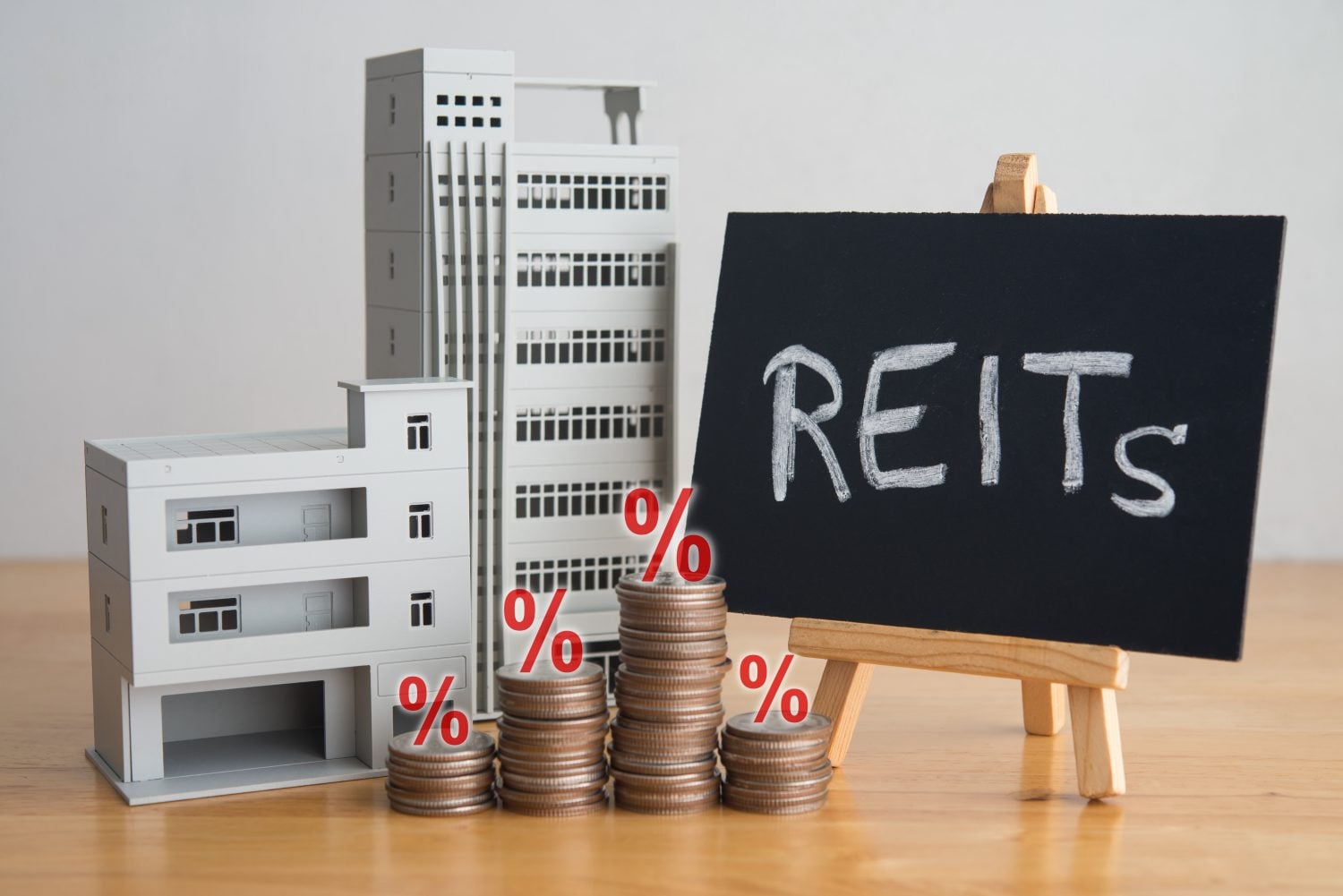
GPT Group is one of Australia’s largest and most diversified real estate investment trusts, with a portfolio spanning retail, office, and logistics property. It operates both as a direct property owner and as a real-asset funds manager through its institutional wholesale platform, which manages capital on behalf of some of Australia’s largest superannuation funds and other institutional investors.
The dual mandate of owning high-quality assets on balance sheet while generating fee income through funds management gives GPT a more complex but potentially more resilient earnings profile than a single-sector REIT. The retail component of GPT’s business has long centred on dominant, large-format regional and sub-regional shopping centres, the kind of assets that are difficult to replicate and sit at the top of their respective trade-area hierarchies.
As at the date of this transaction, GPT’s retail portfolio includes interests in some of Australia’s highest-performing malls, including Melbourne Central and Highpoint in Victoria, and the QIC-managed centre interests it has held through its wholesale funds. The addition of Sunshine Plaza and Macarthur Square through the GPT Wholesale Shopping Centre Fund represents a meaningful expansion of this retail footprint.
The Deal: $1.2 Billion for Two Dominant Australian Malls
The transaction sees GPT’s wholesale vehicle, the GPT Wholesale Shopping Centre Fund (GWSCF), acquire 50% interests in two strategically positioned Australian shopping centres from Lendlease. The combined transaction value is approximately $1.2 billion, with Sunshine Plaza in Queensland valued at around $622 million for the 50% stake and Macarthur Square in New South Wales priced at approximately $568 million for the equivalent interest.
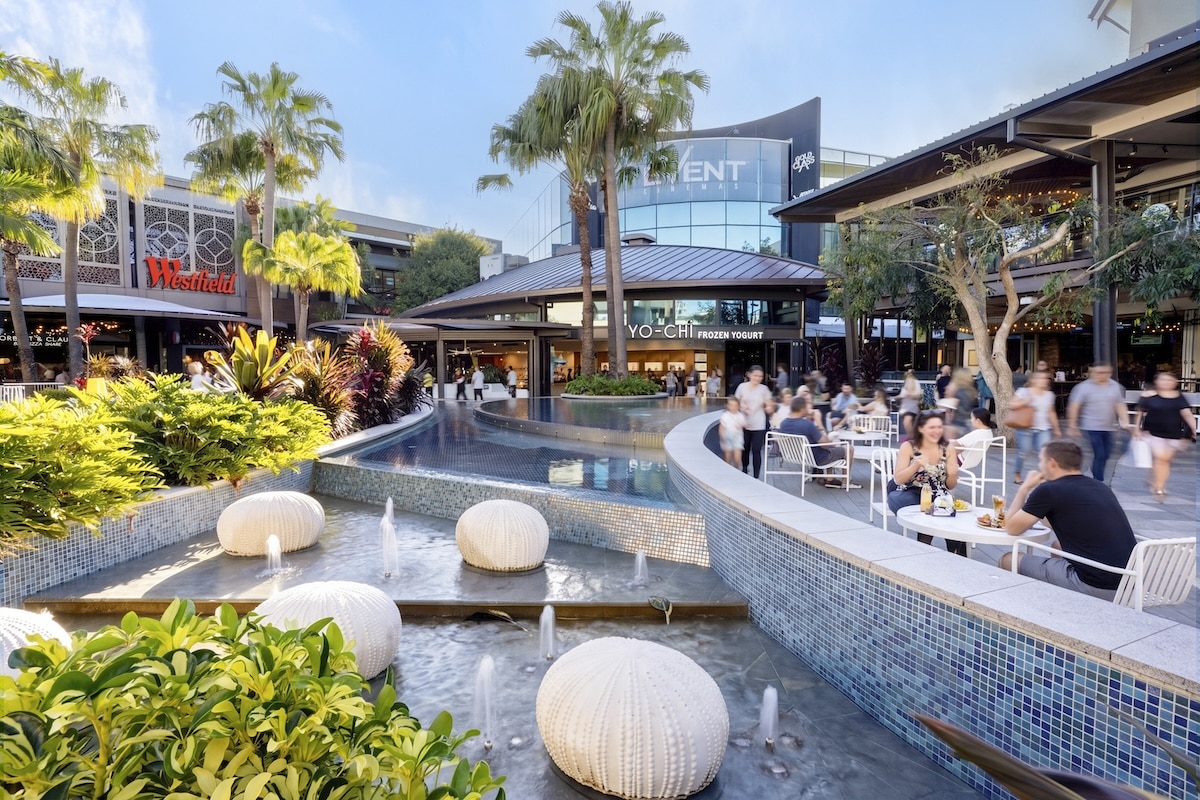
Sunshine Plaza, Queensland
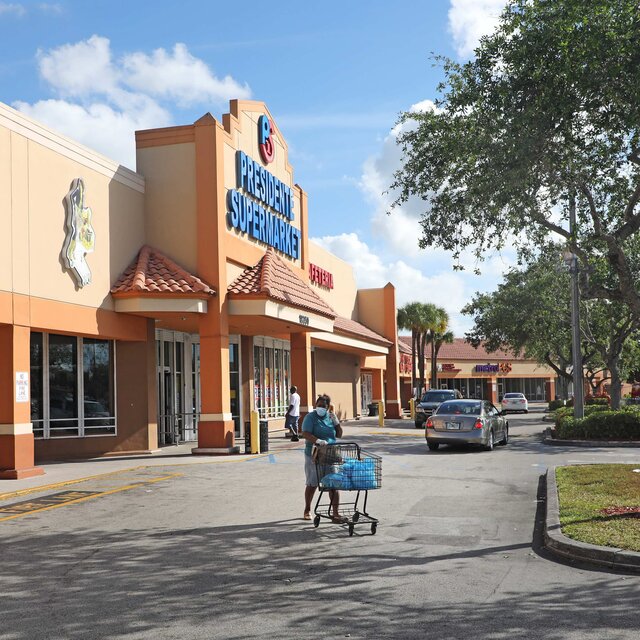
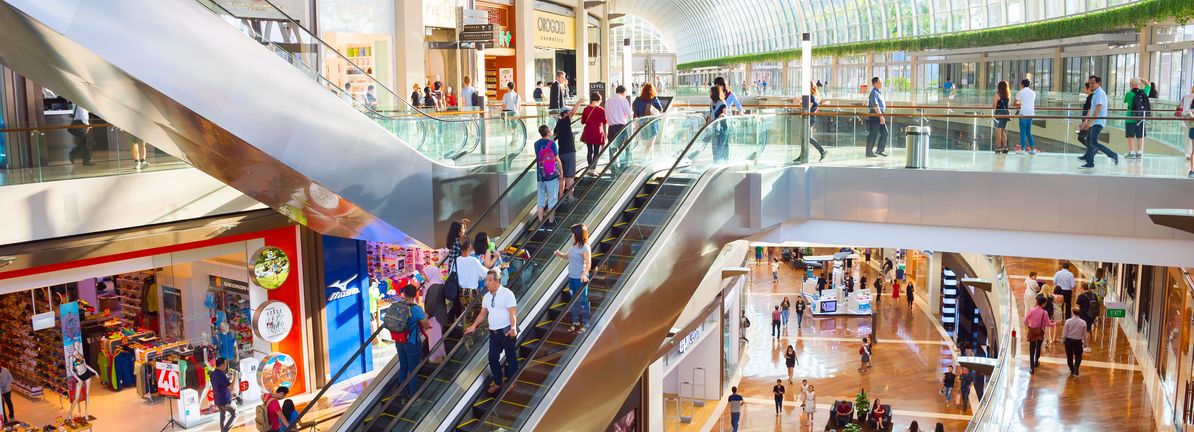
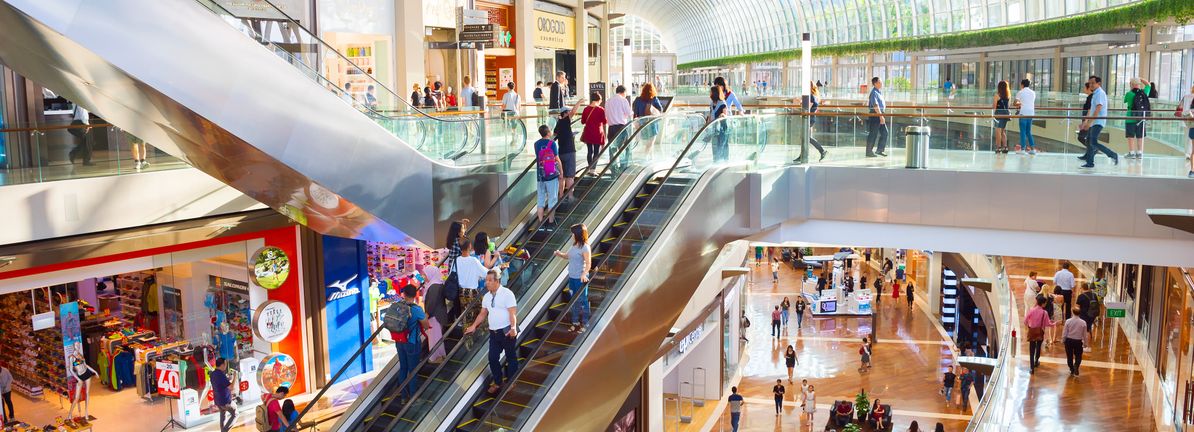
Sunshine Plaza is located in Maroochydore on the Sunshine Coast, one of Queensland’s fastest-growing regional markets. The centre commands approximately 107,000 square metres of gross lettable area, making it one of the largest and most comprehensive retail destinations in the region. Its trade area encompasses a rapidly expanding residential catchment that has benefited from sustained population growth driven by both interstate migration and retirees seeking Queensland’s climate and lifestyle amenities. Sunshine Plaza operates as the dominant retail destination in its trade area, a characteristic that GPT’s management has cited as central to the acquisition rationale.
Macarthur Square, New South Wales
Macarthur Square is situated in Campbelltown in Sydney’s south-western growth corridor, one of the most structurally important retail catchments in Australia given the substantial residential development pipeline in the region. With approximately 107,000 square metres of gross lettable area, the centre serves a growing and demographically diverse population that skews younger than many inner-city Sydney shopping precincts. Like Sunshine Plaza, Macarthur Square holds a dominant position in its trade area, with limited meaningful competition that could erode its market share.
Settlement of the transaction is expected around July 2026. GPT will continue to provide leasing, property management, and development management services for both centres, ensuring management continuity and generating additional fee income through its service platform.
Why Now? The Retail Property Recovery Thesis
To understand why GPT has committed $1.2 billion to retail property at this juncture, it is necessary to understand the broader context of the Australian retail REIT sector’s recovery from a prolonged period of structural scepticism.
For much of the period between 2016 and 2022, retail property was viewed by institutional investors with deep suspicion. The rise of e-commerce, the spectre of anchor tenant vacancies, and the shock of COVID-19 lockdowns collectively drove cap rate expansion and valuation compression across the sector. Many investors assumed that the structural shift toward online retail would permanently impair the earnings power of physical shopping centres.
The subsequent recovery has confounded those expectations, at least for high-quality, well-located assets. Foot traffic in dominant regional and sub-regional malls has largely recovered, specialty retailer sales productivity has improved, and occupancy rates have stabilised at healthy levels. The experience of the past two years has reinforced the view that superior retail centres, those with dominant catchment positions, strong anchor tenants, quality food and entertainment precincts, and genuine community utility, are significantly more resilient than market sceptics had predicted.
GPT’s decision to acquire interests in two centres with precisely these characteristics reflects management’s conviction that dominant retail assets will continue to generate attractive risk-adjusted returns, provided the price paid reflects fair value relative to the underlying earnings.
Cap Rates, Valuations, and Pricing Discipline
The pricing of large retail assets in Australia in 2026 reflects a market that has stabilised from the valuation corrections of the 2018 to 2022 period but has not returned to the compressed cap-rate environment of the pre-2016 era. Institutional buyers are now more selective, demanding genuine trade-area dominance, diversified income streams, and demonstrable rental growth prospects before committing capital at scale.
The implied capitalisation rates on the Sunshine Plaza and Macarthur Square transactions are consistent with the pricing that has emerged for comparable dominant Australian retail assets in recent periods. Investors will be watching closely to assess whether GPT has achieved pricing that adequately compensates for the risks inherent in retail property, including the potential for further structural shifts in retail spending patterns and the ongoing capital expenditure required to keep large malls relevant and competitive.
GPT has historically been disciplined in its approach to acquisitions, and management’s track record in deploying the GWSCF’s capital into high-quality retail assets provides some comfort that this transaction has been assessed with appropriate rigour. That said, investors should not assume that past discipline is a guarantee of future performance, particularly in an environment where retail property valuations are still navigating a period of transition.
Funds Management Growth: The Fee Income Angle
One of the most important and sometimes underappreciated dimensions of this transaction is its contribution to GPT’s funds-management earnings. By executing large-scale acquisitions through the GWSCF rather than purely on balance sheet, GPT grows the assets under management (AUM) that generate ongoing management fees and, in favourable performance periods, performance fees.
The growth of GPT’s funds-management platform is a strategic priority, as fee income tends to be higher-quality earnings than direct property income, with lower capital intensity and greater scalability. Each major acquisition executed through the wholesale fund adds to the recurring fee base, supports GPT’s relationships with its institutional investors, and creates a pipeline of future development and leasing management work.
For investors evaluating GPT’s share price and valuation, the funds-management earnings stream warrants a different valuation treatment from the direct property earnings. Asset managers typically attract higher earnings multiples than property owners, and as GPT’s fee income grows as a proportion of total earnings, the case for a higher overall valuation multiple may strengthen.
Gearing, Balance Sheet, and Distribution Outlook
For a REIT, the balance sheet and gearing position are fundamental to the investment case. GPT has maintained a gearing level that is broadly consistent with investment-grade credit metrics and the expectations of its institutional investor base. The GWSCF transaction is executed at the fund level, meaning the direct impact on GPT’s own balance sheet gearing is primarily through its interest in the fund rather than through direct debt loading at the group level.
Distributions remain a key attraction for REIT investors, and GPT has maintained a consistent distribution per security that is supported by its diversified property earnings. The addition of quality retail assets to the GWSCF supports the fund’s income generation, which in turn underpins GPT’s management fee revenues. Investors should monitor distribution guidance at each reporting period for any signals about management’s confidence in the earnings trajectory.
What Could Happen Next
Several developments could influence GPT’s outlook following the completion of this transaction:
- Settlement and integration: Successful settlement around July 2026 and smooth integration of property management responsibilities will be an early test of deal execution.
- Retail trading conditions: Consumer spending patterns, particularly discretionary retail performance, will directly affect the revenue and occupancy metrics at both Sunshine Plaza and Macarthur Square.
- Interest rate environment: Lower interest rates could support REIT valuations broadly and reduce borrowing costs for the GWSCF, but could also compress capitalisation rates and reduce income yields.
- Further acquisition opportunities: Management may identify additional opportunities to grow the GWSCF or GPT’s direct portfolio, particularly if other institutional owners continue to rebalance away from retail property.
- Office and logistics performance: GPT’s retail moves should be assessed alongside the performance of its office and logistics portfolios, which remain significant contributors to overall earnings.
Investor Sentiment: Cautiously Optimistic on Quality Retail
Market attention has turned to GPT with a degree of cautious optimism. The structural recovery in high-quality retail assets has gained credibility, and the specific characteristics of Sunshine Plaza and Macarthur Square as dominant trade-area anchors with growing residential catchments are well-regarded by analysts. The funds-management angle adds a quality earnings dimension that differentiates GPT from a pure property owner.
Risks remain. The retail sector is not immune to cyclical consumer spending pressures, and any deterioration in Australian household discretionary spending could weigh on specialty retailer sales and rental growth. Office property, which remains a significant part of GPT’s portfolio, continues to face structural headwinds from hybrid working trends, representing an ongoing drag on sentiment that partially offsets the positive retail narrative.
Conclusion: Why GPT Is in Focus
GPT Group’s $1.2 billion acquisition of interests in Sunshine Plaza and Macarthur Square represents a bold and strategically coherent statement of conviction in the resilience of dominant Australian retail property. The deal strengthens the GWSCF’s asset base, grows GPT’s funds-management fee income, and positions the group as the custodian of two of Australia’s most consequential shopping centres. Property investors are watching closely because the transaction embodies a broader thesis about the recovery of quality retail, the value of trade-area dominance, and the evolving role of funds management in the REIT sector’s next chapter. Whether the price paid ultimately proves to be a moment of decisive value creation or a premium call on a cycle will depend on factors including consumer spending trends, interest rate movements, and GPT’s continued operational excellence in managing these assets.
This article is for informational purposes only and does not constitute financial advice.