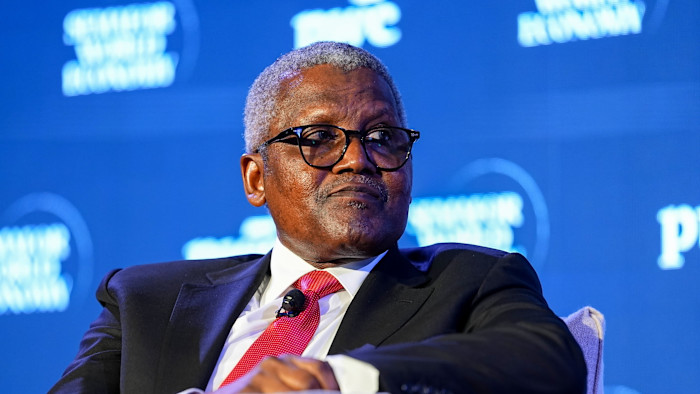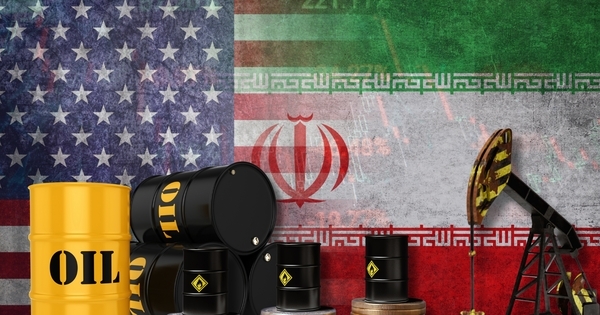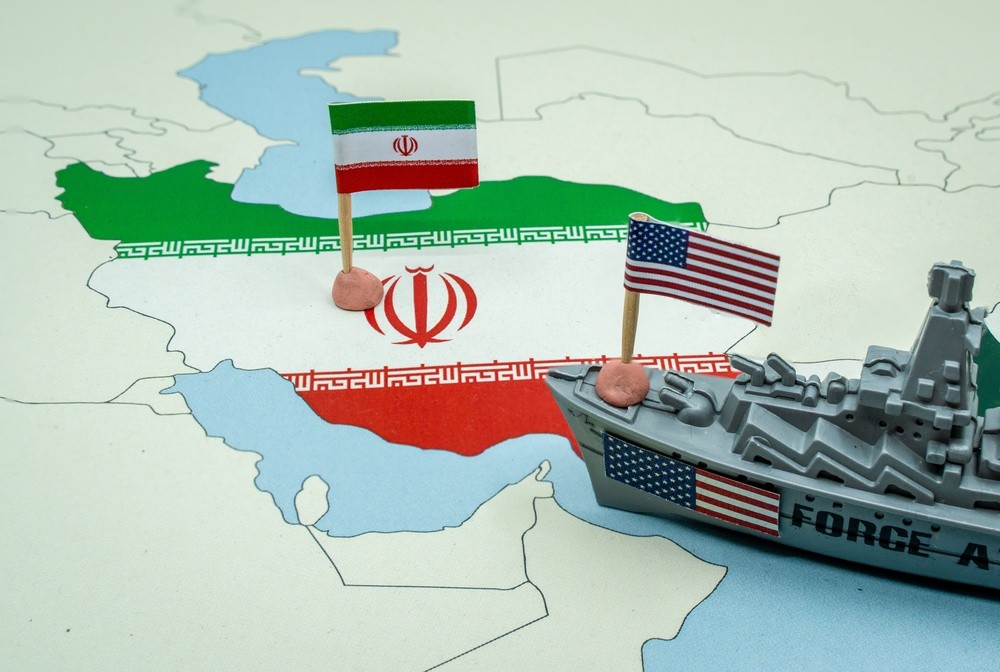
PETALING JAYA: Oil prices are expected to remain volatile amid lingering tensions in the Middle East, but a return to triple- digit crude prices is unlikely as both the United States and Iran are seeking to avoid a prolonged conflict, says Rakuten Trade head of equity sales Vincent Lau.
He expects the conflict to remain intermittent rather than escalate into a full-blown regional war, with both sides having strong incentives to prevent oil prices from remaining elevated.
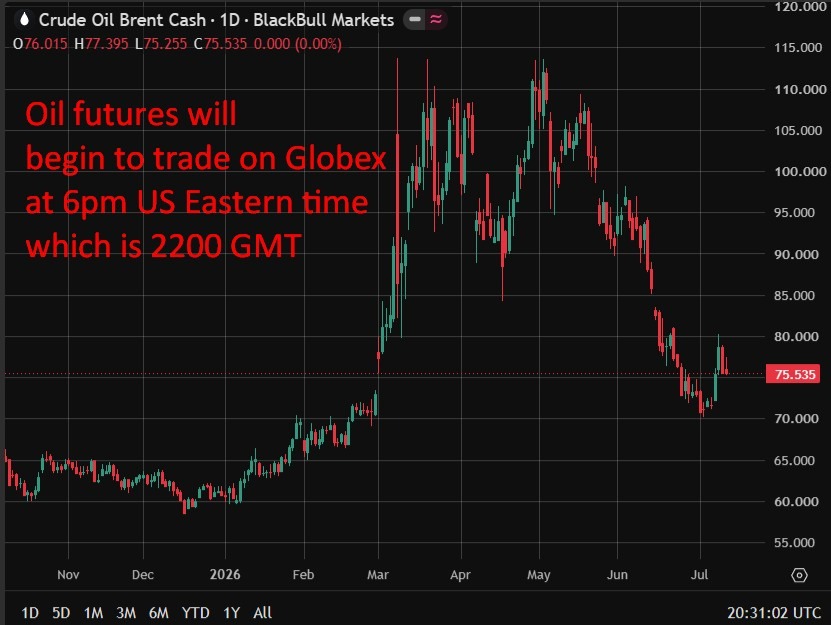
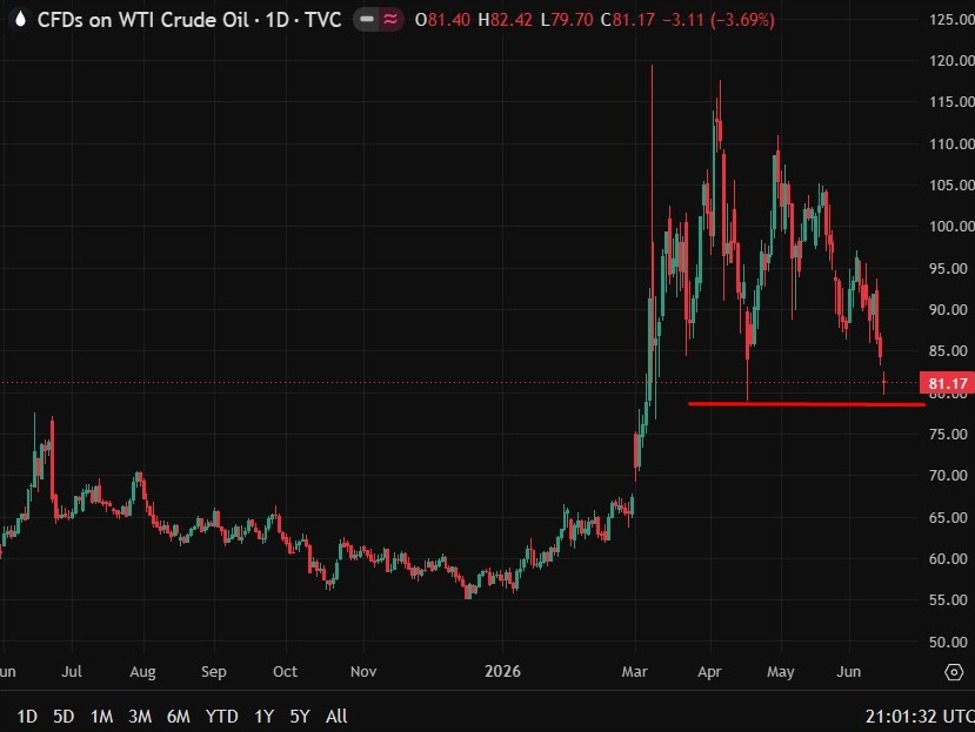
Lau expects Brent crude to retreat to a more sustainable US$70 to US$80 per barrel range and be maintained at these levels throughout the year.
“Looking at the latest developments, the situation seems to have de-escalated with oil prices falling to US$90 per barrel from approximately US$100 per barrel.
“Iran had said it will stop its attacks if the United States also refrains from striking.
“In terms of how fragile the current de-esclation is, it may be on and off, but no major conflict is expected to erupt.
“There were attacks on bridges and other infrastructure like tunnels and rail links in the latest episode, but nothing that I would consider a major escalation,” he told StarBiz yesterday.
Lau said US President Donald Trump is unlikely to allow oil prices to revisit US$120 per barrel, particularly with the US midterm elections approaching.
“Iran also had an incentive to de-escalate as restrictions on its oil exports had limited its ability to generate revenue.
“They may continue exchanging rhetoric or isolated attacks, but both sides would not want oil prices to stay at above the US$100 per barrel level.
“Now that tensions have eased and Iran has indicated that it is willing to stop if it is not attacked, I think both sides have had enough. Brent crude oil should come back down towards the US$80 per barrel range,” he said.
Meanwhile, Hong Leong Investment Bank Research said a renewed surge towards US$120 per barrel would require a material escalation that disrupts multiple regional export routes or critical energy infrastructure.
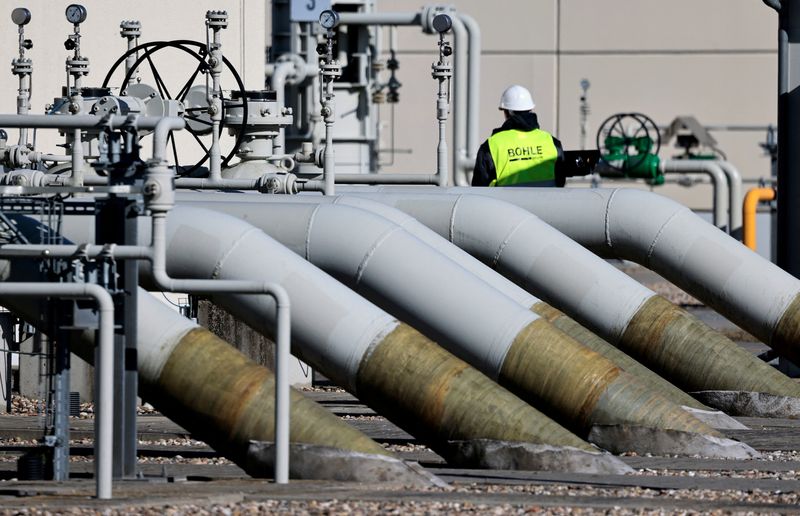
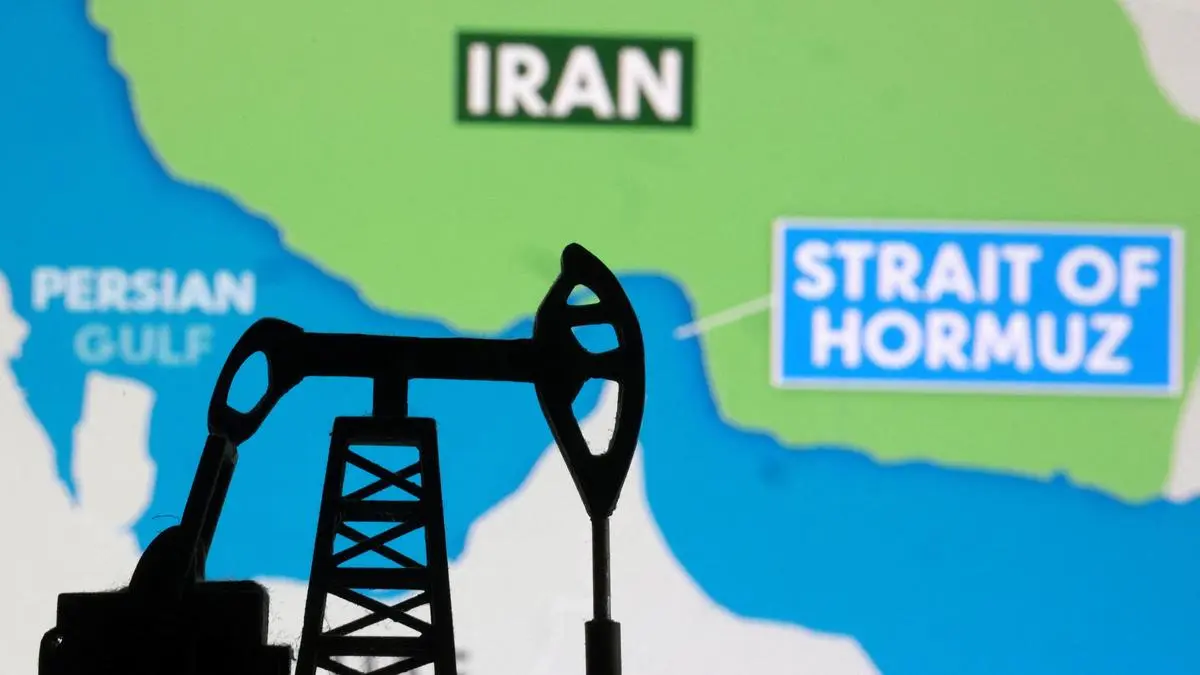
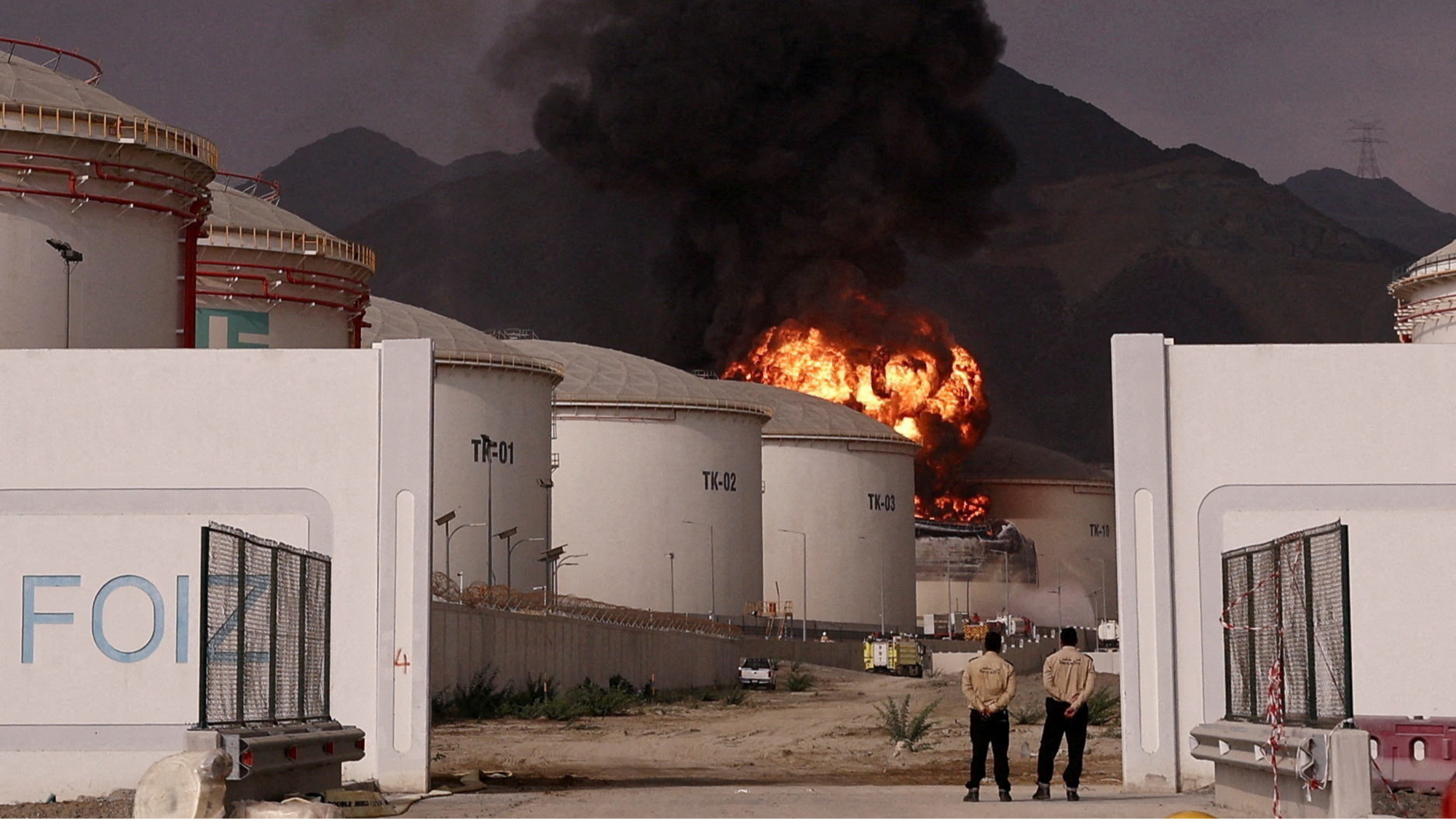
The research house said key upside risk scenarios include a complete closure of the Strait of Hormuz, sustained attacks that halt transit through Bab-el-Mandeb, and disruption to the United Arab Emirates’ 1.8 million barrels per day (bpd) Fujairah pipeline.
Other risks include attacks on Saudi Arabia’s seven million bpd East-West pipeline or Yanbu export terminal, disruption to the 0.2 million bpd Iraq-Turkiye pipeline, and attacks on Oman’s export terminals, which handle approximately 0.8 million to 0.9 million bpd.
The latest episode saw Yemen’s Iran-backed Houthi rebels threaten shipping through the Bab-el-Mandeb Strait, one of the world’s busiest maritime chokepoints.
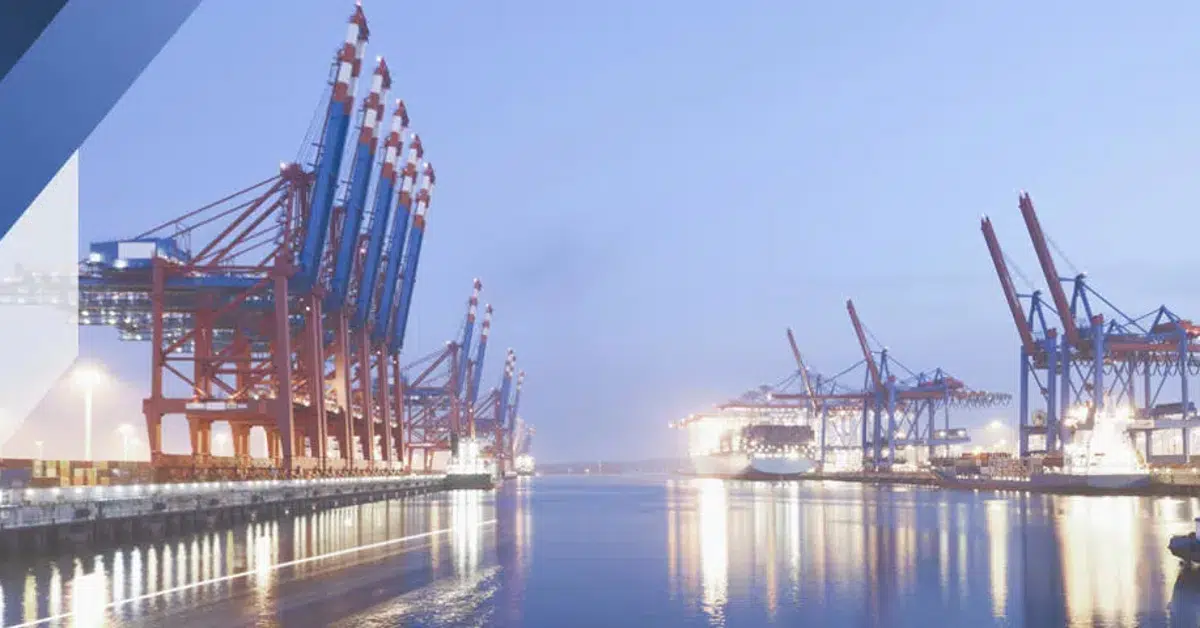
The strait forms the southern entrance to the Suez Canal trade route, carrying approximately 12% of global trade, including millions of barrels of oil and liquefied natural gas, as well as containerised cargo between Asia and Europe.
Any disruption would force ships to detour around Africa’s Cape of Good Hope, lengthening voyages and pushing up shipping costs.