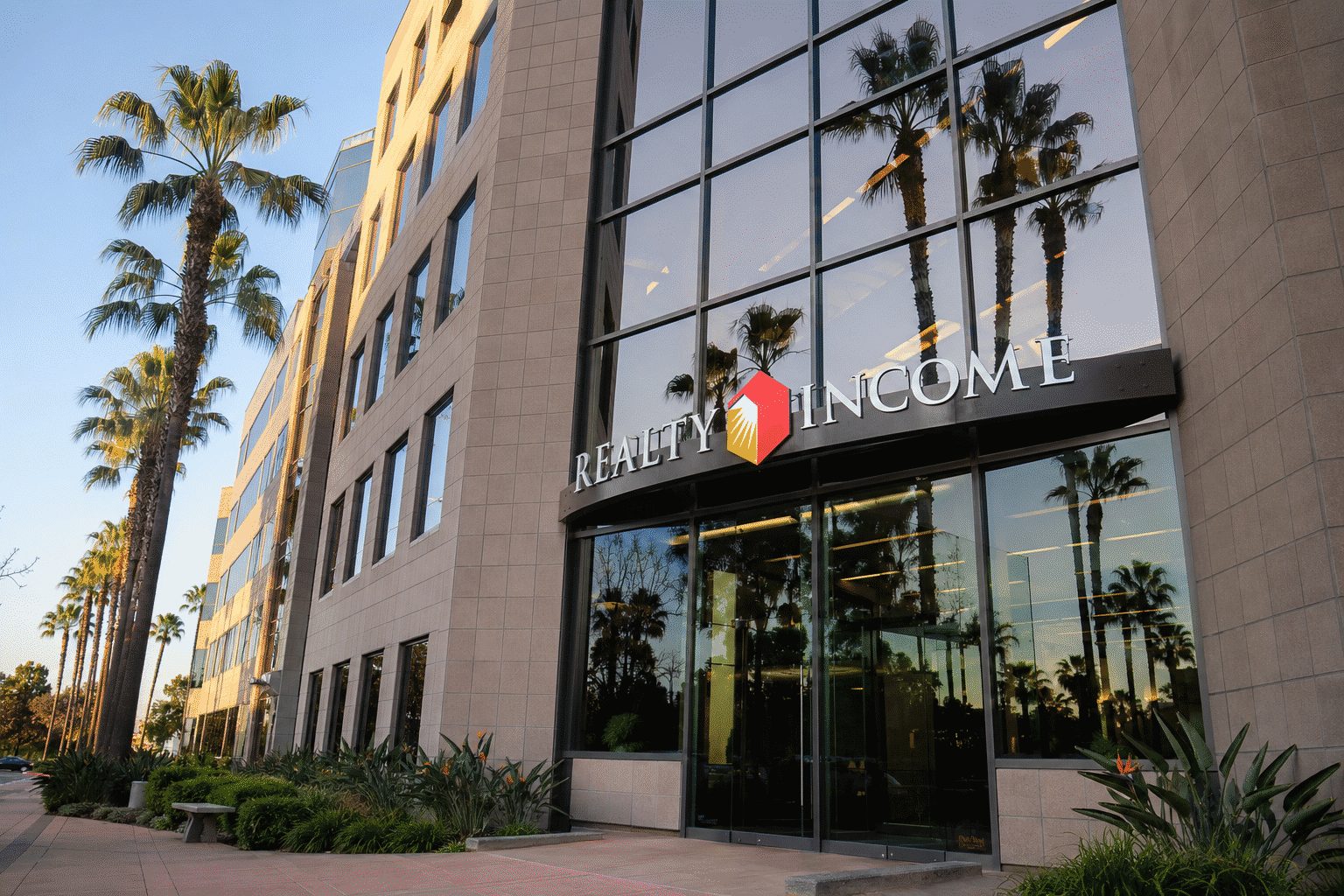
While most dividend-paying stocks pay their shareholders quarterly, Realty Income (NYSE: O) is one of the relatively few that pay each month.
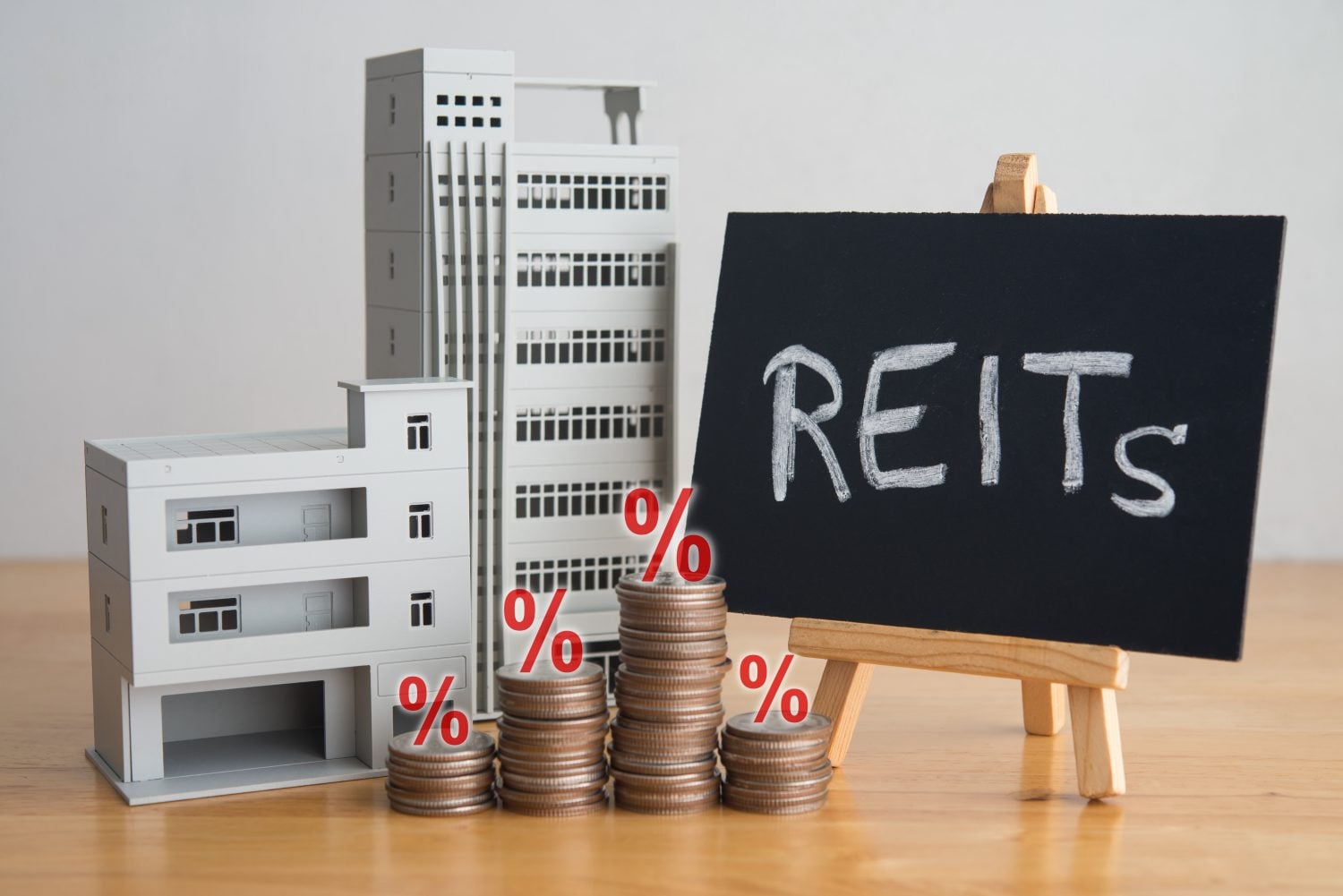
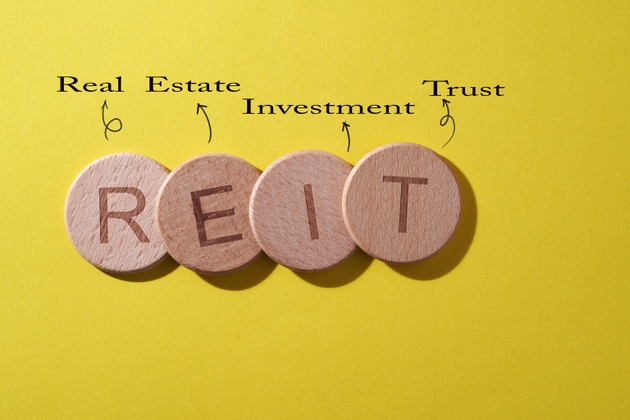
As a real estate investment trust , to be exempt from corporate income taxes, it must return at least 90% of its income to shareholders as dividends. Realty Income has paid a dividend for 670 consecutive months and has increased its dividend for 31 consecutive years. Its dividend yield was recently a hefty 5.2%.
Realty Income’s dividend is highly reliable because its business generates steady cash flow. It owns over 15,500 properties across all 50 U.S. states, the U.K. and eight other European countries. Its nearly 1,800 tenants span 92 industries; roughly 91% of its base rent comes from tenants operating nondiscretionary, discount or service-oriented retail businesses.
The company’s total occupancy rate is a robust 98.9%. It has consistently maintained a rate of at least 96.6% since 2000, a period that included the Great Recession and the COVID-19 pandemic’s early years. And its historical median occupancy rate of 98.3% is well above the industry historical median of 94.4%.
Realty Income’s growth prospects are encouraging – especially in Europe. That makes it likely that its juicy and growing dividends will continue to flow each month, as they have for decades. (The Motley Fool owns shares of and recommends Realty Income.)
My dumbest investment
I have many regrettable investment decisions. For example, I bought shares of Northfield Labs on news that it was near a synthetic blood substitute, which I thought would be a big seller. I kept buying even as the price declined, and eventually I rode it down to bankruptcy.
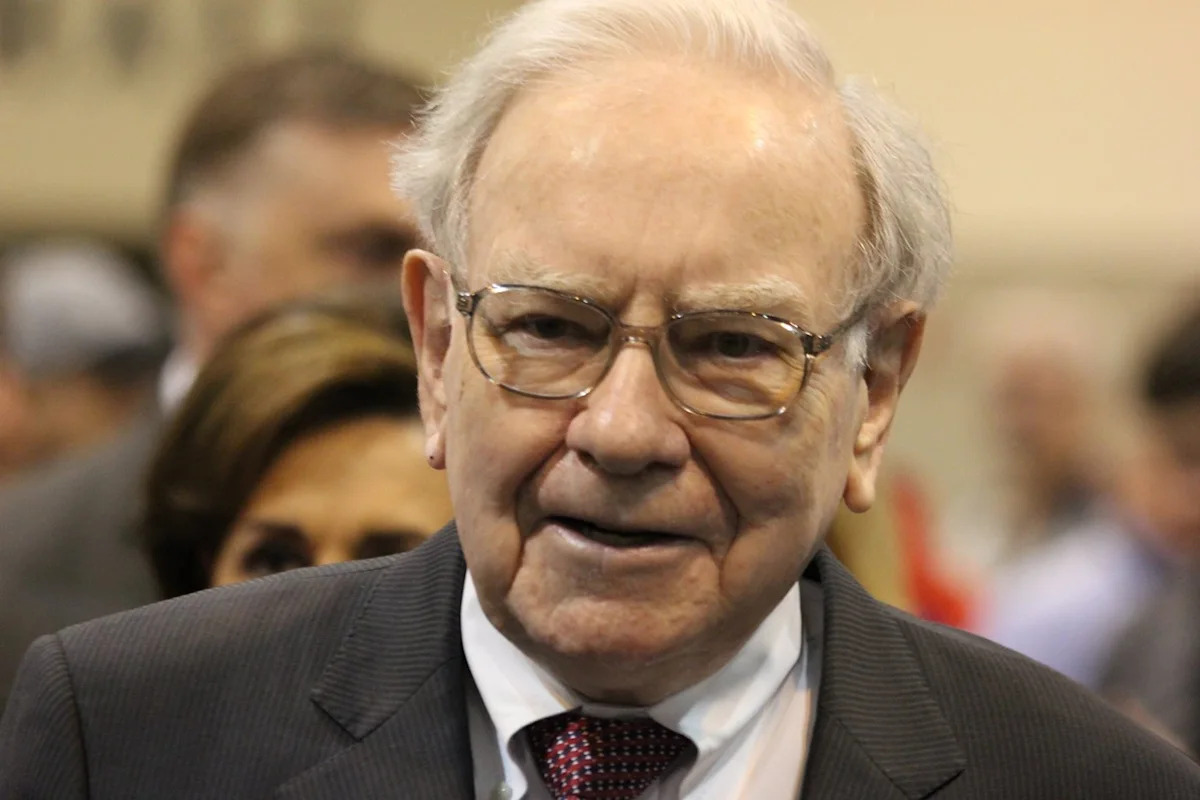
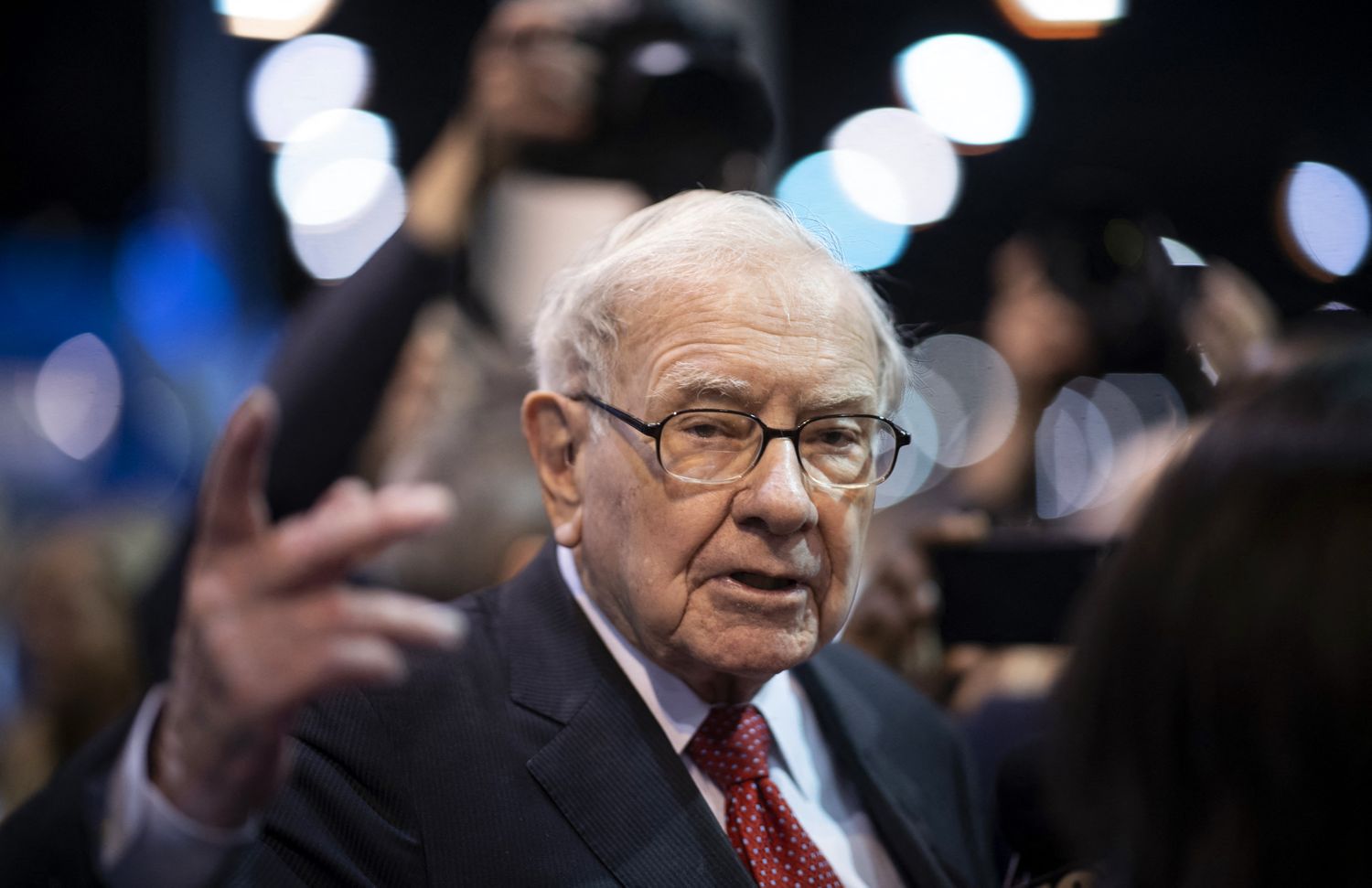
Then there was Berkshire Hathaway – Warren Buffett’s company. I bought it in 1996, when it announced a new class of shares that were more affordable. After one year with little movement, I sold my shares. Of course, they’ve appreciated immensely since then. – D.R., via email
The Fool Responds: Northfield Laboratories spent more than 20 years trying to develop an effective blood substitute, one with a longer shelf life than actual blood. The idea easily excited investors, as the possibility of an unlimited artificial blood supply seemed like a great investment. But in such situations, it can be risky to invest before the product is approved and selling. The Food and Drug Administration rejected Northfield’s product, and the company started shutting down in 2009.
Berkshire Hathaway has clearly been a great investment. And with many great investments, the trick is to stick with them and let them grow over time, through ups and downs, while you keep an eye on them.
Ask the Fool
Q. I read that Walmart left the New York Stock Exchange last year and is now listed and trading on the Nasdaq stock market. Why? – T.P., LaCrosse, Wisconsin
A. There are several possible reasons, such as cost, image and listing requirements.
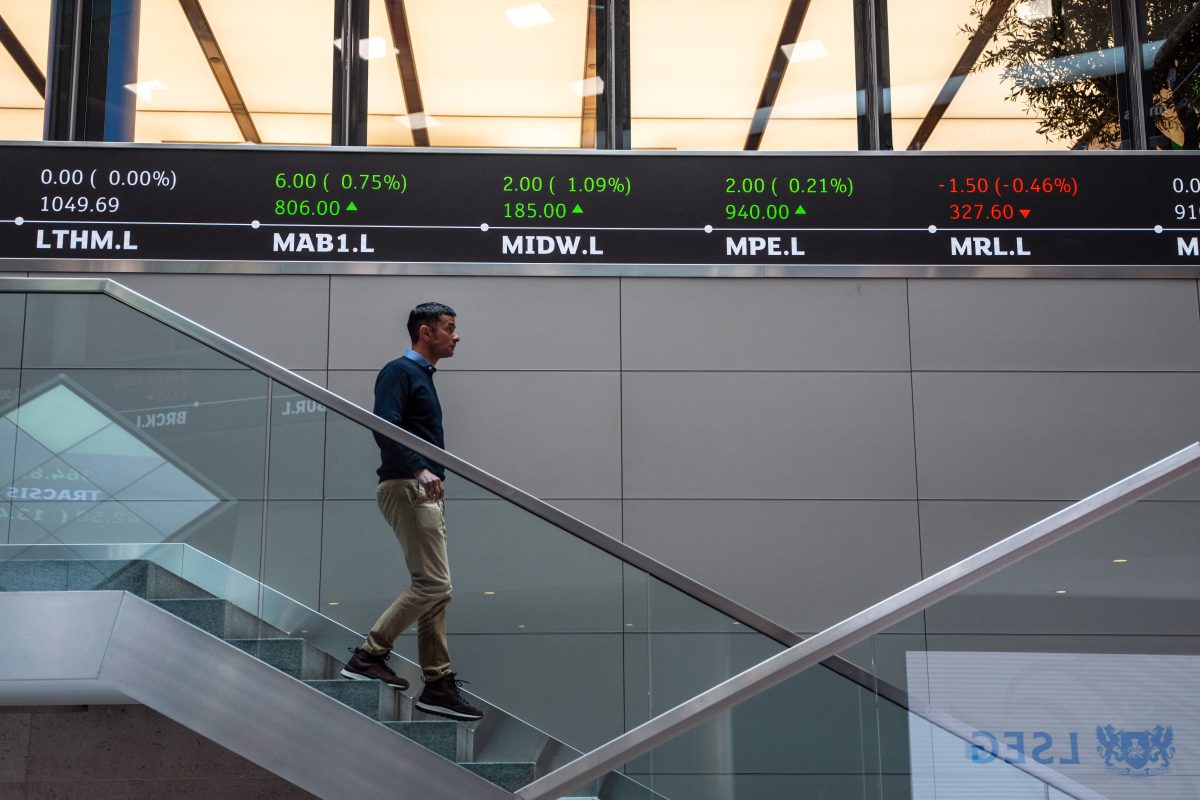
The NYSE dates back to 1792, and many consider it more prestigious. Companies listed on the NYSE include Berkshire Hathaway, ExxonMobil, Bank of America, Coca-Cola and Home Depot. The Nasdaq started in 1971 as a computerized trading system, and it’s now home to gobs of fast-growing tech companies, among many others. Its listings include Apple, Microsoft, Amazon.com, Costco Wholesale and PepsiCo.
Walmart’s reasoning seems tied to its image, as it explained: “The move to Nasdaq underscores the strong alignment between Walmart and Nasdaq’s shared values: a technology-forward approach … and redefining their respective industries through innovation.”
Q. What happens to a stock’s price-to-earnings ratio if the stock splits? – I.S., Port Charlotte, Florida
A. You might think that the P/E ratio would drop along with the stock price, but it doesn’t change. Let’s review the (simple) math. A P/E ratio is a stock’s price per share divided by the past year’s earnings per share (EPS). So a stock trading at $60 per share with an EPS of $5 will have a P/E of 12 (60 divided by 5). If it splits 2-for-1, shares will be priced at $30, and the EPS will also be halved, resulting in an unchanged P/E (30 divided by 2.5 is still 12).
Remember that stock splits are not that meaningful: While you end up with more shares, their prices are reduced proportionately, so your holding’s total value remains essentially the same.
Do you have a smart or regrettable investment move to share with us? Email it to TMFShare@fool.com.