
Inflation and geopolitics renew interest in commodities
Commodities are attracting renewed attention from investors as concerns over inflation, geopolitical tensions and portfolio diversification drive interest in the asset class, according to a new report from UBS.
The bank outlined 10 key insights into commodity investing, covering everything from portfolio construction to the practical characteristics of commodity exposure and the behavioural mistakes investors should avoid.
UBS said persistent inflation risks, increasing competition for strategic resources, growing interest in the physical economy and questions over the diversification benefits traditionally provided by bonds have all contributed to stronger demand for commodities.
UBS assesses the main investment case for commodities
The report evaluates four of the most common reasons investors allocate to commodities: diversification, inflation protection, downside resilience and return generation.
UBS said commodities have historically delivered diversification benefits because of their relatively low correlation with both equities and fixed income, particularly when stocks and bonds move in the same direction.
However, the bank cautioned that “these relationships can weaken during market downturns.”
Inflation protection remains a key advantage
According to UBS, commodities have generally provided an effective hedge against inflation over the long term, although broad commodity exposure may underperform during periods of stable or falling inflation.
The bank also noted that downside protection varies significantly across different commodities.
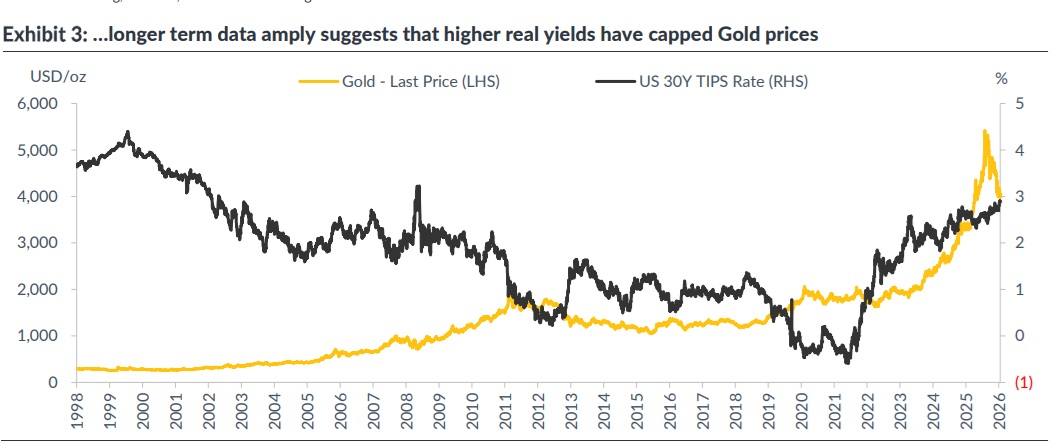
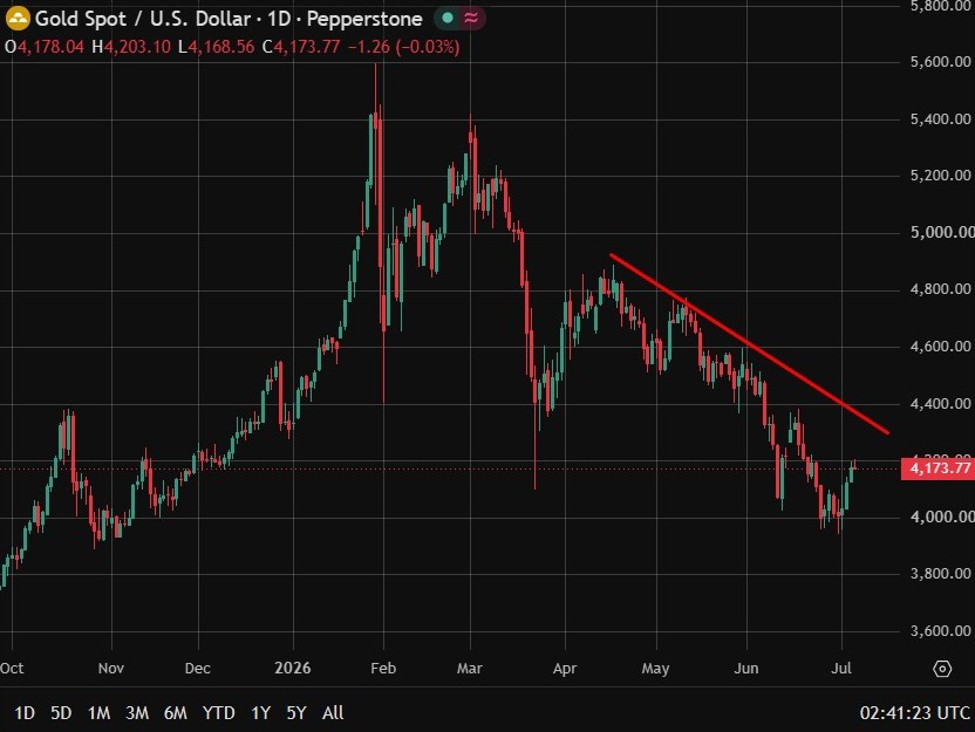
Gold has historically offered the most consistent defensive qualities, while energy commodities can provide protection during supply disruptions. Nevertheless, UBS said broad commodity exposure has not consistently delivered reliable downside protection.
Returns depend on timing and portfolio construction
UBS added that the potential for higher returns depends largely on the investor’s initial allocation and the period being measured.
The report also highlighted that roll yield can vary considerably, making long-term performance less predictable.
For investors seeking commodity exposure, UBS recommends allocating a low- to mid-single-digit percentage of a portfolio, provided they are comfortable accepting periods of weaker performance in exchange for improved diversification and inflation sensitivity.
Diversification remains the preferred strategy
On implementation, UBS recommends “a diversified, regularly rebalanced commodity futures portfolio” as “the simplest way to capture broad benefits.”