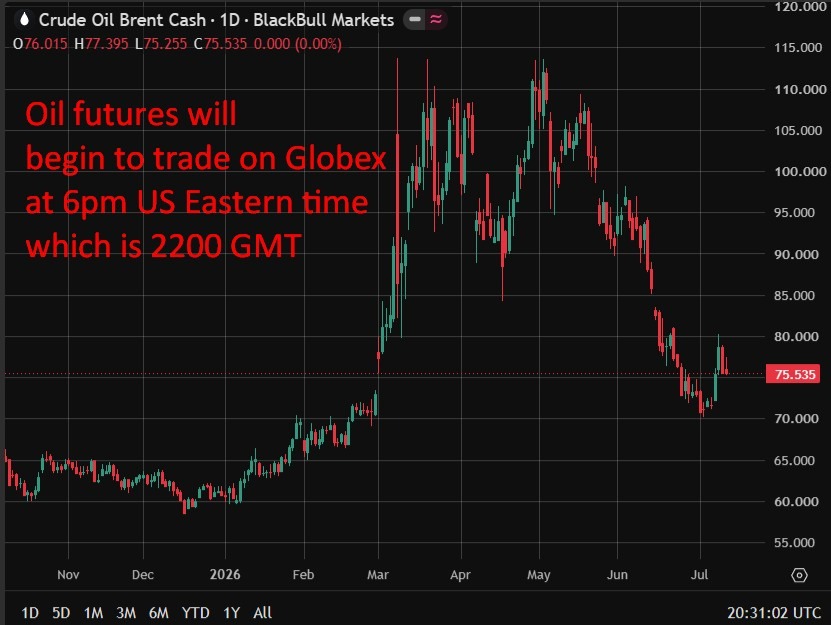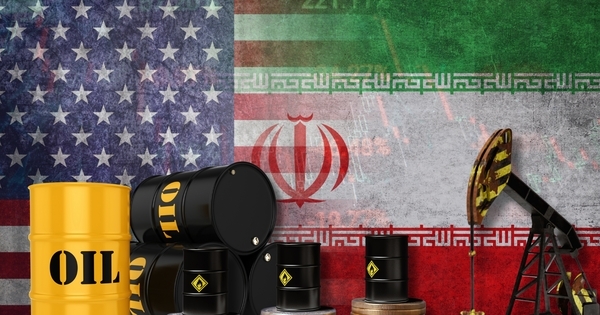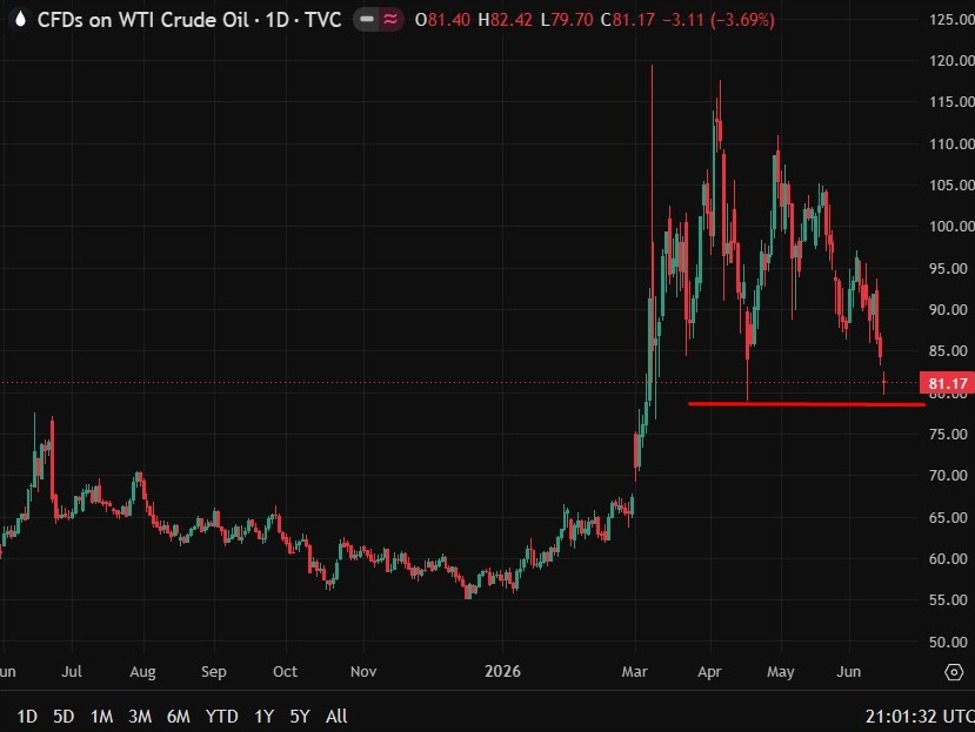
Oil markets are pricing in relief that may arrive well ahead of actual supply normalisation. Even at the optimistic end of analyst forecasts, energy flows through the strait are unlikely to exceed half of prewar levels within the first month, and a full recovery stretches toward late 2026 or beyond. War-risk insurance premiums remain at multiples of prewar rates and are, as one underwriter put it, quick to go up and slow to come down. The toll dispute between Washington and Tehran is an unresolved legal and sanctions minefield for shippers. Until mine clearance is verified, independent observers confirm safe passage, and insurance costs fall materially, any crude price relief should be treated as sentiment-driven rather than supply-driven.
—
Analysts warn Hormuz will reopen gradually despite a US-Iran deal, with mine clearance, war-risk insurance and stranded vessel backlogs keeping energy flows well below prewar levels for months.
Summary:
Sources: Kpler, Lloyd’s List, BIMCO, Verisk Maplecroft, Rystad Energy, Capital Economics, Wood Mackenzie, MARISKS, Reuters, CNBC
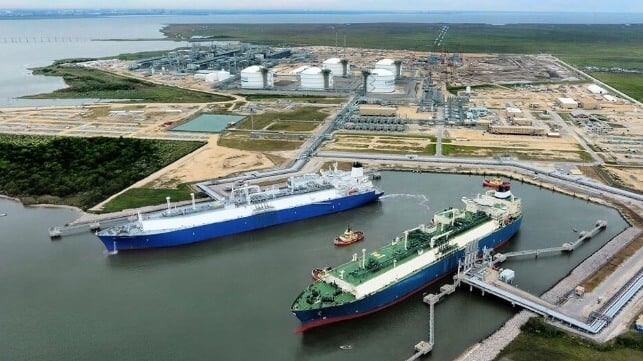
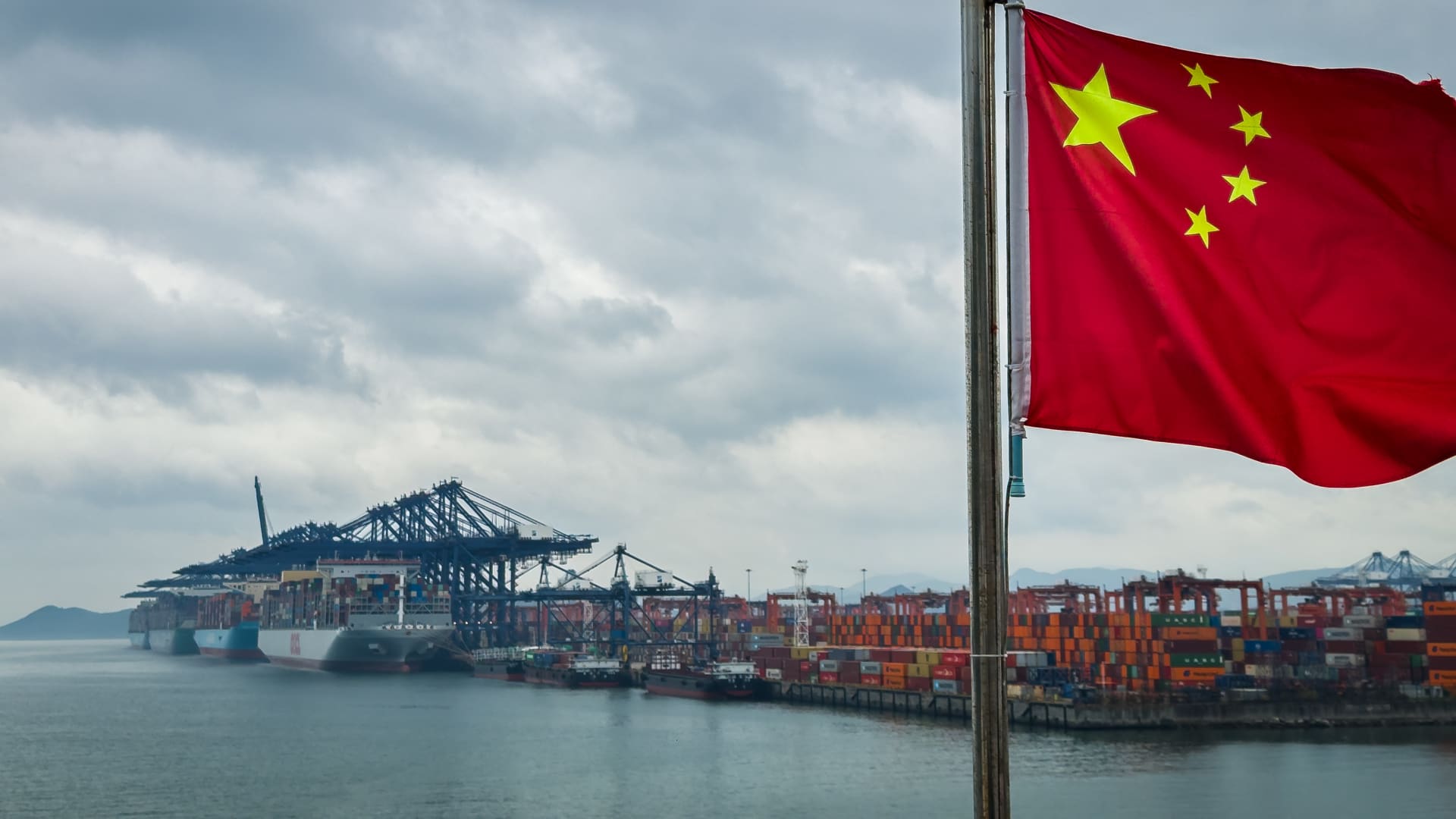
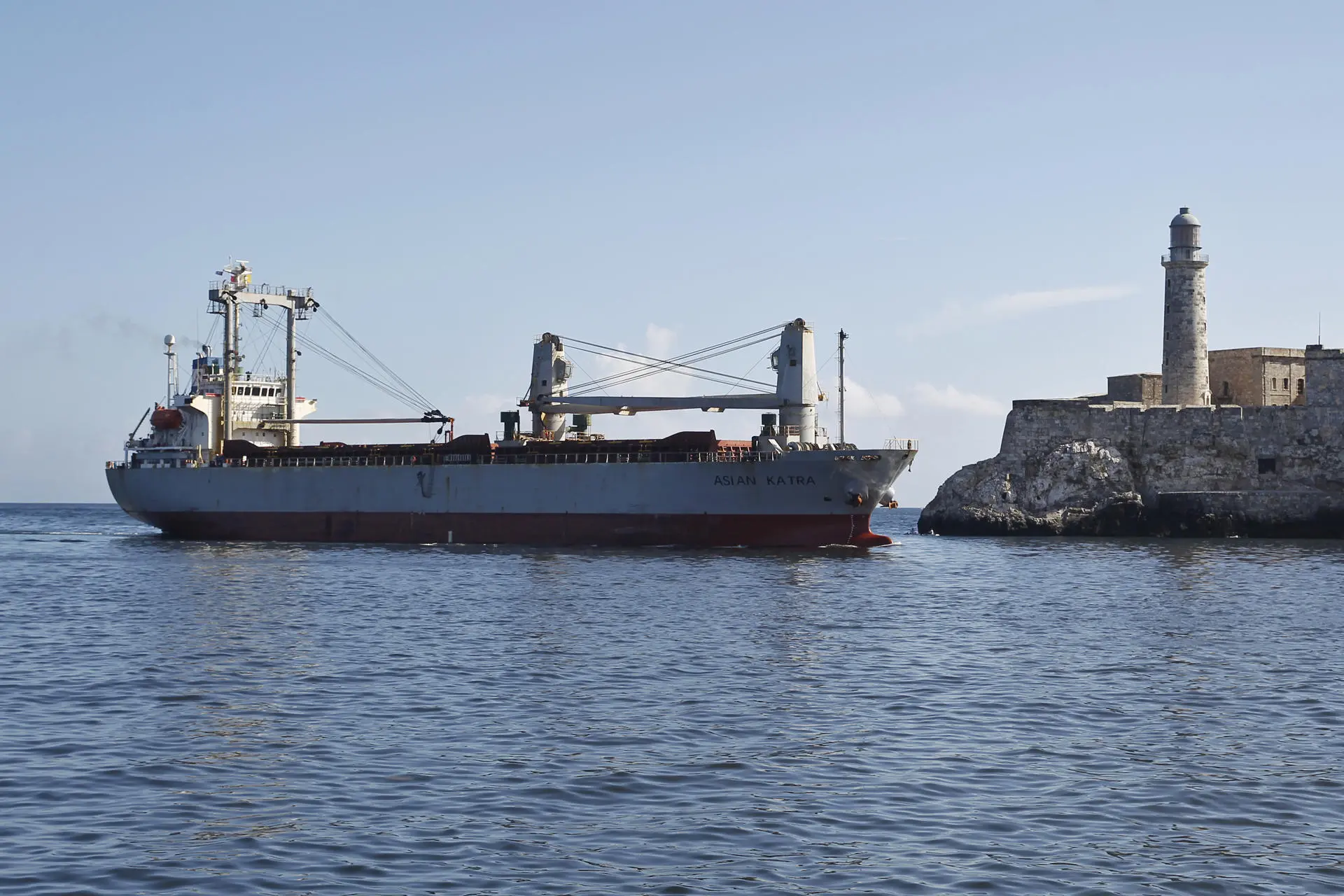
- An estimated 300 fully loaded vessels and 250 empty ships remain stranded in the Gulf, with a further 300 empty tankers waiting in the Gulf of Oman to enter
- Mine clearance is a prerequisite for safe navigation, with estimates ranging from 40-50 days to as long as six months depending on the method and scope
- War-risk insurance premiums remain at 1-4% of vessel value per transit, versus below 0.1% before the war, and underwriters caution they are slow to fall
- Kpler projects ship traffic could reach 40 transits per day within a month of implementation, roughly 40% of the prewar rate of 100 daily transits
- Capital Economics estimates energy flows could reach 80% of prewar levels by September; Iraq’s recovery could take up to a year given the scale of shut-ins
- A dispute over tolls and strait administration persists, with Iran citing a 60-day fee-free window before assuming control alongside Oman, while the US insists the strait remain permanently toll-free
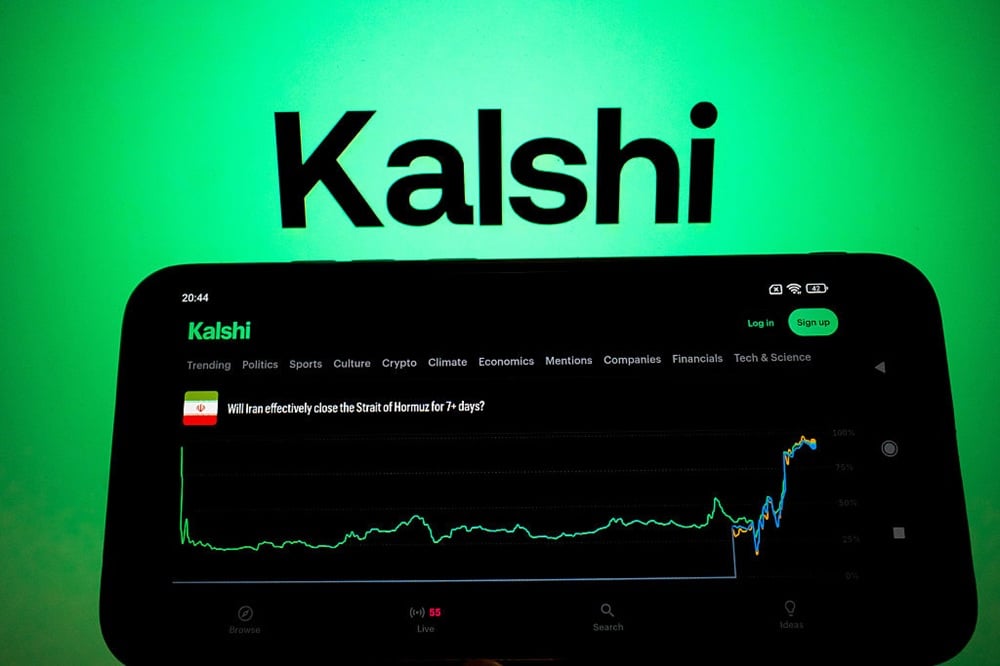
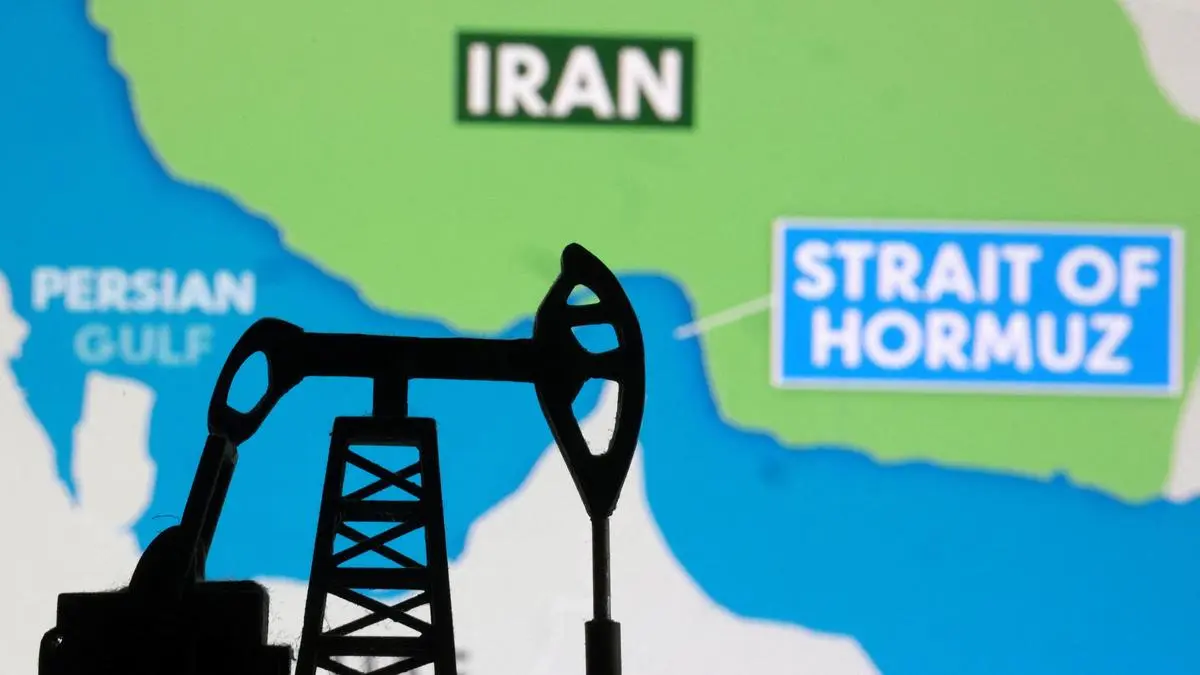
The announcement of a US-Iran framework agreement has lifted sentiment in energy markets, but the physical reopening of the Strait of Hormuz is a separate, slower process, one measured in weeks of mine clearance, months of insurance recalibration, and a queue of stranded ships that cannot all move at once.
Before hostilities began, the strait carried around a fifth of the world’s crude oil, with roughly 100 ships transiting daily. That figure could rise to around 40 per day within the first month of implementation, according to Kpler, as fully loaded vessels trapped in the Persian Gulf are prioritised for exit. An estimated 118 tankers could clear the region within 15 days once safe corridors are established. The surge, however, is a one-time clearance event rather than evidence of restored trade flows.
Mine clearance is the most immediate physical constraint. Iran deployed naval mines during the conflict, some of which may have drifted from their original positions. Maritime security sources put the clearance timeline at 40 to 50 days using minesweepers, sonar and underwater drones, though Kpler’s Middle East analyst estimates a more conservative six months for a comprehensive sweep. BIMCO, the global shipping association, has stated that transiting the strait at present remains very risky and called for verified mine-free routes before commercial traffic resumes in volume.
War-risk insurance costs compound the problem. Premiums currently run at 1% to 4% of a vessel’s value per single transit, against a prewar benchmark of below 0.1%. For a typical vessel valued at $200 million, that adds up to $8 million per crossing. Underwriters are characterised in the industry as quick to raise rates and slow to lower them.
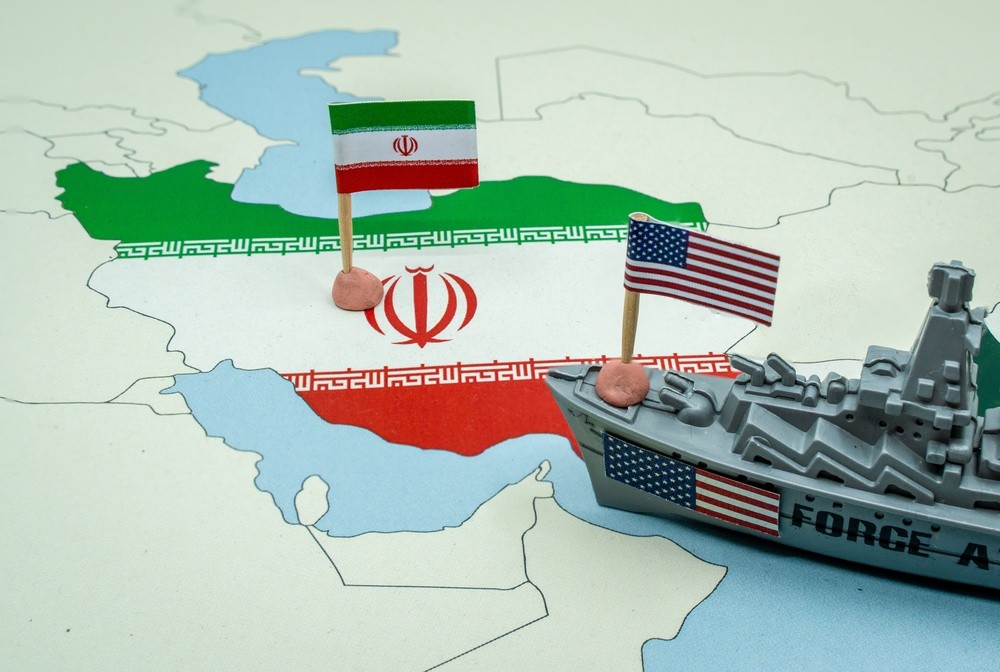
Further complicating matters, the US and Iran appear to hold different interpretations of what the deal actually entails. Iran has referenced a 60-day toll-free window after which it and Oman would administer the strait and collect fees. Washington insists passage must remain permanently toll-free. Paying fees to an entity sanctioned by the US Treasury would expose shippers and their banks to sanctions liability, making the legal picture deeply uncertain until clarified.