Quick Read
-
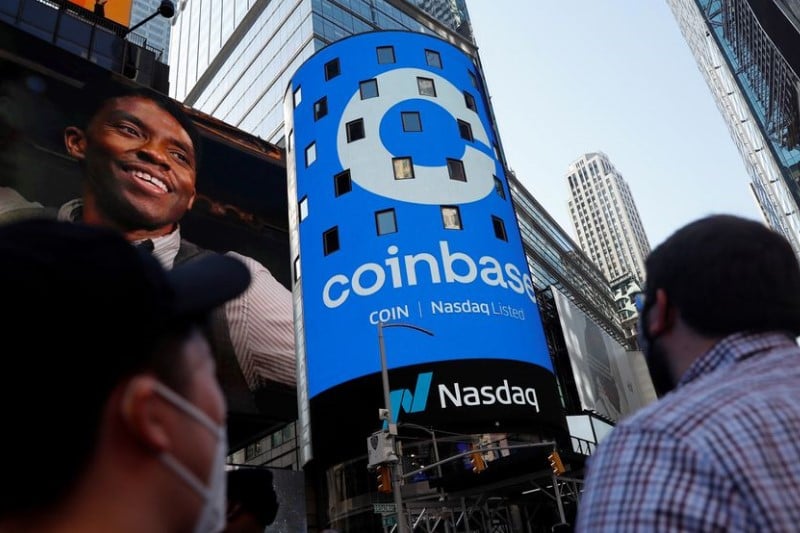
Cuban passed on Doorbot, which was later acquired by Amazon (AMZN) for $1 billion, calling capital-hungry companies that require endless fundraising a structural wealth trap.
-
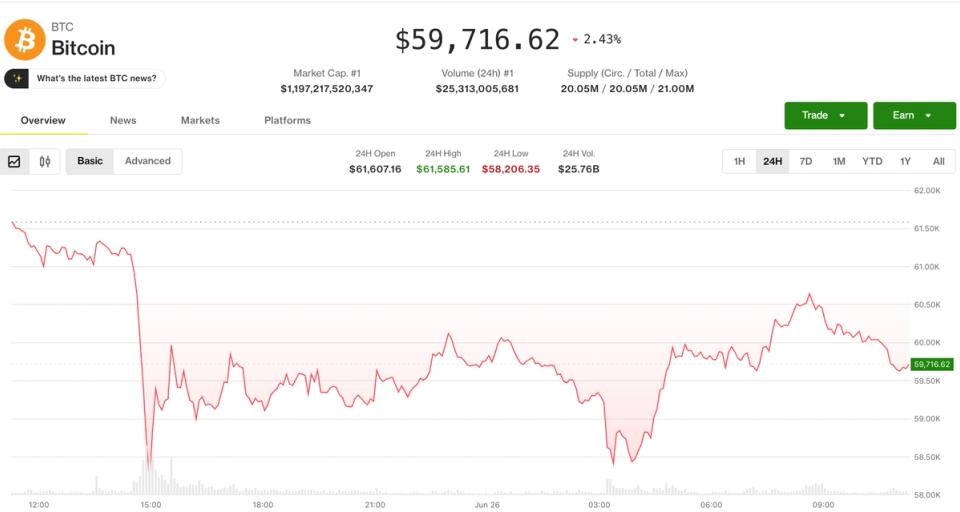
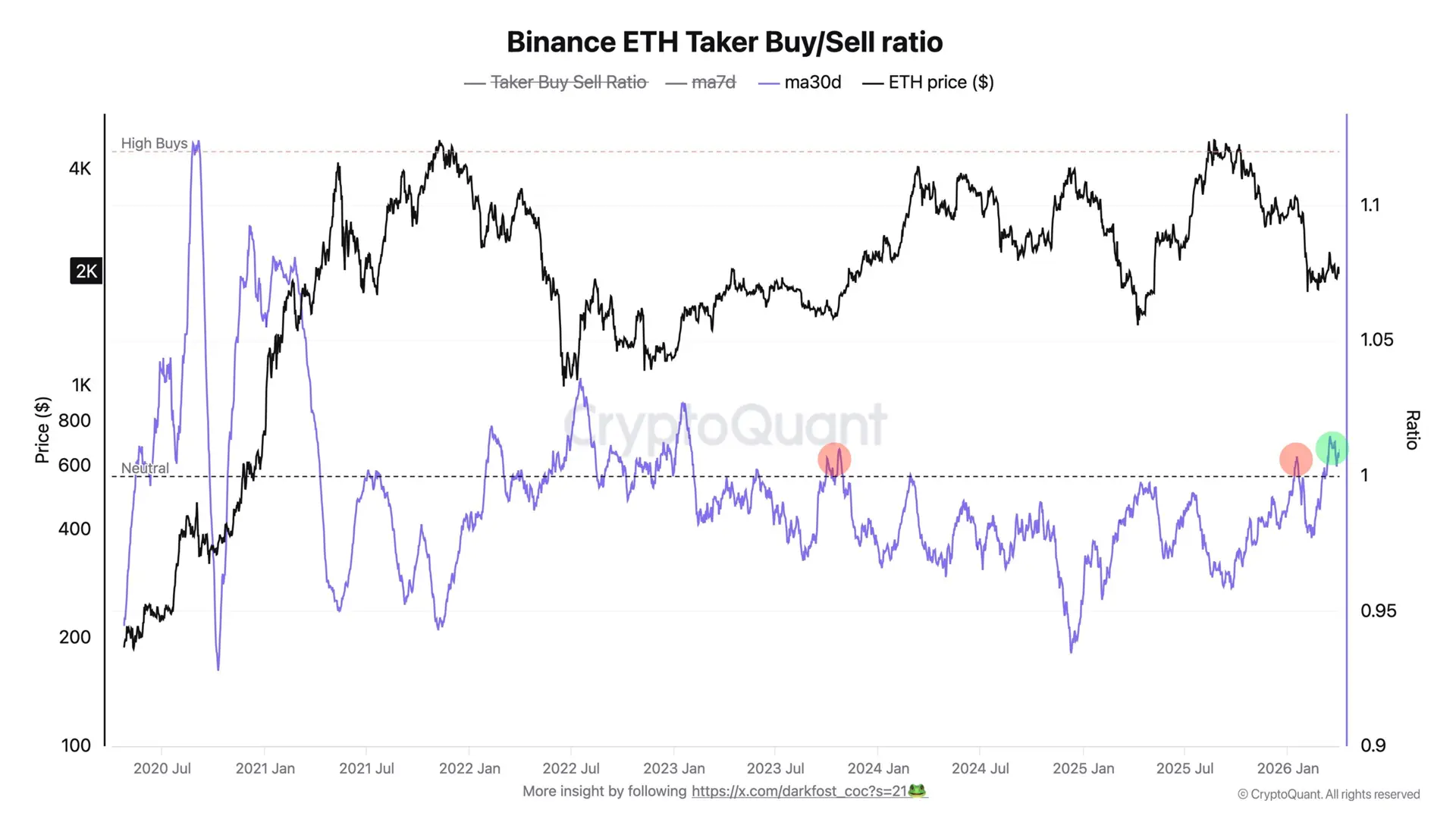
Bitcoin’s 28% and Ethereum’s 42% year-to-date drops hit hardest those who never modeled the volatility before committing capital.
-
Fund fees of 1-2% annually compound silently against investors, consuming a meaningful portfolio share over 30 years while inflation already erodes real returns.
-
Act now: the analyst who called NVIDIA in 2010 just named his top 10 AI stocks — and Amazon didn’t make the cut. Grab the names FREE today.
Mark Cuban built a fortune Forbes pegged at $6 billion on its 2025 Forbes 400 list by being more careful about what he refused to fund than what he chased. His framework, surfaced again this month in a widely shared rundown of his investing rules, argues that staying wealthy is mostly about pattern recognition on the way out, not the way in. With University of Michigan Consumer Sentiment sinking to 49.8 in April 2026, deep in recessionary territory, the timing of his warnings matters.

Cuban frames the six categories below as structurally weak bets that look promising from a distance. Each one, he argues, conceals a flaw that only surfaces after the capital is committed.
1. Businesses That Are Easy To Copy
On Shannon Sharpe’s Club Shay Shay podcast, Cuban warned windfall earners away from glamour categories. “Don’t invest in the restaurant, don’t invest in the clothing label, don’t invest in the liquor company… or music. That is the death!” The issue is the moat, or lack of one. Restaurants, fashion brands, and indie labels can be cloned by a competitor with a credit card and a logo. Without intellectual property, distribution lock-in, or network effects, early traction rarely compounds.
Act now: the analyst who called NVIDIA in 2010 just named his top 10 AI stocks — and Amazon didn’t make the cut. Grab the names FREE today.
2. Businesses With Huge Capital Needs
Cuban famously passed on Doorbot, the doorbell startup that became Ring and sold to Amazon (NASDAQ:AMZN) for roughly $1 billion in 2018. He has said he would pass again, citing “a fundamental aversion to companies that require raising hundreds of millions of dollars to do less in revenues.” Capital-hungry businesses leave no margin for error. Every miss has to be financed by another round, and dilution compounds faster than the underlying business.
3. Businesses Carrying Heavy Debt
Debt accelerates good outcomes and amplifies bad ones. Cuban treats it as a constraint on optionality: once interest payments are fixed, management loses the ability to absorb shocks or pivot. That warning lands harder in the current credit cycle. The average credit card APR sat at 21.00% in February 2026, what the Federal Reserve’s G.19 release flags as record territory, while the credit card delinquency rate held at 2.92% as of January 2026. Borrowing costs are structurally higher than they were a decade ago, and any business model that assumed cheap money is now operating with a tighter collar.