Goldman Sachs Group, Inc.’s (GS) asset management division said its ETF platform crossed $100 billion in assets last week, just two months after closing its acquisition of Innovator Capital Management.

- Goldman’s ETF platform hit $100 billion just two months after its Innovator deal closed.
- Defined outcome and derivative income ETFs make up about 27% of the active ETF category.
- Investors near or in retirement control 72% of investible assets, making them key buyers of buffer products.
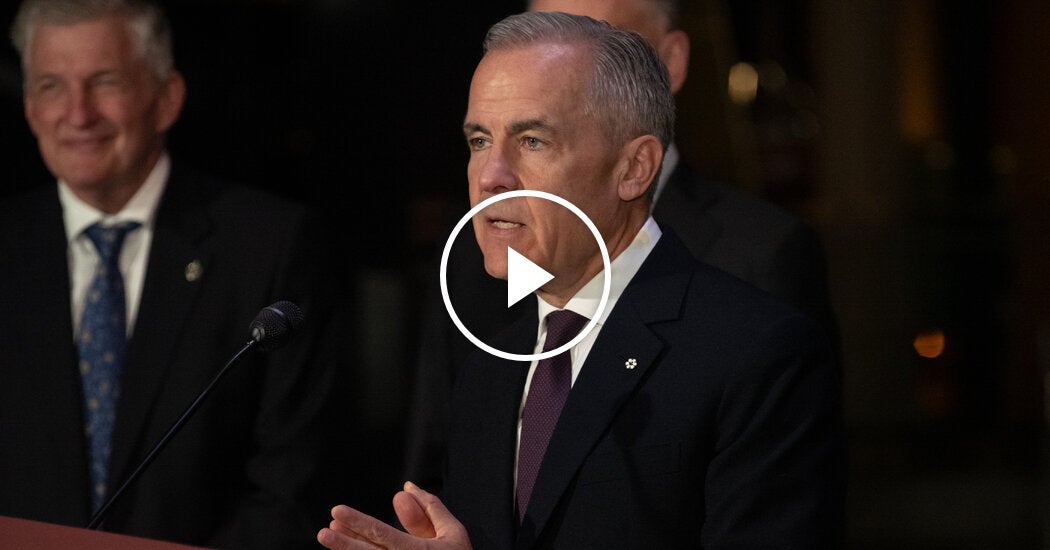
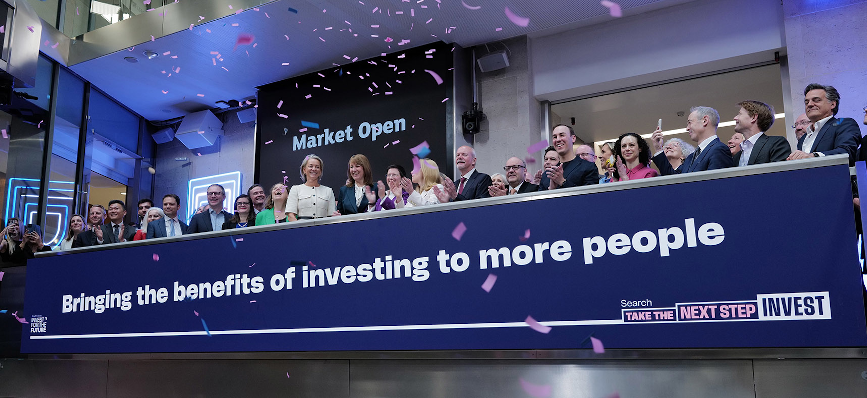
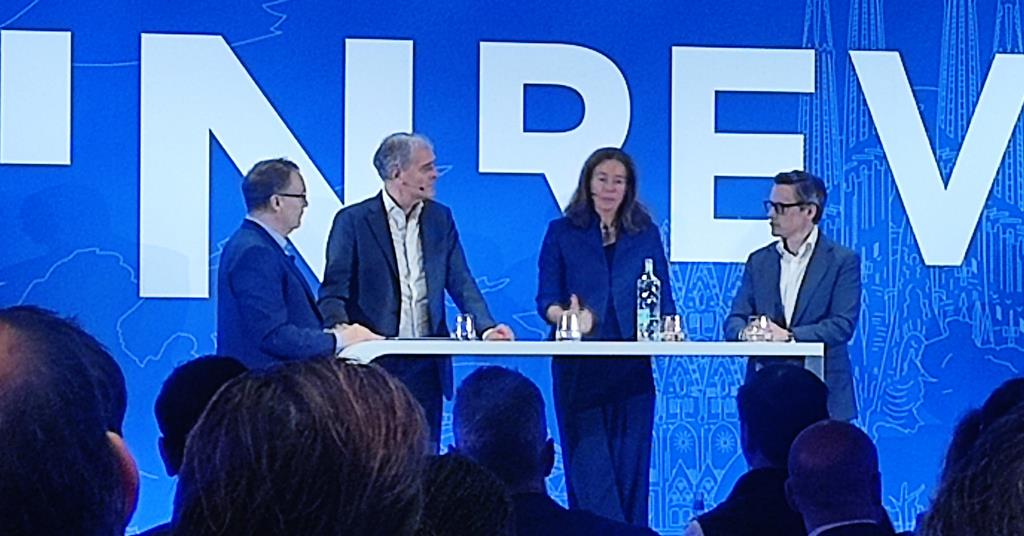
Leaders from Goldman Sachs Asset Management and Innovator gathered at a media event in New York on May 27. Panels covered the deal’s implications and the growing role of defined outcome ETFs, products designed to set clear limits on how much investors can gain or lose over a set period.
Surging demand for active ETF strategies beyond traditional index funds drove much of that growth, according to Bryon Lake, co-head of third-party wealth and chief transformation officer at Goldman Sachs Asset Management. Goldman closed the Innovator deal on April 1.
Lake said Goldman combined the Innovator lineup with “our GS classic business” and its own ETF capabilities stretching back more than 30 years.
Bruce Bond, advisory director and co-founder of Innovator Capital Management, pioneered defined outcome ETFs. Bond said the products give investors downside protection up to a set amount, called a buffer, in exchange for a cap on potential gains.
Defined outcome and derivative income strategies now make up about 27% of the active ETF category, Lake said. Active ETFs as a whole account for roughly 10% of the overall ETF market.
About 72% of investible assets sit in the hands of investors near or in retirement, according to Bond. Many want a clearer picture of their downside risk rather than simply riding market swings.
Bond argued the traditional 60/40 portfolio, which splits holdings between stocks and bonds, has become less reliable as both asset classes have increasingly moved in tandem, removing the diversification cushion bonds were once expected to provide.
One product Bond highlighted was the (BALT ), a bond alternative ETF that resets every quarter, protects against the first 20% of losses, and passes through whatever upside is available. Bond positioned it as an equity-linked substitute for investors who have relied on bonds for stability.
Bond said institutional investors have taken notice, with some endowments selling hedge fund positions and moving into buffer ETFs for more predictable outcomes. He said greater certainty about one part of a portfolio makes managing the rest easier.
For Bond, the dynamic is also personal. After exiting his previous firm, he moved a bond allocation into a 15% buffer ETF when rates hit zero during COVID. When rates rose and bond prices fell, the buffer position advanced instead.
Since the April closing, client feedback has been positive, Lake said, noting that Innovator’s product development now operates within Goldman’s broader governance infrastructure.
Lake also put the milestone in perspective. When Bond entered the business 28 years ago, the entire ETF market held less than $100 billion. It now stands at $15 trillion.
For more news, information, and strategy, visit the Future ETFs Content Hub.