Change font size:
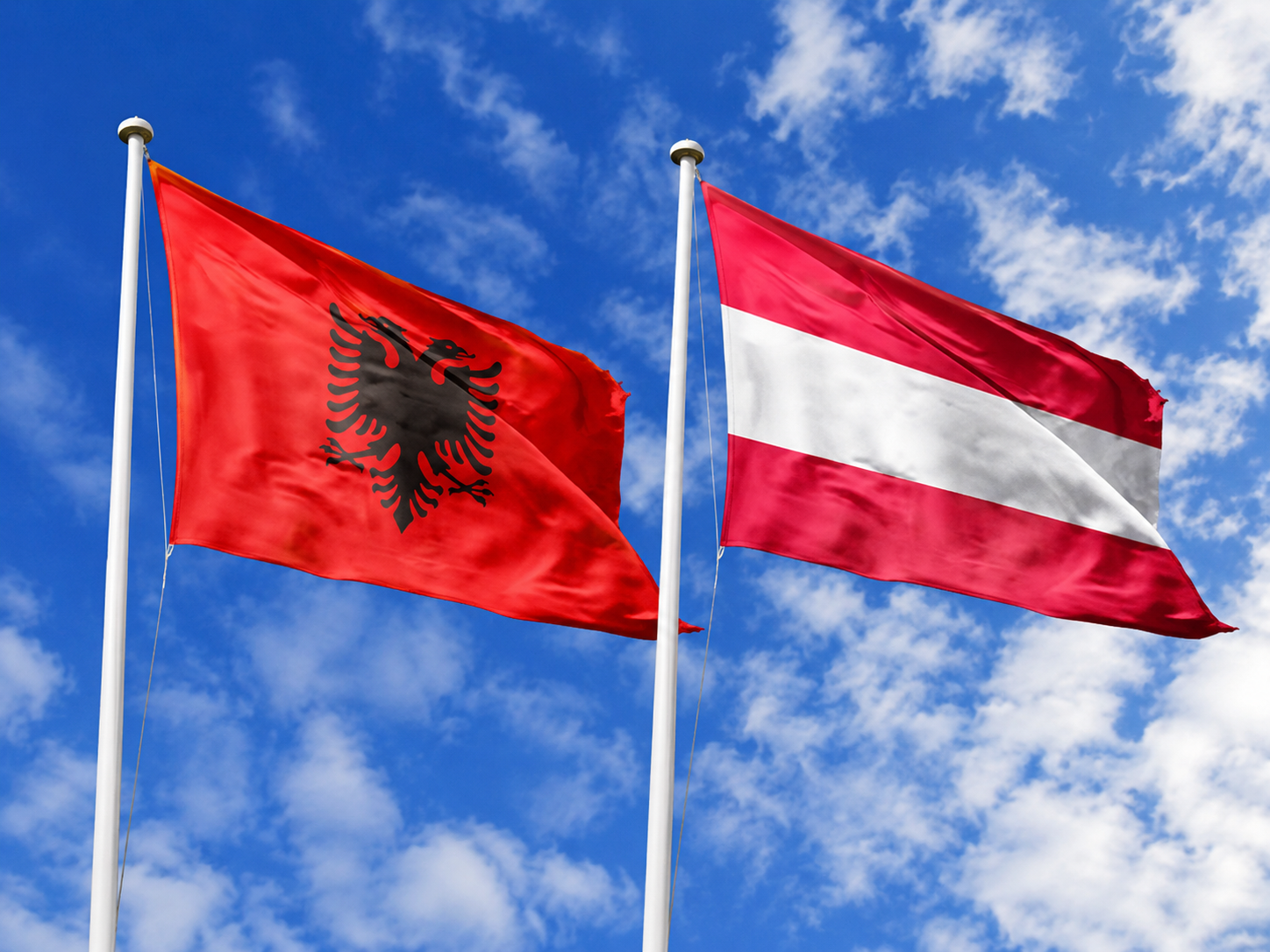
Bank of Albania data show Austria topping first-quarter foreign investment flows, while property and construction continue to shape Albania’s FDI model.
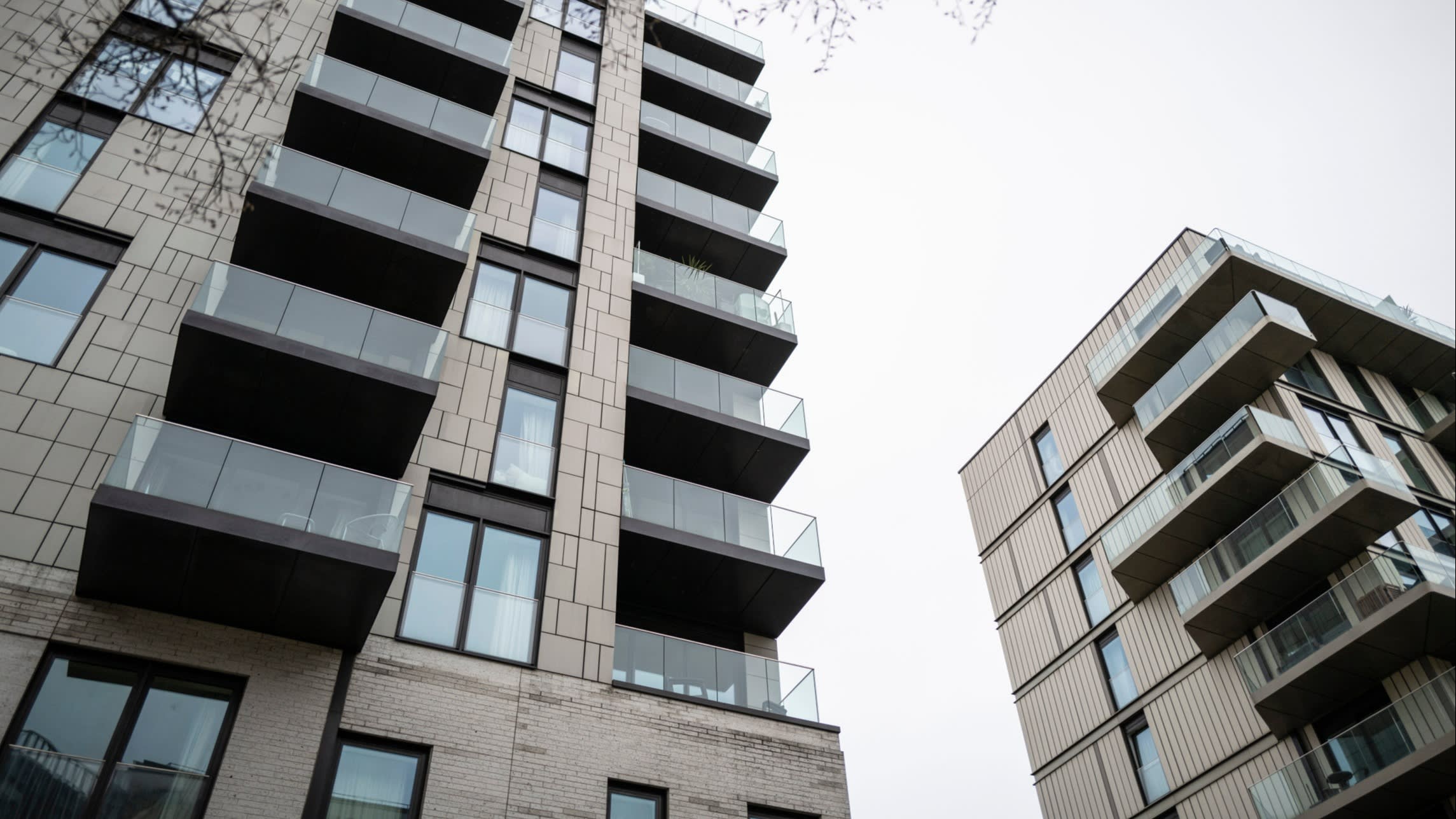
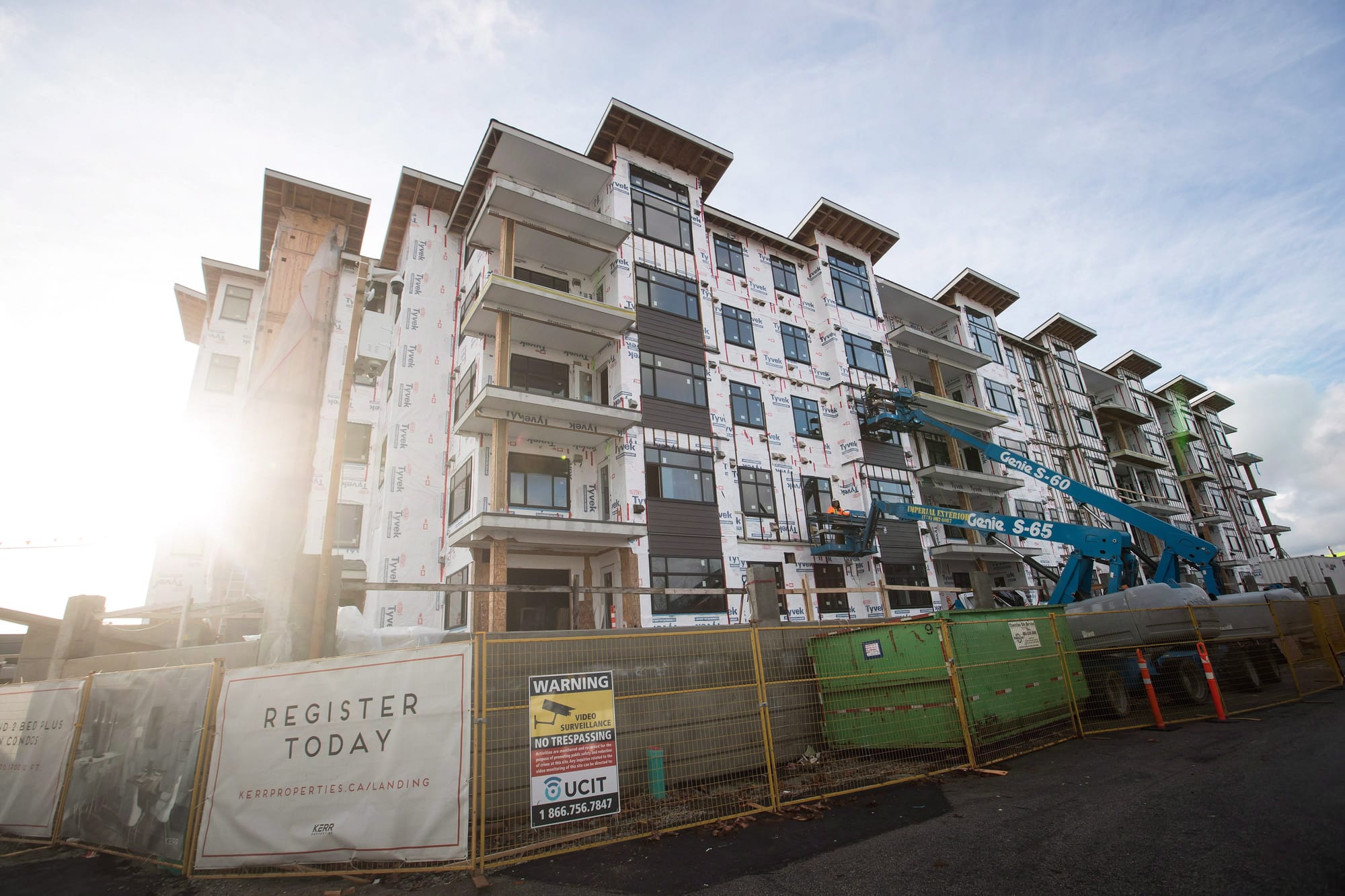
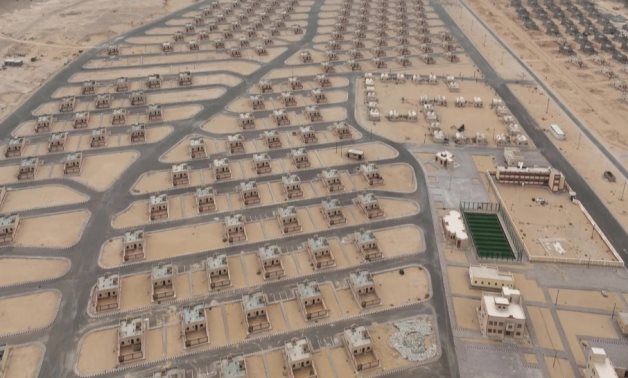
Tirana Times June 25, 2026 – The figures place Austria ahead of some of Albania’s traditionally dominant investment partners, including Italy, the Netherlands and Turkey. Yet the data also point to a broader structural trend in Albania’s foreign direct investment landscape: the growing weight of real estate and construction-related capital in shaping the country’s FDI profile.
Austrian investment in Albania has historically been concentrated in insurance, energy, hospitality and construction. No major new Austrian business project has been publicly reported so far this year, which suggests that the sharp increase in first-quarter flows may be linked to property, tourism-related development or reinvested earnings in existing sectors.
By the end of the first quarter, the stock of Austrian investment in Albania reached 992 million euros, up 11 percent from the same period a year earlier.
Italy, one of Albania’s most important historical economic partners, ranked second in the first quarter, with 49 million euros in new investment flows. Italian investment increased by 9 percent year-on-year. The stock of Italian investment in Albania now stands at 1.92 billion euros, up 16 percent compared with the first quarter of 2025.
Italian capital remains broadly spread across several sectors, particularly services. Market reports also suggest that Italian citizens continue to play a significant role in Albania’s real estate market, especially in coastal areas and in Tirana, where property investment has become one of the most visible expressions of foreign capital inflows.
The Netherlands, which has dominated Albania’s FDI statistics in recent years, fell to third place in terms of new investment flows, with 48 million euros in the first quarter, down 2 percent from a year earlier. However, the Netherlands remains Albania’s largest foreign investor by accumulated stock, with 2.83 billion euros, an annual increase of 12 percent.
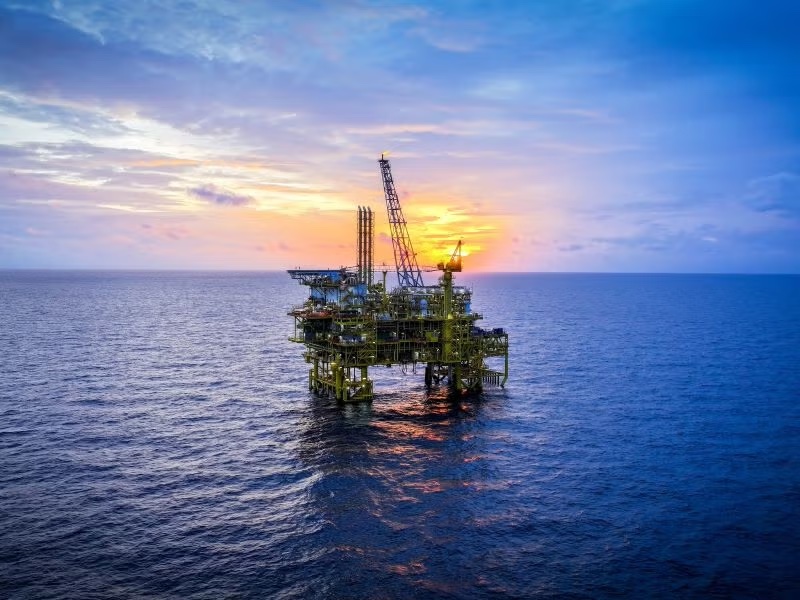
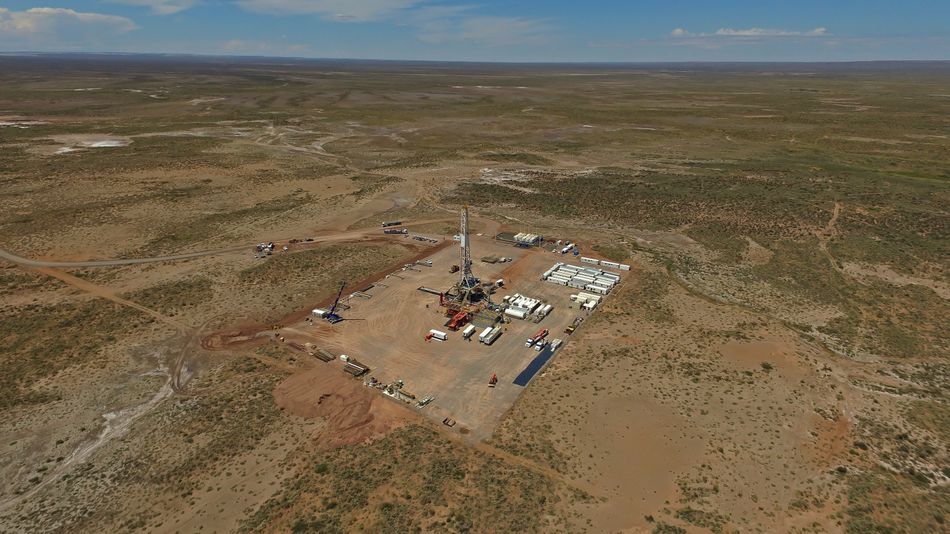
The Dutch case requires a more careful reading. Genuine Dutch investors in Albania have been relatively few. The most significant was Shell, which carried out major oil exploration investments in the Shpirag area before withdrawing at the end of 2024. The large Dutch FDI stock is therefore widely understood to reflect the Netherlands’ role as a preferred jurisdiction for holding companies used by international business groups to structure investments.
The Netherlands is attractive for such corporate structures because of its extensive network of double taxation treaties and its favorable legal and fiscal environment for holding companies. As a result, Dutch-registered investment does not necessarily mean that the ultimate source of capital is Dutch.
Turkey ranked fourth in the first quarter, with 47 million euros in new investment flows, down 6 percent compared with the same period last year. The stock of Turkish investment reached 1.47 billion euros, up 15 percent year-on-year. Following the exit of Turkish companies from the telecommunications sector, Turkish investors continue to maintain an important presence in finance, energy, extractive industries and other strategic sectors.
Kosovo also continued its upward investment trend in Albania. New investment flows from Kosovo reached 32 million euros in the first quarter, an increase of 22 percent from a year earlier. The stock of Kosovo investment rose to 620 million euros, marking a strong 41 percent annual increase.
Kosovo’s investment in Albania has grown steadily in recent years and remains concentrated mainly in trade and services. Its rise is also politically and economically significant, reflecting the deepening integration of the Albania-Kosovo economic space, despite the absence of a fully developed common market.
The first-quarter data confirm that Albania continues to attract foreign capital from a relatively diverse group of countries. But they also raise important questions about the quality, transparency and long-term development impact of these investments.
The dominance of real estate, construction and holding-company structures in FDI statistics means that headline investment figures may not always translate into broad-based economic modernization, higher productivity or stronger export capacity. While foreign investment remains important for growth, Albania’s challenge is to attract more capital into sectors that generate technology transfer, skilled employment, industrial upgrading and sustainable development.
For now, the Bank of Albania’s data show a strong start to the year for foreign investment inflows. But the deeper question is whether Albania’s FDI model is moving toward a more productive and transparent structure
or whether it remains heavily dependent on property, services and opaque capital channels.