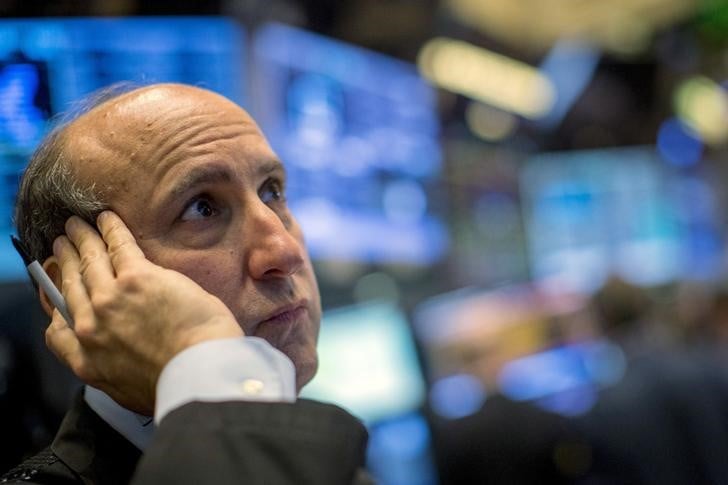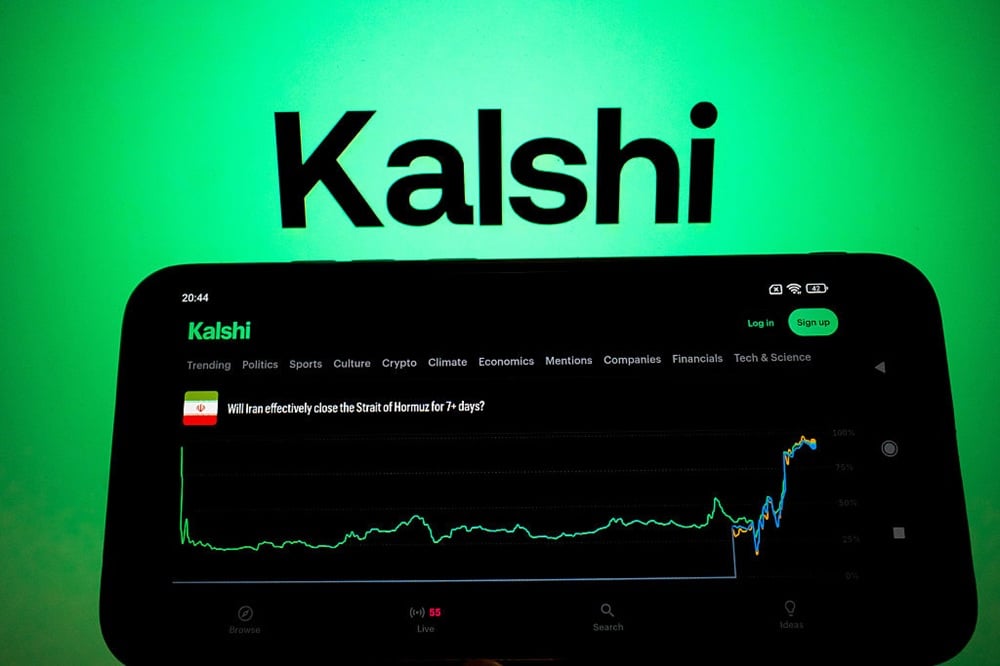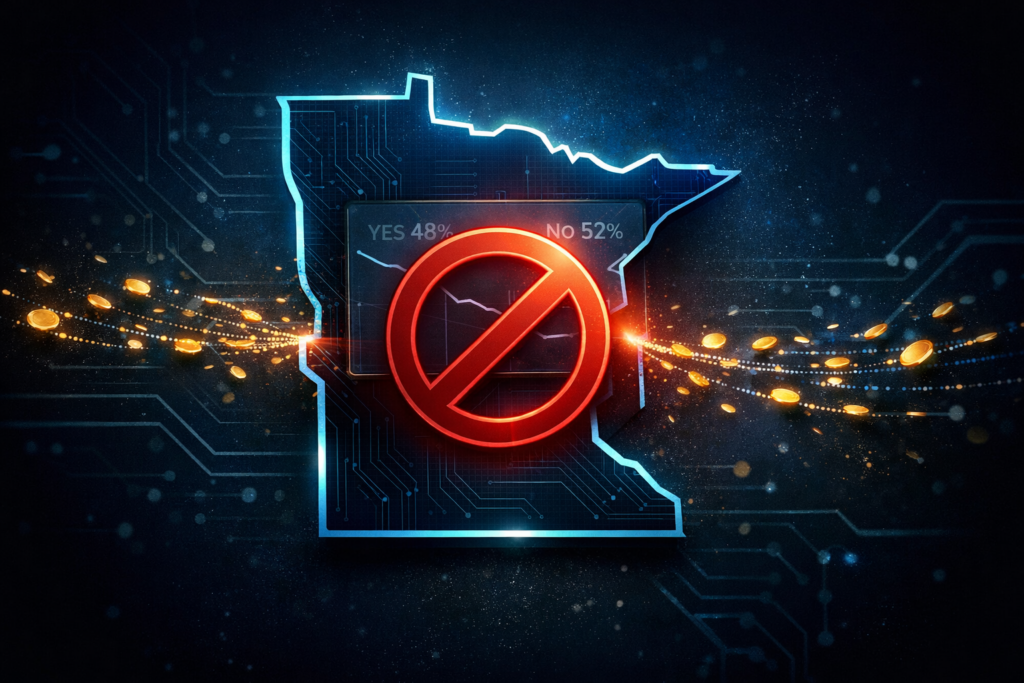
Fed funds futures traders have priced in a more than 1-in-3 probability the rate-setting Federal Open Market Committee will opt for a 25-basis-point rate hike on Wednesday. Betting markets don’t see the odds that high, with Kalshi reflecting a roughly 25% chance of a hike. But that’s still a stark contrast from the near-consensus that has preceded Fed meetings for the past several years.
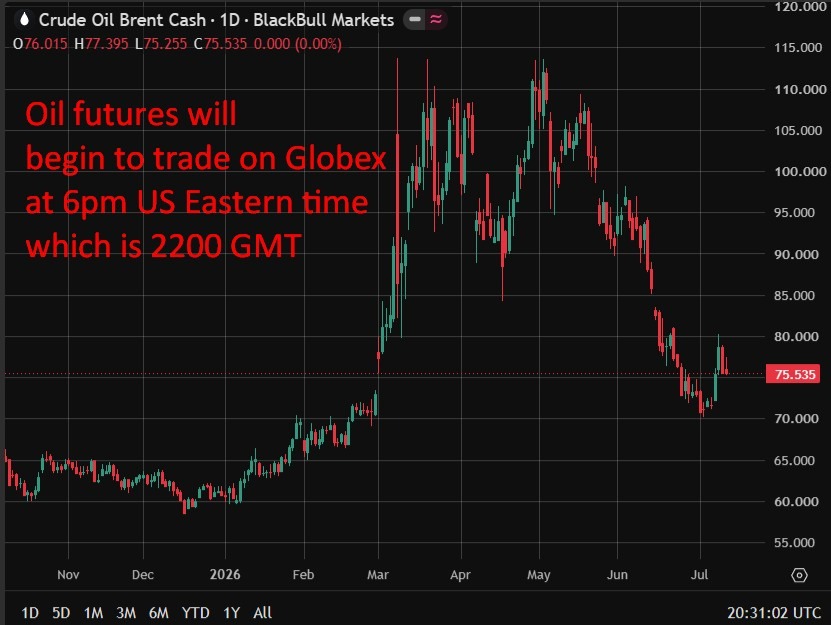
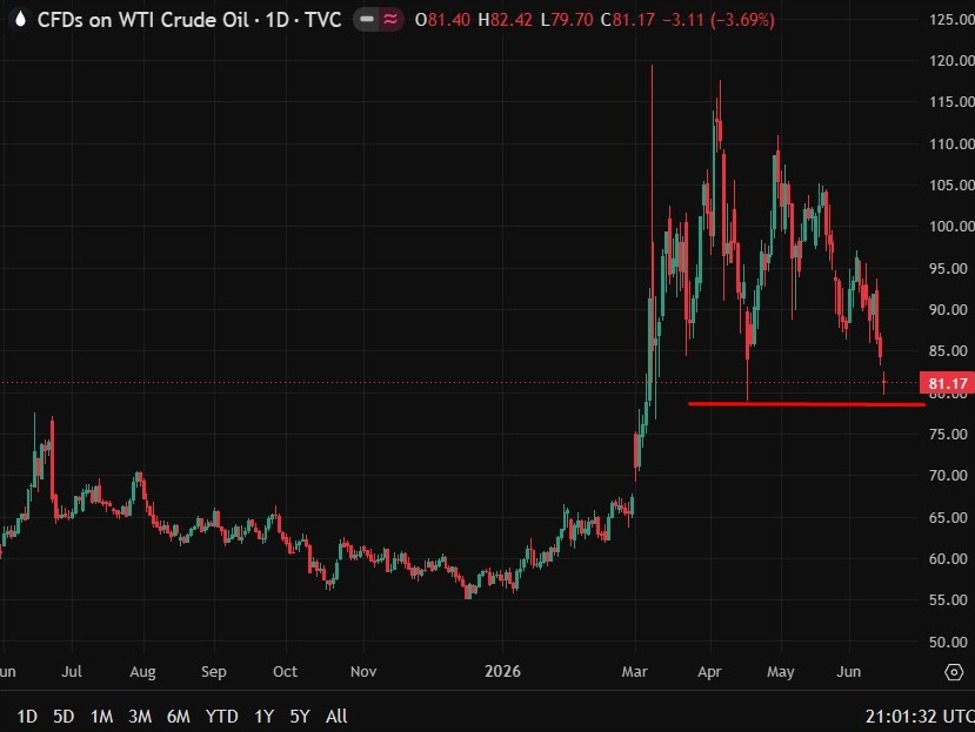
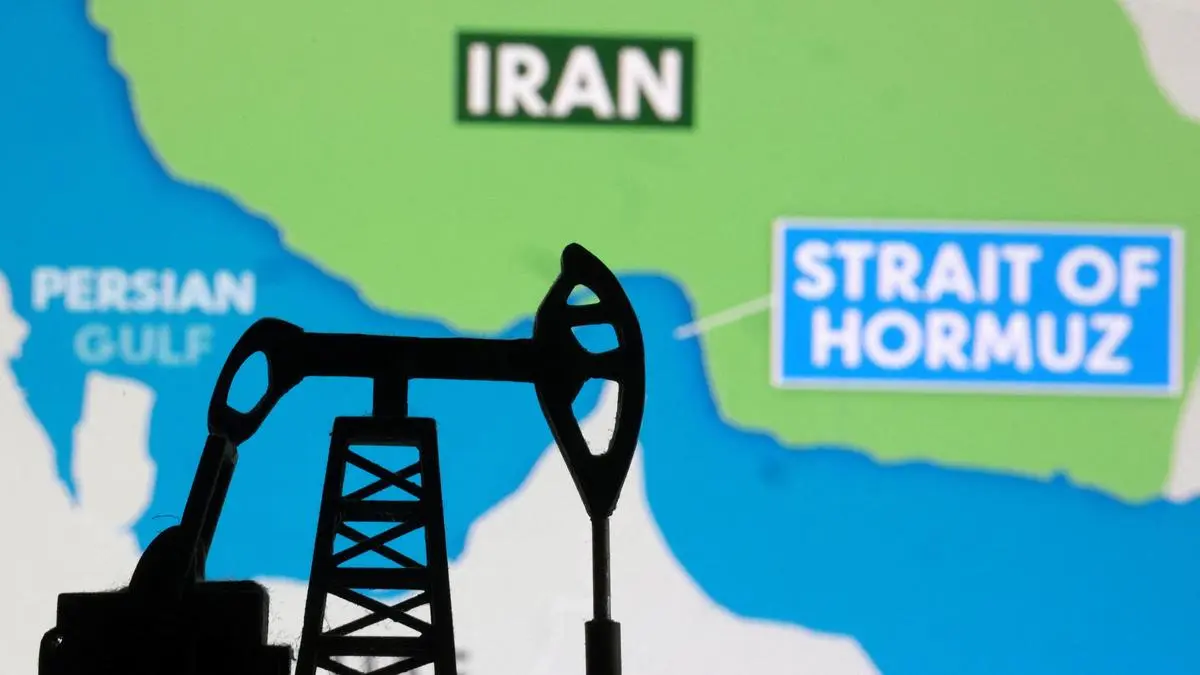
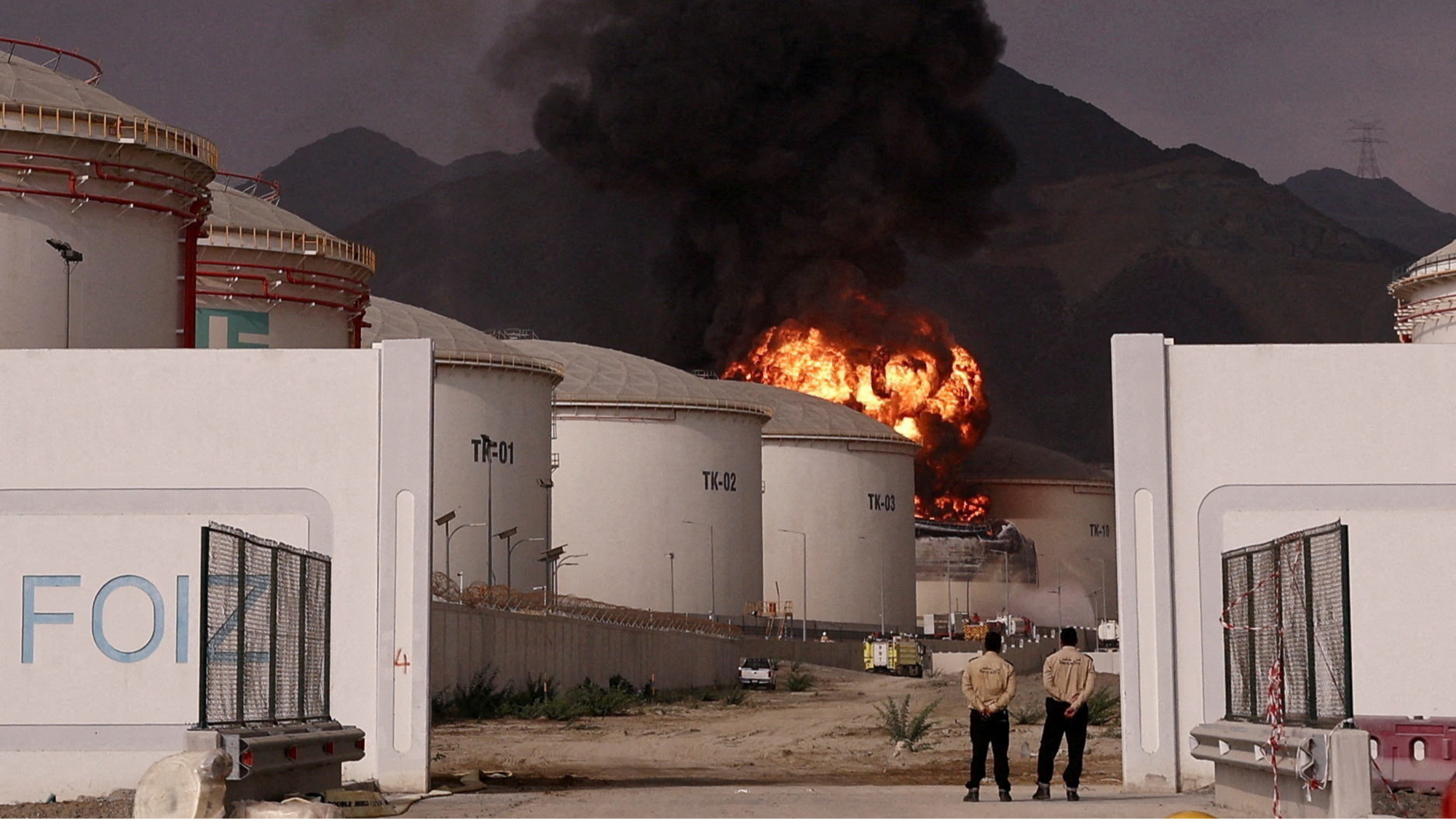
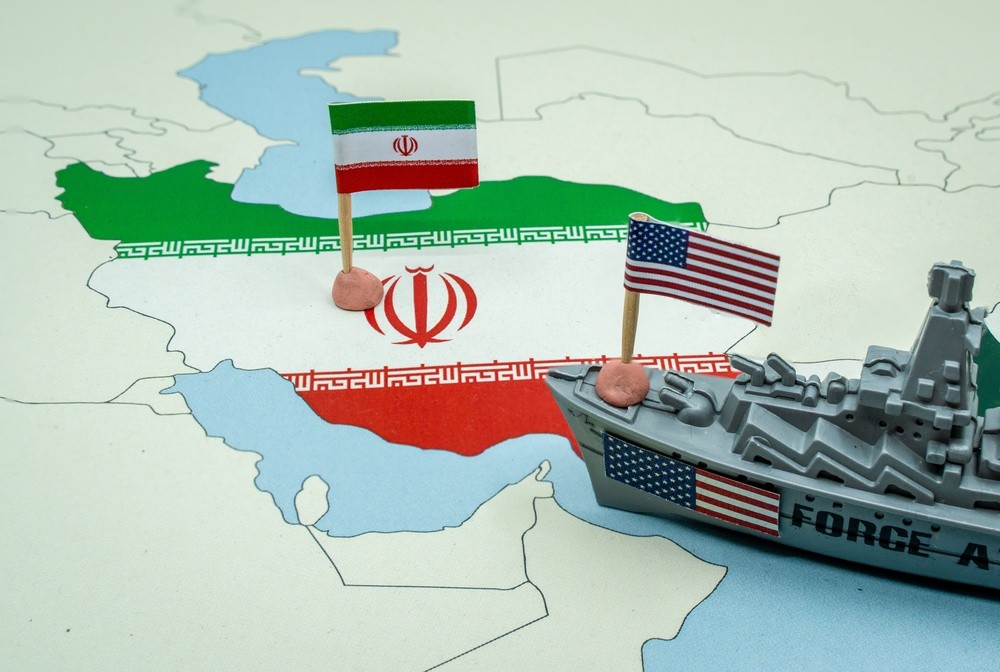
The Fed’s June meeting reflected a divided FOMC. Hawks don’t want the Fed to find itself behind the curve in the event that the bottlenecks resulting from the Iran war, which have sent prices for oil and fertilizer surging, lead to a reacceleration of inflation. Others argue there’s time to wait and see given crude’s retreat from its earlier highs and a lack of any sign the labor market will push prices higher. The Fed will release its policy statement at the conclusion of the two-day meeting at 1 p.m. CDT. Fed Chairman Kevin Warsh will hold a news conference a half-hour later.
Michael Pearce, chief U.S. economist at Oxford Economics, argued that a decision by the Fed to hold, while issuing a hawkish statement that reiterates a commitment to bring down inflation, would be the most efficient way to bridge the sharp divisions between policy makers who want to hike and those who want to hold. Tough talk on inflation would further raise Treasury yields, tightening financial conditions and doing some of the Fed’s job. By leaving rates on hold, the central bank would maintain flexibility if hostilities in the Middle East ease, he said.
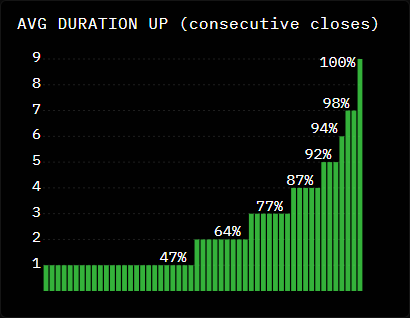
While uncertainty around a Fed move is high, a move would still come as a surprise — and would be a historical outlier. Strategists led by Mark Cabana at BofA Global Research observed in a note this week that based on fed-funds futures data going back to 1994, the Fed has never hiked when such a move has been less than 60% priced (see chart below).

In other words, a hike on Wednesday would be unprecedented. They also noted that such a move would establish Warsh’s credibility on Fed independence and boost his inflation-fighting credentials. “Market won’t rule out hike risk; neither will we,” they wrote.
So what would a surprise hike mean for the markets?
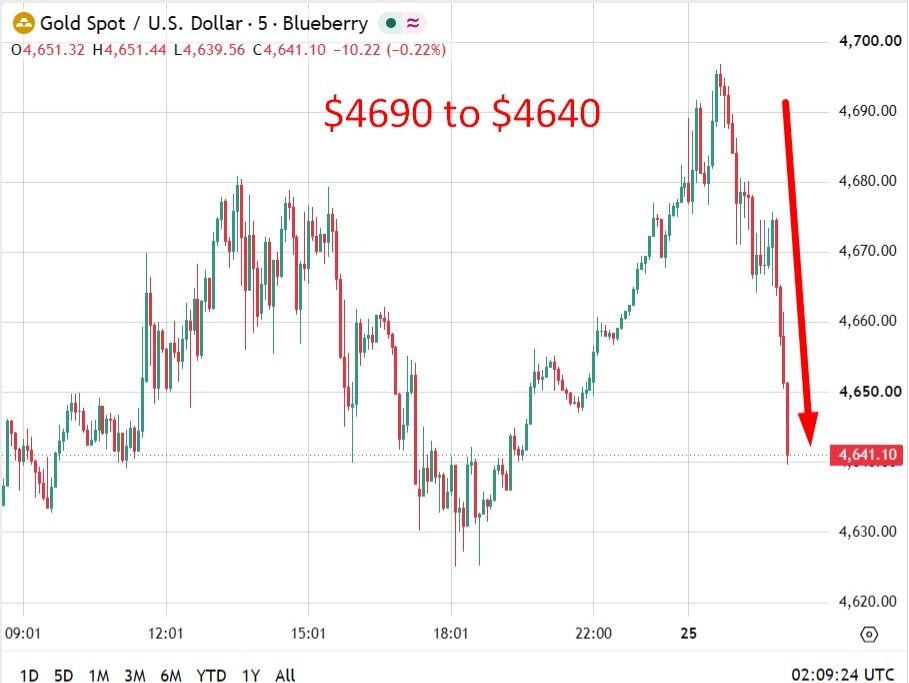
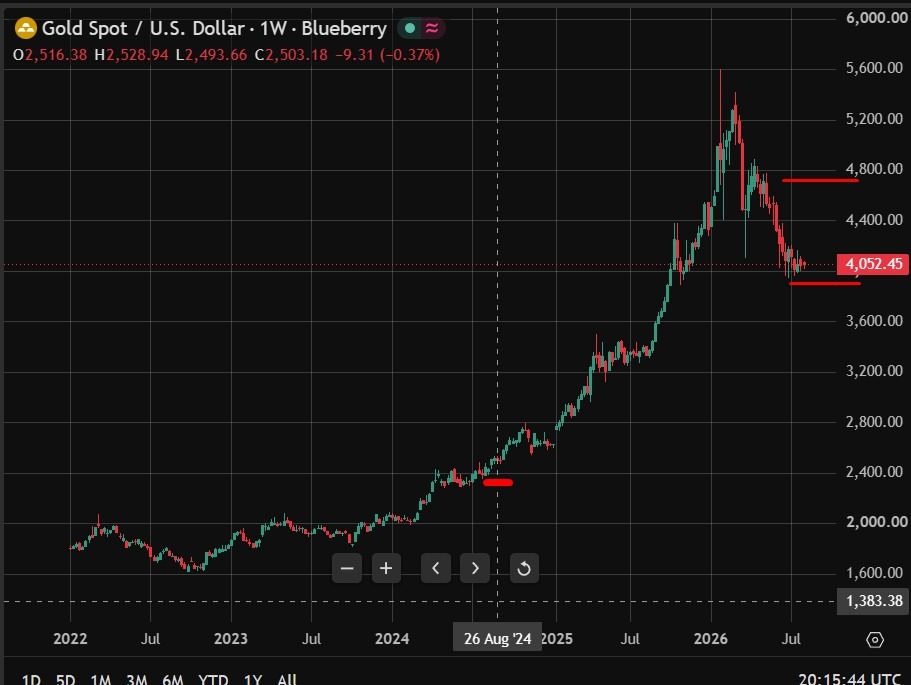
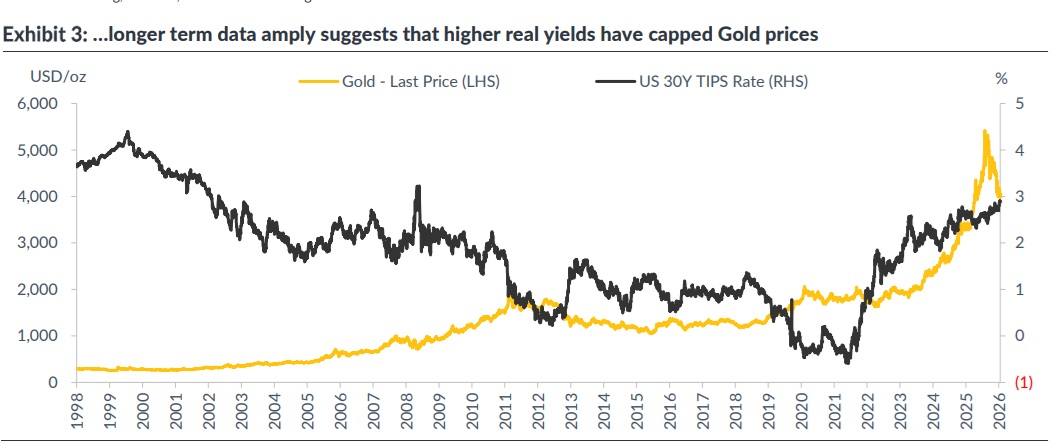
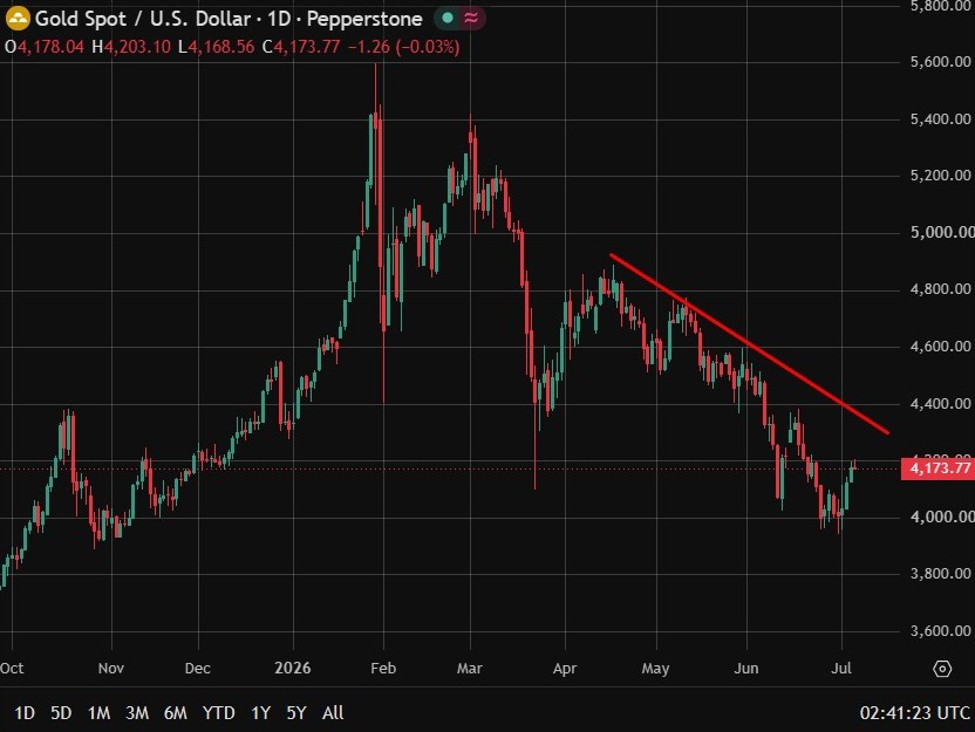
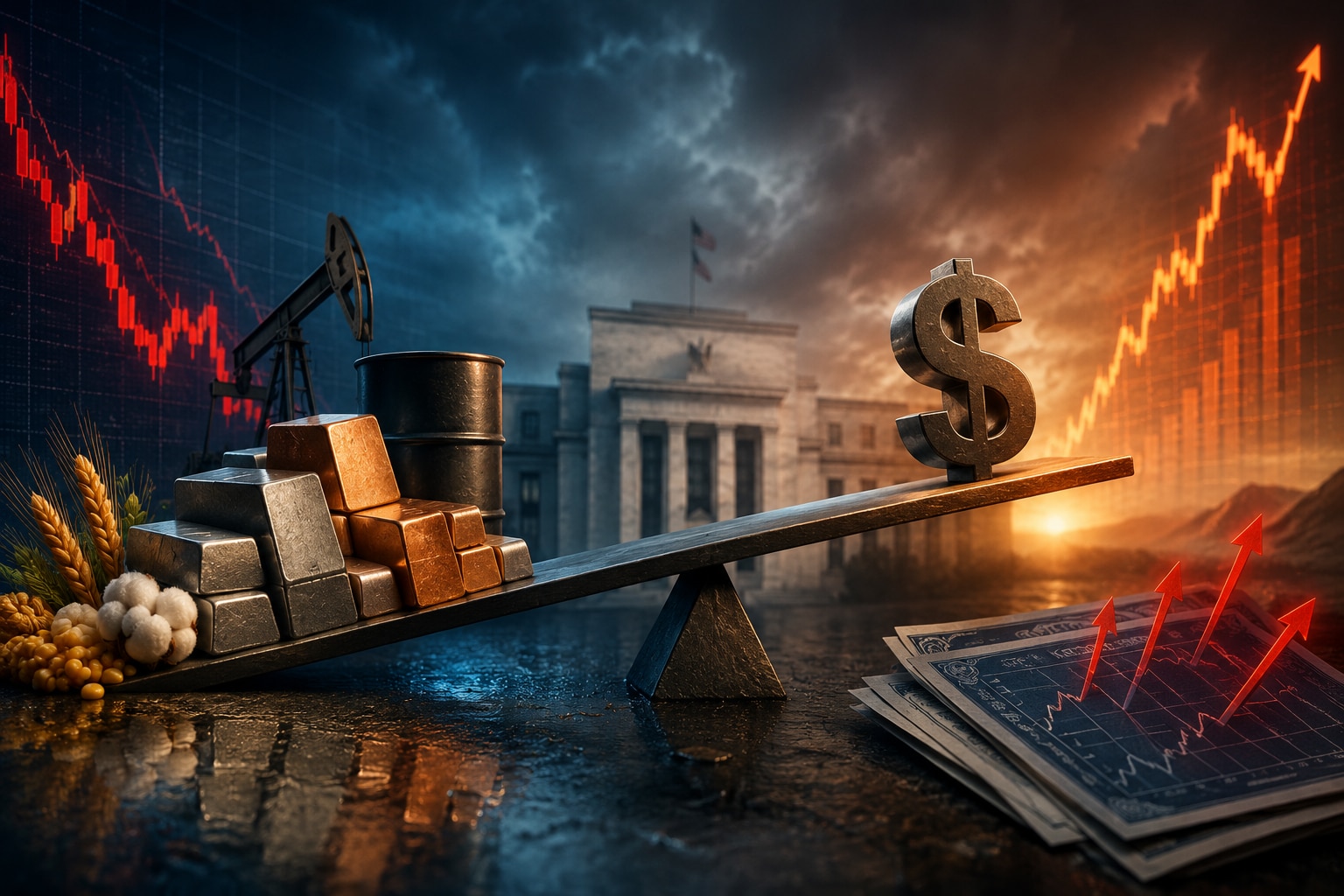
Tom Essaye, founder of Sevens Report Research, argued in a Tuesday morning note that a 25-basis point hike or a change in the statement that indicates a near-term hike is likely on the way would probably spark a steep selloff in stocks, with the S&P 500 likely down over 1%, while the 10-year Treasury yield is likely to surge solidly through the 4.7% level. That would also point to a surge by the U.S. dollar. Rising yields — which raise the opportunity cost of holding nonyielding assets — and a rising dollar — which makes assets priced in the greenback more expensive to users of other currencies — tend to be negative for commodities.
That’s not a central forecast. Weather, crop conditions and geopolitical developments may remain bigger market drivers over the near term, but it’s worth being prepared for potential volatility.