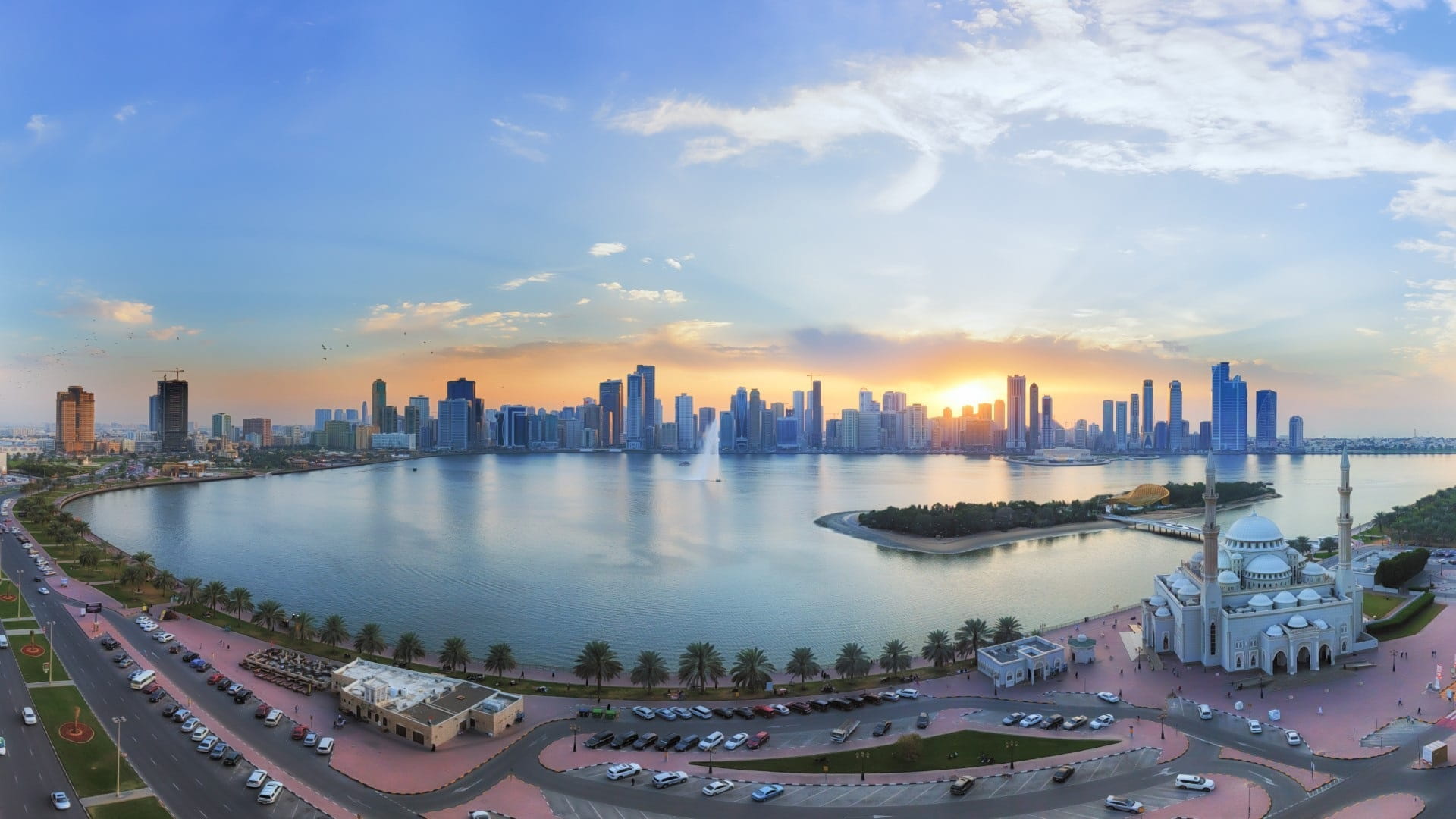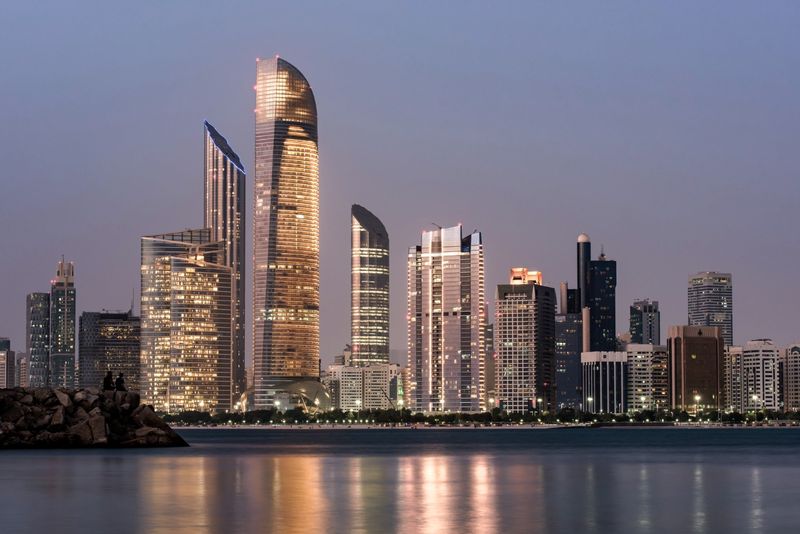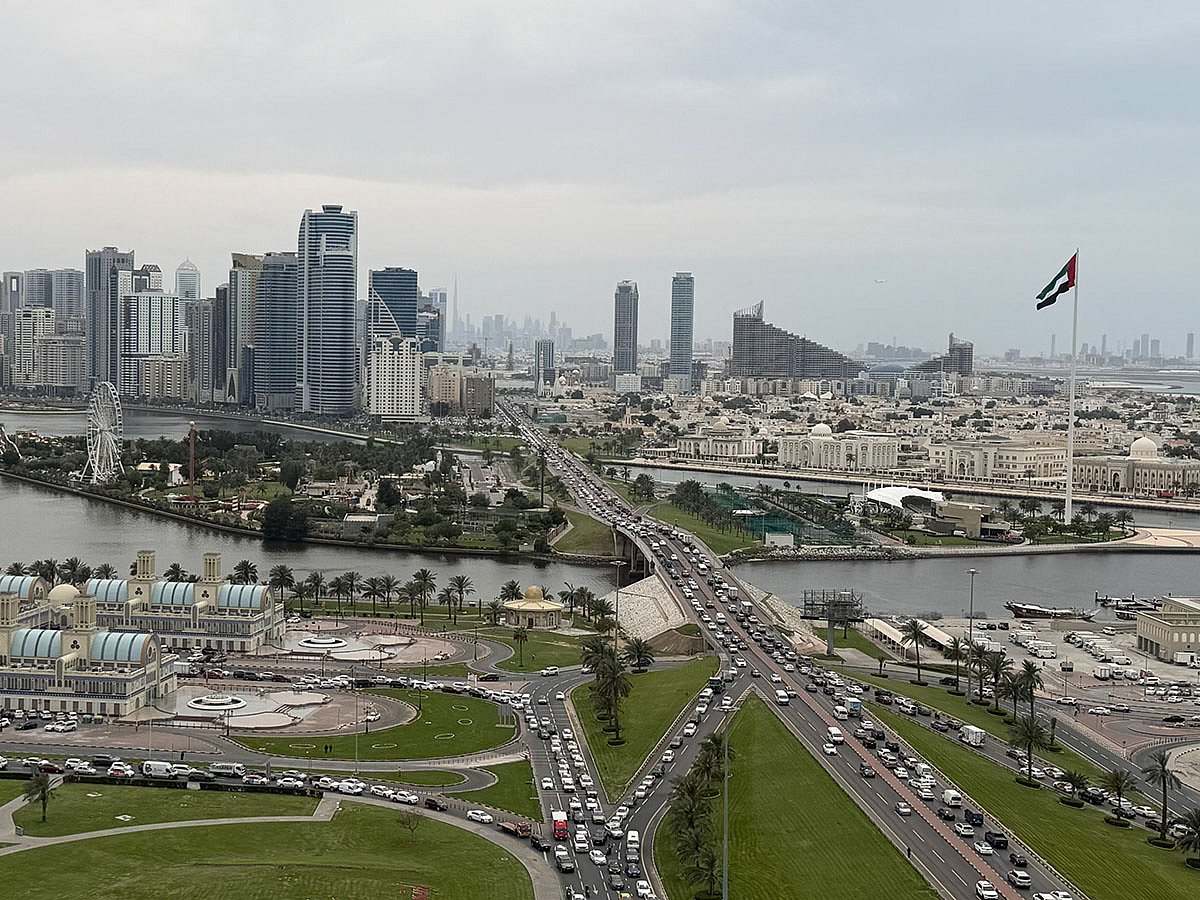
Major acquisitions involving Paragon and Asia Square Tower 2 anchored the city-state’s second-quarter investment activity.
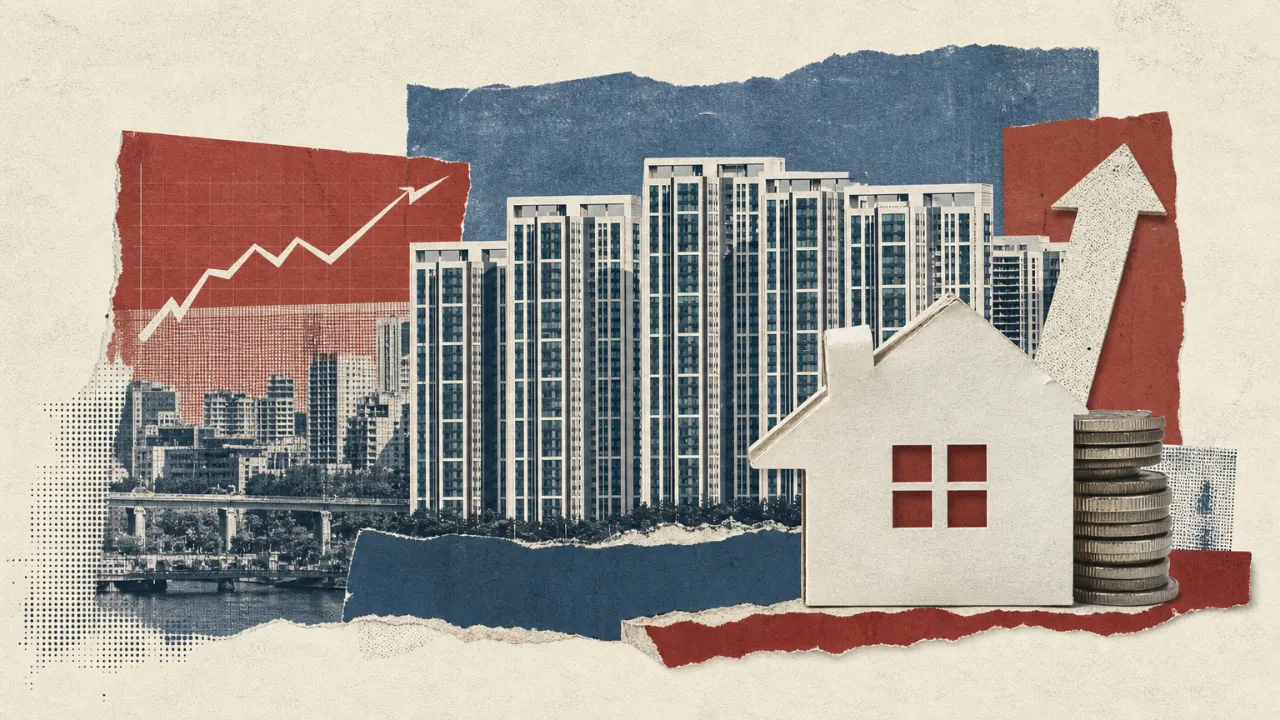
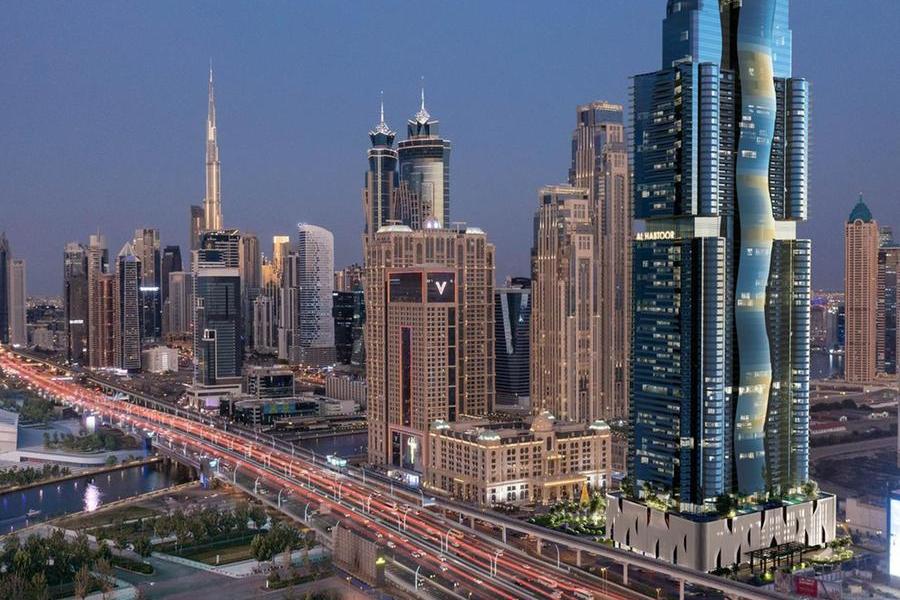
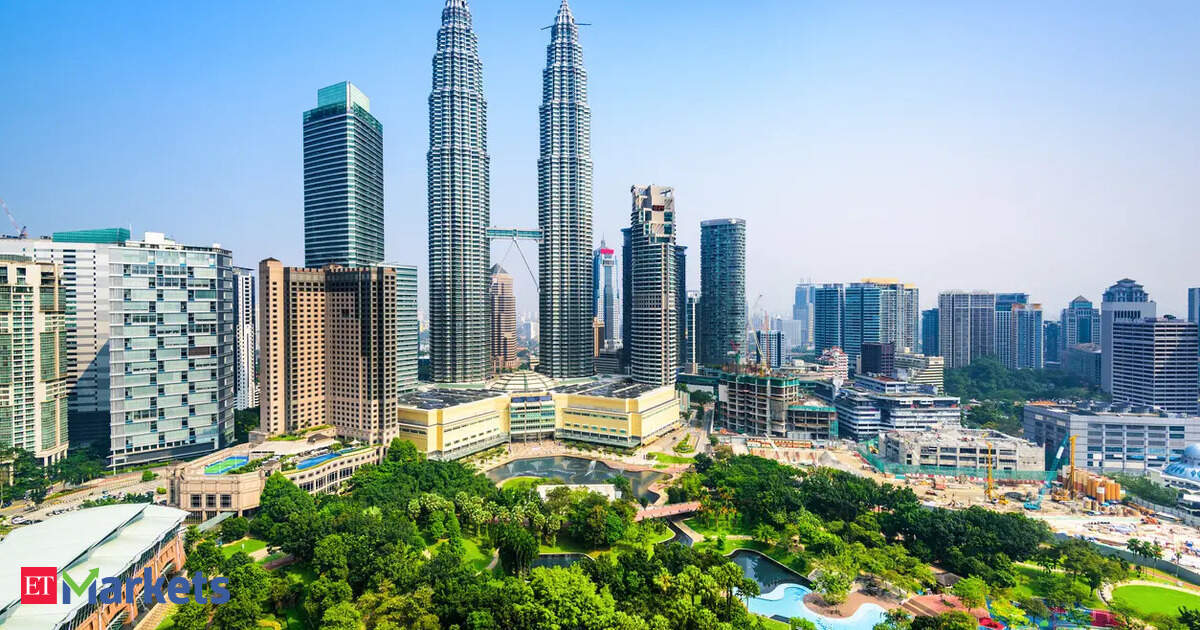
Commercial real estate investment climbed 238% YoY to $23.3b (US$18.2b) in the first half of 2026, recording the strongest growth amongst the major Asia-Pacific markets tracked by JLL.
Investment during the second quarter more than doubled to $8.6b (US$6.7b), representing a 108% increase from the previous year.
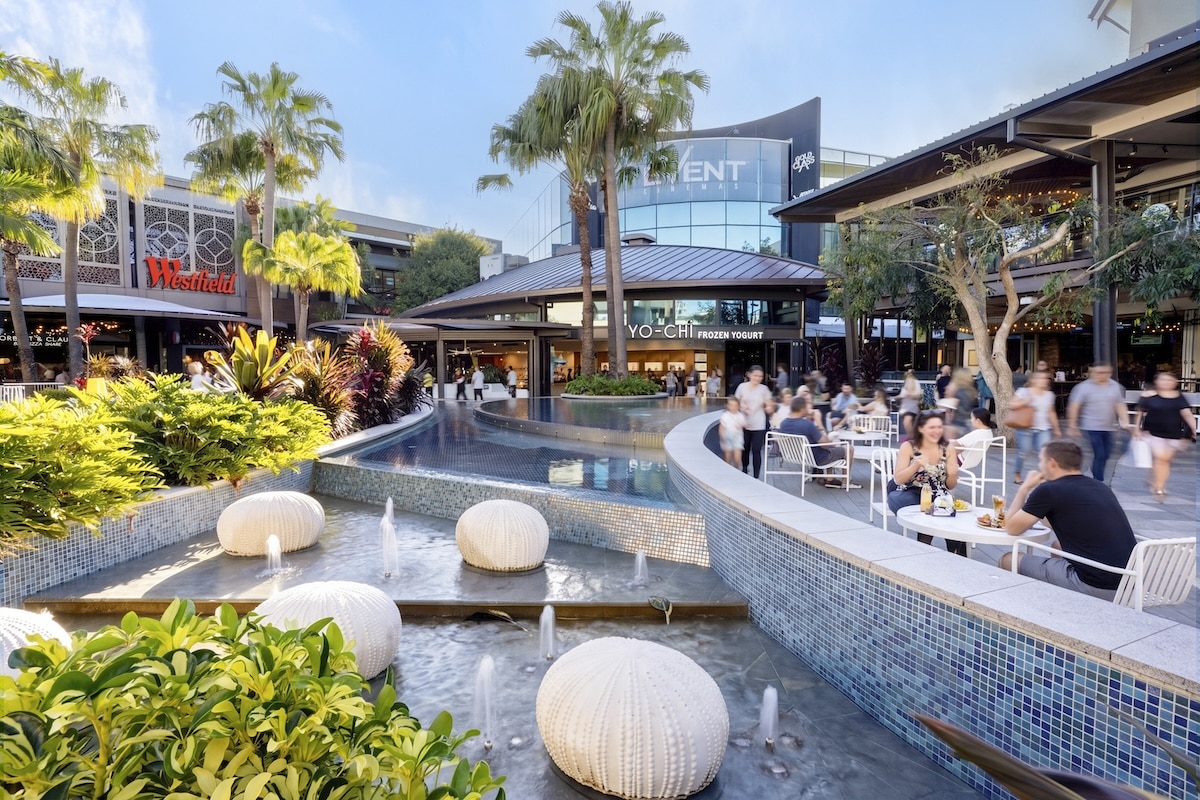
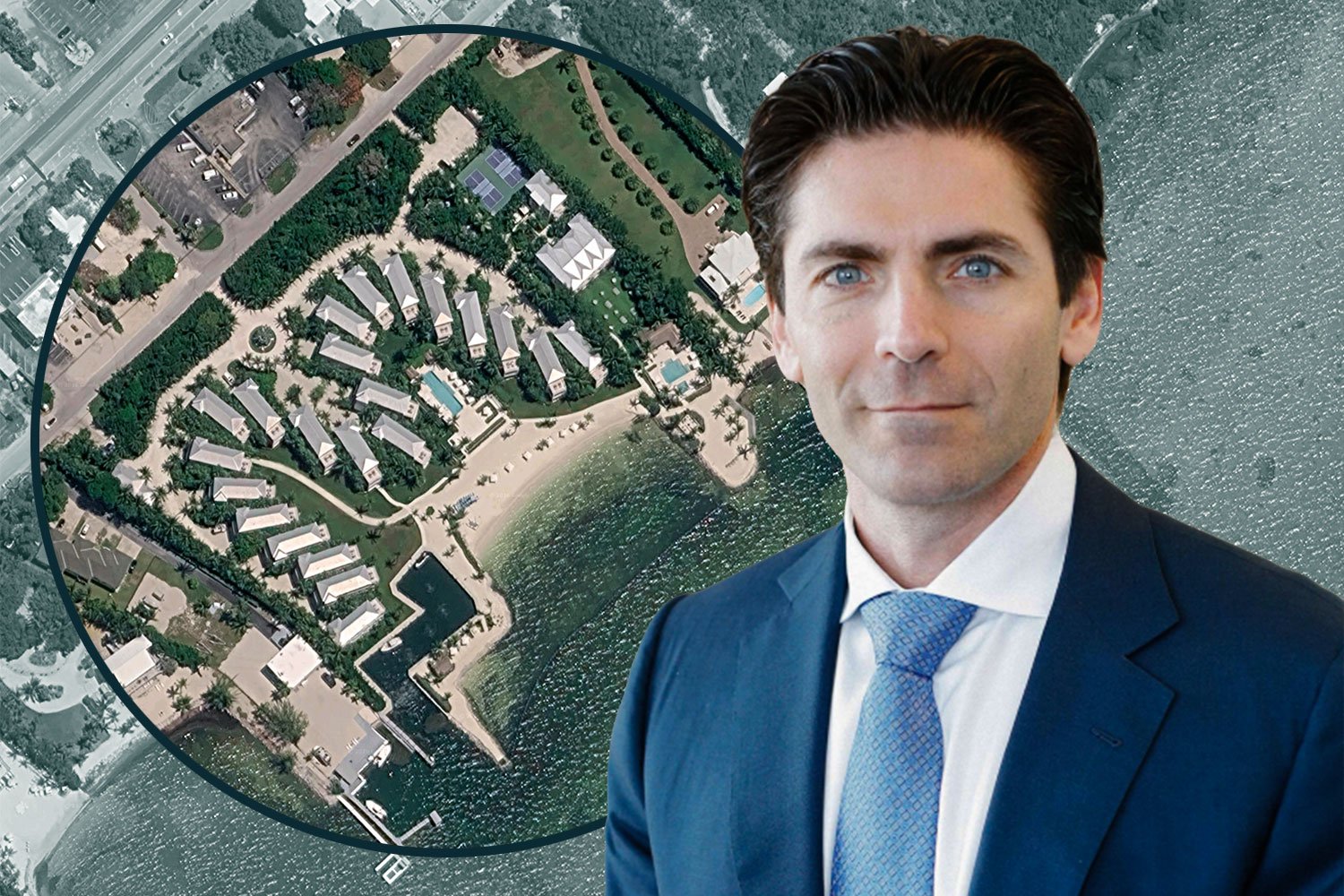
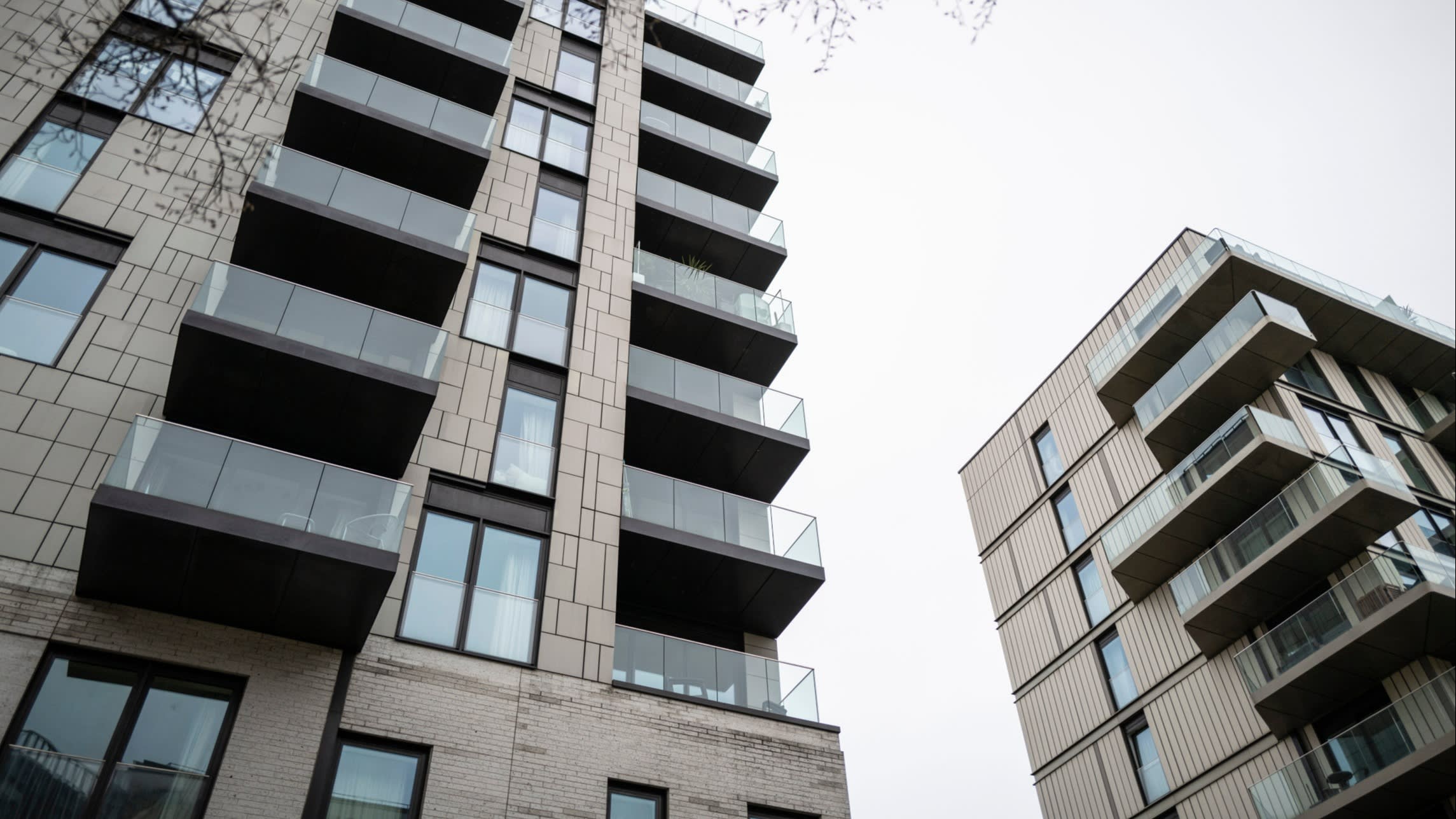
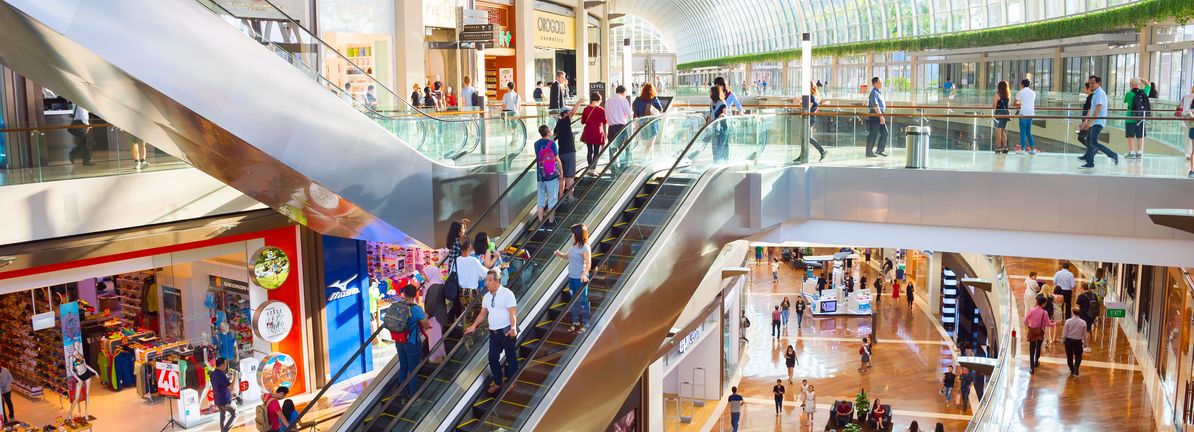
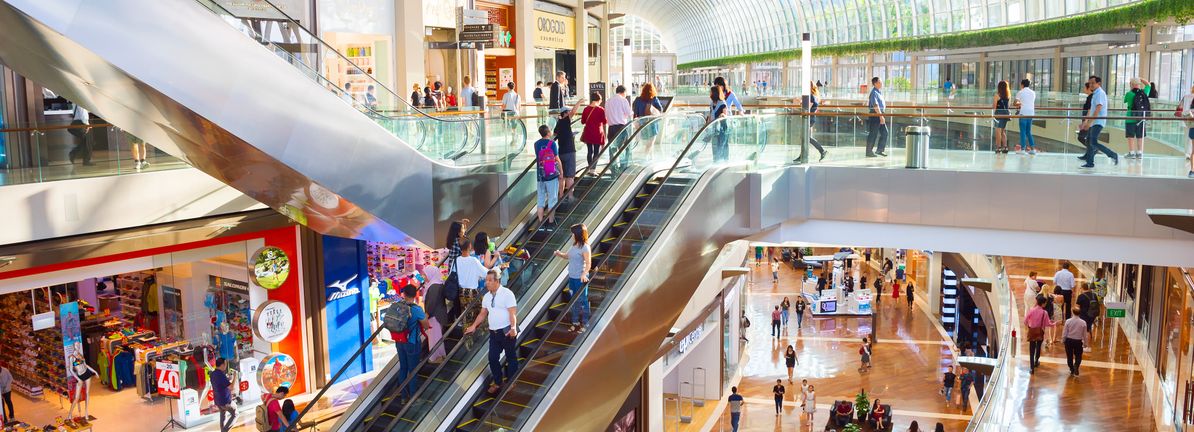
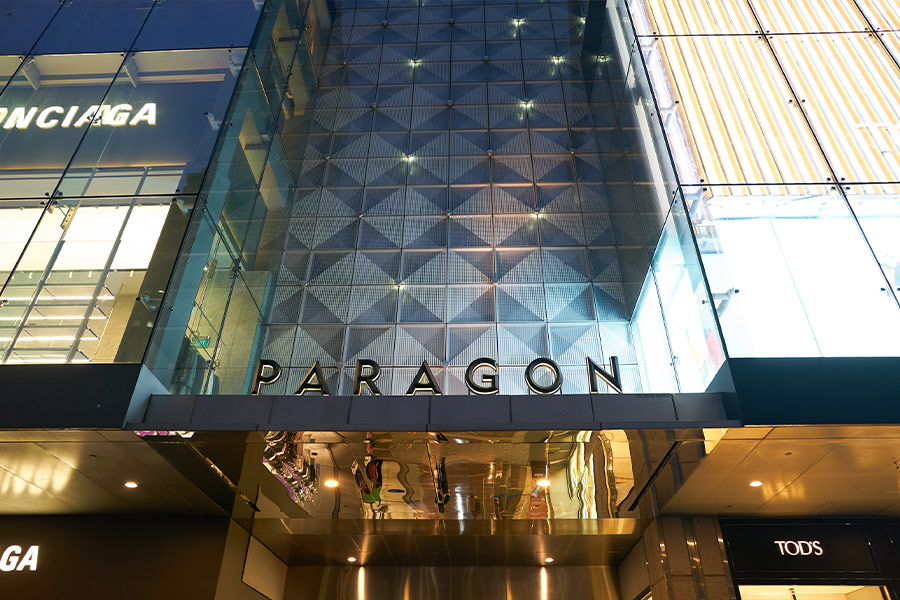
Two major transactions accounted for much of the quarterly activity. CapitaLand Integrated Commercial Trust acquired Paragon from Cuscaden Peak Investments for $3.84b (US$3b), whilst IOI Properties purchased Asia Square Tower 2 from the trust for $2.43b (US$1.9b).
The transactions reflected the return of large deals involving high-quality office and retail assets, even as investors faced persistent inflation, currency volatility and geopolitical uncertainty.
JLL said capital remained available despite the challenging environment, with investors seeking repriced premier assets that could benefit from limited supply and favourable rental-growth prospects.
Singapore’s performance contributed to a broader recovery in Asia-Pacific commercial real estate investment. Regional volumes reached a record $118.4b (US$92.5b) in the first half, rising 35% YoY.
Second-quarter investment across the region increased 38% to $58.2b (US$45.5b), supported by demand for offices, retail properties, data centres and logistics assets.
Japan remained the region’s largest market, with quarterly investment rising 39% to $13.6b (US$10.6b). Its first-half volume reached $30.5b (US$23.8b), led by office transactions and growing demand for data centres.
Australia recorded $11.4b (US$8.9b) in second-quarter investment, up 82% YoY and its strongest second-quarter performance since 2021.
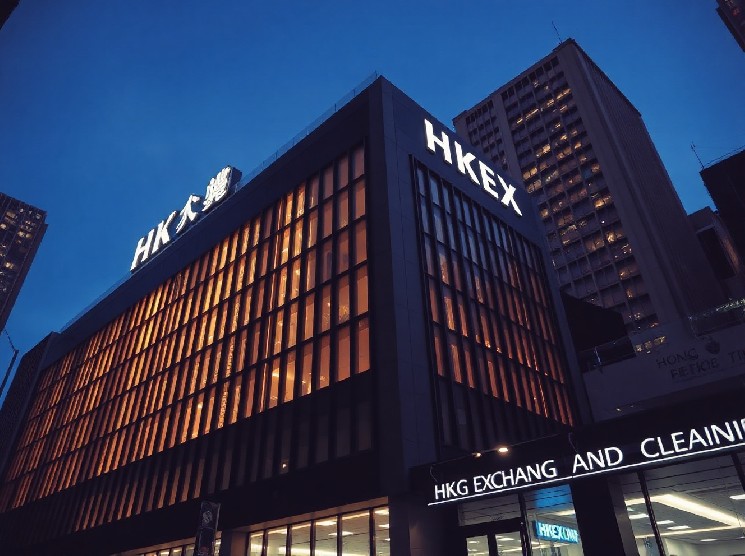
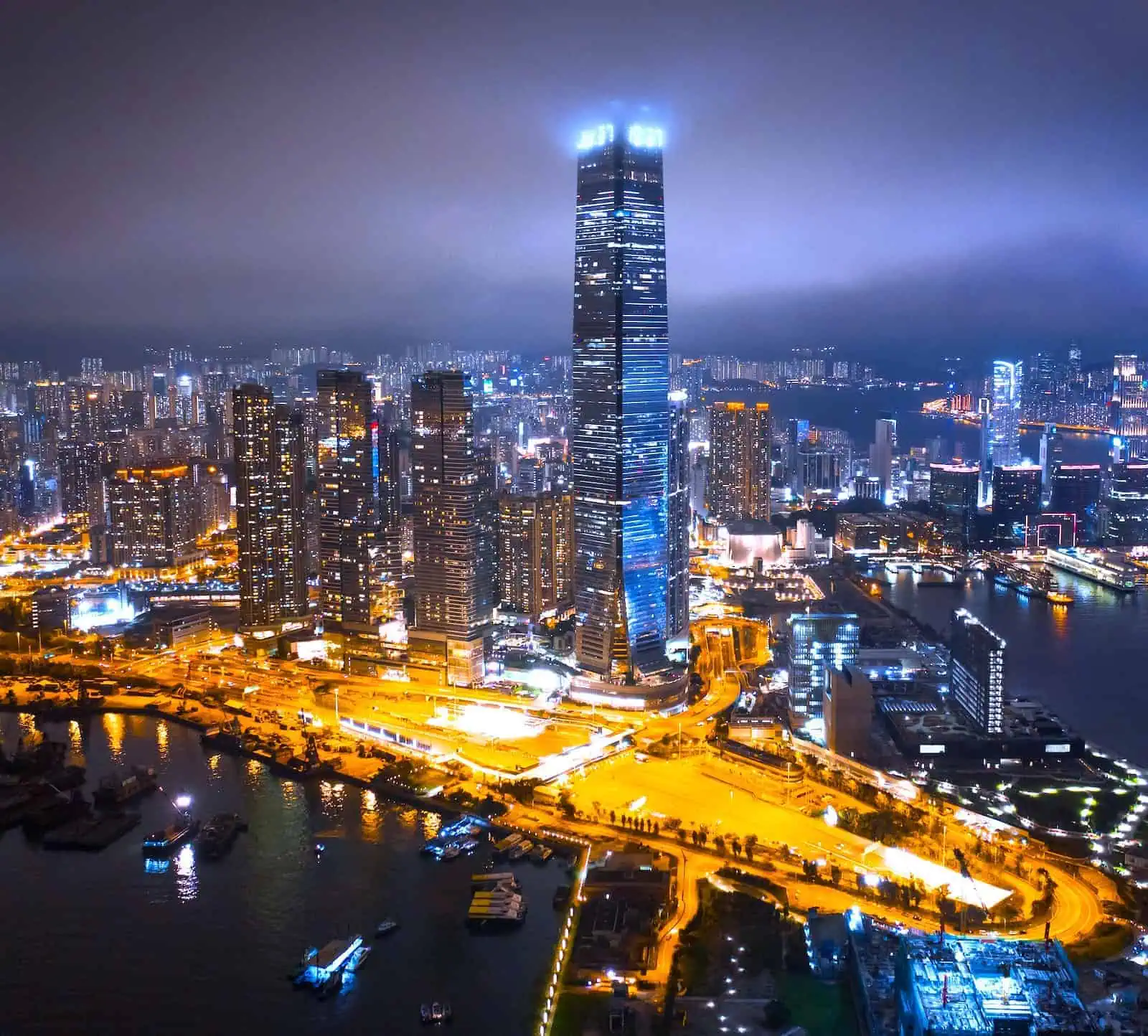
Hong Kong investment surged 129% to approximately $4b (US$3.1b), although the increase came from a low base. The rebound was supported by stronger retail and office transactions, including deals involving assets under receivership.
JLL said investors were increasingly targeting sectors supported by long-term structural demand, including data centres in Japan and logistics properties in Australia. Others were pursuing office and hotel assets offering more stable yields or adjusted pricing.
However, investors continued to assess transactions cautiously, whilst elevated interest rates widened the pricing gap between buyers and sellers in some markets.