No deemed disposal, a tax-free threshold, and no minimum contribution will be among the key features of the Government’s new personal-investment account scheme.
It is also understood savers will be able to invest in shares, bonds, and ETFs – however – investing in risky products such as crypto assets and derivatives will not be allowed.
Tánaiste and Minister for Finance Simon Harris is due to announce a roadmap for the new State-backed accountsscheme tomorrow, which are expected to be up and running early next year.
The roadmap, seen by RTÉ News, reveals that a significant benefit will be that deemed disposal tax will not apply to any funds held in investment accounts.
Under deemed disposal, every eight years certain investments are treated as if they have been sold for tax purposes – even if there has been no sale.
As a result, any gains on such investments are taxed at 38%. The controversial tax is designed to combat tax avoidance.

Instead, under the Government’s plan, providers will be responsible for calculating, reporting, and paying any tax due to revenue on behalf of investors.
The account will also have a tax-free threshold, with a low flat rate of tax applying annually to the value of accounts above that threshold; below this threshold no tax will be due.
Meanwhile, it is understood there will be no minimum contribution, holding or lock-in period for investors, and they will be allowed to move their accounts between providers with no tax liability.
Though, an annual maximum contribution limit will apply.
The specific amount of the tax-free threshold, as well as the flat tax rate, and yearly contribution limit will be announced in October’s budget.
Any Irish tax resident aged 18 and over will be eligible to open one of the new personal investment accounts.
Eligible providers will include MiFID-authorised service providers, regulated fund managers, and regulated insurers or firms.
Irish households hold just 2.3% of their financial assets in direct investments such as listed shares and debt securities, compared with an EU average of around 7.5%.
Instead, a significant proportion of household financial assets in the country are held in cash and deposits (38% in Ireland vs the EU average of 30%.
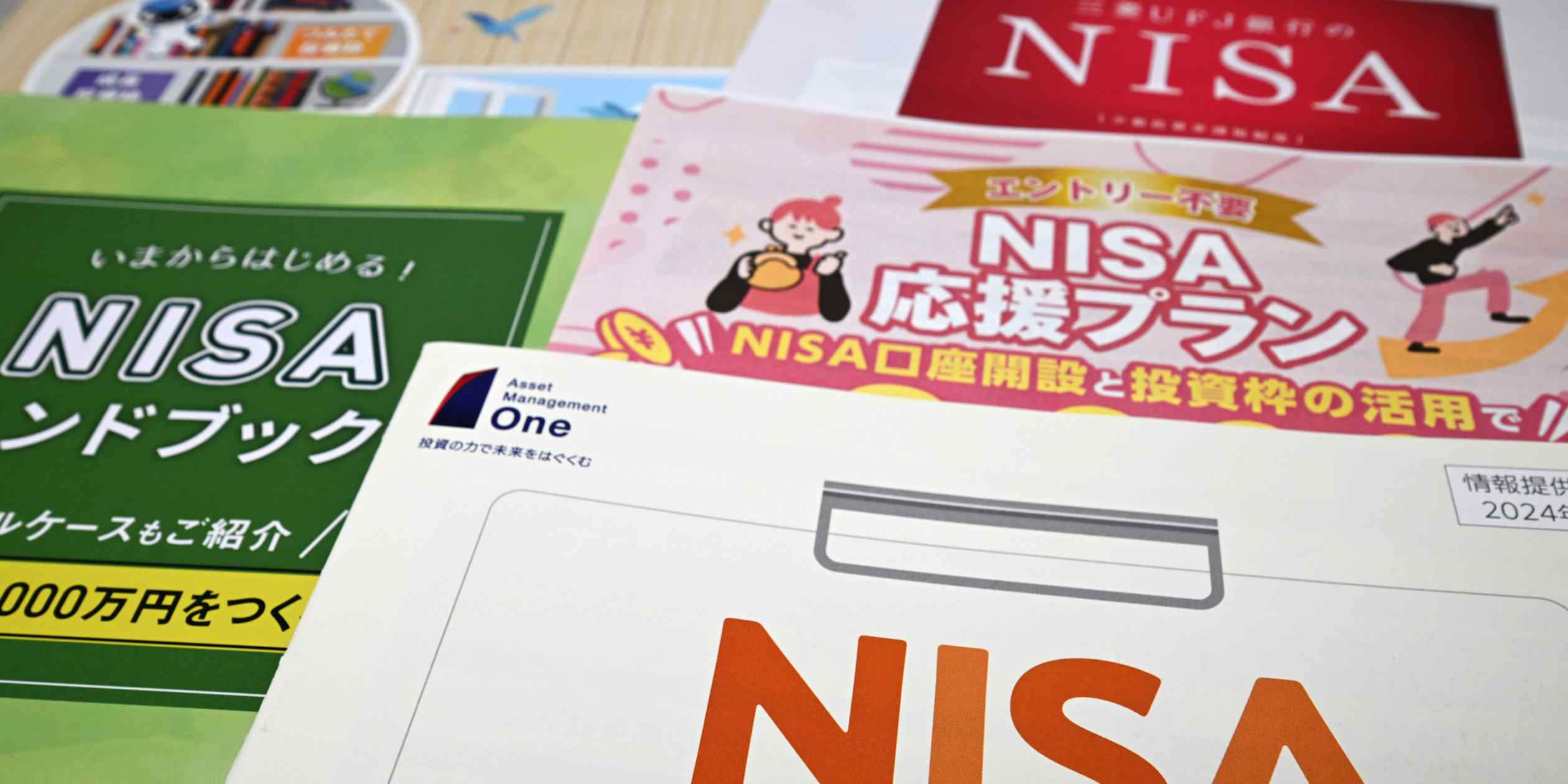
The aim of the new investment account scheme is to provide a simpler framework for people who want to invest any savings in capital markets.
In his roadmap announcement for the scheme tomorrow, the Tánaiste will say that while Irish people are good at saving “we have comparatively low levels of direct retail investment, and as such people are not getting the benefits of greater returns.
“For people who decide that investing is right for them, I want to make sure they have a simple and accessible way to do so.
“Capital markets should not feel remote or like something that is only for people with significant wealth or financial expertise,” Minister Harris will say.