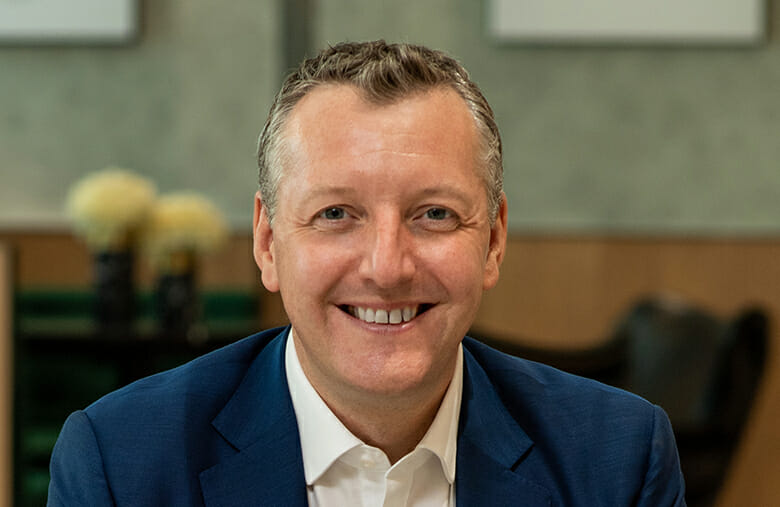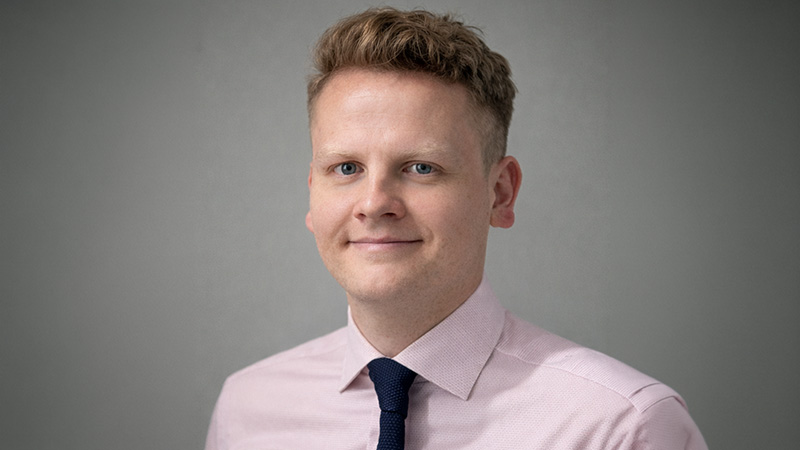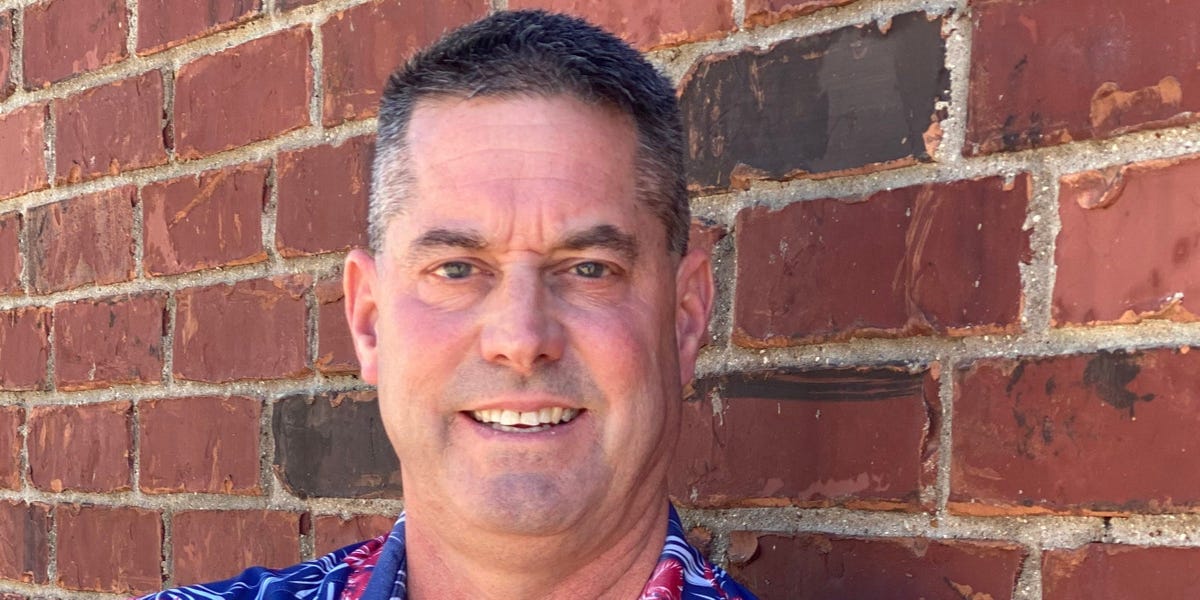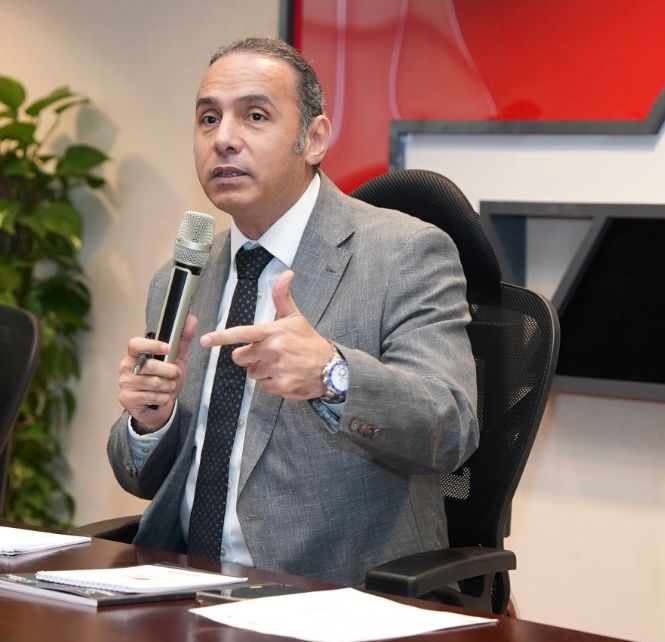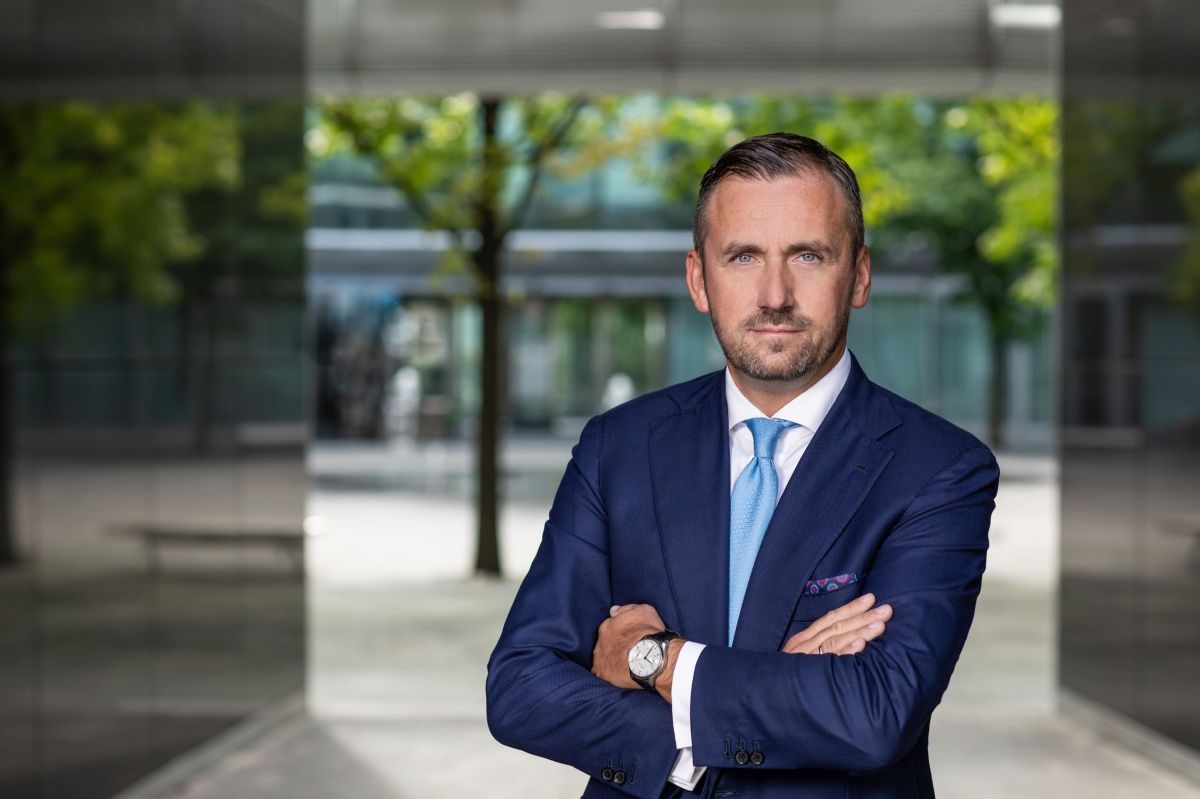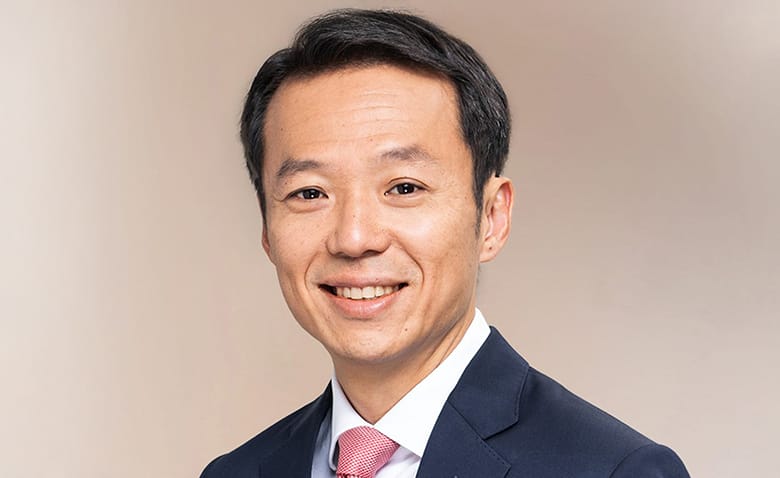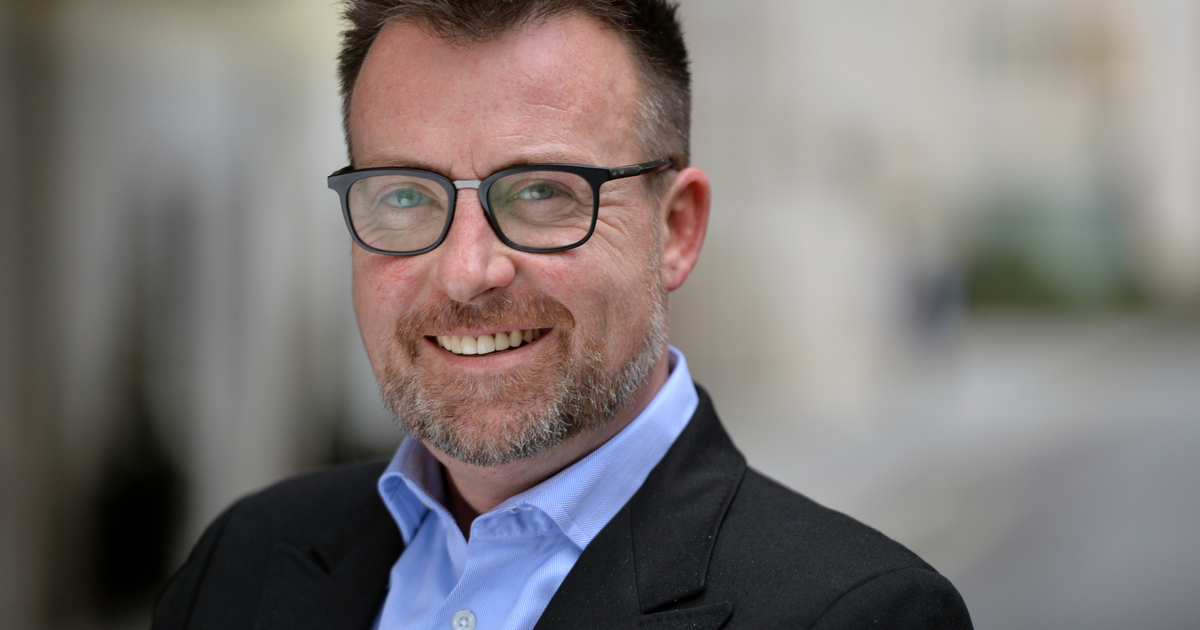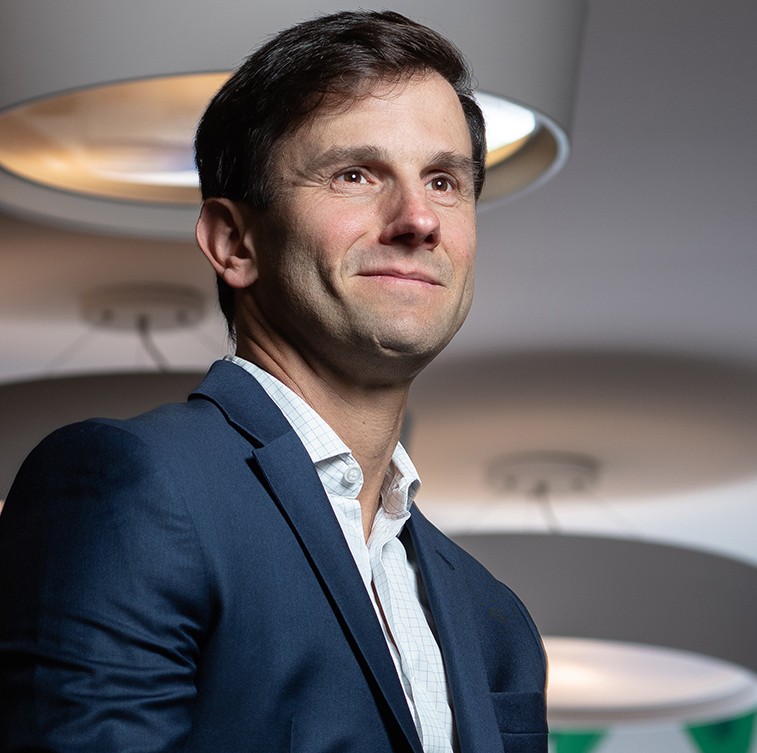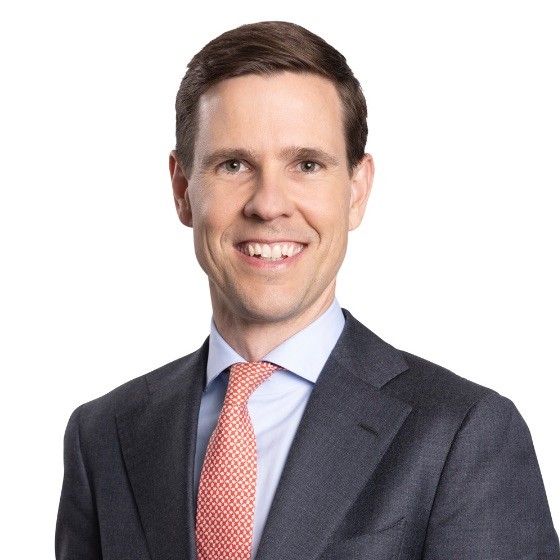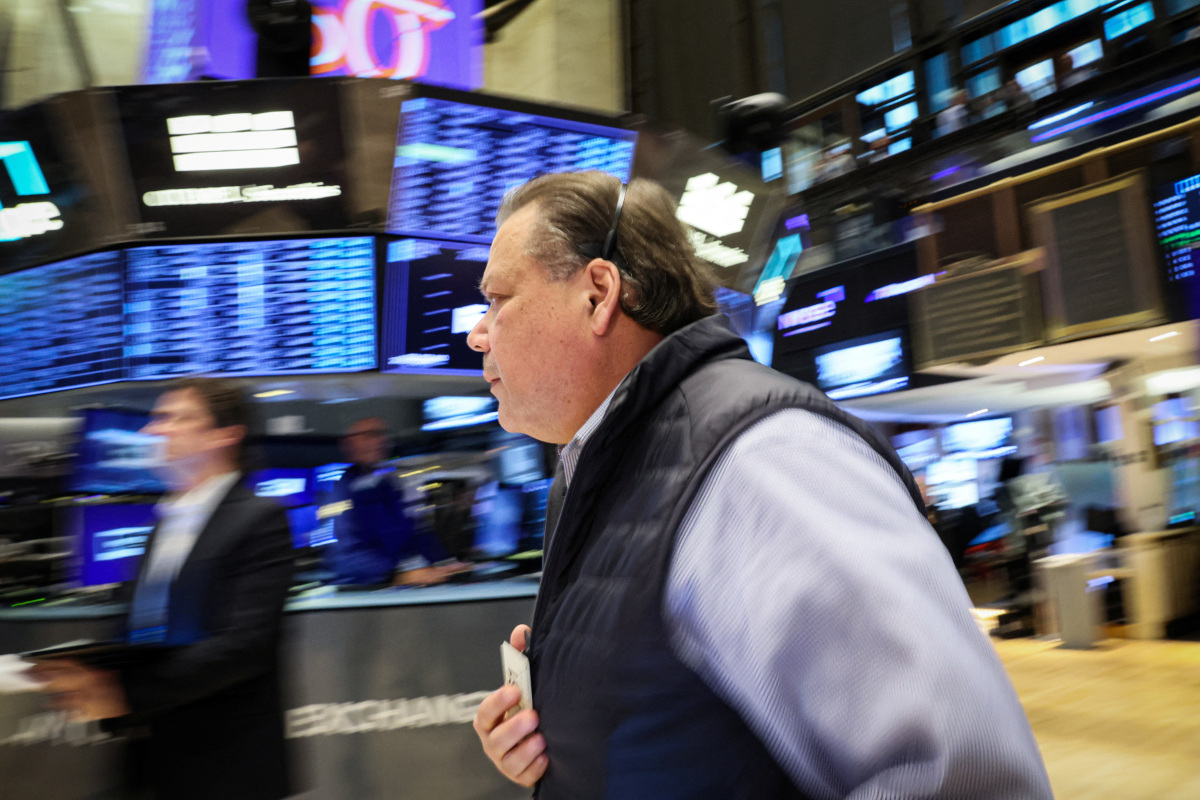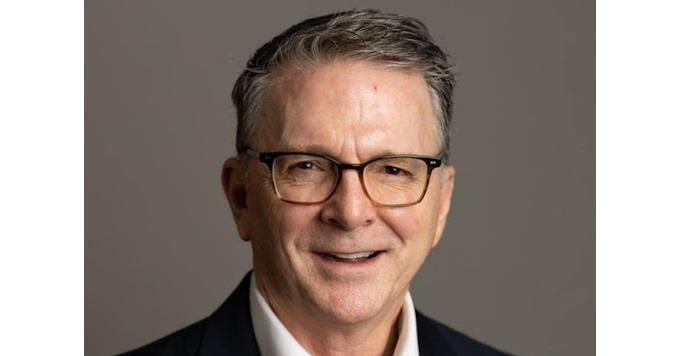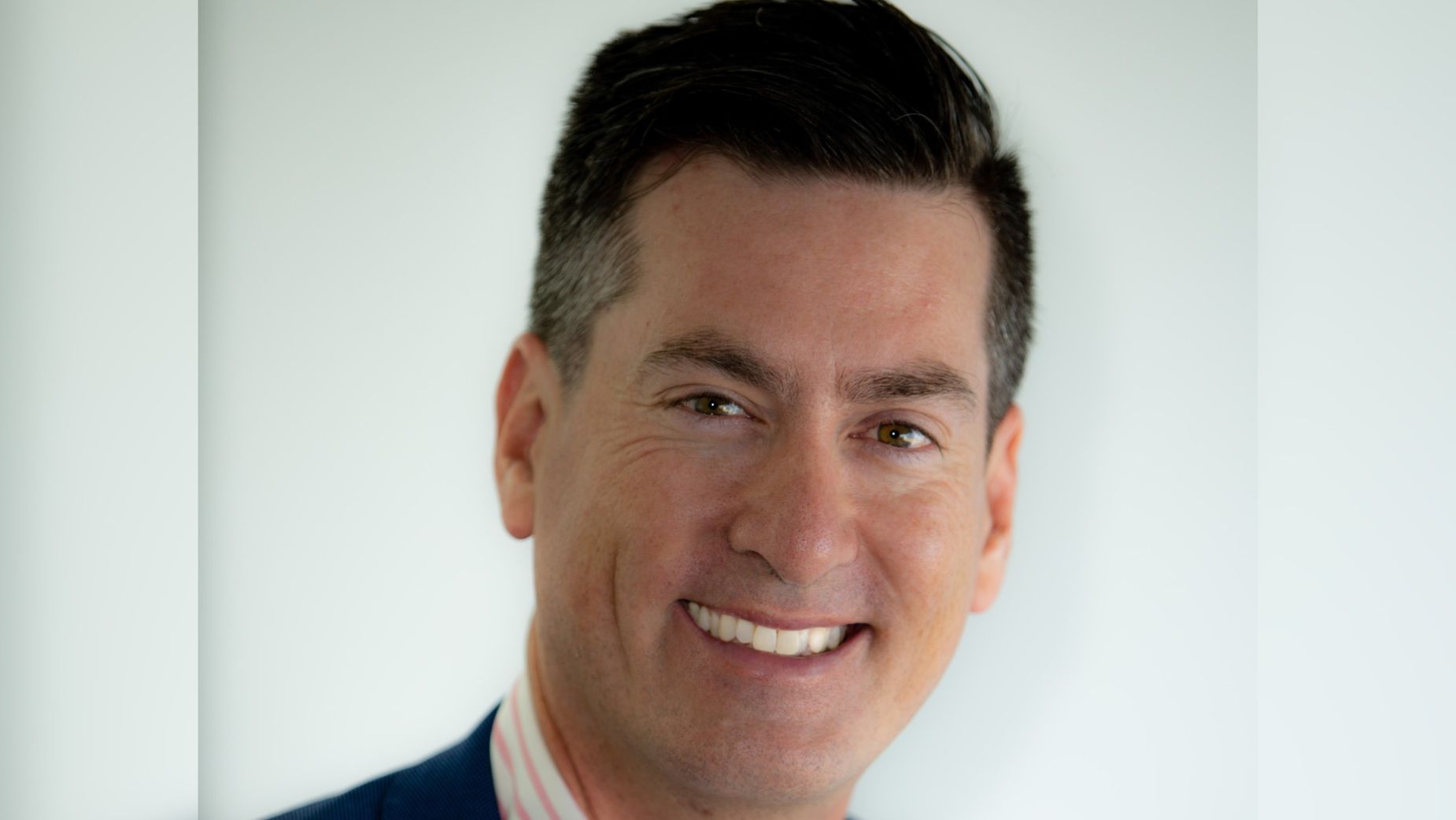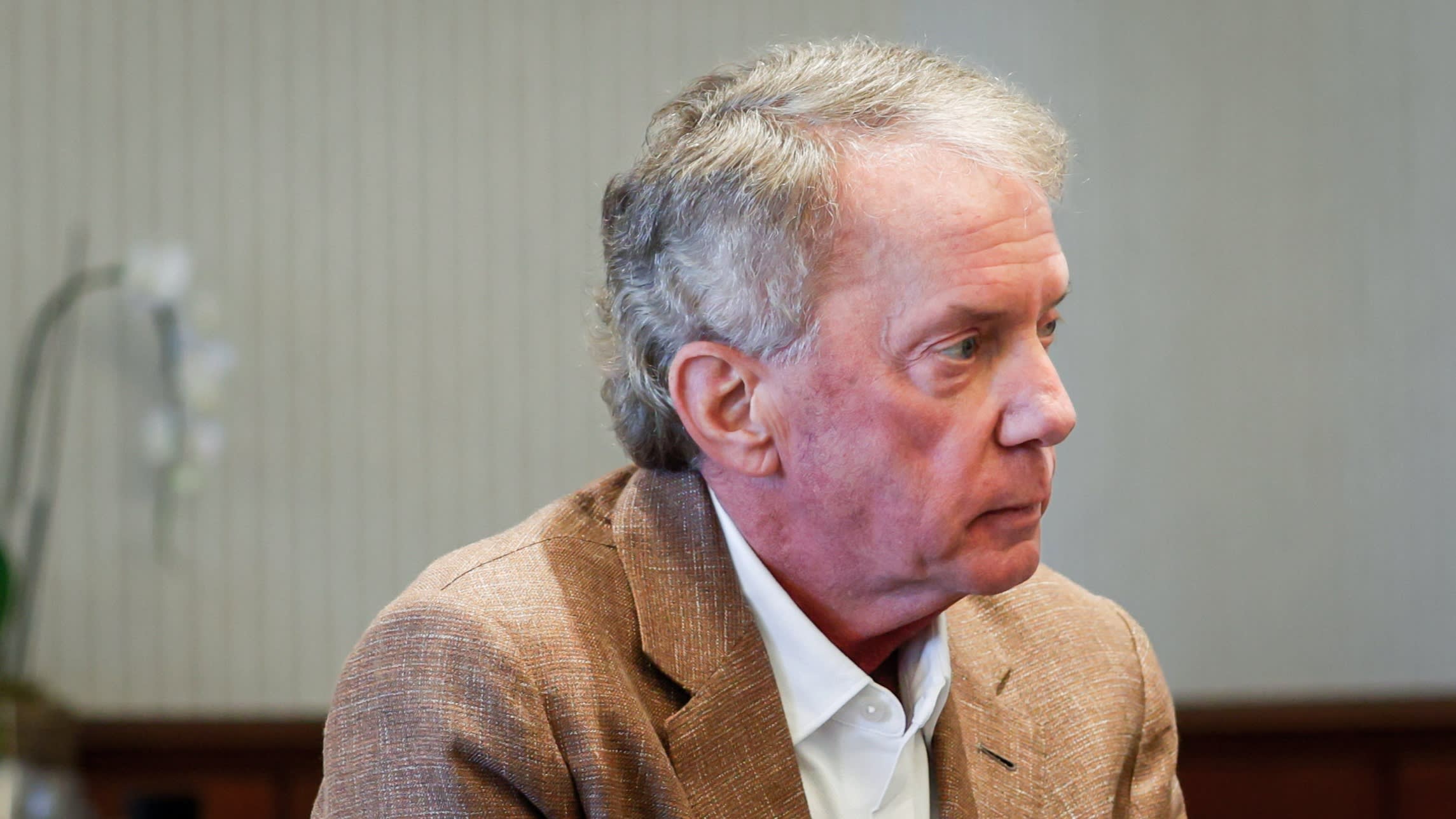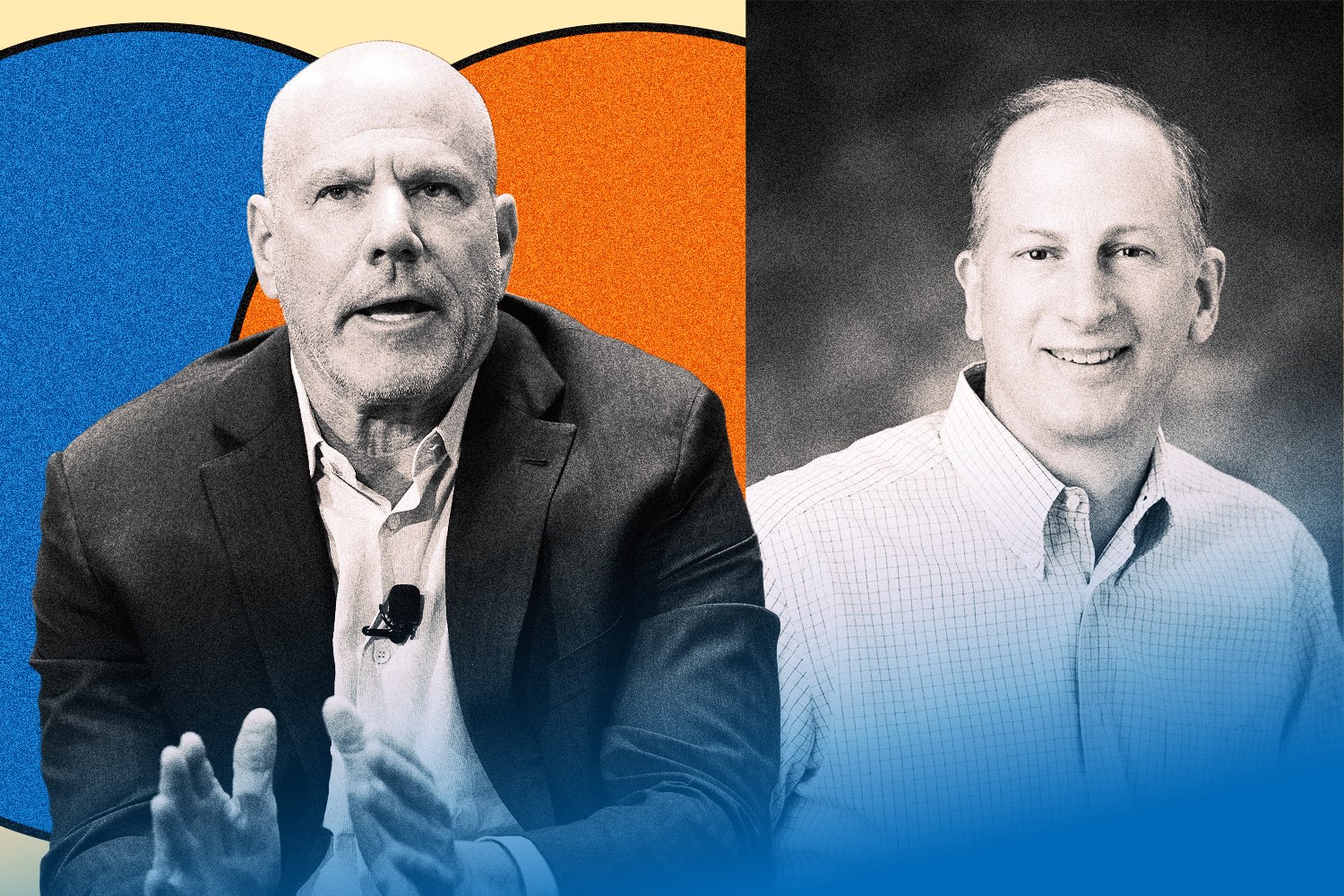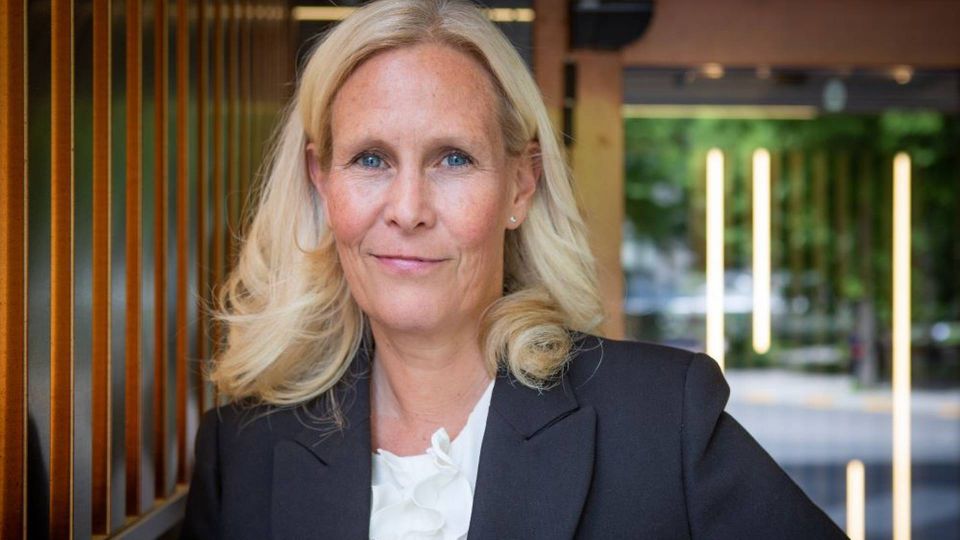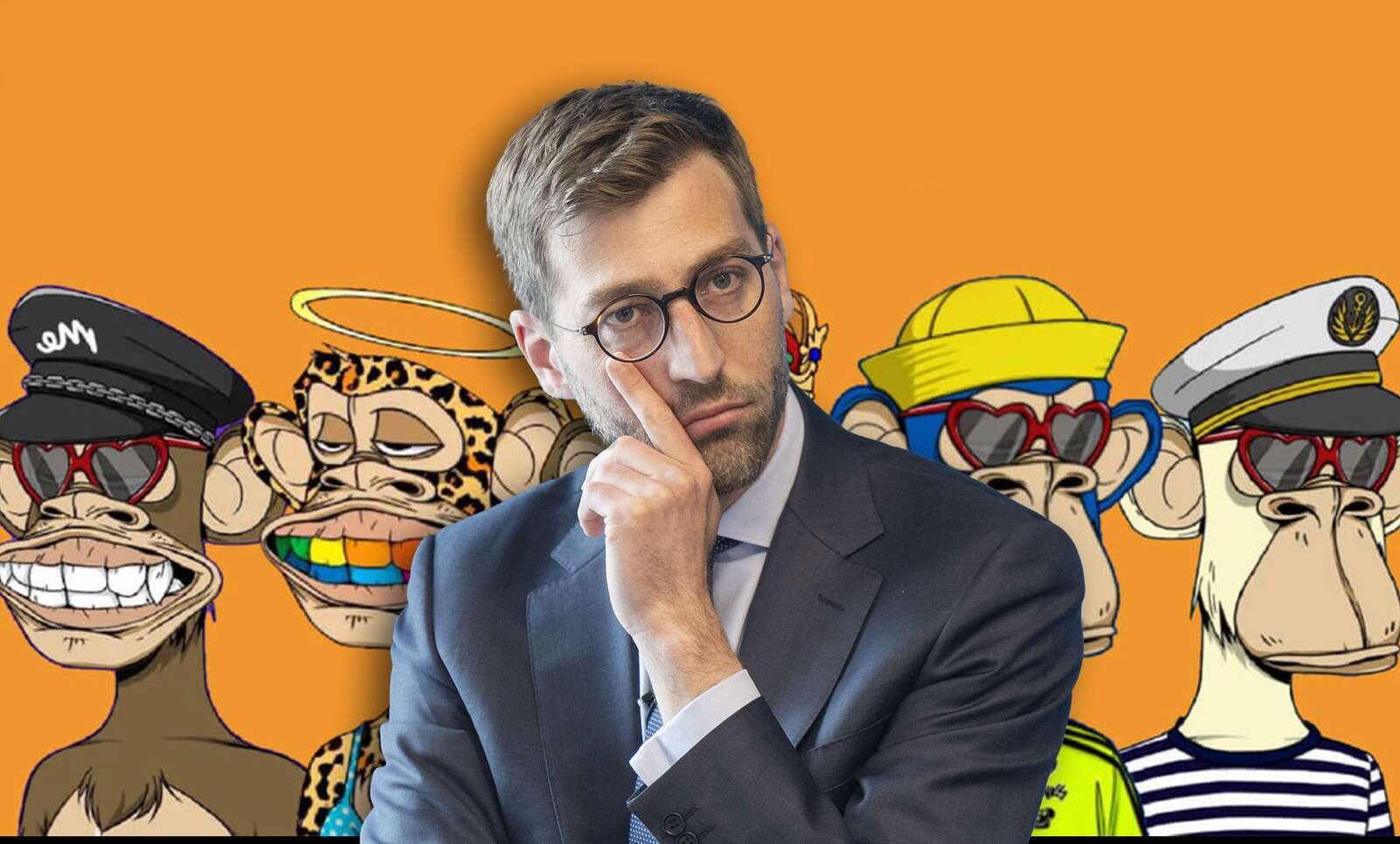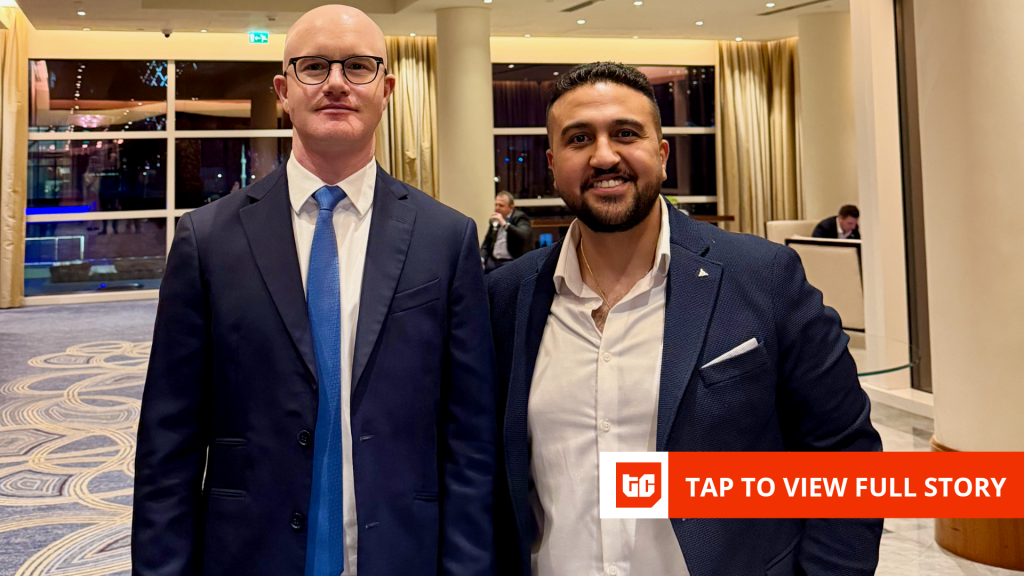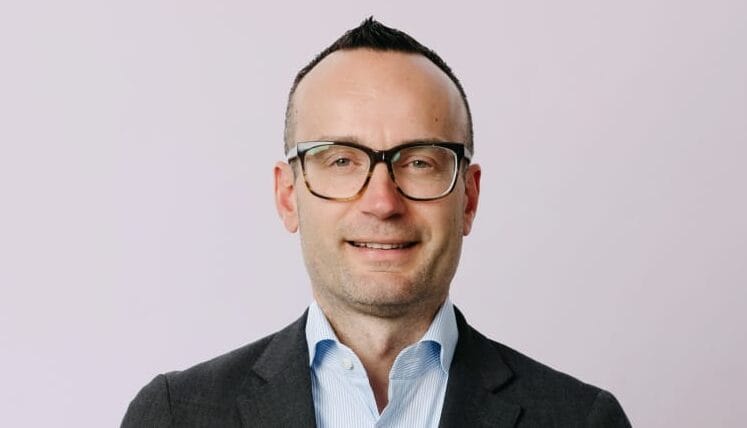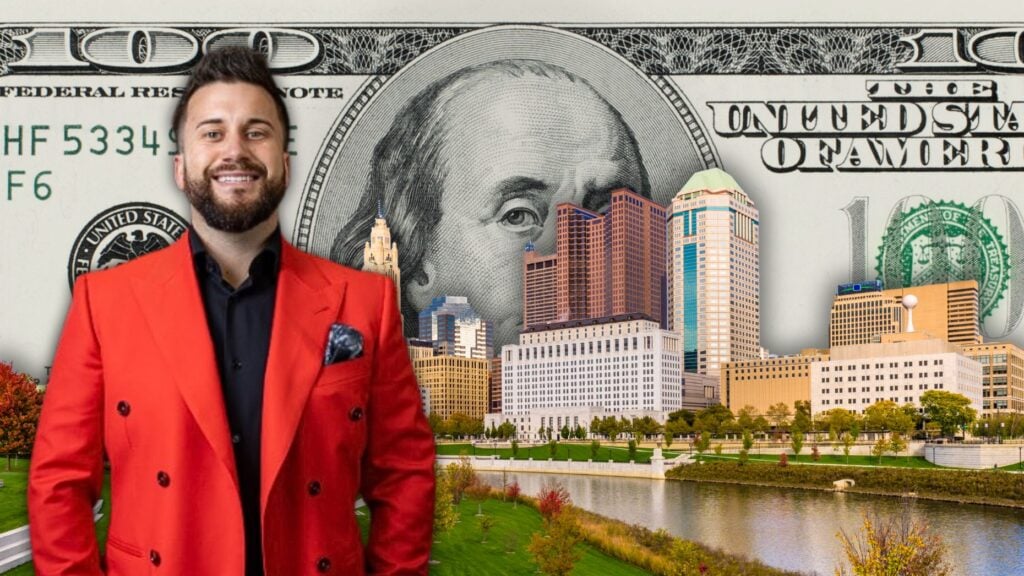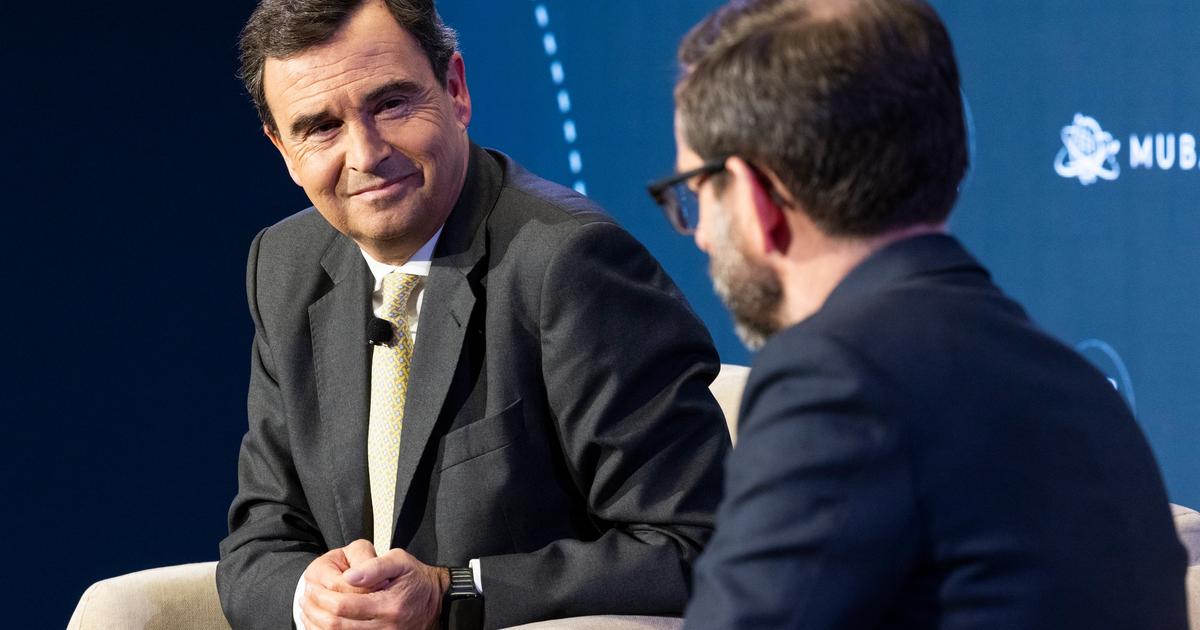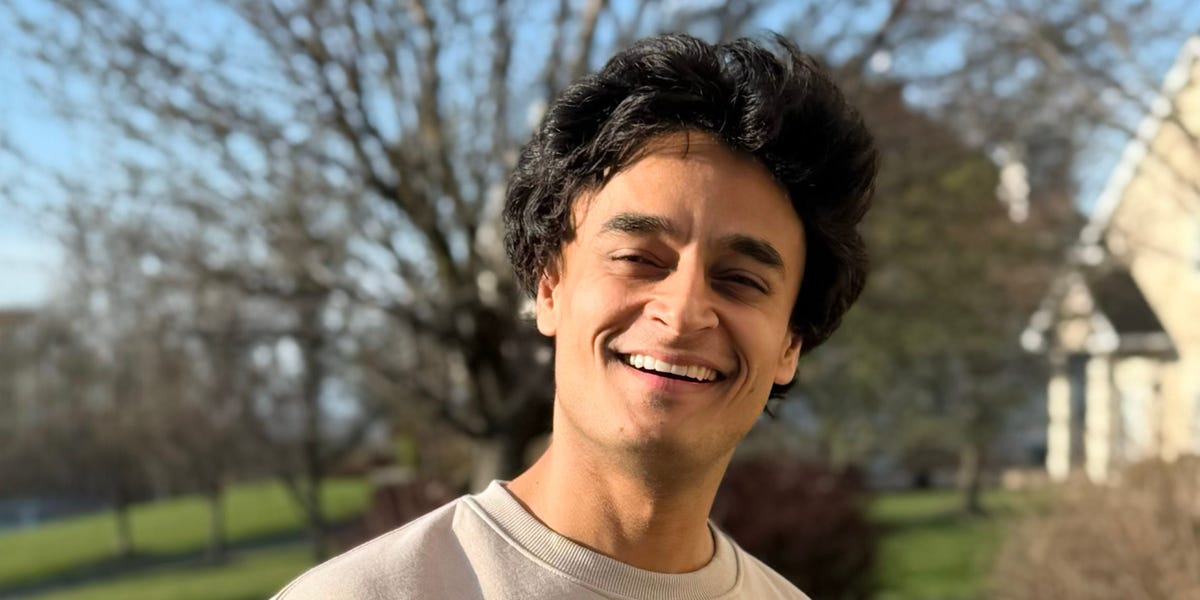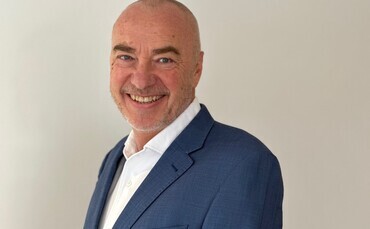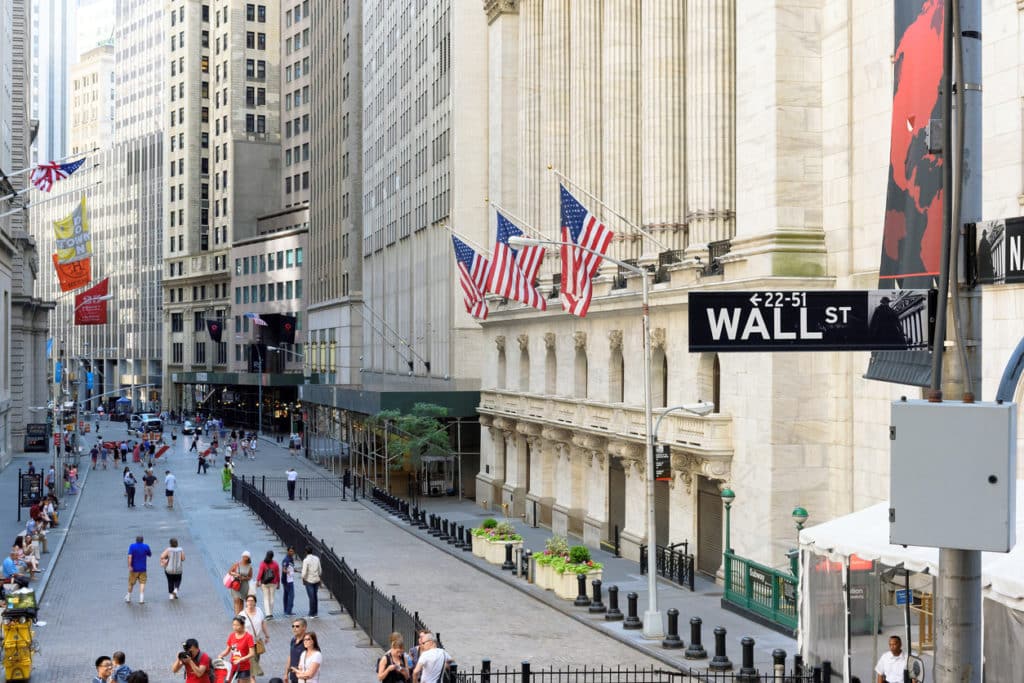
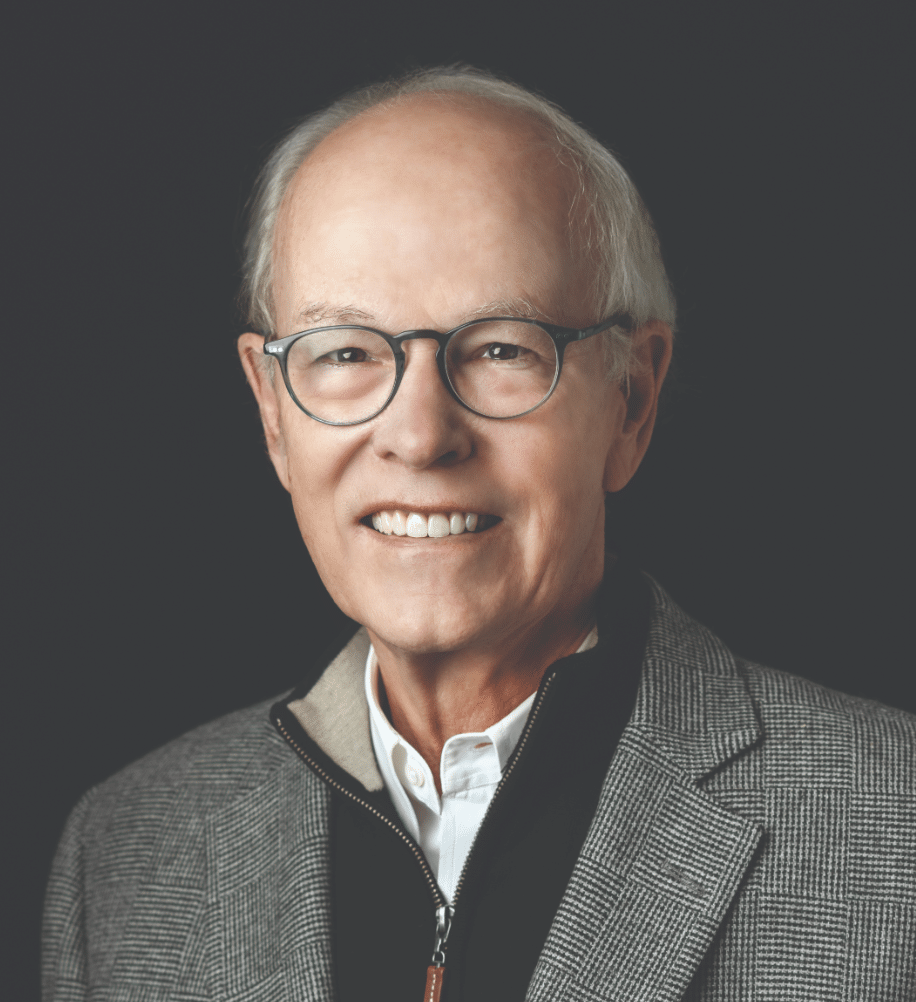
Thomas Jasper has spent over four decades on Wall Street. Throughout his career, he has helped shape the development and trading of derivatives. He was a managing director at Salomon Brothers, where he established and led the firm’s interest rate swap business. He also helped found the International Swaps and Derivatives Association (ISDA), serving as its first co-chair. He later became chief executive of Primus Guaranty, a credit default swap business. Jasper is currently a managing partner at Manursing Partners and serves on several Blackstone Credit and Insurance (BXCI) fund boards. In an interview with Traders Magazine, he discusses how derivatives markets have evolved, whether they are safer today, and where systemic risks remain.
You helped shape today’s derivatives markets. What have been the biggest changes you have seen over your career and how have they affected market risk?
I have had several opportunities over my career to participate in significant changes in the derivatives market both as a trader/risk manager as well as an end user. There have been significant changes covering the breadth, size and liquidity during this period. In the early 1980’s, dollar interest rate swaps or IRS were the primary focus of the market. That evolved relatively quickly to include non-dollar IRS’s, caps and floors. But it was a time where the growth in the market was being hampered by the inability of the street to document transactions. The first big change was the creation of the International Swaps and Derivatives or ISDA and the 1984 Code of Swaps to help address the documentation overload. I was instrumental in setting up ISDA and was its first co-chair. ISDA was a significant development and represented a time where the market came together to address a problem. (I am very pleased that ISDA remains a force in the derivatives markets 40 years later). There was also little if any trading in IRS or liquidity in those early days. Many of the bank participants were resistant to trading IRS happy to leave it as more of a one-off investment banking transaction. Nonetheless there was a strong core of IRS dealers that felt trading was the future of the market and was essential to broadening participation in it. There began a period of innovation where IRS dealers like Salomon Brothers which I led began to develop the foundations for trading. Among other steps there was a significant focus on how to value the cash flows associated with IRS and how to hedge those changes in value. Other steps included defining what it meant to intermediate the two cash flows and how to assess and manage uncollateralized up to 5-year counterparty risk. It was baby steps to begin with starting with offering a swap unwind to a counterparty. The next big change was in the late 1980’s when IRS were now being actively traded by dealers like Salomon Brothers offering market participants good liquidity at relatively tight bid offer spreads. IRS was now being quoted on a screen and dealers were willing to be long or short the market. Flash forward to the early 2000’s when I helped develop a very innovative model based on the derivative product company model or DPC. Primus Financial Products was established as the first AAA rated credit derivative product company or CDPC for managing credit risk through the sale of credit default swaps or CDS. During the 10 years I ran Primus Financial the next big change I saw was the significant growth and innovation in the CDS market across a broad spectrum of credit risk. It was a very exciting time as CDS was widely being used to manage and trade credit risk. It supplanted the bond market in many respects as the go to place to assess credit quality and liquidity. During the 2008 financial crisis it became clear that there were some bad actors in the CDS market. I address this point in my book in greater detail, but CDS and the leverage embedded in some of the trades in my view was a contributing factor to the crisis. Flash forward to today, I am seeing a much larger, more liquid derivative’s market that encompasses a wide spectrum of products that I never dreamed of in the early 1980’s. These have been very significant and exciting changes for what today is one of the most important markets in the capital markets.
Are today’s derivative markets safer than they were 15 years ago (or more than 40 years ago)? Where do you see the biggest remaining vulnerabilities?
The derivates market is a much more important component of the financial/capital markets than it was 15 years ago let alone when I begin my derivatives career over 40 years ago. I strongly believe it is a safer market today. There has been so much innovation around counterparty risk. In the early days counterparty risk was not well understood. Many institutions at that time equated swap risk to loan risk. It took ISDA a couple of years before it developed close out methodology upon a counterparty default. There was no margining either initial or daily true ups as the technology to assess the daily IRS mark to market was in its infancy. Regulators had very little understanding of how IRS worked let alone being able to assess where there were systemic risks to worry about. Today collateral support agreements or CSAs are standard practice for determining margin to mitigate counterparty risk in the derivatives markets. There is also very active clearing of derivatives transactions through recognized and regulated clearing houses. I understand that 80% of the IRS volume is cleared through a clearing house. This mitigates the counterparty risk even further. There is also broad regulatory oversight of the derivatives market. All these factors lead to my conclusion on market safety. In terms of vulnerabilities, I believe that the clearing houses could represent a systemic risk in periods of extreme market stress. They are a relatively new component of the derivatives market and have not gone through a 2008 scenario although I expect that their collateralization models are being run through 2008 like scenarios. Another vulnerability could be that non-bank participants like hedge funds and pension funds have become a much bigger source of margin and liquidity. Another could be the ongoing innovation that is a part of the derivatives market’s DNA. Are these new products like derivatives on crypto well understood and properly documented by market participants? Are the regulators paying attention? Is there a bridge too far? I think that market participants and regulators must keep asking these questions as the derivatives markets continue to innovate and grow.
With derivatives volumes continuing to grow does the size and complexity of the market create new systematic risks?
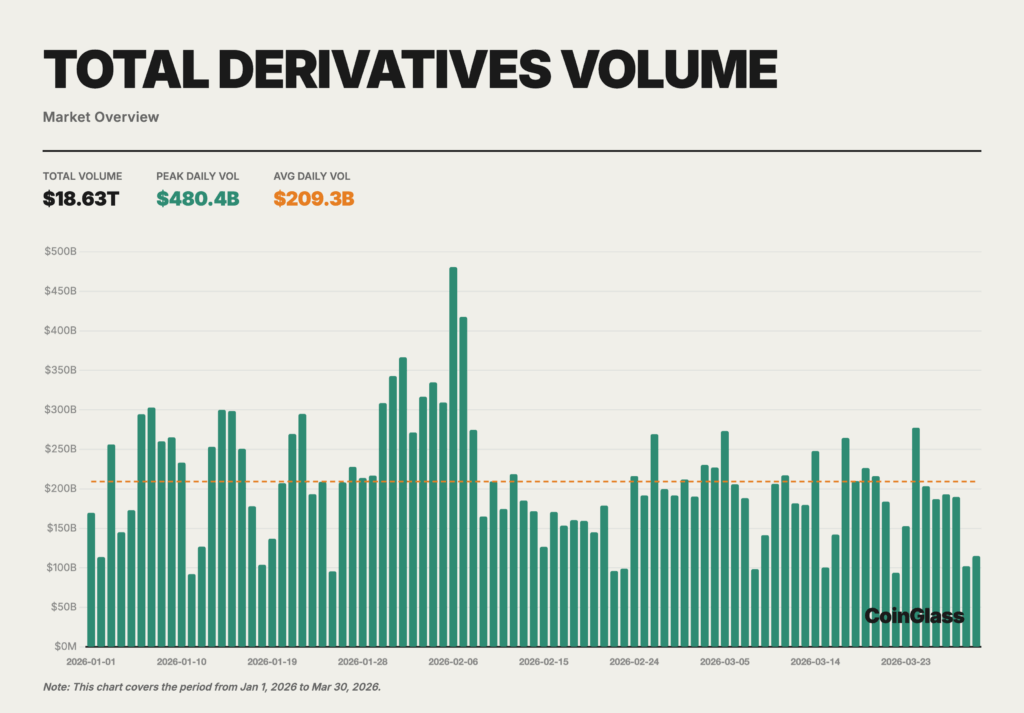
I believe the growth in derivatives volume is a good thing. The huge hundreds of trillions of dollars numbers associated with the size of the derivatives market does not worry me. It is a sign of the health of the market. I also believe there is robust regulatory and dealer oversight of the derivatives market that will limit any systemic risk. There needs to be many eyes looking over the daily volumes associated with the derivatives markets to make sure that a systemic risk issue does not develop. As I mention above the one new potential systemic risk is the IRS clearinghouses.
OTC derivatives remain a major part of the market. Does concentration among large financial institutions create addition risks particularly during periods of stress?
The size of OTC derivative activity in the market does not worry me. I continue to believe it is a sign of the health of the market. It shows that the market is continuing to innovate and bring in new participants. A one size fits all derivative that can be cleared was never in my view going to be the answer to the health and growth of the derivatives market. OTC derivatives were always going to be a part of the market even if it causes some heart burn among the regulators. But I believe the regulators also understand that a one size fits all cleared derivative was not the right answer. Given the OTC derivatives volumes it is important that there is an appropriate level of transparency around those contracts. I am not surprised that the OTC derivatives volumes are concentrated within the largest derivatives dealers. But I am not sure what concentration means as the 10 or so dealers which account for this concentration are fierce competitors. But the concentration if it was a problem could lead to liquidity issues during periods of stress, but I am confident those dealers and the market more generally can manage through it. I also believe that ISDA has shown that it is up to the challenge of helping to mitigate market disruptions during times of stress. The ISDA Determinations Committee which was set up during the 2008 financial crisis is only one example of where the organization stepped up to address an issue during a period of significant market stress. I served on that committee in its early days.
As technology transforms markets, where do you see the biggest opportunities and challenges for the derivatives industry?
I believe AI will play a significant and expanding role in the trading and managing derivatives portfolios. The obvious starting point is derivatives documentation. AI will assume the role of the legal associate charged with documenting transactions. That first step will most assuredly be followed by using AI to create the algorithmic strategies to trade as well as to manage the risk. It will make the market even more efficient. I am sure there will also be challenges associated with relying on AI too much and I do not think it will be a substitute for that smart trader or portfolio manager using derivatives.
The other transformation in the market is electronic trading which now accounts for almost 50% of the trading volume across the corporate bond market and more than 60% of derivatives. These platforms provide greatly enhanced transparency, efficiency and liquidity than I experienced in the earlier days. I expect that the markets will continue to invest in these platforms and the recently announced ICE acquisition of Market Axess is just one example of this trend. The one challenge is how much of the non-cleared volume can be traded through these platforms and will trade sizes continue to grow as the volumes grow.
What should market participants be paying the closest attention to as the derivatives industry enters its next phase?
This is a difficult question for me to answer as I am not currently an active derivative market participant. Thinking about the question I go back to the basics. With the innovation and growth in the derivatives market are there the proper underpinnings to make sure that the risks are being managed and controlled properly. I think this is the most important questions for market participants and regulators to be asking on an ongoing basis. One clear risk is as AI and algorithmic trading strategies and volume grow will the firm’s risk management strategies keep pace with that growth. That’s exactly what didn’t happen in 2008.
Jasper’s new book, WALL STREET MAVERICK: Musings on a Career of Innovation, Derivatives, Credit, and Risk (Amplify Publishing, September 29, 2026) is as much the story of Jasper’s contributions to derivatives, swaps, and credit markets as it is the story of a career defined by adaptability, curiosity, and a willingness to operate on the edge.