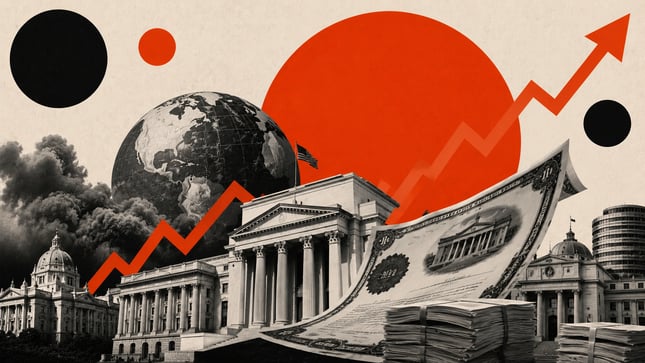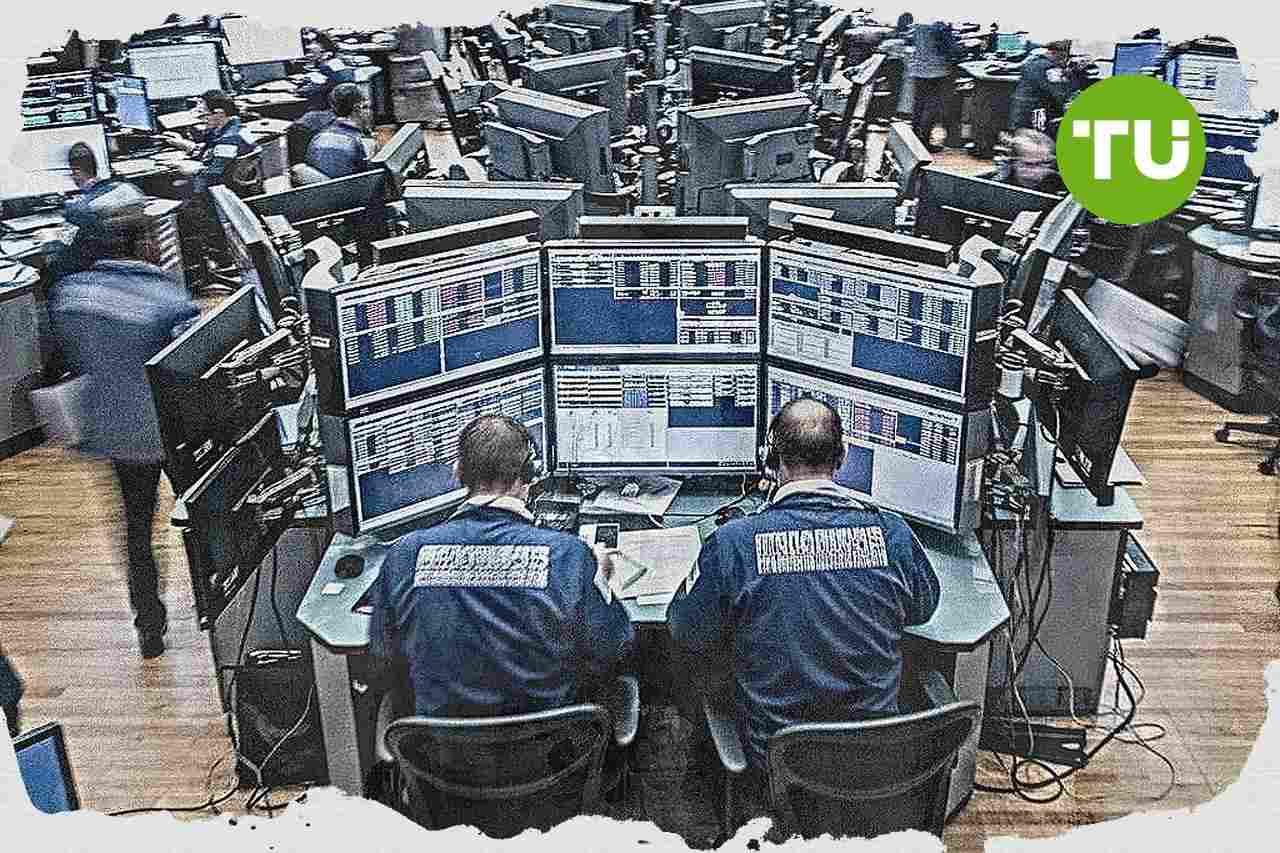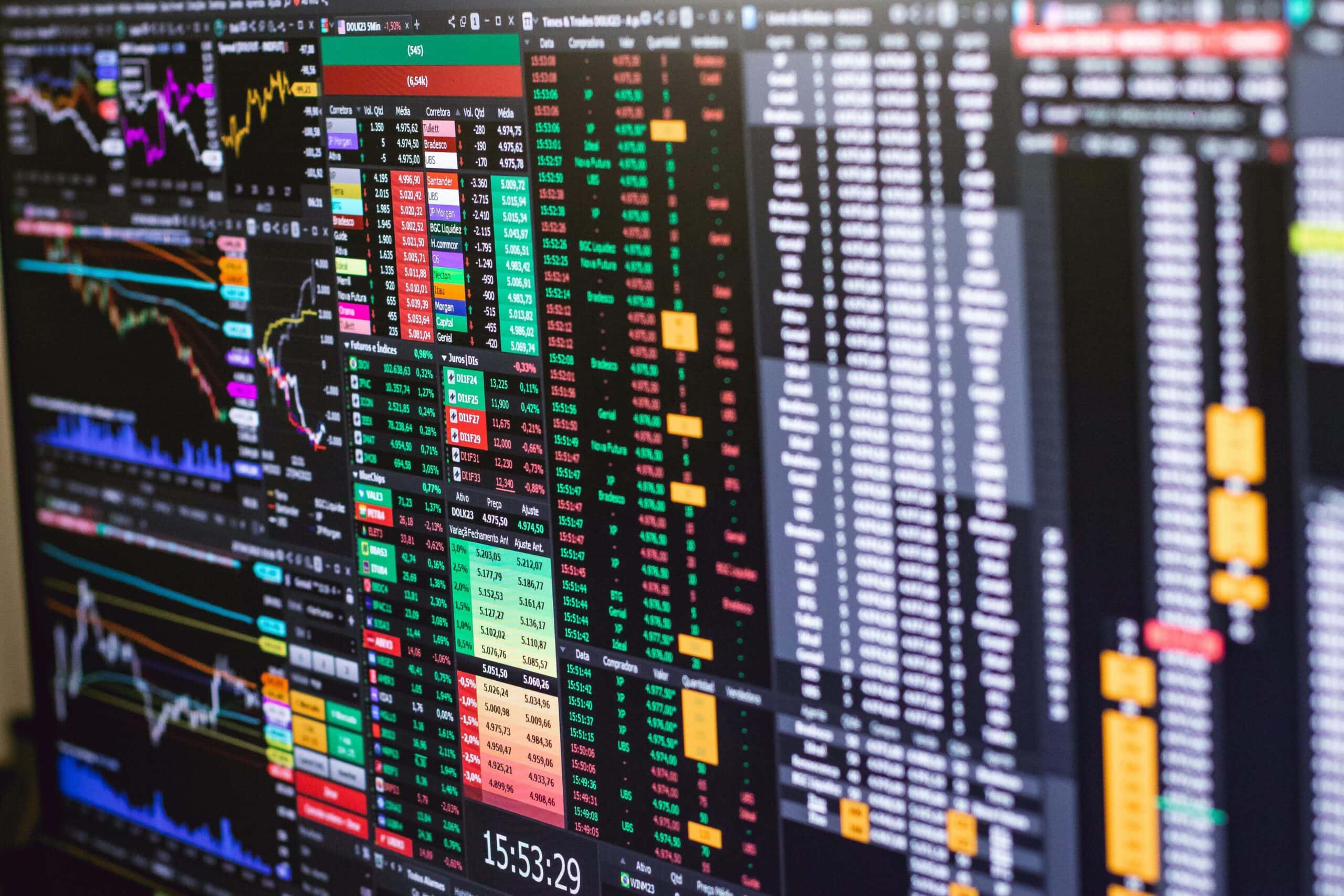
For a long time, the commodity markets were full of “known unknowns.” Traders knew that weather affected wheat and that political tension affected oil, but the amount of data needed to measure those risks was too much for people and even traditional computers to handle. The “guesswork” era of trading is over as we move into 2026.
The Digital Oracle age has begun. AI is no longer just a way to make things run more smoothly in the back office; it is now the main way to find prices. AI is giving us a level of foresight that was once thought to be science fiction by processing petabytes of unstructured data in real time.
The Future Of The Forecast
The main thing that all seven of these new ideas have in common is that they all cut down on latency. The Digital Oracle doesn’t say it can see the future with 100% accuracy, but it has made the “known unknowns” much easier to deal with. The modern commodity trader doesn’t ask if they trust the machine; they ask if they can afford to trade against it.
Hyper-Local Weather Patterns: Accuracy That Goes Beyond The Forecast
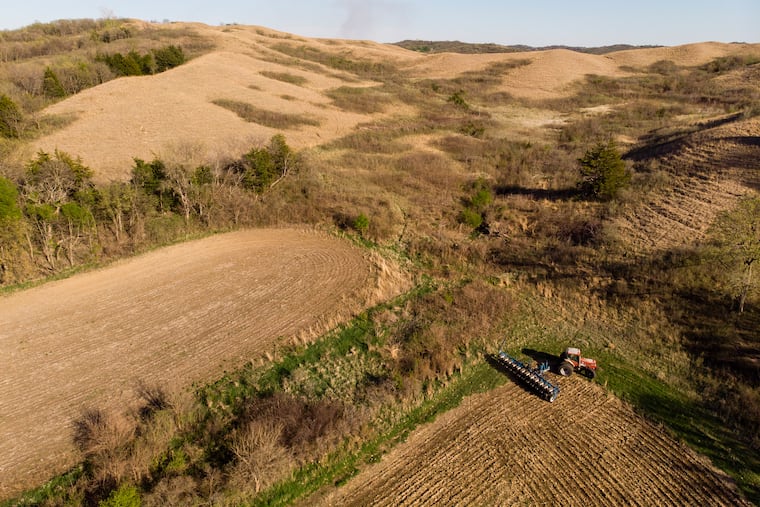
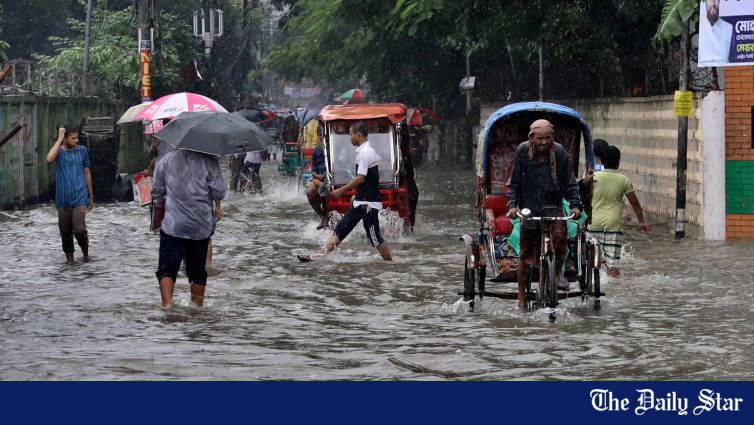
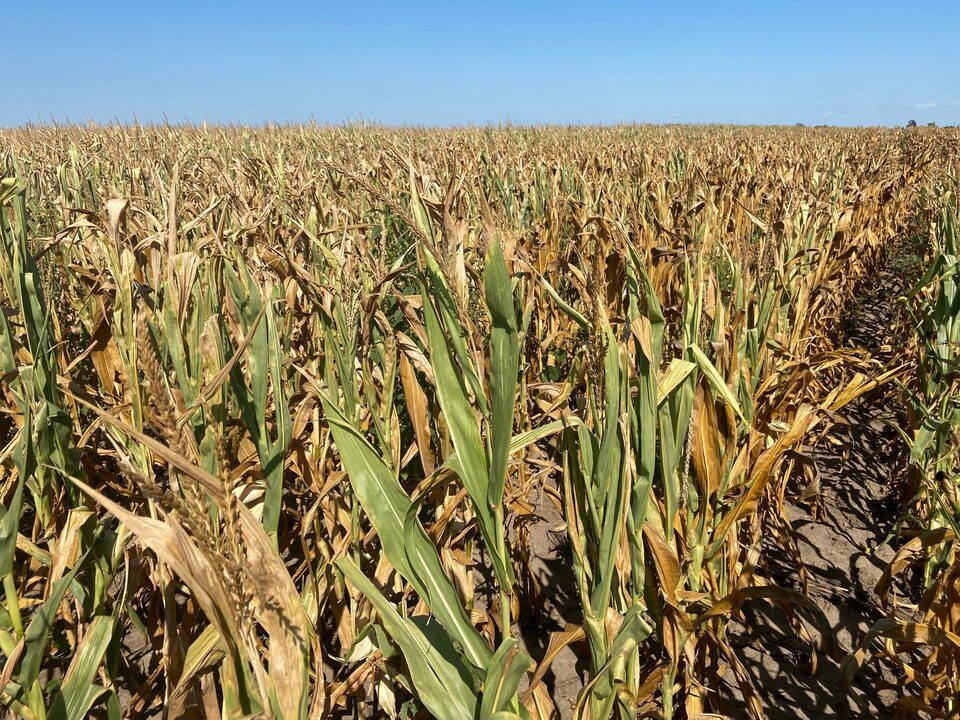
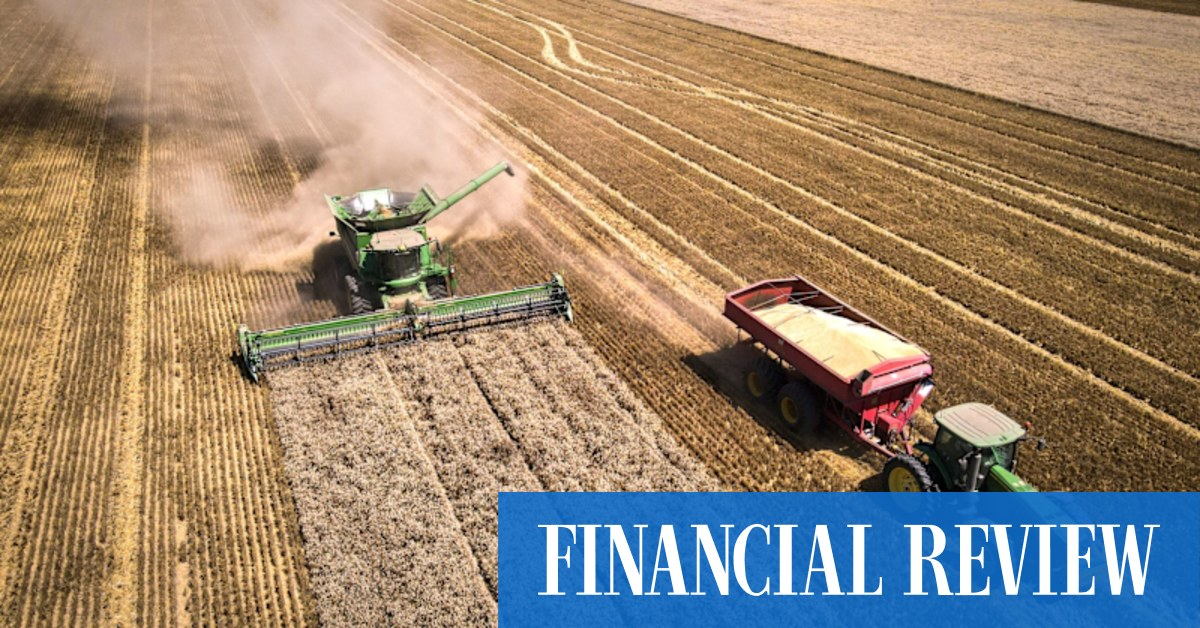
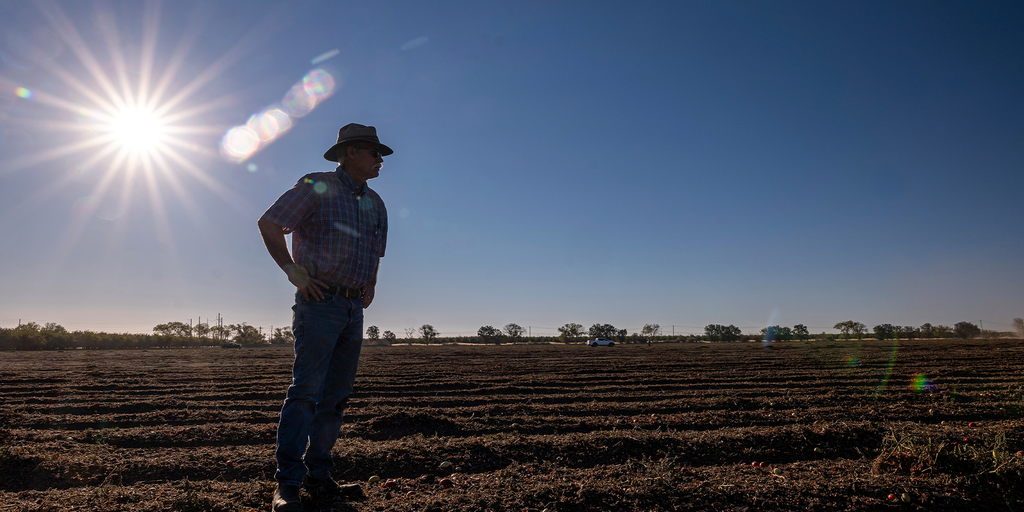
Traditional meteorology gives a general idea of what the week will be like. “Nowcasting” that uses AI, on the other hand, combines data from thousands of micro-weather stations, soil sensors and atmospheric pressure readings using machine learning.
In farming, this means going from “it might rain in Brazil” to “over the next 72 hours, the northern quadrant of this specific coffee plantation will be 15% drier.” AI lets traders price in supply shocks with surgical precision by predicting crop stress weeks before it becomes visible to the naked eye.
Satellite Shadow Analysis: Seeing What You Can’t See
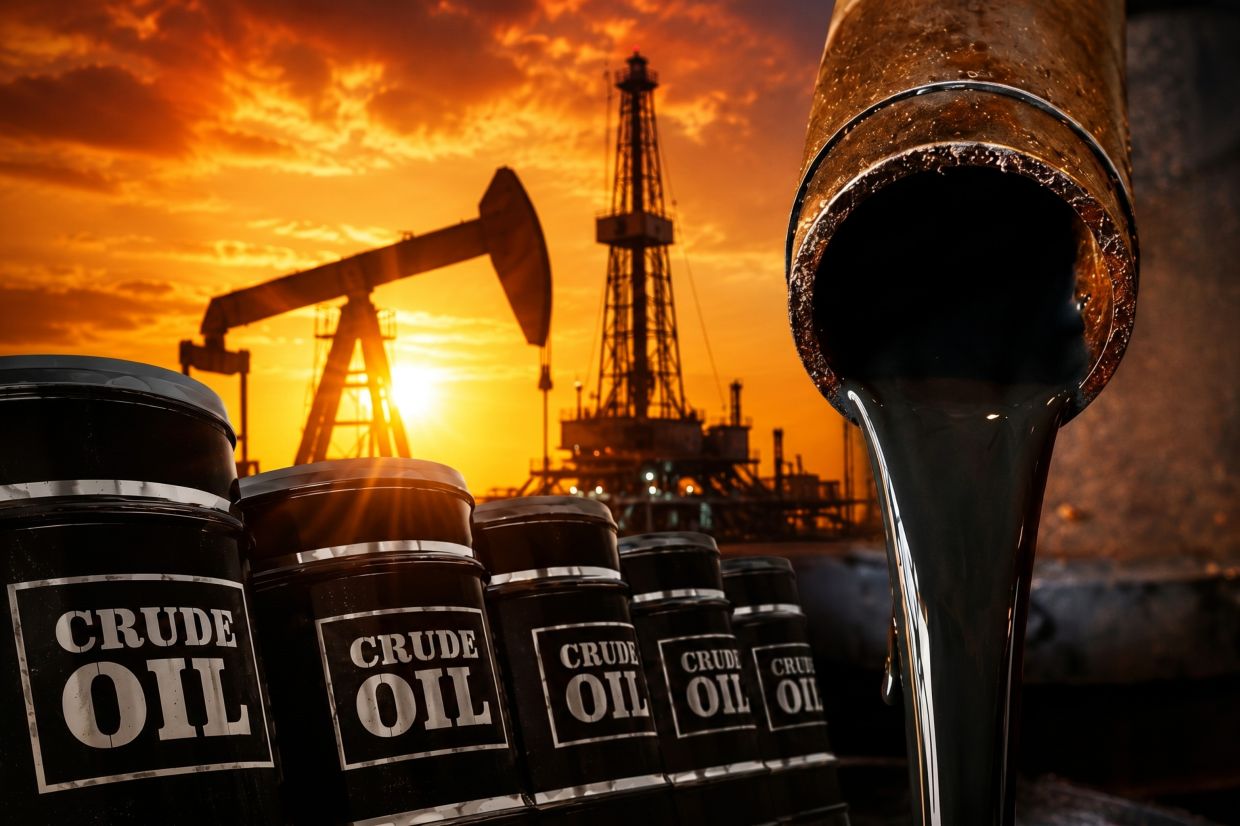
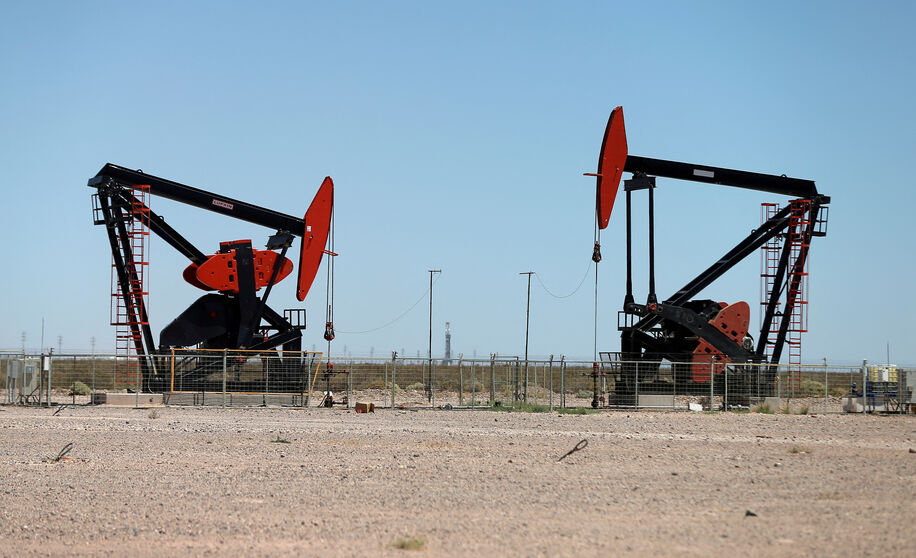
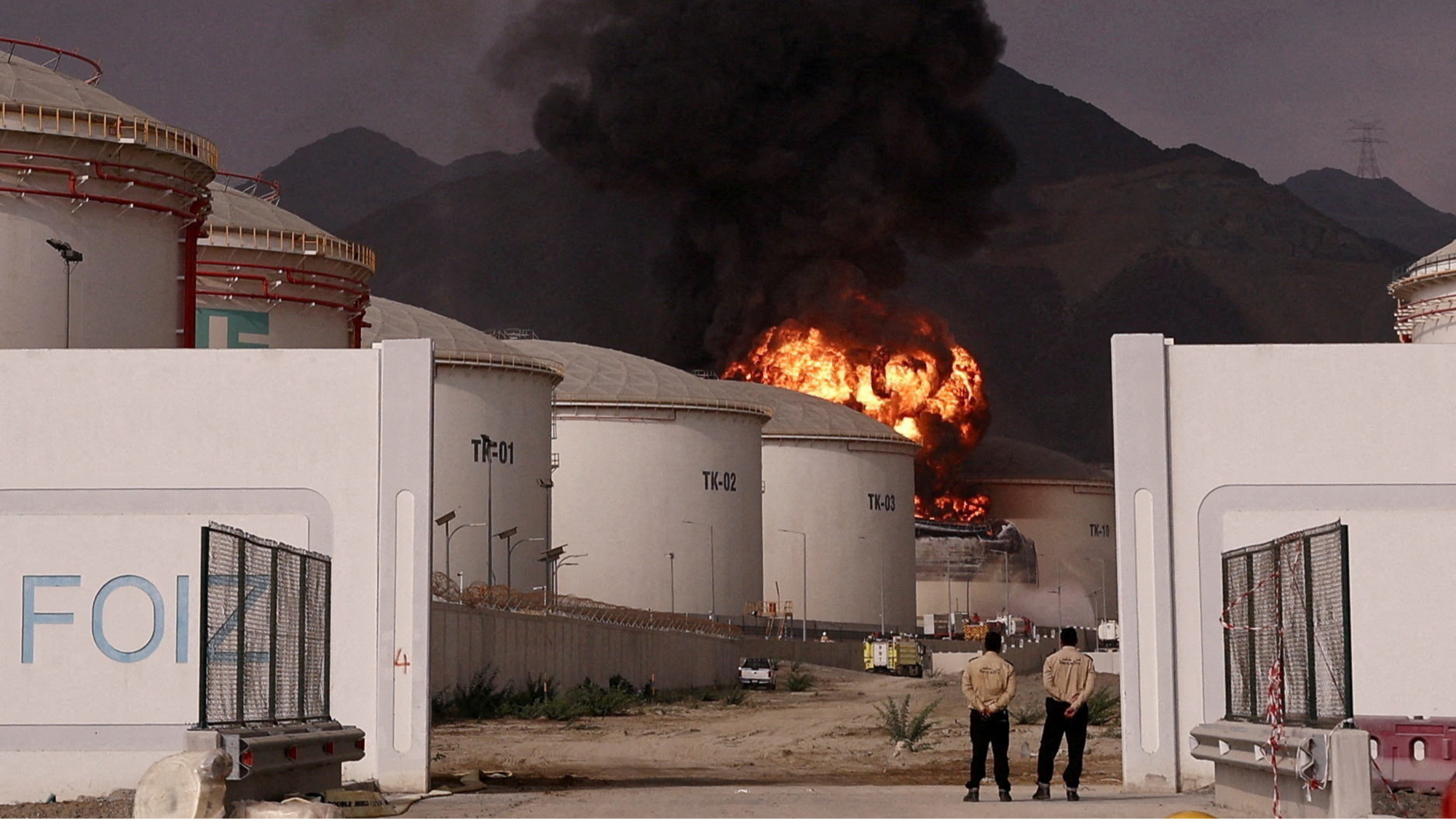
One of the smartest ways to use AI in energy markets is to look at Floating Roof Tanks. The roofs of oil storage tanks move up and down depending on what’s inside them, which makes shadows on the inside of the tank walls.
AI algorithms now scan thousands of high-resolution satellite images every day, measuring these shadows to get very accurate estimates of how much oil is in the world. This gets rid of the “lag” in government reporting, so traders can see global supply levels in real time before the official numbers come out.
Sentiment Mining: The Market’s Heartbeat
Prices of goods are affected by both psychology and physics. Natural Language Processing (NLP) models that use AI now keep an eye on the world’s information ecosystem around the clock. They don’t just look for keywords; they also look at how people feel and how important things are in: Central bank speeches and policy changes.
Activity on social media in mining areas (to guess when strikes or unrest will happen). Shipping manifests and rumours in trade journals. AI can tell when a price move is caused by fundamental scarcity or speculative fervour by measuring the “mood” of the market.
The Internet of Commodities: IoT In The Field
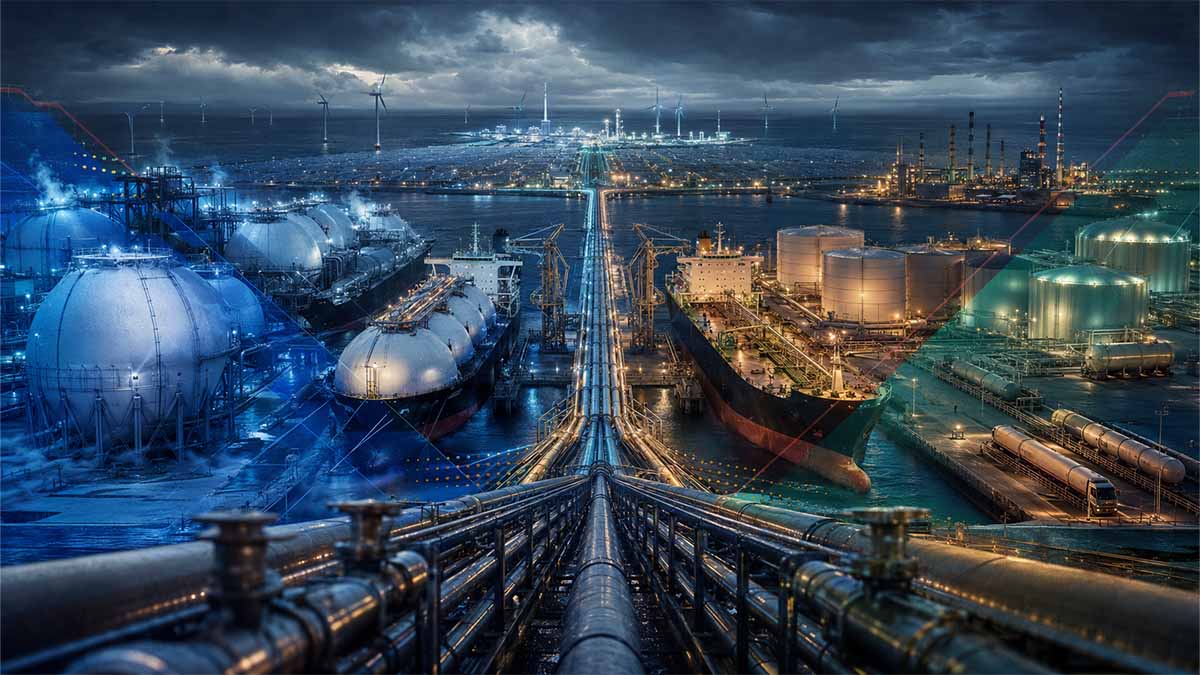
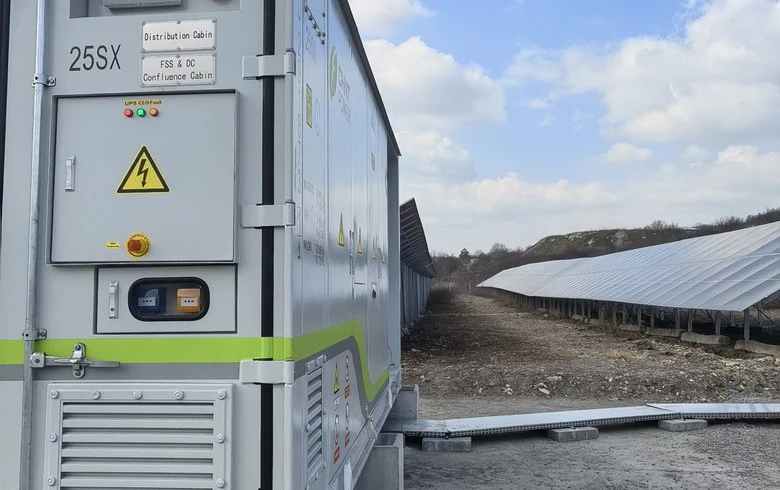
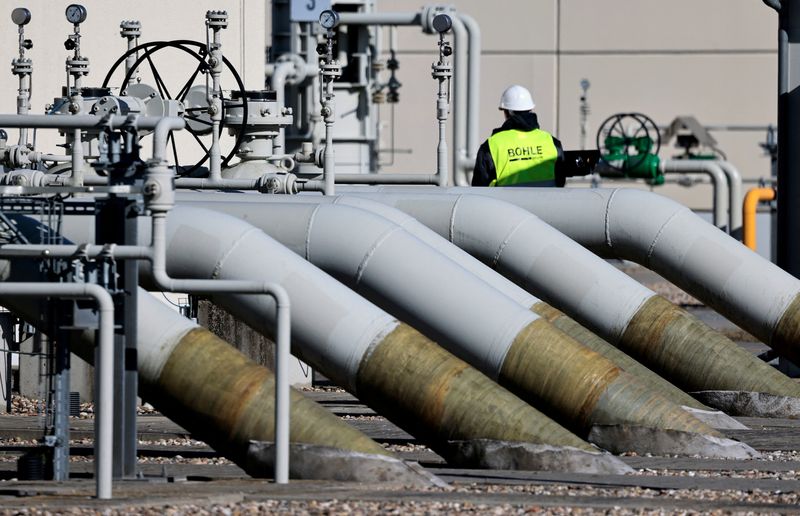
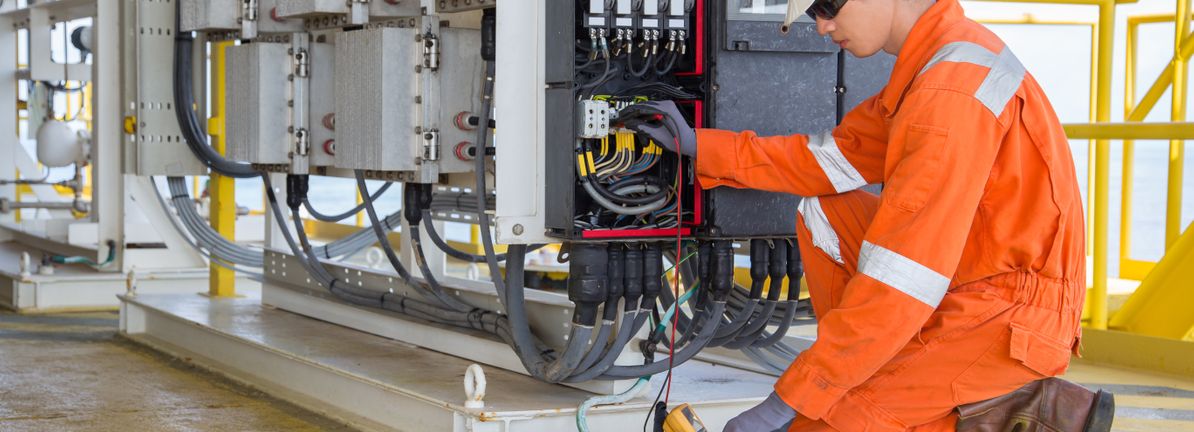
The “Internet of Things” (IoT) has made the real world into a huge data stream. Smart sensors are built into everything from the soil in the Midwest to the flow meters in the North Sea’s pipelines by 2026.
AI combines these different feeds to make a “live map” of the supply chain. If a sensor notices a small drop in pressure in a natural gas pipeline, the AI can quickly figure out how that will affect power prices downstream. This lets the market hedge before it even knows there is a leak.
Agentic Execution: The Independent Desk
Agentic AI is becoming more popular. These are models that don’t just give you a report; they also do something. These agents know how much risk a company is willing to take and what its long-term goals are.
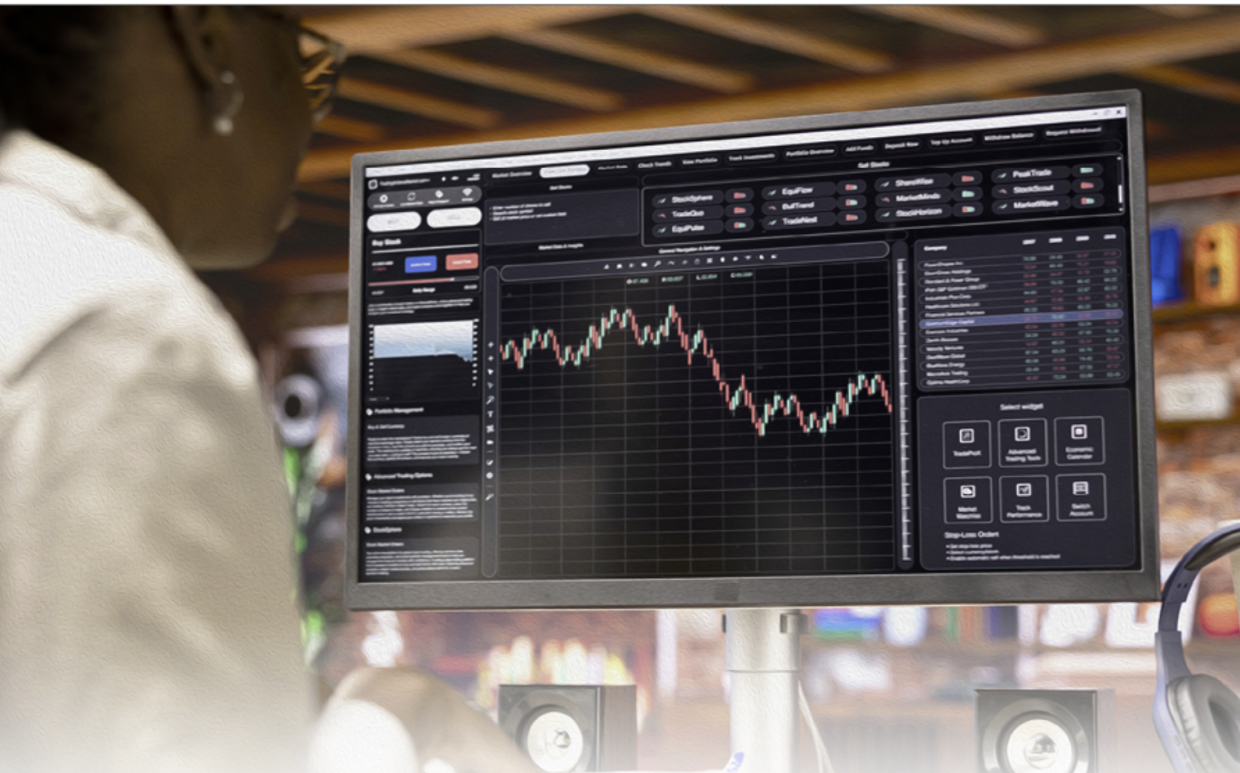
When the AI sees a lot of bullish signals coming together, like a late frost in Florida and a rise in demand for orange juice, it can automatically make a series of “mahogany desk” trades. It makes deals on physical goods, gets shipping goods and protects against currency risk, all in a matter of milliseconds.
Risk Regime Shifts: Anticipating The “Black Swan”
Value at Risk (VaR) and other traditional risk models are well known for not being able to predict “tail risks,” which are rare but very bad events that cause markets to crash. Generative Adversarial Networks (GANs) are used by AI-driven analytics to create millions of “stress test” scenarios, some of which have never happened before.
This lets AI find a “Regime Shift,” which is when the rules of the market change. AI tells traders to get ready for a crisis long before it happens by spotting the signs that come before it, like the 2022 energy spike or the 2026 “Green Metal” squeeze.
Blockchain Traceability And ESG Compliance
The “pedigree” of a commodity is almost as important as its price in 2026. People who buy cobalt want to know if it was mined in a fair way and people who buy LNG want to know if it was “carbon-neutral.” Automated Provenance uses AI-driven analytics and blockchain ledgers to give buyers this information.
The AI checks every part of the trip, from the mine to the port to the end user. The AI instantly flags a shipment that doesn’t meet the ESG criteria that were set ahead of time and it changes the price’s “green premium” in real time. This makes sure that transparency is built into the price and not added later.