Schroders Real Estate Investment Trust said its net asset value slipped 1.1% in the year to March 2026, even as it generated a positive NAV total return of just under 5% and raised annual dividends 4%. The trust also said its direct portfolio rental income increased 3% and its void rate fell to 9.8%, but dividend cover eased to about 90% from 100% a year earlier. Shares were little changed in early trading, with the stock at $46.29, up 0.19% from the previous close and near the bottom of its 52-week range.
Key Takeaways
- NAV ended the year at 16.9p, down 1.1% as market uncertainty weighed on valuations.
- NAV total return was just under 5%, slower than the 11% delivered in the prior 12-month period.
- Annual dividends rose 4% to 3.6p, but dividend cover slipped to about 90%.
- Direct portfolio rental income increased 3% year on year, helped by rent growth despite asset sales.
- The trust said its fixed-rate debt profile and reversionary rent potential support future growth.
Company Performance
The trust’s latest year showed a mixed picture. On one hand, it continued to grow income, reduce voids and complete a large number of lease deals. On the other, valuation gains were limited by a weaker market backdrop, especially in the second half of the year, when geopolitical tensions in the Middle East hurt sentiment across the real estate sector.
The portfolio’s underlying value fell only 0.1% over the year, but expenses and other operational items pushed the reported NAV decline to 1.1%. Management said the trust still outperformed its benchmark on income return, delivering 5.5% versus 4.8% for the MSCI index, although its 12-month underlying portfolio return of 5.4% slightly trailed the benchmark’s 5.7%.
Longer term, the trust said it has outperformed the MSCI benchmark by 300 basis points a year over 10 years and won MSCI’s highest 10-year performance award for the U.K. and Europe in November 2025 for a second straight year.
Financial Highlights
- NAV: 16.9p at March 2026 year-end, down 1.1% year on year.
- NAV total return: just under 5% for the year, versus 11% in the prior 12 months.
- Underlying portfolio value: down 0.1% for the year.
- Direct portfolio rental income: up 3% year on year.
- Total dividends paid: 3.6p, up 4% year on year.
- Dividend cover: about 90%, down from 100% a year earlier.
- Property operating expenses: 4.3 million pounds, including an 800,000-pound write-off of prior-year arrears.
- Rent collection: about 98%.
- Ongoing charges ratio: 1.31% for the year ended March 2026.
- Fixed-rate debt: 130 million pounds of Canada Life loan, about 75% of the debt book, fixed at 2.5% for 10 years.
Earnings vs. Forecast
No analyst forecast comparison was provided for earnings per share or revenue, so a formal surprise calculation is not available. The trust’s reported results instead point to modestly softer performance at the NAV level, with annual NAV total return slowing to just under 5% from 11% in the prior year.
That deceleration was not driven by a sharp deterioration in operations. Rental income rose 3%, dividend payments increased 4%, and the portfolio’s underlying value was almost flat. The main pressure came from market conditions, higher property operating expenses and a more cautious investment climate.
In that sense, the latest year looks weaker than the prior period, but not in a way that suggests a sudden break in the trust’s operating model.
Market Reaction
The shares were steady after the update, rising 0.19% to $46.29 from $46.20. The stock remains close to the bottom of its 52-week range of $45 to $58.1, sitting about 2.9% above the low and roughly 20.3% below the high.
The muted move suggests investors were likely weighing the trust’s steady income and strong debt profile against the softer annual return and lower dividend cover. The trust also said its share price had widened to about a 25% discount to reported NAV during a sector sell-off, after trading near a high single-digit discount earlier in the period.
No trading volume data was provided, so it is not possible to determine whether the latest move came with unusual activity.
Outlook & Guidance
Management said it expects to restore dividend cover above 100% through a mix of higher income, lower costs and continued asset management. The trust pointed to about 900,000 pounds of annualized income from unconditional agreements for lease, which it said exceeds the current 600,000-pound shortfall.
The portfolio also has significant reversionary potential. Cash passing rent stands at 31.2 million pounds, while estimated rental value is 39.3 million pounds, leaving 8.1 million pounds of upside if assets are re-leased or re-priced at stronger levels.
Management said the fixed debt structure should continue to support earnings, with 75% of borrowings locked at 2.5% for 10 years. It also highlighted further gains from refurbishments, lease renewals, void reduction and asset sales of smaller non-core properties.
The trust reiterated its progressive dividend policy and said it expects the market recovery to be gradual, helped by limited new development, rising construction costs and continued demand for industrial and London office space.
Executive Commentary
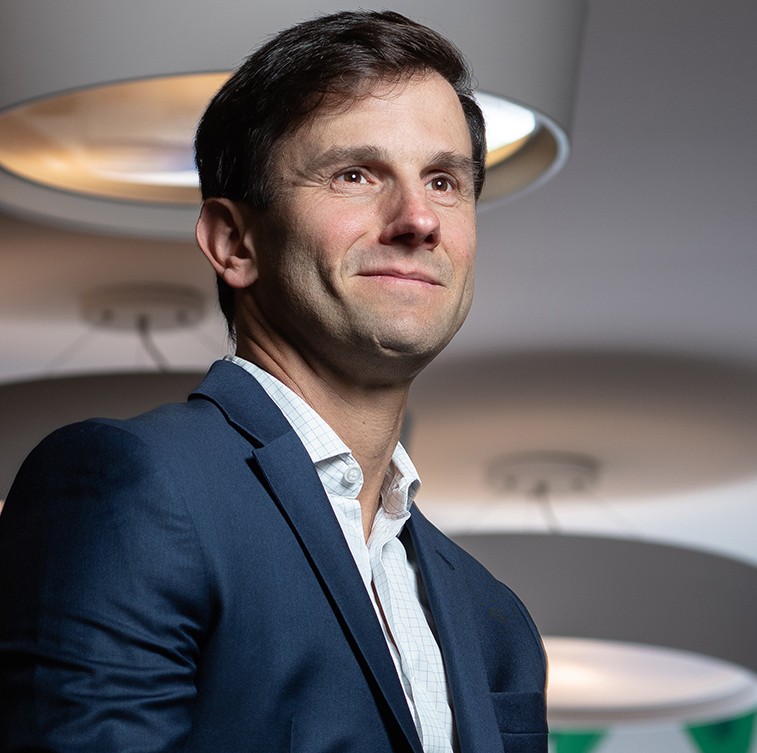
“We do, notwithstanding a few headwinds, continue to believe that we are very well-positioned,” fund manager Nick Montgomery said. “We have a high income return, we have a strong reversion, and importantly, in an environment where we expect interest rates to remain higher for longer, we have a low fixed debt cost.”
He also pointed to the trust’s refinancing history, saying: “Since 2019, when we put the refinancing in place, we’ve actually increased our quarterly dividend level by almost 40%.”
On the sustainability strategy, Bradley Biggins said the aim is to improve long-term returns. “The key point to make, first of all, is we are obviously focused on the usual real estate fundamentals that Nick has been speaking to, but we also have a focus on sustainability,” he said.
Biggins added that green units at Stanley Green Industrial Estate were achieving rents 39% higher than older brown units, while a lease at Millshaw Park was signed at a rent 86% above the previous passing level.
Risks and Challenges
- Geopolitical uncertainty: Middle East tensions have already affected sentiment and could continue to pressure valuations.
- Dividend cover: coverage fell to about 90%, leaving less room for error if expenses rise or income growth slows.
- Property market liquidity: low transaction volumes in the U.K. and Europe can make pricing and disposals harder.
- Void risk: the trust still has 3.8 million pounds of void rent in the portfolio, although some is under offer or refurbishment.
- Sector discount pressure: the share price discount to NAV widened with the wider real estate sector, which can weigh on investor returns.
Q&A
Analysts focused heavily on dividend cover, the planned merger with and the trust’s discount to NAV.
On dividend cover, Montgomery said the trust has several ways to improve it, including new lease completions, refurbishment-led rent growth, asset sales and tighter expense control. He said the annualized income from upcoming agreements for lease should more than offset the current shortfall.
Questions about the Picton transaction centered on earnings accretion and portfolio fit. Management said the deal should be earnings accretive and would add scale, diversification and more tenants, helping smooth volatility. The trust said the combined portfolio would have more than 550 tenants across 56 assets, compared with 320 tenants and 32 assets currently.
Analysts also asked about the discount to NAV and whether buybacks were being considered. Montgomery said buybacks remain possible, but argued that the broader market sell-off was the main reason for the wider discount. He said the trust would market the combined business aggressively once the deal closes.
Another question focused on Store Street in Bloomsbury, where management said current passing rent of 60 pounds per square foot is far below area levels that often exceed 150 pounds per square foot. The trust said the asset has meaningful development and reversion potential, with fixed rent uplifts due through 2028.
Full transcript – H2 2026:
James Lowe, Client Team Member, Schroders Capital: Good morning, ladies and gentlemen, and welcome to the Schroder Real Estate Investment Trust Annual Results presentation. My name’s James Lowe. I work in the Schroders Capital Client team, and I’m very pleased to be joined here in our London studio by the two fund managers of the trust. That’s Nick Montgomery and Bradley Biggins. Just before we get into the presentation, a couple of pieces of housekeeping admin. If you’d like to ask us questions as you go along, please do so by the Q&A tab that should be up on your screen now. You can also now download a copy of the presentation if you’d like to follow in a bit more detail through with us as we go through the slides, and you can also download a copy of the annual results. You’ll also have noticed this morning there were a couple of further announcements.
Nick and Bradley are going to touch on these as we go along. With that very short introduction, I’ll hand over to the team. Over to you guys.
Nick Montgomery, Fund Manager, Schroders Real Estate Investment Trust: Fantastic. Thanks, James, and thanks everybody for joining us on another sweltering July Friday. We’ve had a busy few months, and what we’re going to do today, obviously, is focus principally on the year-end results to March. We will give, obviously, the usual flavor of activity post-March, particularly as it relates to the underlying portfolio and income. We will obviously touch also on the announcement James referred to just then in relation to the up-to-date 2.4 announcement that was released this morning. We are obviously restricted to the extent that we can comment on that to what has been contained in those announcements. We will endeavor to answer questions relating to that, and it may be that we need to plead the Fifth on certain questions, but we will review all of the questions with a view to providing a response thereafter.
I’d also say, in a normal way, Bradley and I obviously would be delighted to attend separate meetings with you, to the extent that is helpful. Just therefore jumping into, I guess, the key points. This is partly a reiteration of previous messages. We do, notwithstanding a few headwinds, continue to believe that we are very well-positioned. We have a high income return, we have a strong reversion, and importantly, in an environment where we expect interest rates to remain higher for longer, we have a low fixed debt cost, which we believe does provide that platform, importantly, for growth. In terms of the key points. Sorry, my screen.
That’s obviously based on the share price rerating, which we will come on to, I expect we will get some questions on that. Obviously, we have our commitment to maintaining that progressive dividend policy. It’s worth noting, I think importantly, obviously we’re reporting today a 4% increase in the dividends paid over the year compared with the previous year. Also we are on a journey, I guess it’s just worth reflecting on the fact that actually since 2019, when we put the refinancing in place, we’ve actually increased our quarterly dividend level by almost 40%. Obviously the 4% uptick year-on-year, I think also should be seen in that context.
What Bradley will talk to later on is obviously the very significant reversionary potential we continue to have within the portfolio with that GBP 8 million number comparing with the current dividend rate annualized of about GBP 17.6 million. We’ll give you a sense of how much of that we will crystallize. I think really, again, importantly, certainly compared with some of our peers, that’s our main focus. We don’t have to worry, as some of our peers do, about what a refinancing might look like in a year or two or three’s time with 75% of that debt locked in at 2.5% for another 10 years. Obviously, we are going through a process of uncertainty, both domestically, politically, also globally, with the Middle East conflict, unfortunately, rumbling on. That has obviously in part coincided with the financial period.
Incidentally, it’s also coincided with the process in relation to the consortium proposal for Picton. We have seen, I think over the financial year, our share price got to a sort of high single-digit discount to NAV. We’ve obviously seen that sell-off with the wider sector towards sort of 25% discount to the NAV we’re announcing today. Clearly there is uncertainty there for the market, we would argue still that this is an attractive entry point for new shareholders, existing shareholders, given those underlying market fundamentals remaining relatively resilient and the earnings growth potential within our portfolio.
I guess in respect to that, lots of activity, most of that, I’d say, offensive in terms of crystallizing high rents, some of it defensive, where we are still defending value and void, particularly in the office portfolio, nonetheless encouraging overall with obviously a key focus on how sustainability investments are improving that performance. The final point here, as I’m sure a lot of the questions we’ll be addressing, obviously, we have been in a process in relation to consortium offer for Picton. We have real conviction that it will be earnings accretive, obviously for Picton, also our own shareholders, further strengthening our balance sheet and critically delivering increased scale, significant increase in the number of tenants, assets, ability to ride through bumps a bit more easily where obviously in a smaller portfolio that is more challenging.
We’re delighted obviously to have made the announcement today, and that follows an extensive consultation exercise that has allowed the Picton board to reaffirm its commitment for the proposal that, as I say, we believe deliver those benefits that are set out in that Rule 2.4 announcements. We’re also announcing today, it’s a busy day, busy day yesterday in particular. We’re also announcing today board succession. We’ve been very fortunate, obviously, to have Alastair as Chair, particularly through his period where he’s given us great support alongside the other non-exec directors. Alastair is coming up to his nine years, so in line with best practice, he will be stepping down at the AGM in September.
Equally delighted to say that Priscilla Davies, our SID currently, is stepping up to become Chair, and we’ve set that out in the announcement and in great experience, and also provided us with great support during this process. The final point to note, therefore, is that we have announced today that Richard Dakin will be joining as the non-exec director, which we’re absolutely thrilled about. Richard is an experienced non-exec director, spent nine years on the board of Derwent, currently sits on the board of Barclays, and prior to that, as an executive, long-standing career at Lloyds Banking Group, highly respected, and more recently, latterly, at CBRE Group. We’re very pleased to announce those changes today. In terms of the activity, Bradley will touch on shortly a huge amount of activity across the portfolio, and more on that in due course.
An absolute focus for us over the course of this year has been to drive the vacancy rate lower, and I’m pleased to say that reflecting where we were at the end of the financial year, and with those Agreements for Lease that we’ve exchanged, and more on that later, our void rate has dipped below 10%, which actually is a three-year low compared with 12%, as you can see, at the beginning of the period. Obviously, a lot of that activity that has driven that void rate low has been across our industrial estate, Stanley Green now fully let, having completed the project there. Some really great lettings, for example, in Leeds, which we’ll touch on later on.
Equally, although that is two-thirds of our portfolio where we are seeing good performance both in absolute and relative terms, we are obviously equally focused, if not more focused on managing the risk within the office portfolio. I’d say that falls very much into two categories. Assets like Store Street, which you’ll hear about, which we think is a really, really interesting opportunity, particularly as we’re seeing improving sentiment towards London and a really dynamic occupational market, particularly in that part of Bloomsbury with others investing there. Equally, other assets, City Tower Manchester being a key focus. That was impacting significantly over the year, both in terms of value and expenses. Again, we have a team in Manchester, total focus on delivering the business plan there. Actually, there was some progress post-year-end in terms of a restructuring with the hotel operator and, likewise, a new lease with NCP.
More on that perhaps later. All of that activity, the sector allocation, the asset management across the portfolio, means that we maintain our very strong long-term performance track record, 300 basis points of outperformance a year against our MSCI benchmark. That led in last November 2025, for the second year running, we were awarded the MSCI highest 10-year performance track record for the U.K. and Europe. To be balanced, over the last 12 months, because of some of those factors I’ve mentioned, we were broadly in line with the benchmark, fractionally below. I’d say partly because we have assets in mid-business plan, but really importantly, and what’s driven the performance over the longer run, is we continued over the 12 months to have a material income return premium, which we’ve always had. Final point here, obviously, the governance aspects, we do aim to invest in class.
Obviously, there was a fee reduction that shareholders have benefited from for part of the financial year we’re reporting on today. We’ve announced, obviously, the director changes, and we include detail in the report, in the chair’s statement in relation to my succession, which is progressing, obviously, in parallel with some of the other activity that’s ongoing, and the board and Schroders has made a commitment to find what we describe as effectively a market-facing CEO to work alongside Bradley. Whether people like it or not, I’ll remain involved, chairing the investment committee and other things. On the results. Because of primarily those market-driven factors, particularly over the second half of the year with the Middle East, we saw a small decline in our underlying portfolio value of about 0.1%. Some of the expenses impacts and other factors led to the annual NAV decline of about 1.1%.
Obviously, with the dividends that we paid, 3.6p over the financial year. We reported another positive NAV total return of just under 5%. Just to give an indication of that slowdown, we reported an 11% return for the 12-month period ending March 2025. What we have also done today, and partly reflecting the fact that is slightly later than we would normally communicate our year-end results, for reasons that I hope are clear, is we’ve been able to provide information on our quarterly unaudited valuation movement to June. We thought that’d be helpful given, obviously, the sort of general market uncertainty. Over the quarter to June, the underlying portfolio value went up a little bit, but when you allow for both capital expenditure, we’ve been investing more later, but also a small adjoining acquisition that we made and the cost associated with that.
The net like-for-like movement over the quarter was down about 0.3%. We think that’s probably better than where the benchmark will end up based on where we can see in terms of the MSCI data, but we thought it’d be helpful just to give that data point, and particularly given the other activity that we’re announcing today. All of that activity, in a sense, and you can see it clearly set out here, resulted in us reporting the NAV at the period, at year-end rather, at 16.9p. We will be aiming to release the June unaudited NAV, obviously with that valuation now, over the course of the next few weeks. Moving to the income statement.
I guess the first and most important point is the void reduction over the back end of the financial year, but also post year-end, is expected obviously to reduce expenses, but also will support future earnings. I think that’s a key point, understandably, people are going to focus on. Let’s move down the line. The direct portfolio, you can see there, increased in terms of rental income by 3%. Interestingly, that was also reflecting the fact that we sold assets. We have the held assets. Rents have been going up healthily. The joint venture assets, worth noting there, the City Tower impact in terms of the expenses, that was the biggest impact in terms of that reduction in JV income.
Interestingly, there was also a little bit of leakage in relation to the Store Street assets, but that was primarily relating to the work we’ve been doing with the council at Camden in relation to the pre-planning application. That’s more of a one-off rather than recurring, and we think that work is very valuable in terms of proving what we think can be a really interesting development there. Again, Bradley will touch on that in due course. Activity over the year, the void rates trending down meant that our property operating expenses were elevated. You can see that number there of GBP 4.3 million over the year. That was partly property expenses. There was also about a GBP 800,000 charge that related to writing off arrears connected with the prior year.
Those arrears that we thought we might receive this financial year, we’ve written those off, and the majority of that GBP 800,000, that was quite material. That was obviously not something that related to arrears this year. In fact, when you look at the rent collection stats, we’re up at about 98% and trending very positively in that respect. I think that can be deemed almost as a one-off. All those factors combined did result obviously in a small reduction in EPRA earnings, notwithstanding confidence in relation to the portfolio income meant that obviously we were able to pay dividends that reflected a 4% uptick.
Now, again, we’ve made this point before, but it is worth repeating, another reason why we and the board have the confidence of driving the dividends further is because we have less to worry about in terms of the interest side. You can see here, particularly in relation to the Canada Life loan, GBP 130 million, roughly 75% of our debt book, fantastically fixed at about 2.5% with an average maturity remaining of about 10 years. As we’ve noted before, I guess it’s pertinent now, particularly in relation to the corporate activity, that is not in our NAV, that if you were to mark it as you would an interest rate swap, that would have a value today of about GBP 19 million. Performance, so I’ve touched on this.
If I just ask you to look to the bottom right-hand corner, you can see there, as I noted, very long-term outperformance, very significant long-term outperformance. Small margin of underperformance over the 12 months, 5.4% at the underlying portfolio level compared with our benchmark of 5.7%. Different members of our peer group have slightly different benchmarks. Ours is slightly at the higher end at the 5.7%, but again, a marginal underperformance. Importantly, top left-hand corner, you can see there the income return that we delivered over the year, 5.5% compared with the benchmark of 4.8%, and that’s obviously reflecting all expenses on a like-for-like basis at property level with the benchmark, which gives us a head start in terms of returns.
As I noted earlier on over the quarter to June, we do expect when the final benchmark numbers are released that we will scrub up favorably against those numbers. Now, market context. You could probably look at what we said at the interims and what we said 12 months ago and see little difference in the sense that the proverbial can continues to be kicked down the road. As a consequence, investment transactional volumes both in the U.K., but across Europe as well, are at relatively low levels still. I think what is interesting is obviously the contrast between investment markets and where there is more caution. Businesses navigating higher labor costs, elevated financing costs. Notwithstanding that, actually GDP in the U.K. has remained a little bit more resilient, perhaps, than the headlines might suggest.
Actually, when we look under the bonnet across our portfolio, the occupational markets continue to be relatively healthy in terms of underlying activity levels. Companies still need space. Whether it’s increasing numbers of people coming back to London or a chronic shortage of multi-let industrial estates across the U.K.. We feel that it is a protracted recovery, but nonetheless, we think we will see a recovery, particularly as we go into next year. Again, that’s predicated obviously on hopefully seeing some form of resolution and stability in the Gulf, and obviously, we hope for that for many reasons. I won’t spend much longer. I might take questions in relation to the market, but I think unfortunately it is a slight Groundhog Day. With that, I will hand over to Bradley.
Bradley Biggins, Fund Manager, Schroders Real Estate Investment Trust: Thanks, Nick, and good morning, everyone. Thank you for joining. Hope you’re keeping cool. I think it’s fair to say we’ve been very busy, so we’ve got some interesting portfolio updates to talk through. First, I’d just like to touch on our strategy. The key point to make, first of all, is we are obviously focused on the usual real estate fundamentals that Nick has been speaking to, but we also have a focus on sustainability, and that is purely because we think that will help us deliver better long-term total returns for our shareholders. Got some case studies to speak through, and the first one of those is Stanley Green on the right-hand side. At Stanley Green, we’ve been achieving rents that are 39% higher on the green units compared to older brown units.
The valuer also applies a keener yield to those units, so you get more value per unit of rent. We think this is very compelling case study for the green premium. How does that actually play out in terms of returns? Well, over the five years since we’ve owned the asset, we’ve delivered an unlevered total return of 14.6% per annum on this asset, compared to 7.9% for the MSCI All Industrial. We think that’s a fantastic case study. Looking at the activity through the year. We’ve done more than 70 lease transactions through the year, aggregate value of GBP 6.3 million. Really encouragingly, that’s ahead of the ERV at the beginning of the financial year, and that gives us confidence in the reversion in the portfolio. Nick spoke to that 8.3% reversionary yield. We have been achieving that throughout the year.
Our lease renewals and rent reviews have been 24% ahead of the previous passing level, which gives us confidence in our assets, and it speaks to those higher growth sectors that we’re allocated to, where we’re 66% multi-let industrial estates and retail warehouse. Since the beginning of the financial year, we have been progressing sales of our smaller assets. We’ve completed six sales for an aggregate disposal proceeds of GBP 13.7 million. This is in line with our strategy to reduce that net LTV, but also to leave us with a portfolio that’s focused on larger assets that have inherent value add opportunities for us to apply our strategy to, and we’ve got extensive resources across the team to achieve that. Of those six sales, four were ahead of book value, two were below book value. Again, that gives us confidence in the book values and our NAV.
Finally, in terms of costs, we have kept good control of our fund level expenses, which are 1.31% ongoing charges for the financial year. As Nick touched on, we have amended the management fee to further enhance alignment between the manager and shareholders through that 50% link to market cap. Also, there’s a cost saving there for shareholders. During the financial year ended March 2026, there was only six months benefit of that cost saving, whereas shareholders benefit from a full year impact of that for the year ended March 2027. This is the second case study I’d like to briefly touch on, this focus is on Millshaw Park Industrial Estate, which is a very large industrial estate located just south of Leeds City Center, close to the M62 motorway. It’s around half a million sq ft.
This, again, has been a very strong performer for us over the period of time that we’ve owned it, which was since 2015. We’ve achieved a 12.1% total return per annum, and that’s unlevered, and that compares to 9.5% for the MSCI All Industrial benchmark. It’s probably worth noting that the Leeds industrial market has very low vacancy, so it’s around 3.6%, and that compares to the national average of 5.7%. We see this asset as a really good opportunity to apply the same strategy that we did at Stanley Green to continue generating strong performance looking forwards. Working down the slide on the right-hand side, we’ve got three points I’d just like to make. After the financial year end, we acquired three adjoining units, the highlighted yellow on the plan. We paid GBP 2 million for that.
That’s a net initial yield of 6.4%, which compares very favorably to the net initial yield of the overall estate, which is 4.9%. We’ve already seen an uptick in value on those units to June as a result. There is further activity we can undertake here, we can see the opportunity to create a yield on cost of 8%-10%, which is, again, very attractive. Looking at the middle panel there, this shows you an image before and after of Unit 22, which is 50,000 square feet of industrial space. During the financial year, we undertook a major refurbishment of this unit. We brought the EPC up to an A. Following that, we’ve exchanged an agreement for lease with Slazenger Padel Clubs, long-term lease, 15 years, no breaks. The rent on that lease is 86% higher than the previous passing level.
Again, it shows the accretion available to us by applying our strategy to our assets. Then the final point I’d like to make on this case study is the opportunity we see coming next, which is a 35,000 square foot unit we’re going to get back in September. We’re going to be undertaking a refurbishment of that unit to bring the EPC up to an A. We think that will cost around GBP 1.1 million, we’re confident we can get an increase in rent of at least 50% or more, that will reflect, again, a double-digit income return on cost. Moving on to the third and final case study I’d just like to touch on. This slide shows us Store Street, which is located in Bloomsbury, Central London. It’s very close to Crossrail, the Tottenham Court Road Crossrail station. We think it’s a fantastic location.
It’s in the Knowledge Quarter. This asset is valued at GBP 37.8 million. That reflects a Net Initial Yield of 5.8%. In this lease, we have fixed uplifts, there’s 9% of fixed uplifts to come through. Once that happens, by December 2028, the running yield based on today’s valuation will be 6.4%. Again, very confident in that valuation. This is our fourth largest asset by value. Millshaw is our second largest asset by value, which I touched on before. Stanley Green is our third largest asset by value. This shows you the power of the strategy of having those larger assets and applying our value-add approach with the resources we have available to us. We own two buildings here. They are freehold, which is pretty unusual for the location. It’s a 0.8 acre site.
As Nick touched on, we have been undertaking a planning process through the year to really enhance the liquidity and the value of the asset if we were to sell it to a developer. The reason for going through that planning process was to establish the prospects of delivering a largely new build scheme. You can see an illustrative CGI in the bottom left-hand corner there. The reason for that approach is because that will enable a developer to address some building constraints that are currently there. For example, the floor-to-ceiling height could be improved, the core could be moved to a more efficient location, we can improve natural light and all those good things. We also were looking to improve the massing of the building, we can add floors to the top, we can also fill in courtyards.
That increases the net lettable area and therefore increases the value of any final product a developer creates. Finally, we’ve looked to lift any use restrictions on the asset. That means that we or a developer could target the highest value use for the asset. Just a bit more detail now. You can go away and look at this, but the key point here that we’d like to draw out is, A, the activity in the area, but B, the rents that are being achieved. Our current passing rent at Store Street is GBP 60 per sq ft. That is very low in the context of the rents being achieved here, which are often exceeding GBP 150 per sq ft. We actually manage some of the buildings in this location, including Berners and Wells, where we’ve achieved a rent of GBP 135 per sq ft.
We know this is achievable. The final point I’d make is the value per sq ft of our asset is only GBP 880 per sq ft, which again, is very much in line with transactions or even favorable to transactions we’re seeing occur in the local area. Again, a really interesting opportunity for us there. Final slide from me is just to illustrate how we might achieve the ERV looking forwards. Just taking a step back, our cash passing rent is GBP 31.2 million. Our ERV or reversionary rent, which is provided to us by the independent valuer, is GBP 39.3 million. That’s an uplift of GBP 8.1 million, and that’s very favorable when you compare it to the annualized dividend today of GBP 17.6 million. You can see, we only need to achieve some of that reversion to hopefully have a good impact on that dividend.
How are we going to achieve that growth in rent? We set out some illustrative steps here, and this is cash. We’ve got fixed uplifts over the next 12 months of GBP 1.8 million. As at the year end, we had five AFLs exchanged, and they represent an annualized rent of GBP 0.9 million. Those AFLs will complete soon, certainly within the current financial year. They’re typically subject to either planning or completing landlord works. Interestingly, the majority of the costs and the majority of the work has already been done. When we do complete these leases, we’ll just benefit from the upside in the rents. That will be accretive to our P&L looking forwards. In terms of the next block, we’ve got GBP 1.6 million of rent where the market level is ahead of our current passing rent.
We’re confident we can achieve that, particularly based on the stats I showed you earlier, where we’re achieving renewals and rent reviews at a 24% of the current passing level. Finally, we do still have some void, although it is at the lowest level since 2022. That represents GBP 3.8 million of rent. We have GBP 0.4 million of that under offer and GBP 0.8 million under refurb. We do see scope to bring that void rate down from 9.8% over the coming 12 months. I’ll pause there. It’d be great to have any questions, and I’ll hand over to Nick.
Nick Montgomery, Fund Manager, Schroders Real Estate Investment Trust: Great. Thanks, Bradley. Just before we go to questions, just to reiterate, I guess, the key messages. The higher income return, the low cost of debt, hopefully a sense of the activity that you’ll have from even just those three case studies demonstrates the case for there being an accelerated growth in earnings. I think it is worth starting by acknowledging that there is nonetheless fairly meaningful market uncertainty, obviously linked to the Middle East conflict. Equally at the same time, we do see a protracted recovery ahead for U.K. real estate that’s supported by those points we’ve made earlier, highly restricted new developments, rising construction costs obviously linked to the inflation pressures building partly as a result of that conflict. Therefore the scope, particularly in those more structurally supported parts of the market, continued rental growth.
On that structurally supported point, we do still believe that multi-let industrials still offer attractive risk-return characteristics driven by the rental growth that we’re seeing. I think we do have a very efficient cost base. We are running that as efficiently as we can do, and obviously the fee reduction partway through the year will benefit for the full year, as Bradley’s noted. Likewise, that sector-leading debt profile. Yes, we have a revolving credit facility, which we’re very confident we can renew from 2027, but fundamentally, 75% of our debt book fixed at 2.5% for another 10 years really gives us great visibility in terms of the interest payments and therefore what we need to do in terms of earnings growth.
I guess, just to summarize, implementation of a strategy over the course of the last five years, I mentioned at the start the 38% increase in dividends over that period has created an opportunity for growth, and hence the announcement that we’ve made today. Really importantly, the board are very clear, we are very clear that that growth must deliver really critically material near-term earnings and dividend growth for our shareholders. We believe what we’ve set out today and based on the information we can disclose, provides that. Thank you, everybody, for your time, and we will pause and hand back to James.
James Lowe, Client Team Member, Schroders Capital: Brilliant. Thanks, Nick. Thanks, Bradley, and thank you to everyone who’s sent in their questions so far. Please do keep sending them through, and I will ask the guys as we go through the Q&A session. Guys, the questions so far, I would split into two very distinct categories. There’s clearly lots of questions about what we announced this morning regarding the proposed offer.
Nick Montgomery, Fund Manager, Schroders Real Estate Investment Trust: Yep.
James Lowe, Client Team Member, Schroders Capital: There’s a number of questions relating to the annual results.
Nick Montgomery, Fund Manager, Schroders Real Estate Investment Trust: Yep
James Lowe, Client Team Member, Schroders Capital: Specific SREIT, I’ll try and bring them in in two specific categories. As I say,
Nick Montgomery, Fund Manager, Schroders Real Estate Investment Trust: Please
James Lowe, Client Team Member, Schroders Capital: Please do bring further questions into the discussion as we go, guys, who are listening. Maybe we’ll just start on SREIT and annual results, we’ll go on to the broader conversation around the offer. Just a couple of questions here around dividends.
Nick Montgomery, Fund Manager, Schroders Real Estate Investment Trust: Yeah.
James Lowe, Client Team Member, Schroders Capital: I guess this is partially an overlap question relating to the offer as well, just specifically, one question was asking about the slight dip in dividend cover that you’ve seen this year, which has been 100%. We’re now down into the 90s. You’ve obviously shown the chart, Bradley, around the potential to increase earnings going forwards and the reversion potential.
Nick Montgomery, Fund Manager, Schroders Real Estate Investment Trust: Yeah.
James Lowe, Client Team Member, Schroders Capital: how do you get back to that 100%, and how should shareholders think about that dip below 100%?
Nick Montgomery, Fund Manager, Schroders Real Estate Investment Trust: Yeah. Maybe I’ll just start. I think if we look at the company on a standalone basis, obviously, there are obviously several levers that we can pull. Firstly, most importantly, driving the reversionary potential from the portfolio, that top-line earnings growth, because as I say, we have less to worry about in terms of the interest cost. It’s focused on that top-line earning growth. Bradley’s touched on, for example, the GBP 900,000 of annualized income we will be getting from those agreements that are unconditional and we’ll be completing imminently. That just on their own would plug the gap. The gap is about GBP 600,000, isn’t it, just in terms of the shortfall.
Alongside that activity, clearly, as Bradley’s noted, we have further assets under refurbishments, we have further assets under offer, and we are also looking at still selling some of our smaller non-core assets, and particularly focusing on sales where we’re selling vacant assets and therefore we’re selling where we have non-recoverable expenses. That’s the really key focus, continued delivery of the asset management, a big slug of which is contracted, but also things that we know we need to do over the course of this financial year, and I’ve touched on the importance of City Tower in that context. The second thing is obviously close control of expenses, and Bradley’s touched on the fact that obviously we had a reduction in the fees that benefited over the second half.
That will feed through, over this current financial year, obviously the fees are lower, partly as a consequence also of where the share price discount to net asset value is. The final point, we announced today a very small adjoining acquisition, which is accretive to the underlying assets. I think, were we to exist in a standalone format at the moment, there are certain assets that we might look to sell in order to rotate into high yield. We have a view on that, but obviously those views are currently also in light of the 2.4 we’ve announced today, because clearly, strategically, we’re looking at obviously what we can control ourselves today, but also looking forward in terms of what we can hopefully deliver in terms of the proposed offer for Picton.
James Lowe, Client Team Member, Schroders Capital: Brilliant. Maybe just following up with a question just relating to one of the comments Bradley made around some of the sales that you’ve made over the period. You mentioned there’s been four above book value, a couple below book value. Questions coming through here around what’s really driving the above book value versus the below book value. Can you just expand on maybe both sides of the equation?
Nick Montgomery, Fund Manager, Schroders Real Estate Investment Trust: Yeah, happy to. I think we have been selling smaller assets, and I think sometimes they can be more difficult to value. There can be a large variance. I think, again, it just speaks to the difficulty of that and how it is an estimate by an independent valuer. Really, it was one asset that was below book value. The other was marginally below book value. We took the decision that we felt the risks in that asset were just not outweighed for any potential upside, and we thought it was better to sell it and focus on where we think we can add value and can drive those rents. Really it was just a one-off asset in a pretty low transaction volume location, just making it difficult for the valuers to always align to exactly where you might get out.
James Lowe, Client Team Member, Schroders Capital: Yeah.
Nick Montgomery, Fund Manager, Schroders Real Estate Investment Trust: On the other side then, the four that you’ve sold above book value, you’ve obviously mentioned some of the rental growth we’ve been able to drive through sustainability improvement. Is that really what’s driving those above book value sales, or is it something else?
Well, the book value will reflect that upside over time. I think really it speaks to just the conservative approach we take to our valuations.
Yeah.
James Lowe, Client Team Member, Schroders Capital: We’re not here to pump the valuations, I think it’s possible to sometimes for other companies to do that, what you can’t hide behind is the earnings and dividend growth, because that is less judgmental, and the cash flow generation that you pay the dividend from. I think really it just speaks to the conservative approach to our valuations.
Nick Montgomery, Fund Manager, Schroders Real Estate Investment Trust: Yeah, look, I think that’s all right. On the point in relation to where we’ve sold at premiums, I think, what we try to do, we are going to continue selling our smaller assets, to be clear, I think particularly if obviously the consortium proposal completes, there are also smaller assets on that side, which we would look to recycle. Where possible, we’re obviously selling off the back of asset management. The Chelmsford High Street unit, we extended a lease to The Co-operative Bank, that meant that we could sell it into a private investor market where there was more demand for that longer-dated income. The Liverpool sale was an exception in terms of the discount, that was really because having looked at it, we didn’t believe that Lloyds were going to renew, who were the banking tenant.
There was some vacancy in the uppers. We had a local bid, we elected to take it. To the valuation point, I mean, one of the reasons specifically today we looked at Store Street is just an example, really, to show where the valuations are. For that asset, for example, fell in value by about 2% over the full financial year. Therefore we stand back and that’s now, as Bradley said, 880 GBP a foot, north of 6% in short order when we get the fixed up lifts coming through. We’re trying to make the case actually that is a fair valuation. I think going forward, I would hope we’re selling at or above book. I think Liverpool hopefully is a bit of an exception.
We have one small asset we’re looking to sell at the moment, a vacant asset, which we’re selling in line with book. We will continue to do that.
James Lowe, Client Team Member, Schroders Capital: Just picking up on Store Street, we’ve had a specific question around some of the rents that you mentioned
Nick Montgomery, Fund Manager, Schroders Real Estate Investment Trust: Yeah
James Lowe, Client Team Member, Schroders Capital: That others are paying in the area.
Bradley Biggins, Fund Manager, Schroders Real Estate Investment Trust: Yeah.
Is it realistic that a university would pay top market rents in that way? I think that’s a good question. The point there was more that if a developer was to buy the building, which is who we think might be the most likely buyer, then in their appraisal, they would be underwriting a top-level rent off the back of their top-level development.
Nick Montgomery, Fund Manager, Schroders Real Estate Investment Trust: Yeah.
Bradley Biggins, Fund Manager, Schroders Real Estate Investment Trust: That was the point there.
Nick Montgomery, Fund Manager, Schroders Real Estate Investment Trust: Yeah, that’s right. I mean, the strategy there, we specifically when we put in place a new lease, the lease is what’s called contracted out of the 1954 Act, which means a tenant doesn’t have automatic rights to renew, and that was deliberate, because as Bradley has said, it won’t be university going forward. I mean, as it happens, the fact it has been a university is helpful because it’s got extremely good floor loadings with all the books, it means that from a Camden point of view, the repositioning project, adding space works very, very well. Somebody looking to buy that, and certainly our appraisal, with a good refurbishment, the rent could easily double.
James Lowe, Client Team Member, Schroders Capital: Yeah. Makes sense. Right. We’ve covered a number of the sort of the background-
Nick Montgomery, Fund Manager, Schroders Real Estate Investment Trust: Yeah
James Lowe, Client Team Member, Schroders Capital: to the results questions.
Thank you for that, and if you do have any other questions on the specifics of the annual results, please do send them in. We can go back to that at the end.
Nick Montgomery, Fund Manager, Schroders Real Estate Investment Trust: Yeah.
James Lowe, Client Team Member, Schroders Capital: Maybe now just coming onto some of the questions specifically regarding to Picton.
Nick Montgomery, Fund Manager, Schroders Real Estate Investment Trust: Yeah
James Lowe, Client Team Member, Schroders Capital: The potential offer. There’s a question here, a really good question, just asking for a bit more detail on the level of earnings accretion shareholders could expect from the proposed Picton transaction. Particularly, I think this is important, any comments around how the assets acquired fit within the current SREIT or combined.
Nick Montgomery, Fund Manager, Schroders Real Estate Investment Trust: Yeah
James Lowe, Client Team Member, Schroders Capital: strategy, given the lower Net Initial Yield.
Nick Montgomery, Fund Manager, Schroders Real Estate Investment Trust: Yeah. Maybe we start with that, because I think that’s sort of broader context.
James Lowe, Client Team Member, Schroders Capital: Yeah.
Nick Montgomery, Fund Manager, Schroders Real Estate Investment Trust: Maybe we can attempt to respond to the first point. Firstly, I guess, we have strong conviction that the portfolio is complementary to ours. In our conversations with shareholders recently, and we are very open to having further conversations in due course, what we did with the second Rule 2.4 was try to give more clarity, particularly around how the assets are being allocated. There was a little bit of a vacuum following the initial announcement as to exactly how the portfolio was going to be split. Really important to note that, firstly, the consortium partners are working very well together, and that is important, as we are with obviously the Picton team, but also to make the point that assets weren’t cherry-picked. The way that the assets have been split, and again, this is set out in the announcements, is by loan pool.
are getting one loan pool, which holds the biggest assets within Picton, which is an asset, a big estate, multi-let industrial estate, which would be too big for us. That sort of fitted quite neatly. We are acquiring the other loan pool, where the main loan there is with Aviva, below market rates, and not as cheap as our debt, but nonetheless below market rates. The portfolio weightings, and we have shown in the announcement before and after, are complementary. Our multi-let industrial weighting goes up a little bit further, because of assets like Harlow. That is the biggest asset that is coming in, a multi-let estate obviously in Essex. Alongside that, there are some offices, and again, actually to a certain extent, reflecting our portfolio. There is an office in Farringdon, for example, which is the biggest office.
There are some other offices in places like Bristol, but broadly in line with our weightings. Finally, there are some really interesting retail warehouse assets, which again, complement where we want to go. From a portfolio allocation perspective, there are some assets, particularly smaller assets in the tail, which we will look to recycle, as we are doing with our existing portfolio. We are happy with that. I think importantly, from a portfolio perspective, there is a size benefit here, both in terms of relevance. We get to the edge of the 250. I think also in terms of diversification, we go from having 320 old tenants to having 550 or whatever, some other number, and we go obviously, from adding 32 assets to adding another 24.
We get more diversification, more granularity of income, the ability to sort of smooth some of the bumps a little bit, which obviously you get where you have a smaller portfolio where you might have a vacancy popping up here or there. I think really important. We are very happy, and there is a lot of work going on in terms of due diligence on the assets. From an income perspective to that point, the EPRA initial yield is lower, and actually, the EPRA yield, about 4.7, is broadly the same in relation to the assets that we are acquiring against the assets that LondonMetric are acquiring. That is principally due to high vacancy. The vacancy rate on the assets we are acquiring are broadly about 16%, 17%, which again, is similar on the other side of the LMP fence.
That’s, on our side, it’s spread across assets, but there’s one more significant void, which is an asset, a big shed up in Rushden, which is a good asset. We would hope that between now and closing, the team will be working hard to get that leased up, and that’s an important one in terms of driving earnings from that side of the fence. The other thing, of course, that we bring to this, is the economies of scale at multiple levels. Our ability to manage a portfolio using our teams here to drive earnings growth at an asset level, savings in relation to fund level expenses, which as Bradley Biggins has noted, are on our side, are already very efficient. Also, as an external manager, we can give significant savings through our fees, and that is meaningful.
The proposal for those that haven’t seen it, is that we already have tiering within our fee mechanism, that obviously goes down as in basis points as the company grows. We are reducing those by 10 basis points, so that actually the sort of the blended investment management fee on the combined is about 70 basis points. We are also providing a 12-month fee holiday on the Picton side of the NAV, which will be spread over two years. That again, will have a positive impact on earnings over the early period. More information, but not a huge amount more is set out within the 2.4 announcement. Obviously more information, assuming we get to that point, will be concluded in the 2.7 announcement on completion of our due diligence.
What we’re including today in the 2.4 is an updated analysis of the earnings accretion and the dividend accretion on the Picton side, and we’re reconfirming from an SREIT perspective that it is also earnings accretive over the forthcoming periods. From our point of view, we’re really excited by the opportunity. We think it’s a really great opportunity for our shareholders. There will be significant benefits that come through scale. We will obviously, and you as well, we will be obviously marketing the hell out of it when the deal finally closes to make sure that we do what we can to address the discount, which obviously has moved with the market during the period we’ve been looking at it.
James Lowe, Client Team Member, Schroders Capital: Yeah. New technical term for me there, marketing the hell out of it.
Nick Montgomery, Fund Manager, Schroders Real Estate Investment Trust: Yeah.
James Lowe, Client Team Member, Schroders Capital: I’ll be using that one going forward.
Nick Montgomery, Fund Manager, Schroders Real Estate Investment Trust: Exactly.
James Lowe, Client Team Member, Schroders Capital: That’s really helpful. Thank you.
Nick Montgomery, Fund Manager, Schroders Real Estate Investment Trust: Yeah.
James Lowe, Client Team Member, Schroders Capital: You’ve covered it there, I’m not sure how much you’re not going to be able to give forecasts here or talk about it in too much more detail than we already have.
Nick Montgomery, Fund Manager, Schroders Real Estate Investment Trust: Yeah.
James Lowe, Client Team Member, Schroders Capital: Just a couple of shareholders from the SREIT side, just wanting some clarity over what that actually We’ve talked about earnings accretion. What does that actually mean for income, cash in hand dividends going forwards as an ongoing SREIT investor? You can’t give exact numbers-
Nick Montgomery, Fund Manager, Schroders Real Estate Investment Trust: No
James Lowe, Client Team Member, Schroders Capital: I get it. What’s the ambition here?
Nick Montgomery, Fund Manager, Schroders Real Estate Investment Trust: Accretive, continued progressive dividend policy. Again, we can maybe have some discussions offline or respond in writing to questions so that we ensure that we’re not breaching any panel restrictions. I think the board, and in Alastair’s chair statement, he sets out very clearly what he expects to see from an M&A activity. As we said on the final slide, one of the key things that we’ve been clear has to be delivered through this transaction is earnings accretion, near-term earnings accretion. Although we’re not able to give specifics, hopefully some of the points I’ve raised in terms of the scale benefits, diversification benefits. The asset management pipeline that we’ll have across both portfolios will provide that.
James Lowe, Client Team Member, Schroders Capital: Yep. Makes sense. Thanks for clarifying that point. We’ve obviously spoken at the start around market context
Nick Montgomery, Fund Manager, Schroders Real Estate Investment Trust: Yeah
James Lowe, Client Team Member, Schroders Capital: The discount widening
Nick Montgomery, Fund Manager, Schroders Real Estate Investment Trust: Yeah
James Lowe, Client Team Member, Schroders Capital: over the period. Could you give a bit more color around any other considerations around how you might look to narrow that discount?
Nick Montgomery, Fund Manager, Schroders Real Estate Investment Trust: Yeah.
James Lowe, Client Team Member, Schroders Capital: We’ve obviously spoken about it being quite market-led.
Nick Montgomery, Fund Manager, Schroders Real Estate Investment Trust: Yeah
James Lowe, Client Team Member, Schroders Capital: trust discounts widen in general. Are there any discussions about buybacks? We previously have had a buyback program for SREIT. Any more considerations or anything we can share?
Nick Montgomery, Fund Manager, Schroders Real Estate Investment Trust: I guess Bradley might want to come in on this. Obviously, we have the ability to do buybacks. I think at the moment, the discount is where it is for principally market-related factors. You can see that in the way that the shares have moved for us and across the peer group, albeit interestingly, we’re clearly also seeing interesting activity broadly in terms of M&A activity, the SEGRO-related announcements are a great example of that. I also think that the sort of slight vacuum around the original 2.4 announcement, the nature of a consortium bid, I think it’s taken a bit of time for people to understand exactly how the transaction is going to proceed. I hope today’s announcement gives people further clarity on that. The feedback we’ve had from our shareholders has been positive.
We’ll make a real effort after this presentation to ensure that we communicate, as we have been doing with retail holders through platforms like Invest Me Company. What we’ve seen, obviously over the course of the last couple of years, as we made a real concerted effort to diversify the register, has been a lot more buying from those retail platform holders. I think we’re up for about 30%, aren’t we, with those three main platforms. I think in terms of what we’re going to do to address the discount, I think closing the transaction, giving real clarity around what it means in terms of earnings. Alongside that, the marketing to held piece, I think we will give it a huge push, both in relation to those retail platforms, I know you’ll be part of that.
Also, I think by virtue of going from where we are now to being almost twice the size and on the cusp of 250, we’re already finding that there are discussions with some of the smaller wealth managers who maybe we’ve fallen off the radar, and we will be back on the radar, as a means of trying to, as I say, have that optimal mix of wealth manager, retail, and potentially institutional holders.
James Lowe, Client Team Member, Schroders Capital: Yeah.
Nick Montgomery, Fund Manager, Schroders Real Estate Investment Trust: What would you-
James Lowe, Client Team Member, Schroders Capital: I was going to say, I can speak from experience-
Nick Montgomery, Fund Manager, Schroders Real Estate Investment Trust: Yeah
James Lowe, Client Team Member, Schroders Capital: having spoken to many of those shareholders that scale of market cap and liquidity.
Nick Montgomery, Fund Manager, Schroders Real Estate Investment Trust: Yeah
James Lowe, Client Team Member, Schroders Capital: is super important.
Nick Montgomery, Fund Manager, Schroders Real Estate Investment Trust: Yeah.
James Lowe, Client Team Member, Schroders Capital: Sorry, Bradley.
Bradley Biggins, Fund Manager, Schroders Real Estate Investment Trust: Nick, you used the term journey earlier, and I think we have been on a journey over the last five years, and we can only focus on what we can control and the levers we can pull. If you look five years ago, James, you mentioned the buybacks. They were a 40%-plus discount. It was very accretive, but over all the work we’ve done over the last five years brought the discount into around 9% before the whole conflict situation started.
Nick Montgomery, Fund Manager, Schroders Real Estate Investment Trust: Yeah.
Bradley Biggins, Fund Manager, Schroders Real Estate Investment Trust: In terms of what levers have we pulled, well, there was the debt refinancing Nick mentioned back in 2019. There has been very strong investment performance. There has been a reorientating of the portfolio towards multi-let industrial and retail warehouse. There has been a management fee cut. There has been a management fee adjustment to be aligned to market cap. There has been the sustainability-focused strategy, which is bearing results, and there has been that focus on finding the marginal shareholder, both in terms of bringing new wealth managers and institutions onto the register, but also in terms of growing that retail investor base, which has been a very successful pivot for us.
Nick Montgomery, Fund Manager, Schroders Real Estate Investment Trust: Yeah.
Bradley Biggins, Fund Manager, Schroders Real Estate Investment Trust: We will continue to keep doing all the things that we can control in order to deliver strong shareholder returns, whether that is by growing income or by closing that discount.
Nick Montgomery, Fund Manager, Schroders Real Estate Investment Trust: Yeah, exactly.
James Lowe, Client Team Member, Schroders Capital: You mentioned alignment there, Bradley. One of the questions here, and I appreciate you may not want to give us exact numbers, just a question around the management team’s alignment.
Nick Montgomery, Fund Manager, Schroders Real Estate Investment Trust: Yeah
James Lowe, Client Team Member, Schroders Capital: to the trust.
Nick Montgomery, Fund Manager, Schroders Real Estate Investment Trust: Yeah.
James Lowe, Client Team Member, Schroders Capital: Is that something you could share?
Nick Montgomery, Fund Manager, Schroders Real Estate Investment Trust: We are-
James Lowe, Client Team Member, Schroders Capital: Good
Nick Montgomery, Fund Manager, Schroders Real Estate Investment Trust: is the first point. I think this transaction allows us to increase that, and we are looking at ways that we can do that. Obviously, the succession discussion comes into that as well.
James Lowe, Client Team Member, Schroders Capital: Brilliant. We’ve only got five minutes left. If you do have a final question, please do send it in and we’ll try and fit it in. There’s a couple more which we’ll try and get through.
Nick Montgomery, Fund Manager, Schroders Real Estate Investment Trust: Yeah.
James Lowe, Client Team Member, Schroders Capital: More specific question just around, there’s clearly been some, I’ll quote, “Some fine-tuning to the deal” since the last-
Nick Montgomery, Fund Manager, Schroders Real Estate Investment Trust: Yeah
James Lowe, Client Team Member, Schroders Capital: iteration of the announcement. What’s been the major driver of that?
Nick Montgomery, Fund Manager, Schroders Real Estate Investment Trust: The sole driver of that was the March NAV. There was a small adjustment to reflect the small adjustment in our March NAV.
James Lowe, Client Team Member, Schroders Capital: Brilliant. That’s very clear. Thank you. Given we’ve only got a couple of minutes left, maybe just finishing with a bit of a broader question.
I think we hopefully have managed to get through most of the questions relating to both the results now.
Nick Montgomery, Fund Manager, Schroders Real Estate Investment Trust: Yeah
James Lowe, Client Team Member, Schroders Capital: The proposed offer for Picton. If we did miss any of your questions, by the way, please do let us know.
Nick Montgomery, Fund Manager, Schroders Real Estate Investment Trust: Yeah.
James Lowe, Client Team Member, Schroders Capital: We’ll get in touch.
Nick Montgomery, Fund Manager, Schroders Real Estate Investment Trust: Will
James Lowe, Client Team Member, Schroders Capital: We’ll respond, and we’ll come and speak to you separately. Maybe just finishing with a broader question. Nick, you’ve spent quite a lot of time in Manchester.
Nick Montgomery, Fund Manager, Schroders Real Estate Investment Trust: Yes
James Lowe, Client Team Member, Schroders Capital: In your time. We potentially have a change in Prime Minister coming.
Nick Montgomery, Fund Manager, Schroders Real Estate Investment Trust: Yeah
James Lowe, Client Team Member, Schroders Capital: Related to Manchester.
Nick Montgomery, Fund Manager, Schroders Real Estate Investment Trust: Yes.
James Lowe, Client Team Member, Schroders Capital: Question here is really, how would you anticipate Burnham coming in, having an impact on the real estate market, particularly here around proposed increase in business rates on industrials and how that might change your approach to investment.
Nick Montgomery, Fund Manager, Schroders Real Estate Investment Trust: Blimey.
James Lowe, Client Team Member, Schroders Capital: We do have five minutes.
Nick Montgomery, Fund Manager, Schroders Real Estate Investment Trust: Yeah, okay. All right. That’s good. Yeah, okay. I don’t know full fella Schroders political commentary policy.
James Lowe, Client Team Member, Schroders Capital: No political views.
Nick Montgomery, Fund Manager, Schroders Real Estate Investment Trust: I think firstly to the Manchester point, our team there, as you know we have 11 people up there, and they’ve had a fair few dealings with Andy Burnham over the years and been impressed by him one-on-one. I think he has had real success up there. I think that he was, if you like, standing on the shoulders of giants where people like Sir Howard Bernstein, Richard Leese, had built sort of the foundations of Manchester’s recovery after the bomb in 1997, and obviously being able to attract more sort of infrastructure investment to the city, partly because of the stability they had as a council at the time. Andy Burnham has continued with that and you only have to go there to see that it has delivered results.
The city center population of Manchester has grown enormously and much more than the other big regional cities. The partnerships of the university, attracting big corporates to the city in a way that others have not. I think that’s encouraging and one of the big challenges he has clearly is to try and deliver more growth in the regions as well as London. I think the comments he’s making about greater devolution, about focusing on housing and infrastructure as a key way of delivering regional growth, I think he’s right.
Successive governments have failed in that respect. I think those things have to be addressed and have to be addressed urgently. Equally at the same time, ensuring that London continues to be the key driver of growth. I think that’s positive. I think what’s less clear, as you say, is the approach to the fiscal position, which is obviously very difficult, and particularly if he is not calling an election and he’s operating within the current manifesto. I think we all would think that the current stamp duty system doesn’t work in terms of it restricts people’s ability to move, and that does increase regional inequality and it restricts housing supply. Previous land tax proposals haven’t really gone anywhere. I mean, the council tax system definitely needs to be improved. 1992 values is obviously clearly ridiculous. It is obviously a big piece of work.
If past experience is anything to go by, it will be tinkering. Based on the current headlines where they’re talking about imposing higher business rates on big boxes. Obviously, we have no exposure to that currently. We will be getting potentially one asset that could fall into that category. Equally, comments made around preserving the discounts on leisure and uses, we might benefit from them because we’ve got a couple of leisure assets. I guess big picture, I think it should be net positive. Manchester has been very good at getting stuff done. I mean, Bradley and I, one of our common frustrations is just how long planning takes. It’s just so frustrating, any work he can do to continue what the current government have been trying to do in terms of expediting planning, I think would be well received. I’ll pause.
We have limited time.
James Lowe, Client Team Member, Schroders Capital: No, fantastic and no political views in there, so brilliant. Thank you very much. That’s really interesting. We’ve actually come up to time now. That leads me to say thank you to Nick, thank you to Bradley for the presentation, and thank you to all our listeners for all your questions. Really appreciate the engagement. You should now see a feedback form coming up on your screen. Please do give us feedback. We read it. We massively value it.
Nick Montgomery, Fund Manager, Schroders Real Estate Investment Trust: Yeah.
James Lowe, Client Team Member, Schroders Capital: Please do that as you’re signing off. Thank you very much for listening this morning. If you have any further questions, please do get in contact with us directly. Very happy to come and speak to all shareholders about everything we’ve discussed today.
Nick Montgomery, Fund Manager, Schroders Real Estate Investment Trust: Yeah.
James Lowe, Client Team Member, Schroders Capital: That’s all we have time for. Thank you for listening and goodbye.
This article was generated with the support of AI and reviewed by an editor. For more information see our T&C.