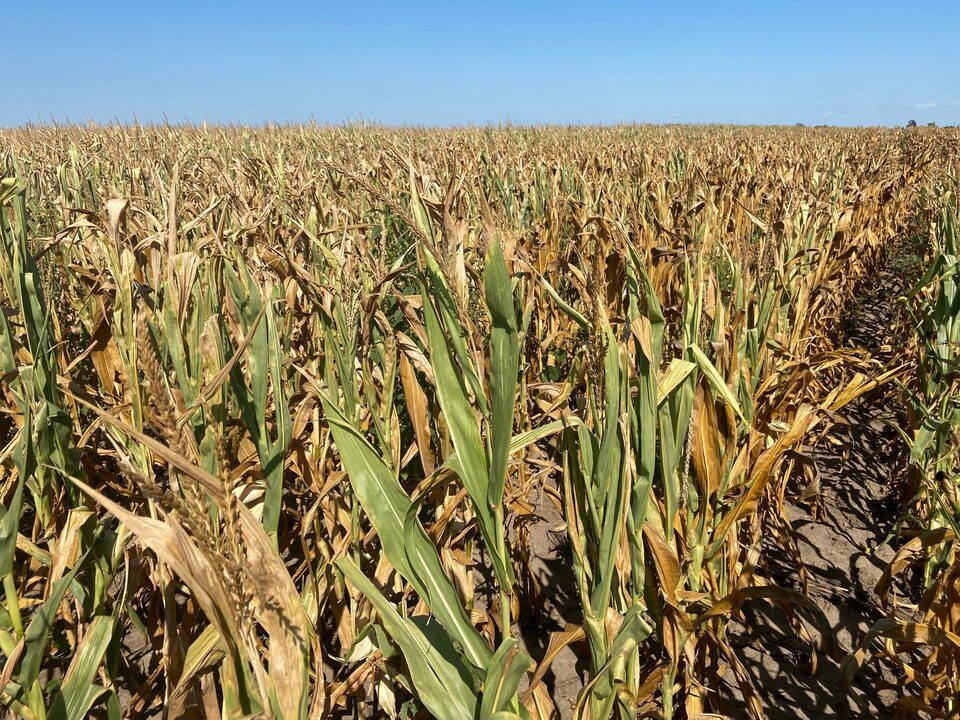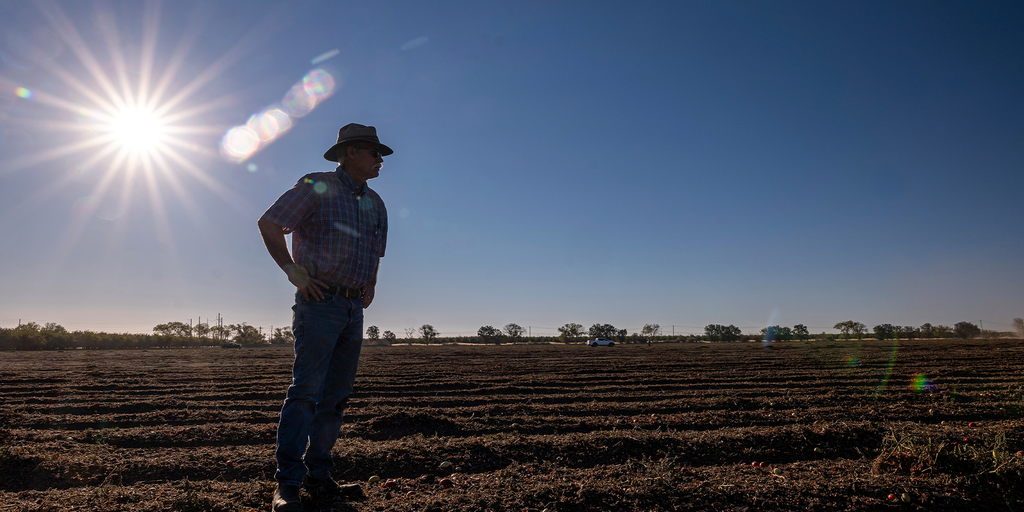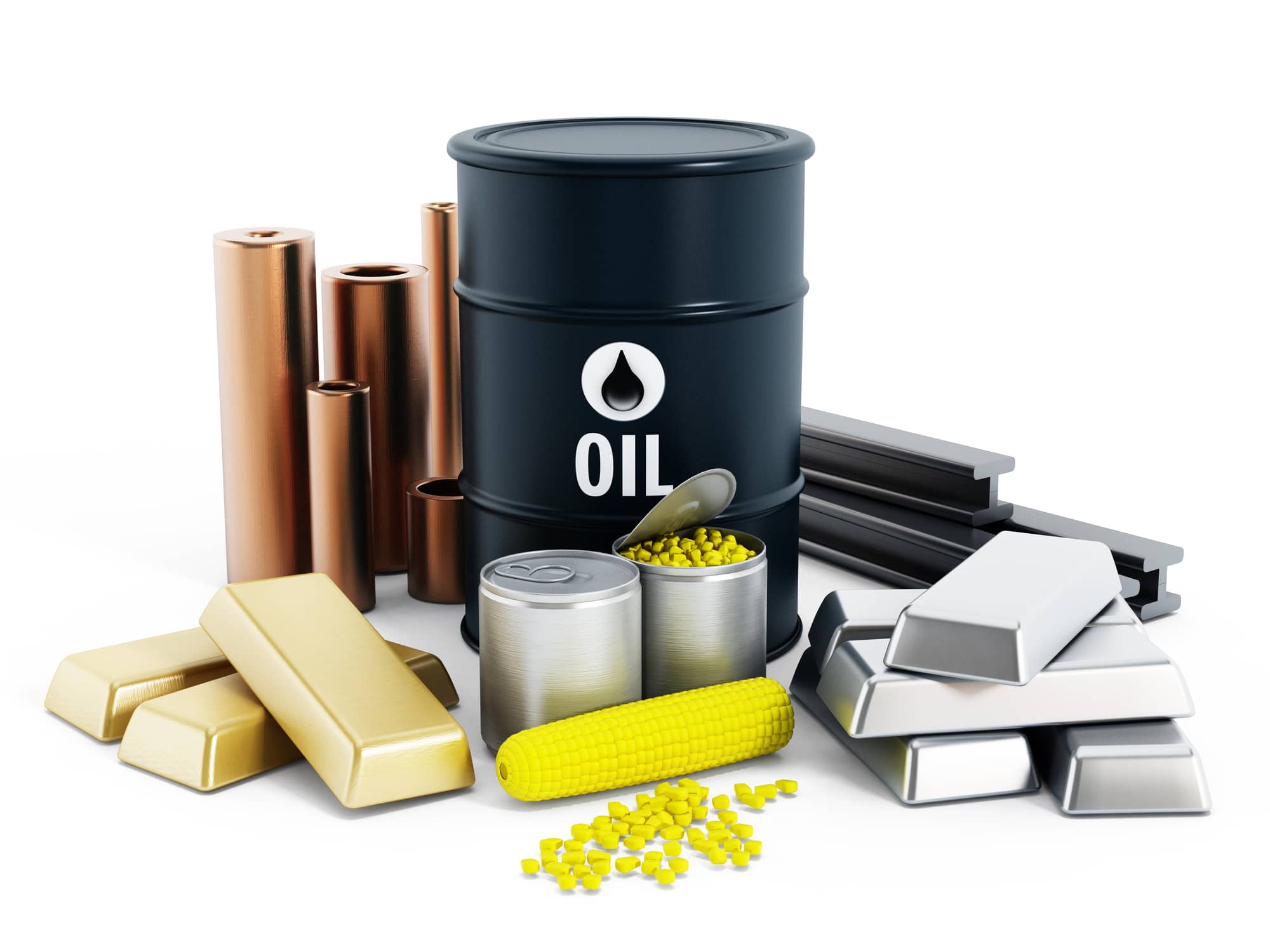
Agriculture markets may be entering a new up-cycle as supply disruptions and tight inventories begin to lift commodity prices, creating a potential opportunity for investors.
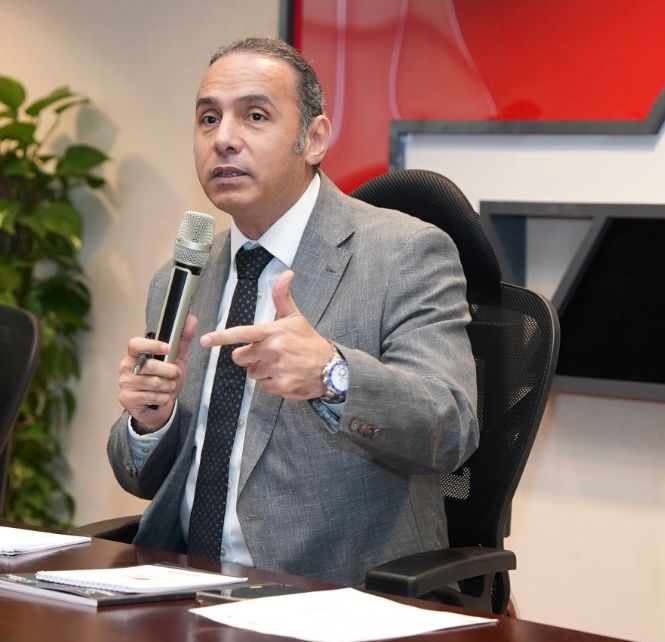
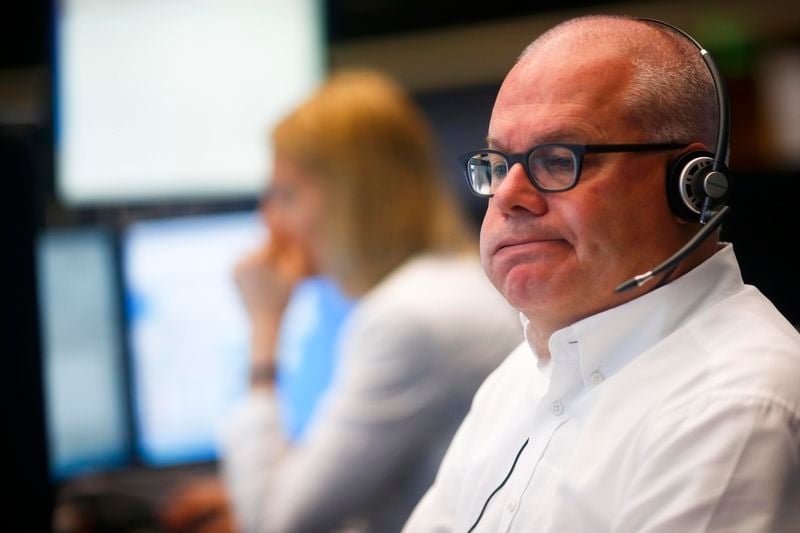
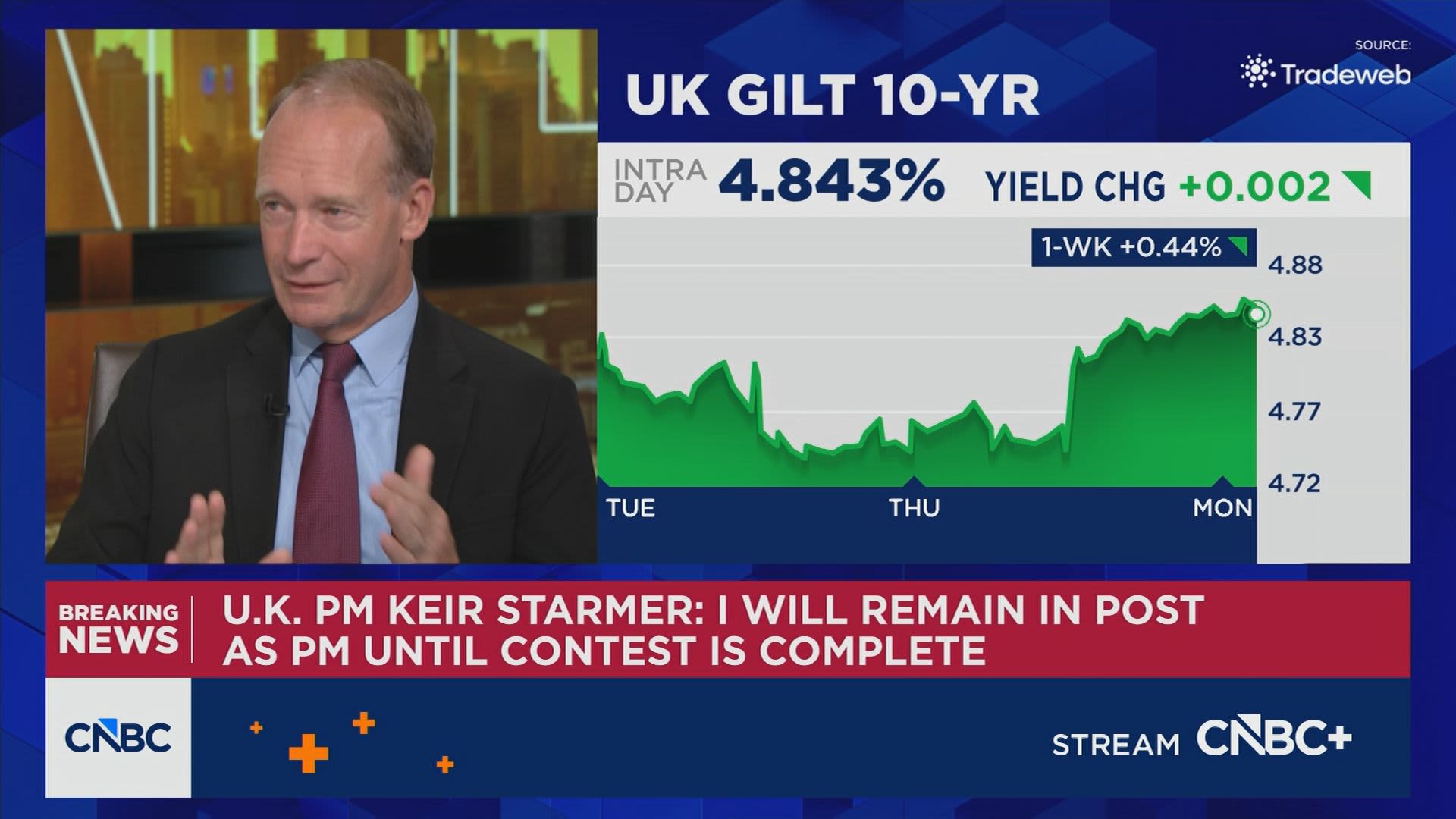
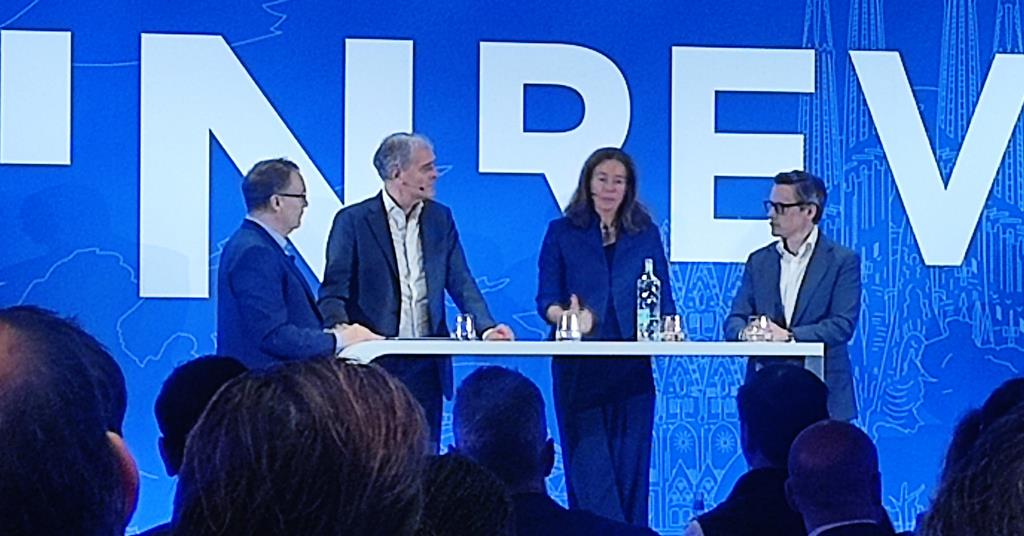
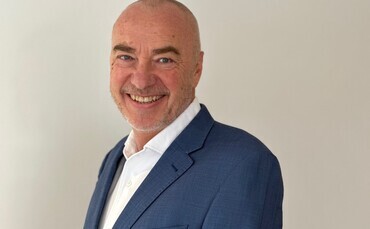
BNN Bloomberg spoke with Ryan Isherwood, co-founder and portfolio manager at Significance Capital, who said geopolitical tensions and improving fundamentals are driving renewed momentum across agriculture stocks.
Key Takeaways
- Agriculture appears to be transitioning out of a post-2022 down cycle, with typical 18- to 24-month cycles suggesting a new phase may be underway.
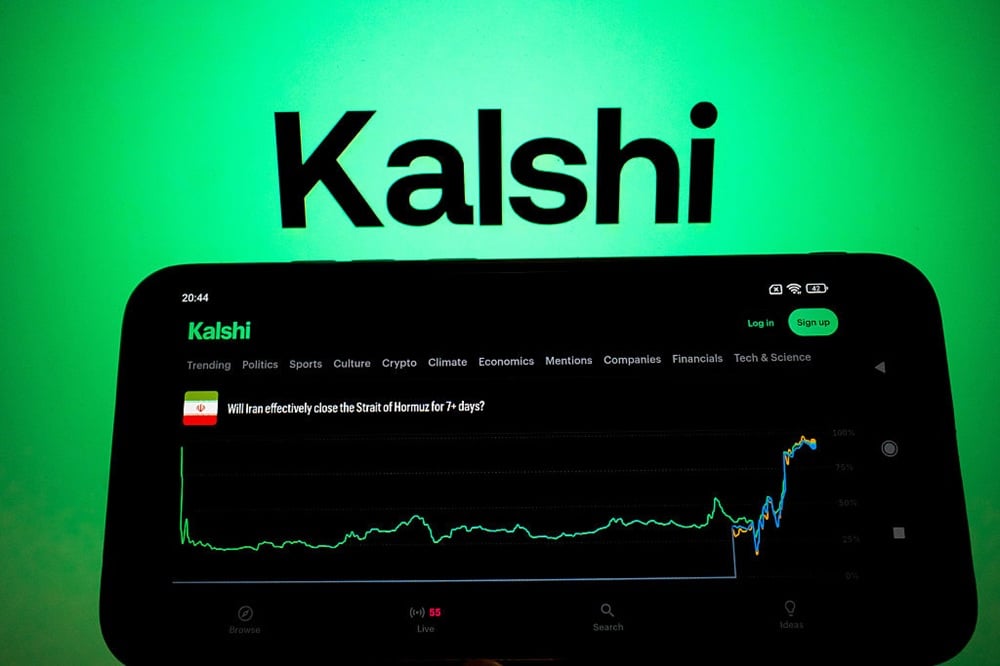
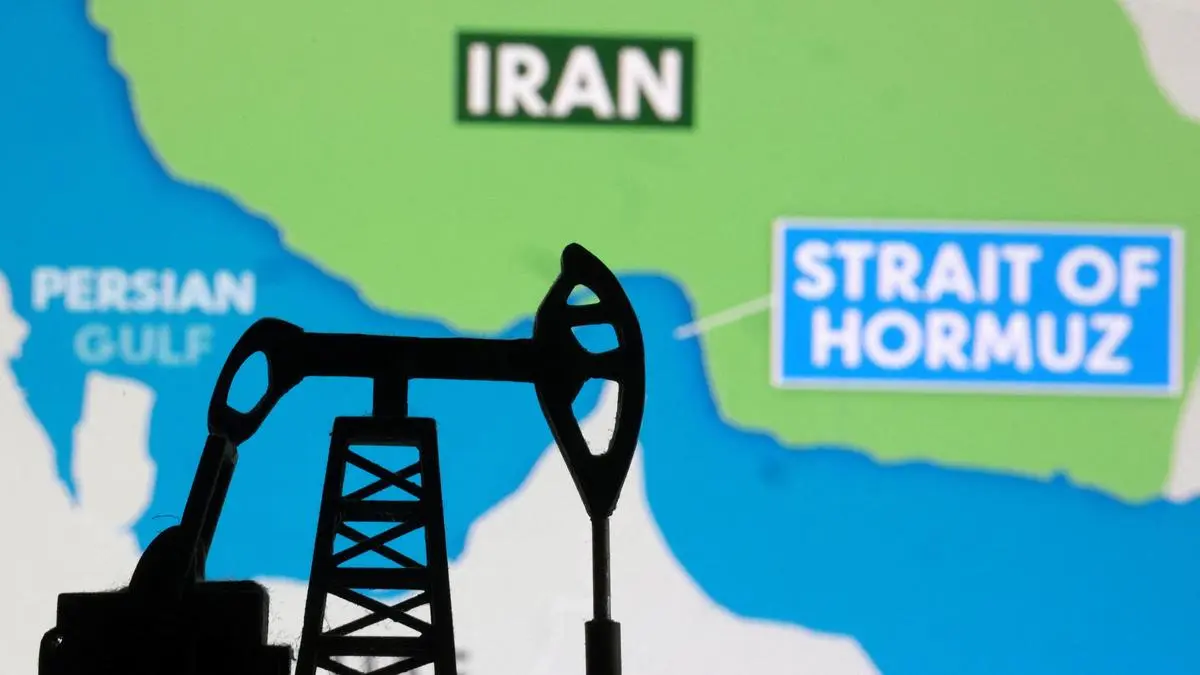
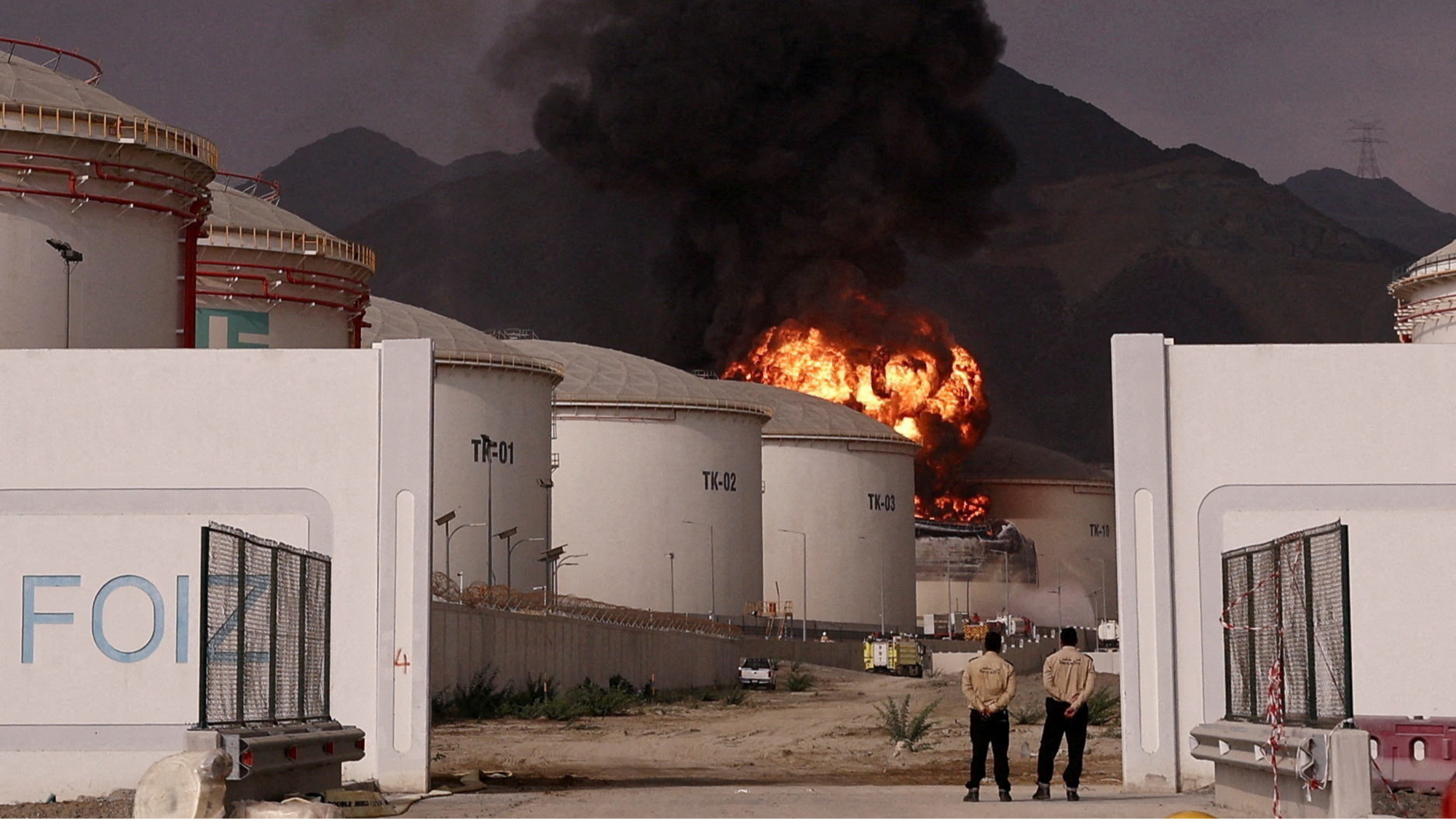
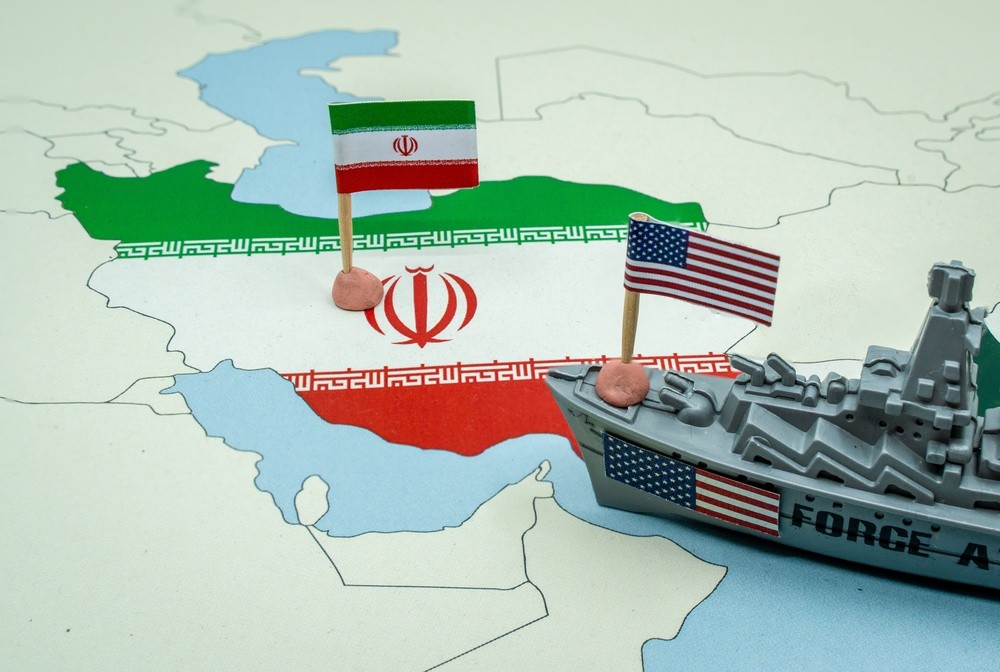
- Supply disruptions tied to the Strait of Hormuz are tightening fertilizer markets and could push crop prices higher.
- Corn remains a key commodity to watch due to its link to energy markets and its impact on broader food inflation.
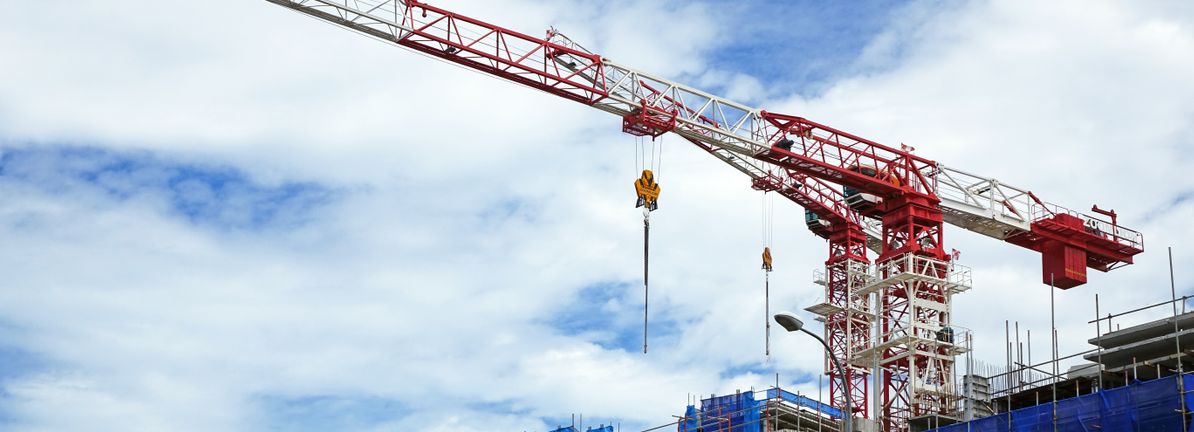
- Lean farm equipment inventories and rising backlogs point to an early-stage recovery in machinery demand.
- Agriculture stocks are already showing momentum, with improving earnings and market performance signalling growing investor interest.

Read the full transcript below:
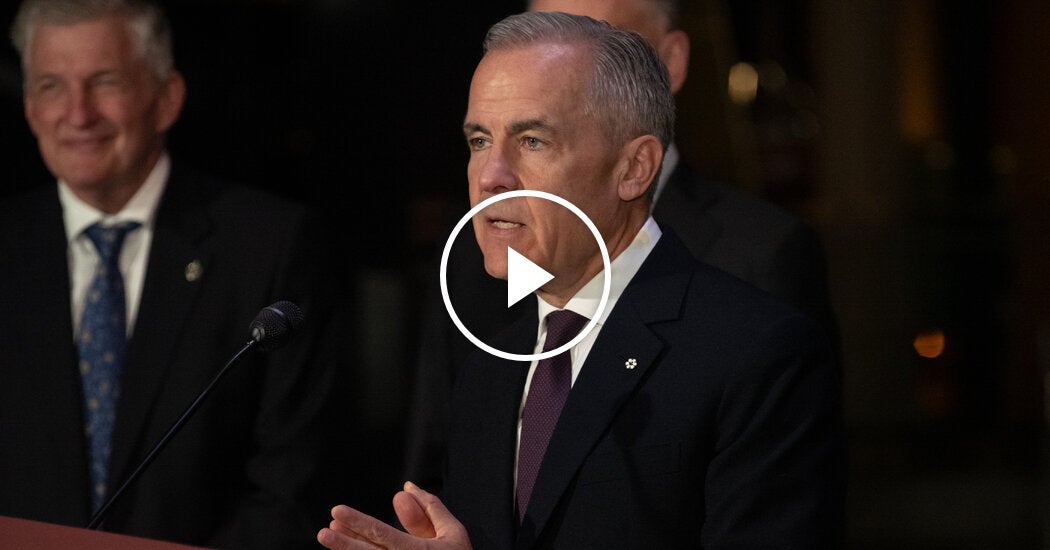
LINDSAY: It’s time now for Hot Picks, and today we are zeroing in on three agriculture stocks to have on your radar. Our next guest says this is the macro trade nobody’s talking about. So for more, let’s welcome in Ryan Isherwood, co-founder and portfolio manager at Significance Capital. It’s great to have you join us. Thanks so much.
RYAN: Thanks for having me, Lindsay. It’s great being here.
LINDSAY: Let’s talk a little bit about the agricultural sector to start. You say ag cycles typically run 18 to 24 months, and we’ve been in a down cycle since post-2022, so what’s going on there?
RYAN: Well, after 2022, that period ended with a geopolitical event similar to what we’re experiencing now with the Ukraine-Russia conflict, spiking oil prices and ag prices. We think what we’ve gone through is a down cycle. The inventories for machinery are very clean, and that’s typical of the bottom of the cycle.
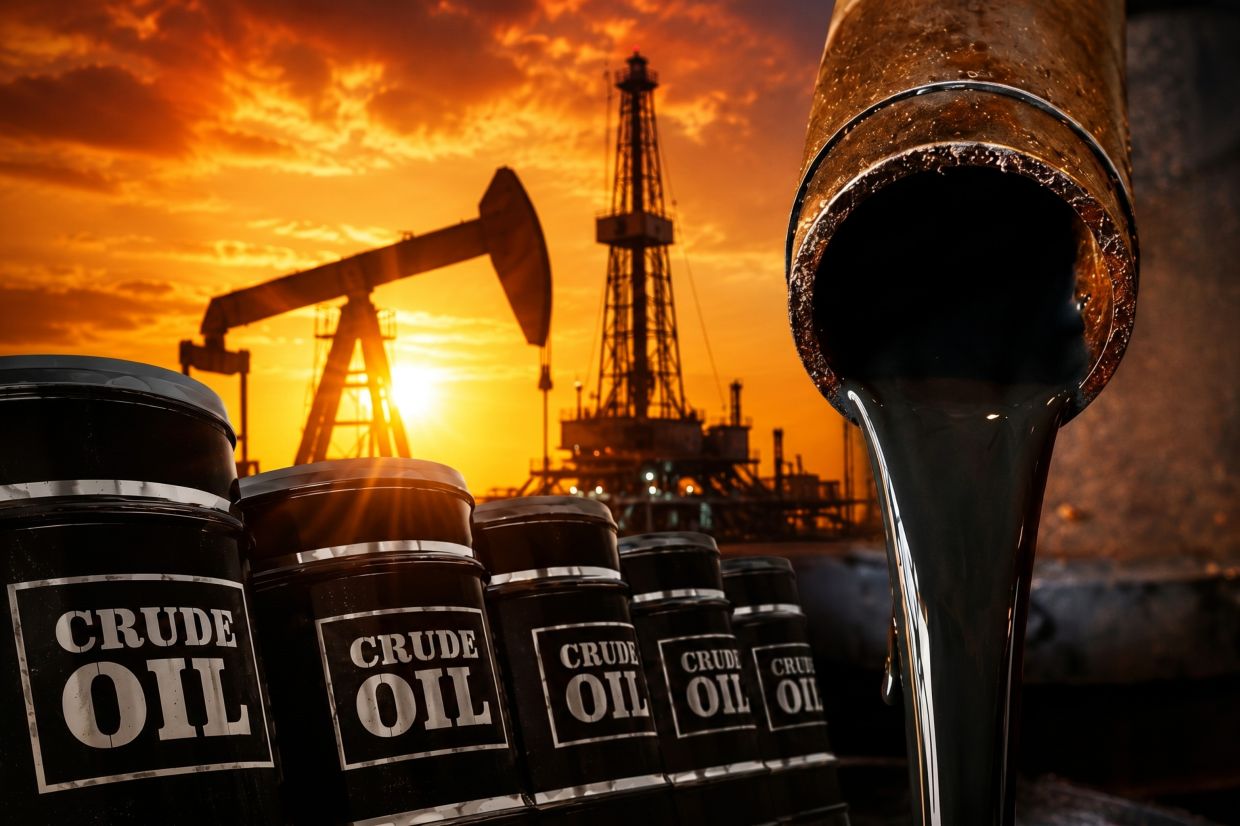
What we’re seeing now is we think the geopolitical event in Iran is kicking off a new ag cycle that is likely to last at least 18 to 24 months. Ag prices will tend to follow where oil has gone. We think with the Strait of Hormuz still shut, that causes all sorts of issues in the supply chain, with fertilizers and other inputs stretched pretty tightly. You can have a lot of things that could go your way, and we’re already starting to see fundamentals pick up in the space.
LINDSAY: And as you say, a lot of people are talking about the price of fertilizer because of what’s happening with the Strait of Hormuz. You also say corn is the most notable exposure right now with downstream implications for food inflation. Can you explain?
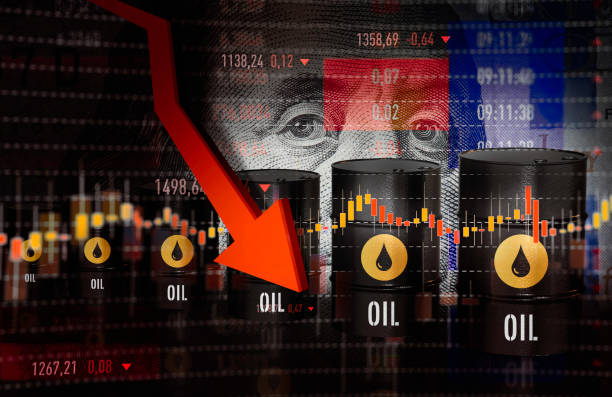
RYAN: Yes. Anytime you have a spike in oil prices, ag prices tend to follow. Certainly ethanol is a big input within the energy complex, and that’s why those two are intimately related. Historically, ag stocks in general tend to be highly correlated to corn more than any of the other commodities.
With fertilizer shortages, we’re already seeing farmers making choices such as switching from corn to soybeans. To the extent that this commodity cycle is ongoing and positive for ag, we’re seeing lots of signs that could lead to strengthening, and we’re starting to see the commodities perk up themselves. The stocks have been working for a little while now. Archer-Daniels-Midland reported a great quarter, and the stock is reacting to the upside. When the market is embracing our thesis, we feel pretty good about the work we’ve done and the duration of the potential cycle.
LINDSAY: Let’s get into your top picks. We’ll start with Archer-Daniels-Midland. What is it that you like about this company?
RYAN: They are highly exposed to the ag cycle. We’re seeing crush margins inflect for them. They were up 47 per cent in Q1 and are forecast to be up another 40 per cent in Q2. We think this is another company that can continue to show upside to earnings estimates going forward, and if you get crop inflation, that’s going to be significantly advantageous for them.
LINDSAY: Next up is Deere & Company. Why is this a pick for you?
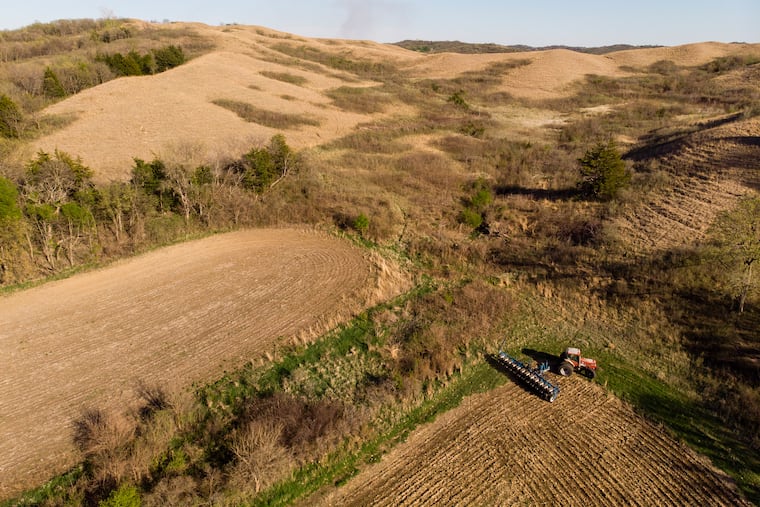
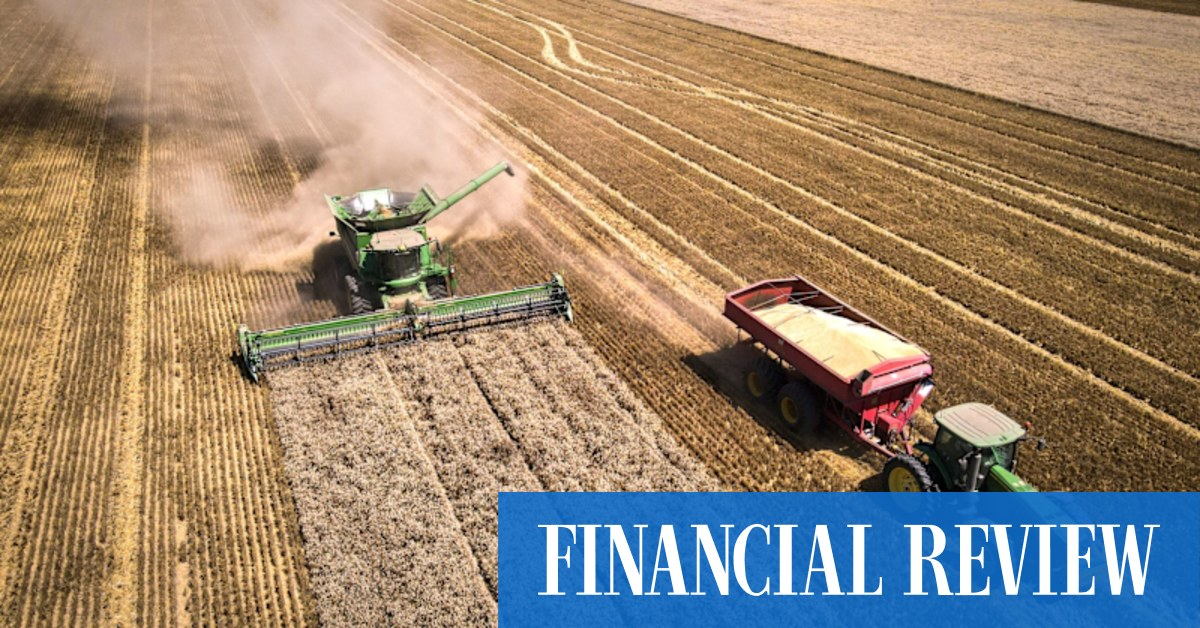
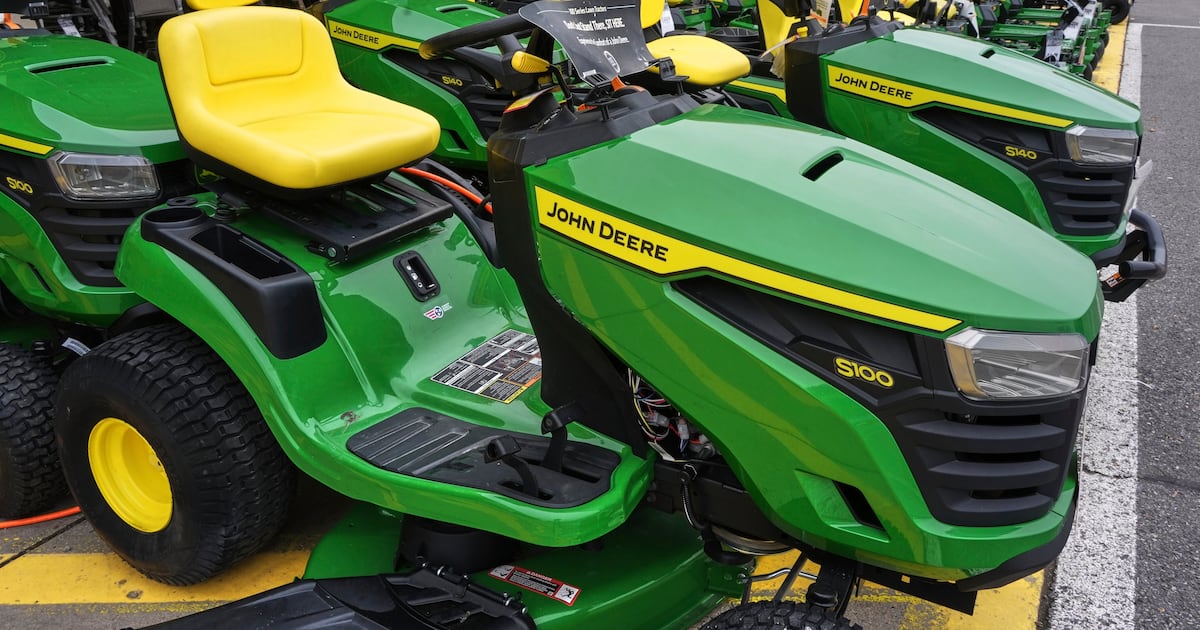
RYAN: Deere is benefiting from being the largest player in the space. They have a lot of technology and innovation when it comes to machinery. As farmers are slated to make more money, they’re going to start to buy machinery at a more aggressive pace, and Deere is best positioned for that.
We think backlogs on average are typically three months. They’re already stretching out to four to five months, which is very indicative of an early cycle. Deere often spends years going sideways and then moves up significantly over 18 to 24 months, and we think we’re seeing the early stages of that this year.
LINDSAY: So a big backlog for Deere. Do they have much competition in this space?
RYAN: There is competition, but they have been gaining share. When you look at competitors, Deere is better positioned. Their technology platform, including integrating AI into some of what they’re doing, is ahead. They’re the biggest player and have the most ability to spend on innovation.
With that comes higher margin potential for the products in the backlog. All things considered, we think they are very well positioned for the ag up cycle.
LINDSAY: Last up is Bunge Global. Why is this a pick for you?
RYAN: They are broadly exposed to grains across the globe and are benefiting from some of the same tailwinds we’ve already cited. When you look at the one-year performance of all these names, they’re very similar, and that’s because they are highly correlated to the same macro variables.
We continue to like all three. They can continue to post strong results, and we think momentum continues into the middle and back part of this year. We believe this ag cycle is just getting started.
LINDSAY: You say agriculture is the macro trade nobody’s talking about, and that it’s just getting started. Do you think everything happening geopolitically will push more investors into the sector?
RYAN: I think investors are already paying attention because you are seeing the stocks move. It’s overshadowed a little bit by oil, but we think disruptions could be greater within the ag space. There are more inputs flowing out of the Middle East, even beyond oil moving through the Strait of Hormuz.
This has the potential to be longer lasting or have a long tail. We’ve seen these energy disruptions before. Looking back at the 1973-74 crisis and embargo, inflation accelerated six to nine months after it was lifted. The follow-on effects from what’s happening in the Middle East may not show up in earnest until later this year, but we think it’s wise for investors to be positioned for that risk now.
LINDSAY: We’ll have to leave it there. Ryan Isherwood, co-founder and portfolio manager at Significance Capital. Great to have you join us.
RYAN: Thanks for having me.
LINDSAY: Thank you.
| DISCLOSURE | PERSONAL | FAMILY | PORTFOLIO/FUND |
|---|---|---|---|
| BG NYSE | N | N | Y |
| DE NYSE | N | N | Y |
| ADM NYSE | N | N | Y |
—
This BNN Bloomberg summary and transcript of the May 5, 2026 interview with Ryan Isherwood are published with the assistance of AI. Original research, interview questions and added context was created by BNN Bloomberg journalists. An editor also reviewed this material before it was published to ensure its accuracy and adherence with BNN Bloomberg editorial policies and standards.