The European defence sector is undergoing a profound transformation – from traditional heavy military equipment production towards advanced technologies such as drones, autonomous systems, cybersecurity, and artificial intelligence-based solutions.
The end of May is approaching, a key moment in the SAFE program for Poland to sign individual defence contracts and the deadline for independent equipment purchases before the EU transitions to joint procurement.
The EU’s ReArm Europe / Readiness 2030 initiative envisages mobilising up to EUR 800 bln to strengthen the European defence and technological base. A growing portion of these funds is going to the defence tech sector – companies developing dual-use solutions for both military and civilian applications. According to Dealroom data, the value of venture capital investments in European defence and defence-related startups reached approximately €2.3 billion in 2025, representing a 130% year-on-year increase.
Poland in the European Defence Tech Ecosystem
The report identified 38 key defence tech clusters in Europe and classified countries according to their role in the emerging defence ecosystem, dividing them into three groups. The first group comprises the leaders of European defence tech – including the United Kingdom, Germany, France, and Turkey – with extensive industrial bases, strong government support, and access to capital and advanced R&D programs.
The second group includes Poland, along with Sweden, Italy, Spain, and Norway, as markets with a high degree of technological specialisation, often focused on specific segments such as aviation, unmanned systems, cybersecurity, and advanced industrial manufacturing. The third group consists of Finland, Estonia, and Ukraine, described as dynamically growing markets that have rapidly built expertise in modern defence technologies – including drones, autonomous systems, cybersecurity, and artificial intelligence. The report’s authors highlight Ukraine as one of the fastest-growing defence tech ecosystems in Europe, directly shaped by battlefield experience.
Within the EMEA region, Poland stands out for its diverse defence cluster structure. Warsaw serves as a centre for government and institutional coordination, Rzeszów is one of Europe’s most important aviation and aerospace hubs, and Upper Silesia is responsible for heavy industrial production for the defence sector. This arrangement favours the development of both traditional production plants and modern technology companies.
New Real Estate Needs for the Defence Sector
The report states that both public and private capital are increasingly bypassing traditional centres of the heavy defence industry, diverting to technology hubs, where access to talent, R&D resources, venture capital, and collaboration with universities and startups are crucial. McKinsey analyses confirm that between 2021 and 2024, the value of venture capital investments in European defence tech startups increased by over 500 pct, reaching approximately EUR 2.3 billion in 2025.
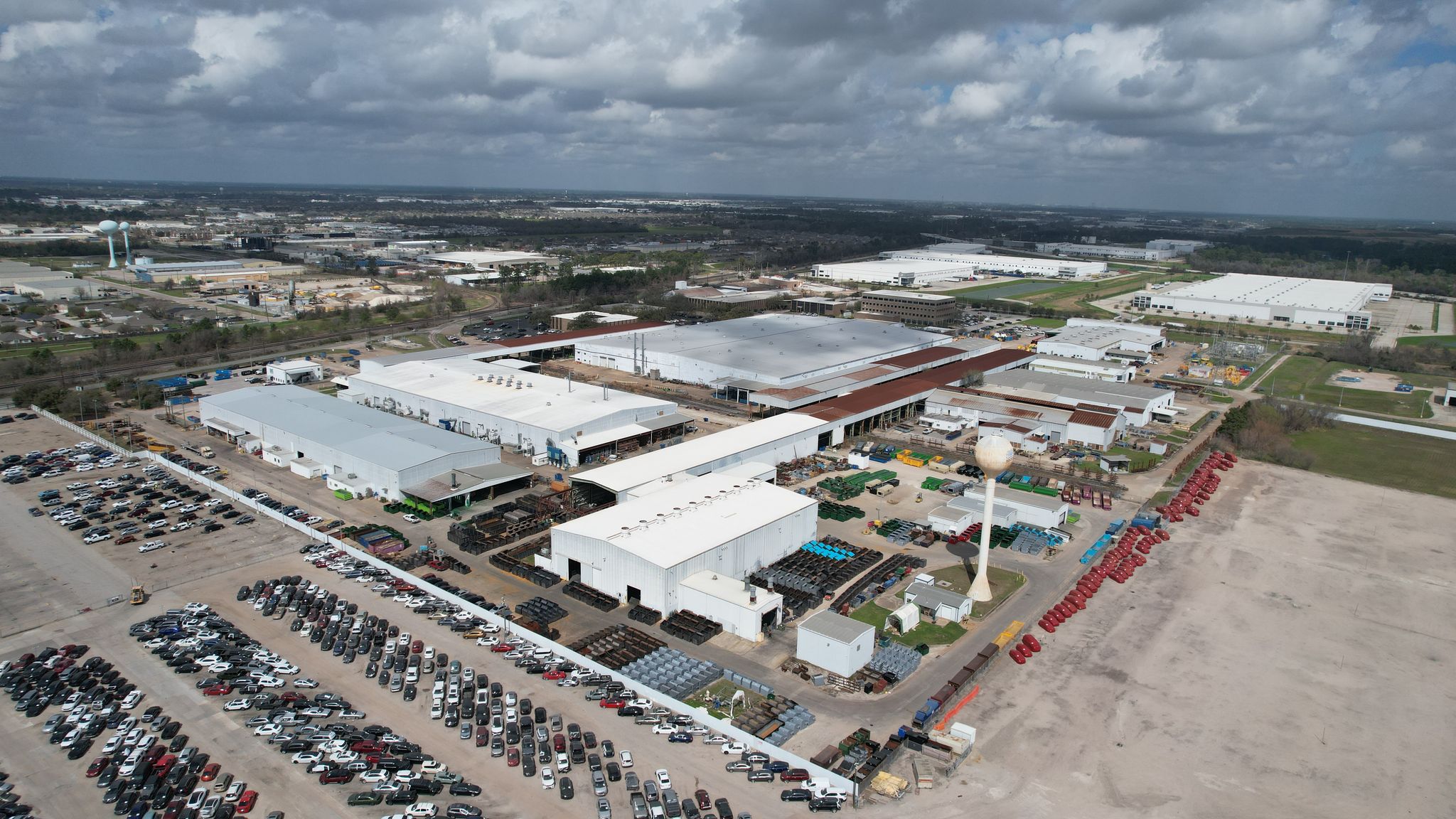
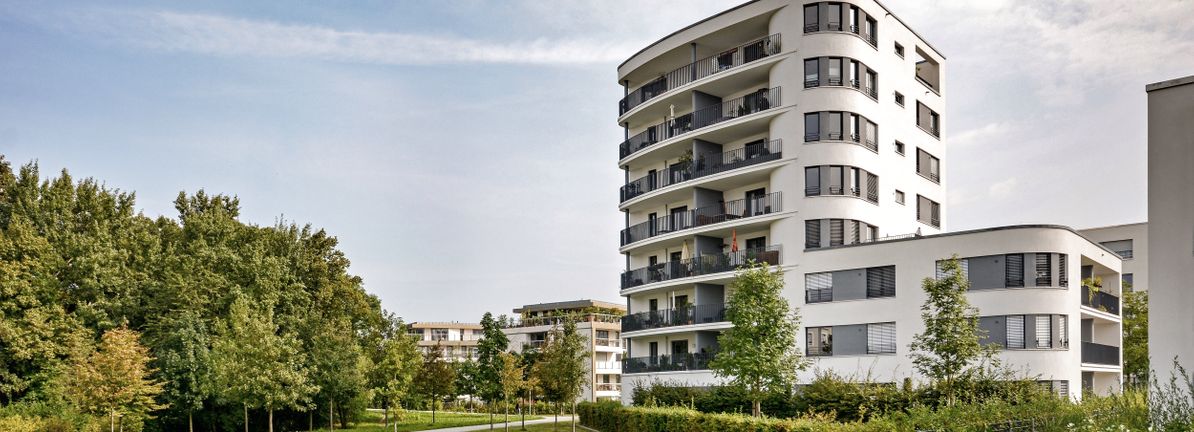
The sector’s structural change is directly impacting the real estate market. Instead of traditional offices and heavy industrial plants, there is a growing demand for secure, hybrid spaces combining offices, laboratories, flexible spaces, light production, and test ranges. Defence tech also fosters geographic diversification – new companies are no longer tied exclusively to military bases but are locating where capital, know-how, and innovation infrastructure are available.
Poland now has a real opportunity to become one of the key defence tech hubs in Central and Eastern Europe. We are combining industrial infrastructure with a growing technological ecosystem and increasing interest from foreign investors. Within the EMEA region, we are an example of a market that can effectively leverage geopolitical and technological megatrends.
Dominika Jędrak, director of market insight at Colliers
Poland is becoming increasingly visible on the map of foreign direct investment (FDI) in the space and defence sector, particularly in the context of Central and Eastern Europe. According to Colliers, the continued inflow of foreign capital and the shift in emphasis from defence platforms to data- and software-based technologies will strengthen its importance in the coming years.
Markets like Poland are becoming increasingly competitive, both in terms of innovation and real estate dedicated to the defence sector.
From a macroeconomic perspective, the defence sector is no longer considered a mere expense, but increasingly acts as a driver of economic development. Investments in defence tech support Europe’s innovation, productivity, and resilience, and in Poland’s case, can further accelerate industrial modernisation and strengthen the country’s position in regional production and supply chains.
Grzegorz Sielewicz, Chief Economist at Colliers for Central and Eastern Europe
We are observing a clear acceleration of activities supporting the development of the defence industry and key technologies in Europe. This is a response to the changing geopolitical environment and the need to build more resilient supply chains. Poland is aligned with this trend, strengthening its investment attractiveness, also through the development of public aid instruments.
The extension of the Polish Investment Zone program to the defence sector significantly strengthens the country’s investment offer. Combined with the planned inclusion of this industry in a government grant program, this means building a comprehensive and predictable environment for strategic projects. “It’s crucial for investors that Poland offers both solid industrial foundations and investment incentives. The availability of public support increases Poland’s competitiveness in attracting investments related to Europe’s security and economic resilience.
Jan Kamoji-Czapiński, director of incentives advisory at Colliers